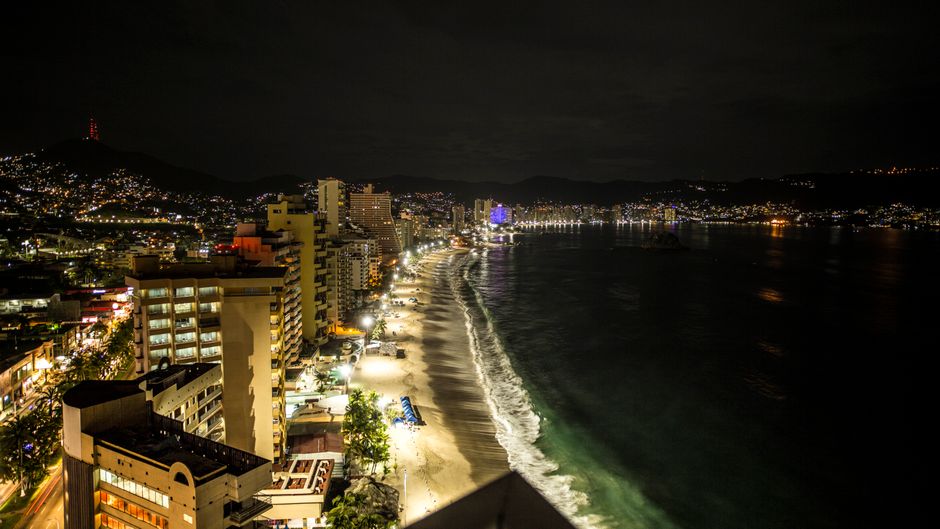
Acapulco is Mexico’s original beach resort: a deep, horseshoe-shaped bay on the Pacific in the state of Guerrero, ringed by the Sierra Madre del Sur and lined with hotels, beaches and the seafront avenue known as the Costera. It became famous in the 1950s and 1960s as a glamorous escape for film stars, and it is still a favorite weekend getaway for people from Mexico City, about four to five hours away by toll road. Visitors come for the warm water, La Quebrada’s cliff divers, sunsets at Pie de la Cuesta and lively nightlife. In October 2023 Hurricane Otis, the strongest hurricane on record to make landfall from the eastern Pacific, struck the city directly, and Hurricane John brought extreme rain in 2024; by mid-2026 most hotels had reopened. The dry season from November to April is the best time to go.
Right now in Acapulco de Juárez
- Tue 25–30°C 76–86°F 6 mm Rain
- Wed 24–26°C 75–79°F 41 mm Heavy rain
- Thu 23–27°C 74–80°F 48 mm Heavy rain
Weather: MET Norway (CC BY 4.0) · Sea temperature: NOAA CoastWatch · Rates: ECB
Top tours in Acapulco de Juárez
See all tours for Acapulco de Juárez →
From local operators, with prices and reviews; you check availability and book on Viator, our partner. We may earn a commission at no extra cost to you. How we earn money
Acapulco at a glance
- Best for: an easy beach break with warm water all year, sunsets, seafood, nightlife and a taste of mid-century Mexican resort history.
- How long: 3 days for the bay, La Quebrada and Pie de la Cuesta; 5–6 days to add Barra Vieja, a lagoon trip and a day in Taxco.
- Best time: November to April, with highs of about 31–32 °C (88–90 °F), warm nights and almost no rain. June to October is hot, humid and rainy, and the Pacific hurricane season runs from May 15 to November 30.
- Getting there: Acapulco International Airport (ACA), about 25 km (16 miles) south-east of the bay; or by first-class bus or car from Mexico City on the Autopista del Sol toll road.
- Getting around: taxis, city buses along the Costera, and a car for Pie de la Cuesta, Barra Vieja and Taxco.
- Before you go: entry rules, money and general safety are in our Mexico travel guide; for other Pacific beach towns, see our Puerto Vallarta and Los Cabos guides.
Acapulco’s areas: where things are
The city wraps around the bay from west to east, and three tourist zones follow the coast. The Costera Miguel Alemán, the main avenue, links them along the waterfront; beyond the bay, beaches continue west to Pie de la Cuesta and east past the airport to Barra Vieja.
Acapulco Tradicional (the old town and La Quebrada)
The western end of the bay is the oldest part of the city, with the zócalo, the cathedral, the Fuerte de San Diego, the fishing pier and the cliffs of La Quebrada. Small hotels, markets and local restaurants make it the most authentic and affordable base, and the beaches of Caleta and Caletilla are nearby.
Acapulco Dorado (the Golden Zone)
The middle of the bay, along the Costera from Playa Hornos to Playa Icacos, is the classic hotel strip, with high-rise hotels, restaurants, shops, bars and the bay’s widest beaches, such as Condesa and Icacos. It is central and walkable, and buses run its full length.
Acapulco Diamante (the Diamond Zone)
South-east of the bay, beyond the Scenic Highway (Carretera Escénica) and its clifftop restaurants and viewpoints, the Diamond Zone stretches from Puerto Marqués along Playa Revolcadero toward the airport, with large resorts, golf courses and condominiums. It is newer and more spread out, and you will need a car or taxis.
Pie de la Cuesta
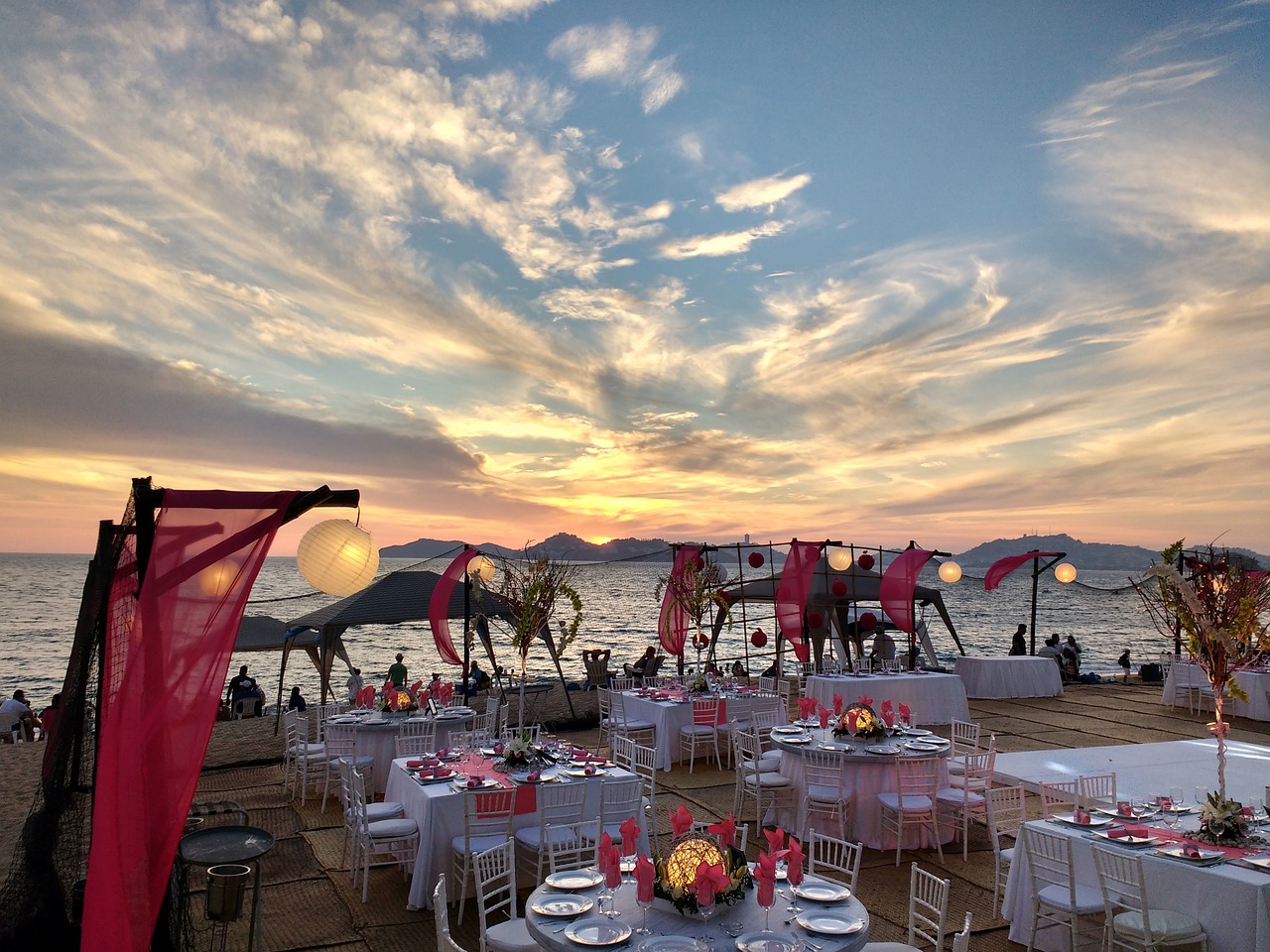
About 15 minutes north-west of the old town, this narrow strip of sand between the open Pacific and the Coyuca lagoon has small hotels, hammocks and seafood restaurants. It is the place for sunsets, but the surf is powerful, and swimming in the open sea is dangerous.
Top things to see in Acapulco
Prices and hours below were checked on the official sites in October 2026, unless we say otherwise; check again before you go.
La Quebrada cliff divers
Acapulco’s most famous show: divers climb a rock face of about 35 meters (115 feet) above a narrow inlet at La Quebrada and plunge into the sea, timing their jump to the incoming swell. The tradition goes back to the 1930s, and shows run several times a day from early afternoon into the evening, with the last ones lit by torches. Watch from the public viewing platform, where a small entry fee is charged, or from the terrace of the hotel and restaurant above; check show times locally, as they can change with the sea.
Fuerte de San Diego (Acapulco Historical Museum)
This star-shaped fort above the port was built in the 17th century to protect the Manila galleons, the Spanish ships that linked Acapulco with Asia for two and a half centuries, and it was rebuilt after an earthquake in 1776. Today it houses the National Institute of Anthropology and History’s (INAH) Acapulco Historical Museum, with exhibits on the galleon trade, pirates and the War of Independence. According to INAH, it opens Tuesday to Sunday, 9 a.m. to 3 p.m., and entry costs MXN 155 (about US$8.50), or MXN 85 for Mexicans and foreign residents, as of 2026. The walls give good views over the bay.
The bay’s beaches
All beaches in Mexico are public by law. Inside the bay, the water is usually calm: Caleta and Caletilla, at the western tip, are small, sheltered and popular with families, with boats to Isla La Roqueta; Playa Condesa and Playa Icacos, in the Golden Zone, are wide and lively; and Puerto Marqués, in its own small bay to the south-east, has calm water and seafood restaurants. Outside the bay, Revolcadero, Pie de la Cuesta and Barra Vieja face the open ocean with big waves and strong rip currents: enjoy the sand, but swim only where it is calm and lifeguards are present. See our beaches guide.
Isla La Roqueta
A small wooded island just off Caleta beach, reached by short boat rides, some with glass bottoms. It has a calm beach for swimming and snorkeling, and a hiking path to a lighthouse. Agree on the return time with your boat before you go.
More to see
- The zócalo and the cathedral: the shady main square of the old town, with the blue-domed Nuestra Señora de la Soledad cathedral and cafés.
- The Scenic Highway viewpoints: the road from the bay to Puerto Marqués climbs above the coast, with lookouts over the whole bay, best at sunset.
- The Chapel of Peace (Capilla de la Paz): a hilltop chapel with a large cross in the Las Brisas area, with wide views over the bay.
- Casa de la Cultura and the Costera’s monuments: small galleries, crafts and public art along the main avenue.
Protected areas
- El Veladero National Park
Castles and forts
- Fort San Diego
Churches and cathedrals
- Our Lady of Solitude Cathedral, Acapulco
Viewpoints
- La Quebrada Cliff Divers
Nature reserves
- Isla La Roqueta
Activities and best months
- City sightseeingINAH's Museo Histórico de Acapulco in the Fort of San Diego opens Tuesday to Sunday 9:00-15:00 (MXN 155). · source
Other things to do in Acapulco
Boat trips, fishing and water sports
Bay cruises run by day and at sunset, many passing the cliffs of La Quebrada and the houses of Las Brisas. Sport-fishing charters leave from the bay for sailfish and marlin. Snorkeling is best around Isla La Roqueta and the rocky points near Caleta; inside the bay you can also try paddleboarding, kayaking and parasailing. Use operators with life jackets and proper permits. See our boat trips and snorkeling guides.
The Coyuca lagoon and Pie de la Cuesta
Behind Pie de la Cuesta, the Coyuca lagoon is a large freshwater lagoon fringed with palms and mangroves, with boat tours to its islands, birds and small restaurants on stilts. Spend the afternoon on the lagoon and stay for the sunset over the Pacific.
Food and nightlife
Try pescado a la talla (grilled, chili-rubbed fish), ceviche acapulqueño, pozole, especially on Thursdays, a Guerrero tradition, and fresh coconut water on the beach. The Golden Zone and the Costera have the bars and clubs that made Acapulco famous; the old town has local seafood places and markets.
Day trips from Acapulco
- Barra Vieja: a long, wild beach between the ocean and the Tres Palos lagoon, about 40 minutes south-east, famous for pescado a la talla in its beach restaurants. The sea is rough; swim only where it is calm.
- Pie de la Cuesta and Coyuca: a half day of lagoon boat rides, hammocks and sunset, 15 minutes from the old town.
- Taxco: a hillside silver-mining town of white houses and cobbled lanes, with the baroque church of Santa Prisca and dozens of silver shops, about three hours north by toll road; it makes a good stop on the way to or from Mexico City.
- Mexico City: about four to five hours by road; see our Mexico City guide to combine the capital with the beach.
Nearby destinations
- Mexico City288 km
Getting there and getting around
By air
Acapulco International Airport (ACA), General Juan N. Álvarez, sits about 25 km (16 miles) south-east of the bay, beyond the Diamond Zone. It has frequent flights from Mexico City and other Mexican cities and, in the winter season, some routes from the United States and Canada; check which airlines currently fly your route. The airport was badly damaged by Hurricane Otis and reopened within days. Authorized taxis and shuttles at the terminal take about 30–45 minutes to the Golden Zone.
By road from Mexico City
The Autopista del Sol toll road links Mexico City with Acapulco via Cuernavaca and Chilpancingo in about four to five hours, depending on traffic, which is heavy on holiday weekends. First-class buses run around the clock from Mexico City’s southern bus station (Terminal Sur, Taxqueña) to Acapulco’s terminals. Drive by day, and keep some cash for the tolls.
Getting around Acapulco
City buses run the length of the Costera and are cheap, with exact change in pesos. Taxis are everywhere and have no meters: agree on the fare before you get in, or ask your hotel to call one. Ride-hailing apps work in the city. A rental car is useful for Barra Vieja and Taxco but not needed inside the bay.
When to go and how long to stay
Acapulco is hot all year. The table uses the National Meteorological Service’s (SMN-Conagua) 1991–2020 climate normals for the Acapulco observatory: average daily highs and lows, and days with rain.
| Season | Average high / low | Rainy days per month | What it’s like | Good for |
|---|---|---|---|---|
| Winter (Dec–Feb) | 31–32 °C (88–89 °F) / 22 °C (71–72 °F) | 0–3 | Dry, sunny and warm; the busiest season, with Mexican holidaymakers at Christmas and New Year | Beaches, boat trips, fishing |
| Spring (Mar–May) | 32–33 °C (89–91 °F) / 22–24 °C (71–76 °F) | 0–3 | Dry and getting hotter; Easter week (Semana Santa) is very busy | Beaches, sunsets, lagoon trips |
| Summer (Jun–Aug) | 33 °C (91–92 °F) / 25 °C (77 °F) | 12–13 | Hot and humid, with heavy afternoon or night storms | Lower prices, warm sea |
| Fall (Sep–Nov) | 32–33 °C (90–91 °F) / 24–25 °C (75–77 °F) | 15 in September, 2 in November | September is the wettest month and the peak of hurricane season; dry again by November | Quiet beaches from late October |
The station records about 1,240 mm (49 in) of rain a year, nearly all of it from June to October; September is the wettest month, with about 281 mm (11 in).
Hurricane season: according to NOAA’s National Hurricane Center, the eastern Pacific hurricane season runs from May 15 to November 30. Most days are fine, but storms can bring flooding, landslides and road closures. If a storm threatens, follow the instructions of Guerrero’s civil protection authorities and your hotel, and check Mexico’s National Meteorological Service (SMN) and the National Hurricane Center; travel insurance that covers weather is wise.
Hurricanes Otis and John: according to the National Hurricane Center, Hurricane Otis made landfall at Acapulco early on October 25, 2023 as a category 5 hurricane with estimated winds of about 260 km/h (160 mph), after intensifying unusually fast. It was the strongest hurricane on record to make landfall in the eastern Pacific and caused at least 52 deaths, with dozens more missing, and an estimated US$12–16 billion in damage in Mexico, making it the country’s costliest tropical cyclone on record. Less than a year later, in September 2024, Hurricane John made landfall farther east in Guerrero and stalled near the coast; Acapulco recorded about 1,442 mm (57 in) of rain during the storm, with widespread flooding and landslides. Recovery since then has been steady. According to Mexico’s tourism ministry (Sectur), Acapulco hosted the 50th Tianguis Turístico, Mexico’s main tourism trade fair, in April 2026 with more than 17,000 hotel rooms open, and Guerrero’s state government reported 17,555 rooms in 313 hotels operating in July 2026, about 90% of the pre-Otis total. Some hotels and buildings are still closed or under repair, and trees and gardens are still growing back, so check recent photos and reviews when you book.
Weather month by month
Averages from SMN normals 1991–2020, Acapulco · Last reviewed 4 Oct 2026
3 days in Acapulco
Day one, the old town: the zócalo, the Fuerte de San Diego museum in the morning, a swim at Caleta and the evening dives at La Quebrada. Day two, a boat to Isla La Roqueta, then the Golden Zone’s beaches and a sunset cruise. Day three, the Coyuca lagoon and sunset at Pie de la Cuesta.
5 to 6 days in Acapulco
Add lunch at Barra Vieja, a fishing or snorkeling trip, a night out in the Golden Zone and the viewpoints of the Scenic Highway. With a sixth day, visit Taxco, or break the drive to Mexico City there.
Where to stay in Acapulco and the hotel taxes
- Acapulco Dorado (Golden Zone): high-rise hotels on the beach, close to restaurants and nightlife; the most convenient first base.
- Acapulco Diamante: large resorts, villas and condos on Revolcadero and Puerto Marqués, near the airport; best with a car or for resort stays.
- Acapulco Tradicional: small hotels and guesthouses near Caleta and La Quebrada; the best value and most local feel.
- Pie de la Cuesta: small hotels and bungalows between the lagoon and the ocean, for a quiet stay and sunsets.
Room rates are often quoted before tax. Federal VAT (IVA) of 16% applies, plus Guerrero’s state lodging tax, which the state finance law sets at 3% for hotels and 4% for vacation rentals in houses and apartments, including those booked through platforms such as Airbnb (law text as reformed in 2023). Prices rise sharply at Christmas, New Year and Easter, when hotels fill with visitors from Mexico City.
Practical tips for Acapulco
- Cash: carry pesos for buses, taxis, beach vendors and small restaurants; use ATMs inside banks or shopping centers in daylight.
- The sea: swim inside the bay, and respect the beach flags; the open beaches outside the bay have dangerous waves and currents.
- Taxis: agree on the fare before you get in, or use apps or hotel taxis, especially at night.
- Tipping: 10–15% in restaurants; tip boat crews and the La Quebrada divers’ collectors if you enjoyed the show.
- Safety: Guerrero has had high levels of crime linked to organized crime and extortion of local businesses, and it rarely targets visitors. The tourist zones along the Costera are busy and patrolled by tourist police. Stay in the main tourist areas, travel by day between towns, use official or app taxis at night, keep valuables out of sight, and don’t buy drugs.
- Emergencies: call 911.
What to pack for Acapulco
Pack light, breathable clothes, swimwear, a hat, sunglasses and reef-friendly sunscreen, plus sandals and water shoes for rocky coves. Bring insect repellent for the lagoons and evenings, a light rain jacket from June to October, a smart-casual outfit for restaurants and clubs, and a refillable water bottle to fill from purified-water dispensers. Plugs are the US type.
What to pack
- City walking shoesLisbon and Porto are steep, with polished limestone cobbles that get slippery, so grippy soles matter.
- Day packs and anti-theft bagsA small zipped or anti-theft bag makes crowded trams and viewpoints less stressful.
- Rain jacketsFrom October to April Porto and Lisbon see rain on roughly a third of days.
- Travel adapters and convertersPortugal uses Type C and F sockets at 230 V, so most visitors from outside Europe need an adapter.
Acapulco travel FAQ
Is Acapulco open for tourists after Hurricane Otis?
Yes. According to Guerrero’s state government, 17,555 hotel rooms in 313 hotels were operating in July 2026, about 90% of the capacity before Otis, and the airport and highway are open. Some buildings are still being repaired.
When did Hurricane Otis hit Acapulco?
Otis made landfall at Acapulco early on October 25, 2023 as a category 5 hurricane, according to the US National Hurricane Center. Hurricane John then brought about 1,442 mm (57 in) of rain to the city in September 2024.
What time are the La Quebrada cliff divers?
Shows run several times a day from early afternoon into the evening, with the last ones by torchlight. Times can change with the sea, so check locally on the day.
How much does the Fuerte de San Diego cost?
MXN 155 (about US$8.50) for foreign visitors and MXN 85 for Mexicans and residents, according to INAH as of 2026. It opens Tuesday to Sunday, 9 a.m. to 3 p.m.
Which beaches in Acapulco are safe for swimming?
The beaches inside the bay, such as Caleta, Caletilla, Condesa, Icacos and Puerto Marqués, are usually calm. Revolcadero, Pie de la Cuesta and Barra Vieja have dangerous surf and currents.
How far is Acapulco from Mexico City?
About four to five hours by the Autopista del Sol toll road, or about an hour by plane. First-class buses leave from Mexico City’s southern bus terminal around the clock.
What is the best time to visit Acapulco?
November to April, when it is dry and sunny with highs of about 31–32 °C (88–90 °F). Avoid the Christmas and Easter peaks if you want lower prices.
What taxes are added to Acapulco hotel bills?
16% IVA plus Guerrero’s lodging tax: 3% for hotels and 4% for vacation rentals, including platform bookings.
Do I need to pay VISITAX in Acapulco?
No. VISITAX is a Quintana Roo fee for the Caribbean coast only. In Acapulco you pay only the taxes on your hotel bill.
When is hurricane season in Acapulco?
The eastern Pacific season runs from May 15 to November 30, according to NOAA; September is the wettest month in Acapulco.
Sources
- © OpenStreetMap contributors · ODbL · fetched 4 Oct 2026
- Wikidata · CC0 · fetched 4 Oct 2026
Sources and last review
Researched and last reviewed on 4 October 2026. Fuerte de San Diego hours and fees: the National Institute of Anthropology and History (INAH); hurricanes Otis and John: the US National Hurricane Center’s tropical cyclone reports; hotel recovery: Mexico’s tourism ministry (Sectur) and the Government of Guerrero; lodging tax: Guerrero’s state finance law (Ley 419 de Hacienda del Estado de Guerrero); hurricane season: NOAA’s National Hurricane Center; climate: SMN-Conagua 1991–2020 normals for the Acapulco observatory. La Quebrada show details, distances, travel times, airline routes, beach conditions and the general safety summary come from secondary sources or general knowledge and are flagged for checking. Prices and timetables change, so check the official sites before you go. For entry rules, money and general safety, see our Mexico travel guide.
Plan your trip
Partner links: TravelerCenter may earn a commission if you book, at no extra cost to you.
🇪🇸 Useful Spanish phrases for Acapulco de Juárez
All 38 Spanish phrases: restaurant, hotel, emergencies, romance (printable) →