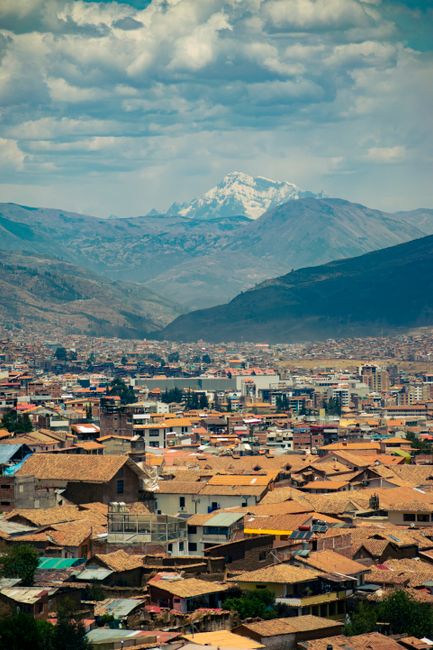
Cusco, high in the Peruvian Andes at about 3,400 m (11,150 ft), was the capital of the Inca Empire and is now the gateway to Machu Picchu and the Sacred Valley. Spanish colonists built churches, convents and mansions directly on top of perfectly fitted Inca stone walls, and the result, a UNESCO World Heritage Site since 1983, is one of the most beautiful cities in South America: the grand Plaza de Armas, the Qorikancha sun temple beneath a Dominican convent, the artisans’ quarter of San Blas, the San Pedro market and the zigzag ramparts of Sacsayhuamán above town. Cusco is also a lively base with excellent restaurants, Andean festivals such as Inti Raymi in June, and treks to Rainbow Mountain, Humantay Lake and along the Inca Trail. Plan for the altitude: take it easy for the first day or two.
Right now in Cusco
- Tue 6–23°C 42–73°F Mostly clear
- Wed 7–23°C 44–73°F Partly cloudy
- Thu 6–20°C 43–68°F 1 mm Partly cloudy
- Thu 8 Oct Battle of Angamos (Combate de Angamos)
Weather: MET Norway (CC BY 4.0) · Holidays: Nager.Date
Top tours in Cusco
See all tours for Cusco →
From local operators, with prices and reviews; you check availability and book on Viator, our partner. We may earn a commission at no extra cost to you. How we earn money
Cusco at a glance
- Best for: Inca and colonial history, Andean culture, food, festivals, and as a base for Machu Picchu, the Sacred Valley and treks.
- How long: 2–3 days for the city and nearby ruins, plus the Sacred Valley and Machu Picchu; 5–6 days with a trek or Rainbow Mountain.
- Best time: May to September, the dry season, with sunny days of about 21–22 °C (70–71 °F) and nights around or below freezing; December to March is the rainy season.
- Getting there: fly from Lima (about 1 hour 20 minutes) to Alejandro Velasco Astete airport (CUZ), a few kilometers from the center.
- Fees to know: many sights around Cusco are covered by the Boleto Turístico del Cusco, the regional combined ticket; Machu Picchu is separate.
- Before you go: entry rules, money and general safety are in our Peru travel guide.
Cusco’s neighborhoods: where things are
The historic center is compact but steep, with narrow stone streets. The Plaza de Armas, the heart of Inca and colonial Cusco, is ringed by the Cathedral and the Church of the Company of Jesus. Uphill to the north-east, San Blas is the artisans’ quarter of whitewashed houses, workshops, cafés and viewpoints. South-west, the San Pedro market and the San Pedro train station area are busy and local, and Avenida El Sol runs south-east past the Qorikancha toward the newer districts and the airport. Sacsayhuamán and the other Inca sites lie on the hills just above the center.
Top things to see in Cusco
Hours and prices change; check before you go. The Boleto Turístico del Cusco covers several of the sights below; the Cathedral and the Qorikancha have their own tickets.
The Plaza de Armas and the Cathedral
The main square, on the site of the Inca great plaza of Huacaypata, is framed by arcades and two great churches. The Cathedral, built over an Inca palace, holds colonial paintings of the Cusco School, including a Last Supper with guinea pig on the table. The Church of the Company of Jesus, on the same square, has a richly carved baroque facade.
The Qorikancha
The Inca Empire’s most important temple, dedicated to the sun, once lined with gold sheets. The Spanish built the Santo Domingo convent on top of it, but the curved Inca wall and the precise stonework of its inner chambers survive and can be visited.
Inca walls and Hatun Rumiyoc
Walk Calle Hatun Rumiyoc to see the twelve-angled stone in the wall of an Inca palace, and Calle Loreto, a narrow lane between Inca walls off the Plaza de Armas.
Sacsayhuamán
The massive fortress-temple on the hill above the city, a short but steep walk or taxi ride, has three tiers of zigzag walls built with stones weighing many tonnes. It hosts the main Inti Raymi ceremony on June 24. Nearby, Q’enqo, Pukapukara and Tambomachay are smaller Inca shrines and baths. All four are on the Boleto Turístico.
San Blas and the San Pedro market
San Blas has craft workshops, galleries, a small church with a carved pulpit and great views over the rooftops. The San Pedro market, near the old train station, sells fruit, juices, cheese, bread, herbs and cheap set lunches; keep an eye on your bag.
Museums
- Museo Inka: Inca and pre-Inca artifacts in a colonial mansion near the main square.
- Museo de Arte Precolombino: a beautifully displayed collection of ancient art from across Peru.
- Centro de Textiles Tradicionales del Cusco: weaving traditions of the villages around Cusco, with live demonstrations.
The Boleto Turístico del Cusco
The Boleto Turístico del Cusco is the combined ticket sold by the regional tourism committee COSITUC for Inca sites and museums around the city and the Sacred Valley. The full ticket covers 16 attractions over 10 days, including Sacsayhuamán, Q’enqo, Pukapukara and Tambomachay above Cusco; Pisac, Ollantaytambo, Chinchero and Moray in the Sacred Valley; Tipón and Pikillacta to the south-east; and several city museums. Partial tickets cover one group of sites over one or two days. According to tour operators, the full ticket costs about S/ 130 (about US$38) for foreign adults in 2026, with a cheaper rate for Peruvians and students; we could not confirm the price on an official page, so check at the sales offices in Cusco. It is sold at COSITUC’s offices and at the larger sites, and you show it with your passport at each site. Machu Picchu, the Cathedral, the Qorikancha and the Maras salt pans are not included.
Other things to do in Cusco
Festivals
- Inti Raymi (June 24): a re-enactment of the Inca festival of the sun, with processions from the Qorikancha to the Plaza de Armas and the main ceremony at Sacsayhuamán; grandstand seats are sold in advance, and the city is packed.
- Corpus Christi: about two months after Easter, saints from Cusco’s parishes are paraded around the Plaza de Armas.
- Qoyllur Rit’i: a high-mountain pilgrimage in late May or June.
Food
Cusco has some of Peru’s best restaurants outside Lima, from Andean tasting menus to trout, alpaca, quinoa soups and roast guinea pig (cuy) in the picanterías. Coca tea is served everywhere.
Treks and adventure
Cusco is the base for the Inca Trail, the Salkantay trek, the Lares trek and the long trek to Choquequirao, plus mountain biking and rafting on the Urubamba. See our guide to hiking.
Day trips from Cusco
- The Sacred Valley: Pisac, Moray, Maras, Chinchero and Ollantaytambo; best with at least one night there. See our Sacred Valley travel guide.
- Machu Picchu: a long day trip by train via Ollantaytambo, or better with a night in Machu Picchu Pueblo. See our Machu Picchu travel guide.
- Rainbow Mountain (Vinicunca): a striped mountain at about 5,000 m (16,400 ft), reached by a 3-hour drive before dawn and a steep walk; only for travelers already acclimatized.
- Humantay Lake: a turquoise glacial lake below Salkantay, at about 4,200 m (13,800 ft), a long day trip.
- The south valley: the Inca water gardens of Tipón, the pre-Inca city of Pikillacta and the “Sistine Chapel of the Andes,” the church of Andahuaylillas.
Nearby destinations
- Sacred Valley23 km
- Machu Picchu79 km
Getting there and getting around
By air
Alejandro Velasco Astete International Airport (CUZ) is about 5 km (3 miles) south-east of the center, with frequent flights from Lima (about 1 hour 20 minutes) and other Peruvian cities, and a few international routes. Use official airport taxis or a hotel transfer. A new international airport is under construction at Chinchero in the Sacred Valley.
By train
PeruRail and Inca Rail run trains to Machu Picchu Pueblo, mostly from Ollantaytambo in the Sacred Valley, with bus-and-train services from Cusco; PeruRail also runs a Cusco–Ollantaytambo route. The line was halted in early August 2026 after a forest fire and on October 2, 2026 after an incident between two trains, with operations resuming progressively, so check your train the day before. PeruRail’s Titicaca train to Puno leaves from Wanchaq station three days a week, a 10.5-hour daytime journey; it resumed regular service on August 25, 2026.
By bus
Long-distance and tourist buses connect Cusco with Puno (about 7–10 hours, with stops at sights on tourist buses), Arequipa and Lima. Colectivos run to the Sacred Valley.
Getting around
The center is walkable, but steep and high; taxis are cheap (agree the price first, or use an app). Wear sturdy shoes on the slippery stone streets.
When to go and how long to stay
Cusco has a highland climate: mild, sunny days and cold nights all year, with a dry season from about May to September and a rainy season from about December to March. The table uses the 1991–2020 normals for SENAMHI’s Granja Kcayra station (3,214 m), about 7 km south-east of the center, as published by the World Meteorological Organization; the city center, about 200 m higher, is slightly colder.
| Season | Average high / low | Rain per month | What it’s like | Good for |
|---|---|---|---|---|
| Rainy (Dec–Mar) | 20–21 °C (68–70 °F) / 7 °C (44–46 °F) | about 100–150 mm (4–6 in) | Afternoon showers and storms, green hills, fewer visitors; the Inca Trail closes in February | Lower prices, festivals, Carnival |
| Shoulder (Apr and Oct–Nov) | 21–22 °C (70–72 °F) / 4–6 °C (40–43 °F) | about 30–70 mm (1–3 in) | Mostly dry, warming nights | Sightseeing with fewer crowds |
| Dry (May–Sep) | 21–22 °C (70–71 °F) / −1 to 3 °C (30–38 °F) | under 15 mm (0.6 in) | Sunny and clear, freezing nights in June and July | Treks, Machu Picchu, Inti Raymi |
The Kcayra station records about 670 mm (26 in) of rain a year, about 70% of it from December to March. In 2026–27, Peru’s El Niño commission expects normal-to-below-normal rain in the southern highlands.
Cusco month by month
Average daily highs and lows and monthly rain at SENAMHI’s Granja Kcayra station near Cusco (1991–2020 normals, via the WMO).
| Month | High / low | Rain | What to expect |
|---|---|---|---|
| January | 20 °C (68 °F) / 7 °C (45 °F) | 146 mm (5.7 in) | Wettest month; green hills, fewer visitors |
| February | 20 °C (68 °F) / 8 °C (46 °F) | 126 mm (5.0 in) | Rainy; the Inca Trail is closed; Carnival |
| March | 20 °C (69 °F) / 7 °C (44 °F) | 97 mm (3.8 in) | Rain easing; Easter week may fall in late March |
| April | 21 °C (70 °F) / 4 °C (40 °F) | 33 mm (1.3 in) | Drying out, still green; good value |
| May | 21 °C (70 °F) / 1 °C (34 °F) | 6 mm (0.2 in) | Dry season begins; clear skies |
| June | 21 °C (70 °F) / −1 °C (31 °F) | 4 mm (0.1 in) | Festival month: Corpus Christi and Inti Raymi on June 24 |
| July | 21 °C (69 °F) / −1 °C (30 °F) | 4 mm (0.2 in) | Peak season; coldest nights; national holidays July 28–29 |
| August | 22 °C (71 °F) / 1 °C (33 °F) | 5 mm (0.2 in) | Busy and dry; August 1 offerings to Pachamama |
| September | 22 °C (71 °F) / 3 °C (38 °F) | 15 mm (0.6 in) | Excellent weather, slightly fewer crowds |
| October | 22 °C (71 °F) / 5 °C (42 °F) | 44 mm (1.7 in) | Warmer nights, occasional showers |
| November | 22 °C (72 °F) / 6 °C (43 °F) | 71 mm (2.8 in) | Rains return in the afternoons |
| December | 21 °C (70 °F) / 7 °C (44 °F) | 115 mm (4.5 in) | Rainy; Christmas market (Santurantikuy) on December 24 |
Crowds: highest from June to August, especially around Inti Raymi (June 24) and the national holidays on July 28–29; book hotels, Machu Picchu tickets and trains early.
3 days in Cusco
Day one, rest and walk gently: the Plaza de Armas, the Cathedral and the San Pedro market. Day two, the Qorikancha, Hatun Rumiyoc and San Blas in the morning, then Sacsayhuamán and the nearby Inca sites in the afternoon. Day three, a day in the Sacred Valley.
5–6 days
Spend two nights in the Sacred Valley, one in Machu Picchu Pueblo, and add Rainbow Mountain or Humantay Lake once you are acclimatized, or the south valley.
Where to stay in Cusco
- Around the Plaza de Armas: central and historic, from boutique hotels in colonial mansions to hostels; some rooms are noisy.
- San Blas: charming and quieter, with views, but up steep streets.
- Near Avenida El Sol and San Pedro: flatter, more local, convenient for transport.
Many hotels offer oxygen and coca tea. Hotels can sell rooms to foreign tourists without Peru’s 18% IGV sales tax if you show your passport and immigration record; check whether quoted rates include tax.
Choosing your area
If you are sensitive to altitude, choose a hotel on flat ground near the Plaza de Armas, Avenida El Sol or San Pedro, rather than at the top of San Blas’s stairways; many hotels in converted colonial houses have no elevator. San Blas and San Cristóbal suit travelers who want views, quiet and cafés, and don’t mind climbing. Families and groups often rent apartments near the center. Budget travelers find hostels around Plaza San Francisco and Calle Saphy. Check that your room has heating: nights from May to August are around freezing, and many old buildings are cold.
Food and drink in Cusco
Cusco’s food mixes Andean tradition and modern creativity. In picanterías and markets, try chiriuchu (the cold Corpus Christi feast platter), adobo stew, rocoto relleno, quinoa soup, trout from highland lakes, chicharrón (fried pork) and roast cuy, a celebratory dish in the Andes. Sweet breads from Oropesa and chicha morada, a purple-corn drink, are everyday treats, while chicha de jora, a fermented corn beer, is sold in houses flying a red flag or plastic bag on a pole. Upscale restaurants around the Plaza de Armas and in San Blas serve Novo-Andino tasting menus using alpaca, native potatoes and Amazonian ingredients. Coffee from the Cusco region’s cloud forests and cacao from the Amazon side of the department show up in cafés and chocolate shops. Eat lightly on your first day at altitude.
What a trip to Cusco costs
These are our estimates for October 2026 at about S/ 3.44 per US dollar; the Boleto Turístico price comes from tour operators.
| Item | Typical price |
|---|---|
| Boleto Turístico del Cusco, full ticket | about S/ 130 (US$38), unconfirmed |
| Hostel dorm bed | S/ 35–70 (US$10–20) |
| Mid-range double room | S/ 250–450 (US$73–130) |
| Set lunch (menú del día) | S/ 12–25 (US$3–7) |
| Dinner at a good restaurant | S/ 70–150 (US$20–44) |
| Taxi in town | S/ 7–15 (US$2–4) |
| Rainbow Mountain day tour | S/ 100–200 (US$29–58) plus local fees |
| Machu Picchu day trip (ticket, train, bus) | often more than US$200 per person |
Practical tips for Cusco
- Money: carry soles in small notes for markets, taxis and site entrances; cards are accepted in restaurants and hotels. On October 4, 2026, SUNAT’s published rate was about S/ 3.44 per US dollar.
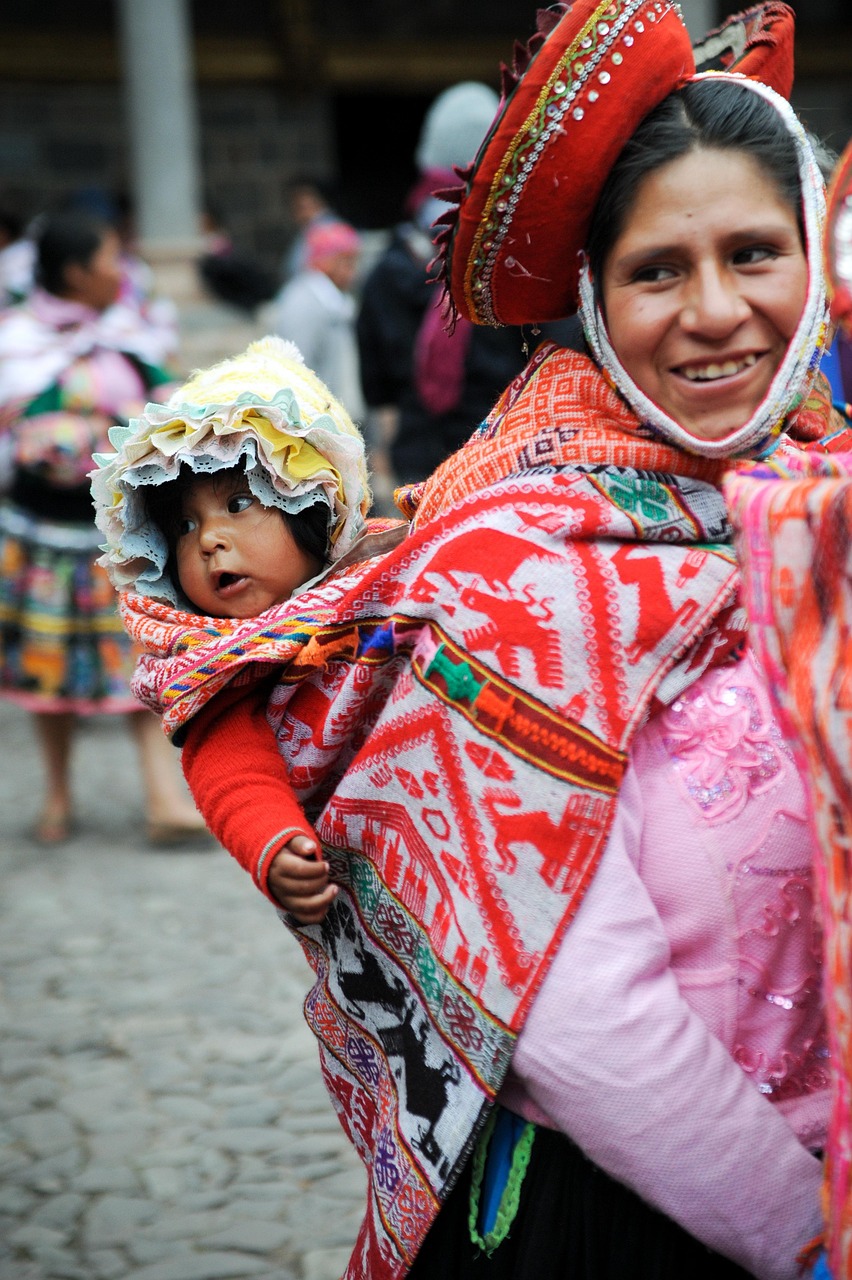
- Photos: women and children in traditional dress with llamas in the center expect a tip for photos; ask first.
- Water: drink bottled or filtered water.
- Book early: Machu Picchu tickets, Inca Trail permits and trains in high season.
Safety in Cusco
Cusco is busy and generally relaxed, with tourist police in the center. Watch bags and phones in crowds, at the San Pedro market and at bus terminals; use registered taxis or apps at night; and be careful with drinks in late-night bars. Strikes and road blockades in the region sometimes stop trains and roads, so keep a buffer day.
Altitude sickness: at about 3,400 m (11,150 ft), Cusco is high enough to cause altitude sickness (soroche) in many visitors, regardless of fitness. Common symptoms are headache, shortness of breath, nausea, fatigue and poor sleep, usually in the first 24–48 hours. To reduce it: if you can, go first to the lower Sacred Valley (about 2,800–2,900 m) and come up to Cusco later; rest on your first day; drink plenty of water; avoid alcohol and heavy meals at first; and don’t schedule Rainbow Mountain or hard treks until you have adjusted. Ask a doctor before the trip about preventive medicine. Severe symptoms, such as confusion, a worsening cough, breathlessness at rest or difficulty walking, are a medical emergency: get help and descend. People with heart or lung conditions and pregnant women should get medical advice before going. For emergencies, call 105 (police) or 106 (ambulance).
What to pack for Cusco
Warm layers (a fleece or down jacket and a hat for cold nights), a rain jacket from November to April, comfortable shoes with good grip, sunglasses, a sun hat, high-factor sunscreen and lip balm (the UV is intense), a refillable water bottle and any altitude medication your doctor recommends. Peru uses 220 V, with sockets for US and European plugs.
Cusco travel FAQ
How do I deal with altitude sickness in Cusco?
Go up gradually if you can (the Sacred Valley is lower), rest on the first day, drink water, avoid alcohol and heavy meals at first, and seek medical help if symptoms are severe or worsen.
What is the Boleto Turístico del Cusco?
A combined ticket from the regional tourism committee COSITUC for 16 sites and museums around Cusco and the Sacred Valley, valid for 10 days; partial versions cover fewer sites. Machu Picchu, the Cathedral and the Qorikancha are not included.
How much is the Boleto Turístico in 2026?
Tour operators quote about S/ 130 (about US$38) for the full ticket for foreign adults; we could not confirm it on an official page, so check in Cusco.
How do I get from Cusco to Machu Picchu?
By train with PeruRail or Inca Rail, usually from Ollantaytambo (with bus-and-train services from Cusco), then the bus up to the citadel. Buy your Machu Picchu ticket first.
When is the Inca Trail closed?
Every February, for maintenance; it reopened on March 1 in 2026. Permits are sold through licensed operators and sell out months ahead for the dry season.
When is Inti Raymi?
Every year on June 24, with the main ceremony at Sacsayhuamán.
What is the best time to visit Cusco?
May to September for dry, sunny weather; April, May, September and October for fewer crowds.
How long should I stay in Cusco?
At least two or three days for the city and to acclimatize, plus time for the Sacred Valley and Machu Picchu.
Where should I stay in Cusco?
Near the Plaza de Armas or Avenida El Sol on flat ground for easy walking, or in San Blas for views and charm if you can manage the stairs.
What should I eat in Cusco?
Trout, quinoa soup, alpaca, chicharrón, rocoto relleno and, if you are adventurous, roast cuy; drink coca tea for the altitude.
Sources and last review
Researched and last reviewed on 4 October 2026. Trains and their 2026 disruptions: PeruRail’s notices and the tourism ministry (Mincetur); Inca Trail closure and reopening: SERNANP; exchange rate: SUNAT; El Niño outlook: ENFEN’s statement of September 28, 2026; climate: SENAMHI’s 1991–2020 normals for the Granja Kcayra station, as published by the World Meteorological Organization; altitude of the city: Wikidata. The Boleto Turístico’s sites and price, sight descriptions and history, festival dates, flight and bus times, the Chinchero airport, hotel tax practice, safety tips and altitude advice come from secondary sources or general medical knowledge and are flagged for checking. Prices change, so check the official sites before you go. For entry rules and money, see our Peru travel guide.
Plan your trip
Partner links: TravelerCenter may earn a commission if you book, at no extra cost to you.
🇪🇸 Useful Spanish phrases for Cusco
All 38 Spanish phrases: restaurant, hotel, emergencies, romance (printable) →