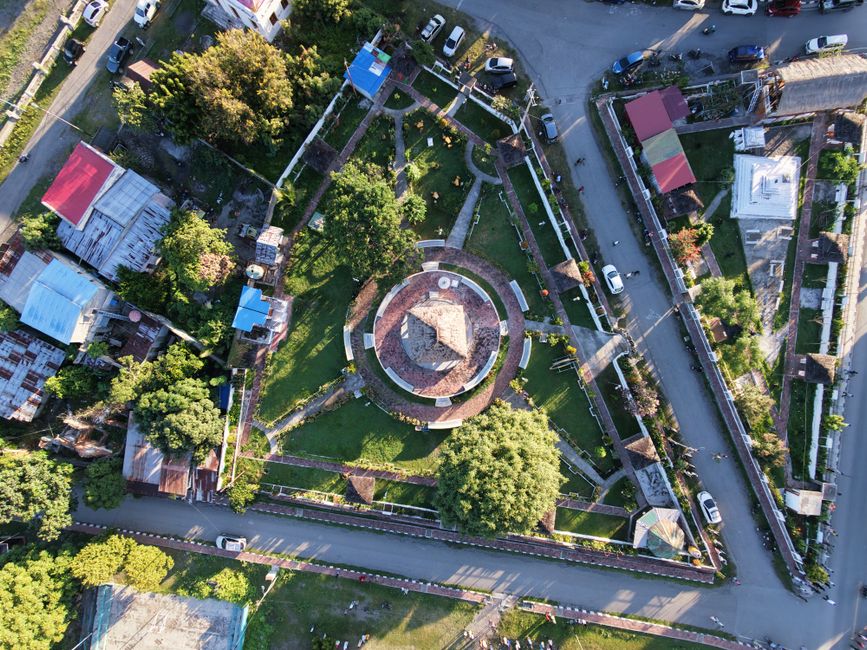
Timor-Leste, also called East Timor, is one of the world’s youngest nations and one of the least visited countries in Asia: a mountainous half-island at the eastern end of the Indonesian archipelago, about 650 km (400 miles) northwest of Darwin, Australia. Its rewards are big for adventurous travelers: some of the richest coral reefs on Earth around Atauro Island, migrating whales in the deep straits off the north coast, empty white-sand beaches, steep green mountains planted with shade-grown coffee, and a sunrise climb of Mount Ramelau, the highest peak, at 2,986 m (9,797 ft). The small, relaxed capital, Dili, strung along a bay with a giant statue of Christ on the headland, tells the moving story of a people who endured centuries of Portuguese rule and a long Indonesian occupation before winning independence in 2002. Portuguese colonial towns such as Baucau, Tetum and Portuguese street signs, Catholic churches and village culture give the country a character unlike its neighbors. Tourism infrastructure is limited: roads outside Dili are slow and rough, accommodation is simple, and you need cash in US dollars, the national currency. Most visitors get a visa on arrival at Dili airport or seaport for US$30. The best time to visit is the dry season, from about June to November.
Right now in Timor-Leste
- Wed 22–30°C 72–86°F 1 mm Showers
- Thu 24–30°C 74–87°F Partly cloudy
- Fri 23–31°C 74–87°F Clear
Weather: MET Norway (CC BY 4.0)
Multi-day tours of Timor-Leste
Multi-day tours from local operators. You check dates and book on Viator, our partner; we may earn a commission at no extra cost to you. How we earn money
Timor-Leste at a glance
The Democratic Republic of Timor-Leste has a population of about 1.34 million, according to its 2022 census, in an area of about 14,900 km² (5,750 sq miles), a little larger than Connecticut. It occupies the eastern half of the island of Timor, plus the enclave of Oecussi (Oé-Cusse Ambeno) on the north coast of Indonesian West Timor, Atauro Island north of Dili and the small island of Jaco at the eastern tip. It is divided into 13 municipalities and the special administrative region of Oecussi. The capital and largest city is Dili. The official languages are Tetum and Portuguese, with Indonesian and English as working languages and more than 30 local languages spoken; about 97% of the population is Roman Catholic, one of the highest shares in the world. Timor-Leste became the 11th member of ASEAN in October 2025.
Timor-Leste uses Timor-Leste Time (UTC+9), with no daylight saving time, the same as Japan and an hour ahead of Bali. Electricity is 220 V, and sockets take round two-pin (types C, E and F) and Australian-style angled (type I) plugs. The currency is the US dollar, used with local centavo coins.
A short history
Portuguese traders arrived in the 16th century for sandalwood, and Timor was divided between the Portuguese east and the Dutch west, a border settled in the early 20th century that still divides the island. After Portugal’s 1974 revolution, Timor-Leste declared independence on November 28, 1975, but nine days later Indonesia invaded and occupied it for 24 years; resistance continued in the mountains, and an estimated 100,000 to 180,000 people died as a result of the conflict, according to the country’s truth commission, Chega!. In a UN-organized referendum on August 30, 1999, Timorese voted overwhelmingly for independence, followed by violence in which much of Dili was burned. After a period of UN administration, independence was restored on May 20, 2002. Revenues from offshore oil and gas fund much of the state budget.
Timor-Leste’s regions
- Dili and the north coast: the capital, beaches to the east and west, and the drive along the coast to Liquiçá and Batugade on the Indonesian border.
- Atauro Island: a mountainous island about 25 km (16 miles) north of Dili, famous for diving and snorkeling.
- The central mountains: Aileu, Maubisse, Hato Builico and Mount Ramelau, with coffee plantations in Ermera and Same.
- The east: Baucau, Com, Tutuala, Jaco Island and the Nino Konis Santana National Park, plus Los Palos and Lake Ira Lalaro.
- The south coast: wild beaches facing the Timor Sea, with crocodiles in rivers and estuaries.
- Oecussi: the enclave in West Timor, reached by ferry from Dili or overland through Indonesia.
Where to go: reefs, mountains and the capital
Most trips start in Dili, with a few days on Atauro and a loop into the mountains or the east. See our guide:
- Dili: the Cristo Rei statue and beaches, the Resistance Museum and the Chega! exhibition in a former prison, the waterfront, markets selling tais (handwoven cloth), whale-watching trips and dives from the city.
Atauro Island is Timor-Leste’s best-known attraction. A survey by Conservation International in 2016 recorded the highest average number of reef fish species per site of any location surveyed worldwide, and the island’s fringing reefs, walls and seagrass beds are superb for snorkeling and diving. The island has simple eco-lodges and guesthouses run with local communities, villages such as Beloi and Vila Maumeta, wooden doll carvings and hiking trails to the summit of Mount Manucoco. Boats from Dili take from about 1.5 to 3 hours.
In the mountains, the drive south from Dili through Aileu to Maubisse, at about 1,400 m (4,600 ft), with its Portuguese pousada, leads on to Hato Builico, the base for the pre-dawn climb up Mount Ramelau (Tatamailau), where a statue of the Virgin Mary stands on the summit; on clear mornings, you can see both coasts. The western highlands of Ermera grow organic Arabica coffee, one of the country’s main exports, and coffee tours can be arranged in season.
East of Dili, the coast road passes beaches and rice fields to Baucau, the second city, about 120 km (75 miles) or three hours away, with a Portuguese market hall, colonial buildings and natural swimming pools. Farther east, Com has a quiet beach and good snorkeling, and at the tip of the island, Tutuala and Valu Beach look across to Jaco Island, a sacred, uninhabited island with white sand and clear water, reached by fishing boat for day visits only. The area is part of Nino Konis Santana National Park, the country’s first national park, with forest, caves with ancient rock art and Lake Ira Lalaro.
On the western border, the hilltop town of Balibo has a restored Portuguese fort and the Balibo House, where five foreign journalists were killed in October 1975, now a community center. Oecussi, with its quiet beaches and Portuguese landing site at Lifau, is reached by ferry from Dili or overland through Indonesia.
Atauro Island in more detail
Atauro, about 25 km (16 miles) long, rises steeply from deep water, so its reefs drop off close to shore, and you can snorkel straight from the beach at Beloi and the eco-lodges along the east coast. Dive operators from Dili run day trips and overnight packages, with walls, pinnacles and seagrass beds where you may see turtles, reef sharks, dugongs and pelagic fish; whales and dolphins are sometimes sighted on the crossing. On land, the island has a Saturday market at Beloi, when the ferry arrives, hiking trails between villages, and the women’s cooperative at Bikeli that carves wooden dolls. Accommodation is in simple bungalows with shared facilities and solar power, and meals are usually included.
Mount Ramelau and the central mountains
The climb of Mount Ramelau is a pilgrimage as well as a hike: Timorese climb to the summit statue of the Virgin Mary, especially in October, the month of the rosary. From Hato Builico, at about 1,950 m (6,400 ft), the trail climbs about 1,000 m (3,300 ft) in 2–3 hours; most walkers start around 3 a.m. with a local guide to reach the summit for sunrise, when the mountains emerge above a sea of clouds. Bring warm layers, a flashlight and water. Nearby Maubisse, with its hilltop pousada, market and cool climate, makes a good overnight stop, and the mountain roads pass terraced fields, sacred houses and coffee gardens.
Baucau and the east
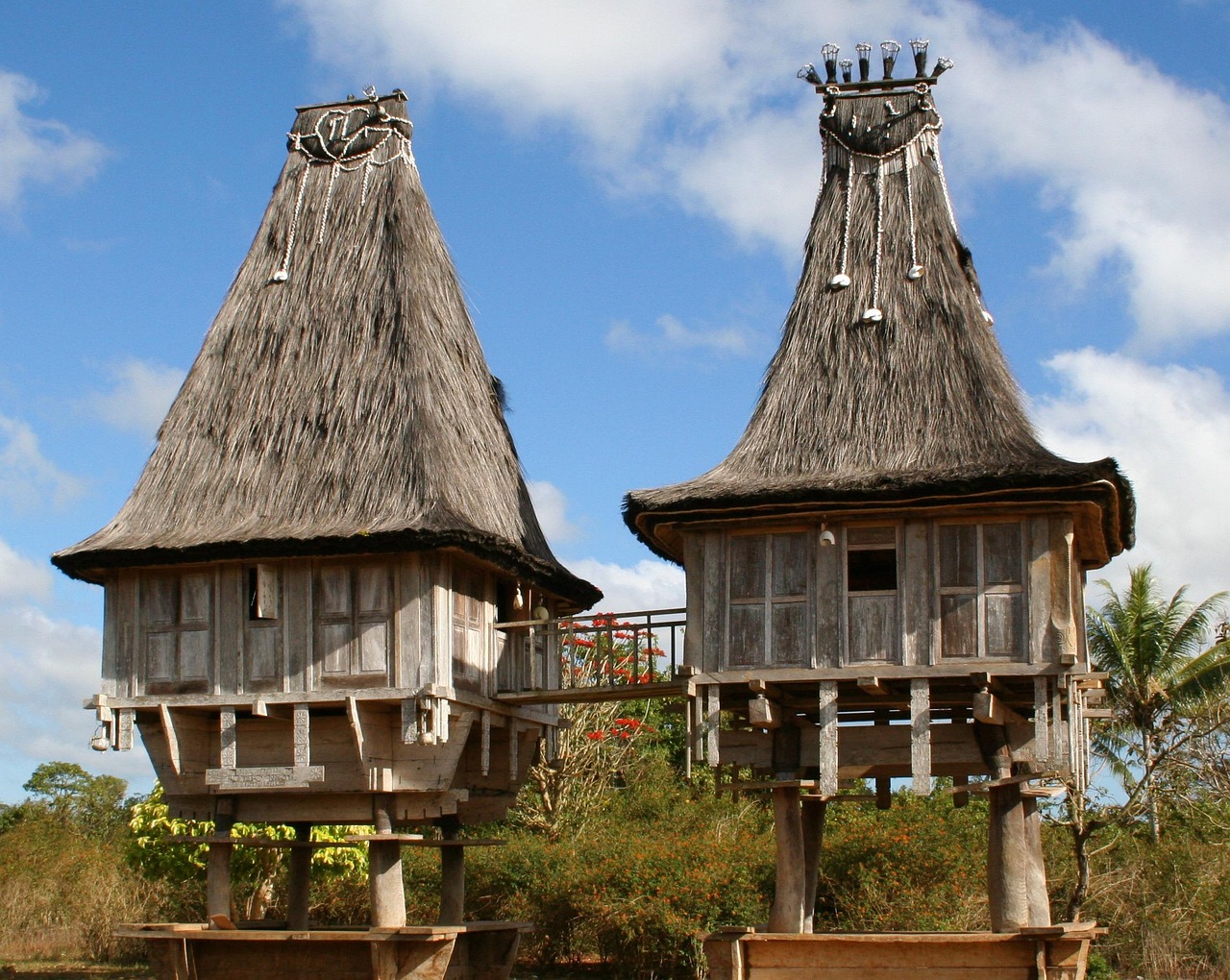
Baucau, built on a limestone plateau above the sea, has an old town with a pink Portuguese market hall, a restored pousada and natural freshwater pools, and a beach at Osolata below. The road east continues through Lautem to Com, a fishing village with a beach and coral reefs, and Tutuala, where cliffs, caves and the beach at Valu look across to Jaco Island. Inland, Los Palos is the main town of the Fataluku-speaking east, known for its tall, distinctive sacred houses.
Dili Travel Guide
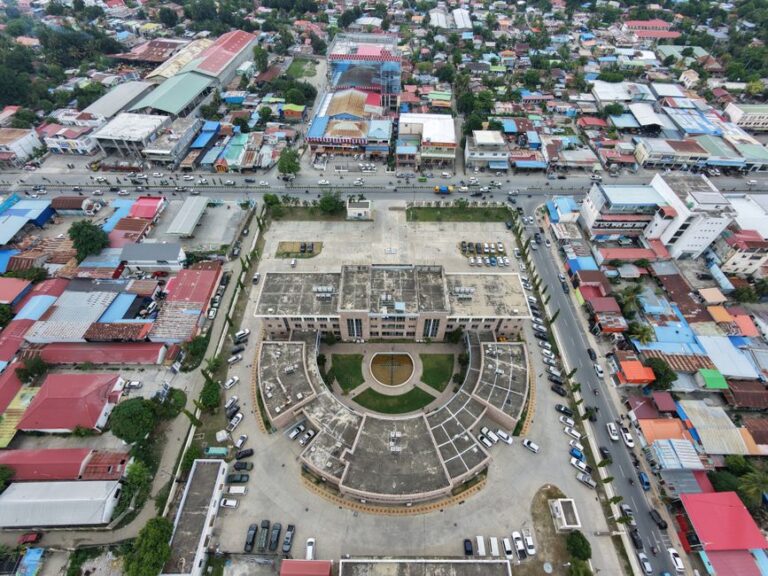
Plan a trip to Dili: the waterfront, Lecidere and Areia Branca and where to stay, Cristo Rei and its beaches, the Resistance Museum, the…
Best time to visit Timor-Leste
Timor-Leste has a tropical monsoon climate with a marked dry season. Along the north coast, including Dili and Atauro, the dry season runs from about June to November, with sunny days, highs around 30–32 °C (86–90 °F) and calm seas, and it is the best time to visit, especially for diving, whale watching and road travel. The wet season, from about December to May, brings heavy rain, with Dili usually receiving more than 100 mm (4 in) in most of these months and less than 30 mm (1.2 in) in most dry-season months, according to the Australian-funded Pacific climate program; rivers flood, landslides close mountain roads and some areas become unreachable. The south coast and the mountains get rain over a longer period, often with a second wet spell from about May to July. The mountains are much cooler: nights at Maubisse and Hato Builico can fall below 10 °C (50 °F), and the summit of Ramelau is near freezing at dawn.
Timor-Leste’s air-temperature records are not long enough for official climate normals, and no 1991–2020 WMO normals are published for Dili, so the month-by-month table below describes typical conditions rather than measured averages.
Timor-Leste month by month
| Month | Weather in Dili and the north | Highlights | Crowds and prices |
|---|---|---|---|
| January | Wet and hot; heavy showers | Green landscapes; rough roads | Low |
| February | Wet | Few visitors | Low |
| March | Wet; easing late in the month | Easter preparations | Low |
| April | Showers; humid | Easter processions | Low |
| May | Drying in the north; rain in the south | Restoration of Independence Day on May 20 | Low |
| June | Dry season begins | Good diving and hiking | Moderate |
| July | Dry and sunny; cooler nights | Ideal for Ramelau and Atauro | Moderate |
| August | Dry | Popular consultation anniversary on August 30 | Moderate |
| September | Dry; very clear water | Diving season at its best | Moderate |
| October | Dry and hot | Whale-watching season, mainly October and November | Moderate |
| November | Hot; first storms late in the month | Whales; Proclamation of Independence Day on November 28 | Moderate |
| December | Wet season begins | Christmas, the main family festival | Low |
Festivals and holidays
- Restoration of Independence Day: May 20, the anniversary of independence in 2002, with ceremonies in Dili.
- Popular Consultation Day: August 30, the anniversary of the 1999 independence referendum.
- Proclamation of Independence Day: November 28, marking the 1975 declaration.
- Religious festivals: Easter, the Assumption, All Souls’ Day on November 2, when families visit graves with candles, and Christmas are celebrated with processions and Masses.
- Tour de Timor and cultural events: cycling races and festivals are held in some years; check the national tourism calendar.
Rainy season, floods and landslides
During the wet season, heavy rain causes flash floods and landslides that close roads, especially in the mountains; in April 2021, floods triggered by Cyclone Seroja killed dozens of people in Dili and other municipalities. Take extreme care on flooded pavements and roads in Dili, where uncovered drains have caused injuries and drownings, and check road conditions before driving inland. La Niña years bring more rain and flooding, and El Niño years drought.
How long to stay: sample itineraries
- 4–5 days: Dili (2 nights) and Atauro Island (2–3 nights).
- 7–8 days: Dili, Atauro and a mountain loop to Maubisse and Mount Ramelau (2 nights).
- 10–12 days: add Baucau, Com and Tutuala with a day trip to Jaco Island.
- Two weeks: add Balibo, coffee country in Ermera and Oecussi, or combine with Bali, Flores or West Timor in Indonesia. See our Bali and Indonesia guides.
Entry, money and costs
Visas and visa on arrival (last reviewed October 2026)
According to the Migration Service of Timor-Leste, most visitors can get a tourist visa on arrival, valid for a single entry and a stay of 30 days, at official border posts with a Migration Service presence, including Presidente Nicolau Lobato International Airport and Dili seaport. The fee is US$30, paid in US dollars cash. It can be extended once for another 30 days at the Migration Service headquarters in Dili, for US$40, ideally at least 15 days before the visa expires. You must show you can support yourself during your stay: officially US$100 for each entry plus US$50 for each day of your stay, unless you have a local sponsor. Your passport must be valid for at least six months and have two blank pages.
Schengen Area citizens are visa-exempt for stays of up to 90 days in any 180-day period, under the 2015 agreement between the European Union and Timor-Leste, and citizens of Indonesia, Malaysia, Singapore and Thailand are visa-exempt for tourist stays of up to 30 days. Travelers who have previously been refused entry, removed or fined must apply for a visa before traveling.
If you arrive overland from Indonesian West Timor at the Mota’ain–Batugade crossing, you can buy a visa on entry or get one in advance from Timor-Leste’s consulates in Denpasar or Kupang. Travel overland to Oecussi through Indonesia requires a separate visa on arrival at the Wini border post, or a visa arranged in advance. Check Indonesia’s own entry rules for these routes.
Customs and rules to know
Cash and traveler’s checks worth US$20,000 or more must be authorized by the Central Bank of Timor-Leste before you arrive. Drug offenses carry severe penalties. Carry a copy of your passport photo page and visa. Respect Catholic traditions, dress modestly in churches and villages, and ask before photographing people, ceremonies or sacred houses (uma lulik).
Money and cards
The national currency is the US dollar, used since 2000, alongside centavo coins issued by the Central Bank of Timor-Leste in denominations up to 200 centavos. Bring US dollar notes in small denominations, as larger notes can be hard to spend and notes printed before 2009 are often refused, though they can be changed at the Central Bank in Dili. There are ATMs in Dili and a few municipal capitals, but they are scarce elsewhere, and few businesses outside Dili accept credit cards. Carry enough cash for Atauro, the mountains and the east.
Tipping
Tipping is not expected, but rounding up or leaving 5–10% in tourist restaurants, and tipping guides and drivers, is appreciated.
What a trip costs
Prices are approximate, for October 2026, in US dollars.
| Item | Typical cost |
|---|---|
| Plate of rice and curry at a local restaurant | US$2–5 |
| Dinner in a mid-range restaurant in Dili | US$12–25 per person |
| Local beer in a bar | US$2–4 |
| Microlet (minibus) ride in Dili | US$0.25–0.50 |
| Taxi across Dili | US$3–10 |
| Boat to Atauro Island, one way | US$15–55, depending on the boat |
| Guided dive, with equipment | US$60–90 |
| Car with driver, per day | US$80–150 plus fuel |
| Mid-range hotel double in Dili, per night | US$60–130 |
A comfortable mid-range trip costs roughly US$100–170 per person per day, sharing a double room, including transport; budget travelers in guesthouses can manage on US$45–70.
Where to stay
Dili has the widest choice, from international-standard hotels along the waterfront and in the center to guesthouses and a few backpacker hostels. Outside the capital, expect simple guesthouses, Portuguese-era pousadas in Maubisse and Baucau, and community-run eco-lodges on Atauro and in the east, often with shared bathrooms, intermittent power and no air-conditioning. Book ahead for Atauro on weekends and for public holidays, and confirm by phone or messaging app, as many small lodges have no online booking.
Getting there and getting around
By air
Presidente Nicolau Lobato International Airport (DIL), about 6 km (4 miles) west of central Dili, has flights from Bali (Denpasar), Darwin and Singapore, and from Kupang in West Timor, with a small number of airlines; schedules change often, so check before planning. See our Bali and Singapore guides. Taxis wait outside, and hotels can arrange pickups.
By land from Indonesia
The main land crossing is Mota’ain–Batugade on the north coast road, about 3–4 hours by road from Dili, with buses linking Dili and Kupang in West Timor. Border posts have limited opening hours; check before you travel.
Ferries and boats
The government ferry to Atauro and Oecussi, and private fast boats and water taxis to Atauro, leave from Dili. Schedules are irregular, and sea conditions can cancel sailings.
Around the country
Within Dili, colorful microlets (minibuses) run fixed routes for a few cents, and taxis are unmetered, so agree on the fare or book through your hotel. Between towns, buses and angguna (open trucks) are crowded, slow and uncomfortable. Most visitors rent a four-wheel drive with a driver, which is often required by rental companies and is much safer on mountain roads that can be narrow, steep and potholed. Driving is on the left. Outside Dili, travel in daylight and, when possible, in convoy, because emergency services are limited.
Whale watching and diving trips
Specialist operators in Dili run whale-watching boat trips into the Wetar Strait, where pygmy blue whales, pilot whales, sperm whales, beaked whales and large pods of dolphins pass close to the coast; the best months are October and November, with sightings possible from about August to December. Trips are weather-dependent and last most of a day. Dive centers in Dili run shore dives along the coast east and west of the city, such as the well-known K41 and Dili Rock sites, and boat trips to Atauro; they also offer courses. Visibility is best in the dry season, and water temperatures are about 26–29 °C (79–84 °F) all year.
Traveling with a guide
Because public transport is basic and many sites are hard to find, many visitors book a local tour operator in Dili for trips beyond the capital, combining a four-wheel drive and driver-guide with accommodation, Ramelau guides and boats to Jaco. It costs more than traveling independently but saves time, and guides help with Tetum, village protocol and road conditions after rain.
National parks and nature
Timor-Leste is part of the Coral Triangle, the world’s center of marine biodiversity. Nino Konis Santana National Park, in the far east, protects forest, caves, coral reefs and Jaco Island. The Ombai and Wetar straits north of Dili form a deep-water migration route for whales and dolphins, including blue whales, pilot whales and spinner dolphins, mainly from October to November. Inland, the mountains hold eucalyptus forest, coffee plantations under shade trees and endemic birds. Saltwater crocodiles, revered in Timorese tradition as an ancestor of the island, live in rivers, estuaries and some coasts. See our diving, snorkeling, hiking and boat trips guides.
Culture, food and everyday etiquette
Food
Timorese food is simple and filling, based on rice, corn, cassava and vegetables, with fish on the coast. Look for ikan sabuko (grilled fish), batar da’an (a stew of corn, mung beans and pumpkin), tukir (meat cooked in bamboo), feijoada and other Portuguese-influenced dishes, Indonesian staples such as nasi goreng, and ai-manas, the local chili sauce. Timor-Leste’s organic Arabica coffee is excellent, and Dili has good cafés and seafood restaurants on the waterfront. Local palm wine is called tua mutin, and spirit tua sabu. Drink bottled or filtered water.
Coffee
Coffee has been grown in the highlands of Timor since the Portuguese introduced it in the 19th century, and it remains the country’s main export after oil and gas. Most is grown by smallholder families under shade trees, without chemicals, and is sold as organic Arabica, along with the Timor Hybrid, a natural cross between Arabica and Robusta discovered on the island that is used to breed rust-resistant coffee worldwide. The harvest runs from about May to September, when cooperatives in Ermera, Aileu and Same can show you the processing; in Dili, several cafés roast local beans.
A few words of Tetum
English is spoken in many hotels and restaurants in Dili, and many older people speak Portuguese or Indonesian, but a few words of Tetum are warmly received: bondia (good morning), botarde (good afternoon), bonoite (good evening), obrigadu or obrigada (thank you), di’ak ka lae? (how are you?), di’ak (good), hira? (how much?) and ate logo (see you later).
Tais and crafts
Tais, the handwoven textiles made by women on backstrap looms in patterns that differ from region to region, are central to Timorese identity, worn at ceremonies and given as gifts; Tais weaving was added to UNESCO’s list of intangible cultural heritage in need of urgent safeguarding in 2021. Buy them at the Tais Market in Dili or directly from cooperatives in the municipalities.
Responsible travel
Use community-run lodges and local guides, especially on Atauro and in the east, buy crafts and coffee directly from producers, and follow reef etiquette when diving and snorkeling: don’t touch coral or stand on reefs, and use reef-safe sunscreen. Respect sacred sites, such as Jaco Island, where overnight stays are not allowed, and sacred houses. Avoid single-use plastic, as waste management is limited.
Sacred houses and traditions
Beneath its Catholic faith, Timorese culture keeps strong animist traditions. Each clan has an uma lulik, a sacred house that holds ancestral heirlooms and is the focus of ceremonies, and the styles vary dramatically by region, from the tall, steep-roofed houses of the Fataluku in the east to round houses in the mountains. Some sacred sites, springs and trees are off limits to outsiders; ask a local guide before entering or photographing them.
Etiquette
Dress modestly away from the beach, especially in churches and villages, and cover shoulders and knees at Mass. Greet people with a handshake and a smile, and accept offers of coffee or betel nut graciously. Ask before photographing people, and remember that memories of the occupation are painful for many families; listen rather than lecture.
Safety, health and connectivity
These are the main things to know:
- Crime: gang-related violence, robbery and assault occur, especially in Dili; don’t display valuables or carry large amounts of cash, lock your accommodation and car, avoid isolated areas and be careful after dark.
- Harassment: there have been reports of harassment and assaults on travelers, mostly women, including on Dili’s Beach Road; exercise in groups and avoid taxis and walking alone at night.
- Group fights: occasional fights between groups, sometimes linked to martial-arts clubs, usually happen at night; foreigners have not been targeted, but leave the area if fighting breaks out.
- Demonstrations: political protests occasionally occur, particularly around elections, around Tasi Tolu and Comoro in Dili; stay away from them.
- Roads: roads are poor, accidents involving motorbikes are common, and mountain roads can become impassable in the rainy season; avoid driving at night.
- Crocodiles: saltwater crocodiles are frequently seen in inland waterways, on the south coast and in the east, and occasionally near Dili’s beaches; ask locally before swimming.
- Sea: piracy incidents have been reported in surrounding waters; use established boat operators, and check life jackets.
- Health: dengue and malaria occur; use insect repellent and ask a travel clinic about malaria prevention. Medical facilities are limited, and serious cases are evacuated to Darwin, Bali or Singapore, so have insurance that covers evacuation.
- Earthquakes: they are possible, although there has not been a significant one since 2005.
- Emergencies: call 112 for police, 110 for an ambulance and 115 for fire.
Mobile coverage is good in Dili and patchy in the mountains. Buy a SIM from Telkomcel, Telemor or Timor Telecom with your passport; data is relatively expensive, and Wi-Fi is mainly in Dili’s hotels and cafés.
Things to do: dives, whales, peaks and history
Snorkel or dive Atauro’s reefs, watch for whales in the Wetar Strait in October and November, climb Mount Ramelau for sunrise, walk up to the Cristo Rei statue at sunset, learn about the resistance at Dili’s museums, drink coffee in the hills of Ermera, and take a boat to Jaco Island. See our diving, snorkeling, beaches and hiking guides. Timor-Leste pairs naturally with Indonesia and Bali, and with Singapore on the way.
Timor-Leste travel FAQ
Do I need a visa for Timor-Leste?
Most visitors get a 30-day tourist visa on arrival at Dili airport or seaport for US$30 cash. Schengen Area citizens and citizens of Indonesia, Malaysia, Singapore and Thailand are visa-exempt for short stays.
How much is the Timor-Leste visa on arrival?
US$30, paid in US dollars cash. It allows a single entry and a 30-day stay, extendable once for 30 days for US$40.
What currency is used in Timor-Leste?
The US dollar, with local centavo coins. Bring small notes printed after 2009, as larger and older notes can be refused.
Are there ATMs in Timor-Leste?
Yes, in Dili and a few municipal capitals, but they are scarce elsewhere, and few businesses outside Dili accept cards.
What is the best time to visit Timor-Leste?
The dry season, from about June to November, especially for diving, whale watching and mountain roads. December to May is the wet season.
How do I get to Timor-Leste?
Fly to Dili from Bali, Darwin or Singapore, or travel overland from West Timor in Indonesia via the Mota’ain–Batugade crossing.
How do I get to Atauro Island?
By fast boat or water taxi from Dili in about 1.5 hours, or by the slower government ferry; sailings depend on the weather.
Can I see whales in Timor-Leste?
Yes. Whales and dolphins migrate through the deep straits north of Dili, mainly from October to November, and boat trips leave from Dili.
Is Timor-Leste safe for tourists?
Generally, but crime and occasional group fights occur in Dili, women have been harassed, and roads, crocodiles and limited medical care need care.
Can I swim at the beaches in Timor-Leste?
At many beaches, yes, but crocodiles are seen on the south coast, in the east and occasionally near Dili; ask locally before swimming.
How do I climb Mount Ramelau?
From the village of Hato Builico, about 4–5 hours by road from Dili, walk up in the dark for 2–3 hours to reach the summit for sunrise.
Do I need a four-wheel drive in Timor-Leste?
For travel outside Dili, a four-wheel drive with a driver is strongly recommended, especially in the rainy season.
What languages are spoken in Timor-Leste?
Tetum and Portuguese are official, Indonesian and English are working languages, and more than 30 local languages are spoken.
Sources and last review
Researched and last reviewed on 5 October 2026. The tourist visa on arrival, its fee, conditions and extension, funds requirements, ports of entry, and visa exemptions for Schengen and ASEAN citizens: the Migration Service of Timor-Leste (migracao.gov.tl); seasonal rainfall in Dili and the lack of temperature normals: the Pacific–Australia Climate Change Science and Adaptation Planning Program. Passport rules, the Oecussi and Batugade crossings, the currency-declaration threshold, banknote issues, ATMs and cards, crime, harassment, group fights, demonstrations, roads, crocodiles, piracy, the rainy season and earthquakes are from the UK government’s factual entry and safety pages. Population, area, history, ASEAN membership, the Atauro reef survey, park details, flight routes, journey times, Tais heritage listing, emergency numbers and typical prices are general references or estimates, flagged for checking. Rules change, so check official sites before you go.
Plan your trip
Partner links: TravelerCenter may earn a commission if you book, at no extra cost to you.
🇵🇹 Useful Portuguese phrases for Timor-Leste
All 38 Portuguese phrases: restaurant, hotel, emergencies, romance (printable) →