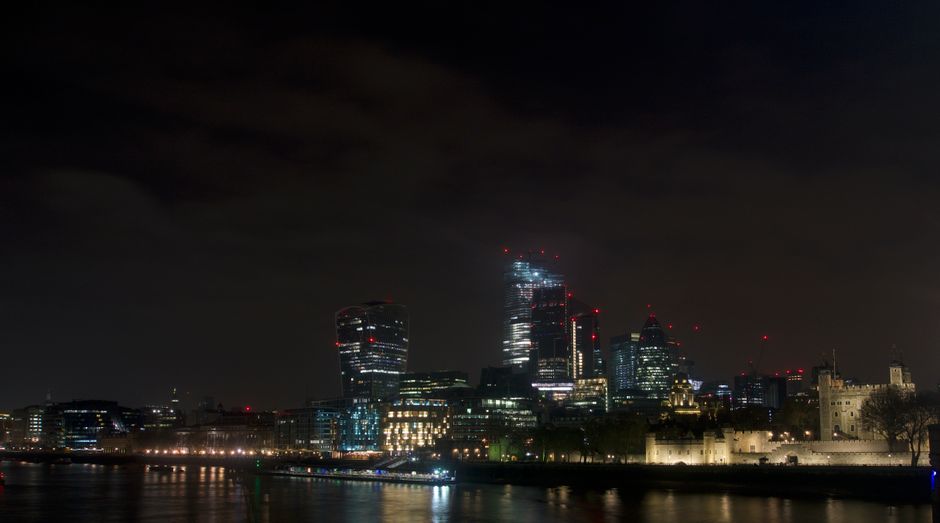
London is a city of villages stitched together by the Thames, and one of the best places on earth for city sightseeing. In one day you can see the Crown Jewels at the Tower, the Rosetta Stone in the British Museum and the Changing of the Guard at Buckingham Palace, then eat your way through Borough Market, catch a West End show and finish in a 300-year-old pub. Many of the greatest museums are free, the parks are huge and green, and every neighbourhood has its own markets and personality. Give it four days for the highlights, five or six to add Greenwich, Kew or a day trip to Oxford or Windsor, and a week to slow down and live like a Londoner.
Right now in London
- Wed 10–15°C 50–60°F 9 mm Rain
- Thu 8–14°C 46–58°F Mostly clear
- Fri 11–18°C 52–64°F 4 mm Light showers
Weather: MET Norway (CC BY 4.0) · Rates: ECB
Top tours in London
See all tours for London →
From local operators, with prices and reviews; you check availability and book on Viator, our partner. We may earn a commission at no extra cost to you. How we earn money
London at a glance
- Best for: museums and royal history, theatre and nightlife, markets and food from every continent, parks, shopping and easy day trips.
- How long: 4 days for the main sights, 5–6 with Greenwich, Kew or a day trip, 7 at a relaxed pace.
- Best time: May, June and September. July and August are busiest; winter is grey but festive, with shorter queues.
- Getting in: the Elizabeth line from Heathrow (£15.50 to central London), the Heathrow Express (£26 on the day, from £10 booked ahead) or the Gatwick Express to Victoria (as of October 2026).
- Getting around: tap in and out with a contactless card or phone; travel in zones 1–2 is capped at £8.90 a day.
- Before you go: the £20 ETA, money, trains and general safety are on our United Kingdom travel guide.
London’s neighbourhoods and who each one suits
Greater London is enormous, about 50 km across, but most sights lie in a compact central area on both banks of the Thames, inside travel zone 1. The West End and Westminster sit on the north bank; the South Bank and Southwark face them across the river; the City of London, the old financial district, lies to the east.
Westminster and the South Bank
The postcard view: the Houses of Parliament and Big Ben, Westminster Abbey, Downing Street and Trafalgar Square, with Buckingham Palace and St James’s Park a short walk away. Across Westminster Bridge, the South Bank riverside walk runs past the London Eye, the Southbank Centre and street food to Tate Modern and Shakespeare’s Globe. Central and spectacular, but quiet in the evening on the Westminster side.
Covent Garden, Soho and the West End
Theatreland: Covent Garden’s market hall and street performers, the shows of Shaftesbury Avenue and Drury Lane, Chinatown, and Soho’s bars, restaurants and late-night buzz. Oxford Street, Regent Street and Carnaby Street are the shopping streets. Perfect for a first trip and for night owls; hotels are pricey and rooms small.
Bloomsbury and King’s Cross
The literary quarter of garden squares and the British Museum, close to the Eurostar at St Pancras and trains to Cambridge and the north from King’s Cross. Coal Drops Yard and the canalside around King’s Cross have become a lively place to eat and drink. Well connected and good value for the centre.
The City, Southwark and Shoreditch
The Square Mile mixes Roman walls, Wren churches and St Paul’s Cathedral with glass skyscrapers, and the Tower of London and Tower Bridge at its eastern edge. Across London Bridge, Southwark has Borough Market and the Shard. To the north-east, Shoreditch and Spitalfields have street art, vintage markets, Brick Lane curries and cocktail bars. Hotels are cheaper at weekends, when the City empties.
Kensington, Chelsea and Notting Hill
Elegant west London: the South Kensington museums (the Natural History Museum, the Science Museum and the V&A, all free), Kensington Palace and Hyde Park, Harrods in Knightsbridge, King’s Road boutiques in Chelsea and the pastel houses and Saturday antiques market of Portobello Road in Notting Hill. Calm, safe and green, popular with families, but quieter at night and expensive.
Camden, Greenwich and beyond
Camden is famous for its market, canal locks and live music; Hampstead for its heath, where Londoners swim in ponds and picnic on Parliament Hill. Downriver, Greenwich has the Royal Observatory and the prime meridian, the Cutty Sark and a royal park with sweeping views back to the city. Further out, Richmond and Kew feel almost like the countryside.
Top things to see in London
Prices and hours were checked on the official sites in October 2026; check again before you go. Booking online is usually cheaper and saves queuing, especially from April to October and in school holidays.
The free national museums
London’s great national museums are free to enter (special exhibitions charge), one of the city’s best deals. Booking a free timed ticket online is optional at most of them but saves a wait at busy times.
- British Museum: two million years of human history, from the Rosetta Stone and the Parthenon sculptures to Egyptian mummies and the Sutton Hoo treasure. Open daily 10:00–17:00 and on Fridays until 20:30; the museum advises everyone to book a free timed slot in advance. Bags are searched at the entrance.
- National Gallery: Western painting from the 13th to the early 20th century on Trafalgar Square: van Eyck, Leonardo, Titian, Rembrandt, Turner, Constable and Van Gogh’s Sunflowers. Open daily 10:00–18:00, Fridays until 21:00; closed 24–26 December and 1 January. Walk-up entry is fine, or book a free ticket for fast-track entry. The main entrance is the Sainsbury Wing, facing Trafalgar Square; some rooms are closed for building work, so check where your favourite painting hangs.
- Natural History Museum: dinosaurs, a blue whale skeleton in the cathedral-like Hintze Hall, and earthquakes and volcanoes. Open daily 10:00–17:50 (last entry 17:30); closed 24–26 December. A free ticket is recommended at weekends and in school holidays, when queues can be long.
- And more: the V&A (art and design) and the Science Museum next to the Natural History Museum, Tate Modern in a former power station on the South Bank, Tate Britain for Turner, the National Portrait Gallery, and the Imperial War Museum, all free.
The Tower of London
Nearly a thousand years of royal fortress, palace and prison, home to the Crown Jewels, the White Tower, the ravens and the Yeoman Warders (“Beefeaters”), whose tours are included and full of grisly stories. As of October 2026, an adult ticket (18–64) costs £38 without a donation (£41.80 with it). In the main season it opens 9:00–17:30 Tuesday to Saturday and 10:00–17:30 on Sunday and Monday, with last entry at 16:30 and shorter hours in winter. Go straight to the Crown Jewels at opening time, before the queue builds, and allow at least three hours. Tower Bridge is next door.
Westminster Abbey
The church of coronations since 1066 and of many royal weddings, with the tombs of Elizabeth I, Isaac Newton and Charles Darwin, and Poets’ Corner. As of October 2026 entry costs £32 for adults, £29 for seniors (65+) and students, and £14 for children aged 6 to 17; young children go free. Buy online and you can upgrade to a free annual pass. It opens to sightseers Monday to Saturday only; on Sundays it is open for worship, and anyone can attend a daily service, such as Evensong, free of charge. As a working church it sometimes closes at short notice, so check the website on the day.
St Paul’s Cathedral
Christopher Wren’s masterpiece, finished in 1710, with one of the largest domes in the world. Climb 528 steps through the Whispering Gallery to the Golden Gallery for a 360° view over the City. As of October 2026 sightseeing tickets cost £27 for adults and £10.50 for children, including the crypt, the dome galleries and a multimedia guide; it is open for sightseeing Monday to Saturday 8:30–16:30 (last entry 16:00). On Sundays it is open for services, with separate cheaper “Dome Sundays” tickets for the galleries on some dates. Choral Evensong is free and unforgettable.
Buckingham Palace and the Changing of the Guard
The King’s official London home opens its State Rooms to visitors only in summer. In 2026 they opened from 9 July to 27 September (daily in July and August, Thursday to Monday in September), with adult tickets at about £33 booked in advance. The 2027 summer dates and prices will be published by the Royal Collection Trust (rct.uk), the only official seller; book early, as tickets sell out. Outside summer the palace runs winter tours of the East Wing on selected dates (6 November 2026 to 31 January 2027); the Royal Mews closes for the season in late October, and the King’s Gallery show runs to 18 October. The British Museum is showing the Bayeux Tapestry from 10 September 2026 to 11 July 2027 (booking essential).
Changing of the Guard: the King’s Guard is handed over in the forecourt of Buckingham Palace at 11:00, with a military band. In October 2026 the official calendar shows the ceremony on Mondays, Wednesdays and Fridays, plus some Sunday parades at 10:00; it runs more often in summer and is cancelled in very wet weather or for state events. Check the Household Division’s official calendar (householddivision.org.uk) the day before, and arrive by 10:15 to stand at the railings or on the Victoria Memorial steps. For a closer, less crowded view, watch the mounted Household Cavalry change at Horse Guards Parade on Whitehall in the late morning.
More classic sights
- The Houses of Parliament and Big Ben: watch debates from the public galleries for free when Parliament sits, or book a guided tour on Saturdays and in recess.
- The London Eye and the Shard: the giant wheel on the South Bank and the tallest building in Western Europe both offer big views for a big price; the Sky Garden on Fenchurch Street is free with a booking.
- Tower Bridge: walk across for free, or pay to cross the high walkways with their glass floors.
- Kensington Palace and Hampton Court: royal palaces run by Historic Royal Palaces; Hampton Court, Henry VIII’s palace with its maze, is a half-day trip by train.
- Shakespeare’s Globe: a reconstruction of the 1599 open-air theatre, where standing tickets in the “yard” are among the cheapest theatre seats in London (summer season).
Monuments
- Buckingham Palace
- Westminster Abbey
- Palace of Westminster
- St Paul's Cathedral
- Tower Bridge
Museums
- British Museum
- Natural History Museum, London
Castles and forts
Viewpoints
- London Eye
Activities and best months
- Boat tripsUber Boat by Thames Clippers sails from all the main London piers (such as Embankment, London Bridge City and Battersea Power Station) every 10-20 minutes, all year except Christmas and Boxing Day. It sells hop-on hop-off day passes with an audio guide narrated by Rory Bremner. Visit London also lists sightseeing cruises past Tower Bridge, the Houses of Parliament, Big Ben and the London Eye, leaving Westminster, Embankment, Butler's Wharf and Greenwich piers. · source
- City sightseeingVisit London puts the Tower of London first among the city's attractions (built by William the Conqueror in 1078, home of the Crown Jewels, with a suggested 3-4 hour visit). Its top ten also includes Westminster Abbey, coronation church since 1066, the London Eye, St Paul's Cathedral, the Churchill War Rooms and the Warner Bros. Studio Tour. · source
- CyclingTransport for London's Santander Cycles scheme has more than 12,000 bikes, about one in six of them e-bikes, at around 800 docking stations across inner and central London. You can hire one with the app or at a docking station terminal, with day passes giving unlimited 60-minute rides. · source
Other things to do in London
The West End and live shows
London’s West End rivals Broadway: long-running musicals, new plays, opera at the Royal Opera House and ballet at Sadler’s Wells, plus comedy clubs and jazz cellars. Book big shows ahead on the theatre’s own website; for same-day deals, try the official TKTS booth in Leicester Square or the theatres’ day-seat and lottery schemes. Shows usually start at 19:30, with matinees on Wednesday or Thursday and Saturday afternoons; most theatres are dark on Sundays.
Markets, pubs and food
Graze through Borough Market (closed Mondays in some sections), Spitalfields and Brick Lane in the east, Camden’s street food, Maltby Street on Saturdays and Columbia Road’s Sunday flower market. Afternoon tea is a London ritual, from grand hotels to cheaper cafés. Every neighbourhood has historic pubs; try a Sunday roast, fish and chips, a curry in Brick Lane or Tooting, or dim sum in Chinatown. Many restaurants offer good-value set lunches and pre-theatre menus.
Parks, the river and wild swimming
Rent a deckchair in Hyde Park or a pedalo on the Serpentine, watch the pelicans in St James’s Park, see the deer in Richmond Park and climb Primrose Hill for the skyline. Hampstead Heath has three bathing ponds, and the Serpentine Lido opens in summer. On the water, take a commuter Uber Boat by Thames Clippers between Westminster, the Tower and Greenwich, or a sightseeing boat trip; Santander Cycles hire bikes are handy for cycling along the river and canals.
Day trips from London
Fast trains make the south of England easy to explore without a car. Book Advance tickets for the cheapest fares, or buy an Off-Peak return on the day.
Oxford and Cambridge
Each is about an hour away by train. Oxford (from Paddington or Marylebone) has Christ Church, the Bodleian Library and the Ashmolean; Cambridge (from King’s Cross or Liverpool Street) has King’s College Chapel, the Backs and punting on the Cam. Both deserve an overnight stay if you can spare it.
Windsor, Bath and Stonehenge
Windsor Castle, the oldest occupied castle in the world, is under an hour by train from Paddington (change at Slough) or Waterloo. Bath, with its Roman Baths and Georgian crescents, is about 1 hour 20 from Paddington; many tours combine it with Stonehenge, which is easiest by tour or car from Salisbury. The Cotswolds villages are best with a car or a small-group tour.
Greenwich, Kew, Brighton and Paris
Greenwich (by boat or DLR) and the Royal Botanic Gardens at Kew (District line or Overground) are easy half-days inside London. Brighton, with its pier, pebble beach and Royal Pavilion, is about an hour by train from Victoria or London Bridge. And the Eurostar from St Pancras reaches Paris in a little over two hours, though it is better as an overnight trip than a day out.
Nearby destinations
- Brighton76 km
- Cambridge80 km
- Oxford83 km
- Stratford-upon-Avon133 km
- Cotswolds135 km
- Bath155 km
- Birmingham163 km
- Cardiff211 km
Getting there and getting around
From Heathrow airport (LHR)
- Elizabeth line: the best all-round option. Trains run from all terminals to Paddington in about 30 minutes and straight on to Bond Street, Tottenham Court Road, Farringdon, Liverpool Street and Canary Wharf without changing. As of October 2026 the pay-as-you-go fare from Heathrow to a zone 1 station is £15.50, with the same fare all day; just tap in with a contactless card, phone or Oyster.
- Heathrow Express: non-stop to Paddington in 15 minutes from Terminals 2 and 3, every 15 minutes. As of October 2026 a standard single costs £26 bought on the day, from £10 booked 30 or more days ahead; children 15 and under travel free in Standard with a paying adult. It is not included in Oyster or contactless daily caps.
- Piccadilly line: the cheapest rail option, about £5.90 to zone 1 on pay-as-you-go (as of October 2026), but slow (about 50 minutes to Piccadilly Circus) and busy, with little luggage space. It runs all night on Fridays and Saturdays.
- Taxi: a black cab to central London is metered and typically costs well over £100; booked minicabs and ride-hailing apps are cheaper. Heathrow charges a drop-off fee for cars at the terminals.
From Gatwick and the other airports
- Gatwick Express (LGW): non-stop to Victoria in about 30 minutes, every 30 minutes from about 5:00 to 23:00; booking online saves 10%. Contactless and Oyster are accepted. National rail fares are frozen until March 2027.
- Southern and Thameslink from Gatwick: usually cheaper than the Express and only a little slower: Southern to Victoria, Thameslink to London Bridge, Blackfriars, Farringdon and St Pancras, with trains through the night.
- Stansted, Luton and London City: the Stansted Express runs to Liverpool Street; Luton has a shuttle to Luton Airport Parkway for Thameslink trains to St Pancras; London City, in the Docklands, is on the DLR.
By train and coach
London has a dozen main stations. The Eurostar from Paris, Brussels and Amsterdam arrives at St Pancras International, next to King’s Cross (trains to York, Edinburgh and Cambridge). Euston serves Manchester, Liverpool, the Lake District and the Caledonian Sleeper to Scotland; Paddington serves Oxford, Bath, Wales and Cornwall; Marylebone has Chiltern trains to Oxford; Liverpool Street serves Cambridge and Stansted; Victoria and Waterloo serve the south. Long-distance coaches use Victoria Coach Station.
The Tube, buses, Oyster and contactless
The Underground (the Tube), the Elizabeth line, the Overground, the DLR, trams and buses cover the whole city. You don’t need to buy tickets: tap a contactless bank card or phone on the yellow reader at the start and end of each Tube or rail journey (buses only on entry), and the system charges the best fare. An Oyster card does the same (it costs £7 and is mainly useful if your bank charges foreign fees). Use the same card or phone all day, and give each traveller their own; children under 11 travel free with a paying adult. As of October 2026:
- Tube single in zone 1: £3.10 at peak times (06:30–09:30 and 16:00–19:00 on weekdays) and £3.00 off-peak, on contactless or Oyster. Paper single tickets cost much more.
- Daily caps: however many journeys you make, pay-as-you-go stops charging at £8.90 a day in zones 1–2, £10.50 in zones 1–3 and £16.30 in zones 1–6 (Heathrow is in zone 6). With contactless and Oyster, a Monday-to-Sunday weekly cap of £44.70 applies in zones 1–2. The Heathrow Express is not included in caps.
- Buses and trams: £1.75 a journey, with unlimited changes within an hour (the Hopper fare), capped at £5.25 a day. Buses don’t take cash. This fare is frozen until 1 November 2026, after which TfL expects it to rise to £1.85, with the daily bus cap going to £5.55.
The Tube runs from about 5:30 to midnight, with the Night Tube on some lines on Friday and Saturday nights and night buses everywhere. Use the TfL Go or Citymapper app to plan routes. Walking is often faster than the Tube for one or two stops in the centre: Covent Garden to Leicester Square takes four minutes on foot.
Driving: the Congestion Charge and ULEZ
Don’t drive in central London if you can help it: traffic is slow, parking is scarce and expensive, and two daily charges apply. As of October 2026:
- Congestion Charge: £18 a day to drive in the central zone, from 07:00 to 18:00 Monday to Friday and from 12:00 to 18:00 at weekends and on bank holidays; it rises to £21 if you pay by midnight on the third day after travelling. There is no charge between Christmas Day and the New Year’s Day bank holiday. Pay on tfl.gov.uk; a hire car will be fined, and the fine passed on with fees, if you forget.
- Ultra Low Emission Zone (ULEZ): covers all London boroughs, 24 hours a day, every day except Christmas Day. Vehicles that don’t meet its emission standards (mostly older diesels and very old petrol cars) pay £12.50 a day, on top of the Congestion Charge in the centre. Most modern hire cars comply; check the number plate on TfL’s vehicle checker.
If you are touring Britain by car, pick it up at Heathrow or on your way out of the city rather than in the centre.
When to go and how long to stay
London has a mild, often grey climate that is drier than many people expect. The table uses the Met Office’s official 1991–2020 averages for Heathrow, west of the city; the centre is often a degree or two warmer.
| Season | Average high / low | Rainy days per month | What it’s like | Good for |
|---|---|---|---|---|
| Winter (Dec–Feb) | 8–9 °C / 3 °C | 10–12 | Cool, damp and dark by 16:00; frost and snow are rare | Museums, theatre, Christmas lights and markets, January sales |
| Spring (Mar–May) | 12–18 °C / 4–9 °C | 8–9 | Blossom and bulbs in the parks, sunny spells and showers | Walking, gardens, the Chelsea Flower Show |
| Summer (Jun–Aug) | 22–24 °C / 12–14 °C | 8 | Warm and long-evening; heatwaves now pass 30 °C | Parks, open-air theatre, rooftop bars, Wimbledon, the Proms |
| Autumn (Sep–Nov) | 20 °C falling to 11 °C / 12 °C falling to 5 °C | 8 in September, 11 in November | Golden September, wetter and darker later | Sightseeing, food, theatre season, Bonfire Night |
Heathrow averages about 615 mm of rain a year over some 112 rainy days, less than Rome or Paris in total, but it falls as frequent light showers, so carry a compact umbrella in any month. July is the warmest month, with average highs near 24 °C; many older hotels and Tube lines have no air conditioning during heatwaves.
Events worth planning around
- Spring: the London Marathon in April and the Chelsea Flower Show in May.
- June: Trooping the Colour, the King’s birthday parade on Horse Guards and the Mall, and Royal Ascot just outside London; Pride in London.
- Summer: Wimbledon from late June into July, the BBC Proms at the Royal Albert Hall from mid-July to mid-September, open-air theatre in Regent’s Park, and Notting Hill Carnival over the August bank holiday weekend.
- Autumn: Open House London in September, when hundreds of buildings open free; the London Film Festival in October; fireworks around Bonfire Night on 5 November.
- Winter: Christmas lights on Regent Street and Oxford Street, ice rinks and Winter Wonderland in Hyde Park, and the New Year’s Eve fireworks on the Thames (ticketed viewing areas).
How long to stay: 4-, 5- and 7-day plans
4 days: Day 1, Westminster Abbey, Parliament and Big Ben, the Changing of the Guard (if it’s a ceremony day) and St James’s Park, then the South Bank at sunset. Day 2, the Tower of London at opening time, Tower Bridge, St Paul’s and Borough Market. Day 3, the British Museum, Covent Garden and a West End show. Day 4, the South Kensington museums, Hyde Park and Notting Hill.
5–6 days: add Greenwich by river boat and a day trip to Oxford, Cambridge or Windsor. 7 days: add Shoreditch and the East End markets, Camden and Hampstead Heath, Kew Gardens or Hampton Court, and a day in Bath or Brighton.
Weather month by month
Averages from Met Office normals 1991–2020, London Heathrow (airport) · Last reviewed 4 Oct 2026
Where to stay in London
- Covent Garden and Soho: the most central, ideal for theatre and nightlife; noisy and expensive.
- Westminster and the South Bank: walkable to the big sights and the river; quieter at night.
- Bloomsbury and King’s Cross: good value and well connected, near the British Museum and the Eurostar.
- South Kensington and Kensington: calm, safe and family-friendly, next to the museums and Hyde Park.
- Southwark and London Bridge: foodie, central and close to the Tower and Borough Market.
- Shoreditch: young, creative and lively at night, with cheaper rooms at weekends.
London has no tourist tax on hotel stays as of October 2026, but room prices are among the highest in Europe; a central 3- or 4-star double often costs £180–300 a night in season. Staying near a Tube or Elizabeth line station in zones 1–2 matters more than being right in the centre.
Practical tips for London
- Tap in, tap out: on the Tube and trains, always touch the same card or phone at both ends, or you’ll be charged a maximum fare.
- Stand on the right on Tube escalators, and let people off the train before you get on.
- Plan around Sundays: Westminster Abbey and St Paul’s are closed to sightseers, theatres are mostly dark, and some markets are at their best.
- Mind your phone: thieves on bikes snatch phones on busy pavements in the West End and the City; step back from the kerb when using it.
- Check for strikes and closures: the TfL Go app shows planned weekend line closures and any strike days.
What to pack for London
Comfortable, waterproof walking shoes come first: you’ll walk miles every day, often in drizzle. Pack layers you can add or remove between the warm Tube and the cool street, a light rain jacket or compact umbrella in every season, a warm coat, scarf and gloves from November to March, and sunglasses and a refillable bottle in summer (there are free water fountains across the city). Bring a smart-casual outfit for the theatre or a nice dinner, a cross-body bag that zips, a type G plug adapter and a contactless card or phone wallet for transport.
What to pack
- City walking shoesLisbon and Porto are steep, with polished limestone cobbles that get slippery, so grippy soles matter.
- Day packs and anti-theft bagsA small zipped or anti-theft bag makes crowded trams and viewpoints less stressful.
- Dry bags and phone pouchesSpray soaks phones and cameras on open boats to the Algarve caves and on whale-watching trips.
- Fleeces and warm layersIt is cooler at sea than on land, especially on morning whale-watching trips.
- Rain jacketsA windproof, waterproof shell keeps you warm on open boats, where wind and spray cool you quickly.
- Reef-friendly sunscreenSun reflects off the water on cruises and cave tours.
- Travel adapters and convertersPortugal uses Type C and F sockets at 230 V, so most visitors from outside Europe need an adapter.
- Water bottles and hydration packsRiding in the Algarve and Alentejo heat needs more water than you expect.
- Water shoesKayak and small-boat trips to the Algarve grottoes land on rock and wet sand.
London travel FAQ
How many days do you need in London?
Four days covers Westminster, the Tower, St Paul’s, the British Museum, the South Kensington museums and a West End show. Add a day each for Greenwich and a day trip to Oxford, Cambridge or Windsor; a week lets you enjoy the neighbourhoods and markets.
What is the best time to visit London?
May, June and September, with average highs of about 18–22 °C and long days. July and August are warmest (about 24 °C) and busiest; winter is cool and grey, with average highs of 8–9 °C, but festive and cheaper.
What is the cheapest way from Heathrow to central London?
The Piccadilly line, about £5.90 to zone 1 on contactless (as of October 2026), but it takes about 50 minutes. The Elizabeth line is faster and more comfortable for £15.50, and the Heathrow Express reaches Paddington in 15 minutes for £26 on the day or from £10 booked ahead.
How do I get from Gatwick to London?
The Gatwick Express runs non-stop to Victoria in about 30 minutes; book online to save 10%. Southern trains to Victoria and Thameslink trains to London Bridge and St Pancras are usually cheaper and not much slower. All accept contactless.
Do I need an Oyster card in London?
No. A contactless bank card or phone works the same way, with the same fares and daily caps, and needs no deposit. An Oyster card (£7) is only worth it if your bank charges foreign transaction fees, or for discounts on some railcards.
How much does the Tube cost per day?
As of October 2026, pay-as-you-go is capped at £8.90 a day in zones 1–2, so you never pay more than that however many trips you take. A single zone 1 journey costs £3.10 at peak times and £3.00 off-peak; buses cost £1.75 with free changes within an hour.
Are London’s museums really free?
Yes. The British Museum, the National Gallery, the Natural History Museum, the V&A, the Science Museum and the Tates are free; only special exhibitions charge. Booking a free timed slot is advised at the British Museum and recommended at the Natural History Museum at weekends and in school holidays.
When is the Changing of the Guard?
At 11:00 at Buckingham Palace on set days: in October 2026 on Mondays, Wednesdays and Fridays, plus some Sunday parades at 10:00, and more often in summer. It is cancelled in heavy rain, so check the Household Division’s official calendar the day before and arrive by 10:15.
Can you go inside Buckingham Palace?
Only in summer, when the State Rooms open: in 2026 from 9 July to 27 September, with adult tickets at about £33 in advance. The 2027 dates will be on rct.uk. The Royal Mews and the King’s Gallery open most of the year.
How much does the Tower of London cost?
As of October 2026, £38 for an adult without a donation (£41.80 with it). The Crown Jewels and Yeoman Warder tours are included. Arrive at opening time and head to the Jewel House first.
Is Westminster Abbey open on Sundays?
Only for worship: sightseeing is Monday to Saturday (£32 for adults as of October 2026). Anyone can attend a Sunday service or daily Evensong free, but you can’t wander around as a tourist during services.
Should I drive in London?
No. Public transport is faster, and driving in the centre costs the £18 daily Congestion Charge on top of parking, plus £12.50 a day for older vehicles in the ULEZ, which covers all of Greater London.
Is there a tourist tax in London?
Not as of October 2026. Hotel prices include 20% VAT, but there is no extra nightly levy, unlike Paris, Rome or, since July 2026, Edinburgh.
What are the best day trips from London?
Oxford and Cambridge (about an hour by train), Windsor Castle, Bath and Stonehenge, Brighton, and Greenwich or Kew within the city. The Eurostar also reaches Paris in a little over two hours.
Sources
- © OpenStreetMap contributors · ODbL · fetched 4 Oct 2026
- Wikidata · CC0 · fetched 4 Oct 2026
Sources and last review
Researched and last reviewed on 4 October 2026. Climate: Met Office 1991–2020 averages for Heathrow; fares, caps, the Congestion Charge and ULEZ: Transport for London and the Mayor of London; Heathrow Express: Heathrow Airport; Gatwick trains: Gatwick Airport and National Rail; museums and monuments: the British Museum, the National Gallery, the Natural History Museum, Westminster Abbey, St Paul’s Cathedral and Historic Royal Palaces; the Changing of the Guard: the Household Division’s official calendar. Buckingham Palace prices, the Tower of London’s online price, the Elizabeth line journey time and the expected November bus fare come partly from press reports or search summaries of official pages and are flagged for checking. Prices, hours and timetables change, so check the official links before you go. For entry rules, money and general safety, see our United Kingdom travel guide.
Plan your trip
Partner links: TravelerCenter may earn a commission if you book, at no extra cost to you.