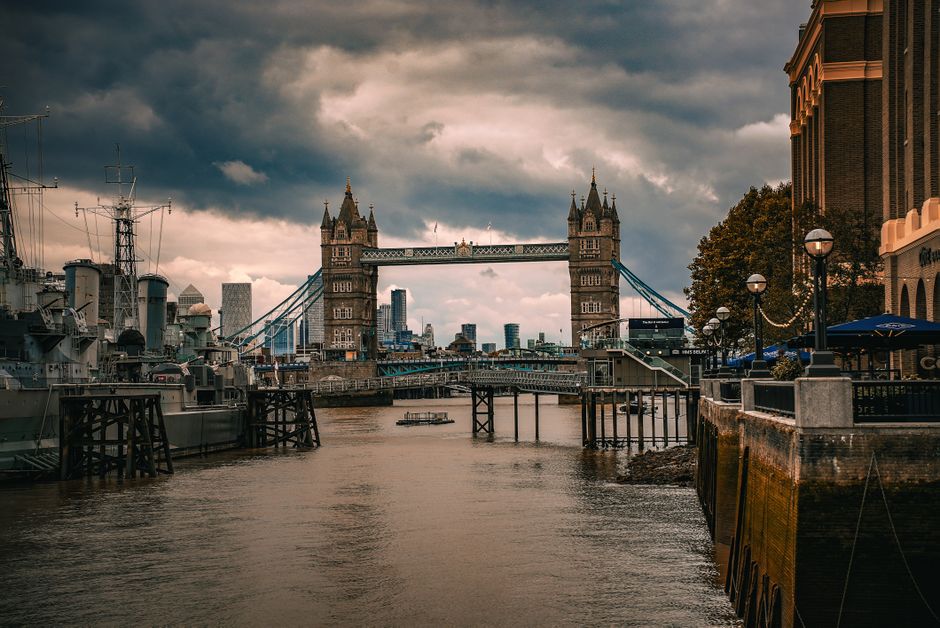
The United Kingdom fits four nations into one easy-to-travel island country and a corner of another: England, with London, Oxford, Cambridge, Bath, York and the Lake District; Scotland, with Edinburgh’s castle and festivals, the Highlands and the Isle of Skye; Wales, with castles, mountains and a wild coast; and Northern Ireland, with Belfast and the Causeway Coast. Trains link the big cities in a few hours, the countryside is laced with footpaths, and every village seems to have a pub with a fire. Late spring and early autumn are the sweet spots, and the weather is mild but changeable all year. Give it 10 days for a first trip, two weeks or more to add Scotland’s Highlands and islands.
Right now in United Kingdom
- Wed 7–12°C 44–54°F 1 mm Mostly clear
- Thu 4–11°C 40–51°F 2 mm Mostly clear
- Fri 10–14°C 50–57°F 5 mm Mostly clear
Weather: MET Norway (CC BY 4.0) · Rates: ECB
Key facts
| Currency | Pound sterling (GBP, £); cards and contactless are widely acceptedSource: visitbritain.com · Last reviewed 4 Oct 2026 |
|---|---|
| Languages | English; Welsh is official in Wales, and Scottish Gaelic and Scots in Scotland; Irish and Ulster Scots are recognised in Northern IrelandSource: legislation.gov.uk · Last reviewed 4 Oct 2026 |
| Plugs and voltage | Type G · 230 V, 50 HzSource: visitbritain.com · Last reviewed 4 Oct 2026 |
| Emergency number | 999 or 112 (police, fire, ambulance, Coastguard; mountain rescue via police); 101 police non-emergency, 111 NHSSource: visitbritain.com · Last reviewed 4 Oct 2026 |
| Driving side | On the left; speed limits in mph (30 in towns, 20 in Welsh towns, 60 on single roads, 70 on dual carriageways and motorways)Source: gov.uk · Last reviewed 4 Oct 2026 |
| Tap water | Safe to drink (99.97% of tests met the standards in England and Wales in 2024)Source: dwi.gov.uk · Last reviewed 4 Oct 2026 |
| Tipping | Not required; 10-15% in restaurants unless a service charge is already on the bill; none at the pub bar; round up taxi faresSource: visitbritain.com · Last reviewed 4 Oct 2026 |
| Calling code | +44 (dial 00 for international calls)Source: wikidata.org · Last reviewed 4 Oct 2026 |
| Time zones | GMT (UTC+0) in winter, British Summer Time (UTC+1) from the last Sunday in March to the last Sunday in OctoberSource: gov.uk · Last reviewed 4 Oct 2026 |
| Entry summary | Not Schengen or EU. Most visa-free visitors (including EU citizens and Americans) need a UK ETA: £20, apply on the UK ETA app or GOV.UK, valid 2 years. British and Irish citizens don't need one.Source: gov.uk · Last reviewed 4 Oct 2026 |
Multi-day tours of United Kingdom
Multi-day tours from local operators. You check dates and book on Viator, our partner; we may earn a commission at no extra cost to you. How we earn money
The United Kingdom at a glance: four nations, one country
The United Kingdom of Great Britain and Northern Ireland is made up of England, Scotland and Wales, which share the island of Great Britain, and Northern Ireland, in the north-east of the island of Ireland. “Britain” or “Great Britain” strictly means only the big island, so Northern Ireland is part of the UK but not of Great Britain; the Isle of Man and the Channel Islands (Jersey and Guernsey) are Crown Dependencies with their own governments, outside the UK. The Office for National Statistics put the UK’s population at about 69.5 million in mid-2025 (provisional estimate), most of them in England.
Each nation has its own flag, sporting teams, traditions and, in Scotland, Wales and Northern Ireland, its own devolved government, which is why some rules (bank holidays, drink-drive limits, banknotes, tourist taxes) differ depending on where you are. People are proud of the difference: call a Scot or a Welsh person “English” at your peril. The one thing everyone shares is a love of talking about the weather.
Time zone: the UK runs on Greenwich Mean Time (UTC+0) in winter and British Summer Time (UTC+1) from the last Sunday in March to the last Sunday in October, one hour behind France, Spain and Italy all year.
The four nations and their regions
- London and the south-east: the capital, one of the world’s great cities, surrounded by the university towns of Oxford and Cambridge, Windsor Castle, Canterbury’s cathedral and the white cliffs and seaside towns of Kent and Sussex, including Brighton.
- The south-west: Roman and Georgian Bath, the honey-coloured villages of the Cotswolds, Stonehenge on Salisbury Plain, the Jurassic Coast of Dorset, the moors of Devon and the beaches, coves and fishing harbours of Cornwall at the far western tip.
- The Midlands and the north of England: Shakespeare’s Stratford-upon-Avon, the Peak District, lively Manchester and Liverpool, walled York with its Minster, the Yorkshire Dales and North York Moors, Hadrian’s Wall across the north, and the lakes and fells of the Lake District.
- Scotland: Edinburgh, the capital, with its castle, Old Town and August festivals; energetic Glasgow; St Andrews, home of golf; then the Highlands: lochs, glens, whisky distilleries, Loch Ness, Glencoe and Ben Nevis, Britain’s highest mountain, and the Hebridean islands, led by the Isle of Skye.
- Wales: a land of castles (Conwy, Caernarfon, Harlech), the mountains of Eryri (Snowdonia), the cliffs and beaches of Pembrokeshire, the Gower peninsula and the capital, Cardiff. Welsh is spoken alongside English, and road signs are bilingual.
- Northern Ireland: Belfast, with its shipyards and the Titanic Belfast museum, and the Causeway Coastal Route past the basalt columns of the Giant’s Causeway, ruined Dunluce Castle and the Dark Hedges, plus the Mourne Mountains and the lakes of Fermanagh.
Regions
- Cornwall
- Cotswolds
- England
- Northern Ireland
- Scotland
- Scottish Highlands
- Wales
Where to go: cities, countryside and islands
Most first trips start in London and add Oxford or Cambridge, Bath and the Cotswolds, then head north to York and Edinburgh by train. With more time, add the Lake District, the Scottish Highlands and Skye, Cornwall’s coast, Wales or Belfast.
London
Two thousand years of history and a world-class food, theatre and nightlife scene: the Tower of London and the Crown Jewels, Westminster Abbey and the Houses of Parliament, Buckingham Palace, free national museums such as the British Museum and the National Gallery, West End shows, markets, parks and pubs along the Thames. Read our London guide for neighbourhoods, 2026 prices, airport trains and Oyster and contactless fares.
Oxford, Cambridge, Bath and the Cotswolds
The two ancient university cities are each about an hour from London by train. Oxford has the “dreaming spires”, Christ Church, the Bodleian Library and the Radcliffe Camera; Cambridge has King’s College Chapel and the lawns of the Backs, best seen from a punt. To the west, Bath pairs Roman baths with Georgian crescents, and the Cotswolds are rolling hills of stone villages, tea rooms and country pubs, best explored by car, bike or on foot.
York and the Lake District
York is England’s best-preserved medieval city, with walls you can walk around, the Gothic York Minster, the crooked Shambles and the National Railway Museum, under two hours from London. Further north-west, the Lake District is a national park and UNESCO World Heritage Site of lakes, fells (hills) and stone villages, loved by walkers, wild swimmers and readers of Wordsworth and Beatrix Potter.
Edinburgh, the Highlands and Skye
Edinburgh is one of Europe’s most beautiful capitals: a castle on a volcanic rock, the Royal Mile, the elegant Georgian New Town and the hike up Arthur’s Seat, with the world’s biggest arts festival every August and Hogmanay at New Year. From there, the Scottish Highlands open up: Loch Lomond, Glencoe, Loch Ness, Cairngorms National Park and the West Highland Line, one of the world’s great train rides. The Isle of Skye, joined to the mainland by a bridge, has the jagged Cuillin mountains, the Old Man of Storr, the Fairy Pools and seafood by the harbour in Portree.
Cornwall and the south-west coast
Cornwall is Britain’s summer playground: golden beaches and surf at Newquay, the artists’ town of St Ives, the open-air Minack Theatre above the sea, fishing villages such as Mousehole and Padstow, and the South West Coast Path, England’s longest national trail. The sea is cool but swimmable from July to September, and the climate is the mildest in Britain.
Wales and Northern Ireland
Wales rewards those who go: climb or ride the mountain railway up Snowdon (Yr Wyddfa), visit the great castles of the north coast, walk the Pembrokeshire Coast Path, and enjoy Cardiff’s castle, arcades and rugby atmosphere. In Northern Ireland, Belfast has the Titanic Belfast museum, the murals and the lively Cathedral Quarter, and is the base for driving the Causeway Coast to the Giant’s Causeway, a UNESCO World Heritage Site, and the filming locations of Game of Thrones.
A few more worth your time
Windsor Castle, a royal home since William the Conqueror; Stonehenge and the stone circle at Avebury; Canterbury Cathedral; Brighton’s pier and lanes; Stratford-upon-Avon for Shakespeare; Liverpool for the Beatles and its waterfront museums; Manchester for music and football; Durham’s cathedral and castle; Hadrian’s Wall; the Peak District and the Yorkshire Dales for walking; St Andrews; and the Orkney Islands, with Neolithic villages older than the pyramids.
Bath Travel Guide
Plan a trip to Bath: the Roman Baths with 2026 timed-ticket prices, Bath Abbey and its tower tours, the Royal Crescent and No. 1…
Belfast Travel Guide
Plan a trip to Belfast: Titanic Belfast and SS Nomadic prices, City Hall tours, the Cathedral Quarter, murals and peace walls tours, Crumlin Road…
Birmingham Travel Guide
Plan a trip to Birmingham: the free Birmingham Museum and Art Gallery and the Library of Birmingham with October 2026 hours, the canals and…
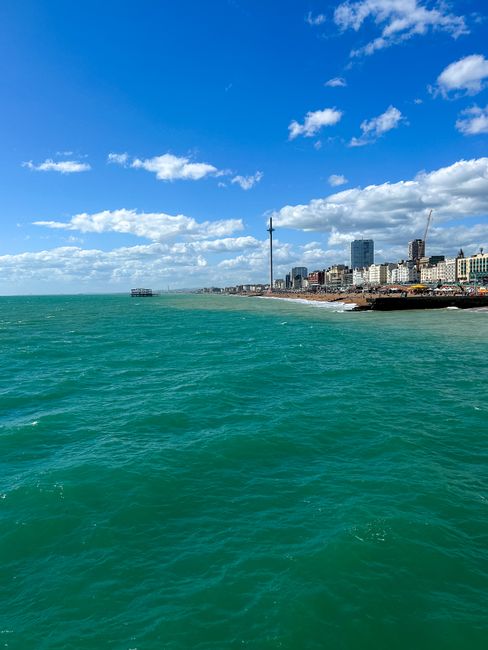
Brighton Travel Guide
Plan a trip to Brighton: the Royal Pavilion with 2026 prices and the rail 2for1, Brighton Palace Pier's £1 admission and ride wristbands, the…
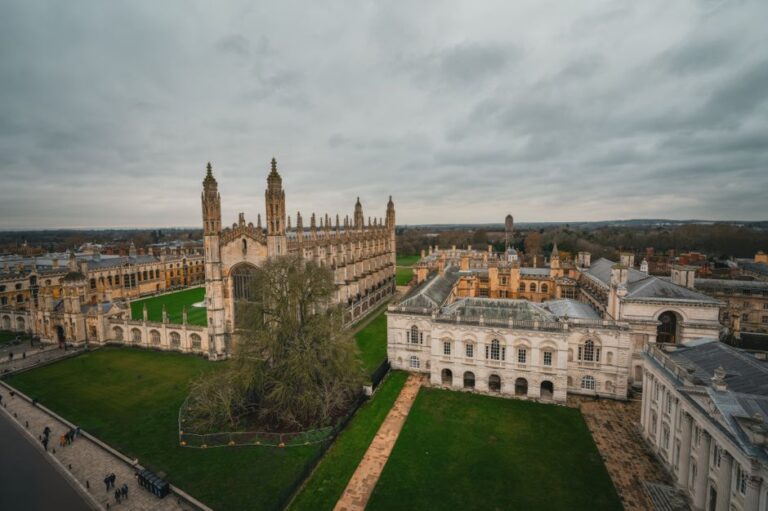
Cambridge Travel Guide
Plan a trip to Cambridge: how the colleges and the Backs work, King's College Chapel 2026 tickets and free Evensong, Trinity's Wren Library, Queens'…
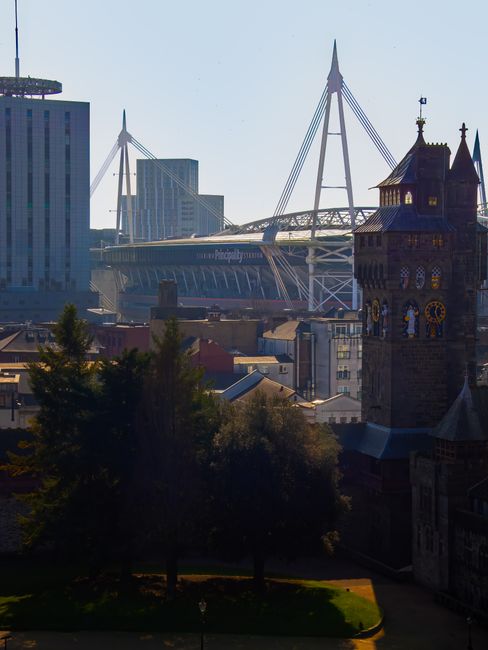
Cardiff Travel Guide
Plan a trip to Cardiff: Cardiff Castle tickets and house tours with October 2026 prices, the free National Museum and St Fagans, Cardiff Bay…
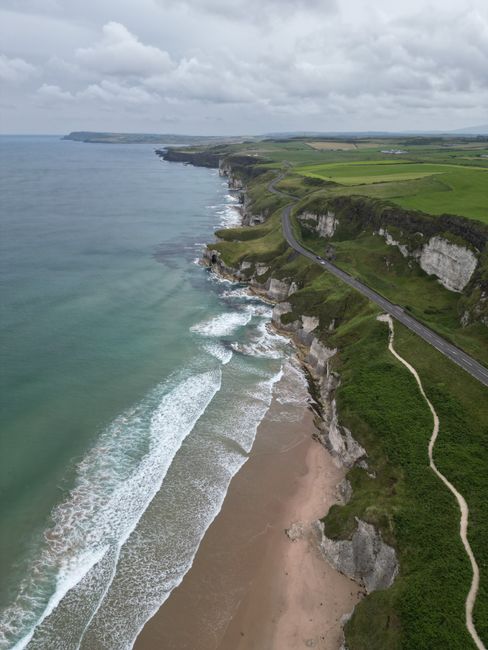
Causeway Coast Travel Guide
Plan a trip to Northern Ireland's Causeway Coast: Giant's Causeway and Carrick-a-Rede tickets and parking with October 2026 prices, Dunluce Castle, Bushmills, the Dark…
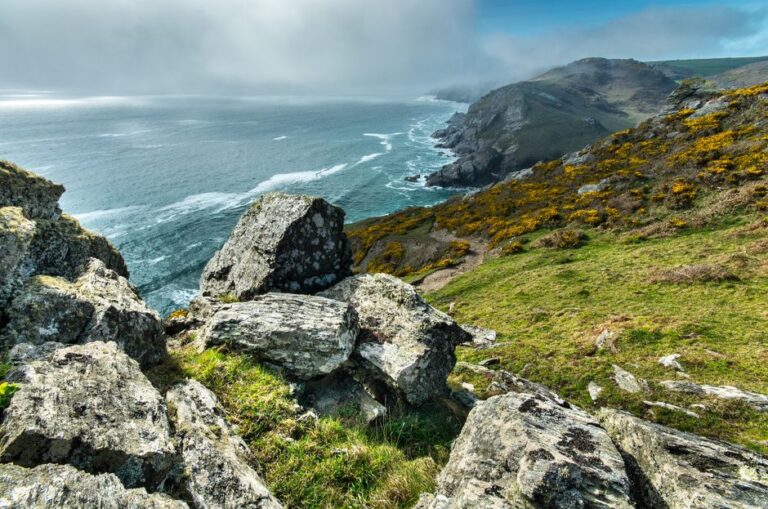
Cornwall Travel Guide
Plan a trip to Cornwall: St Ives, Penzance, Newquay, the Lizard and Falmouth compared, St Michael's Mount causeway tides and 2026 castle prices, the…
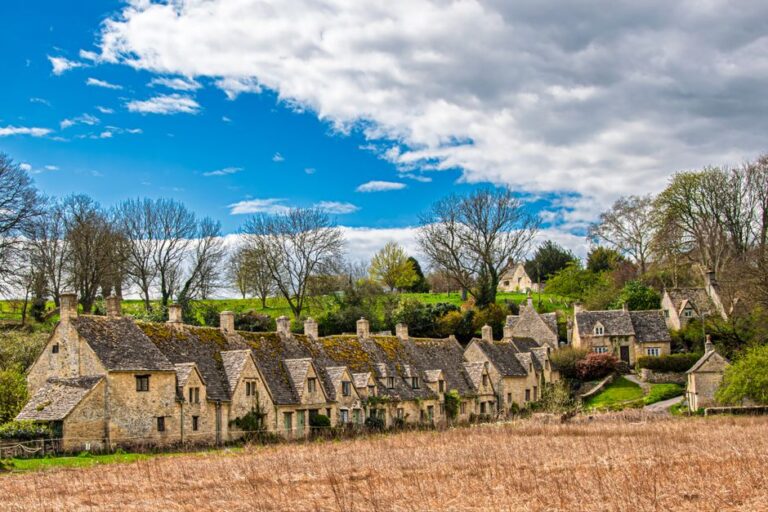
Cotswolds Travel Guide
Plan a trip to the Cotswolds: Bourton-on-the-Water, Bibury, Castle Combe, Stow-on-the-Wold, Chipping Campden and Broadway compared, Blenheim Palace with 2026 ticket prices, walking the…
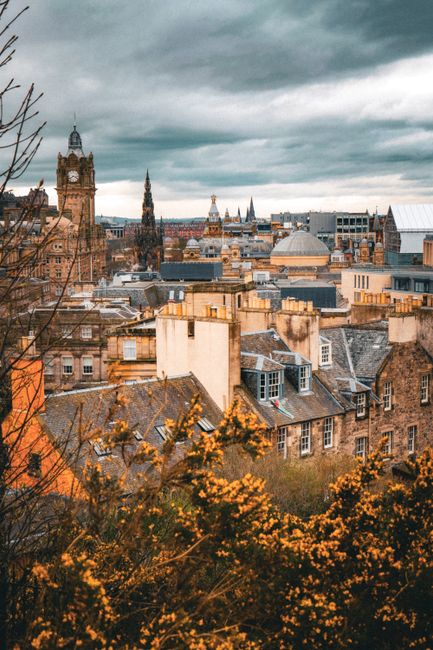
Edinburgh Travel Guide
Plan a trip to Edinburgh: the UNESCO Old and New Towns, Edinburgh Castle timed tickets and 2026 prices, the Royal Mile, Holyroodhouse, Arthur's Seat…
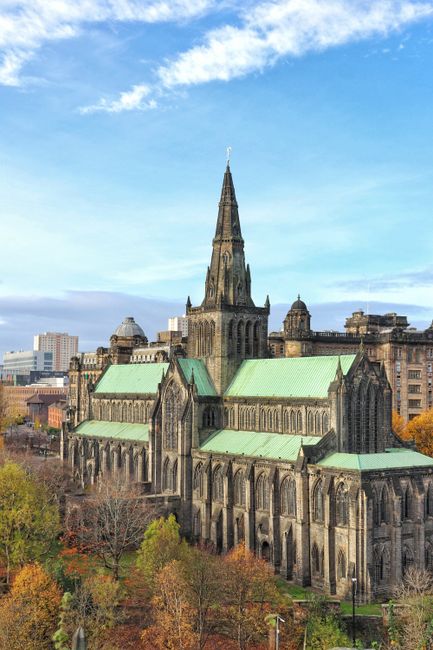
Glasgow Travel Guide
Plan a trip to Glasgow: free Kelvingrove, Riverside Museum and Burrell Collection with October 2026 hours, Glasgow Cathedral and the Necropolis, the Mackintosh Tearooms…
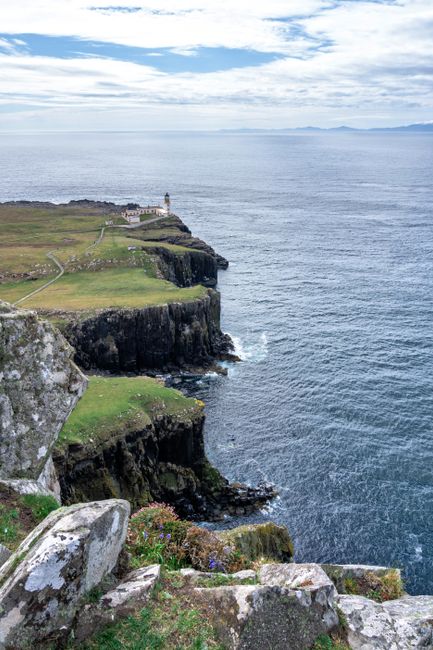
Isle of Skye Travel Guide
Plan a trip to the Isle of Skye: Portree and the island's areas, the Old Man of Storr and Quiraing walks with 2026 parking…
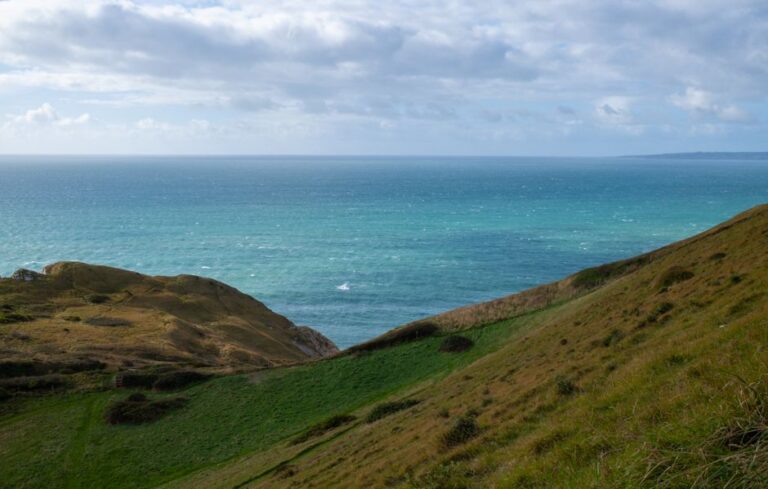
Jurassic Coast Travel Guide
Plan a trip to the Jurassic Coast: Durdle Door and Lulworth Cove with 2026 parking charges, Old Harry Rocks and Studland, Corfe Castle prices,…
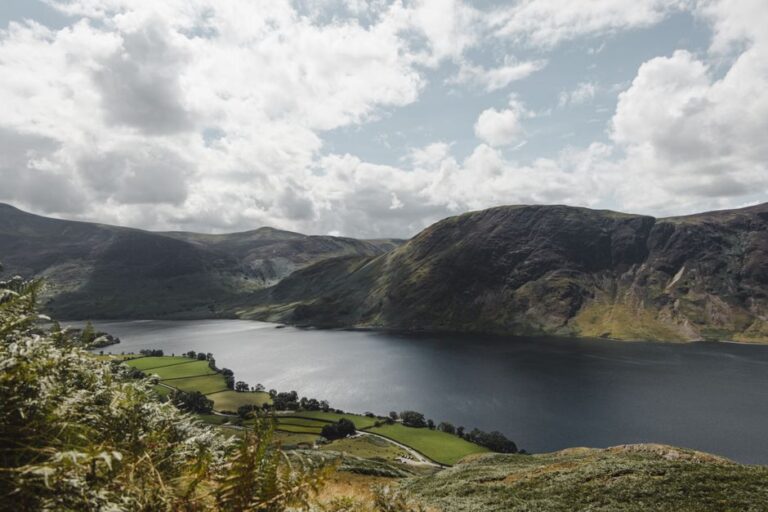
Lake District Travel Guide
Plan a trip to the Lake District: Windermere and Bowness, Ambleside, Grasmere and Dove Cottage, Keswick and Borrowdale compared, Windermere Lake Cruises and Ullswater…
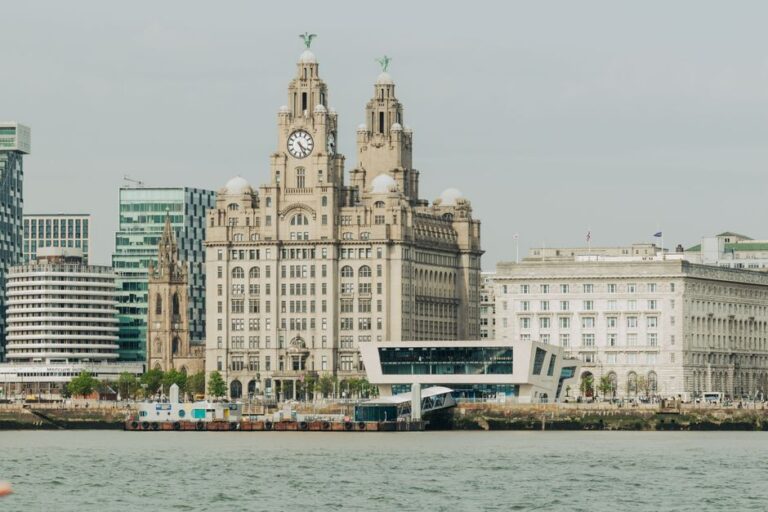
Liverpool Travel Guide
Plan a trip to Liverpool: the Beatles Story and the Cavern Club with October 2026 prices, the Royal Albert Dock and the Three Graces,…
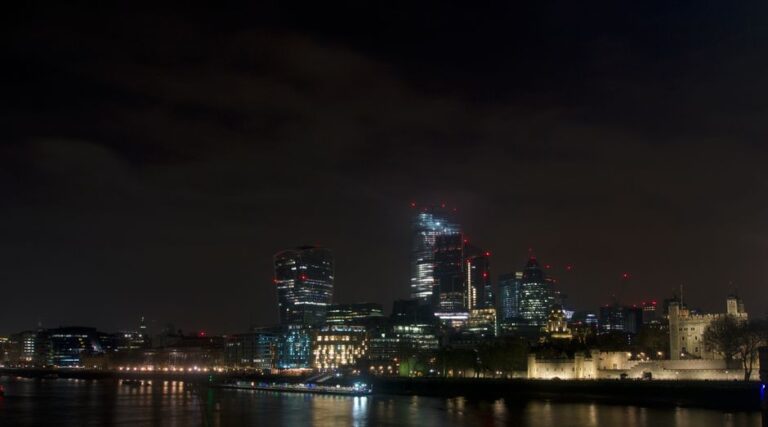
London Travel Guide
Plan a trip to London: the best neighbourhoods, the free British Museum, National Gallery and Natural History Museum, Tower of London, Westminster Abbey and…
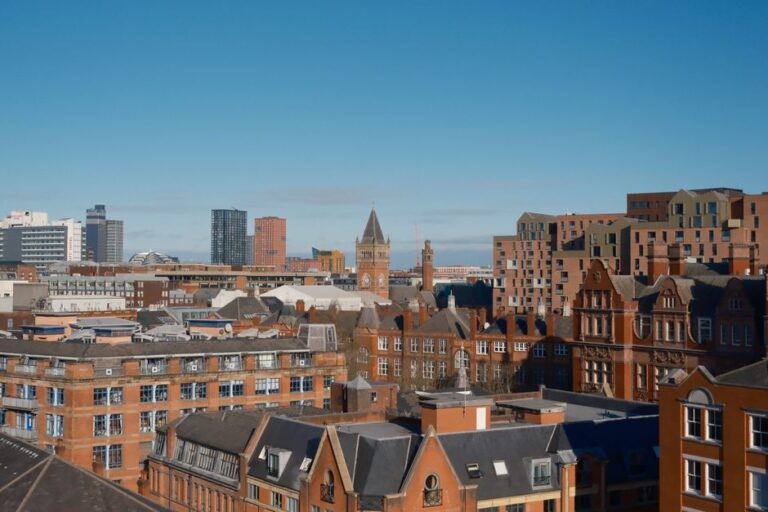
Manchester Travel Guide
Plan a trip to Manchester: the free Science and Industry Museum, the John Rylands Library, the People's History Museum and Manchester Museum with October…
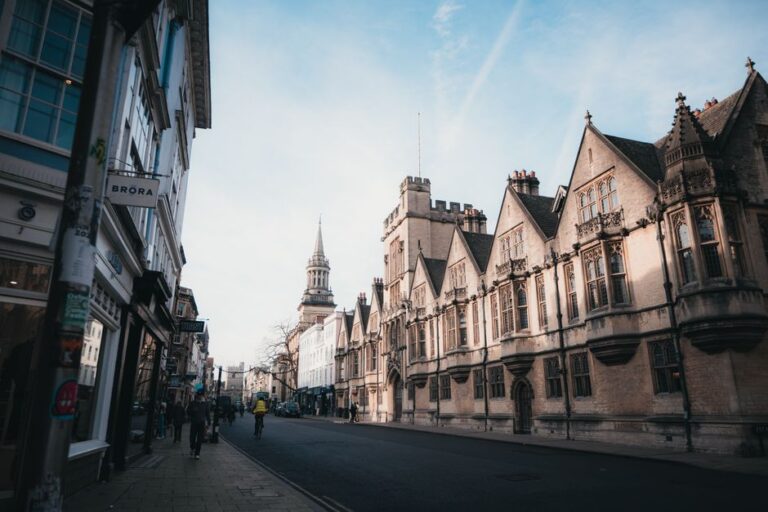
Oxford Travel Guide
Plan a trip to Oxford: how the colleges work, Christ Church 2026 tickets, Bodleian Library and Radcliffe Camera tours, the free Ashmolean and university…
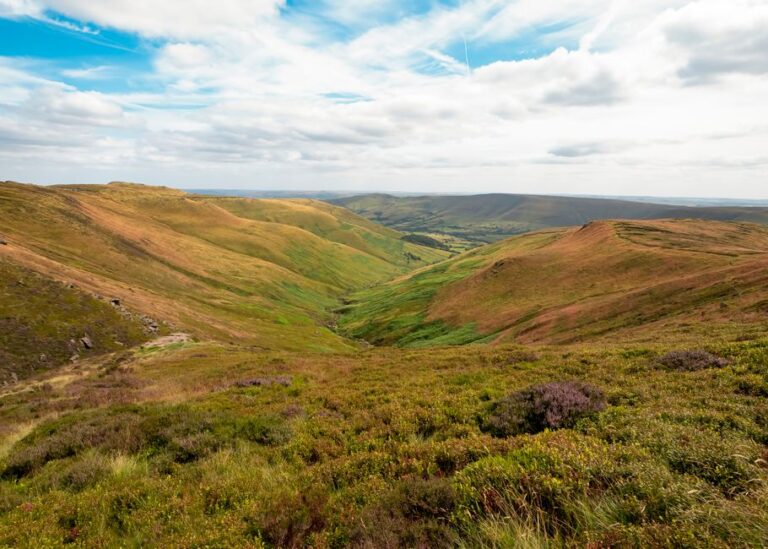
Peak District Travel Guide
Plan a trip to the Peak District: Castleton and its four caverns with 2026 prices, Mam Tor and the Great Ridge, Kinder Scout and…
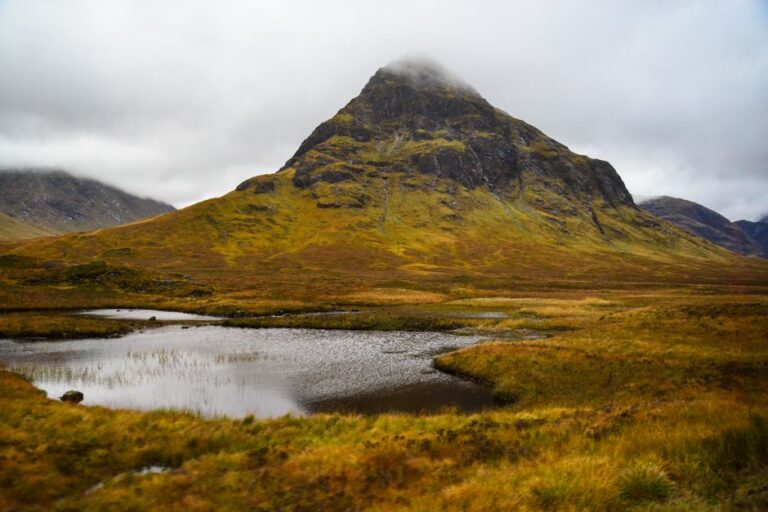
Scottish Highlands Travel Guide
Plan a trip to the Scottish Highlands: Inverness, Loch Ness and Urquhart Castle tickets and parking, Glencoe, Fort William and Ben Nevis, the Jacobite…
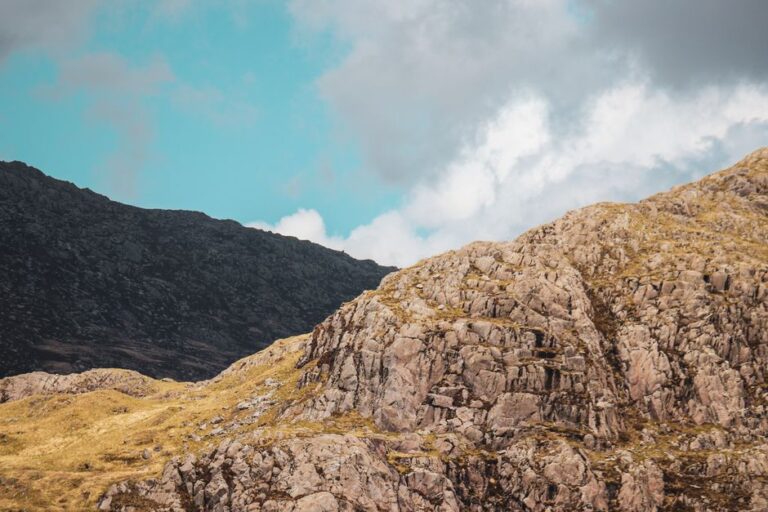
Snowdonia Travel Guide
Plan a trip to Eryri (Snowdonia) National Park: the six paths up Yr Wyddfa (Snowdon) and mountain safety, Snowdon Mountain Railway 2026 fares and…
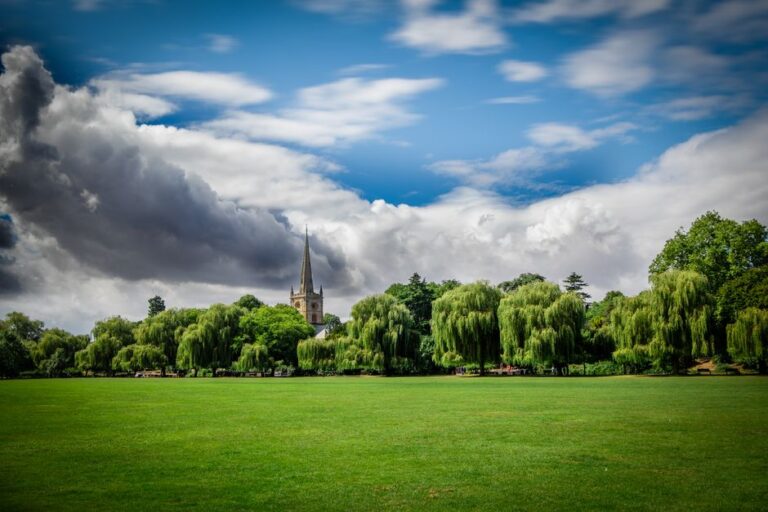
Stratford-upon-Avon Travel Guide
Plan a trip to Stratford-upon-Avon: Shakespeare's Birthplace, New Place and Anne Hathaway's Cottage with October 2026 prices and hours, his grave at Holy Trinity…
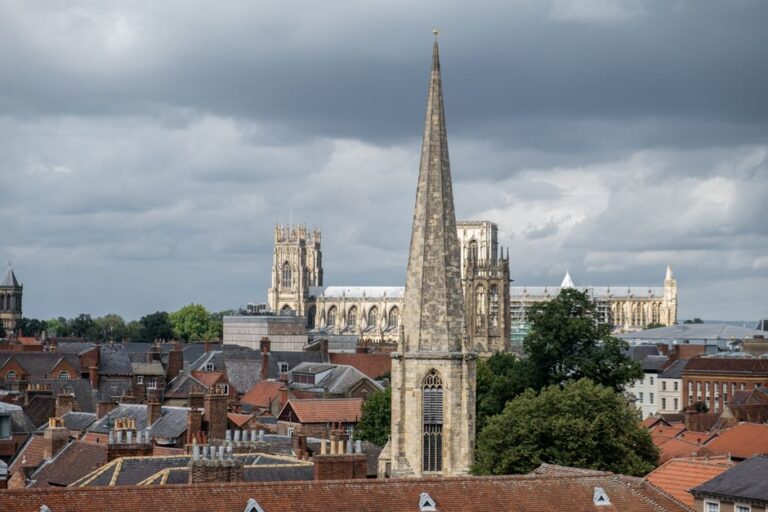
York Travel Guide
Plan a trip to York: York Minster and the tower climb with 2026 prices, the free city walls walk and its opening times, the…
Best time to visit the United Kingdom, nation by nation
The UK has a mild, maritime climate: rarely very hot or very cold, often cloudy, and changeable from hour to hour. The south and east (London, Oxford, Cambridge) are the warmest and driest; the west and north (Wales, Cornwall, the Lake District, Northern Ireland and the Scottish Highlands) are cooler, windier and much wetter. The table shows rounded average daily highs from the Met Office’s official 1991–2020 climate averages at one station per region, plus the number of days a year with at least 1 mm of rain. These are long-term averages; recent summers have brought more heatwaves.
| Region (Met Office station) | Spring highs (Mar–May) | Summer highs (Jun–Aug) | Autumn highs (Sep–Nov) | Winter highs (Dec–Feb) | Rainy days a year |
|---|---|---|---|---|---|
| London and the south-east (Heathrow) | 12–18 °C | 22–24 °C | 20 °C falling to 11 °C | 8–9 °C | about 112 |
| Cornwall and the south-west (Camborne) | 10–15 °C | 17–19 °C | 17 °C falling to 12 °C | 9–10 °C | about 155 |
| Wales (Cardiff, Bute Park) | 11–17 °C | 20–22 °C | 19 °C falling to 12 °C | 9 °C | about 153 |
| Edinburgh and southern Scotland (Gogarbank) | 9–15 °C | 17–19 °C | 17 °C falling to 10 °C | 7–8 °C | about 137 |
| Scottish Highlands (Aviemore) | 8–15 °C | 17–19 °C | 16 °C falling to 8 °C | 5–6 °C | about 168 |
| Northern Ireland (Belfast International Airport) | 10–15 °C | 18–19 °C | 17 °C falling to 10 °C | 7–8 °C | about 161 |
Rain is spread through the year rather than in a rainy season; October to January are usually the wettest months, and spring is often the driest and sunniest. London gets about 615 mm of rain a year, Cardiff about twice as much, and the western Highlands far more. Summer days are long: in June it stays light until after 21:00 in London and until about 22:00 in Edinburgh, while in December it is dark by 16:00 in the south and earlier in the north. Pack for rain, wind and sun in any month, and in the Highlands bring insect repellent from June to September for the midges.
Crowds and prices through the year
- July and August: peak season, with school holidays across the UK (Scottish schools break up in late June and go back in mid-August). Cornwall, the Lake District, Skye and Edinburgh in August are busy and expensive, so book rooms and car hire early. The weather is the warmest of the year but not guaranteed.
- May, June and September: the best all-round months: long days, gardens in bloom, fewer crowds than in high summer and often the driest spells of the year. Late May and the half-term holiday around it are busy.
- April and October: good value, with spring flowers or autumn colour, but cooler and more changeable weather. Easter and the October half-term break bring families out.
- November to March: short, dark days and the cheapest hotels outside Christmas. Cities, museums, pubs and Christmas markets are at their cosiest; some rural attractions, island ferries and Highland hotels run reduced services or close.
Festivals and events through the year
- January to March: Burns Night suppers with haggis and whisky on 25 January; the Six Nations rugby championship; St David’s Day in Wales (1 March) and St Patrick’s Day (17 March), a bank holiday and big celebration in Northern Ireland.
- April to June: the London Marathon in April; the Chelsea Flower Show in May; Trooping the Colour for the King’s official birthday in June; Royal Ascot; the Wimbledon tennis championships from late June into July; Glastonbury Festival in most years.
- July and August: the BBC Proms classical music season in London (mid-July to mid-September); Highland games across Scotland; the Edinburgh Festival Fringe, the International Festival and the Military Tattoo in August; the National Eisteddfod in Wales in early August; Notting Hill Carnival in London over the August bank holiday weekend.
- September and October: harvest and food festivals, heritage open days, and autumn colour in the Lake District, the Highlands and the Cotswolds.
- November and December: Bonfire Night fireworks around 5 November; Remembrance Sunday; Christmas lights and markets in London, Edinburgh, Bath, York and Manchester; and Hogmanay, Edinburgh’s huge New Year’s Eve party.
Bank holidays differ by nation
Public holidays are called bank holidays, and each nation has its own list. On these days banks and offices close, many shops open shorter hours, and trains run a Sunday-style timetable; the Monday holidays create busy long weekends on roads and in the countryside. Between Christmas and New Year, much of the country slows down and public transport is limited, especially on 25 and 26 December. The dates below are from gov.uk:
| Holiday | England and Wales | Scotland | Northern Ireland |
|---|---|---|---|
| St Andrew’s Day | — | 30 November 2026 | — |
| Christmas Day and Boxing Day | 25 and 28 December 2026 (substitute) | 25 and 28 December 2026 | 25 and 28 December 2026 |
| New Year | 1 January 2027 | 1 and 4 January 2027 (2 January substitute) | 1 January 2027 |
| St Patrick’s Day | — | — | 17 March 2027 |
| Easter | Good Friday 26 March and Easter Monday 29 March 2027 | Good Friday 26 March 2027 only | 26 and 29 March 2027 |
| May holidays | 3 and 31 May 2027 | 3 and 31 May 2027 | 3 and 31 May 2027 |
| Battle of the Boyne (Orangemen’s Day) | — | — | 12 July 2027 |
| Summer bank holiday | 30 August 2027 | 2 August 2027 | 30 August 2027 |
Weather month by month
Averages from Met Office normals 1991–2020, London Heathrow (airport) · Last reviewed 4 Oct 2026
How long to stay: sample itineraries
Britain is compact, and the main railway lines fan out from London like spokes: west to Oxford, Bath and Cornwall, north-west to the Lake District and Glasgow, north to York and Edinburgh, and north-east to Cambridge. Plan along those lines and hire a car only for the Cotswolds, the Highlands, Skye, Wales or the Causeway Coast.
5 days: London plus a day trip or two
Three or four days in London for the Tower, Westminster, the museums, a West End show and the markets, plus a day trip by train to Oxford, Cambridge, Windsor or Bath. Ideal for a first taste or a stopover.
7 days: London, York and Edinburgh
The classic rail route north: three days in London, a night in York (under two hours away), then about two and a half hours on to Edinburgh for two or three days. Fly home from Edinburgh, or take the Caledonian Sleeper back to London overnight.
10 days: add Oxford, Bath and the Cotswolds or the Highlands
Follow the seven-day route and add Oxford, the Cotswolds and Bath at the start (a hire car makes the villages easy), or two or three days in the Scottish Highlands after Edinburgh, by train to Inverness or by car via Glencoe and Fort William.
14 days: the grand tour
London, Oxford or Cambridge, Bath and the Cotswolds; the Lake District; Edinburgh; then a loop through the Highlands to the Isle of Skye. Or swap Scotland’s far north for Cornwall, Wales or Northern Ireland. The UK links easily with the continent: the Eurostar runs from London St Pancras to Paris in a little over two hours, and short flights connect British airports with Spain, Portugal, Italy and Greece.
Entry, money and costs
Entry and the UK ETA (last reviewed October 2026)
The UK left the European Union in 2020 and has never been part of the Schengen area, so it runs its own border and its own rules. British and Irish citizens need no permission to enter. Most other visitors who don’t need a visa, including citizens of the EU, the United States, Canada, Australia and New Zealand, now need an Electronic Travel Authorisation (ETA) before they travel. Visitors from countries that need a visa (the UK government’s “check if you need a visa” tool says which) apply for a Standard Visitor visa instead.
- Price and validity: as of October 2026 an ETA costs £20 per person (it rose from £16 on 8 April 2026). It allows multiple trips of up to six months each and lasts for two years or until your passport expires, whichever comes first. Everyone needs their own ETA, including babies and children.
- How to apply: on the official “UK ETA” app or on gov.uk. Most people get a decision within minutes, but the Home Office advises applying at least three working days before you travel. The ETA is linked to the passport you apply with, so travel on that passport.
- No ETA, no boarding: since 25 February 2026 the rules are fully enforced, and airlines, ferry companies and Eurostar refuse boarding to visitors without an ETA, eVisa or other valid permission.
- Transit: you need an ETA if you pass through UK border control between flights. As of October 2026, passengers who stay airside at Heathrow or Manchester airport without going through passport control don’t need one.
- Ireland: the UK and Ireland form the Common Travel Area, with no routine passport checks between Northern Ireland and the Republic. Non-visa nationals who legally live in Ireland don’t need an ETA when travelling from within the Common Travel Area; visitors flying into Dublin and then crossing to Belfast still need one.
- Watch out for copycat sites: unofficial websites charge far more than £20 for an “ETA application”. Apply only through the UK ETA app or gov.uk.
The UK is not in the EU’s Entry/Exit System (EES), so there is no EES registration when you arrive in Britain. You will meet EES, though, when you leave the UK for France by Eurostar from London St Pancras or by ferry or Eurotunnel at Dover and Folkestone: French border police check passengers there before departure, so allow extra time. At UK airports, many visitors aged 10 and over, including EU, US, Canadian and Australian passport holders, can use the automatic eGates. Check gov.uk before you travel, as rules change.
Language
English is spoken everywhere, with accents that change every few miles, from Cockney and Scouse to Geordie, Glaswegian and Ulster. Welsh is an official language in Wales, spoken by about a fifth of the population and seen on every road sign; Scottish Gaelic survives in the Highlands and Hebrides, where signs are bilingual too. A few useful words: “cheers” (thanks), “queue” (the line you will be expected to wait in), “loo” (toilet), “lift” (elevator), “chips” (fries) and “crisps” (potato chips). In Wales, bore da is good morning and diolch is thank you.
Currency, contactless payments and tipping
The currency is the pound sterling (£, GBP), divided into 100 pence. Scotland and Northern Ireland print their own banknotes in pounds; they are legal money anywhere in the UK, though small shops in England sometimes hesitate over them, so spend them before you cross the border. Contactless payment is everywhere: cards and phone wallets work in pubs, cafés, markets, taxis, buses and on London’s transport, and some places no longer take cash at all. The contactless limit for a card tap is £100; above that, use your PIN or a phone wallet. Carry a little cash for rural cafés, honesty boxes and car parks. When a card machine offers to charge you in your home currency, choose pounds; it is usually the better rate.
Tipping is modest. In restaurants with table service, a 10–12.5% service charge is often added to the bill, especially in London; if it is, you don’t need to add more, and if it isn’t, 10% is normal for good service. You don’t tip at the bar in a pub (you can offer to “get one in” for a friendly bartender), and people round up taxi fares or add about 10%. Hotel porters and tour guides appreciate a few pounds.
No VAT refunds for tourists
Prices in shops include VAT (sales tax, 20% on most goods). Tax-free shopping for international visitors ended in Great Britain on 1 January 2021, so you can’t claim VAT back at the airport on goods bought in English, Scottish or Welsh shops and carried home in your luggage. Shops can still sell VAT-free if they post the goods directly to an address outside the UK. Northern Ireland, which follows some EU rules, kept a VAT refund scheme for visitors who live outside both Northern Ireland and the EU. In September 2026 the opposition Conservative party proposed bringing tax-free shopping back, but as of October 2026 nothing has changed.
Tourist taxes: arriving in Scotland and Wales
England has no national tourist tax. Edinburgh became the first UK city with a visitor levy on 24 July 2026: 5% of the cost of paid overnight accommodation, for the first five nights in a row. Glasgow charges 5% for the whole stay from 25 January 2027, and other Scottish councils are considering their own. In Wales, Cardiff is the first to use the new powers: £1.30 per person per night (75p in hostel dorms and on campsites) from 1 April 2027. Check what your booking includes.
Typical travel costs
The UK is expensive by European standards, and London is in a league of its own for hotels. Many of the best things are free, though: national museums, parks, cathedrals’ services, footpaths, beaches and views. These estimates, per person per day, are a planning guide as of October 2026:
| Style | Estimated cost per day | What that looks like |
|---|---|---|
| Budget | about £70–100 | Hostel bed or simple B&B outside the centre, supermarket meal deals and pub food, buses and advance train fares, free museums |
| Mid-range | about £150–250 | 3- or 4-star hotel room shared by two, pub lunches and restaurant dinners, one or two paid sights a day, trains between cities |
| High-end | about £400+ | Boutique or luxury hotel, fine dining, West End theatre, private tours, car hire |
Add £40–80 a day for a hotel in central London, and more in Edinburgh in August. A full English or Scottish breakfast in your B&B can keep you going until a late lunch, and a supermarket “meal deal” (sandwich, snack and drink) is the budget lunch of choice. The figures are our estimates, not official statistics.
Getting there and getting around
Arrival airports and the Eurostar
- London Heathrow (LHR): the main long-haul hub, linked to central London by the Elizabeth line, the Heathrow Express and the Piccadilly line. Gatwick (LGW) is the second airport, with the Gatwick Express to Victoria; Stansted, Luton and London City mostly serve European flights. Fares and times are in our London guide.
- Manchester (MAN): the north of England’s main international airport, with trains to Manchester, the Lake District, York and Scotland.
- Edinburgh (EDI) and Glasgow (GLA): Scotland’s main gateways, with direct flights from Europe and North America; trams run from Edinburgh airport to the city centre.
- Belfast and Cardiff: Belfast International and George Best Belfast City airports serve Northern Ireland; Cardiff airport serves Wales, though many visitors fly to Bristol or London instead.
- By train and ferry: the Eurostar links London St Pancras with Paris, Brussels and Amsterdam; ferries cross from France, Belgium, the Netherlands and Ireland, and Eurotunnel carries cars between Calais and Folkestone in about 35 minutes.
Trains: National Rail, tickets and fares
Britain’s railways are run by several train companies under one network, National Rail, which is gradually being brought into public ownership as Great British Railways. Tickets work across companies, and the National Rail website and app plan any journey in England, Scotland and Wales and show live departures. Typical fastest times from London: Oxford and Cambridge about an hour, Bath about 1 hour 20, York about 1 hour 50, Manchester about 2 hours 10, Edinburgh about 4 hours 20 and Penzance in Cornwall about 5 hours. Northern Ireland has its own railway, Translink NI Railways.
- Ticket types: Anytime tickets are flexible but expensive; Off-Peak and Super Off-Peak tickets are cheaper for travel outside weekday rush hours; Advance tickets are the cheapest, tied to one train and usually released about 12 weeks ahead. Book long trips such as London to Edinburgh as early as you can. Prices on the same route can vary hugely, so compare times, and check whether two singles cost less than a return.
- Fares are frozen: regulated fares in England (most season tickets, peak returns and off-peak returns between major cities) were frozen in March 2026 for the first time in 30 years, and train companies say fares stay frozen until March 2027.
- Buy before you board: buy on the train company’s or National Rail’s app or website, or at the station. Travelling without a valid ticket can mean a penalty fare. Contactless and Oyster also work on many trains in and around London.
- Sleepers and scenic routes: the Caledonian Sleeper runs overnight from London Euston to Edinburgh, Glasgow, Inverness and Fort William, and the Night Riviera from London Paddington to Cornwall. Don’t miss the West Highland Line from Glasgow to Mallaig, over the Glenfinnan Viaduct.
Railcards: a third off for couples, young people and seniors
Railcards are the UK’s best rail bargain, and visitors can buy them too: they are open to any nationality with a passport or national ID card, sold online as a digital card in the Railcard app. Most cost £35 for a year (as of October 2026) and take one third off most Advance, Off-Peak and Anytime fares in England, Scotland and Wales, so one longer trip can repay the cost.
- Two Together Railcard (£35): for two named adults travelling together, such as a couple or two friends; both must be on the train. Valid after 09:30 on weekdays and all day at weekends and on public holidays.
- 16-25 Railcard (£35 a year, £80 for three years): for anyone aged 16 to 25 (and full-time mature students). A £12 minimum fare applies to journeys starting between 04:30 and 10:00 on weekdays, except on Advance tickets, on public holidays and in July and August.
- 26-30 Railcard (£35): for ages 26 to 30, digital only.
- Senior Railcard (£35 a year, £80 for three years): for anyone aged 60 and over. It can’t be used in the morning peak between two stations in the London and South East area, except on public holidays.
- Family & Friends Railcard (£35): up to four adults and four children aged 5 to 15 travelling together: a third off adult fares and 60% off children’s fares.
- International visitors: besides the railcards, overseas visitors can buy a BritRail pass for unlimited travel on set days in Great Britain. It is sold only to people who live outside the UK and must be bought before you arrive; it pays off only for lots of long, flexible journeys, while Advance tickets with a railcard are usually cheaper.
Coaches and buses
Long-distance coaches are the budget alternative to trains: National Express and Megabus cover England and Wales from London Victoria Coach Station, and Scottish Citylink links Edinburgh, Glasgow and the Highlands as far as Skye. Journeys are slower than the train, but fares booked ahead can be very low. Local buses reach most villages, but rural services can be infrequent and stop early in the evening and on Sundays.
Driving on the left
A car is the best way to explore the Cotswolds, the Lake District, Wales, the Highlands, Skye and the Causeway Coast, but a burden in the cities. The UK drives on the left, and most hire cars are manual unless you book an automatic. At roundabouts, give way to traffic from the right. Speed limits are in miles per hour: usually 30 mph (48 km/h) in towns, and 20 mph in much of London and on most built-up roads in Wales; 60 mph (97 km/h) on single-carriageway roads; and 70 mph (113 km/h) on dual carriageways and motorways. The drink-drive limit is stricter in Scotland (50 mg of alcohol per 100 ml of blood) than in England, Wales and Northern Ireland (80 mg), so the safest rule is not to drink at all.
- London’s charges: central London has a Congestion Charge of £18 a day (as of October 2026), from 07:00 to 18:00 on weekdays and 12:00 to 18:00 at weekends and on bank holidays; and the Ultra Low Emission Zone (ULEZ) covers all of Greater London, 24 hours a day, charging £12.50 a day to older, more polluting vehicles. Most modern hire cars meet ULEZ standards, but nobody escapes the Congestion Charge. Details are in our London guide; other cities, including Birmingham, Bristol, Glasgow and Edinburgh, have their own clean air or low-emission zones.
- Single-track roads: in the Highlands, Skye and parts of Wales, many roads are one lane wide with passing places. Pull in to the left to let oncoming cars pass, or let faster cars overtake, and never park in a passing place.
- Parking and tolls: pay-and-display car parks usually take cards or apps. There are few toll roads, but the Dartford Crossing east of London must be paid online by midnight the next day.
- Licences: most visitors can drive on their national licence; ask your hire company whether it also wants an International Driving Permit.
Ferries and island hopping
Ferries are part of the adventure in Scotland, where Caledonian MacBrayne (CalMac) sails to more than 20 Hebridean islands, including Mull, Islay, Harris and Lewis; Skye is reached by bridge or by the summer ferry from Mallaig. Northern Ireland is linked by ferry from Cairnryan in Scotland and from Liverpool, and the Isle of Wight is a short hop from Portsmouth and Southampton. Book car spaces in summer, and allow for cancellations in rough weather.
Culture, food, pubs and etiquette
British food has long outgrown its reputation. Try a full English (or Scottish, Welsh or Ulster) breakfast, fish and chips by the sea, a Sunday roast with Yorkshire pudding in a country pub, a Cornish pasty, afternoon tea with scones, clotted cream and jam, and curry, which many Britons consider a national dish. Scotland adds haggis, smoked salmon, langoustines and single malt whisky; Wales has Welsh cakes and lamb; Northern Ireland has the Ulster fry and soda bread. London is one of the best places in the world to eat food from every continent.
Pubs are the heart of social life. Order and pay at the bar, as there is usually no table service; ask for a pint or a half of local ale, cider or lager. Many pubs serve food at lunch and dinner and welcome children until early evening; dogs are often welcome too. Rounds are a tradition: if someone buys you a drink, buy the next one.
Meal times and opening hours: lunch is about 12:00 to 14:00 and dinner from 18:00 to 21:00, earlier than in southern Europe; in villages, kitchens may close at 20:30. Shops open about 09:00 to 17:30 or later in cities; in England and Wales big stores may only open for six hours on Sundays (often 10:00 to 16:00 or 11:00 to 17:00), while Scotland has no such limit. Tap water is safe to drink everywhere.
Etiquette: queue patiently and never jump the line; stand on the right on escalators in London; say “please”, “thank you” and “sorry” a lot; and keep voices down on trains, especially in quiet coaches. Smoking is banned inside pubs, restaurants and on public transport.
Safety, health, accessibility and connectivity
Safety
The UK is a safe country to visit. The main risks for visitors are pickpocketing and phone snatching, especially in central London (on the Underground, around Oxford Street, the West End and big stations, where thieves on bikes and e-scooters grab phones from pavements), plus bag theft in busy bars and on trains. Keep your phone in your hand away from the kerb, bags zipped and in sight. Use licensed black cabs, which you can hail in the street, or book minicabs and ride-hailing cars through an app; never get into an unbooked minicab. In the hills, weather changes fast: on Snowdon, Ben Nevis or in the Lake District carry a map, waterproofs and warm layers even in summer, and check the mountain forecast. On beaches, swim between the red and yellow flags where lifeguards patrol.
Emergency number: 999 (or 112) for police, ambulance, fire and coastguard. For urgent but non-emergency medical advice, call 111 (NHS 111).
Health
The National Health Service (NHS) provides good care, and emergency treatment in A&E (accident and emergency) departments is free at the point of care, but overseas visitors may be charged for hospital treatment afterwards, so take travel insurance. EU visitors can use a European Health Insurance Card (EHIC) for medically necessary care. Pharmacies such as Boots are in every high street and can advise on minor illnesses. No special vaccinations are needed.
Accessibility
The UK is fairly accessible by European standards. Museums and modern buildings have step-free access, London’s buses are all wheelchair-accessible and the Elizabeth line is step-free, though many older Underground stations still have only stairs. On National Rail, the free Passenger Assistance service helps you on and off trains; book it through the app or the train company, ideally a few hours ahead. Historic houses, castles, cobbled streets and village B&Bs can be harder, so check before booking.
Connectivity and power
Since Brexit, EU phone plans no longer roam in the UK at home prices by law; some EU operators still include the UK, others charge, so check before you go. An eSIM or a prepaid SIM from EE, Vodafone, O2 or Three is usually cheaper for longer stays. Mobile coverage is good in towns but patchy in the Highlands, on Skye and in Welsh valleys. Free Wi-Fi is common in cafés, pubs, hotels and on many trains. The UK uses 230 V and type G sockets, with three rectangular pins; you will need an adapter, as European two-pin and US plugs don’t fit. Most bathrooms have only a two-pin shaver socket.
Things to do: hiking, beaches, cycling, boat trips and city breaks
- City sightseeing: London, Edinburgh, York, Bath, Oxford, Cambridge, Liverpool and Belfast are made for walking, with free museums, cathedrals, markets and historic pubs.
- Hiking: the fells of the Lake District, the Scottish Highlands and the West Highland Way, Skye’s Quiraing and Old Man of Storr, Snowdon in Wales, the Pennine Way, Hadrian’s Wall Path and the South West Coast Path. England and Wales have a dense network of public footpaths, and Scotland’s access laws let you walk almost anywhere if you act responsibly.
- Beaches: Cornwall’s surf beaches and coves, Devon and Dorset’s Jurassic Coast, Pembrokeshire and the Gower in Wales, Northumberland’s castle-backed sands, and the white beaches of the Outer Hebrides. Water is cool all year, about 15–18 °C in the south-west in late summer, so many swimmers wear wetsuits.
- Cycling: quiet lanes in the Cotswolds and East Anglia, traffic-free rail trails, the coast-to-coast routes across northern England and long-distance routes around Scotland’s islands. Cities have bike hire, including London’s Santander Cycles.
- Boat trips: Thames boats to Greenwich, punting in Oxford and Cambridge, lake steamers on Windermere and Ullswater, cruises on Loch Ness and Loch Lomond, wildlife boats to see puffins, seals and dolphins, and canal boat holidays on England’s waterways.
What to pack
Layers and a good waterproof jacket come first, whatever the month: a typical British day can bring sun, showers and wind before lunch. Add comfortable walking shoes that cope with wet pavements and muddy paths, a warm sweater or fleece (even in summer in Scotland and the hills), a compact umbrella for the cities, and a hat, gloves and a warm coat from November to March. For hiking, bring waterproof boots and trousers; for the Highlands in summer, midge repellent and a head net. Swimwear and a light wetsuit are worth it for Cornwall. Don’t forget a type G plug adapter, a contactless card or phone wallet for transport, and a refillable water bottle.
United Kingdom travel FAQ
When is the best time to visit the UK?
May, June and September are the best all-round months: long days, mild weather and fewer crowds than in July and August. Summer is the warmest and liveliest season, with Edinburgh’s festivals in August, but also the busiest and most expensive. Winter is short-dayed and damp but good value in the cities.
How many days do you need in the UK?
A week covers London, York and Edinburgh by train. Ten days lets you add Oxford, Bath and the Cotswolds or the Scottish Highlands, and two weeks gives time for the Lake District, Skye, Cornwall, Wales or Northern Ireland.
Do I need an ETA to visit the UK?
Yes, if you don’t need a visa and aren’t British or Irish, which includes EU, US, Canadian and Australian citizens. As of October 2026 it costs £20, lasts two years or until your passport expires, and covers stays of up to six months at a time. Apply on the UK ETA app or gov.uk, ideally at least three working days before you travel.
Is the UK part of Schengen or the EU’s Entry/Exit System?
No. The UK is outside both the EU and the Schengen area, so days in the UK don’t count towards your 90 days in Schengen, and there is no EES registration on arrival. You do go through EES with French police at St Pancras or Dover when travelling on to France.
Can I use euros or cash in the UK?
The UK uses pounds sterling, not euros. You can pay almost everywhere by contactless card or phone, including London’s transport, and some places are card-only. Carry a little cash for rural cafés and car parks.
Can tourists get a VAT refund in the UK?
Not in England, Scotland or Wales: tax-free shopping for visitors ended on 1 January 2021, and as of October 2026 it has not returned. Shops can still sell VAT-free if they ship goods straight to an address abroad. Northern Ireland keeps a refund scheme for visitors who live outside Northern Ireland and the EU.
Should I tip in the UK?
In restaurants, check the bill: a 10–12.5% service charge is often included. If not, leave about 10% for good service. You don’t tip for drinks at a pub bar, and people round up taxi fares.
Which railcard should visitors buy?
Couples and friends travelling together should get the Two Together Railcard; under-26s the 16-25 Railcard; over-60s the Senior Railcard. Each costs £35 a year as of October 2026, takes a third off most fares and is open to visitors of any nationality. One London to Edinburgh trip often pays for it.
How do I get cheap train tickets in the UK?
Book Advance tickets as early as possible (they are usually released about 12 weeks ahead), travel off-peak, add a railcard, and compare a few departure times. Coaches are cheaper still but slower.
Is it hard to drive on the left in the UK?
Most visitors adapt within a day. Book an automatic if you don’t drive manual, take it slowly at roundabouts (give way to the right), and avoid driving in central London, where the £18 Congestion Charge and the £12.50 ULEZ for older vehicles apply. On single-track Highland roads, use the passing places.
What plugs are used in the UK?
Type G, with three rectangular pins, at 230 volts. European and North American plugs need an adapter; most phone and laptop chargers handle the voltage.
Are bank holidays the same across the UK?
No. Scotland adds 2 January and St Andrew’s Day (30 November), has no Easter Monday holiday and takes its summer bank holiday on the first Monday in August; Northern Ireland adds St Patrick’s Day (17 March) and 12 July. England and Wales share the same list.
Is there a tourist tax in the UK?
Not in England. Edinburgh has charged a 5% visitor levy on accommodation, for up to five nights, since 24 July 2026, and Glasgow plans one from January 2027. Wales may follow from 2027.
What is the weather like in the UK?
Mild and changeable. Average summer highs are about 22–24 °C in London and 17–19 °C in Edinburgh and the Highlands; winter highs are around 5–10 °C. It can rain in any month, more in the west and north, so pack layers and a waterproof.
Can I combine the UK with Paris or Ireland?
Yes. The Eurostar takes you from London to Paris in a little over two hours, and there are no routine passport checks between Northern Ireland and the Republic of Ireland. See our France guide to plan the next leg.
Sources
- Natural Earth · Public domain · fetched 4 Oct 2026
- © OpenStreetMap contributors · ODbL · fetched 4 Oct 2026
- Wikidata · CC0 · fetched 4 Oct 2026
Sources and last review
Researched and last reviewed on 4 October 2026. Entry rules and the ETA come from gov.uk and the Home Office; bank holidays from gov.uk; population from the Office for National Statistics; climate from the Met Office’s 1991–2020 averages; the rail fare freeze from the Department for Transport; railcard prices and conditions from railcard.co.uk (Rail Delivery Group); the Congestion Charge and ULEZ from Transport for London; the Edinburgh visitor levy from the City of Edinburgh Council. Some details, including Glasgow’s and Wales’s planned levies, the Northern Ireland VAT scheme, BritRail conditions and train journey times, come from press reports or general knowledge and are flagged for checking. Daily costs are estimates. Prices, timetables and entry rules change, so check the official links before you travel.
Plan your trip
Partner links: TravelerCenter may earn a commission if you book, at no extra cost to you.