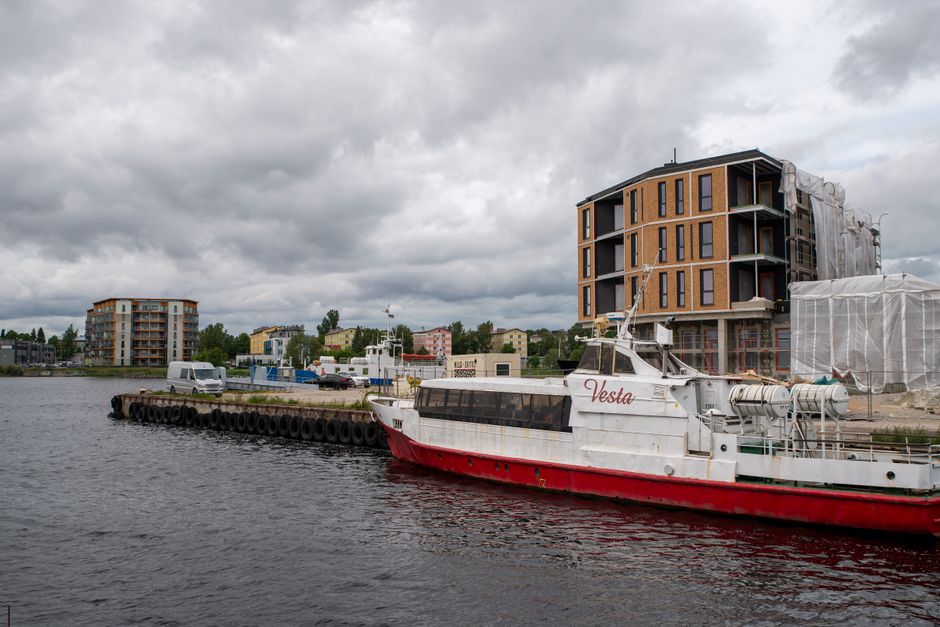
Pärnu is Estonia’s summer capital: a seaside resort on a wide, shallow bay of the Gulf of Riga, with a long sandy beach, a leafy promenade, wooden villas and spa hotels that have offered mud cures since the 19th century. In July and August the town fills with families, festivals and beach volleyball; the rest of the year it is a quiet spa town with a pretty old centre. Pärnu is also the gateway to two very different sides of Estonia: Soomaa National Park, a wilderness of bogs and rivers famous for its spring floods, and the island of Kihnu, whose women still wear striped skirts every day and whose culture is on UNESCO’s list. It is about two hours by bus from Tallinn and about two and a half from Riga. Come from June to August for the beach, and give it two or three days, or four with Soomaa and Kihnu.
Right now in Pärnu
- Wed 9–16°C 49–60°F Clear
- Thu 8–16°C 46–60°F Cloudy
- Fri 9–13°C 49–56°F 9 mm Rain
Weather: MET Norway (CC BY 4.0) · Sea temperature: NOAA CoastWatch · Rates: ECB
Top tours in Pärnu
See all tours for Pärnu →
From local operators, with prices and reviews; you check availability and book on Viator, our partner. We may earn a commission at no extra cost to you. How we earn money
Pärnu at a glance
- Best for: a family beach holiday, spa and mud treatments, summer festivals, a small old town, and nature trips to bogs, dunes and islands.
- How long: 1–2 days for the beach, promenade and old town; 3–4 days to add Soomaa National Park and Kihnu island.
- Best time: late June to mid-August for warm, shallow water and festivals; May, early June and September for quiet walks and spa breaks; March and April for Soomaa’s floods.
- Getting in: frequent buses from Tallinn (about 2 hours), including from the ferry harbour, and international coaches between Tallinn and Riga stop here. There is no passenger train.
- Getting around: walk or cycle in town; local buses; a car or tour for Soomaa and the ferry harbour for Kihnu.
- Budget: cheaper than Tallinn outside July and August; spa packages and holiday flats are good value in the shoulder seasons.
Pärnu, area by area
According to Statistics Estonia, 40,934 people lived in Pärnu town and 52,198 in the wider Pärnu municipality on 1 January 2026, making it Estonia’s fourth-largest town. The Pärnu River divides it: the old town and the beach are on the south bank, within 15 minutes’ walk of each other.
- The old town: the medieval Hanseatic town, rebuilt after wars and fires, with the pedestrian Rüütli street, the Tallinn Gate, churches, cafés and the main museums. Best for evenings and rainy days.
- The resort district (Rannarajoon): the leafy streets between the old town and the beach, with early 20th-century wooden villas, parks, the Mud Baths building, Villa Ammende and most spa hotels. Best for a quiet, classic resort stay.
- The beach: the long sandy beach and promenade, with cafés, playgrounds and sports courts, the beach hall and, at its western end, the breakwater (muul) at the river mouth. Best for families.
- North bank (Rääma and Ülejõe): residential districts across the river, with the bus routes north and some cheaper hotels.
Top things to see in Pärnu
Most of Pärnu’s sights are free to walk past. Museum prices are modest; check current hours before you go, as many places shorten them outside summer.
Pärnu beach and the promenade
Pärnu’s beach is a broad strip of fine pale sand facing south-west across Pärnu Bay. The water is very shallow for a long way out, so it warms up fast in summer and is ideal for children; in a warm July it can reach about 20 °C, though it is often cooler, and in strong winds the water can recede or rise noticeably. A promenade lined with trees runs behind the beach, with cafés, a beach hall and sports areas, and lifeguards in summer. The eastern part includes a traditional women’s beach (naiste rand), a reminder of the old resort’s separate bathing. Sunsets over the bay are a nightly event in summer. See our beaches guide.
The breakwater (muul)
At the western end of the beach, a stone breakwater runs about 2 km out to sea along the mouth of the Pärnu River. Walking to the end over the granite blocks is a local ritual, especially at sunset; bring shoes with a good grip, as the stones can be uneven and slippery, and stay off it in storms.
The Mud Baths and Villa Ammende
Pärnu opened its first bathing establishment in 1838, and the town grew rich on mud cures, using sea mud for treatments. The grand neoclassical Mud Baths building of 1927, at the end of Ranna puiestee, is still the symbol of the resort and now houses a spa hotel. Nearby, Villa Ammende, built in 1905 for a merchant’s daughter’s wedding, is one of the finest Art Nouveau villas in the Baltics and is now a hotel and restaurant, with a garden you can visit for coffee.
The old town: the Tallinn Gate, Rüütli street and churches
The Tallinn Gate, a 17th-century gate in the old earthen ramparts, is the only surviving town gate of its kind in the Baltic states, and the moat park beside it is a lovely walk. Rüütli street is the main pedestrian street, with shops and cafés in old merchants’ houses. See the baroque Lutheran St Elisabeth’s Church, with its organ concerts, and the pastel Russian Orthodox St Catherine’s Church, both from the 18th century, and the medieval Red Tower, the oldest building in town. The Pärnu Museum tells the area’s story from the Stone Age, and the Lydia Koidula Museum is the home of Estonia’s best-loved poet.
Spas and water parks
Pärnu has a dozen spa hotels offering mud wraps, mineral baths, massages and saunas, many with day tickets for non-guests. The Tervise Paradiis water park has slides and pools for rainy days, and several hotels have smaller indoor pools. In winter, a spa break with a sea-view sauna is the main reason to come.
Churches and cathedrals
- St Catherine's Church, Pärnu
- St Elizabeth's Church, Pärnu
Other sights
- Pärnu Mud Baths
- Tallinn Gate, Pärnu
Palaces
- Villa Ammende
Beaches
- Pärnu Beach
Viewpoints
- Pärnu Breakwater (Muul)
Nature around Pärnu: Soomaa, Kihnu and the coast
Soomaa National Park and its bog walks
Soomaa, on the border of Pärnu and Viljandi counties, is one of Estonia’s wildest places: raised bogs, swamp forests and rivers left to run in their natural beds. About half of its 39,884 hectares is wetland. In spring, when the snow melts, the rivers flood up to 17,500 hectares of forest and meadow; locals call this the “fifth season”, and you can paddle a canoe through the trees. Some roads and trails go under water then, so check water levels with the Soomaa Visitor Centre or RMK before you go.
- Bog boardwalks: the Riisa bog trail crosses an open bog with pools and a viewing tower, and a short boardwalk starts by the visitor centre at Kõrtsi-Tõramaa, partly accessible for wheelchairs and prams. Stay on the boards.
- Bog-shoe walks and canoeing: local guides lead walks on wide bog shoes across the moss, and canoe trips on the rivers in spring and summer. See our hiking guide.
- Dugout boats: building and using dugout boats from a single tree is on UNESCO’s list of intangible heritage in need of urgent safeguarding, and you can see one at the visitor centre.
- Getting there: Soomaa is about an hour’s drive from Pärnu. Visit Pärnu notes that buses run from Pärnu only in the mornings and afternoons, so plan carefully or stay overnight. There is no shop in the park; the nearest is at Tori.
Kihnu island
Kihnu is a small, flat island, 7 km long and 3.3 km wide, in the Gulf of Riga. Its people have kept their own culture for more than 600 years: because the men spent long periods at sea, the women became the keepers of the island’s crafts, songs, dances and costume, and many still wear the striped woollen skirt (kört) every day. The Kihnu Cultural Space is on UNESCO’s list of the Intangible Cultural Heritage of Humanity. A circular route of nearly 23 km links the lighthouse, the church, the museum and the villages; most visitors rent bikes at the harbour or ride with a local in a motorbike sidecar.
Getting there. The ferry Kihnu Virve sails all year, three or four times a day, from Munalaid harbour, about 40 km from Pärnu. Book tickets online, especially in summer and on festival days, when it sells out. There are no cash machines on Kihnu and not everywhere takes cards, so bring cash. See our cycling guide.
Coastal dunes and bogs south of Pärnu
South of town towards the Latvian border, Luitemaa nature reserve protects the Rannametsa dunes, with a viewing tower over the pine forest, and the Tolkuse bog trail, a short boardwalk to another tower. Small beaches along the coast are much quieter than Pärnu’s.
Activities and best months
- Beaches and swimmingJunJulAugPärnu Beach has nearly 2 km of sand and shallow water that warms quickly (it can pass 30 °C on hot days; record 33 °C in 2010). Lifeguards are on duty from 1 June to 31 August between the Side Street extension and the Ladies' Beach, with playgrounds, trampolines, mini-golf and bike rental, and a promenade from the Beach House to the surf centres. · source
- CyclingKihnu island (16.9 km², 7 km by 3.3 km), whose culture is on UNESCO's intangible heritage list, is best seen by bike: the 'Kihnu Travel Wheel' circular route of nearly 23 km links all the sights and takes 4-12 hours by bicycle; bikes are rented at the port. The ferry Kihnu Virve sails 3-4 times a day all year from Munalaid, about 40 km from Pärnu; book ahead, and bring cash (no ATMs). · source
- HikingSoomaa National Park, Estonia's second largest (39,884 ha, about half wetland), on the border of Pärnu and Viljandi counties, has more than 50 recreation facilities; the Riisa study trail crosses the bog on a boardwalk with 8 rest stops and a watchtower, and the Beaver trail by the visitor centre at Kõrtsi-Tõramaa is partly wheelchair and pram accessible. In the spring 'fifth season', floods cover up to 17,500 ha and you can canoe between the trees. Buses from Pärnu run only in the mornings and afternoons. · source
- SurfingVisit Pärnu calls Pärnu Beach the best beach for new surfers in Scandinavia; surf clubs at the Side Street extension at the end of the beach run lessons and hold events and concerts in summer. · source
Festivals and seasons in Pärnu
Pärnu’s biggest events are in summer. The season opens in late June with a family festival on the river that hands Pärnu the title of summer capital, and Midsummer (23–24 June) brings bonfires along the coast. July and August bring the Pärnu Music Festival, a classical orchestral festival led by the conductors Neeme and Paavo Järvi; a big two-day pop and dance music festival by the beach; blues concerts at the yacht club; the medieval Hanseatic Days in the old town; and an arts and crafts festival on Rüütli street. Concert series continue in St Elisabeth’s Church in spring and autumn. Check visitparnu.com for 2027 dates, which are published in the spring.
Outside summer, Pärnu is a peaceful spa town. Winter brings snow on the beach and occasionally ice on the bay, and spring brings the floods in Soomaa and migrating birds along the coast.
Day trips from Pärnu
- Soomaa National Park: bog walks, canoeing and, in spring, the floods (about an hour by car).
- Kihnu island: a full day by car or bus to Munalaid, ferry and bike.
- Viljandi: a hilltop castle ruin, a lake and a folk music centre, about an hour inland.
- Saaremaa and Muhu: drive about an hour to Virtsu and take the ferry to Muhu; better as an overnight trip.
- Riga: the Latvian capital is about two and a half hours by coach, so you can stop in Pärnu on the way between Tallinn and Riga.
Getting to Pärnu and getting around
By bus. Frequent buses run between Tallinn and Pärnu, taking about two hours; according to Visit Pärnu, some leave directly from the Port of Tallinn’s Terminal D, so you can come straight off the Helsinki ferry. International coaches between Tallinn and Riga stop in Pärnu, with Riga about two and a half hours away. Buy domestic tickets on tpilet.ee. There has been no passenger train to Pärnu since 2018; a new station is planned on the Rail Baltica line, which will not open for years.
By car. Pärnu lies on the Via Baltica (E67) highway, about 130 km from Tallinn and 180 km from Riga. In the centre, and in summer near the beach, parking is paid; with a parking clock you can park free for up to one hour in the centre and 30 minutes in the beach area.
In town. The centre and beach are walkable and flat, and there are cycle paths along the river and the coast. Local buses use the same plastic travel card system as Tallinn and Tartu (a new card costs €2), and you can buy a one-hour ticket from the driver. Bolt taxis and scooters work here too.
When to go and how long to stay
Pärnu has one of the warmest summers on the Estonian coast, because the shallow bay heats up quickly. The table uses the Estonian Environment Agency’s official 1991–2020 normals for the Pärnu station, submitted to the World Meteorological Organization.
| Season | Average daily high | Average nightly low | Rain per month | What it’s like |
|---|---|---|---|---|
| Winter (Dec–Feb) | −1 to 1 °C | −7 to −3 °C | 49–71 mm | Cold, grey, sometimes snowy; spa season |
| Spring (Mar–May) | 3 °C rising to 17 °C | −4 to 6 °C | 39–43 mm | The driest season; Soomaa floods in March and April |
| Summer (Jun–Aug) | 20–23 °C | 11–14 °C | 74–84 mm | Beach season and festivals; long evenings; showers |
| Autumn (Sep–Nov) | 17 °C falling to 4 °C | 9 °C falling to 0 °C | 61–83 mm | Mild September, then wet and windy |
Pärnu gets about 760 mm of rain a year, on about 128 days. July is the warmest month, with highs of about 23 °C; February is the coldest, with nights around −7 °C. Beach weather usually lasts from late June to mid-August.
Pärnu in 2 days
Day 1: the old town, the Tallinn Gate and the churches in the morning; the resort district, the Mud Baths and Villa Ammende at lunch; the beach in the afternoon and a sunset walk on the breakwater. Day 2: a spa morning, then the Pärnu Museum, or a bike ride along the coast to the Rannametsa dunes.
Pärnu in 4 days
Add a day in Soomaa National Park with a guided bog-shoe walk or canoe trip, and a day on Kihnu island by ferry from Munalaid, cycling the island’s circular route. Out of season, swap Kihnu for Viljandi.
Weather month by month
Averages from Estonian Environment Agency normals 1991–2020, Pärnu · Last reviewed 4 Oct 2026
Where to stay in Pärnu
- The resort district: spa hotels and guesthouses in old villas, a few minutes from the beach; the classic choice for families and spa breaks.
- The old town: small hotels and apartments near restaurants and the bus station; good if you are passing through.
- Soomaa and Kihnu: farm stays, guesthouses and campsites for a night in nature; book ahead in summer.
Prices peak in July and on festival weekends, when you should book well ahead. Spa hotels often sell packages with treatments and meals in the off-season.
Practical tips for Pärnu
- Book summer weekends: hotels, Kihnu ferries and festival tickets sell out in July.
- Bring cash for Kihnu: there are no cash machines on the island.
- Ticks and mosquitoes: use repellent in Soomaa and the coastal forests, and check for ticks after walks.
- Respect the beach rules: follow lifeguards’ flags and keep children close in the shallows, which can deepen suddenly in channels.
- Alcohol: shops sell alcohol only between 10:00 and 22:00, and drinking on the beach and in public places is generally not allowed.
What to pack for Pärnu
Swimwear, a beach towel, sun cream and a hat for summer, plus a light fleece for windy evenings by the sea. Water shoes help on the breakwater stones and stony island beaches. For Soomaa, bring waterproof hiking shoes or boots, insect repellent and a rain jacket. In winter, pack warm layers, a hat and gloves, and your swimsuit for the spa.
What to pack
- Day packs and anti-theft bagsCarries water, towel and sunscreen down the long stairways to Algarve coves.
- Dry bags and phone pouchesProtects phones and cameras from sand and spray on beaches reached by ferry or steep paths.
- Fleeces and warm layersSummits like Pico do Areeiro averaged about 11 °C over 2024, so a fleece is needed even in summer.
- HeadlampsLevada routes such as PR1 and PR9 pass through long, dark, wet tunnels.
- Hiking shoes and bootsMadeira's levadas and the Azores' crater rims are wet, rocky and slippery, so grippy shoes matter more than anywhere else in Portugal.
- Quick-dry beach towelsA sand-shedding quick-dry towel packs small for beach days and lido visits.
- Rain jacketsA packable shell covers showers and wind on coastal routes outside summer.
- Reef-friendly sunscreenSummer UV is strong on Portuguese beaches and there is little shade below the cliffs.
- Surf accessories (boots, leashes, wax)Neoprene boots keep feet warm in winter and protect them on rock and reef breaks.
- Trekking polesLong stone staircases and steep descents on Madeira's peaks and the Azores' crater rims are easier on the knees with poles.
- Water bottles and hydration packsRiding in the Algarve and Alentejo heat needs more water than you expect.
- Water shoesRocky coves, lava pools and weever fish in shallow sand make water shoes useful.
- WetsuitsOn the west and north coasts the sea stays around 16–18 °C even in summer, so a thin suit helps for long swims.
Pärnu travel FAQ
How do I get from Tallinn to Pärnu?
By bus: frequent services take about two hours, and some leave from the ferry harbour’s Terminal D. There is no passenger train. By car it is about 130 km on the E67 highway.
Is Pärnu beach good for swimming?
Yes, in summer. The sand is fine and the water very shallow, so it warms quickly and suits children; in a warm July it can reach about 20 °C. Swim at the lifeguarded areas from late June to mid-August.
Why is Pärnu called the summer capital?
It has been Estonia’s favourite seaside resort since the first bathing house opened in 1838. In summer the town fills with holidaymakers, concerts and festivals, and the season opens each June with a festival that symbolically hands it the title.
Can I try a mud treatment in Pärnu?
Yes. Many spa hotels offer mud wraps and baths alongside massages, pools and saunas, often with day tickets for non-guests. The historic Mud Baths building of 1927 is now a spa hotel.
How do I get to Kihnu island?
Drive or take a bus about 40 km to Munalaid harbour, then the ferry Kihnu Virve, which sails three or four times a day all year. Book ahead in summer, rent a bike at the harbour and bring cash: there are no cash machines on the island.
What is the “fifth season” in Soomaa?
It is the spring flood, usually in March and April, when meltwater spills over the rivers and covers up to 17,500 hectares of forest and meadow. You can canoe through the flooded woods with a guide; some roads and trails close while the water is high.
Can I visit Soomaa without a car?
Yes, but plan ahead: buses from Pärnu run only in the mornings and afternoons. Many visitors join a guided tour from Pärnu, which includes transport, or stay a night in the park.
How many days do you need in Pärnu?
One or two days for the beach, old town and a spa; three or four to add Soomaa and Kihnu.
When is the best time to visit Pärnu?
Late June to mid-August for the beach and festivals, with highs of 20–23 °C. May, early June and September are quieter and cheaper, and winter is good for spa breaks.
Can I stop in Pärnu between Tallinn and Riga?
Yes. International coaches between Tallinn and Riga stop in Pärnu, about two hours from Tallinn and two and a half from Riga, so it is easy to break the journey for a night.
Sources
- © OpenStreetMap contributors · ODbL · fetched 4 Oct 2026
- Wikidata · CC0 · fetched 4 Oct 2026
Sources and last review
Researched and last reviewed on 4 October 2026. Population from Statistics Estonia; Soomaa, Kihnu, buses, parking and festivals from Visit Pärnu (the official tourism site); climate from the Estonian Environment Agency’s official 1991–2020 normals for the Pärnu station (WMO collection). The 1838 resort date, Mud Baths and Villa Ammende dates, breakwater length, sea temperatures, the end of passenger trains in 2018 and the Riga coach time come from general or secondary sources and are flagged for checking, as are 2027 festival dates, which were not yet published. Prices, timetables and rules change, so check the official links before you go.
Plan your trip
Partner links: TravelerCenter may earn a commission if you book, at no extra cost to you.
🇪🇪 Useful Estonian phrases for Pärnu
All 38 Estonian phrases: restaurant, hotel, emergencies, romance (printable) →