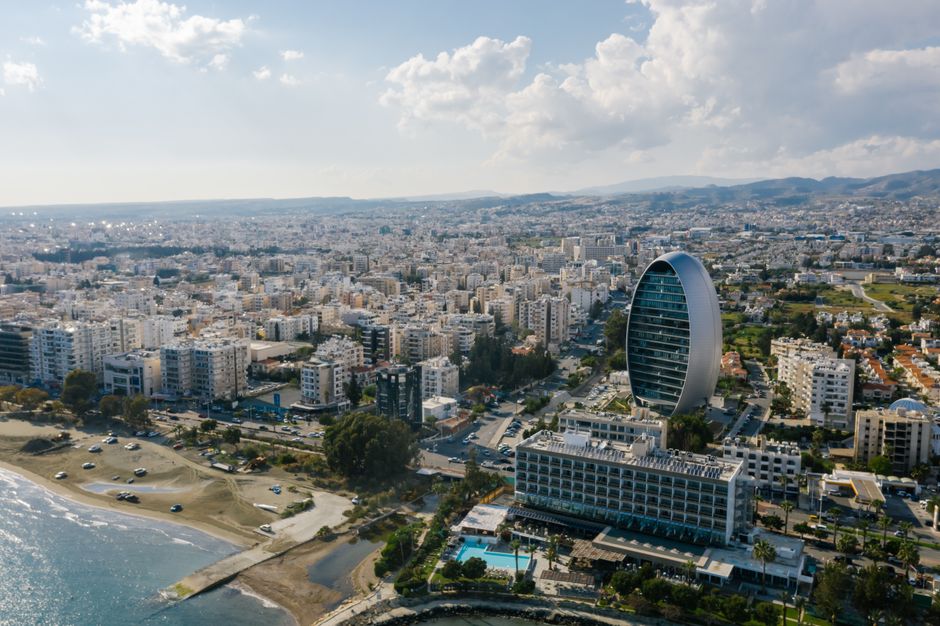
Limassol (Lemesos in Greek) is Cyprus’s second city and its liveliest: a long seafront promenade lined with sculptures and palm trees, a smart marina and a revived Old Port, a medieval castle in a maze of old-town lanes, and some of the best restaurants and bars on the island. It is also a superb base. The Greco-Roman city of Kourion, on a cliff above the sea, is 20 minutes away; the Crusader tower of Kolossi, where the sweet Commandaria wine was born, is closer still; the wine villages and the cool pine forests of the Troodos are within an hour; and there are beaches in both directions. Limassol is busy and modern, with high-rise towers on the skyline and a big international community, so don’t expect a sleepy fishing town. Come from April to June or September to November; three days covers the city and Kourion, five lets you add the mountains and the wine villages.
Right now in Limassol
- Wed17–26°C63–78°F1 mm rain
- Thu18–27°C64–80°FClear
- Fri19–27°C65–80°FClear
Top tours in Limassol
See all tours for Limassol →
From local operators, with prices and reviews; you check availability and book on Viator, our partner. We may earn a commission at no extra cost to you. How we earn money
Limassol at a glance
- Best months: April–June and September–November. Summers are hot and humid, with afternoon highs of 31–33 °C in July and August on this stretch of coast (Cyprus Department of Meteorology normals for the nearest stations); winters are mild.
- Days needed: 2 for the seafront, the old town and the castle; 3–5 with Kourion, Kolossi, the wine villages, the Troodos or a day in Paphos.
- Getting there: about 45–60 minutes by motorway from both Larnaca (LCA) and Paphos (PFO) airports, with airport shuttle buses from both.
- Getting around: on foot or by bike along the seafront; EMEL city buses; a car for Kourion, the villages and the mountains.
- Budget level: the most expensive city in Cyprus for hotels and dining. See our Cyprus guide for entry rules, money and driving on the left.
Limassol’s areas and who each one suits
- The old town: around the castle, the Agia Napa cathedral and the old Turkish quarter, with tavernas, bars and craft shops in narrow streets. Best for atmosphere and nightlife.
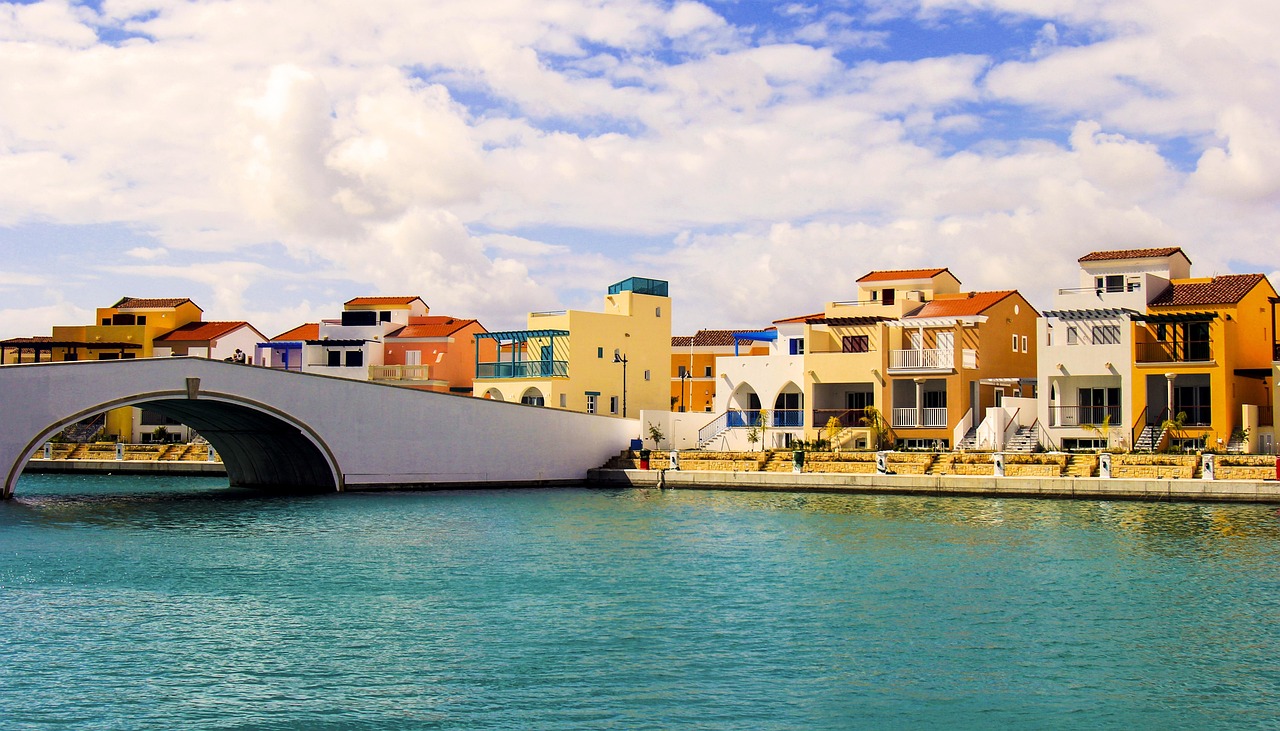
- Limassol Marina and the Old Port: the smartest part of the seafront, with yachts, restaurants, cafés and upmarket apartments, next to the old town.
- The Molos and the seafront promenade: a park and a path that run for several kilometres along the sea from the Old Port towards the east, perfect for evening walks and cycling.
- The tourist area (Potamos Germasogeia): east of the centre, the long strip of beach hotels, bars and restaurants towards Amathus. Best for beach holidays and families.
- Agios Tychonas and Amathus: further east, with five-star resorts and the ruins of ancient Amathus.
- The villages: Omodos, Lofou, Vouni and the other wine villages, 30–45 minutes into the hills, for a quieter stay.
Top things to see in Limassol
Prices and hours below are as of October 2026 and come from the Deputy Ministry of Tourism’s official Visit Cyprus pages and the Department of Antiquities’ opening-hours list. Ancient sites near Limassol are open 08:30–19:30 from 16 April to 15 September and 08:30–17:00 from 16 September to 15 April; one-, three- and seven-day Department of Antiquities passes (€8.50, €17 and €25) cover them all.
Kourion
Kourion (Curium) is the finest ancient site on the south coast, spread across a cliff top about 15 km west of Limassol, with a sweeping view over the bay. It was one of the island’s ancient city-kingdoms, and most of what you see is Roman and early Christian. The centrepiece is the theatre, built in the 2nd century BC, enlarged by the Romans and restored for open-air concerts and plays in summer. Walk on to the House of Eustolios, with its mosaics and a welcome to visitors set in the floor, the Roman baths, the agora, the House of Achilles and the House of the Gladiators, and the remains of a large early Christian basilica. Allow 2–3 hours.
How to visit (as of October 2026): adult entry is €4.50, according to the Deputy Ministry of Tourism, with 20% off for groups of more than 10. The site is exposed and hot in summer: go at opening time or for the last two hours, when the light over the sea is beautiful. Below the cliff, Kourion beach has tavernas and a long sandy-pebble shore. About 2 km further west, the Sanctuary of Apollo Hylates, the “god of the woodland”, has a partly rebuilt temple (entry €2.50).
Limassol castle and the Cyprus Medieval Museum
The stone castle in the old town was rebuilt in the 14th century on the site of an older Byzantine fort; tradition says Richard the Lionheart married Berengaria of Navarre here in 1191. Today it houses the Cyprus Medieval Museum, with armour, tombstones, pottery and coins, and a roof terrace looking over the old town. Entry is €4.50; the museum opens 09:00–17:00 on weekdays and 10:00–17:00 at weekends, according to the Department of Antiquities.
The old town, the Old Port and the marina
Walk from the castle through the old town’s lanes to the 19th-century cathedral of Agia Napa and the Grand Mosque (Kebir Camii), past the carob mill complex, a restored warehouse area with bars, restaurants and a small museum, then out to the Old Port, with fish restaurants on the quay, and Limassol Marina, with its waterfront shops and cafés. The municipal market, in a restored early-20th-century building, sells local produce. In the evening, the old town’s bars and the seafront fill up with locals.
The seafront and the Molos
The Molos promenade, a palm-lined park and path by the sea, has playgrounds, cafés and the open-air “Sculpture Park” of works by Cypriot and foreign artists. From here a seafront path continues several kilometres east, ideal for an early-morning walk, a run or a bike ride.
Kolossi castle
About 14 km west, Kolossi is a 15th-century square keep built by the Knights Hospitaller, who ran sugar and wine estates here; the sweet wine they produced became known as Commandaria, after their “Grand Commandery”. Climb to the roof for the views and see the ruins of the sugar mill next door. Entry is €2.50.
Amathus
The ruins of ancient Amathus, one of Cyprus’s city-kingdoms, lie on the coast about 11 km east of the centre, beside the tourist area: an agora, the remains of an acropolis with a sanctuary of Aphrodite, and city walls that run into the sea, where snorkellers can see the old harbour. Entry costs a few euros; there is little shade.
Beaches and swimming
Limassol’s own beaches are long, mostly of grey sand and fine shingle, with loungers and lifeguards in summer: Dasoudi, with its eucalyptus park, and the strip along the tourist area are the most popular, and the Enaerios beaches are closest to the old town. For more natural beaches, drive west: Lady’s Mile, a long sandy beach on the Akrotiri peninsula (inside the UK’s Akrotiri base area); Kourion beach below the ancient city; and further on, Pissouri bay. East of the city, Governor’s Beach has dark sand between white chalk cliffs. In 2026 the City of Limassol and the Municipality of Amathus did not apply for Blue Flags, according to the press, after pollution incidents were recorded in 2025; check the latest bathing-water reports and swim where there are lifeguards and flags. Water shoes help on the pebbles.
Other things to do around Limassol
- Wine villages: Omodos, with its monastery and old wine press, and the villages of Vasa, Lofou, Vouni and Kilani, with small wineries; the Commandaria villages of Zoopigi and Kalo Chorio. See our wine tasting guide.
- The Troodos mountains: about an hour north: Platres, the Caledonia waterfall, the Artemis trail around Mount Olympus, Kakopetria and the painted churches. See our hiking guide.
- Akrotiri salt lake: flamingos and migrating birds from about November to March, with an environmental centre and hides on the shore.
- Diving and boat trips: dives off the coast and to the wrecks off Larnaca, and boat trips along the coast. See our diving guide and our boat trips guide.
- Cycling: the seafront path and the coast roads; mountain biking in the Troodos foothills. See our cycling guide.
- Festivals: Limassol’s carnival in the ten days before Green Monday (15 March 2027), the wine festival in the municipal gardens in late summer, and summer performances at the Kourion theatre.
Getting there and getting around
Flights and airport buses
Limassol has no airport of its own. Larnaca airport (LCA), the island’s main gateway, is about 70 km east, and Paphos airport (PFO) about 60 km west; both are run by Hermes Airports. Airport shuttle buses connect both airports with Limassol in about 45–60 minutes; taxis are much more expensive.
By sea
Limassol is Cyprus’s main port and cruise terminal. In summer 2026 a car ferry linked Limassol with Piraeus, the port of Athens, from late May to early September, with a crossing of about 31 hours, according to press reports; check the current season before planning on it. See our Athens guide.
Buses, bikes and taxis
EMEL runs Limassol’s city and district buses, including routes along the seafront and the tourist area and out to Kourion, Kolossi and some villages. Single fares are cheap; buy on board or with a Motion travel card, and check routes on the official cyprusbybus.com planner. An all-island day ticket valid on city buses in all districts costs €20, according to Cyprus Public Transport. Intercity Buses link Limassol with Nicosia, Larnaca and Paphos several times a day. Taxis are plentiful; agree the fare or ask for the meter.
Driving
Cyprus drives on the left. The A1 motorway links Limassol with Nicosia and Larnaca, and the A6 with Paphos. Traffic in and around the city can be heavy at rush hour. A car is the easiest way to reach Kourion, the wine villages and the Troodos; parking in the old town is limited, so use the paid car parks near the castle and the marina.
When to go and how long to stay
Limassol has a hot Mediterranean climate: long, dry, sunny summers that feel humid by the sea, and mild winters with most of the rain between November and March. July and August are hot and busy; May, June, September and October are ideal for sightseeing and swimming. In winter, the city stays fully alive, with mild sunny days, and the Troodos, an hour away, often has snow in January and February.
| Season | Average high | Average low | What it’s like |
|---|---|---|---|
| Spring (Mar–May) | 19–27 °C | 9–16 °C | Fresh and green; good for walking, Kourion and the mountains; sea cool until May. |
| Summer (Jun–Aug) | 28–33 °C | 19–23 °C | Hot, humid and dry; warm sea; peak crowds and prices. |
| Autumn (Sep–Nov) | 31 °C falling to 23 °C | 21 °C falling to 13 °C | Warm sea, wine harvest and festivals; first rains in November. |
| Winter (Dec–Feb) | 17–19 °C | 8–10 °C | Mild with showers; quiet beaches; snow in the Troodos. |
There is no Limassol station in the World Meteorological Organization’s 1991–2020 climate normals, so these ranges span the official normals for Paphos airport and Larnaca airport, reported by the Cyprus Department of Meteorology; Limassol usually falls between the two. Both stations get about 3,300 hours of sunshine and only 350–400 mm of rain a year.
2–3 days in Limassol
Day 1: the castle and the Medieval Museum, the old town and the market, lunch at the Old Port, and an evening walk along the Molos and the marina. Day 2: Kourion at opening time, a swim at Kourion beach, Kolossi castle and the Sanctuary of Apollo on the way back. Day 3: a beach day at Lady’s Mile or Governor’s Beach, or Amathus and the tourist-area beaches.
4–5 days in Limassol
Add a day in the Troodos with Omodos on the way, a wine-village afternoon, a day trip to Paphos via Aphrodite’s Rock, or a day in Nicosia, about an hour away by motorway.
Where to stay in Limassol
- City break and nightlife: the old town, the marina or the seafront near the Molos.
- Beach holiday and families: the tourist area of Potamos Germasogeia, with hotels on the beach and a seafront path into town.
- Luxury: the resorts of Agios Tychonas and Amathus, or Limassol Marina.
- Wine and quiet: a village house or agrotourism stay in Omodos, Lofou or Vasa.
As of October 2026, Cyprus has no national per-night tourist tax; check your booking for any local charges.
Practical tips for Limassol
- Beat the heat: visit Kourion at opening time or late afternoon; take water and a hat.
- Save on tickets: a Department of Antiquities pass covers Kourion, Kolossi, Amathus and the castle museum.
- Drive on the left, and expect heavy traffic at rush hour on the city’s ring road.
- Akrotiri: parts of the peninsula are UK military areas; obey signs and don’t photograph installations.
- Beaches: check the latest bathing-water notices, and swim where there are lifeguards.
- Fire: no fires or barbecues outside official picnic sites in the countryside.
- Emergencies: call 112.
What to pack for Limassol
For summer, pack light, breathable clothes, a sun hat, sunglasses, high-factor sunscreen and a refillable water bottle for Kourion. Bring a swimsuit, a quick-dry towel and water shoes for the shingle beaches. Add something smarter for the marina’s restaurants and bars, a scarf or shirt to cover shoulders in churches and monasteries, and good walking shoes or hiking shoes for the Troodos trails, plus a warm layer for the mountains. Cyprus uses British-style three-pin plugs.
Limassol travel FAQ
How much is the entrance to Kourion?
As of October 2026, adult entry is €4.50, according to the Deputy Ministry of Tourism. The Sanctuary of Apollo Hylates nearby is €2.50, and Department of Antiquities passes cover both.
What are Kourion’s opening hours?
Daily 08:30–19:30 from 16 April to 15 September and 08:30–17:00 from 16 September to 15 April. Go early or late in summer.
How many days do you need in Limassol?
Two days for the old town, the castle, the seafront and Kourion; four or five with the wine villages, the Troodos and a day in Paphos or Nicosia.
Which airport is closest to Limassol?
Larnaca and Paphos airports are both about 45–60 minutes away by motorway. Larnaca has more flights year-round; airport shuttle buses run from both.
Does Limassol have good beaches?
The city beaches are long and organised, of grey sand and shingle. For more natural beaches, go to Lady’s Mile, Kourion beach, Pissouri or Governor’s Beach. In 2026 the city did not apply for Blue Flags after pollution incidents in 2025, so check local notices.
Is Limassol expensive?
It is the most expensive city in Cyprus for hotels and restaurants. Village tavernas, the old town’s cafés and the buses are good value.
Can I see flamingos near Limassol?
Yes. Flamingos winter on the Akrotiri salt lake, west of the city, from about November to March.
Is there a ferry from Limassol to Greece?
In summer 2026 a car ferry linked Limassol with Piraeus from late May to early September, taking about 31 hours, according to press reports. Check the current season before you plan on it.
Can I visit the Troodos from Limassol?
Yes. Platres is about an hour’s drive, and Omodos about 40 minutes. A car is the easiest way; there are also bus services and organised tours.
Is there a tourist tax in Limassol?
There is no national per-night tourist tax in Cyprus as of October 2026. Check your booking for any local charges.
Plan your trip
Partner links: TravelerCenter may earn a commission if you book, at no extra cost to you.
🇬🇷 Useful Greek phrases for Limassol
All 38 Greek phrases: restaurant, hotel, emergencies, romance (printable) →
Sources · last reviewed 4 October 2026
Researched and last reviewed on 4 October 2026. Site prices and opening hours come from the Deputy Ministry of Tourism’s official Visit Cyprus pages and the Department of Antiquities; climate from the Cyprus Department of Meteorology’s 1991–2020 normals for Paphos and Larnaca airports, published by the World Meteorological Organization; the all-island bus day ticket from Cyprus Public Transport. The 2026 Blue Flag decision and the summer ferry to Piraeus come from press reports and are flagged for checking. Prices, timetables and rules change, so check the official sites before you travel.
Data: Weather: MET Norway (CC BY 4.0) · Sea temperature: NOAA CoastWatch · Air quality: OpenAQ · Rates: ECB · Costs: World Bank ICP and price levels · Wikidata (CC0)