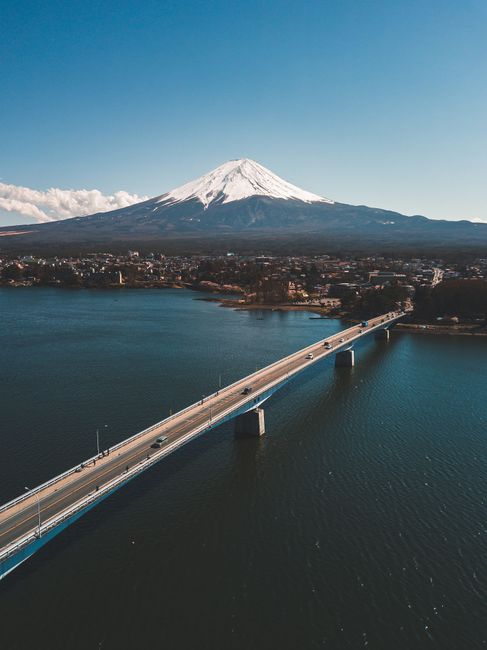
Hakone is a mountain town of hot springs inside the crater of an old volcano, about 90 km (56 miles) south-west of Tokyo, and the classic escape from the capital for a night in a ryokan. Its loop of mountain railway, cable car, ropeway and lake boats carries you past steaming volcanic vents at Owakudani, across Lake Ashi with Mount Fuji rising behind it on clear days, to the red torii of Hakone Shrine standing in the water. Add excellent art museums, a stretch of the old Tokaido highway and the simple pleasure of an outdoor bath, and Hakone easily fills two days. The best seasons are spring and fall, especially November for the maples; winter brings the clearest Fuji views, and June to September the most rain.
Right now in Hakone
- Wed 12–17°C 53–63°F 7 mm Heavy rain
- Thu 9–17°C 48–62°F Clear
- Fri 9–16°C 47–61°F Clear
- Mon 12 Oct Sports Day (スポーツの日)
Weather: MET Norway (CC BY 4.0) · Air quality: OpenAQ · Rates: ECB · Holidays: Nager.Date
Top tours in Hakone
See all tours for Hakone →
From local operators, with prices and reviews; you check availability and book on Viator, our partner. We may earn a commission at no extra cost to you. How we earn money
Hakone at a glance
- Best for: hot springs and ryokan, Mount Fuji views, volcanic scenery, art museums, easy hikes and a break from Tokyo.
- How long: a day trip is possible, but one or two nights is far better.
- Best time: October to November for fall colors and pampas grass, and December to February for clear views of Fuji; spring is lovely too.
- Getting there: about 80 minutes from Shinjuku by the Odakyu Romancecar to Hakone-Yumoto, or about 35 minutes from Tokyo Station by shinkansen to Odawara, then local trains or buses.
- Getting around: the Hakone Tozan Railway, cable car, ropeway, sightseeing boats and buses, most covered by the Hakone Freepass.
- Fees to know: a 2-day Hakone Freepass from Shinjuku costs ¥7,100 as of October 2026; hot spring hotels add a small bathing tax.
- Before you go: entry rules, rail passes, money and general safety are in our Japan travel guide; see also our Tokyo and Fuji Five Lakes guides.
Hakone’s areas and where to stay
Hakone town is spread over a wide area of valleys and ridges around the caldera, with hot spring villages at different heights, from about 100 m (330 ft) at Hakone-Yumoto to about 725 m (2,380 ft) at Lake Ashi. Where you stay decides how much traveling you do.
Hakone-Yumoto
The gateway at the foot of the mountains, where the Romancecar arrives: a lively hot spring town on a river, with many ryokan, day baths and shops. The easiest base without much luggage, but farthest from the lake and Owakudani.
Miyanoshita and Gora
Halfway up the mountain railway. Miyanoshita has the historic Fujiya Hotel, open since 1878; Gora, at the end of the line, has Hakone Gora Park, the Open-Air Museum nearby and the cable car up to Sounzan. A convenient middle base.
Lake Ashi: Togendai, Hakone-machi and Moto-Hakone
On the shores of the crater lake, with views of Fuji on clear mornings, the boat piers, Hakone Shrine and the old checkpoint. Quieter, with resort hotels and ryokan.
Sengokuhara
A high, grassy basin north of the lake with museums, golf courses, pampas grass fields and upscale ryokan; best with a car or for a quiet stay.
The Hakone loop
Most visitors follow a loop that uses every type of transport in a day:
- Hakone Tozan Railway: a small mountain train that climbs from Hakone-Yumoto to Gora through switchbacks, tunnels and, in June, hydrangeas along the tracks.
- Hakone Tozan Cable Car: from Gora up the steep slope to Sounzan.
- Hakone Ropeway: gondolas from Sounzan over Owakudani’s steaming valley to Togendai on Lake Ashi, with Fuji views on clear days.
- Hakone Sightseeing Cruise: “pirate ships” across Lake Ashi from Togendai to Hakone-machi and Moto-Hakone.
- Hakone Tozan Bus: back down to Hakone-Yumoto or Odawara, past Amazake-chaya and the old highway.
It can run in either direction. Go counter-clockwise, starting at the lake in the morning, to avoid the worst queues at the ropeway; on weekends and in the fall colors, lines for the railway and buses can be long, and the ropeway can stop in high winds or when volcanic gas levels rise.
Top things to see in Hakone
Owakudani
A volcanic valley of hissing vents, sulfur smells and yellow rocks, created by an eruption about 3,000 years ago. Eat a kuro-tamago, an egg boiled black in the hot springs, said to add seven years to your life. Hakone is an active volcano: the Japan Meteorological Agency (JMA) has kept its alert level at 1, the lowest level, since October 2019, but parts of the valley are closed because of volcanic gas, and people with asthma or heart conditions are told to avoid the area.
Lake Ashi and Hakone Shrine
The crater lake is the setting for Hakone’s postcard view: the red torii of Hakone Shrine standing in the water, with Mount Fuji beyond. The shrine, founded more than 1,200 years ago, sits in a cedar forest above Moto-Hakone; expect a queue to photograph the “torii of peace” by the water. Boats cross the lake in about 25 to 40 minutes.
Hakone Open-Air Museum
Sculptures by Henry Moore, Rodin and others set on lawns in the mountains, with a large Picasso pavilion, a stained-glass tower and a foot bath; one of Japan’s best museums, near Chokoku-no-Mori station.
Hakone Checkpoint and the old Tokaido
The Hakone Sekisho, a reconstructed checkpoint of the Edo era where officials checked travelers on the main road between Edo and Kyoto. A cedar-lined avenue runs along the lakeshore, and a section of the old stone-paved road climbs to the Amazake-chaya teahouse, open for some 400 years.
More classic sights
- Pola Museum of Art: Impressionist and Japanese paintings in a glass building in the Sengokuhara forest.
- Hakone Gora Park: a French-style garden with a fountain, rose garden and craft workshops.
- Sengokuhara pampas grass: a hillside of silver grass, at its best from about late September to early November.
- Narukawa Art Museum and Lalique Museum: modern Japanese painting with lake views, and glass by René Lalique.
- Chokoku-no-Mori and Miyanoshita: antique shops and the grand old Fujiya Hotel.
Museums
- Hakone Checkpoint
- Hakone Open-Air Museum
- Narukawa Art Museum
- Pola Museum of Art
Parks and gardens
- Gōra Park
Nature
- Lake Ashi
- Ōwakudani
Churches and cathedrals
- Hakone Shrine
Other things to do in Hakone
Hot springs and ryokan
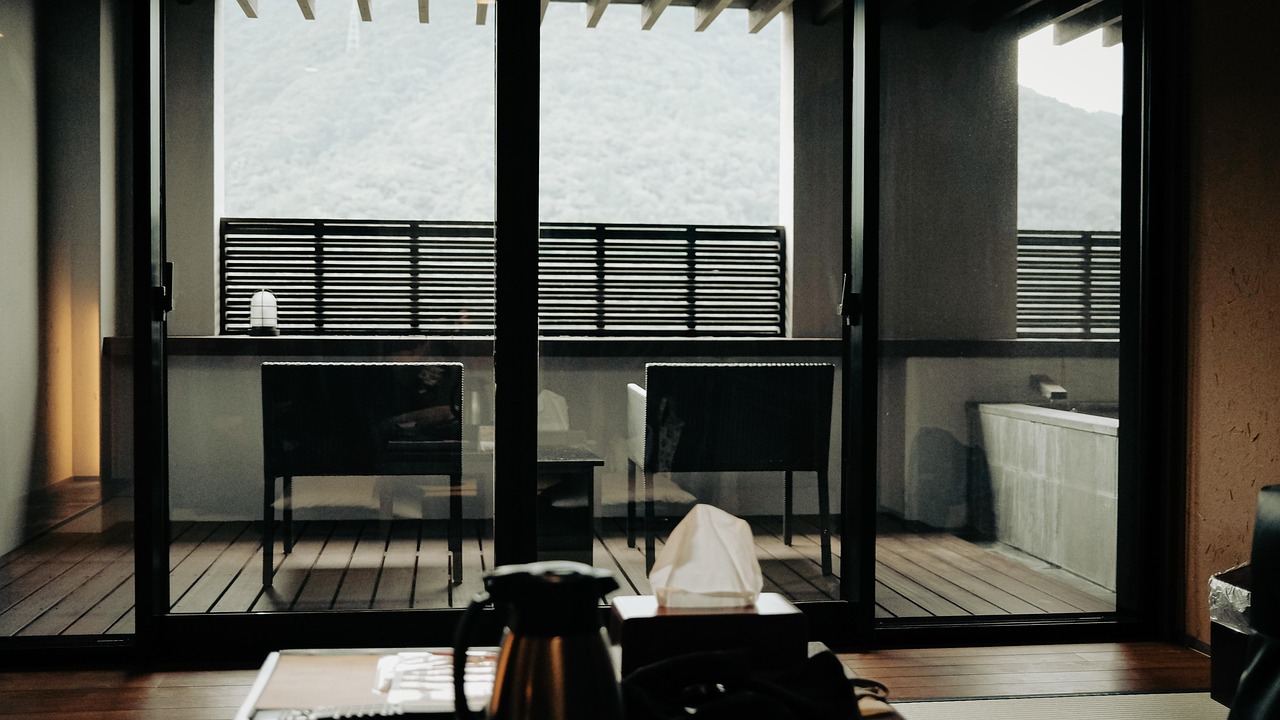
Hakone has many springs and hundreds of baths, from big day spas to private outdoor baths at ryokan. Bathing etiquette: wash and rinse thoroughly before entering, enter naked (swimsuits are not allowed in traditional baths), keep your small towel out of the water and your hair tied up, and don’t swim or splash. Many baths still refuse guests with tattoos; ask in advance, book a private bath (kashikiri-buro), or choose a room with its own bath. A night in a ryokan with a multi-course kaiseki dinner, yukata robes and futons is the classic Hakone experience.
Food and crafts
Eat yuba (tofu skin) dishes, handmade soba, fresh fish from Odawara, black eggs at Owakudani and amazake, a sweet rice drink, at Amazake-chaya. Hakone’s traditional craft is yosegi-zaiku, wooden marquetry in geometric patterns, used for boxes and the famous trick puzzle boxes; workshops in Hata let you make your own coaster.
Hiking
Easy walks follow the old Tokaido and the lakeshore; the climbs of Mount Kintoki and Mount Komagatake give big Fuji views. See our guide to hiking.
Day trips from Hakone
- Odawara: a castle town at the foot of Hakone, with Odawara Castle and fish markets, 15 minutes by train from Hakone-Yumoto.
- The Fuji Five Lakes: Lake Kawaguchi and close-up views of Fuji, about 1.5 to 2 hours by bus via Gotemba. See our Fuji Five Lakes guide.
- Gotemba: a large outlet mall with Fuji views, about 30–40 minutes by bus from Sengokuhara.
- Kamakura: the Great Buddha and seaside temples, about an hour by train from Odawara.
- Atami and the Izu Peninsula: seaside hot springs and coastal walks, 10 minutes from Odawara by shinkansen.
Nearby destinations
- Fuji Five Lakes30 km
- Kamakura41 km
- Yokohama54 km
- Tokyo73 km
- Nikko174 km
- Takayama196 km
- Nagoya200 km
- Shirakawa-go230 km
Getting there and getting around
From Tokyo
The Odakyu Romancecar limited express runs from Shinjuku to Hakone-Yumoto in about 80 minutes, with reserved seats; ordinary Odakyu trains are cheaper but need a change at Odawara. With a Japan Rail Pass, take the Tokaido Shinkansen (Kodama or Hikari) from Tokyo or Shinagawa to Odawara in about 35 minutes, then the Hakone Tozan line to Hakone-Yumoto, which the JR Pass does not cover. Highway buses also run from Shinjuku’s Busta terminal to Sengokuhara and Lake Ashi in about two hours.
The Hakone Freepass
According to Odakyu, as of October 2026 the Hakone Freepass costs ¥7,100 (about US$45) for 2 days or ¥7,500 (about US$47) for 3 days from Shinjuku (children ¥1,600 and ¥1,850), and ¥6,000 (about US$38) or ¥6,400 from Odawara. It covers the round trip on ordinary Odakyu trains from Shinjuku and unlimited rides on eight types of transport in Hakone, including the mountain railway, cable car, ropeway, pirate ships and most buses, plus discounts at more than 70 sights. The Romancecar costs an extra ¥1,200 each way. If you do the full loop, it almost always saves money.
Luggage
The mountain railway and buses are small and crowded, so send big suitcases ahead from Tokyo with a delivery service, or use the luggage carry service at Hakone-Yumoto Station, which takes bags to many hotels in the area.
When to go and how long to stay
Hakone is cooler and much wetter than Tokyo. The JMA’s Hakone weather station, at 855 m (2,805 ft) near Lake Ashi, records only rain, so the table combines its 1991–2020 rainfall normals with temperatures from the JMA’s nearest station that measures them, Gotemba, at 472 m (1,549 ft) on the other side of the caldera rim. Lake Ashi and Owakudani are usually a few degrees cooler than these figures; Hakone-Yumoto is a little warmer.
| Month | Average high / low | Rain | What to expect |
|---|---|---|---|
| January | 8 °C (46 °F) / −2 °C (29 °F) | 128 mm (5.0 in) | Cold, dry and clear; the best Fuji views; quiet |
| February | 9 °C (47 °F) / −1 °C (30 °F) | 151 mm (6.0 in) | Coldest; occasional snow on the passes; plum blossoms in Odawara |
| March | 12 °C (53 °F) / 2 °C (35 °F) | 285 mm (11.2 in) | Cool; rain returns |
| April | 16 °C (62 °F) / 7 °C (44 °F) | 322 mm (12.7 in) | Cherry blossoms in early to mid-April; fresh green |
| May | 21 °C (69 °F) / 12 °C (53 °F) | 327 mm (12.9 in) | Azaleas and fresh green; Golden Week crowds |
| June | 24 °C (74 °F) / 16 °C (61 °F) | 420 mm (16.6 in) | Rainy season usually from about June 7; hydrangeas along the railway |
| July | 27 °C (81 °F) / 20 °C (68 °F) | 425 mm (16.7 in) | Humid and misty; rainy season usually ends around July 19 |
| August | 29 °C (84 °F) / 21 °C (70 °F) | 346 mm (13.6 in) | Warm but cooler than Tokyo; Daimonji-yaki fire festival on Aug 16 |
| September | 26 °C (78 °F) / 18 °C (64 °F) | 449 mm (17.7 in) | The wettest month; typhoons possible |
| October | 20 °C (69 °F) / 12 °C (53 °F) | 404 mm (15.9 in) | Clear and crisp; pampas grass in Sengokuhara; typhoons possible early |
| November | 15 °C (60 °F) / 6 °C (42 °F) | 197 mm (7.8 in) | Fall colors peak from early to late November; very busy |
| December | 10 °C (51 °F) / 0 °C (33 °F) | 108 mm (4.2 in) | Cold and clear; good Fuji views return |
Hakone gets about 3,560 mm (140 in) of rain a year at Lake Ashi, more than twice as much as Tokyo, with the most from June to October. Mist often hides Mount Fuji in summer; the clearest views come on dry winter mornings. The JMA’s normal rainy season for the Kanto-Koshin region is from about June 7 to July 19.
Weather month by month
Averages from JMA normals 1991–2020, Hakone (precipitation), Gotemba (temperature) · Last reviewed 5 Oct 2026
Fall colors and blossoms: Hakone’s maples color from the top down, usually peaking from early November near the lake to late November in Hakone-Yumoto. Cherry blossoms open from late March in Yumoto to mid-April at the lake.
Crowds: weekends, Golden Week, the summer holidays and November are busiest; queues for the ropeway and buses can last an hour. Visit on weekdays, start early, and book ryokan well ahead for weekends.
Two days in Hakone
Day one, the Romancecar to Hakone-Yumoto, the mountain railway to Chokoku-no-Mori for the Open-Air Museum, then on to Gora and check in at a ryokan in Gora or Miyanoshita. Day two, the cable car and ropeway over Owakudani, a black egg, the boat across Lake Ashi, Hakone Shrine and the cedar avenue, and the bus down past Amazake-chaya.
Where to stay in Hakone and taxes
- Hakone-Yumoto: many ryokan and day baths, easiest access from Tokyo.
- Miyanoshita and Gora: historic hotels and ryokan in the middle of the loop.
- Lake Ashi: resort hotels with Fuji and lake views.
- Sengokuhara: upscale ryokan and museum hotels, best with a car.
Ryokan prices are usually per person and include dinner and breakfast; rooms with a private open-air bath cost more. As of October 2026, neither Hakone town nor Kanagawa Prefecture charges an accommodation tax, but hot spring hotels add the bathing tax (nyuto-zei), usually about ¥150 per person per night, and Japan’s 10% consumption tax is usually included in the rate; some ryokan add a service charge.
What a trip to Hakone costs
Prices are approximate, for October 2026, converted at about ¥158 to the US dollar.
| Item | Typical cost |
|---|---|
| Hakone Freepass from Shinjuku, 2 days | ¥7,100 (about US$45) |
| Romancecar supplement, each way | ¥1,200 (about US$7.6) |
| Day-use hot spring bath | ¥1,000–3,000 (about US$6.3–19) |
| Black eggs at Owakudani, bag of five | ¥500 (about US$3.2) |
| Lunch of soba or a set meal | ¥1,200–2,500 (about US$7.6–16) |
| Ryokan with dinner and breakfast, per person | ¥20,000–60,000 (about US$125–380) |
| Business or mid-range hotel double, per night | ¥12,000–30,000 (about US$76–190) |
Practical tips for Hakone
- Check the loop: the ropeway and boats stop in high winds, fog or when volcanic gas levels rise; check the operators’ status pages in the morning.
- Tattoos: ask about the hotel’s policy before booking, or reserve a private bath.
- Cash: carry some for small shops, buses and day baths.
- Visitor hotline: the JNTO’s Japan Visitor Hotline, 050-3816-2787, answers in English 24 hours a day.
Safety
Hakone is safe and peaceful. Its specific hazards are natural: volcanic gas at Owakudani, where restricted areas must be respected; heavy rain and occasional landslides from June to October, which can close roads and the mountain railway; and typhoons, which hit the area hard in 2019. Follow the JMA’s volcanic and weather warnings and the town’s notices. In the baths, drink water, don’t bathe after drinking alcohol, and get out slowly to avoid dizziness. Japan is earthquake country: take cover in strong shaking and follow staff instructions. In an emergency, call 110 for the police or 119 for an ambulance or fire.
What to pack for Hakone
Layers and a warm jacket (Hakone is several degrees cooler than Tokyo), a rain jacket or umbrella, comfortable walking shoes, and a small bag for one night if you send your suitcase ahead. Ryokan provide yukata, towels and toiletries. Japan uses 100 V and two-pin type A plugs like the US.
Hakone travel FAQ
Is Hakone worth it as a day trip from Tokyo?
You can do the loop in a long day, but staying a night in a ryokan with a hot spring bath is the real Hakone experience and avoids rushing.
How do I get from Tokyo to Hakone?
The Odakyu Romancecar from Shinjuku to Hakone-Yumoto takes about 80 minutes; with a JR Pass, take the shinkansen to Odawara (about 35 minutes) and the local line from there.
Is the Hakone Freepass worth it?
Usually yes: as of October 2026 it costs ¥7,100 for 2 days from Shinjuku and covers the round trip plus the railway, cable car, ropeway, boats and buses of the loop.
Will I see Mount Fuji from Hakone?
Only on clear days. Your chances are best on winter mornings, from about November to February; in summer Fuji is often hidden by clouds.
Is Owakudani safe to visit?
The JMA has kept Hakone’s volcanic alert level at 1, the lowest, since October 2019, and the open areas are monitored. Respect closures, and avoid it if you have asthma or a heart condition.
Can I use hot springs in Hakone with tattoos?
Many public baths still refuse guests with tattoos. Ask in advance, book a private bath, or choose a room with its own bath.
How much is the accommodation tax in Hakone?
As of October 2026 there is no accommodation tax in Hakone, but hot spring hotels add a bathing tax of about ¥150 per person per night.
When are the fall colors in Hakone?
Usually throughout November, starting near Lake Ashi in early November and reaching Hakone-Yumoto by late November.
Which way should I do the Hakone loop?
Many people start at Hakone-Yumoto and go up to Gora; going the other way, starting at the lake in the morning, often avoids the longest queues.
Should I send my luggage ahead?
Yes, if you have big suitcases: the mountain railway and buses are crowded. Use a delivery service from Tokyo or the carry service at Hakone-Yumoto.
Sources
- © OpenStreetMap contributors · ODbL · fetched 5 Oct 2026
- Wikidata · CC0 · fetched 5 Oct 2026
Sources and last review
Researched and last reviewed on 4 October 2026. Hakone Freepass: Odakyu Electric Railway; volcanic alert level: the Japan Meteorological Agency (JMA); climate normals and rainy season: JMA (Hakone and Gotemba stations); JR Pass: the official Japan Rail Pass website; visitor hotline: JNTO; exchange rate: the US Federal Reserve. The bathing tax rate, the absence of an accommodation tax, sight descriptions, journey times, seasonal timing and typical prices are general references or estimates, flagged for checking. Prices and timetables change, so check the official sites before you go. For entry rules, money and general safety, see our Japan travel guide.
Plan your trip
Partner links: TravelerCenter may earn a commission if you book, at no extra cost to you.
🇯🇵 Useful Japanese phrases for Hakone
All 38 Japanese phrases: restaurant, hotel, emergencies, romance (printable) →