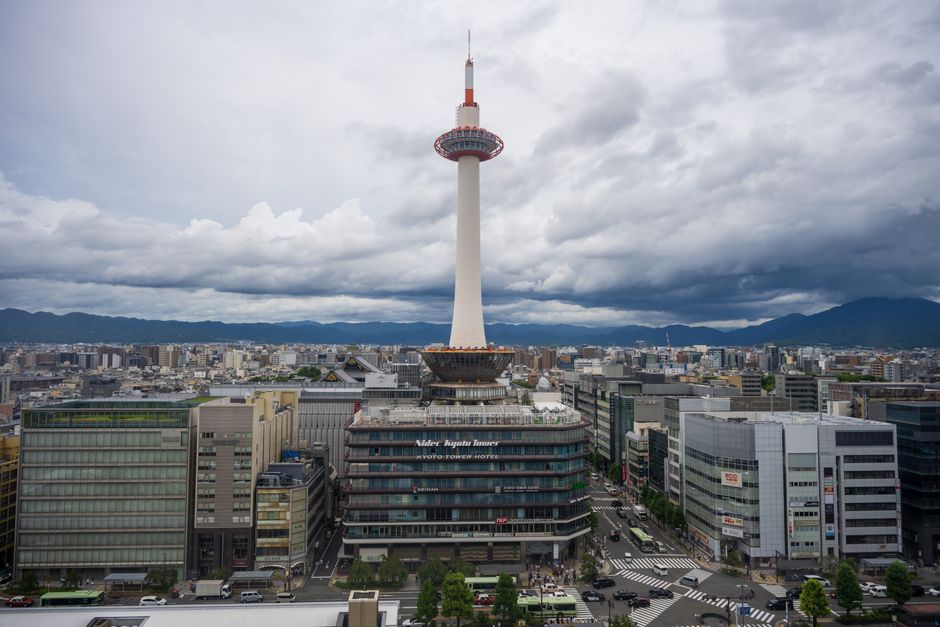
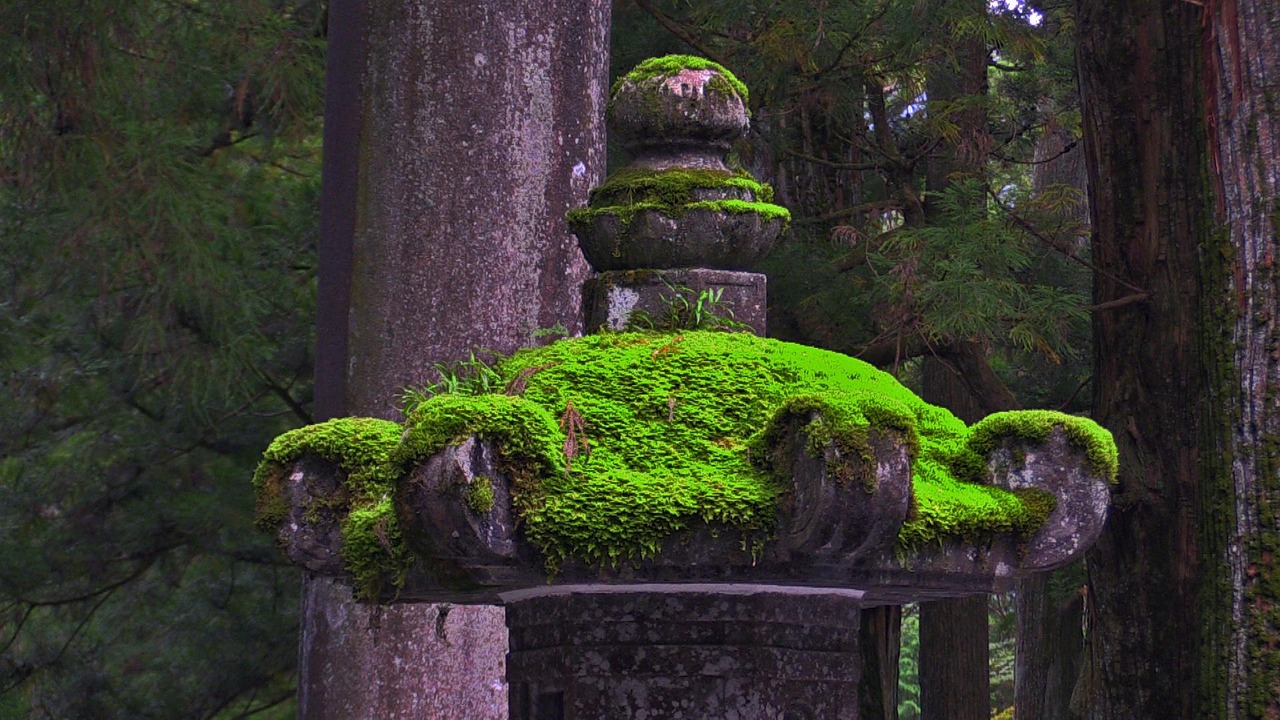
Nikko is a mountain town in Tochigi Prefecture, about 125 km (78 miles) north of Tokyo, where forests of giant cedars shelter some of the most lavish shrines and temples in Japan. Here the first Tokugawa shogun, Ieyasu, was enshrined as a god in the 17th century, at Toshogu, a riot of carving, lacquer and gold leaf that is the opposite of Zen restraint. With the temple of Rinnoji and the shrine of Futarasan, it forms the UNESCO World Heritage site of the Shrines and Temples of Nikko. Above the town, the Irohazaka road climbs to Lake Chuzenji, Kegon Falls and the marshes of Nikko National Park, and hot springs wait at Yumoto and Kinugawa. Nikko can be a long day trip from Tokyo, but one or two nights let you see the shrines early and add the mountains. The best seasons are May to June and October to early November, when the fall colors descend from the lake to the town; winters are cold, with snow at the lake.
Right now in Nikko
- Wed 11–22°C 52–71°F 1 mm Light showers
- Thu 9–20°C 49–68°F Clear
- Fri 11–21°C 51–69°F Clear
- Mon 12 Oct Sports Day (スポーツの日)
Weather: MET Norway (CC BY 4.0) · Air quality: OpenAQ · Rates: ECB · Holidays: Nager.Date
Top tours in Nikko
See all tours for Nikko →
From local operators, with prices and reviews; you check availability and book on Viator, our partner. We may earn a commission at no extra cost to you. How we earn money
Nikko at a glance
- Best for: ornate shrines and temples, cedar forests, waterfalls and lakes, fall colors, hiking, hot springs and a cool escape in summer.
- How long: a day for the shrines and temples; 2–3 days to add Lake Chuzenji, Kegon Falls, Senjogahara and an onsen night.
- Best time: May to June and October to early November, with highs in town of about 19–21 °C (66–70 °F) in May and October; mid-October for the lake’s colors.
- Getting there: about 1 hour 50 minutes from Asakusa by Tobu limited express, or about 1 hour 45 minutes from Tokyo Station by shinkansen to Utsunomiya and the JR Nikko Line.
- Getting around: local buses from the stations to the shrines and up to the lake, and walking; Tobu’s NIKKO PASS covers both.
- Fees to know: as of October 2026, Toshogu costs ¥1,600 for adults, and Rinnoji’s main hall ¥400 (¥900 with Taiyuin); Nikko City’s bathing tax is ¥150 per night at hot spring hotels.
- Before you go: entry rules, rail passes, money and general safety are in our Japan travel guide; see also our Tokyo guide.
Nikko’s areas and where to stay
Nikko City is one of Japan’s largest municipalities by area, stretching from the plains to peaks over 2,000 m (6,560 ft). Visitors focus on four areas.
Central Nikko and the station area
The JR and Tobu Nikko stations sit at about 540 m (1,770 ft), at the bottom of a long main street lined with shops, restaurants, guesthouses and old inns that climbs about 2 km (1.2 miles) to the Shinkyo Bridge and the shrine precinct. The most practical base.
The shrine area (Sannai)
Across the Daiya River, the wooded hill holding Toshogu, Rinnoji, Taiyuin and Futarasan. A few historic hotels, such as the Nikko Kanaya Hotel, opened in 1873, stand nearby, along with temple lodgings.
Okunikko: Lake Chuzenji and Yumoto
“Inner Nikko”, about 40 minutes up the Irohazaka road, at 1,270 m (4,170 ft) around Lake Chuzenji: Kegon Falls, lakeside hotels and old embassy villas. Higher still, the marsh of Senjogahara and the hot spring village of Yumoto, at the end of the bus line. Cool in summer and beautiful in fall, but very cold in winter.
Kinugawa Onsen
A big hot spring resort in a river gorge about 30 minutes east by train, with large ryokan, river rafting and theme parks, popular with Japanese families.
Top things to see in Nikko
Nikko Toshogu
The mausoleum shrine of Tokugawa Ieyasu, founder of the shogunate that ruled Japan from 1603 to 1868, was rebuilt in its present splendor in 1636 by his grandson Iemitsu, with thousands of craftsmen. Its highlight is the Yomeimon gate, carved with more than 500 figures and nicknamed the “sunset gate” because you could gaze at it all day; it was restored in 2017. Look for the famous three wise monkeys (“see no evil, hear no evil, speak no evil”) on the sacred stable, the sleeping cat carving above a passage, and the “crying dragon” painted on the ceiling of the Honjido hall, which echoes when you clap beneath it. Behind it, about 200 stone steps lead through the cedars to Ieyasu’s tomb.
According to Toshogu, as of October 2026 admission costs ¥1,600 (about US$10) for adults and high school students and ¥550 for elementary and junior high school students, or ¥2,400 with the Treasure Museum. It opens from 9 a.m. to 5 p.m. from April to October and to 4 p.m. from November to March, and ticket sales end 30 minutes before closing. Parts of the shrine may be closed during ceremonies and repairs.
Rinnoji and Taiyuin
Rinnoji, Nikko’s main Buddhist temple, founded by the monk Shodo Shonin in the 8th century, is best known for the Sanbutsudo, the largest wooden building in Nikko, with three gilded statues of Buddhist deities about 8 m (26 ft) tall. Taiyuin, the mausoleum of Iemitsu, is a smaller, more intimate version of Toshogu, deep in the forest, with gates and halls of black and gold. According to Rinnoji, as of October 2026 the Sanbutsudo costs ¥400 (about US$2.5) and Taiyuin ¥550 (about US$3.5) for adults, a combined ticket for both ¥900, and a ticket adding the treasure house and the Shoyoen garden ¥1,000; both open from 8 a.m. to 5 p.m. from April to October and to 4 p.m. from November to March, with the last entry 30 minutes before closing. Some areas close on festival days.
Futarasan Shrine and the Shinkyo Bridge
Futarasan Shrine, older than Toshogu, honors the gods of Nikko’s three sacred mountains, including Mount Nantai. Its main shrine is beside Toshogu, with branches at Lake Chuzenji and on the summit of Nantai. The vermilion Shinkyo Bridge, which belongs to the shrine, spans the Daiya River at the entrance to the precinct, on the spot where legend says two snakes formed a bridge for Shodo Shonin; you can cross it for a small fee.
Kanmangafuchi Abyss
A short walk west of the shrines, a riverside path through a lava gorge lined with about 70 stone statues of Jizo in red caps, said to change in number each time you count them. Quiet and atmospheric, especially in the morning.
Kegon Falls and Lake Chuzenji
At the top of the Irohazaka road, with its 48 hairpin bends, Kegon Falls drops 97 m (318 ft) from Lake Chuzenji into a gorge; an elevator descends to a viewing platform at its base. Lake Chuzenji, formed when Mount Nantai’s lava dammed a valley, is lined with fall colors in October and with the summer villas of foreign embassies, two of which, the Italian and British villas, are open as museums. Sightseeing boats circle the lake.
More classic sights
- Nikko Tamozawa Imperial Villa: a vast wooden imperial villa from the late 19th century, with 106 rooms and a garden.
- Senjogahara Marshland: a high plateau of marshes and grasses with an easy boardwalk trail, best in late September to October.
- Ryuzu Falls: a long cascade above Lake Chuzenji, superb in the fall colors.
- Yumoto Onsen: a hot spring village by Lake Yunoko, with milky sulfur water.
- The Nikko Cedar Avenue: about 35 km (22 miles) of roads lined with some 12,000 cedars planted in the 17th century, one of the world’s longest tree-lined avenues.
- Nikko Kanaya Hotel: Japan’s oldest operating Western-style resort hotel, with a famous curry and a museum of its history.
Monuments
- Futarasan Shrine
- Nikkō Tōshō-gū
- Rinnō-ji Temple
- Shinkyō
Parks and gardens
- Nikkō Tamozawa Imperial Villa Memorial Park
Nature
- Kanmangafuchi Abyss
- Kegon Falls
- Lake Chūzenji
- Senjōgahara
Other things to do in Nikko
Hiking
Nikko National Park has some of the best walking near Tokyo: the boardwalks of Senjogahara, from Ryuzu Falls to Yumoto (about 3–4 hours), the lakeshore trails of Chuzenji, and, for fit hikers, the climb of Mount Nantai (2,486 m, 8,156 ft), a sacred mountain whose trail starts at Futarasan’s Chugushi shrine on the lake; the shrine charges a ¥1,000 fee to climb during the open season, from late spring to fall. For more ideas, see our guide to hiking.
Food and drink
Nikko’s specialty is yuba, the delicate skin that forms on heated soy milk, served fresh with soy sauce, in soups, rolled and fried, or in a whole kaiseki meal. Try mizu-yokan, a soft, cool sweet bean jelly, soba noodles made with buckwheat from the hills, river fish grilled on skewers, and the old-style curry at the Kanaya Hotel. In summer, Nikko’s natural ice shaved ice, made from ice frozen outdoors in winter, has a cult following. Tochigi Prefecture also makes good sake and is famous for gyoza in nearby Utsunomiya.
Hot springs
Soak at Yumoto, with sulfur springs, at the lake, or in the big ryokan of Kinugawa. Wash before entering the bath, don’t wear swimsuits, and keep your towel out of the water; many baths refuse guests with tattoos, so ask ahead or book a private bath.
Festivals
Toshogu’s Spring Grand Festival on May 17–18 includes horseback archery and, on May 18, a procession of more than 1,000 people dressed as samurai and priests, which is repeated on a smaller scale at the autumn festival on October 17.
Activities and best months
- CultureNikko Toshogu opens 9:00-17:00 from April to October and 9:00-16:00 from November to March; the shrine ticket is ¥1,600 for adults; Rinnoji's Sanbutsudo and Taiyuin set ticket is ¥900. · source
- HikingFutarasan Shrine's Chugushi registers climbers of Mount Nantai from 6:00 to noon (¥1,000 adults, cash only); the round trip takes about 6-7 hours. · source
Day trips from Nikko
- Kinugawa Onsen: hot springs, river cruises and the Edo Wonderland historical theme park, about 30 minutes by Tobu train.
- Utsunomiya: the gyoza capital of Japan, about 45 minutes by JR, on the shinkansen line.
- Ashio Copper Mine: a former mine you can ride into by trolley, about an hour by bus over the mountains.
- Nasu: a highland resort of farms, hot springs and the Nasu Imperial Villa’s woods, about 1.5 hours by train and bus.
- Tokyo: about 2 hours. See our Tokyo guide.
Nearby destinations
- Tokyo115 km
- Yokohama141 km
- Kamakura156 km
- Fuji Five Lakes163 km
- Hakone174 km
- Takayama228 km
- Shirakawa-go255 km
- Kanazawa272 km
Getting there and getting around
From Tokyo by Tobu Railway
The fastest and simplest way is the Tobu Railway from Asakusa (or Kita-Senju or Tokyo Skytree) to Tobu-Nikko: the limited expresses SPACIA X, Spacia and Revaty take about 1 hour 50 minutes; slower local and express trains with changes take about 2.5 hours. A JR–Tobu through limited express also runs from Shinjuku. Limited express trains need a seat ticket on top of the fare.
Tobu’s NIKKO PASS gives a round trip on Tobu trains from Tokyo plus unlimited rides on local buses in the area. According to Tobu, as of October 2026 the World Heritage Area pass costs ¥3,000 (about US$19) for 2 days, covering the shrine area, and the All Area pass ¥8,000 (about US$51) for 4 days, adding Lake Chuzenji, Yumoto and Kinugawa; children pay half. Limited express seat tickets are extra.
With a Japan Rail Pass
The nationwide Japan Rail Pass (¥50,000 (about US$315) for 7 days on the official site, as of October 2026) covers the Tohoku Shinkansen from Tokyo to Utsunomiya (about 50 minutes) and the JR Nikko Line to JR Nikko Station (about 45 minutes), but not Tobu trains or local buses.
Around Nikko
From JR and Tobu Nikko stations, Tobu buses run up the main street to the shrines (stops Shinkyo and Nishisando) and on up the Irohazaka to Kegon Falls, Lake Chuzenji and Yumoto, about an hour from the stations to the lake. Walking from the stations to the shrines takes about 30 minutes uphill. In the fall colors, the road to the lake jams badly on weekends, so start very early. IC cards work on Tobu trains and buses.
When to go and how long to stay
Nikko’s climate depends on the altitude. The JMA has no full weather station in the shrine area, so the table uses its 1991–2020 normals for Imaichi, in Nikko City at 414 m (1,358 ft), about 8 km (5 miles) south-east of the shrines: average daily highs and lows and total precipitation. The shrines, about 150 m (500 ft) higher, are a degree or so cooler.
| Month | Average high / low | Rain | What to expect |
|---|---|---|---|
| January | 6 °C (43 °F) / −4 °C (25 °F) | 49 mm (1.9 in) | Cold and dry; clear days; snow at the lake |
| February | 7 °C (44 °F) / −3 °C (26 °F) | 41 mm (1.6 in) | Cold; occasional snow in town |
| March | 11 °C (51 °F) / −1 °C (31 °F) | 99 mm (3.9 in) | Cool; plum blossoms |
| April | 16 °C (61 °F) / 5 °C (40 °F) | 134 mm (5.3 in) | Cherry blossoms in town in mid-April; cool evenings |
| May | 21 °C (69 °F) / 10 °C (51 °F) | 168 mm (6.6 in) | Fresh green; azaleas; Spring Grand Festival on May 17–18 |
| June | 23 °C (74 °F) / 15 °C (59 °F) | 225 mm (8.9 in) | Rainy season usually from about June 7 (JMA normal for Kanto-Koshin) |
| July | 27 °C (80 °F) / 19 °C (66 °F) | 286 mm (11.3 in) | Warm, often misty; rainy season usually ends around July 19; cool at the lake |
| August | 28 °C (82 °F) / 20 °C (68 °F) | 303 mm (11.9 in) | Warm and humid; the wettest month, with afternoon thunderstorms |
| September | 24 °C (76 °F) / 16 °C (61 °F) | 300 mm (11.8 in) | Still wet; typhoons possible |
| October | 19 °C (66 °F) / 10 °C (50 °F) | 218 mm (8.6 in) | Colors at the lake from early to mid-month and in town late in the month |
| November | 14 °C (57 °F) / 4 °C (38 °F) | 85 mm (3.4 in) | Fall colors around the shrines early in the month; crisp and clear |
| December | 9 °C (47 °F) / −1 °C (30 °F) | 45 mm (1.8 in) | Cold and dry; quiet; snow possible |
Imaichi gets about 1,950 mm (77 in) of precipitation a year, most from June to October, when afternoon thunderstorms are common; winters are dry and sunny. At Okunikko, the JMA’s station by Lake Chuzenji at 1,292 m (4,239 ft), it is much colder: average highs are about 22–23 °C (72–73 °F) in July and August, a cool escape from Tokyo’s heat, but January averages −0.3 °C (31 °F) by day and about −8 °C (18 °F) at night. The JMA’s normal rainy season for the Kanto-Koshin region runs from about June 7 to July 19; in 2026 it ran from about June 2 to July 19.
Weather month by month
Averages from JMA normals 1991–2020, Imaichi · Last reviewed 5 Oct 2026
Fall colors and blossoms: the colors start at Senjogahara and Yumoto in late September and early October, reach Lake Chuzenji and Kegon Falls in mid-October and the shrines in late October to early November. Cherry blossoms in town usually open in mid-April, about two weeks after Tokyo; the JMA’s normal date for the first blossoms in nearby Utsunomiya is March 30.
Crowds: Nikko is busiest in Golden Week and on fall weekends, when the Irohazaka road and the buses are packed. Visit Toshogu at opening time on a weekday and the lake early in the morning.
One day in Nikko
Take an early train from Asakusa, walk past the Shinkyo Bridge to Toshogu, then Rinnoji’s Sanbutsudo, Futarasan and Taiyuin. Finish at Kanmangafuchi Abyss and a yuba lunch or dinner before returning.
Two or three days
Add a day in Okunikko for Kegon Falls, Lake Chuzenji and the Senjogahara walk, with a night in Yumoto or by the lake, or a night in Kinugawa Onsen.
Where to stay in Nikko and taxes
- Central Nikko: guesthouses, small hotels and old inns, convenient for trains and the shrines.
- The shrine area: historic hotels and temple lodgings near the World Heritage site.
- Lake Chuzenji and Yumoto: lakeside hotels and hot spring ryokan, cool in summer.
- Kinugawa Onsen: large hot spring resorts with dinner and breakfast.
As of October 2026, neither Nikko City nor Tochigi Prefecture charges an accommodation tax. According to Nikko City, hot spring hotels collect a bathing tax of ¥150 (about US$0.95) per person per night, or ¥50 for day bathers. Japan’s 10% consumption tax is usually included in room rates.
What a trip to Nikko costs
Prices are approximate, for October 2026, converted at about ¥158 to the US dollar.
| Item | Typical cost |
|---|---|
| NIKKO PASS World Heritage Area, 2 days | ¥3,000 (about US$19) |
| NIKKO PASS All Area, 4 days | ¥8,000 (about US$51) |
| Toshogu | ¥1,600 (about US$10) |
| Rinnoji Sanbutsudo and Taiyuin | ¥900 (about US$5.7) |
| Kegon Falls elevator | about ¥600 (about US$3.8) |
| Yuba lunch set | ¥1,500–3,500 (about US$9.5–22) |
| Guesthouse or business hotel double, per night | ¥8,000–18,000 (about US$51–115) |
| Hot spring ryokan with dinner and breakfast, per person | ¥18,000–45,000 (about US$115–285) |
Practical tips for Nikko
- Start early: the shrines are calmest at opening time, and buses to the lake fill up by mid-morning in the fall.
- Shoes: expect many stone steps, especially up to Ieyasu’s tomb; slip-on shoes help where you remove them in halls.
- Photos: photography is not allowed inside some halls; follow the signs.
- Layers: the lake can be 5–7 °C (9–13 °F) cooler than the town.
- Visitor hotline: the JNTO’s Japan Visitor Hotline, 050-3816-2787, answers in English 24 hours a day.
Safety
Nikko is very safe. The hazards are natural: heavy rain and thunderstorms in summer, which can cause landslides and close mountain roads; typhoons from August to October; snow and ice on the Irohazaka road and around the lake from December to March, when winter tires are essential; and the mountain weather on trails like Nantai. Asiatic black bears and monkeys live in the park: carry a bear bell on trails, never feed the monkeys, and keep food out of sight. Nikko-Shiranesan, an active volcano west of Yumoto, is monitored by the Japan Meteorological Agency, so check its notices if you plan to climb it. Japan is earthquake country: take cover in strong shaking, follow staff instructions, and keep the JNTO’s Safety Tips app on your phone. In an emergency, call 110 for the police or 119 for an ambulance or fire.
What to pack for Nikko
Layers and a warm jacket for the lake even in summer; a rain jacket; comfortable shoes for steps and trails; hiking boots and a bear bell for longer walks; and warm winter clothes from December to March. Japan uses 100 V and two-pin type A plugs like the US.
What to pack
- Day packs and anti-theft bagsA 20–30 litre pack carries layers, water, a head torch and snacks on full-day levada walks.
- Fleeces and warm layersSummits like Pico do Areeiro averaged about 11 °C over 2024, so a fleece is needed even in summer.
- HeadlampsLevada routes such as PR1 and PR9 pass through long, dark, wet tunnels.
- Hiking shoes and bootsMadeira's levadas and the Azores' crater rims are wet, rocky and slippery, so grippy shoes matter more than anywhere else in Portugal.
- Rain jacketsMountain and island weather changes fast; a real shell beats an umbrella in the wind.
- Trekking polesLong stone staircases and steep descents on Madeira's peaks and the Azores' crater rims are easier on the knees with poles.
- Water bottles and hydration packsAlgarve and Alentejo trails are hot and exposed with few refill points.
Nikko travel FAQ
How much does Toshogu cost?
As of October 2026, ¥1,600 for adults and high school students and ¥550 for younger children, or ¥2,400 with the Treasure Museum.
What are Toshogu’s opening hours?
9 a.m. to 5 p.m. from April to October and 9 a.m. to 4 p.m. from November to March; tickets stop 30 minutes before closing.
How much are Rinnoji and Taiyuin?
As of October 2026, the Sanbutsudo costs ¥400 and Taiyuin ¥550, or ¥900 together; a ticket adding the treasure house and garden costs ¥1,000.
Can I visit Nikko as a day trip from Tokyo?
Yes, the shrines and temples fit in a long day; stay a night to add Lake Chuzenji and Kegon Falls.
How do I get from Tokyo to Nikko?
By Tobu limited express from Asakusa, about 1 hour 50 minutes, or with a JR Pass by shinkansen to Utsunomiya and the JR Nikko Line.
Does the JR Pass cover Nikko?
It covers the JR route via Utsunomiya to JR Nikko Station, but not Tobu trains or local buses.
Is the NIKKO PASS worth it?
Usually yes: as of October 2026 the World Heritage Area pass costs ¥3,000 for 2 days, including the round trip from Tokyo on Tobu and local buses; limited express seats are extra.
When are the fall colors in Nikko?
From late September at Senjogahara, mid-October at Lake Chuzenji and Kegon Falls, to late October and early November at the shrines.
Is there an accommodation tax in Nikko?
No. As of October 2026 there is no accommodation tax, but hot spring hotels add a bathing tax of ¥150 per person per night.
Where are the three wise monkeys?
On the sacred stable of Toshogu, just inside the main gate on the left.
Sources
- © OpenStreetMap contributors · ODbL · fetched 5 Oct 2026
- Wikidata · CC0 · fetched 5 Oct 2026
Sources and last review
Researched and last reviewed on 4 October 2026. Toshogu hours and fees: Nikko Toshogu; Rinnoji and Taiyuin hours and fees: Rinnoji; Mount Nantai climbing fee: Futarasan Shrine; NIKKO PASS prices: Tobu Railway; bathing tax: Nikko City; JR Pass: the official Japan Rail Pass website; climate normals, rainy season and cherry blossom dates: the Japan Meteorological Agency (JMA); visitor hotline: JNTO; exchange rate: the US Federal Reserve. The absence of an accommodation tax, history, sight descriptions, elevations, journey times, festival dates, fall color timing, other admission prices and typical prices are general references or estimates, flagged for checking. Prices and hours change, so check the official sites before you go. For entry rules, money and general safety, see our Japan travel guide.
Plan your trip
Partner links: TravelerCenter may earn a commission if you book, at no extra cost to you.
🇯🇵 Useful Japanese phrases for Nikko
All 38 Japanese phrases: restaurant, hotel, emergencies, romance (printable) →