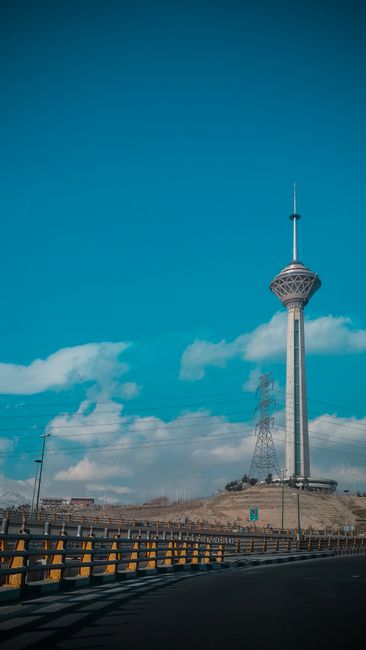
Iran is one of the great travel destinations of Asia: a vast high plateau ringed by mountains, where 2,500 years of Persian history are written in stone, tile and garden. Its cities hold some of the most beautiful buildings in the Islamic world, from the turquoise domes of Isfahan to the rose-tinted mosques of Shiraz, and its countryside runs from snowy peaks and Caspian rainforest to some of the hottest deserts on Earth. Most visitors fly into Tehran, the busy capital, then follow the classic route south through Kashan, with its merchant houses and Persian garden, to Isfahan and its immense Naqsh-e Jahan Square, the mud-brick desert city of Yazd and finally Shiraz, the city of poets, close to the ruins of Persepolis. UNESCO lists 30 World Heritage sites in Iran. Persian (Farsi) is the official language, and Iranians are famous for their hospitality toward visitors. Entry rules depend on your nationality: Iran’s Ministry of Foreign Affairs runs an official e-visa portal, which is the place to check before you travel. Bank cards issued outside Iran do not work there, so plan to bring cash. The best months are April to May and late September to November. Give it two weeks if you can.
Right now in Iran
- Sat8–20°C46–67°FClear
- Sun10–22°C50–71°FCloudy
- Mon14–21°C56–70°FClear
Weather, sun and air quality here are for one point near the centre of Iran, not the whole country; conditions elsewhere can differ. Readings refresh through the day.
Iran: quick answers
- Best time to visit Iran
- Most of Iran has a dry, continental climate, with hot summers, cold winters and very little rain, but the country is so large and varied that it is always a good season somewhere. More
- Things to do in Iran
- Palaces, bazaars, gardens and deserts. More
- Entry rules for Iran
- Iran’s Ministry of Foreign Affairs runs the official e-visa portal, evisa.mfa.ir, where travelers apply online for a tourist visa and receive an application reference number; some applicants may be asked to attend an interview at an Iranian consulate. More
Iran at a glance
Iran covers about 1.65 million km² (636,000 sq miles), roughly the size of Alaska, or of France, Spain, Germany and the UK put together. Most of the country is a high central plateau, 1,000 m (3,300 ft) or more above sea level, framed by two great mountain ranges: the Alborz in the north, which separates the plateau from the Caspian Sea and rises to the volcanic cone of Mount Damavand, more than 5,600 m (18,400 ft) high, and the long Zagros range in the west and southwest. In the middle of the plateau lie two vast deserts, the salt flats of the Dasht-e Kavir and the sand seas and wind-carved ridges of the Dasht-e Lut. In the north, the Caspian shore is green, humid and forested; in the south, the Persian Gulf coast and its islands are hot, flat and maritime. The distances are large: Tehran to Shiraz is about 900 km (560 miles) by road.
Persian (Farsi) is the official language, written in a form of the Arabic script, and Azerbaijani Turkish, Kurdish, Luri, Arabic, Baluchi and other languages are spoken in the regions. English is understood in hotels, at the main sights and by many younger Iranians in the cities, and a few words of Persian go a long way: salaam (hello) and merci or mamnoon (thank you). Iran uses its own Solar Hijri calendar, which begins the year at the spring equinox, so dates on tickets and documents may look unfamiliar; the weekend is Friday, and many offices also close on Thursday afternoon. The country keeps Iran Standard Time (UTC+3:30) all year, with no daylight saving time. Sockets are the European two-pin type (C and F), at 220 V.
Iran’s regions
- Tehran and the Alborz: the capital at the foot of the mountains, with its palaces and museums, the ski resorts of Dizin and Shemshak, Mount Damavand, and, to the west, Qazvin and the Alamut valley with its mountain castles.
- The center: the heart of most trips, with Kashan, the mountain village of Abyaneh, Isfahan, the desert villages around Varzaneh and Mesr, and Yazd.
- Fars and the south: Shiraz with its gardens and mosques, the ancient capitals of Persepolis and Pasargadae, the rock tombs of Naqsh-e Rostam, and the Sassanian sites around Firuzabad and Bishapur.
- The northwest: Tabriz and its great covered bazaar, the cave village of Kandovan, the Armenian monasteries near the borders, and the plateau of Takht-e Soleyman.
- The Caspian coast: the provinces of Gilan, Mazandaran and Golestan, with rice fields, tea gardens, the Hyrcanian forests and the stepped village of Masuleh.
- The west: the Zagros mountains, with Hamadan, the Behistun inscription near Kermanshah, the valleys of Hawraman and the ancient sites of Susa and Chogha Zanbil in Khuzestan.
- The east and the Gulf: Mashhad and its great shrine in the northeast, Kerman and the Lut desert in the southeast, and the islands of Kish, Qeshm and Hormuz in the Persian Gulf.
Videos of Iran
Hand-picked travel videos from YouTube creators to help you picture the trip. They play from YouTube; the facts in this guide come from our own research.
Where to go: the classic route through Persia
The great majority of leisure visitors follow the same well-worn and well-served line through the center of the country, from Tehran to Shiraz, and Isfahan is the highlight. See our guide:
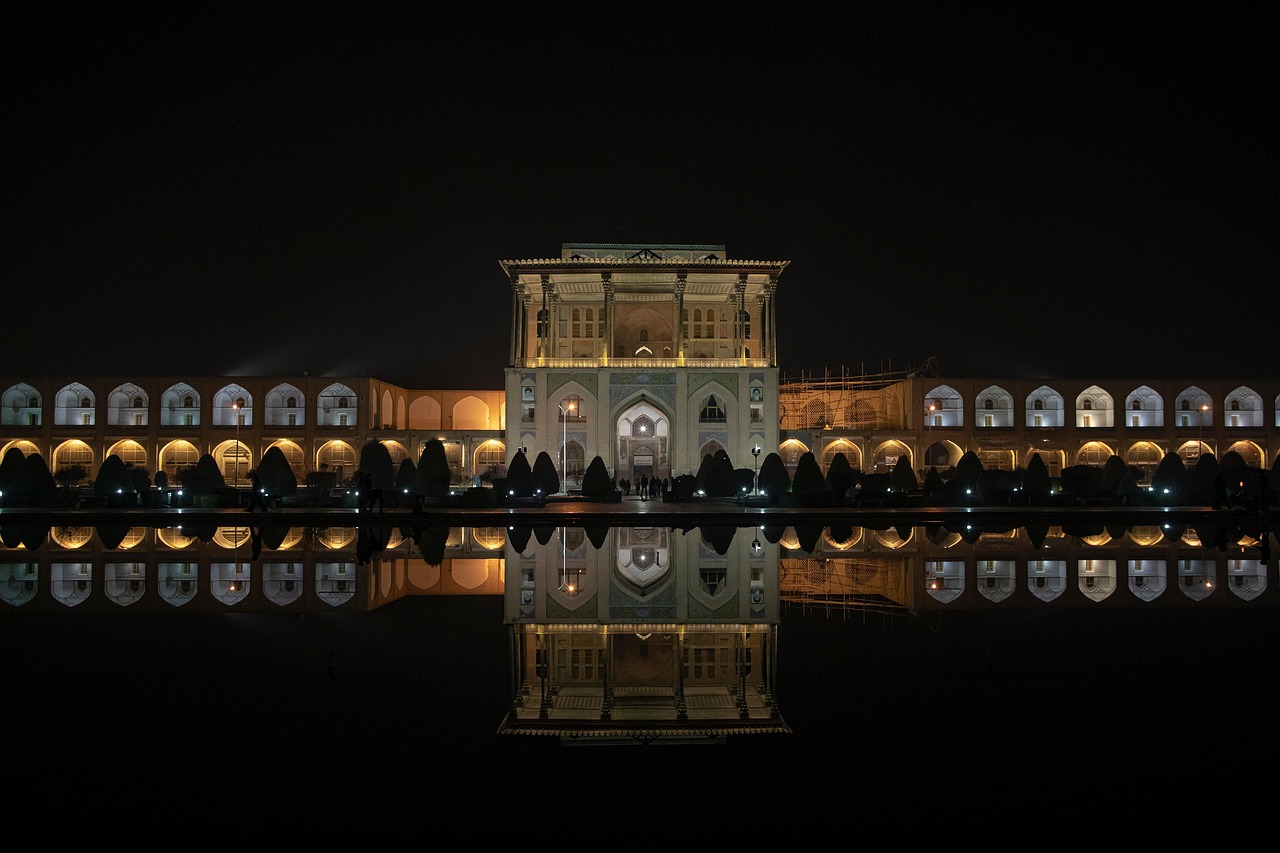
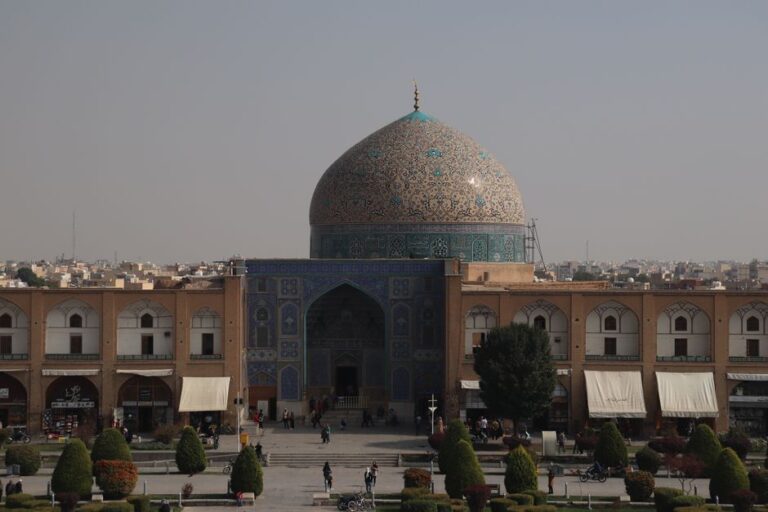
- Isfahan: the 17th-century Safavid capital, with Naqsh-e Jahan Square, one of the largest city squares in the world, the Shah (Imam) Mosque and the Sheikh Lotfollah Mosque, the Ali Qapu and Chehel Sotun palaces, the Jameh Mosque, a thousand-year-old masterpiece, the arched bridges over the Zayandeh Rud and the Armenian quarter of New Julfa.
Other highlights include Tehran, with the Golestan Palace and the national museums; Kashan, with its historic houses and the Fin Garden; Yazd, a desert city of wind towers and mud-brick lanes; Shiraz, with its gardens, mosques and the tombs of the poets Hafez and Saadi; the ruins of Persepolis and Pasargadae; Tabriz and its bazaar; the green Caspian provinces; and the islands of Qeshm and Hormuz in the Persian Gulf.
Isfahan Travel Guide
Plan a trip to Isfahan: Naqsh-e Jahan Square, the Shah and Sheikh Lotfollah mosques, Ali Qapu and Chehel Sotun palaces, the Jameh Mosque, the…
Multi-day tours of Iran
Multi-day tours from local operators. You check dates and book on Viator, our partner; we may earn a commission at no extra cost to you. How we earn money
Beyond Isfahan
Iran’s World Heritage sites
UNESCO lists 30 World Heritage sites in Iran, one of the longest lists in Asia. The first three, inscribed in 1979, were Persepolis, the Elamite ziggurat of Chogha Zanbil and Isfahan’s Naqsh-e Jahan Square. Others include Pasargadae and the tomb of Cyrus the Great, the Bam citadel and its cultural landscape, the Soltaniyeh dome, the Behistun inscription, the Armenian monastic ensembles of the northwest, the Tabriz bazaar, the Persian Garden (nine historic gardens, among them the Fin Garden in Kashan, Eram in Shiraz and Chehel Sotun in Isfahan), the Jameh Mosque of Isfahan, Golestan Palace in Tehran, Susa, the Persian qanat underground water channels, the Dasht-e Lut desert, the historic city of Yazd, the Hyrcanian forests of the Caspian, the Trans-Iranian Railway, the cultural landscape of Hawraman, the Persian caravanserais (2023), Ecbatana in Hamadan (2024), the prehistoric sites of the Khorramabad Valley (2025) and, newest, Alamut Castle and related fortifications in the Alborz mountains of Qazvin province (2026).
Tehran
Iran’s capital is a huge, energetic city spread across the slopes below the Alborz, with snow on the peaks behind it for much of the year. Most visitors give it a day or two. The Golestan Palace, the ornate 19th-century Qajar royal complex with mirrored halls and tiled courtyards, is the city’s World Heritage site. Nearby, the National Museum of Iran covers the country’s history from prehistory to the Islamic period, and the Grand Bazaar is a maze of covered lanes. In the north of the city, the leafy Sa’dabad and Niavaran palace complexes sit in gardens below the mountains, and the Tabiat Bridge and the Milad Tower give views over the city. On weekends, Tehranis walk up the mountain paths of Darband and Tochal to riverside teahouses.
Kashan and Abyaneh
Halfway between Tehran and Isfahan on the edge of the desert, Kashan is famous for its 19th-century merchants’ houses, such as the Tabatabaei and Boroujerdi houses, with sunken courtyards, pools, stucco and wind towers, and for the Fin Garden, a classic Persian garden of cypress trees and running water channels. In spring, the villages around Kashan distill rosewater from the local damask roses. In the hills nearby, the red-earth village of Abyaneh is known for its traditional houses and for the floral scarves of its older residents.
Yazd and the desert
Yazd is one of the oldest continuously inhabited cities on the plateau and a World Heritage site: a city of mud-brick lanes, covered passages and badgirs (wind towers) that catch the breeze and cool the houses below. Its landmarks include the tiled double minarets of the Jameh Mosque, the Amir Chakhmaq complex, the Zoroastrian fire temple and, on the edge of town, the Zoroastrian towers of silence. Yazd is also known for its qanats, with a water museum, and for its sweets. Around it, desert villages such as Mesr and Varzaneh offer dunes, salt lakes, starry skies and simple guesthouses, and old caravanserais stand along the historic trade routes.
Shiraz, Persepolis and Pasargadae
Shiraz, in the south, is the city of gardens, poetry and nightingales. Visit the Nasir al-Mulk Mosque early in the morning, when the sun pours through its stained-glass windows onto the carpets; the Eram Garden; the Vakil Mosque, baths and bazaar; the Karim Khan Citadel; the glittering mirrored shrine of Shah Cheragh; and the tombs of the poets Hafez and Saadi, where Iranians come to recite verse. About an hour to the northeast, Persepolis, the ceremonial capital of the Achaemenid kings from about 518 BC, is the most famous ancient site in Iran, with its grand staircases, the Gate of All Nations and long reliefs of delegations bearing gifts. Nearby, the cliff tombs of Naqsh-e Rostam and, further north, Pasargadae, with the simple stone tomb of Cyrus the Great, complete the picture.
Tabriz and the northwest
Tabriz, the main city of the northwest, has one of the largest covered bazaars in the world, a World Heritage site of brick-vaulted halls, caravanserais and carpet traders, as well as the 15th-century Blue Mosque. Nearby, Kandovan is a village of homes carved into volcanic rock cones. Further afield are the Armenian monastery of St. Thaddeus (Qara Kelisa) and the monastery of St. Stepanos, and the Sassanian fire-temple site of Takht-e Soleyman, built around a spring-fed lake.
The Caspian provinces and the Persian Gulf islands
North of the Alborz, the provinces of Gilan and Mazandaran are a different Iran: green, misty and fertile, with rice paddies, tea plantations, the ancient Hyrcanian forests and fish dishes flavored with herbs and sour pomegranate. The stepped village of Masuleh, where the roofs of the houses serve as the streets of the houses above, is the region’s best-known sight. In the far south, the Persian Gulf islands are warm in winter: Qeshm has a UNESCO Global Geopark with canyons such as the Valley of the Stars and mangrove forests, Hormuz is known for its multicolored soils and red beaches, and Kish is a resort island of hotels and malls.
Kerman and the Lut desert
Kerman, in the southeast, has a fine old bazaar and the Ganjali Khan bathhouse, and nearby are the Shazdeh Garden at Mahan, an oasis of terraced pools in the desert, and the restored mud-brick citadel of Bam. Beyond lies the Dasht-e Lut, a World Heritage desert famous for its kaluts, huge ridges of wind-sculpted earth, best visited on an organized trip in the cooler months.
Best time to visit Iran
Most of Iran has a dry, continental climate, with hot summers, cold winters and very little rain, but the country is so large and varied that it is always a good season somewhere. Spring, from April to May, is the best all-round season on the central plateau: warm days, cool nights, roses and blossom in the gardens, and green hills. Autumn, from late September to November, is equally good, with clear skies, harvest fruit and comfortable sightseeing. Summer, from June to August, is hot on the plateau, with highs of about 35–37 °C (95–98 °F) in Tehran and Isfahan, and extremely hot in the deserts and along the Persian Gulf; it is the best time for the high mountains and the Caspian. Winter, from December to February, brings cold, frosty nights to the plateau, snow to the mountains, a ski season in the Alborz and pleasant warmth on the Gulf islands.
The table shows long-term average temperatures and rainfall at Tehran’s Mehrabad station, published by Iran’s meteorological organization on the World Meteorological Organization’s (WMO) World Weather Information Service. Tehran receives only about 230 mm (9 in) of rain a year, mostly between November and April; Isfahan, Yazd and Shiraz are similar or drier, while the Caspian coast is far wetter.
Iran month by month
| Month | Tehran high / low | Rain in Tehran | Weather and highlights |
|---|---|---|---|
| January | 7 °C / -1 °C (45 °F / 30 °F) | 37 mm (1.5 in) | Cold on the plateau; skiing in the Alborz; warm on the Gulf islands |
| February | 10 °C / 1 °C (50 °F / 33 °F) | 34 mm (1.3 in) | Cold and clear; peak ski season |
| March | 15 °C / 5 °C (60 °F / 41 °F) | 37 mm (1.5 in) | Spring arrives; Nowruz (Persian New Year) at the equinox |
| April | 22 °C / 11 °C (71 °F / 52 °F) | 28 mm (1.1 in) | Ideal; gardens in bloom |
| May | 28 °C / 16 °C (82 °F / 61 °F) | 15 mm (0.6 in) | Warm and dry; rosewater season in Kashan |
| June | 34 °C / 21 °C (93 °F / 70 °F) | 3 mm (0.1 in) | Hot on the plateau; mountains and the Caspian |
| July | 37 °C / 24 °C (98 °F / 75 °F) | 2 mm (0.1 in) | Hottest month; sightsee early and late |
| August | 35 °C / 23 °C (96 °F / 73 °F) | 1 mm (0.1 in) | Hot and dry; Damavand climbing season |
| September | 32 °C / 19 °C (89 °F / 67 °F) | under 1 mm | Still hot, easing late in the month |
| October | 24 °C / 13 °C (75 °F / 55 °F) | 14 mm (0.5 in) | Ideal; clear skies and harvest fruit |
| November | 16 °C / 7 °C (62 °F / 44 °F) | 21 mm (0.8 in) | Crisp and sunny; autumn colors; good for the deserts |
| December | 10 °C / 1 °C (50 °F / 34 °F) | 36 mm (1.4 in) | Cold; Yalda Night on the winter solstice |
Festivals worth planning around
- Nowruz: the Persian New Year at the spring equinox, around March 20 or 21, is the biggest celebration of the year, with about two weeks of holidays. Families travel, so hotels, trains and flights are very busy, and some museums and shops keep shorter hours. On the 13th day, Sizdah Bedar, Iranians picnic outdoors.
- Chaharshanbe Suri: on the last Tuesday evening before Nowruz, people jump over small bonfires for good luck.
- Rosewater season (Golab-giri): in May, the rose fields around Kashan, especially at Qamsar and Niasar, are harvested and distilled in village workshops.
- Yalda Night: on the longest night of the year, around December 21, families stay up late eating pomegranates and watermelon and reading the poetry of Hafez.
- Ramadan and the months of the Islamic calendar: during Ramadan, which moves about 11 days earlier each year, many restaurants close during daylight hours and open in the evening. In the month of Muharram, the commemorations of Tasua and Ashura are marked by processions and public holidays.
Holiday dates follow the Solar Hijri and Islamic calendars and change from year to year against the Western calendar; check them when you plan, and book well ahead for Nowruz.
How long to stay: sample itineraries
- One week: Tehran (1 night), Kashan (1), Isfahan (3) and Shiraz (2) with Persepolis, flying back from Shiraz.
- Ten days: Tehran (2 nights), Kashan with Abyaneh (1), Isfahan (3), Yazd (2) and Shiraz (2) with Persepolis, Naqsh-e Rostam and Pasargadae.
- Two weeks: add a night in a desert village such as Mesr or Varzaneh, and either Tabriz and Kandovan in the northwest or Kerman, Mahan and the Lut desert in the southeast.
- Three weeks or more: add the Caspian forests and Masuleh, the western Zagros with Hamadan, Kermanshah and Hawraman, or the islands of Qeshm and Hormuz in winter.
Entry, money and costs
Visas
Iran’s Ministry of Foreign Affairs runs the official e-visa portal, evisa.mfa.ir, where travelers apply online for a tourist visa and receive an application reference number; some applicants may be asked to attend an interview at an Iranian consulate. Travelers whose nationality allows a visa on arrival at Iran’s international airports are asked to apply on the same portal at least two days before they fly and bring a printed copy of the approval (the “grant notice”) to the visa-on-arrival counter, where the fee is paid in euros at the airport bank terminals. The ministry also lists countries whose citizens can stay without a visa, including a group of 27 countries, among them Japan, Brazil, Mexico, Indonesia, Singapore and the Gulf states, whose ordinary passport holders may stay for tourism for 15 days once every six months. All visitors need a passport valid for at least six months. Rules differ by nationality and change from time to time, so check the official e-visa portal before you travel: https://evisa.mfa.ir/en/.
Money and cash
The currency is the Iranian rial (IRR). In daily life, most prices are spoken and often written in tomans, a unit of ten rials, so always check which is meant before you pay. According to the UK government’s travel information, debit and cash cards issued outside Iran do not work in Iran, and euros and US dollars are more commonly exchanged than other foreign currencies. In practice, this means bringing enough cash in euros or US dollars for your whole trip, in clean notes, and changing it at licensed exchange offices as you go; some tour operators and hotels can also arrange a local prepaid card for visitors.
Tipping
Tipping is not expected everywhere, but it is appreciated. In restaurants, about 5–10% is usual if no service charge is on the bill; round up taxi fares; and tip guides and drivers at the end of a tour. Expect a little taarof, the Persian art of polite refusal: a driver or shopkeeper may at first decline payment out of courtesy, but you should insist.
What a trip costs
Iran is an inexpensive country for visitors paying in foreign currency, but local prices change quickly, so the figures below are rough estimates in US dollars for November 2026. Entry fees to museums and historic sites are set by the authorities and are higher for foreign visitors than for Iranians; check them at the ticket office.
| Item | Typical cost |
|---|---|
| Metro ride in Tehran or Isfahan | under US$1 |
| Tea in a traditional teahouse | US$1–3 |
| Kebab with rice in a local restaurant | US$4–10 |
| Dinner for two in a restored historic-house restaurant | US$15–35 |
| Intercity VIP bus, such as Isfahan to Yazd | US$5–15 |
| Full-day car and driver | US$40–90 |
| Traditional-house hotel double, per night | US$40–100 |
| Top hotel double in Tehran or Isfahan, per night | US$100 and up |
A comfortable trip with traditional-house hotels, restaurant meals, intercity buses or trains and site fees costs roughly US$50–100 per person per day for two people sharing; with a private driver and guide, budget more. Because cards cannot be used, work out your total budget before you go and bring it in cash.
Getting there and getting around
Airports and flights
Most international flights arrive at Tehran Imam Khomeini International Airport (IKA), about 50 km (31 miles) southwest of central Tehran, with connections to the Gulf, Turkey, Europe and Asia. Taxis wait outside the terminal, and a metro line links the airport with the city. Tehran’s older Mehrabad Airport (THR), inside the city, handles most domestic flights. Isfahan, Shiraz, Mashhad and Tabriz also have international airports with some regional flights, so it is often possible to fly into Tehran and out of Shiraz or Isfahan.
Getting around
Iran has a good transport network for its size, and the classic route from Tehran to Shiraz is easy to travel independently.
- Domestic flights: frequent and inexpensive between Tehran, Isfahan, Shiraz, Mashhad, Tabriz, Kerman and the Gulf islands; useful for the long hops, such as Shiraz back to Tehran.
- Buses: the backbone of travel between cities. Comfortable “VIP” buses with reclining seats connect all the main cities day and night from large terminals.
- Trains: the national railway links Tehran with Mashhad, Tabriz, Isfahan, Kashan, Yazd, Kerman and other cities, including comfortable overnight sleeper trains. The Trans-Iranian Railway between the Caspian and the Persian Gulf is itself a World Heritage site.
- Car with driver: a popular and affordable way to cover the classic route, with stops at Abyaneh, desert villages and caravanserais along the way; easily arranged through hotels and tour operators.
- Taxis and ride-hailing: local ride-hailing apps such as Snapp and Tapsi are the usual way to get around the cities, and hotels can book them for you. With a street taxi, agree the fare first.
- Metro: Tehran has a large metro network, and Isfahan, Shiraz, Mashhad and Tabriz have metro lines too. Many trains have women-only carriages at the ends; men should use the others.
As a rough guide to road times: Tehran to Kashan takes about 3 hours, Kashan to Isfahan about 2.5 hours, Isfahan to Yazd about 4 hours, Yazd to Shiraz about 5–6 hours, and Shiraz to Persepolis about an hour. A flight from Tehran to Shiraz or Isfahan takes about an hour to an hour and a half.
Mountains, deserts and the outdoors
Iran is a superb and little-known country for the outdoors. Mount Damavand, the highest peak in the Middle East, is a non-technical but demanding climb in summer, usually over three or four days with mountain huts and guides from the village of Polur. Closer to Tehran, the Tochal cable car and the trails of Darband lead into the Alborz, and in winter the resorts of Dizin, Shemshak and Tochal offer high-altitude skiing within two hours of the capital. The Alamut valley combines mountain walks with castle ruins, and the Zagros has gorges, waterfalls and nomad pastures. In the deserts, stay in a village guesthouse at Mesr or Varzaneh for dunes, camel rides and night skies, or join an organized trip to the kaluts of the Lut. In the south, Qeshm and Hormuz have geological walks, mangroves and boat trips. See our hiking and boat trips guides.
Culture, food and everyday etiquette
Food
Persian food is subtle, fragrant and built around rice. Long-grain rice, often steamed with saffron, comes with a crisp golden crust from the bottom of the pot, tahdig, that everyone fights over. The everyday favorite is chelow kabab, grilled minced lamb or chicken with rice, grilled tomatoes and raw onion. Slow-cooked stews (khoresh) include ghormeh sabzi, with herbs, kidney beans and dried lime, and fesenjan, rich with walnuts and pomegranate molasses. Try dizi, a lamb and chickpea stew served in a stone pot and mashed at the table, thick noodle soup (ash reshteh) and kashk-e bademjan, an eggplant dip. Bread comes fresh from bakeries: thin lavash, dimpled barbari and pebble-baked sangak. Tea is drunk all day, often with rock sugar (nabat), and desserts include saffron and rosewater ice cream (bastani), faloodeh from Shiraz and the nougat gaz from Isfahan. Alcohol is not sold in Iran; instead, try fresh fruit juices, doogh (a salty yogurt drink) and sharbat syrups.
Hospitality, dress and etiquette
Iranians are famously welcoming, and visitors are often invited for tea, a meal or a chat about poetry and football. Iran has a dress code that applies to visitors too. Women are expected to cover their hair with a headscarf in public and wear loose clothing that covers the arms and legs, such as a long tunic or coat over trousers; a chador, a full-length cloak, is provided or required at some shrines. Men should wear long trousers rather than shorts in public. Remove your shoes when entering homes and some shrines. Ask before photographing people, and do not photograph military or government buildings. Expect taarof, the elaborate politeness in which offers are made and refused several times before being accepted. During Ramadan, avoid eating, drinking or smoking in public during the day.
Shopping and crafts
Iran’s bazaars are among the best shopping in Asia. Look for hand-knotted carpets and kilims, Isfahan’s miniature paintings, enamelwork (minakari), inlaid wood (khatam), hammered copper and block-printed cotton (ghalamkar), as well as saffron, pistachios, dates, dried limes, rosewater and sweets. Bargaining is normal in the bazaars; in fixed-price shops, it is not.
Health, safety and connectivity
Practical points for a smooth trip:
- Traffic: the main everyday risk. Traffic in the cities is dense and fast, and drivers do not always stop at crossings; cross with care, ideally alongside local people, and wear a seat belt.
- Heat, sun and altitude: summers on the plateau and in the deserts are very hot and dry; carry water, sunscreen and a hat, and visit open sites such as Persepolis early in the day. Tehran and Isfahan lie at more than 1,000 m (3,300 ft), and nights are cold in winter.
- Air quality: Tehran can have smoggy days in winter; people with breathing problems may want to plan around them.
- Water: bottled water is sold everywhere and is the simplest choice.
- Health: the big cities have well-equipped private hospitals and clinics; have travel insurance that covers medical treatment, and bring any regular medicines with you.
- Emergencies: call 110 for the police, 115 for an ambulance and 125 for the fire service.
Iran’s main mobile operators, Hamrah-e Aval (MCI) and Irancell, sell prepaid tourist SIM cards at Imam Khomeini Airport and in their shops, with your passport. Hotels and cafés usually have Wi-Fi. Download offline maps, a translation app and your bookings before you arrive.
Things to do: palaces, bazaars, gardens and deserts
Stand in the middle of Naqsh-e Jahan Square in Isfahan at dusk; walk across the Si-o-se-pol and Khaju bridges; drink tea under the arches; lose yourself in the bazaars of Tehran, Tabriz and Kashan; sleep in a restored courtyard house in Yazd or Kashan; watch the morning light through the windows of the Nasir al-Mulk Mosque; walk among the reliefs of Persepolis; read Hafez at his tomb in Shiraz; spend a night under the stars in a desert village; climb Damavand or ski at Dizin; and eat your way through a Persian feast. See our city sightseeing and hiking guides, and our hiking shoes and travel adapters guides.
Iran travel FAQ
Do I need a visa for Iran?
It depends on your nationality. Most visitors apply online through Iran’s Ministry of Foreign Affairs e-visa portal; some nationalities can collect a visa on arrival at international airports after applying online, and some can visit without a visa. Check the official e-visa portal before you travel: https://evisa.mfa.ir/en/.
Can I use my bank card in Iran?
No. Debit and cash cards issued outside Iran do not work there, so bring enough cash, ideally in euros or US dollars, for your whole stay and change it at licensed exchange offices.
What is the difference between rials and tomans?
The rial is the official currency; a toman is ten rials. Most prices are quoted in tomans in daily life, so ask which unit is meant before you pay.
What is the best time to visit Iran?
April to May and late September to November, for warm, dry days and cool nights on the central plateau. Winter suits the Gulf islands and skiing in the Alborz; summer suits the mountains and the Caspian.
How many days do I need in Iran?
A week covers Tehran, Kashan, Isfahan and Shiraz with Persepolis; ten days adds Yazd; two weeks or more adds the deserts, Tabriz or Kerman.
What should I wear in Iran?
Women are expected to cover their hair with a headscarf in public and wear loose clothing covering the arms and legs; men should wear long trousers. Light, breathable fabrics make summer comfortable.
How far is Isfahan from Tehran?
About 440 km (275 miles), roughly 5 hours by road, or about an hour by air; many visitors break the journey in Kashan. See our Isfahan guide.
What language is spoken in Iran?
Persian (Farsi) is the official language. English is spoken in hotels, at major sights and by many younger people in the cities.
What are the emergency numbers in Iran?
110 for the police, 115 for an ambulance and 125 for the fire service.
What plugs are used in Iran?
European two-pin plugs (types C and F), at 220 V. Bring an adapter if your devices use a different plug.
Can I combine Iran with nearby countries?
Yes. Tehran has flights to Istanbul, Dubai and other cities in the region. See our Turkey, Armenia, United Arab Emirates and Oman travel guides.
What is the time difference in Iran?
Iran is on Iran Standard Time, UTC+3:30, all year, with no daylight saving time.
Plugs and power in Iran
Iran uses 220 V, 50 Hz and these plugs (left) and wall sockets (right):
European two-pin sockets.
All plug types and voltages by country → · Check what you need to pack →
Plan your trip
Partner links: TravelerCenter may earn a commission if you book, at no extra cost to you.
Before you go: guidebooks and travel gear
Affiliate links: we may earn a commission at no extra cost to you. As an Amazon Associate we earn from qualifying purchases. We pick items for the place, not for the commission. How we earn money
Sources · last reviewed 10 November 2026
Researched and last reviewed on 10 November 2026. E-visa, visa on arrival, visa-free nationalities and passport validity: Iran’s Ministry of Foreign Affairs e-visa portal (evisa.mfa.ir); foreign bank cards and currencies: the UK government’s travel information (gov.uk); World Heritage sites: UNESCO World Heritage Centre; temperatures and rainfall at Tehran-Mehrabad: Iran’s meteorological organization, via the World Meteorological Organization’s World Weather Information Service; emergency numbers: Isfahan University of Medical Sciences and the UK government; time zone: the IANA time zone database; area and coordinates: Wikidata. Geography, history, sight descriptions, festivals, food, dress customs, transport, plugs, mobile operators, travel times, tipping, prices and daily budgets are general references or estimates, flagged for checking. Rules, fees and prices change, so check the official sites before you go.
Data: Weather: MET Norway (CC BY 4.0) · Rates: ECB · Wikidata (CC0)