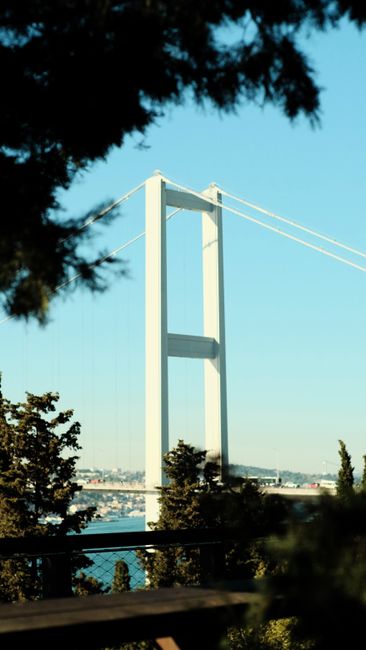
Türkiye (Turkey) is where Europe meets Asia, and few countries pack in so much: Istanbul’s skyline of domes and minarets on the Bosphorus, the fairy chimneys and dawn balloons of Cappadocia, the Roman cities of Ephesus and Hierapolis, the white travertines of Pamukkale, and more than 8,000 km of coastline, from the turquoise coves of the Lycian shore to the resorts of Antalya and Bodrum. It is a country of extraordinary food, generous hospitality and some of the best-value travel in the Mediterranean, and it is easy to get around, with Istanbul as one of the world’s great airline hubs and cheap domestic flights and comfortable buses everywhere. April to June and September to October suit almost every region. Give it ten days for a first trip (Istanbul, Cappadocia and the Aegean), two weeks or more to add the Turquoise Coast.
Right now in Turkey
- Wed 5–16°C 42–62°F Clear
- Thu 6–19°C 43–66°F 1 mm Mostly clear
- Fri 7–19°C 44–67°F Clear
Weather: MET Norway (CC BY 4.0) · Rates: ECB
Key facts
| Currency | Turkish lira (TRY, ₺); prices change quickly with high inflation (31.5% a year in August 2026); cards widely taken, carry some cashSource: tcmb.gov.tr · Last reviewed 4 Oct 2026 |
|---|---|
| Languages | Turkish; English is spoken in hotels, resorts and at the main sightsSource: wikidata.org · Last reviewed 4 Oct 2026 |
| Plugs and voltage | Type C and F · 230 V, 50 HzSource: wikidata.org · Last reviewed 4 Oct 2026 |
| Emergency number | 112 (ambulance, police, fire)Source: gov.uk · Last reviewed 4 Oct 2026 |
| Driving side | On the rightSource: wikidata.org · Last reviewed 4 Oct 2026 |
| Tap water | Not recommended to drink: use bottled or filtered water (cheap and everywhere)Source: iski.istanbul · Last reviewed 4 Oct 2026 |
| Tipping | Not required; 5-10% in restaurants if no service charge (servis ücreti) is on the bill; round up taxisSource: visitistanbul.com · Last reviewed 4 Oct 2026 |
| Calling code | +90 (dial 00 for international calls)Source: wikidata.org · Last reviewed 4 Oct 2026 |
| Time zones | Türkiye Time (TRT, UTC+3) all year; no summer time changeSource: data.iana.org · Last reviewed 4 Oct 2026 |
| Entry summary | Not Schengen or EU. Visa-free for up to 90 days in 180 for US, UK, Canadian, Australian and most EU passports; others may need an e-Visa (evisa.gov.tr). Passport valid 6 months recommended. See the entry section for rules by passport.Source: mfa.gov.tr · Last reviewed 4 Oct 2026 |
Multi-day tours of Turkey
Multi-day tours from local operators. You check dates and book on Viator, our partner; we may earn a commission at no extra cost to you. How we earn money
Türkiye at a glance: overview and geography
Türkiye spans two continents: a small European corner in Thrace, west of Istanbul, and the great peninsula of Anatolia (Asia Minor) to the east, separated by the Bosphorus, the Sea of Marmara and the Dardanelles. It borders Greece and Bulgaria in the west; Georgia, Armenia, Azerbaijan (Nakhchivan) and Iran in the east; and Iraq and Syria in the south-east. The Black Sea lies to the north, the Aegean to the west and the Mediterranean to the south. The interior is a high plateau ringed by mountains, rising to Mount Ararat (5,137 m) in the far east. The Turkish Statistical Institute (TÜİK) counted 86.1 million residents at the end of 2025. The capital is Ankara; Istanbul, with about 16 million people, is the largest city.
The country asked the United Nations to use its Turkish name, Türkiye, in 2022, and that is now the official name in English used by the government and international bodies. Most travellers still search for “Turkey”, and both mean the same place.
The regions
- Istanbul and Marmara: Istanbul itself, plus Edirne’s Ottoman mosques, Bursa (the first Ottoman capital) and the Gallipoli battlefields and Troy near Çanakkale.
- The Aegean coast: İzmir, the Roman city of Ephesus near Selçuk, Pergamon, the resorts of Kuşadası, Çeşme and Bodrum, and Marmaris; inland, Pamukkale and Aphrodisias.
- The Turquoise Coast (Lycia): the mountain-backed coast between Fethiye and Antalya, with Ölüdeniz, Kaş, the sunken city of Kekova, the Lycian Way trail and ancient rock tombs.
- The Mediterranean (Turkish Riviera): Antalya’s old town and beaches, the resorts of Belek, Side, Kemer and Alanya, and great sites such as Perge, Aspendos and Termessos.
- Central Anatolia: Cappadocia, the capital Ankara, Konya (Rumi and the whirling dervishes) and the Hittite capital Hattusa.
- The Black Sea: a green, rainy coast of tea plantations and mountain pastures (yayla), with the Sümela Monastery near Trabzon and the lake of Uzungöl.
- Eastern and south-eastern Anatolia: Mount Nemrut’s giant stone heads, Göbekli Tepe near Şanlıurfa (the oldest known monumental temple), Mardin’s honey-coloured old town, Gaziantep’s food scene, Lake Van and the ruins of Ani. Parts of this region near the Syrian and Iraqi borders are restricted; see safety below.
Regions
- Adana Province
- Adıyaman Province
- Afyonkarahisar Province
- Aksaray Province
- Amasya Province
- Ankara Province
- Antalya Province
- Aydın Province
- Ağrı Province
- Balıkesir Province
- Batman Province
- Bitlis Province
- Bolu Province
- Bursa Province
- Denizli Province
- Diyarbakır Province
- Düzce Province
- Edirne Province
- Elazığ Province
- Erzurum Province
- Eskişehir Province
- Gaziantep Province
- Giresun Province
- Hatay Province
- Isparta Province
- Istanbul Province
- Kahramanmaraş Province
- Kastamonu Province
- Kayseri Province
- Kocaeli Province
- Konya Province
- Kütahya Province
- Kırklareli Province
- Malatya Province
- Manisa Province
- Mardin Province
- Mersin Province
- Muğla Province
- Muş Province
- Nevşehir Province
- Niğde Province
- Ordu Province
- Osmaniye Province
- Rize Province
- Sakarya Province
- Samsun Province
- Siirt Province
- Sivas Province
- Tekirdağ Province
- Tokat Province
- Trabzon Province
- Uşak Province
- Van Province
- Yozgat Province
- Zonguldak Province
- Çanakkale Province
- Çorum Province
- İzmir Province
- Şanlıurfa Province
- Şırnak Province
Where to go: cities, coasts and landscapes
Most first trips combine Istanbul with Cappadocia and the Aegean or Mediterranean coast. Distances are big (Istanbul to Antalya is about 700 km), so domestic flights are your friend.
Istanbul
The former capital of the Byzantine and Ottoman empires is Türkiye’s essential city: Hagia Sophia, the Blue Mosque, Topkapı Palace, the Basilica Cistern, the Grand Bazaar, ferries between Europe and Asia, and an exceptional food and nightlife scene. Read our Istanbul guide for 2026 ticket prices, mosque visiting rules, the Istanbulkart and airport transfers.
Cappadocia
Rock valleys of fairy chimneys, Byzantine cave churches, underground cities, cave hotels and the world’s most famous balloon flights at sunrise. Read our Cappadocia guide for balloon rules, flight cancellations and site tickets.
The Aegean: Ephesus, Pamukkale and İzmir
Ephesus, near Selçuk, is the best-preserved great Roman city in the eastern Mediterranean, with the Library of Celsus and the Terrace Houses. Inland, Pamukkale‘s white travertine terraces spill down below the Roman spa city of Hierapolis. İzmir, Türkiye’s relaxed third city, is the gateway, with its airport, bazaar and seafront, and day trips to Pergamon and the Çeşme peninsula. South along the coast, Bodrum and Marmaris are lively resorts and yachting bases.
The Turquoise Coast and the Turkish Riviera
Fethiye and the Ölüdeniz lagoon, paragliding from Babadağ, boat trips to the Twelve Islands, and the start of the Lycian Way, now about 760 km long; Kaş, a small, stylish harbour town with diving and the sunken city of Kekova; and Antalya, with its walled old town, Roman sites and long beaches, plus big resorts in Alanya, Side and Belek. This is Türkiye’s summer playground, with the warmest sea and the longest season.
Ankara and Central Anatolia
The capital is worth a day or two for Anıtkabir, Atatürk’s mausoleum, and the Museum of Anatolian Civilizations. Konya, an hour and three-quarters away by high-speed train, is the city of Rumi, with the Mevlana Museum and whirling dervish ceremonies.
A few more worth your time
Bursa’s mosques and silk market, Edirne’s Selimiye Mosque, the Gallipoli peninsula and Troy, the Black Sea highlands around Trabzon, and, if your government’s travel information allows it, the south-east: Gaziantep, Şanlıurfa and Göbekli Tepe, Mardin and Mount Nemrut.
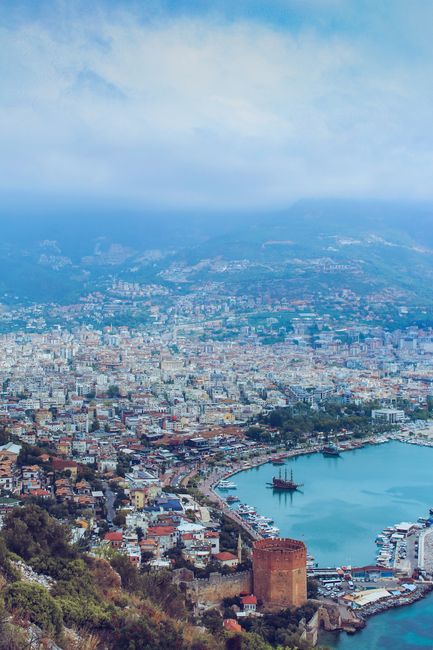
Alanya Travel Guide
Plan a trip to Alanya: the Seljuk castle and İç Kale with 2026 prices, the cable car from Damlataş, the Red Tower and shipyard,…
Ankara Travel Guide
Plan a trip to Ankara: Anıtkabir (free entry, official opening hours by season and visitor rules), the Museum of Anatolian Civilizations (€12, and the…
Antalya Travel Guide
Plan a trip to Antalya: Kaleiçi old town, Hadrian's Gate and the harbour, the Düden and Kurşunlu waterfalls, Aspendos, Perge, Side and Termessos with…
Belek Travel Guide
Plan a trip to Belek: golf courses and all-inclusive resorts, the long sandy beach and the sea-turtle night rules, Aspendos and Perge with 2026…
Bodrum Travel Guide
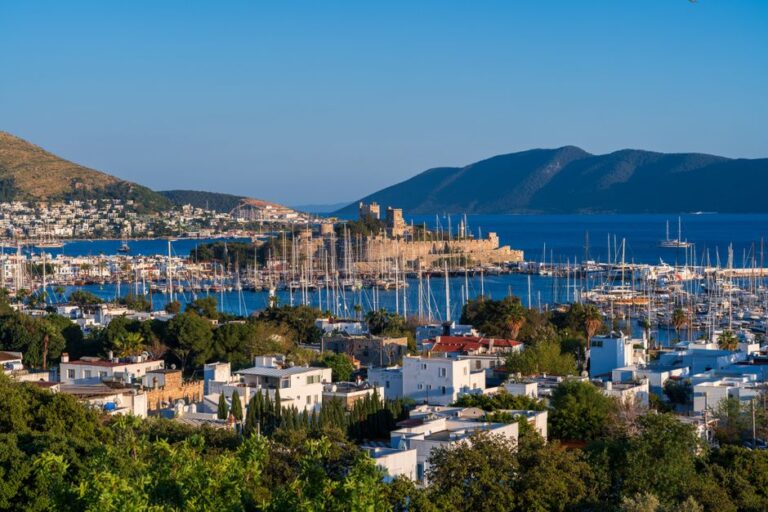
Plan a trip to Bodrum: the Castle of St Peter and the Museum of Underwater Archaeology with 2026 prices, the Mausoleum of Halicarnassus, the…
Bursa Travel Guide
Plan a trip to Bursa: the UNESCO-listed first Ottoman capital and Cumalıkızık, the Grand Mosque, Koza Han silk bazaar, Green Mosque and Tomb, Tophane…
Cappadocia Travel Guide
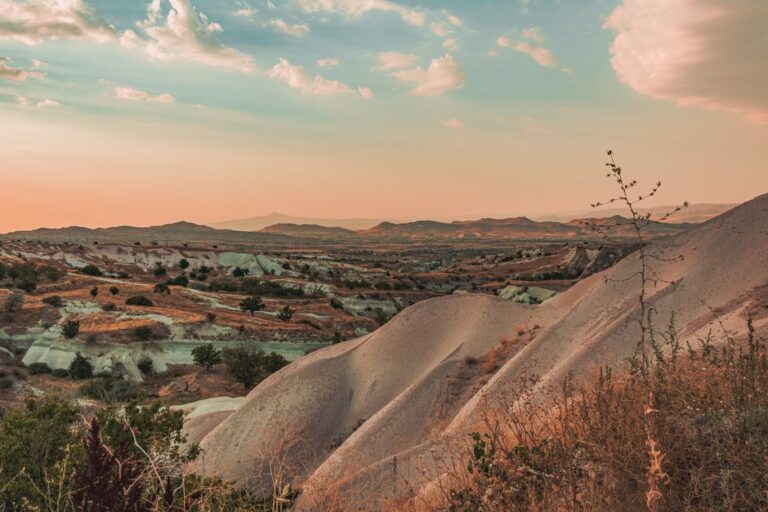
Plan a trip to Cappadocia: hot-air balloon flights (SHGM rules, the daily flag system, cancellations, 2026 prices and season), where to stay in Göreme,…
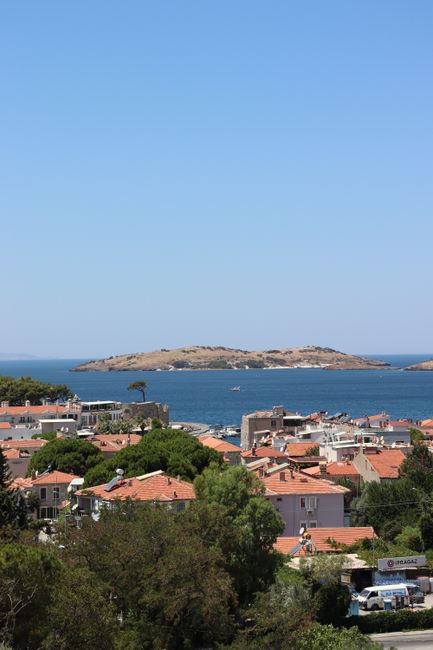
Çeşme Travel Guide
Plan a trip to Çeşme: Çeşme Castle and museum with 2026 prices and closures, Alaçatı's stone houses, windmills and windsurfing, Ilıca's thermal beach, Altınkum,…
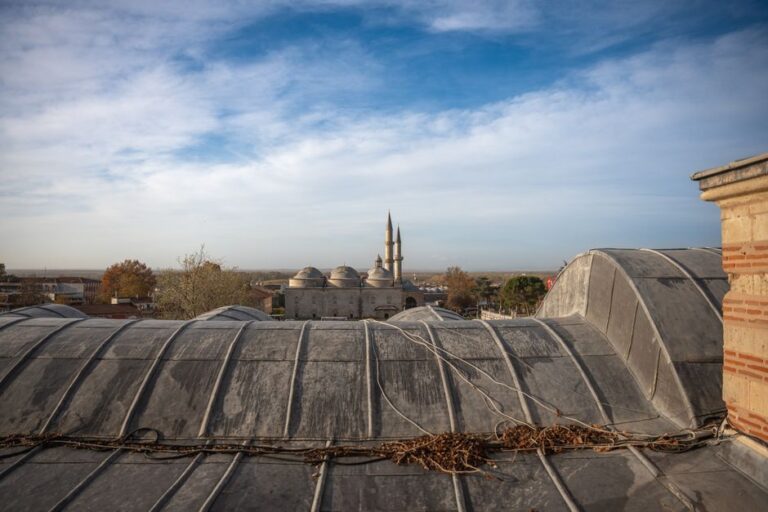
Edirne Travel Guide
Plan a trip to Edirne: the Selimiye Mosque (UNESCO, reopened in June 2026 after restoration) and its museum, the Old Mosque and Üç Şerefeli,…
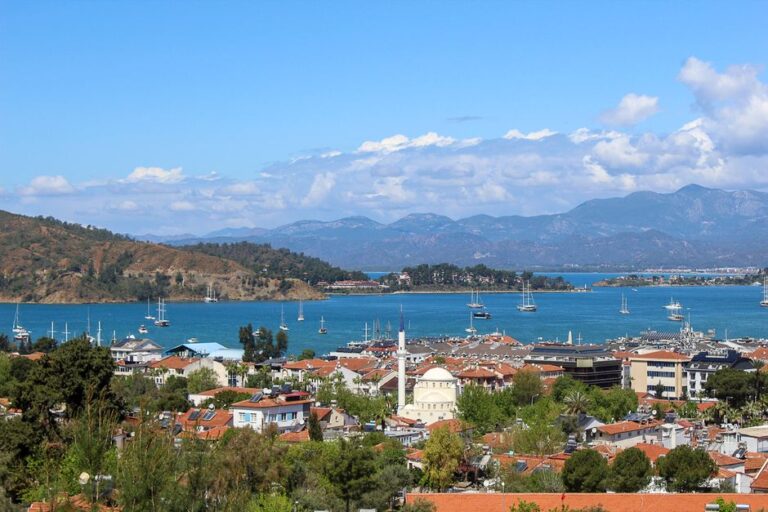
Fethiye Travel Guide
Plan a trip to Fethiye: the Ölüdeniz Blue Lagoon and its 2026 park fees, tandem paragliding from Babadağ and how it is licensed, the…
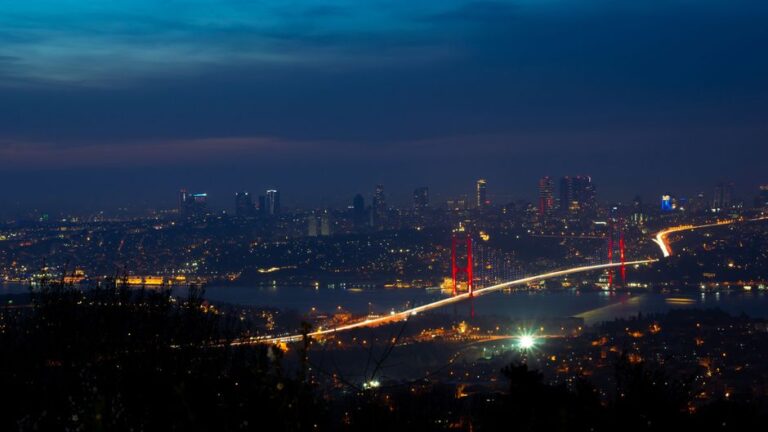
Istanbul Travel Guide
Plan a trip to Istanbul: the €25 Hagia Sophia visitor ticket and prayer-time closures, Blue Mosque rules and dress code, Topkapı Palace, the Basilica…
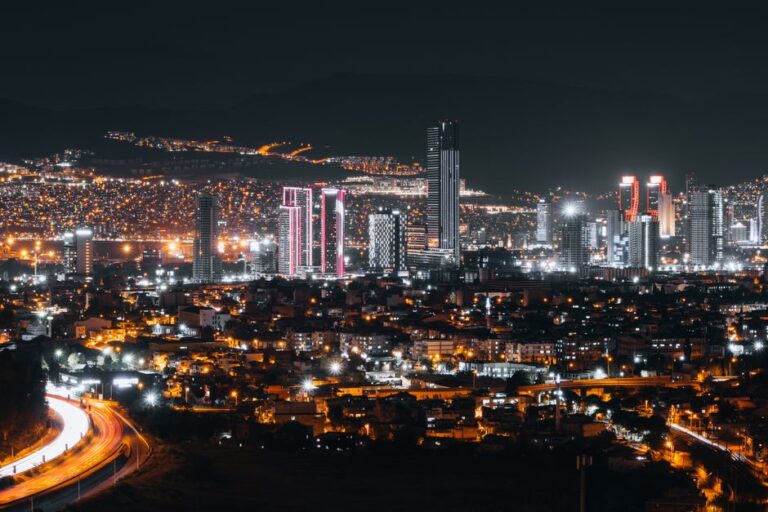
İzmir Travel Guide
Plan a trip to İzmir: Kemeraltı bazaar, the Agora of Smyrna, Kadifekale, the Kordon seafront and the Asansör, ferries across the bay, the İzmirim…
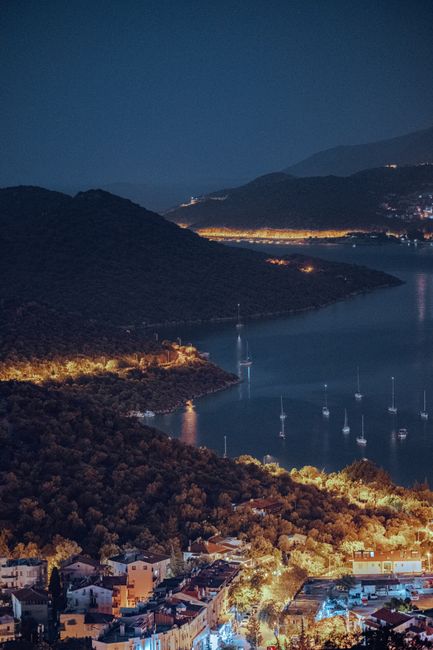
Kaş Travel Guide
Plan a trip to Kaş: dive sites such as the Dakota plane wreck and the Canyon, how to choose a licensed dive centre and…
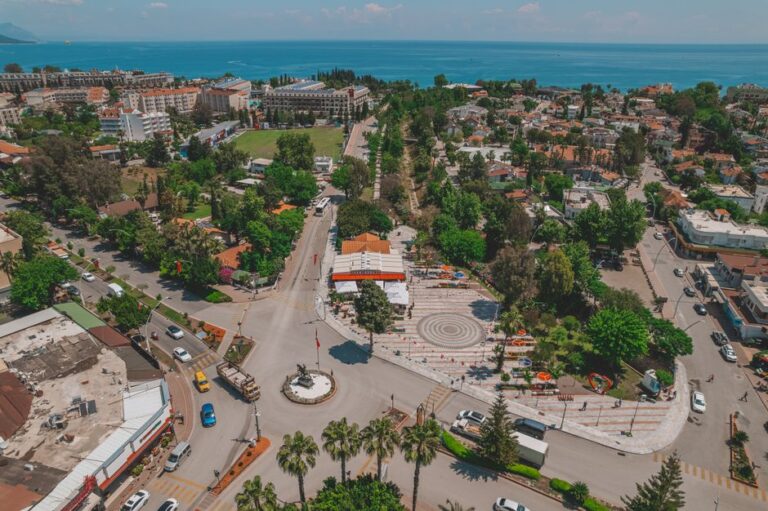
Kemer Travel Guide
Plan a trip to Kemer: the marina and Moonlight Beach, Phaselis and Olympos with 2026 prices, the Chimaera flames at Çıralı, the Tahtalı cable…
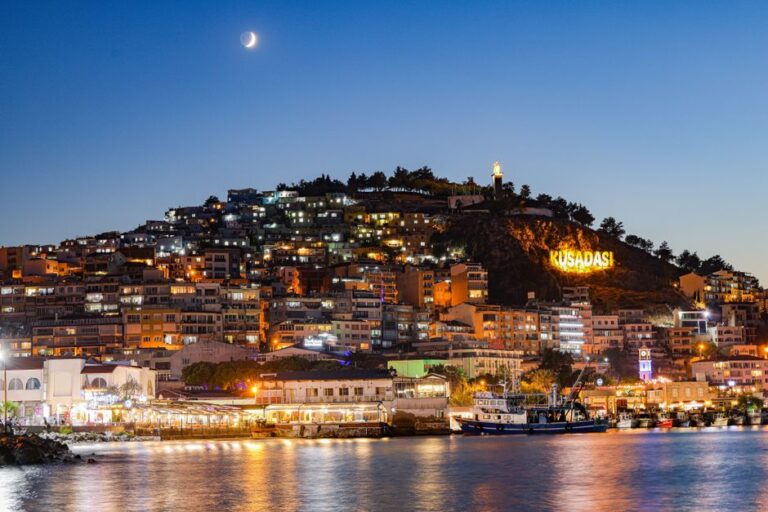
Kuşadası Travel Guide
Plan a trip to Kuşadası: Pigeon Island and its castle, Kaleiçi old quarter, Ladies Beach and Long Beach, the Dilek Peninsula national park with…
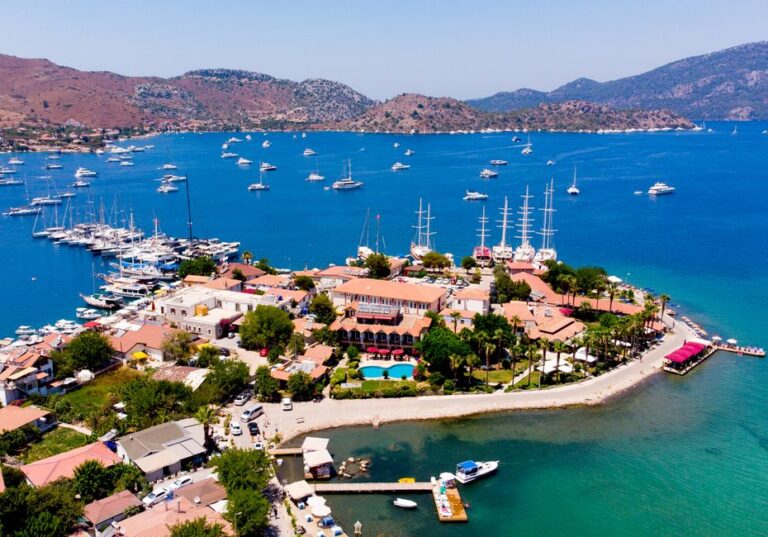
Marmaris Travel Guide
Plan a trip to Marmaris: gulet Blue Cruise routes and 2026 cabin prices, Dalyan's Kaunos rock tombs and mud baths, İztuzu turtle beach rules,…
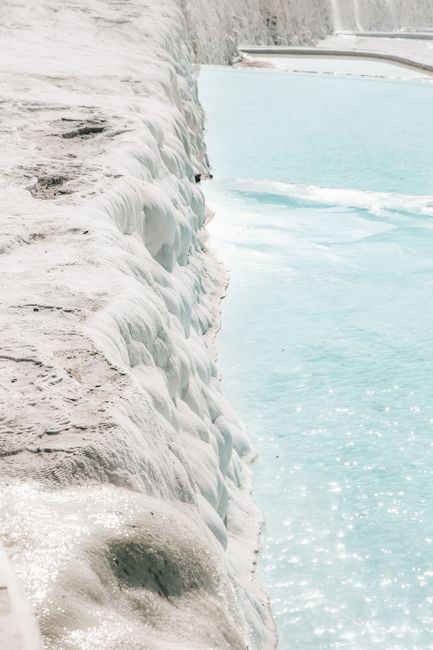
Pamukkale Travel Guide
Plan a trip to Pamukkale: the €30 ticket for the travertines and Hierapolis, opening hours and the three gates, the barefoot rule on the…
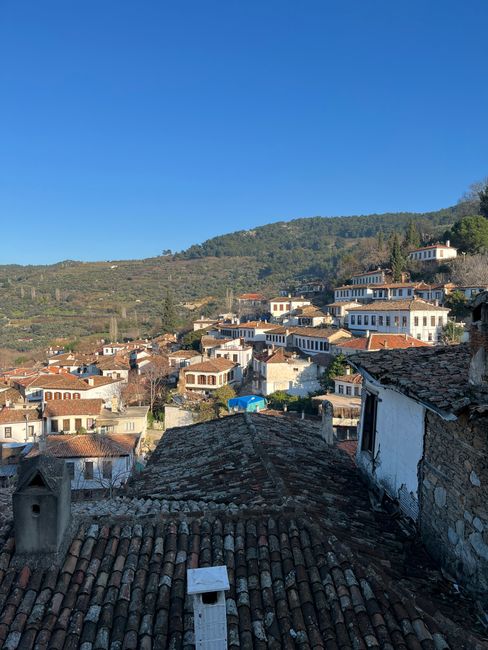
Selçuk and Ephesus Travel Guide
Plan a trip to Selçuk and Ephesus: 2026 tickets (€40 with the Experience Museum, €15 for the Terrace Houses), hours and night openings, upper…
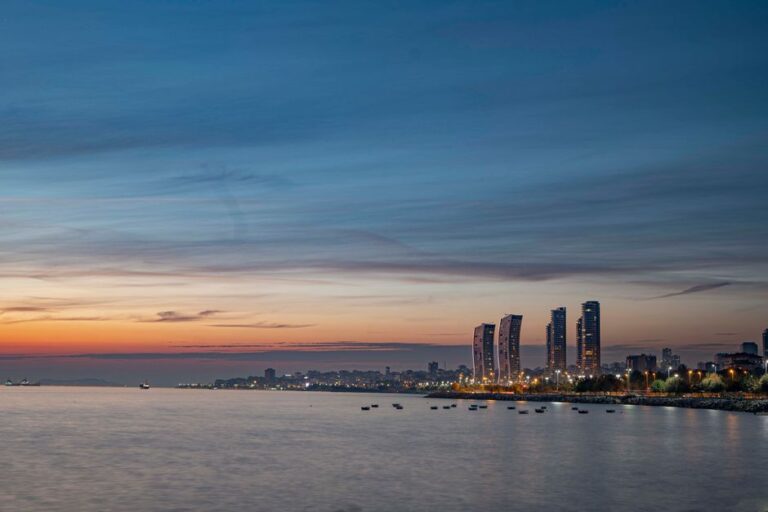
Side Travel Guide
Plan a trip to Side: the ancient theatre with its night opening, the Temple of Apollo and Athena, the agora and Vespasian gate, the…
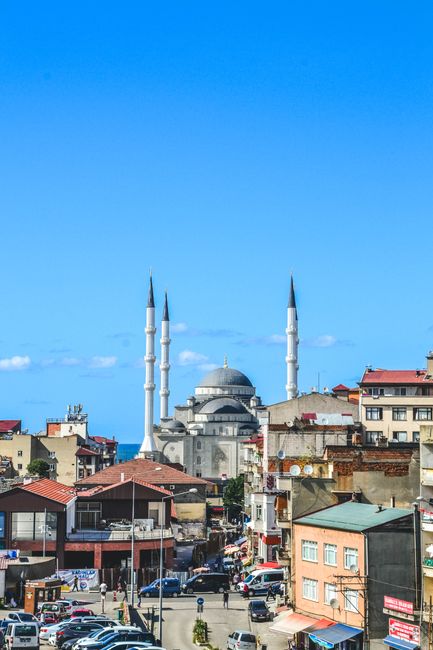
Trabzon Travel Guide
Plan a trip to Trabzon: Sümela Monastery (€20, opening hours, the shuttle and the walk up), the frescoed Hagia Sophia mosque, Boztepe, the Atatürk…
Best time to visit Türkiye
Türkiye is big and varied. The coasts have a Mediterranean climate, with hot, dry summers and mild, rainy winters; the Anatolian plateau has a continental climate, with hot days, cool nights and cold, snowy winters; the Black Sea coast is mild and wet all year. The table shows rounded average daily highs from the Turkish State Meteorological Service (MGM) long-term records at one station per region.
| Region (weather station) | Spring highs (Mar–May) | Summer highs (Jun–Aug) | Autumn highs (Sep–Nov) | Winter highs (Dec–Feb) | Best months |
|---|---|---|---|---|---|
| Istanbul | 12–22 °C | 27–30 °C | 26 °C falling to 16 °C | 10–12 °C | April–June, September–October |
| Aegean (İzmir) | 16–26 °C | 31–33 °C | 29 °C falling to 19 °C | 13–14 °C | April–June, September–October |
| Mediterranean (Antalya) | 18–26 °C | 31–34 °C | 31 °C falling to 21 °C | 15–17 °C | May–June, September–October |
| Pamukkale area (Denizli) | 16–27 °C | 32–35 °C | 30 °C falling to 18 °C | 11–12 °C | April–May, September–October |
| Cappadocia (Nevşehir) | 10–21 °C | 25–29 °C | 25 °C falling to 12 °C | 4–6 °C | April–June, September–October |
| Ankara | 12–22 °C | 27–31 °C | 26 °C falling to 13 °C | 4–7 °C | April–June, September–October |
When to go, region by region
- Istanbul: spring (tulips in April) and autumn are the best for walking; summer is hot and humid, winter grey, wet and cheap.
- Aegean and Mediterranean coasts: swimming season runs from about late May to October, with the warmest sea in August and September. July and August are very hot, especially inland at Ephesus and Pamukkale, and resorts are full. Spring is ideal for ruins and hiking the Lycian Way.
- Cappadocia and Central Anatolia: spring and autumn are perfect; summer days are hot but nights cool; winter is cold and often snowy, beautiful, but with more balloon cancellations.
- The Black Sea and the east: June to September; the eastern highlands are snowbound in winter.
Heat, wildfires and the shoulder seasons
Recent summers have brought heatwaves above 40 °C on the coasts and inland valleys and serious forest fires around Antalya, Muğla and İzmir. On hot days, visit ruins early in the morning or late in the afternoon, carry water and follow local fire bans: never light fires or barbecues in forests, and causing a fire can lead to fines or prison. Late April to June and September to October are the sweet spot for most trips.
Ramadan, holidays and festivals in 2027
According to the Presidency of Religious Affairs (Diyanet), Ramadan 2027 begins on Monday 8 February 2027 and ends with the Ramazan Bayramı (Eid al-Fitr) holiday from Tuesday 9 to Thursday 11 March 2027. The Kurban Bayramı (Eid al-Adha) runs from Sunday 16 to Wednesday 19 May 2027. During Ramadan, restaurants, cafés and tourist sites stay open in cities and resorts, but some places in conservative areas close by day; eat and drink discreetly in public in daytime, and enjoy the festive evening iftar meals. During the two Bayram holidays, Turks travel in huge numbers: buses, flights and resort hotels fill up, and some museums and shops close on the first day.
Fixed public holidays: 1 January, 23 April (National Sovereignty and Children’s Day), 1 May, 19 May (Atatürk Commemoration, Youth and Sports Day), 15 July (Democracy Day), 30 August (Victory Day) and 29 October (Republic Day, with the afternoon of 28 October off). On 10 November, the anniversary of Atatürk’s death, the country stops for a minute’s silence at 09:05.
Weather month by month
Averages from MGM normals 1991–2020, Ankara (regional station) · Last reviewed 4 Oct 2026
How long to stay: sample itineraries
Türkiye rewards slow travel, but its domestic flights make a lot possible in one or two weeks.
7 days: Istanbul and Cappadocia
Three or four days in Istanbul, then fly to Kayseri or Nevşehir for three nights in Cappadocia, with a balloon flight, valley hikes and an underground city. Add a night in Ankara if you travel by train and bus.
10 days: add the Aegean
Istanbul (3 nights), Cappadocia (3 nights), then fly to İzmir for Selçuk and Ephesus (2 nights) and Pamukkale (1 night), flying home from İzmir or Denizli, or back via Istanbul.
14 days: Istanbul, Cappadocia, the Aegean and the Turquoise Coast
Follow the 10-day route, then continue from Pamukkale to Fethiye and Kaş for beaches, a boat trip and a walk on the Lycian Way, finishing in Antalya for its old town and flights home.
Combining Türkiye with Greece
Ferries cross from Turkish resorts to nearby Greek islands, among them Bodrum to Kos, Marmaris to Rhodes, Kuşadası to Samos, Çeşme to Chios and Ayvalık to Lesvos, mostly from spring to autumn. Greece is in the Schengen area, so non-EU travellers are registered in the EU’s Entry/Exit System on arrival. See our Greece guide to plan the next leg.
Entry, money, fees and costs
Visas and e-Visas (last reviewed October 2026)
Entry rules depend on your nationality. According to Türkiye’s Ministry of Foreign Affairs, holders of ordinary passports from the countries below can visit for tourism as follows as of October 2026:
| Nationality | Rule for ordinary passports |
|---|---|
| United States, Canada | No visa, up to 90 days in any 180-day period |
| United Kingdom, Ireland | No visa, up to 90 days in any 180-day period |
| EU and Schengen countries (e.g. Germany, France, Italy, Spain, the Netherlands) | No visa, up to 90 days in any 180-day period |
| Australia | No visa, up to 90 days in any 180-day period (since April 2026) |
| New Zealand | No visa, up to 90 days in any 180-day period |
| China | No visa, up to 90 days in any 180-day period (since 2 January 2026) |
| South Africa | Visa required: one-month single-entry e-Visa online, or a visa from a Turkish mission |
| India | Visa required; a one-month e-Visa is available only to holders of a valid Schengen, US, UK or Irish visa or residence permit, otherwise apply at a Turkish mission |
- e-Visas: apply only on the official site, evisa.gov.tr, which takes a few minutes and is cheaper than a visa on arrival. Many look-alike websites charge large “service fees”; you don’t need them. An e-Visa is valid only for tourism or business trips.
- Passports: the Ministry of Foreign Affairs asks for a passport valid for at least six months from your arrival date and for at least 60 days beyond your permitted stay; the UK and Canadian governments advise at least 150 days’ validity on arrival and a blank page. Plan for six months to be safe.
- ID cards: citizens of some European countries, including Germany, France, Italy, Spain, Portugal, the Netherlands, Belgium, Greece, Poland, Switzerland and others, can enter with a valid national identity card instead of a passport; check the Ministry of Foreign Affairs list before you rely on it.
- Always carry ID: it is a legal requirement to carry photo ID in Türkiye; keep your passport with you.
Rules change, so check the Ministry of Foreign Affairs’ visa page or your nearest Turkish consulate before booking.
Turkish basics: language and a few useful words
Turkish is written in the Latin alphabet with a few extra letters (ç = “ch”, ş = “sh”, ğ is silent and lengthens the vowel, ı is a soft “uh”, c = “j”). English is widely spoken in tourist areas, less so elsewhere. A few words go a long way: merhaba (hello), günaydın (good morning), teşekkür ederim or sağ olun (thank you), lütfen (please), evet (yes), hayır (no), pardon (excuse me), hesap, lütfen (the bill, please) and afiyet olsun (enjoy your meal).
The lira, inflation and exchange rates
Türkiye’s currency is the Turkish lira (TL or ₺). Inflation has been very high for several years: TÜİK’s annual consumer price inflation was 31.51% in August 2026, and the central bank’s policy rate stood at 37% in September 2026. Prices in lira change often, sometimes several times a year, which is why many museums, hotels and tours now quote prices in euros. On 2 October 2026 the Central Bank of the Republic of Türkiye (TCMB) rate was about ₺55 to the euro and ₺49 to the US dollar. Banknotes go up to 200 TL, so expect to carry a lot of paper.
Cards, cash and euros
Cards are accepted almost everywhere in cities and resorts, including many taxis, and contactless payment is common. Carry some cash in lira for small shops, markets, village restaurants, minibuses (dolmuş) and tips. Use cash machines belonging to Turkish banks (Ziraat, İş Bankası, Garanti and others) rather than independent machines, which charge high fees. When a card terminal or cash machine offers to charge you in your home currency, always choose lira. Euros, dollars and pounds are accepted in some tourist shops and by some tour companies, but usually at a poor rate; pay in lira when you can.
Tipping and the end of service charges
Since 30 January 2026, restaurants and cafés in Türkiye are not allowed to add a service charge, cover charge or table fee to the bill under any name, according to the Ministry of Trade, and starters you did not order cannot be charged. Tipping is voluntary: about 5–10% in restaurants for good service is customary, rounding up taxi fares is enough, and hotel porters and hammam attendants appreciate a small tip in lira. If you are charged a service fee, you can refuse it and report it.
Accommodation tax and tax-free shopping
Hotel bills include an accommodation tax (konaklama vergisi) on top of VAT. It is normally 2%, but a presidential decree cut it to 1% from 1 May to 31 December 2026; check whether it returns to 2% in 2027. Visitors living outside Türkiye can reclaim VAT on purchases over 1,000 TL (excluding VAT) from shops in the tax-free scheme, if the goods leave the country within three months; show the goods and invoice at the customs desk at the airport.
Typical travel costs
Türkiye is still good value by European standards, though inflation has pushed prices up sharply in Istanbul and the resorts, and site tickets in euros (€20–40 for major sites) add up. These estimates, per person per day, are a planning guide as of October 2026:
| Style | Estimated cost per day | What that looks like |
|---|---|---|
| Budget | about €50–80 | Hostel bed or simple guesthouse, street food and lokanta meals, buses and public transport, one paid site |
| Mid-range | about €110–180 | 3–4-star or boutique hotel shared by two, restaurant meals, one or two paid sites, a domestic flight every few days |
| High-end | about €300+ | Luxury cave or Bosphorus hotel, fine dining, private guides and transfers, a balloon flight |
The figures are our estimates, not official statistics. A Cappadocia balloon flight (€150–250 or more) and a MuseumPass can be big single items.
Getting there and getting around
Arrival airports and the Turkish Airlines hub
Istanbul Airport (IST) is the home of Turkish Airlines, which flies to more countries than any other airline, more than 130, and to some 350 destinations. That makes Istanbul an easy gateway from almost anywhere, with tight connections to domestic flights. Sabiha Gökçen (SAW), on the Asian side of Istanbul, is the base of Pegasus and Turkish Airlines’ low-cost brand AJet. Antalya, İzmir, Dalaman (for Fethiye and Marmaris) and Bodrum-Milas have many direct flights from Europe, especially in summer, and Ankara and Kayseri have international links too. Turkish Airlines also offers free city tours (Touristanbul) for some long-layover transit passengers; check the current conditions before you plan on it.
By land and sea
Trains and buses cross from Bulgaria and Greece into Thrace and on to Istanbul; the overnight train between Sofia and Istanbul runs in some seasons. In summer, ferries and fast boats link the Aegean and Mediterranean resorts with the Greek islands opposite (Bodrum–Kos, Marmaris–Rhodes, Kuşadası–Samos, Çeşme–Chios, Ayvalık–Lesvos), and ferries sail from Taşucu and Mersin to Northern Cyprus. Cruise ships call at Istanbul, Kuşadası (for Ephesus), Bodrum and Antalya. Drivers can enter by road from Greece and Bulgaria with their vehicle papers, insurance valid in Türkiye (a green card) and a passport.
Domestic flights
Domestic flights are frequent, quick and often cheap if booked early: Istanbul to Kayseri or Nevşehir for Cappadocia (about 1 hour 20–30 minutes), to İzmir, Ankara or Denizli (about an hour), and to Antalya and Dalaman. The main airlines are Turkish Airlines, AJet, Pegasus and SunExpress. Watch baggage allowances on the low-cost fares, and remember that IST and SAW are far apart.
Long-distance buses
Türkiye’s intercity buses (otobüs) are comfortable, frequent and cheap, with reclining seats, onboard screens, free tea and snacks and an attendant on the big companies. Overnight buses link Istanbul with Cappadocia, İzmir, Antalya and the Black Sea. Every town has a bus station (otogar), often on the edge of town, with free service minibuses (servis) to the centre on many routes. Book with the companies or through comparison apps; seats are allocated, and unrelated men and women are not usually seated together. For short hops, shared minibuses called dolmuş run fixed routes and leave when full.
High-speed trains
The state railway, TCDD Taşımacılık, runs high-speed trains (YHT) between Istanbul, Eskişehir and Ankara (Istanbul–Ankara about 4½ hours), from Ankara and Istanbul to Konya, and from Ankara to Sivas and Karaman. Fares are low (an economy seat from Ankara to Istanbul is reported at ₺990 after the August 2026 increase), but trains sell out, so book early. Slower regional trains link İzmir with Selçuk and Denizli for Ephesus and Pamukkale.
Driving
Driving is on the right. Motorways are excellent and tolled electronically with an HGS sticker (rental cars usually have one), and rural roads are good. City driving in Istanbul is best avoided. Speed and drink-driving checks are frequent and fines are high. A car is the easiest way to explore the Aegean and Turquoise coasts and Cappadocia; many visitors with non-Turkish licences can drive on them for a limited time, but check your rental company’s rules and carry an International Driving Permit if your licence is not in Latin script.
Culture, food, mosques and etiquette
Türkiye is a secular republic with a mainly Muslim population, and the way of life varies enormously, from the liberal cities of the west coast to more conservative towns in central and eastern Anatolia. Hospitality is a point of pride: expect to be offered tea (çay) in shops and homes.
Visiting mosques
Most mosques are open to visitors outside prayer times, and the big ones in Istanbul have separate visitors’ entrances. Dress modestly: shoulders and knees covered for everyone, and women cover their hair with a scarf. Shorts and sleeveless tops are not acceptable. Take off your shoes before entering (carry them in a bag), keep your voice low, don’t walk in front of people praying, and don’t photograph worshippers. Visits are not possible during the five daily prayers and the Friday noon prayer. Many mosques lend scarves and wraps at the door, but carry your own. Hagia Sophia charges foreign visitors €25 for its upper-gallery visitor route; the Blue Mosque is free.
Food and drink
Turkish food is one of the world’s great cuisines: a breakfast spread of cheeses, olives, tomatoes, honey and eggs; meze and grilled fish by the sea; kebabs from Adana and Gaziantep; pide, lahmacun, mantı and börek; home-cooked stews in a lokanta; and baklava, künefe and Turkish delight. Tea is drunk all day, Turkish coffee after meals. Alcohol is legal and widely available in cities and resorts (beer, local wine and the aniseed spirit rakı), but shops may not sell it between 22:00 and 06:00, and it is harder to find in conservative areas.
Etiquette
Dress more conservatively away from beaches and resort towns. Public displays of affection beyond holding hands can draw disapproval outside big cities. Use your right hand to pass and receive things, and accept tea when it is offered. Respect national symbols: insulting the Turkish nation, the flag, the state or Atatürk is a crime.
Hammams, bazaars and bargaining
A visit to a Turkish bath (hamam) is one of the great Turkish experiences: you sweat on a heated marble platform, then an attendant scrubs and soaps you with a foam massage. Historic hammams in Istanbul charge tourist prices; local ones in smaller towns are much cheaper and just as authentic. Men and women bathe separately, either in separate sections or at separate times. In bazaars, haggling is part of buying carpets, ceramics, leather and souvenirs: take your time, accept the tea, start at about half the asking price and walk away politely if it doesn’t feel right. Shops with printed prices, supermarkets and pharmacies don’t haggle.
Accessibility
Accessibility is improving but patchy. New metro lines, airports and many big museums have lifts and step-free routes, and Istanbul’s ferries and trams are partly accessible. Old towns, mosques, ancient sites and the cobbled lanes of Istanbul and Cappadocia are hard going, with steps and uneven paving. Choose hotels with lifts, check access at major sites in advance, and use taxis or private transfers where public transport is not step-free.
Safety, earthquakes, health and connectivity
Safety
Most visits to Türkiye are trouble-free, and the main tourist areas are generally safe. Pickpocketing and scams (overpriced bars, “friendly” strangers, unmetered taxis) are the most common problems in Istanbul.
The areas within 10 km of the borders with Syria and Iraq, and the south-eastern provinces of Hakkari and Şırnak, are close to conflict zones and have a higher risk of terrorism; they are not on the usual tourist routes. Terrorist attacks are possible anywhere, including Istanbul and Ankara. Avoid political demonstrations and large gatherings, and follow local news and the instructions of the authorities.
Laws to know
- Carry photo ID (your passport) at all times.
- Antiquities: buying or exporting genuine antiquities is illegal and punished with prison; keep receipts for carpets and antiques.
- Drugs: penalties for possession are severe, with long prison sentences.
- Photography: don’t photograph military sites, police or official buildings.
- E-cigarettes: the customs allowance is limited to a few disposable vapes per person.
- LGBT+ travellers: same-sex relationships are legal, but public events have been banned since 2015 and attitudes are conservative outside big cities.
Earthquake preparedness
Türkiye is one of the world’s most earthquake-prone countries. On 6 February 2023, two earthquakes of magnitude 7.7 and 7.6 centred on Kahramanmaraş struck eleven provinces in the south-east, killing more than 53,000 people in Türkiye. Istanbul lies close to the North Anatolian Fault, and a magnitude 6.2 earthquake in the Sea of Marmara on 23 April 2025 was a reminder of the risk. The disaster agency AFAD advises:
- During a quake: “drop, cover, hold on”: get down, take cover under a sturdy table or beside a solid piece of furniture, and hold on until the shaking stops. Stay away from windows; don’t run outside or use lifts.
- After a quake: go to an open area away from buildings, follow AFAD’s instructions and expect aftershocks.
- Emergency number: 112 for ambulance, fire, police and disaster emergencies.
- AFAD Acil app: lets you call for help over the internet, share your location and send an “I’m safe” message.
Note your hotel’s exits and assembly point when you arrive.
Health and tap water
No vaccinations are required for most travellers. Get travel insurance: European health cards (EHIC/GHIC) are not valid in Türkiye. Pharmacies (eczane) are everywhere, and a duty pharmacy (nöbetçi eczane) is open at night in every town; some common medicines need a Turkish prescription. In Istanbul, the water utility says tap water is safe to drink at source, but old pipes and building tanks can affect it, and most people drink bottled or filtered water; elsewhere, bottled water is the norm and cheap. If you are travelling for medical or dental treatment, research the clinic carefully. Ambulance: 112.
Connectivity and power
Mobile coverage is good across the country. You can use a foreign phone with a Turkish SIM card for up to 120 days; after that, the phone must be registered and a high fee paid. Buy SIM cards in operator shops with your passport, or use an eSIM. Wi-Fi is widespread in hotels and cafés. Türkiye uses 230 V and type C and F sockets (the European two-pin plug). Time zone: UTC+3 all year (no daylight saving).
Things to do: beaches, boats, hiking and more
- Beaches: Ölüdeniz and Patara near Fethiye, Kaputaş near Kaş, Konyaaltı and Lara in Antalya, Cleopatra Beach in Alanya, the Bodrum peninsula’s coves, and Ilıca and Alaçatı on the Çeşme peninsula.
- Boat trips: a Bosphorus cruise in Istanbul, a day on a gulet around Fethiye’s Twelve Islands, kayaking over the sunken city at Kekova, and a multi-day “Blue Cruise” along the Lycian coast.
- Hiking: the Lycian Way from Fethiye to Antalya, the valleys of Cappadocia, the Ihlara Valley, and the Kaçkar mountains above the Black Sea. Spring and autumn are best.
- Diving and snorkeling: clear, warm water around Kaş, a top Mediterranean diving centre with wrecks and reefs, and in Fethiye and Bodrum.
- Wine tasting: Cappadocia’s volcanic vineyards, the Aegean around Urla near İzmir, and fruit wines in Şirince.
- City sightseeing: Istanbul above all, plus İzmir, Ankara and the old towns of Antalya and Mardin.
- Balloons and paragliding: a sunrise balloon flight in Cappadocia and a tandem paraglide from Babadağ over Ölüdeniz are two of the most popular experiences in the country.
What to pack
A scarf and clothes that cover shoulders and knees for mosques, comfortable shoes with grip for cobbles and ancient marble, a sun hat, sunscreen and a refillable bottle for summer, a swimsuit, layers for cool evenings in Cappadocia and Ankara, a warm coat for inland winters, and a European plug adapter (type C/F) if you need one.
Türkiye travel FAQ
When is the best time to visit Türkiye?
April to June and September to October suit the whole country: warm, sunny weather, a warm sea on the coasts from late May, and fewer crowds than in July and August. Winter is good for Istanbul city breaks and snowy Cappadocia.
How many days do you need in Türkiye?
A week covers Istanbul and Cappadocia. Ten days lets you add Ephesus and Pamukkale, and two weeks the Turquoise Coast around Fethiye, Kaş and Antalya.
Do I need a visa for Türkiye?
As of October 2026, ordinary passport holders from the US, Canada, the UK, Ireland, the EU, Australia, New Zealand and China can visit visa-free for up to 90 days in 180. South Africans and Indians need a visa or, if eligible, an e-Visa from evisa.gov.tr. Check the Ministry of Foreign Affairs before you go.
How do I get a Turkish e-Visa?
Apply on the official site, evisa.gov.tr, which takes a few minutes. Avoid third-party sites that charge extra service fees.
Should I use euros or Turkish lira in Türkiye?
Pay in lira for everyday spending; it is almost always cheaper. Many museums and tours quote prices in euros but take card payments, and euros in cash are accepted in some tourist shops at poor rates.
Is Türkiye expensive in 2026?
High inflation has raised prices, especially in Istanbul and the resorts, but food, transport and mid-range hotels are still good value by Western European standards. Major sites now cost €20–40 each.
Do restaurants in Türkiye add a service charge?
Not legally: since 30 January 2026, restaurants and cafés may not add a service, cover or table charge. Tipping 5–10% for good service is voluntary.
Can you drink the tap water in Türkiye?
Istanbul’s water utility says the tap water is safe at source, but old pipes and tanks can affect it, and most people drink bottled or filtered water. Bottled water is cheap everywhere.
When is Ramadan in 2027?
According to Diyanet, Ramadan begins on 8 February 2027, and the Ramazan Bayramı (Eid al-Fitr) holiday runs from 9 to 11 March 2027. Kurban Bayramı is from 16 to 19 May 2027.
What should I wear in mosques in Türkiye?
Cover your shoulders and knees, and women cover their hair. Take off your shoes before entering. Many mosques lend scarves and wraps.
What should I do in an earthquake in Türkiye?
Drop, cover and hold on until the shaking stops, then move to open ground away from buildings. Call 112 in an emergency, and consider installing AFAD’s emergency app.
Is MuseumPass Türkiye worth it?
MuseumPass Türkiye costs €165 and is valid for 15 days at more than 350 state museums and sites, with one entry each. It pays off on a long trip covering Istanbul’s ministry museums, Ephesus, Pamukkale and Cappadocia. Regional passes cover Istanbul (€105, 5 days), Cappadocia (€65, 3 days), the Aegean (€95, 7 days) and the Mediterranean (€90, 7 days). Hagia Sophia, the Basilica Cistern and Dolmabahçe are not included.
Is Türkiye safe for tourists?
The main tourist areas are generally safe, and most visits are trouble-free. The areas within 10 km of the Syrian and Iraqi borders and the provinces of Şırnak and Hakkari are close to conflict zones and best avoided. Avoid demonstrations.
How do I get around Türkiye?
Fly between regions (Istanbul to Cappadocia, İzmir or Antalya in about an hour), use long-distance buses and dolmuş minibuses for shorter trips, the high-speed train between Istanbul, Ankara and Konya, or hire a car on the coasts and in Cappadocia.
Can I combine Türkiye and Greece?
Yes. Ferries link Bodrum with Kos, Marmaris with Rhodes, Kuşadası with Samos and Çeşme with Chios, mostly from spring to autumn. See our Greece guide.
Sources
- Natural Earth · Public domain · fetched 4 Oct 2026
- © OpenStreetMap contributors · ODbL · fetched 4 Oct 2026
- Wikidata · CC0 · fetched 4 Oct 2026
Sources and last review
Researched and last reviewed on 4 October 2026. Visa rules and ID-card entry: Türkiye’s Ministry of Foreign Affairs; exchange rates and policy rate: the Central Bank of the Republic of Türkiye (TCMB); inflation and population: the Turkish Statistical Institute (TÜİK); Ramadan and Bayram dates: the Presidency of Religious Affairs (Diyanet); earthquake advice: AFAD; climate: the Turkish State Meteorological Service (MGM); the ban on restaurant service charges: the Ministry of Trade; site prices and MuseumPass terms: the Ministry of Culture and Tourism (muze.gov.tr); safety information: GOV.UK foreign travel information, the US State Department’s country information and the Government of Canada. The accommodation tax cut, train fares, Turkish Airlines network figures, balloon prices and daily costs come from Turkish press, airline and secondary sources, and the US State Department wording was not read on its own page; all are flagged for checking. Prices in lira change often, so check the official links before you travel.
Plan your trip
Partner links: TravelerCenter may earn a commission if you book, at no extra cost to you.
🇹🇷 Useful Turkish phrases for Turkey
All 38 Turkish phrases: restaurant, hotel, emergencies, romance (printable) →