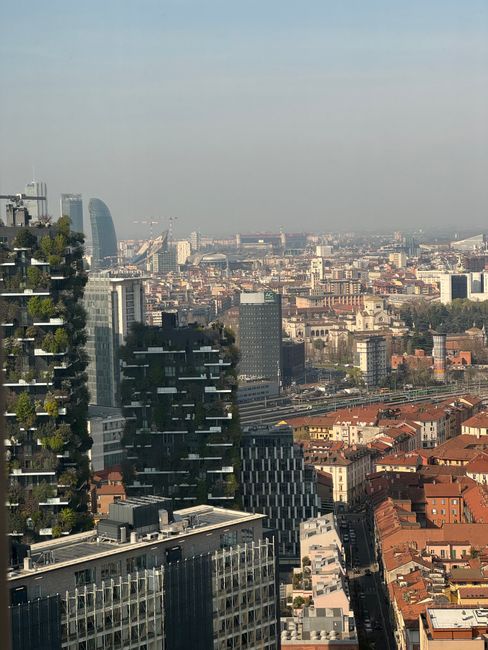
Milan is Italy’s most modern city, and it hides its treasures behind elegant façades: a marble cathedral whose rooftop you can walk among the spires, Leonardo da Vinci’s Last Supper on a refectory wall, the world’s most famous opera house, and courtyards and gardens glimpsed through palace doorways. It is a city of design, fashion and football, of long aperitivo evenings along the Navigli canals, and the gateway to Lake Como, an hour away by train. Give it two days for the highlights, three or four to add Brera, the museums and a day on the lake.
Right now in Milan
- Wed 15–22°C 59–71°F 14 mm Rain
- Thu 15–20°C 60–69°F 10 mm Rain
- Fri 14–20°C 57–69°F Clear
Weather: MET Norway (CC BY 4.0) · Rates: ECB
Top tours in Milan
See all tours for Milan →
From local operators, with prices and reviews; you check availability and book on Viator, our partner. We may earn a commission at no extra cost to you. How we earn money
Milan at a glance
- Best for: art and architecture, fashion and design shopping, aperitivo culture, opera, football and day trips to the lakes.
- How long: 2 days for the main sights, 3–4 with Lake Como or Bergamo.
- Best time: April to June and September to October. Summers are hot and humid; winters are cold and often foggy.
- Book ahead: The Last Supper, which sells out as soon as each quarterly batch of tickets is released, and the Duomo rooftop in busy months.
- Getting in: Malpensa Express train from Malpensa airport in about 50 minutes; metro M4 from Linate in about 12 minutes to San Babila.
- Before you go: entry rules, money, trains and general safety are on our Italy travel guide.
Milan’s neighbourhoods and who each one suits
Milan grew in rings around the Duomo, following the lines of its old walls and canals. The historic centre is compact and walkable; the four metro lines make everything else quick to reach.
Duomo and the centre
The cathedral square, the Galleria Vittorio Emanuele II, La Scala and the Royal Palace, with department stores and shopping streets radiating out. Central for sightseeing and well connected, but expensive and quiet after shops close.
Brera
Milan’s most charming district: cobbled lanes, art galleries, the Pinacoteca di Brera, the botanical garden, antique shops and pavement cafés. Lovely for a stroll and an evening out; hotels are boutique and pricey.
Quadrilatero della Moda
The “fashion quadrilateral” around Via Montenapoleone and Via della Spiga, where the great Italian fashion houses have their flagship stores in old palaces. Even window-shopping is a show, especially during fashion weeks.
Navigli and Porta Ticinese
The canal district in the south-west, with the Naviglio Grande and Naviglio Pavese lined with bars, restaurants and artisan shops. It is the city’s favourite aperitivo spot, with a big antiques market on the Naviglio Grande on the last Sunday of the month. Young, lively and noisy at night; nearby Porta Ticinese has the Roman columns of San Lorenzo, where students gather in the evening.
Porta Nuova, Isola and Città Studi
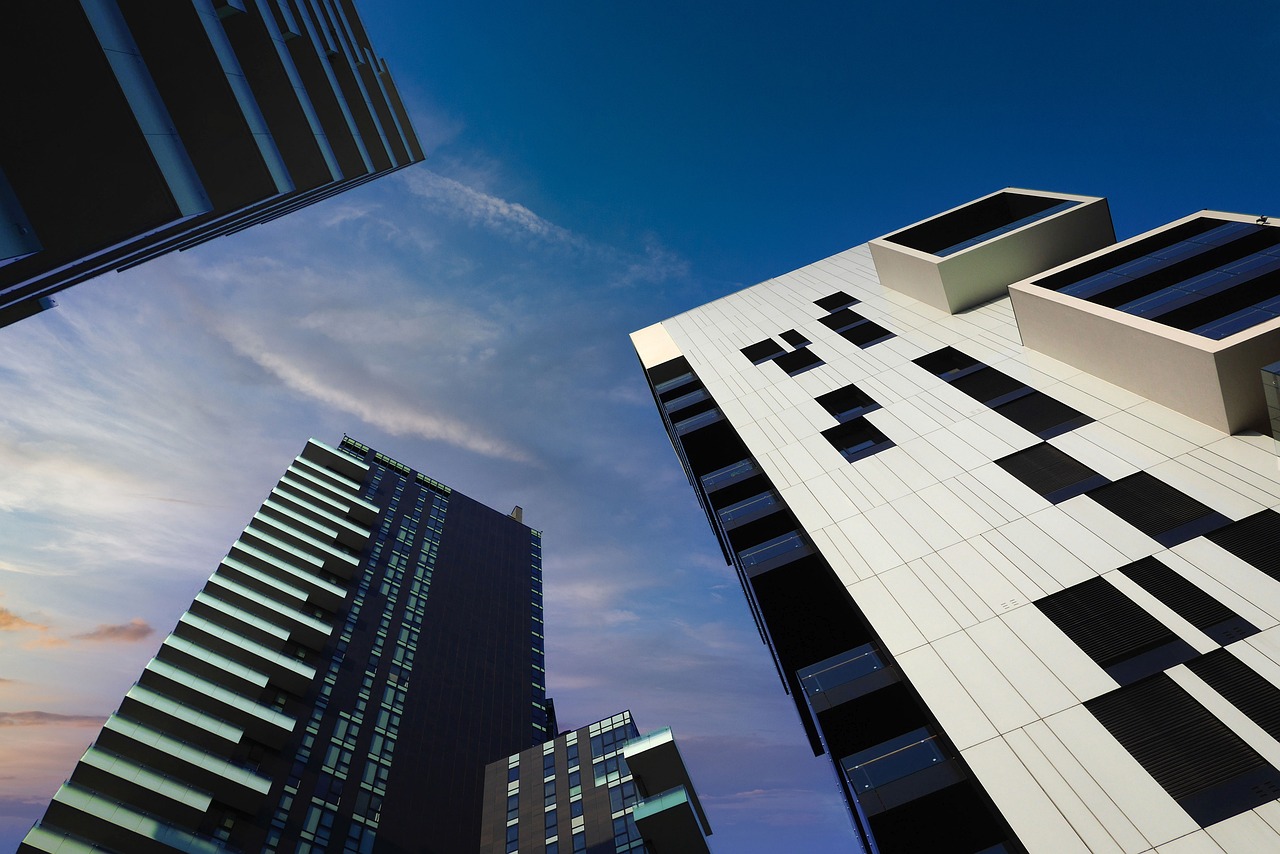
Modern Milan: the skyscrapers of Porta Nuova around Piazza Gae Aulenti, the plant-covered Bosco Verticale towers, and the Biblioteca degli Alberi park. Isola, just behind, is a former working-class district with bars and street art. Good for business travellers and close to Centrale and Garibaldi stations.
Top things to see in Milan
Prices and hours were checked on the official sites in October 2026; check again before you go. Many state museums, including the Last Supper museum and the Pinacoteca di Brera, close on Mondays.
The Duomo and its rooftop terraces
Milan’s cathedral took nearly six centuries to finish and is one of the largest churches in the world, a forest of white marble with some 3,400 statues and 135 spires, topped by the golden Madonnina. Inside, look for the stained glass and the gruesome statue of the flayed St. Bartholomew. The highlight is the rooftop terraces: you walk on the marble roof among the pinnacles, with the city below and, on clear days, the Alps on the horizon.
- Tickets: buy on the official site (duomomilano.it) or at the ticket office next to the cathedral. According to the Veneranda Fabbrica del Duomo’s latest published prices, the cathedral and Duomo Museum ticket costs €10 (€8 on Wednesdays, when the museum is closed), and the rooftop costs €16 on foot or €18 by lift, with reduced prices for children; combined passes cover the cathedral, rooftop and museum together. Check the current price when you book.
- Stairs or lift: the stairs have 251 steps; whichever way you go up, the way down from the rooftop is by stairs. Fast-track tickets have a dedicated lift.
- Rules: shoulders and knees covered for the cathedral, and airport-style security at the entrance; go early in the morning or late afternoon for shorter queues and the best light on the roof.
The Last Supper (Cenacolo Vinciano)
Leonardo da Vinci painted his Last Supper in the 1490s on the refectory wall of the Dominican convent next to Santa Maria delle Grazie. Because he experimented with paint on dry plaster, it began to flake within his lifetime, and today it is protected by climate-controlled airlocks and strict visitor limits. Seeing it is unforgettable, but it takes planning:
- Booking is compulsory for every ticket, including free ones, through the museum’s official site (cenacolovinciano.org, ticketing by Vivaticket) or its call centre. There is no walk-up queue.
- Tickets are released every three months: visits for September to December 2026 went on sale on 23 June 2026 at noon, and the next batch will follow the same pattern; watch the official site for the date. Popular slots go within hours. A small number of extra tickets are released closer to the date, so keep checking.
- The visit: 15 minutes in front of the painting, in small groups at fixed times. Arrive at least 15–20 minutes early with your booking and ID.
- Price and hours: as of October 2026 a full ticket costs about €15, €2 for EU visitors aged 18–25, and free for under-18s. The museum is open Tuesday to Sunday from 8:15 to 19:00 (last entry 18:45), closed on Mondays, 1 January and 25 December.
- Sold out? Licensed guided tours that include the Last Supper are sold by authorised tour operators at a higher price; book with well-reviewed companies. Beware of resellers offering “skip-the-line” entry at huge mark-ups.
Galleria Vittorio Emanuele II
Milan’s “living room”, a 19th-century shopping arcade with a glass-and-iron dome joining the Duomo square with La Scala. It is free to walk through, lined with luxury stores and historic cafés. Tradition says that spinning on your heel on the testicles of the bull in the floor mosaic brings good luck.
La Scala
The Teatro alla Scala, where Verdi and Puccini premiered their operas, has a plain exterior and a dazzling red-and-gold interior. The opera and ballet season opens every year on 7 December, the feast of Milan’s patron Sant’Ambrogio. Tickets go on sale months ahead on the theatre’s official site, but cheaper gallery seats and last-minute tickets are released for many performances. If you can’t catch a show, the La Scala Museum lets you peek into the auditorium from a box when there is no rehearsal.
More classic sights
- Pinacoteca di Brera: a superb collection of Italian painting, including Mantegna’s Dead Christ, Raphael’s Marriage of the Virgin and Hayez’s The Kiss.
- Sforza Castle: the Sforza dukes’ brick fortress, with free courtyards, several civic museums and Michelangelo’s last, unfinished sculpture, the Rondanini Pietà; Sempione Park stretches behind it.
- Sant’Ambrogio: the city’s oldest great basilica, founded by its patron saint in the 4th century.
- Biblioteca and Pinacoteca Ambrosiana: home to Leonardo’s Codex Atlanticus drawings and Caravaggio’s Basket of Fruit.
- Fondazione Prada and the Pirelli HangarBicocca: two big contemporary art spaces in former industrial sites.
- San Siro: the stadium shared by AC Milan and Inter, with a museum and tours on non-match days.
Other sights
- Galleria Vittorio Emanuele II
- La Scala
Churches and cathedrals
- Milan Cathedral
- Basilica of Sant'Ambrogio
Museums
- Pinacoteca di Brera
Castles and forts
- Sforza Castle
Monuments
Activities and best months
- City sightseeingFive musts: the Duomo with its rooftop terrace, Leonardo's Last Supper at Santa Maria delle Grazie, the Navigli canals, Sforza Castle with Michelangelo's Rondanini Pietà, and the Galleria Vittorio Emanuele II. · source
Other things to do in Milan
Aperitivo and the Navigli
Milan made the aperitivo an institution. From about 18:30, bars serve a drink (a spritz, a Negroni sbagliato, which was invented here, or a Campari, also born in Milan) with snacks, sometimes a whole buffet, for one price. The Navigli canals are the classic setting at sunset; Brera, Isola, Corso Como and Porta Venezia are good alternatives.
Eating Milanese
Try saffron risotto alla milanese, ossobuco (braised veal shank) and the cotoletta, a breaded veal chop, in a traditional trattoria; panzerotti from Luini near the Duomo; and panettone, which is Milanese, at Christmas. Milan also has some of Italy’s most exciting modern restaurants and every cuisine on earth. Lunch is fast on weekdays; dinner starts around 20:00.
Design, shopping and the Olympic legacy
Beyond the fashion district, look for design showrooms in Brera and around Corso Como, the Triennale design museum in Sempione Park, and vintage shops around Porta Ticinese. Milan co-hosted the 2026 Winter Olympic Games with Cortina d’Ampezzo in February 2026, and the new arenas and the athletes’ village have joined the city’s growing collection of regenerated districts.
Day trips from Milan: Lake Como and beyond
Lake Como
Lake Como is the classic day trip, and easy without a car. Regional trains from Milano Centrale reach Varenna-Esino, on the eastern shore, in about an hour, and Como San Giovanni in about 40 minutes; Trenord trains from Milano Cadorna run to Como Nord Lago, by the waterfront, in about an hour. From Varenna, public ferries cross in minutes to Bellagio and Menaggio, the three villages of the lake’s “centre”. Buy a day ticket for the central lake ferries, visit a villa garden such as Villa del Balbianello, Villa Carlotta or Villa Melzi, and come back for dinner in Milan. Ferries run less often from November to March, and Saturdays and Sundays in summer are very busy. A boat trip is the best way to see the villas from the water.
Bergamo, Lake Maggiore and Turin
Bergamo’s walled Città Alta, reached by funicular, is about 50 minutes away by train and one of Lombardy’s prettiest old towns. Lake Maggiore, with Stresa and the Borromean Islands’ palace and gardens, is about an hour by train. Turin, with its arcades, cafés and Egyptian Museum, is about an hour by high-speed train, and Verona about 1 hour 15. Venice (about 2 hours 25) is better with a night or two.
Nearby destinations
- Bergamo45 km
- Lake Como60 km
- Lugano63 km
- Lake Maggiore79 km
- Lake Garda116 km
- Genoa120 km
- St. Moritz125 km
- Turin126 km
Getting there and getting around
From the airports
- Malpensa (MXP): the Malpensa Express train runs from both terminals to Milano Cadorna (for the centre and metro lines M1 and M2) and to Milano Centrale via Porta Garibaldi, in about 50 minutes. As of October 2026 a single ticket costs about €13 online and €15 at the station. Coaches to Centrale are cheaper but slower in traffic, and taxis charge a fixed fare to the city.
- Linate (LIN): the city airport, 7 km from the centre. Metro line M4 links it with San Babila, near the Duomo, in about 12 minutes on a standard city ticket.
- Bergamo (BGY): used by many low-cost airlines; coaches run to Milano Centrale in about an hour, or take the bus to Bergamo station and a regional train.
By train
Milano Centrale, a vast monumental station, is the hub for Frecciarossa and Italo trains to Florence (about 1 hour 55), Rome (about 3 hours), Venice and Turin, and for international trains to Switzerland and France, including direct trains to Paris and Lyon when the line through the Alps is open. Some high-speed trains also stop at Porta Garibaldi or Rogoredo.
Metro, trams and tickets
Milan’s public transport, run by ATM, is fast and easy: five metro lines, including the driverless M4 and M5, and historic orange trams that still rattle through the centre. A standard ticket costs €2.20 and is valid for 90 minutes across the urban area, as of October 2026, and day passes are available. The easiest way to pay is to tap a contactless bank card or phone on the metro gates and tram validators: the system charges the right fare and caps it at the daily price. Keep the same card for every journey.
Driving: Area C and Area B
Milan has two camera-controlled zones that matter if you drive. Area C covers the historic centre inside the old ring of canals: entering by car costs €7.50 a day, from 7:30 to 19:30, and since January 2026 the charge applies on Saturdays and Sundays too, not only on weekdays (public holidays excluded). Pay online, in the city’s app or at authorised sellers, the same day or by the deadline given by the city; unpaid entries bring a fine of around €95 plus fees, which rental companies pass on. Some older or more polluting vehicles may not enter at all. Area B is a much larger low-emission zone covering most of the city, where older diesel and petrol vehicles are banned on weekdays. Rental cars are usually compliant, but you still pay the Area C charge. The simplest advice: leave the car outside the centre and use the metro.
When to go and how long to stay
Milan lies on the Po plain, with a continental climate: cold, damp, often foggy winters and hot, humid summers. The table uses the 1961–1990 climate normals of the Italian Air Force Meteorological Service for Milano Linate airport: average daily highs and lows, and days with rain.
| Season | Average high / low | Rainy days per month | What it’s like | Good for |
|---|---|---|---|---|
| Winter (Dec–Feb) | 5–8 °C / −2–0 °C | 6–7 | Cold and grey, with fog and occasional snow | Museums, La Scala, Christmas, sales |
| Spring (Mar–May) | 13–22 °C / 3–11 °C | 8–9 | Mild and fresh, sometimes showery | Walking, the lakes, Design Week |
| Summer (Jun–Aug) | 26–29 °C / 15–17 °C | 6–8 | Hot, humid and sticky, with thunderstorms | Aperitivo on the canals, lake days |
| Autumn (Sep–Nov) | 24 °C falling to 10 °C / 14 °C falling to 4 °C | 5–9 | Pleasant September, misty and wet November | Fashion week, the lakes, food |
These are long-term averages; recent summers have often been hotter, with days above 33 °C. In August many Milanese leave for the coast, and some restaurants and shops close for two or three weeks. Hotel prices jump during trade fairs, especially Design Week in April and the fashion weeks.
Events worth planning around
- February and September: Milan Fashion Week for women’s collections; men’s collections in January and June.
- April: the Salone del Mobile and Milan Design Week, with installations all over the city; book rooms months ahead.
- September: the Italian Formula 1 Grand Prix at Monza, just outside the city.
- 7 December: the feast of Sant’Ambrogio, a local holiday, with the Oh Bej! Oh Bej! street fair around the Sforza Castle and the glittering opening night of La Scala.
- December: Christmas markets, a giant tree in the Duomo square and panettone in every bakery.
How long to stay: 2-, 3- and 4-day plans
2 days: Day 1, the Duomo and its rooftop, the Galleria, La Scala and the fashion district, then dinner in Brera. Day 2, The Last Supper (if you have a booking), the Sforza Castle and Sempione Park, and an aperitivo on the Navigli.
3 days: add a day trip to Lake Como. 4 days: add the Pinacoteca di Brera, Porta Nuova and Isola, or a day in Bergamo or on Lake Maggiore.
Weather month by month
Averages from Aeronautica Militare normals 1991–2020, Milan Linate (airport) · Last reviewed 4 Oct 2026
Where to stay in Milan and the tourist tax
- Duomo and the centre: walk to all the main sights; expensive.
- Brera: charming, artistic and lively in the evening; boutique prices.
- Navigli and Porta Ticinese: nightlife and canal views; noisy on weekends.
- Centrale and Porta Garibaldi: best for trains and day trips, with many chain hotels; less atmosphere.
- Porta Venezia and Isola: local bars and restaurants, good metro links and better value.
Milan tourist tax (imposta di soggiorno): Milan’s rates rose for the 2026 Winter Olympics and were adjusted again from 1 April 2026. As of October 2026, the tax per person per night is about €12 in a 5-star hotel, €10 in a 4-star, €7 in a 3-star, €4 in a 2-star and €3 in a 1-star hotel, and €9.50 in B&Bs, holiday rentals and short lets. It is collected by your accommodation, and young children are exempt. For a couple in a 4-star hotel that adds €20 a night, so check whether the price you see includes it.
Practical tips for Milan
- Book The Last Supper the day tickets are released: set a reminder for the next quarterly release on the official site.
- Plan around Mondays: the Last Supper museum, the Pinacoteca di Brera and many museums are closed; the Duomo Museum closes on Wednesdays.
- Tap to ride: a contactless card on the metro gates is the simplest ticket.
- Watch your pockets on the metro, at the Duomo square and Centrale station; ignore anyone tying bracelets on your wrist or handing you pigeon feed in the square.
- Dress the part: Milanese dress smartly; you will feel more at home in neat, simple clothes, and you need covered shoulders and knees for the Duomo.
What to pack for Milan
Smart-casual clothes and comfortable but stylish shoes for long city walks. In winter, a warm coat, scarf and gloves for cold, foggy days; in summer, light breathable clothes, sunglasses and a refillable bottle, plus insect repellent for evenings by the canals. Bring a scarf or shawl and trousers or a knee-length skirt for the Duomo, layers and a light waterproof for Lake Como, where the weather changes fast near the mountains, and flat shoes with grip for the marble rooftop.
What to pack
- City walking shoesLisbon and Porto are steep, with polished limestone cobbles that get slippery, so grippy soles matter.
- Day packs and anti-theft bagsA small zipped or anti-theft bag makes crowded trams and viewpoints less stressful.
- Rain jacketsFrom October to April Porto and Lisbon see rain on roughly a third of days.
- Travel adapters and convertersPortugal uses Type C and F sockets at 230 V, so most visitors from outside Europe need an adapter.
Milan travel FAQ
How many days do you need in Milan?
Two days covers the Duomo, The Last Supper, the Galleria, La Scala and the Navigli. Three or four days lets you add Lake Como, Bergamo or the museums at an easy pace.
How do I get tickets for The Last Supper?
Book on the official site, cenacolovinciano.org, or by phone. Tickets are released in blocks of a few months (September to December 2026 went on sale on 23 June 2026; extra tickets go online every Wednesday at noon) and sell out fast. Visits last 15 minutes. If you miss out, check for extra releases or book a licensed guided tour.
How much does The Last Supper cost?
As of October 2026, about €15 for adults, €2 for EU visitors aged 18–25, and free for under-18s, always with a compulsory booking. Guided tours cost more.
Is the Duomo rooftop worth it, and should I take the stairs or the lift?
Yes, walking among the spires is one of Milan’s highlights. The stairs (251 steps) are cheaper than the lift; either way, you come down by stairs. Go early or late for the best light and fewer people.
Is there a dress code for Milan Cathedral?
Yes. Shoulders and knees must be covered, and staff turn away visitors in shorts, short skirts or sleeveless tops. Carry a scarf in summer.
How do I get from Malpensa airport to Milan?
The Malpensa Express train reaches Cadorna or Centrale in about 50 minutes, for about €13 online. Coaches to Centrale are cheaper but slower; taxis charge a fixed fare to the city.
How do I get from Linate airport to the city centre?
Take metro line M4 to San Babila, near the Duomo, in about 12 minutes on a standard €2.20 city ticket, or tap your contactless card at the gate.
Can I visit Lake Como as a day trip from Milan?
Yes. Trains from Milano Centrale reach Varenna in about an hour; from there, ferries cross to Bellagio and Menaggio. Como town is about 40 minutes away. Leave early, especially on summer weekends.
What is Area C in Milan?
A congestion charge zone in the historic centre. Driving in costs €7.50 a day between 7:30 and 19:30, every day including weekends since January 2026, except public holidays. Unpaid entries are fined automatically.
How much is the Milan tourist tax in 2026?
About €10 per person per night in a 4-star hotel and €12 in a 5-star since April 2026; €7 in a 3-star and €9.50 in B&Bs and holiday rentals. It is paid at your accommodation.
What is the best time to visit Milan?
April to June and September to October. Avoid Design Week and fashion weeks if you want lower hotel prices; August is hot and some places close; winter is cold but good for museums and opera.
Is Milan safe for tourists?
Yes. Watch for pickpockets on the metro, around Centrale station and in the Duomo square, and ignore street sellers who press bracelets or birdseed on you. Call 112 in an emergency.
Sources
- © OpenStreetMap contributors · ODbL · fetched 4 Oct 2026
- Wikidata · CC0 · fetched 4 Oct 2026
Sources and last review
Researched and last reviewed on 3 October 2026. The Last Supper booking rules and hours: the Cenacolo Vinciano museum (cenacolovinciano.org); Duomo prices: the Veneranda Fabbrica del Duomo di Milano; climate: Italian Air Force Meteorological Service 1961–1990 normals for Milano Linate; train times: Trenitalia, Italo and Trenord. The Last Supper price, the Malpensa Express fare, ATM fares, Area C weekend rules and fine, and the tourist tax rates come from secondary sources and are flagged for checking. Prices, hours and timetables change, so check the official links before you go. For entry rules, money and general safety, see our Italy travel guide.
Plan your trip
Partner links: TravelerCenter may earn a commission if you book, at no extra cost to you.
🇮🇹 Useful Italian phrases for Milan
All 38 Italian phrases: restaurant, hotel, emergencies, romance (printable) →