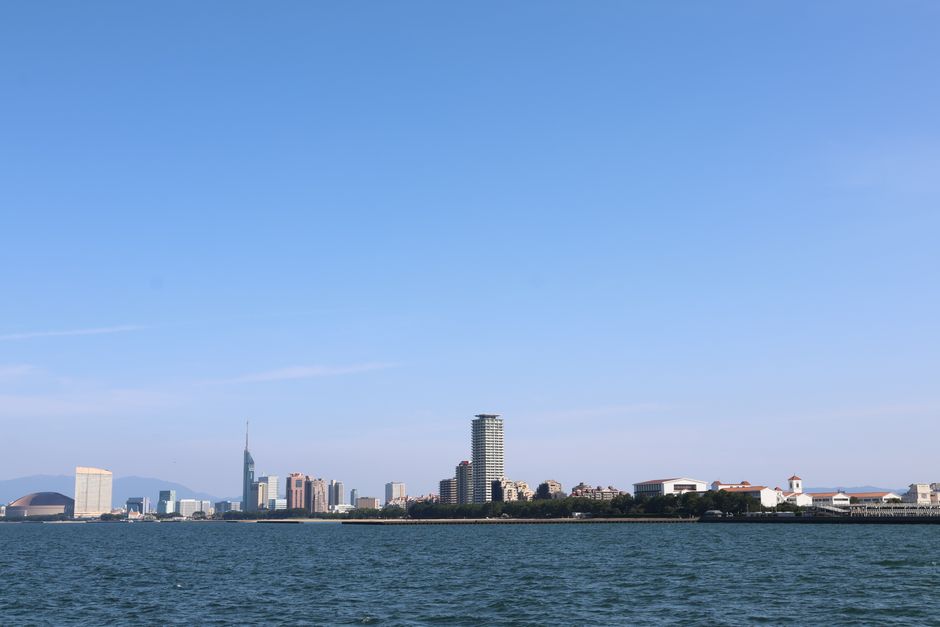
Fukuoka is the gateway to Kyushu, Japan’s southern main island, and one of the country’s most livable cities: compact, by the sea, young and relaxed, with an airport just two subway stops from the center. It is best known for its food, above all the creamy tonkotsu pork-bone ramen of Hakata and the open-air yatai food stalls that set up along the river every evening. Come for a few days of eating, shrines, beaches and festivals, then use it as a base for Dazaifu, Nagasaki, the hot springs of Beppu and Yufuin, or the ferry to Korea. The best months are March to May and October to November; the rainy season usually runs from early June to mid-July, summers are hot and humid, and typhoons are possible from July to October.
Right now in Fukuoka
- Wed17–22°C62–71°F1 mm rain
- Thu14–24°C57–75°FClear
- Fri15–27°C60–80°FMostly clear
- Mon 12 Oct Sports Day (スポーツの日)
Top tours in Fukuoka
See all tours for Fukuoka →
From local operators, with prices and reviews; you check availability and book on Viator, our partner. We may earn a commission at no extra cost to you. How we earn money
Fukuoka at a glance
- Best for: ramen and street food, yatai stalls, festivals, city beaches, and trips around Kyushu.
- How long: 2–3 days for the city and Dazaifu; a week to tour northern Kyushu.
- Best time: March to May and October to November, with highs of about 15–24 °C (59–75 °F).
- Getting there: Fukuoka Airport (FUK) is about 5 minutes by subway from Hakata Station; Hakata is about 1 hour from Hiroshima and 2.5 hours from Shin-Osaka by shinkansen.
- Getting around: three subway lines, Nishitetsu buses and trains, all paid with IC cards; the center is walkable.
- Fees to know: Fukuoka’s accommodation tax is ¥200 per person per night, or ¥500 for rooms from ¥20,000.
- Before you go: entry rules, rail passes, money and general safety are in our Japan travel guide; see also our Hiroshima guide.
Fukuoka in brief
For two thousand years this has been Japan’s door to the Asian mainland. Hakata was a trading port with China and Korea long before Tokyo existed, and Mongol fleets landed here in 1274 and 1281, when samurai built a stone defensive wall along the bay whose remains can still be seen. In 1601 the Kuroda lords built Fukuoka Castle across the river, creating a samurai town beside the merchant town; the two merged as Fukuoka City in 1889, but the main station and the local food and festivals still carry the Hakata name. Today about 1.6 million people live here, and it is one of Japan’s fastest-growing cities.
Fukuoka’s areas and where to stay
Fukuoka has two centers: Hakata, the old merchant town around the main station, and Tenjin, the shopping and business district to the west, about 10 minutes apart by subway or a 25-minute walk. Between them, on an island in the Naka River, lies Nakasu.
Hakata
The station area, with the shinkansen, department stores, the subway to the airport, many hotels, and the old temple district of Gion nearby, home to Kushida Shrine and the city’s oldest Zen temples. The most convenient base for train travel.
Tenjin and Daimyo
Fukuoka’s shopping heart, with department stores, underground malls and the Nishitetsu railway to Dazaifu and Yanagawa. Next door, Daimyo’s backstreets are full of independent shops, cafés and bars. A good base for food and nightlife.
Nakasu
The riverside entertainment district, famous for the yatai stalls lining its banks at night and for its bars, some of them adult venues; hotels here are central but the area is busy late.
Momochi and the seaside
The waterfront to the west, with Fukuoka Tower, the PayPay Dome baseball stadium, Momochi Seaside Park’s artificial beach and resort-style hotels.
Top things to see in Fukuoka
The yatai food stalls
Fukuoka has more yatai, small open-air stalls with a counter and a few stools, than any other city in Japan. They open around 6 p.m., weather permitting, along the river in Nakasu, in Tenjin and around Nagahama, and serve ramen, yakitori, oden, gyoza and drinks. Seats are few, so expect to wait and squeeze in. Most stalls display their prices and some take cards; order at least one dish and one drink per person, don’t linger too long when people are waiting, and don’t bring food or drinks from elsewhere. Many stalls have English menus, and a few are run by younger chefs serving French or Italian dishes as well as the classics.
Kushida Shrine and the old Hakata temples
Kushida Shrine, the guardian shrine of Hakata, displays one of the giant decorated floats of the Hakata Gion Yamakasa festival all year. Nearby, Tocho-ji has a large wooden seated Buddha, and Shofuku-ji, founded in 1195, is known as Japan’s first Zen temple. The quiet streets between them are called the Hakata Old Town.
Ohori Park and the Fukuoka Castle ruins
A large park around a lake, with a walking path of about 2 km (1.2 miles), a Japanese garden and the Fukuoka Art Museum. Next to it, the stone walls and turrets of Fukuoka Castle, also called Maizuru Castle, overlook the city, and the grounds are one of the best places for cherry blossoms.
Canal City Hakata
A colorful shopping and entertainment complex built around a canal, with water shows, a cinema and Ramen Stadium, a floor of ramen shops from around Japan.
Fukuoka Tower and Momochi Seaside Park
The 234 m (768 ft) tower, the tallest seaside tower in Japan, has a deck with views over Hakata Bay, beautiful at sunset. Below it, Momochi beach and the Marizon pier are good for an evening walk.
More classic sights
- Fukuoka Asian Art Museum: modern and contemporary art from across Asia, in the Riverain building in Hakata.
- Hakata Machiya Folk Museum: traditional crafts such as Hakata dolls and Hakata-ori weaving, opposite Kushida Shrine.
- Nokonoshima: a small island 10 minutes by ferry from Meinohama, with a flower park, best in spring and fall.
- Uminonakamichi Seaside Park: a big park on a sandbar across the bay, with flower fields, an aquarium and cycling paths.
- Fukuoka City Museum: home of the gold seal, a National Treasure sent from Han dynasty China in the year 57.
Museums
- Fukuoka Asian Art Museum
- Fukuoka City Museum
Churches and cathedrals
- Kushida Shrine
- Shōfuku-ji Temple
- Tōchō-ji Temple
Other sights
- Canal City Hakata
Parks and gardens
- Fukuoka Castle
- Ōhori Park
Viewpoints
- Fukuoka Tower
Other things to do in Fukuoka
Food and drink
Hakata ramen has a rich, milky pork-bone broth with thin, firm noodles; order your noodles’ firmness, and ask for kaedama, a second serving of noodles, to add to your remaining soup. Also try motsunabe, a hot pot of beef offal, cabbage and garlic; mizutaki, chicken simmered in a clear broth; mentaiko, spicy cod roe, sold everywhere as a souvenir; and bite-sized Hakata gyoza. Kyushu is shochu country, and the local craft beer and sake are good too.
Beaches and the coast
Momochi beach is in the city; for cleaner sand and surf cafés, head to the Itoshima coast, about 40 minutes west, with its torii gate in the sea at Futamigaura. See our guide to beaches.
Festivals and sport
The Hakata Gion Yamakasa (July 1–15) ends with teams of men racing huge floats through the streets at dawn on July 15. The Hakata Dontaku parade, on May 3 and 4, is one of Japan’s largest by attendance. The November sumo tournament is held in Fukuoka, and the SoftBank Hawks play baseball at the PayPay Dome.
Day trips from Fukuoka
- Dazaifu: Dazaifu Tenmangu, the shrine of the god of learning, with thousands of plum trees, and the Kyushu National Museum, about 30–40 minutes by Nishitetsu train from Tenjin.
- Yanagawa: punt-boat rides along the canals of an old castle town and steamed eel, about 50 minutes by Nishitetsu.
- Itoshima: beaches, cafés and the “wedded rocks” at Futamigaura, about 40 minutes by train and bus or car.
- Nagasaki: a harbor city of Dutch, Chinese and Portuguese history and its Peace Park, about 1.5 hours by limited express and the Nishi-Kyushu Shinkansen.
- Beppu and Yufuin: famous hot spring towns, about 2 to 2.5 hours by limited express or bus.
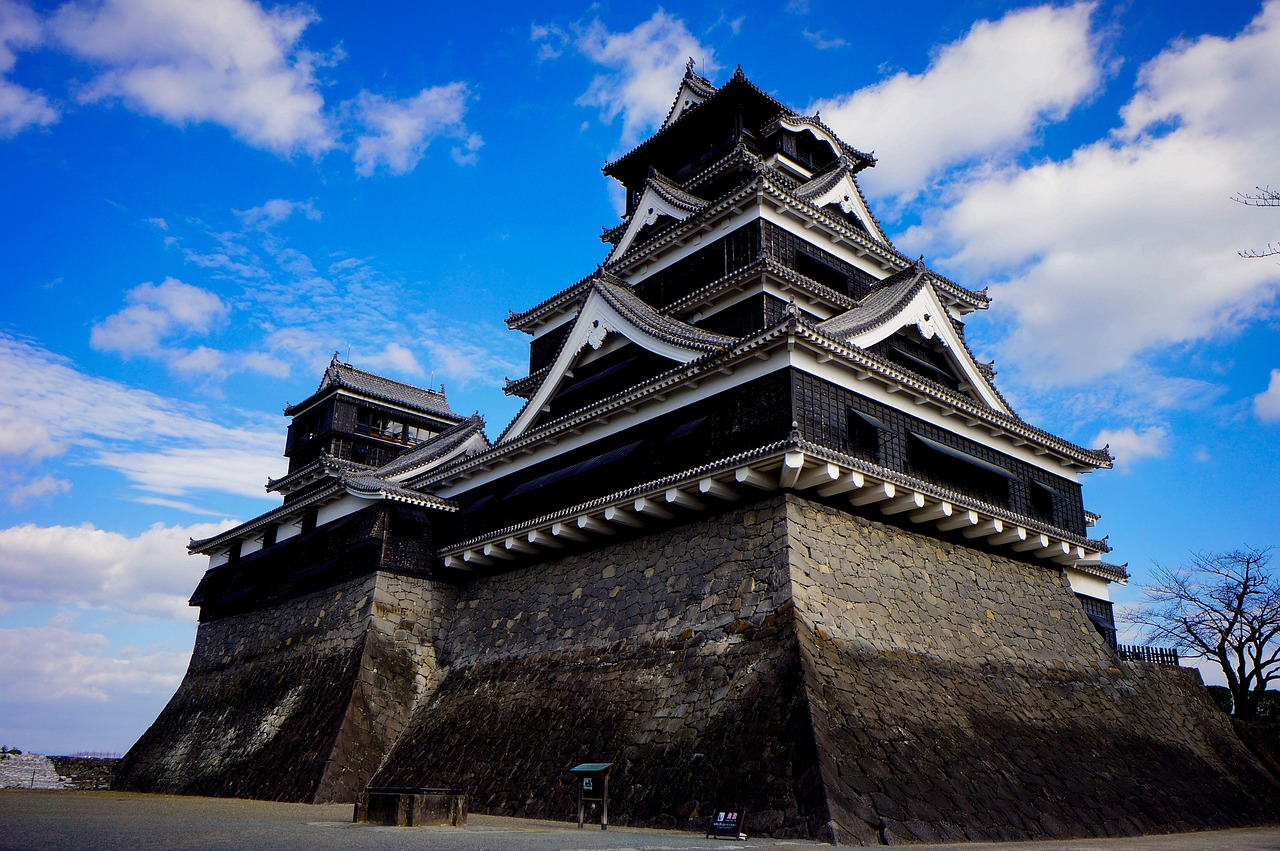
- Kumamoto: Kumamoto Castle and Suizenji garden, about 35–50 minutes by shinkansen.
- Hiroshima: about 1 hour by shinkansen. See our Hiroshima guide.
Nearby destinations
Getting there and getting around
Fukuoka Airport and the shinkansen
Fukuoka Airport (FUK) is one of the most conveniently located in the world: the subway runs from the domestic terminal to Hakata Station in about 5 minutes and to Tenjin in about 11. The international terminal is on the other side of the runway, linked by a free shuttle bus or direct buses to Hakata. Hakata Station is the terminus of the Sanyo Shinkansen from Osaka and Hiroshima (about 2 hours 30 minutes from Shin-Osaka and about 5 hours from Tokyo) and the start of the Kyushu Shinkansen to Kumamoto and Kagoshima. High-speed and overnight ferries link Hakata Port with Busan in South Korea.
Rail passes
The nationwide Japan Rail Pass (¥50,000 (about US$315) for 7 days on the official site as of October 2026) covers the shinkansen, but Nozomi and Mizuho trains need an extra ticket (¥4,960 (about US$31) from Shin-Osaka to Hakata). For Kyushu alone, JR Kyushu’s passes are better value: as of October 2026, the Northern Kyushu Rail Pass costs ¥15,000 (about US$95) for 3 days or ¥17,000 for 5 days, covering Fukuoka, Nagasaki, Kumamoto, Beppu and Yufuin, and the All Kyushu Rail Pass costs ¥22,000 (about US$140) for 3 days.
Subway, buses and IC cards
Three subway lines link the airport, Hakata, Tenjin, Nakasu and the west, and Nishitetsu buses fill the gaps, including routes to the waterfront. Pay with the local Hayakaken, nimoca or SUGOCA cards, or any Japanese IC card such as Suica, or a phone. The center is flat and easy to walk or cycle.
When to go and how long to stay
The table uses the Japan Meteorological Agency’s (JMA) 1991–2020 normals for its Fukuoka station: average daily highs and lows, total rain and days with at least 1 mm of rain.
| Month | Average high / low | Rain (days with 1 mm or more) | What to expect |
|---|---|---|---|
| January | 10 °C (50 °F) / 4 °C (39 °F) | 74 mm (2.9 in), 9 days | Cool, often cloudy, occasional snow flurries |
| February | 12 °C (53 °F) / 4 °C (40 °F) | 70 mm (2.7 in), 9 days | Cool; plum blossoms at Dazaifu |
| March | 15 °C (59 °F) / 7 °C (45 °F) | 104 mm (4.1 in), 10 days | Cherry blossoms usually open around Mar 22 (JMA normal) |
| April | 20 °C (68 °F) / 12 °C (53 °F) | 118 mm (4.7 in), 10 days | Full bloom around the start of April; pleasant and dry |
| May | 24 °C (76 °F) / 16 °C (61 °F) | 134 mm (5.3 in), 9 days | Warm and sunny; Hakata Dontaku on May 3–4 |
| June | 27 °C (81 °F) / 20 °C (69 °F) | 250 mm (9.8 in), 12 days | Rainy season usually from about June 4 (JMA normal for northern Kyushu); heavy rain possible |
| July | 31 °C (88 °F) / 25 °C (76 °F) | 299 mm (11.8 in), 11 days | The wettest month; Hakata Gion Yamakasa July 1–15; rainy season usually ends around July 19 |
| August | 32 °C (90 °F) / 25 °C (78 °F) | 210 mm (8.3 in), 10 days | Hot and humid; typhoons possible |
| September | 29 °C (83 °F) / 22 °C (71 °F) | 175 mm (6.9 in), 10 days | Still warm; typhoons most likely now and in August |
| October | 24 °C (75 °F) / 16 °C (61 °F) | 94 mm (3.7 in), 7 days | Pleasant and dry; good for day trips |
| November | 18 °C (65 °F) / 11 °C (51 °F) | 91 mm (3.6 in), 8 days | Mild; sumo tournament; fall colors late in the month |
| December | 13 °C (55 °F) / 6 °C (42 °F) | 68 mm (2.7 in), 8 days | Cool; winter illuminations |
Fukuoka gets about 1,690 mm (66 in) of rain a year, with almost a third of it in June and July. The JMA’s normal rainy season for northern Kyushu runs from about June 4 to July 19 (in 2026, about June 2 to July 7); downpours in this season have caused floods and landslides in the region. Winters are mild by Japanese standards, with January highs around 10 °C (50 °F).
Weather month by month
Cherry blossoms and fall colors: the JMA’s normal date for the first cherry blossoms in Fukuoka is March 22, with full bloom around March 31; in 2026 they opened on March 24. The maples at the JMA’s Fukuoka station normally turn around December 1.
Typhoons: according to the JMA’s 1991–2020 normals, about four typhoons a year come close to northern Kyushu, most of them in July, August and September. Flights, ferries and trains may stop for a day.
2 days in Fukuoka
Day one, Kushida Shrine, Tocho-ji and Shofuku-ji in Hakata, Canal City, then a yatai dinner in Nakasu. Day two, Dazaifu in the morning, Ohori Park and the castle ruins in the afternoon, Fukuoka Tower at sunset and ramen in Tenjin.
A week in northern Kyushu
Add Yanagawa, two days in Nagasaki, a night in Beppu or Yufuin and a day at Kumamoto Castle, ideally with a Northern Kyushu Rail Pass.
Where to stay in Fukuoka and the accommodation tax
- Hakata Station: the most convenient for trains and the airport.
- Tenjin: for shopping, food and nightlife.
- Nakasu: central and close to the yatai, but busy at night.
- Momochi: seaside hotels for a resort feel.
Fukuoka charges an accommodation tax per person per night at hotels, ryokan and registered private rentals. According to the City of Fukuoka, the rate is ¥200 for rooms under ¥20,000 per person per night and ¥500 from ¥20,000, each including ¥50 for Fukuoka Prefecture, which the city collects on its behalf. Hot spring hotels charge a reduced bathing tax of ¥50 per night.
What a trip to Fukuoka costs
Prices are approximate, for October 2026, converted at about ¥158 to the US dollar.
| Item | Typical cost |
|---|---|
| Bowl of Hakata ramen | ¥800–1,300 (about US$5.1–8.2) |
| Yatai snacks and a drink | ¥2,000–4,000 (about US$13–25) |
| Motsunabe or mizutaki dinner | ¥3,000–6,000 (about US$19–38) |
| Subway from the airport to Hakata | ¥260 (about US$1.6) |
| Nishitetsu train to Dazaifu | ¥400–500 (about US$2.5–3.2) |
| Business hotel double, per night | ¥9,000–18,000 (about US$57–115) |
| Accommodation tax (room under ¥20,000 per person) | ¥200 (about US$1.3) per person per night |
Practical tips for Fukuoka
- Yatai: they close in bad weather and on some days of the week; arrive early or late to get a seat.
- Airport terminals: the subway serves only the domestic terminal; allow time for the shuttle to international flights.
- Cash: most places take cards, but some yatai and small shops prefer cash.
- Visitor hotline: the JNTO’s Japan Visitor Hotline, 050-3816-2787, answers in English 24 hours a day.
Safety
Fukuoka is safe and easy to walk at night. In Nakasu, ignore touts and agree prices before you order in bars. The main hazards are natural: heavy rain in the rainy season, typhoons from July to October, and heat in July and August. Japan is earthquake country: take cover in strong shaking, follow staff instructions, and install the JNTO’s Safety Tips app. On the beaches, swim only where lifeguards are on duty in July and August, and watch for jellyfish late in summer. In an emergency, call 110 for the police or 119 for an ambulance or fire.
What to pack for Fukuoka
Light, breathable clothes and a folding umbrella from June to September, layers for spring and fall, a light coat in winter, swimwear for the beaches in summer, and comfortable shoes. Japan uses 100 V and two-pin type A plugs like the US.
Fukuoka travel FAQ
How many days do I need in Fukuoka?
Two to three days for the city, the yatai and Dazaifu; a week to add Nagasaki, Beppu or Kumamoto.
How do I get from Fukuoka Airport to the city?
From the domestic terminal, the subway reaches Hakata Station in about 5 minutes and Tenjin in about 11. From the international terminal, take the free shuttle bus or a direct bus.
What is a yatai?
A small open-air food stall with a counter and stools, serving ramen, yakitori and drinks in the evening, mostly along the river in Nakasu and in Tenjin.
How much is Fukuoka’s accommodation tax?
¥200 per person per night for rooms under ¥20,000 and ¥500 from ¥20,000, including the prefecture’s ¥50.
What food is Fukuoka famous for?
Hakata tonkotsu ramen, motsunabe, mizutaki, mentaiko and small Hakata gyoza.
Is the JR Kyushu pass worth it?
If you tour Kyushu, yes: the Northern Kyushu Rail Pass costs ¥15,000 for 3 days as of October 2026, less than a round trip from Fukuoka to Nagasaki and Beppu.
When is the Hakata Gion Yamakasa?
July 1 to 15 every year, ending with the float race at dawn on July 15.
When is the rainy season in Fukuoka?
The JMA’s normal for northern Kyushu is about June 4 to July 19; June and July are the wettest months.
Can I visit South Korea from Fukuoka?
Yes, ferries run from Hakata Port to Busan, and there are short flights from Fukuoka Airport.
Is Fukuoka worth visiting?
Yes, especially for food lovers: it is relaxed, affordable and easy to get around, with the sea on its doorstep.
Plan your trip
Partner links: TravelerCenter may earn a commission if you book, at no extra cost to you.
🇯🇵 Useful Japanese phrases for Fukuoka
All 38 Japanese phrases: restaurant, hotel, emergencies, romance (printable) →
Sources · last reviewed 4 October 2026
Researched and last reviewed on 4 October 2026. Accommodation tax: the City of Fukuoka; climate normals, rainy season, typhoon statistics and cherry blossom and maple dates: the Japan Meteorological Agency (JMA); JR Pass and Mizuho ticket: the official Japan Rail Pass website; Kyushu passes: JR Kyushu; visitor hotline: JNTO; exchange rate: the US Federal Reserve. Journey times, sight descriptions, festival dates, fares and typical prices are general references or estimates, flagged for checking. Prices and hours change, so check the official sites before you go. For entry rules, money and general safety, see our Japan travel guide.
Also: JMA normals 1991–2020, Fukuoka (climate)
Data: Weather: MET Norway (CC BY 4.0) · Sea temperature: NOAA CoastWatch · Air quality: OpenAQ · Rates: ECB · Holidays: Nager.Date · Costs: World Bank ICP and price levels · © OpenStreetMap contributors (ODBL) · Wikidata (CC0)