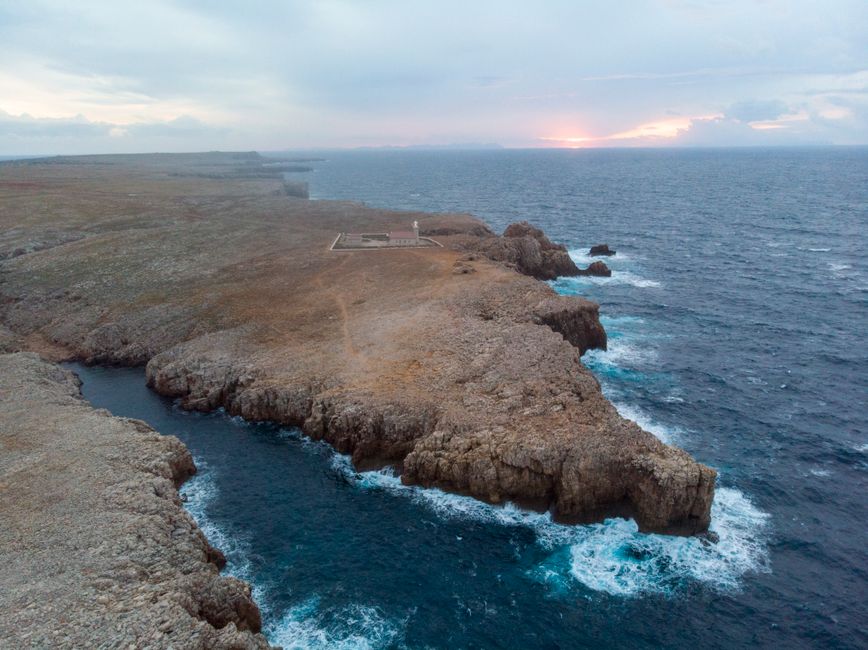
Menorca is the quiet, green one of the Balearic Islands: a low, stone-walled island of farms, pine woods and white villages, ringed by more than a hundred beaches and coves of pale sand and startlingly clear water. It has been a UNESCO Biosphere Reserve since 1993, and in 2023 its prehistoric Talayotic sites joined the World Heritage list. There are two towns with real character: Maó (Mahón), the capital, above one of the longest natural harbours in the Mediterranean, and Ciutadella, the old capital in the west, with a cathedral, palaces and a tiny fjord-like port. Linking them all is the Camí de Cavalls, a 185 km coastal path that goes right round the island. Menorca suits families, walkers, cyclists and anyone who prefers a swim in a quiet cove to a nightclub. The best months are June and September; May and October are lovely for walking.
Right now in Menorca (Maó)
- Wed 21–25°C 69–76°F 4 mm Light showers
- Thu 20–24°C 69–74°F 4 mm Showers
- Fri 19–21°C 66–69°F Clear
- Mon 12 Oct National Day of Spain (Fiesta Nacional de España)
Weather: MET Norway (CC BY 4.0) · Sea temperature: NOAA CoastWatch · Rates: ECB · Holidays: Nager.Date
Top tours in Menorca
See all tours for Menorca →
From local operators, with prices and reviews; you check availability and book on Viator, our partner. We may earn a commission at no extra cost to you. How we earn money
Menorca at a glance
- Best for: quiet coves and beaches, coastal walking and cycling, prehistoric monuments, sailing and slow family holidays.
- How long: 4–5 days covers both towns, a few coves and a Talayotic site; a week or more lets you walk part of the Camí de Cavalls and explore the wilder north.
- Best time: June and September for swimming without the August crowds; May and October for walking. From November to April many hotels and restaurants close.
- Getting there: flights to Menorca Airport, about 5 km from Maó; ferries from Barcelona to Maó and Ciutadella, and from Alcúdia on Mallorca to Ciutadella.
- Getting around: island buses run by the Consell Insular de Menorca, with extra beach buses in summer; a car or e-bike gives the most freedom.
- Before you go: entry rules, money, trains and general safety are on our Spain travel guide.
Menorca’s towns and who each one suits
Menorca is only about 50 km from end to end, and the main road runs from Maó in the east to Ciutadella in the west, through the inland towns of Alaior, Es Mercadal and Ferreries. The north coast is rugged and reddish; the south coast has the classic pine-backed coves. Where you stay shapes your trip.
Maó (Mahón) and Es Castell
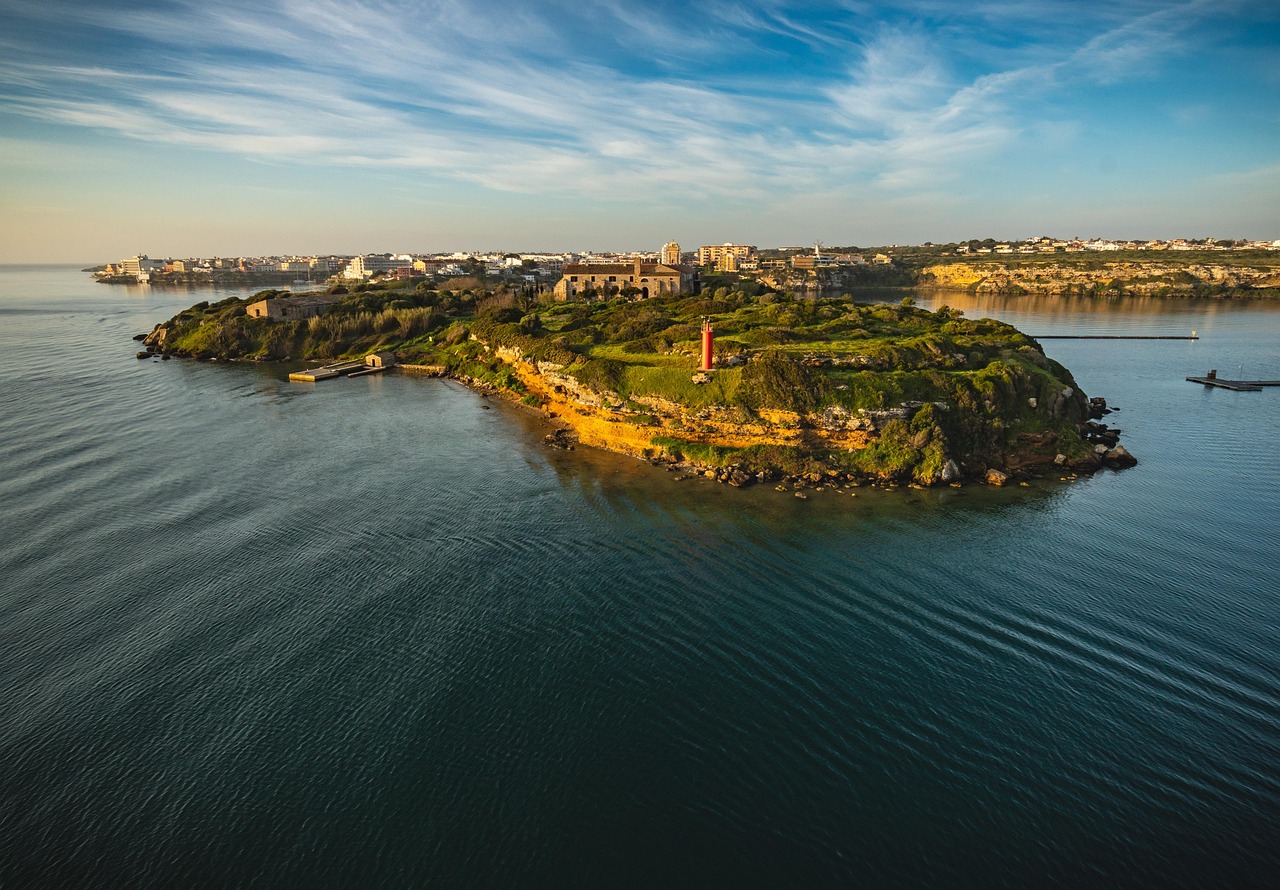
The capital sits on a cliff above its long, deep harbour, with Georgian sash windows left by the 18th-century British occupation, a lively fish market in a cloister, and waterfront restaurants along the port below. Neighbouring Es Castell, at the harbour mouth, is smaller and calmer, with the little inlet of Cales Fonts. A good base for first-timers without a car: the airport, the main bus station and the east-coast beaches are all close.
Ciutadella
The former capital is the island’s most beautiful town: honey-coloured stone, arcaded streets (Ses Voltes), a Gothic cathedral, noble palaces and a narrow port where restaurants spill onto the quay. It is the base for the famous south-west coves of Macarella and Cala en Turqueta, and for sunsets at the Punta Nati lighthouse. Ideal for couples and anyone who likes to walk out to dinner.
Fornells and the north
Fornells is a whitewashed fishing village on a large, sheltered bay that is perfect for learning to windsurf, paddleboard or kayak, and it is known across Spain for its lobster stew, caldereta de llagosta. Around it the north coast is wild and windswept, with red-sand beaches such as Cala Pregonda and the Cavalleria lighthouse. Best for active travellers and those who want peace.
South-coast resorts
Cala Galdana, Son Bou, Sant Tomàs, Binibeca and Cala en Porter are low-rise resorts beside sandy bays, with hotels and apartments a short walk from the sea. They suit families with small children who want a beach on the doorstep. Many close from late October to April.
Top things to see in Menorca
Prices and hours below were checked on the official sites in October 2026, unless we say otherwise; check again before you go. Many smaller sites close or shorten their hours from November.
Maó harbour
The port of Maó runs about 5 km inland from the sea, and its history is the history of the island: Spanish, British and French fleets fought over it for a century. Take a glass-bottomed harbour cruise from the quay to see the Illa del Rei with its old naval hospital, the quarantine island of the Lazaretto and the huge 19th-century Fortress of Isabel II on La Mola, at the harbour mouth. Back in town, climb the steps to the Carme cloister market and the church of Santa Maria, and try the local gin, a British-era tradition still distilled by the port.
Ciutadella old town
Start in Plaça des Born, the grand square above the port, with the town hall, the obelisk and the palaces of the old nobility, then wander through the arcades of Ses Voltes to the cathedral, built in the 14th century on the site of a mosque. In the evening, walk down to the port for dinner by the water. On the night of 23–24 June the town hosts the Festes de Sant Joan, with horses rearing through the crowds, the island’s most famous festival.
Talayotic Menorca: the prehistoric sites
Menorca has one of the densest collections of prehistoric monuments in the world: the island’s Talayotic agency counts 1,586 archaeological sites in just over 700 km². In 2023 UNESCO inscribed “Talayotic Menorca” on the World Heritage list for its villages, burial monuments and T-shaped sanctuaries built by Bronze and Iron Age islanders. The highlights are the Naveta des Tudons, a stone tomb shaped like an upturned boat, near Ciutadella; the large hilltop village of Torre d’en Galmés near Alaior; and the villages of Talatí de Dalt and Trepucó near Maó. As of October 2026 the island’s tourism foundation sells guided visits to Torre d’en Galmés (about 75 minutes, maximum 20 people) for €10 for over-15s, €5 for ages 8–15 and €6 for over-65s, free for under-8s; book on menorca.es. The Naveta des Tudons charges a small fee in the main season and is usually free to visit from November to April, according to secondary sources; you cannot go inside. The Consell has said that access to Talatí is changing from 6 October 2026 because of road works on the Me-1.
The coves of the south
The postcard image of Menorca is a small bay of white sand and turquoise water between pine-covered cliffs. The most famous, Macarella and its little sister Macarelleta, and Cala en Turqueta, are west of Cala Galdana and are protected as “virgin beaches” with no buildings. In summer access is regulated by the Consell Insular: the road to Macarella is served by a public shuttle, the Bus Macarella from Ciutadella, and the car parks at Cala en Turqueta, Son Saura and La Vall have fixed spaces and close when full. The Consell’s mobility site, Mou-t Menorca, shows their live status. As of October 2026 the 2026 shuttle season ran until 30 September, 8:25–19:45, at €4.60 one way or €8.40 return. In October you can usually drive and park, but arrive early and bring water: there are few or no services. Further east, Cala Mitjana, Trebalúger and Binigaus are reached on foot along the Camí de Cavalls.
Monte Toro and the interior
At 358 m, Monte Toro above Es Mercadal is the island’s highest point, crowned by a sanctuary and a statue of Christ, with views over the whole island on a clear day. A winding road climbs to the top. Down in Es Mercadal, try the almond biscuits, and in Alaior the island’s Mahón-Menorca cheese.
More to see
- Fornells: the bay, the 17th-century watchtower above the harbour mouth and a long lunch of lobster stew.
- Favàritx lighthouse: a black-and-white tower on bare slate cliffs in the S’Albufera des Grau natural park; in summer a shuttle bus runs from Maó.
- S’Albufera des Grau: the lagoon and wetland at the core of the Biosphere Reserve, with easy birdwatching trails from Es Grau.
- Binibeca Vell: a whitewashed “fishing village” built in the 1970s, pretty but busy; residents ask for quiet.
- Cova d’en Xoroi: a cave bar in the cliffs at Cala en Porter, famous for sunsets.
Other things to do in Menorca
Walk the Camí de Cavalls
This historic bridleway, once used by mounted guards watching for pirates, follows the whole coast for 185 km as the long-distance path GR 223. The Consell Insular, which manages it, divides it into 20 stages, from Maó to Es Grau, Favàritx, Cala Tirant, Binimel·là, Ciutadella, Cala en Turqueta, Cala Galdana, Son Bou and back round to Punta Prima. The south-western stages from Ciutadella to Cala Galdana link the most beautiful coves; the northern ones are wilder, with little shade. Walk a stage or two and take a bus or taxi back. Follow the official rules: stay on the path, close the gates in the stone walls and carry enough water. See our hiking guide.
Swimming, snorkeling and diving
The sea round Menorca is famously clear thanks to the Posidonia seagrass meadows. Beyond the virgin coves, there are long sandy beaches at Son Bou, Cala Galdana and Arenal d’en Castell, and red sand at Cala Pregonda in the north. Snorkel along the rocks of any cove, and dive the north-coast marine reserve off Fornells. See our beaches, snorkeling and diving guides.
Boat trips and kayaking
From Ciutadella, Cala Galdana and Fornells, boats and skippered yachts run along the coast to coves you would otherwise have to walk to; in Maó, harbour cruises leave from the quay. Fornells bay is a calm place to try kayaking or paddleboarding. See our boat trips guide.
Cycling
Menorca is gently rolling rather than mountainous, and quiet country lanes between stone walls make it lovely by bike, especially in spring and autumn. Avoid the busy Me-1 main road where you can, and hire an e-bike for the hills around Monte Toro. See our cycling guide.
Food and drink
Look out for Mahón-Menorca cheese, sobrassada, caldereta de llagosta in Fornells, local gin served with lemon soda as a pomada at summer fiestas, and the island’s own wines. The leather sandals called avarques are the classic souvenir.
Day trips and onward travel
Mallorca
Ferries cross from Ciutadella to Alcúdia, in the north of Mallorca, in a couple of hours. It is a long day trip but an easy way to combine the two islands: spend a few nights in Ciutadella, then move on to the mountains and Palma. See our Mallorca guide.
Barcelona and the other islands
Overnight ferries and short flights link Menorca with Barcelona, a good start or end to a trip. Ibiza and Formentera are best reached by flying via Palma or Barcelona.
Nearby destinations
- Mallorca102 km
- Barcelona225 km
- Sitges238 km
- Costa Brava240 km
- Girona248 km
- Ibiza253 km
- Formentera267 km
- Costa Daurada291 km
Getting there and getting around
Flights
Menorca Airport (MAH), run by Aena, is about 5 km south-west of Maó. Flights from Barcelona, Madrid and Palma run all year, with many direct flights from the UK and Europe from spring to autumn. Bus line 10 links the airport with Maó bus station; as of October 2026 Aena lists a fare of €2.80 one way and buses every half hour for most of the day, hourly early and late. From the bus station, other lines go to the rest of the island; in summer there are also direct airport buses to some resorts.
Ferries
Car ferries, run mainly by Baleària and Trasmed, sail from Barcelona to Maó and Ciutadella, with overnight crossings that save a hotel night, and between Alcúdia on Mallorca and Ciutadella. Other mainland routes change with the season. Timetables and fares change through the year, so check the operators’ sites and book early for July and August.
Buses, cars and bikes
The island’s public buses are organised by the Consell Insular de Menorca, which lists more than 40 lines on its Mou-t Menorca site, including a frequent Maó–Ciutadella route and an express with no stops. In summer extra beach buses, the Bus Macarella and a Favàritx shuttle are added; in winter services thin out. Single tickets are bought on board in cash, with notes up to €20. A car makes the north coast and inland villages much easier; it is not needed for a stay in Maó or Ciutadella with a few bus trips. In summer, use the shuttles to the protected coves rather than queueing for parking.
When to go and how long to stay
Menorca has a mild Mediterranean climate, a little cooler and windier than Mallorca, with the north wind, the tramuntana, blowing hard at times in winter. The table uses AEMET’s 1991–2020 climate normals for the Menorca airport weather station, near Maó at 91 m: average daily highs and lows, and days with at least 1 mm of rain.
| Season | Average high / low | Rainy days per month | What it’s like | Good for |
|---|---|---|---|---|
| Winter (Dec–Feb) | 15–16 °C / 7–8 °C | 7–8 | Mild, green and often windy; many hotels closed | Walking, towns, quiet roads |
| Spring (Mar–May) | 17–22 °C / 8–14 °C | 4–6 | Wild flowers, fresh and sunny; the sea is still cool | Camí de Cavalls, cycling, Talayotic sites |
| Summer (Jun–Aug) | 26–29 °C / 18–21 °C | 1–2 | Hot, dry and sunny; busiest in August | Swimming, boat trips, fiestas |
| Autumn (Sep–Nov) | 26 °C falling to 19 °C / 19 °C falling to 11 °C | 5 in September, 9 in November | Warm sea in September; October and November bring the year’s heaviest rain | Swimming in September, walking in October |
The sea is warmest from July to September. Autumn brings the year’s heaviest rain, often in short, strong storms. These are long-term averages; recent summers have often been hotter.
Events worth planning around
- 23–24 June: the Festes de Sant Joan in Ciutadella, with horses and riders in the streets; book rooms months ahead.
- July and August: each town holds its own horse fiesta, from Es Castell and Es Mercadal to Alaior and Ferreries.
- Early September: the Festes de Gràcia in Maó close the summer fiesta season.
How long to stay: 3, 5 and 7 days
3 days: Day 1, Maó: the harbour cruise, the market and the old town. Day 2, the Naveta des Tudons on the way to Ciutadella, its old town and a sunset at the port. Day 3, Macarella or Cala en Turqueta in the morning, then Monte Toro and Fornells for dinner.
5 days: add Torre d’en Galmés and a south-coast walk from Cala Galdana along the Camí de Cavalls, and a day in the north: Favàritx, Cala Pregonda and the Cavalleria lighthouse. 7 days: slow down: add a boat day, a kayak on Fornells bay, S’Albufera des Grau and a lazy beach day at Son Bou.
Where to stay in Menorca and the tourist tax
- Ciutadella: the most atmospheric town, close to the best coves; boutique hotels in old mansions.
- Maó and Es Castell: practical, near the airport and good for a car-free stay.
- Fornells and the north: small hotels and rentals for walkers, sailors and windsurfers.
- South-coast resorts: Cala Galdana, Son Bou or Binibeca for families who want a beach on the doorstep.
- Rural hotels: converted farmhouses (llocs) inland, for peace and space; you will need a car.
Every overnight stay in the Balearics carries the sustainable tourism tax (ITS), paid at your accommodation. As of October 2026, the official ITS calculator of the Balearic government lists €4 per person per night in 5-star and 4-star superior hotels and 4-key apartments, €3 in 4-star and 3-star superior hotels, €2 in 1–3-star hotels, most apartments, rural hotels, agroturismos and holiday rentals, and €1 in hostels, guesthouses and campsites, plus 10% VAT, from 1 May to 31 October. From 1 November to 30 April the rates are 75% lower (€0.25–1). Under-16s are exempt, and the tax is halved from the ninth night in the same place. A couple spending a week in a 4-star hotel in June pays 2 × 7 × €3 = €42 plus VAT. Book only licensed holiday rentals: the tourist registration number must appear in the advert.
Practical tips for Menorca
- Go early to the coves: in July and August the famous ones fill by mid-morning; use the shuttle buses and check Mou-t Menorca for car park status.
- Carry water and shade: the virgin beaches have no bars, and the Camí de Cavalls has long stretches without shade.
- Watch the wind: when the tramuntana blows from the north, go to the south-coast coves, and vice versa.
- Carry cash for the bus: single tickets are cash only on board.
- Respect the dunes and Posidonia: stay on marked paths, and do not anchor on the seagrass.
- Emergencies: call 112.
What to pack for Menorca
Pack light walking shoes or trail sandals for the Camí de Cavalls and the rocky paths down to the coves, and a small daypack with a refillable bottle, as there is often no water for kilometres. For the beach, bring a swimsuit, a quick-dry towel, water shoes for rocky entries and a snorkel mask for the clear water. In summer add a sun hat, sunglasses and high-factor reef-friendly sunscreen; a beach umbrella helps on the coves with no shade. A windproof layer is useful all year when the tramuntana blows, and a light rain jacket in October and November. If you are prone to seasickness, take tablets for the ferry or boat trips.
Menorca travel FAQ
Is Menorca better than Mallorca?
It is different. Menorca is smaller, quieter and greener, with less development, no big party resorts and a slower pace. Mallorca has more variety, with mountains, a big city and more nightlife. Families and walkers often prefer Menorca.
Should I stay in Maó or Ciutadella?
Ciutadella for atmosphere and the best coves; Maó for the airport, the harbour and the east coast. They are about 45 km apart, with frequent buses, so you can easily see both.
How do I get to Cala Macarella?
In summer take the Bus Macarella shuttle from Ciutadella, run for the Consell Insular (€4.60 one way or €8.40 return in the 2026 season, which ended on 30 September), or walk in along the Camí de Cavalls from Cala Galdana in about an hour. Outside the season you can usually drive and park nearby.
Do I need a car in Menorca?
Not for the towns, which buses link well, but a car or e-bike makes the north coast, the inland villages and the Talayotic sites much easier. In summer, use the shuttle buses for the protected coves.
How long is the Camí de Cavalls?
185 km around the whole island, divided by the Consell Insular into 20 stages. Fit walkers take 8–10 days for the full loop; most visitors walk one or two stages.
What is Talayotic Menorca?
The UNESCO World Heritage site, inscribed in 2023, that protects the island’s prehistoric villages, tombs and sanctuaries, built from the Bronze Age to Roman times. The Naveta des Tudons and Torre d’en Galmés are the best-known sites.
How much is the tourist tax in Menorca?
As of October 2026, €1–4 per person per night plus 10% VAT from May to October, depending on the type of accommodation, and 75% less from November to April. Under-16s are exempt and it halves from the ninth night.
What is the best time to visit Menorca?
June and September for swimming and fewer crowds; May and October for walking and cycling. August is hot and busy, and from November to April many hotels close.
Can I go from Menorca to Mallorca for the day?
Yes, by ferry from Ciutadella to Alcúdia, but with the crossing each way it makes a long day. Better to combine the islands with a few nights on each.
Sources and last review
Researched and last reviewed on 4 October 2026. Tourist tax: the Balearic government’s official ITS calculator; Camí de Cavalls: the Consell Insular de Menorca’s official path site; buses, the Bus Macarella and beach car parks: the Consell’s Mou-t Menorca mobility site; Torre d’en Galmés visits: the Fundació Foment del Turisme de Menorca (menorca.es); Talayotic sites: the Menorca Talaiòtica agency; airport bus: Aena; climate: AEMET 1991–2020 normals for Menorca airport, as published by the WMO. The Naveta des Tudons fee and season come from secondary sources, and the summer car restrictions at Macarella and the ferry routes could not be confirmed on an official page (the ferry companies’ sites blocked our checks); they are flagged for checking. Prices, timetables and rules change, so check the official links before you travel. For entry rules, money and general safety, see our Spain travel guide.
Plan your trip
Partner links: TravelerCenter may earn a commission if you book, at no extra cost to you.
🇪🇸 Useful Spanish phrases for Menorca
All 38 Spanish phrases: restaurant, hotel, emergencies, romance (printable) →