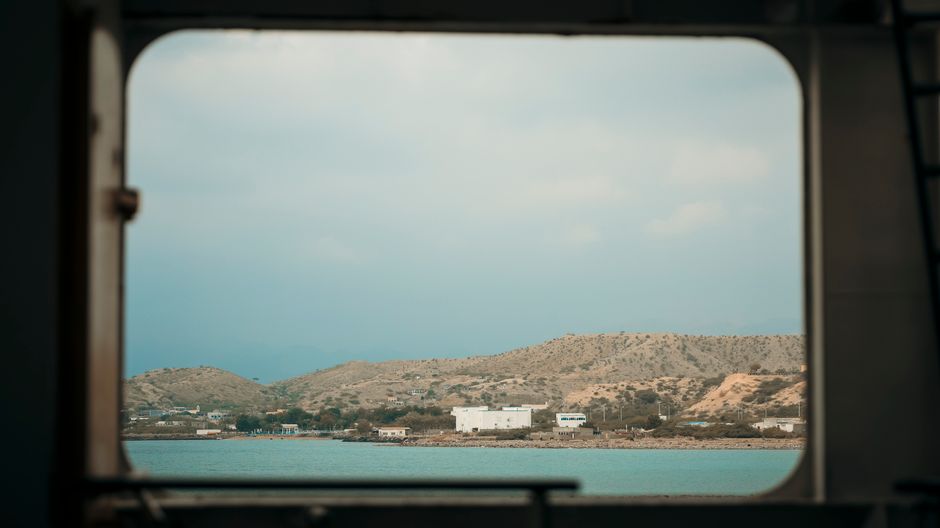
Djibouti is a small country on the Horn of Africa, where the Red Sea meets the Gulf of Aden, and it packs some of the most otherworldly landscapes on Earth into an area smaller than Massachusetts. Here the African continent is slowly splitting apart: the land is a dramatic desert of black lava fields, salt pans, volcanic cones and rift valleys, and at Lake Assal, a turquoise crater lake ringed by white salt, you stand at the lowest point in Africa, more than 150 m (500 ft) below sea level. Out at sea, coral reefs, islands and, from mid-October to the end of February, gatherings of whale sharks in the Gulf of Tadjourah draw divers and snorkelers. Most visitors base themselves in Djibouti City, the capital, a lively port town of whitewashed colonial buildings, markets and seafood restaurants, and make trips to Lake Assal, the limestone chimneys of Lac Abbé, the Day Forest in the mountains and the islands of Moucha and Maskali. French and Arabic are the official languages. All visitors need a visa, which can be bought on arrival or applied for online. The best time to visit is the cooler season, from about November to March. Give it five days to a week.
Right now in Djibouti
- Sat26–28°C78–83°FPartly cloudy
- Sun26–28°C78–82°F1 mm rain
- Mon27–28°C80–82°F3 mm rain
Weather, sun and air quality here are for one point near the centre of Djibouti, not the whole country; conditions elsewhere can differ. Readings refresh through the day.
Djibouti: quick answers
- Best time to visit Djibouti
- Djibouti has one of the hottest climates in the world, but it has two very different seasons. More
- Places to visit in Djibouti
- Djibouti City, Lake Assal, Lac Abbé, The Day Forest and Tadjourah, Moucha, Maskali and the coast, A few more worth your time. More
- Things to do in Djibouti
- Diving, desert and volcanoes. More
- Entry rules for Djibouti
- Rules and fees change, so check with Djibouti’s embassy or the e-visa portal shortly before you travel. More
Djibouti at a glance
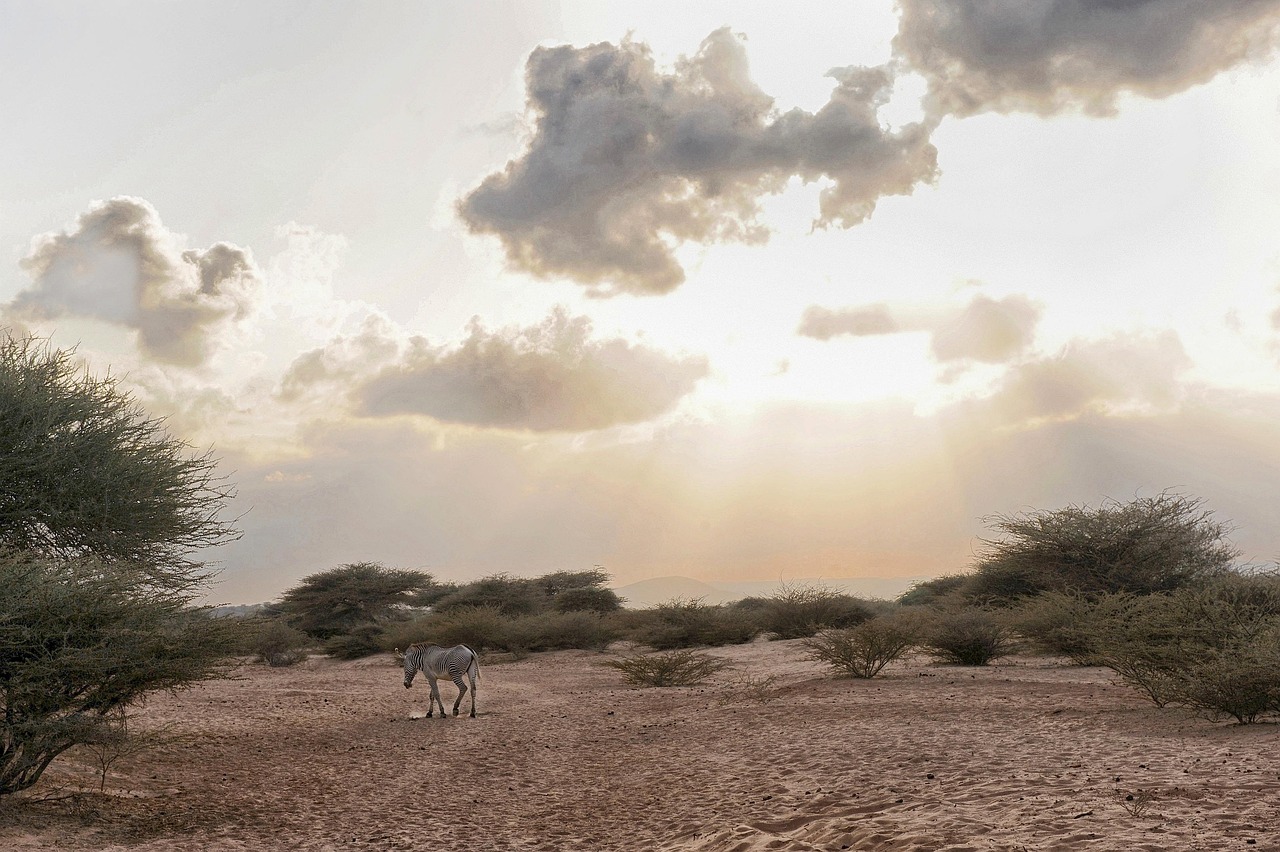
Djibouti covers about 23,200 km² (8,960 sq miles), with a long, indented coastline wrapped around the Gulf of Tadjourah, which cuts deep into the country from the Gulf of Aden. It borders Eritrea, Ethiopia and Somalia, and lies just across the narrow Bab el-Mandeb strait from Yemen and the Arabian Peninsula. Geologically, it sits where three of the Earth’s tectonic plates pull away from each other, in the region known as the Afar Triangle, which is why so much of the country looks volcanic and raw: lava fields, fissures, hot springs and salt lakes, some below sea level. The coast is flat and hot; inland, the Goda and Mabla mountains north of the gulf rise to more than 1,500 m (4,900 ft), and the Moussa Ali volcano on the northern border is the highest point, at a little over 2,000 m (6,600 ft).
About two-thirds of Djibouti’s people live in the capital. The two main communities are the Somali-speaking Issa in the south and the Afar in the north and west, with Arab, Ethiopian, French and other minorities; most people are Muslim. French and Arabic are the official languages, and Somali and Afar are spoken every day. Djibouti was a French territory, as French Somaliland and later the French Territory of the Afars and the Issas, and became independent in 1977; French influence is still seen in the food, the bread, the street names and the colonial architecture of the capital. Today Djibouti’s deep-water port is one of the busiest on the Red Sea route, and the railway to Addis Ababa links it with Ethiopia.
Time zone: Djibouti uses East Africa Time, UTC+3, all year, with no daylight saving time, the same as Ethiopia and Kenya.
The regions
- Djibouti City: the capital and port, on a peninsula on the southern shore of the Gulf of Tadjourah, with the international airport, the railway station at Nagad and the boats to Moucha and Maskali.
- Arta and the gulf coast: the hills and beaches west of the capital, with the whale-shark waters of the gulf.
- Tadjourah: the old whitewashed town on the north shore of the gulf, the base for the Day Forest and the Goda Mountains, and the beaches of Sables Blancs.
- Obock: the far northeast, with the mangroves of Godoria and the coast facing the Bab el-Mandeb strait.
- Dikhil and the southwest: the Grand and Petit Bara deserts and the road to Lac Abbé on the Ethiopian border.
- Ali Sabieh: the southeast, a mountain town on the railway to Ethiopia.
- The Assal and Ghoubet area: the rift between the gulf’s inner bay, the Ghoubet al-Kharab, and Lake Assal, with lava fields and the Ardoukoba volcano.
Videos of Djibouti
Hand-picked travel videos from YouTube creators to help you picture the trip. They play from YouTube; the facts in this guide come from our own research.
Where to go: the capital, the salt lakes, the mountains and the sea
Djibouti is small, and most sights are day trips or overnight trips from the capital, usually with a four-wheel drive and a driver or guide, since roads to the remote sites are rough and there is little public transport outside the city.
Djibouti City
The capital was built at the end of the 19th century, and according to Djibouti’s National Tourism Office, it mixes African, Middle Eastern and European influences. Its center is a grid of whitewashed and arcaded colonial buildings around the shady Place du 27 Juin (formerly Place Ménélik), with café terraces and souvenir sellers, and the crowded market streets around Place Mahmoud Harbi (formerly Place Rimbaud), overlooked by the minaret of the great mosque. Most hotels, restaurants, banks and supermarkets are here. Our Djibouti City guide has more.
Lake Assal
About an hour and a half’s drive west of the capital, according to the National Tourism Office, Lake Assal is Djibouti’s most famous natural sight: a crater lake about 153 m (502 ft) below sea level, the lowest point on the African continent, ringed by a dazzling field of salt and by black lava. The colors shift through the day, from the white of the salt to the emerald of the deep water and the ochre of the hills. The water is many times saltier than the sea, so you float easily, but the salt crust is sharp and the heat intense; bring water shoes, plenty of drinking water and a hat, and go early in the day. On the way, the road passes the Ghoubet al-Kharab, a deep inner bay of the gulf framed by volcanic cliffs and islands.
Lac Abbé
On the Ethiopian border in the southwest, Lac Abbé is a shallow salt lake surrounded by a forest of tall limestone chimneys, some of them still steaming from hot springs, which the National Tourism Office describes as a lunar landscape, best at dawn and sunset. Flamingos, ibises and other birds feed in the lake. It is a long drive from the capital, so most visitors stay overnight in a simple camp near the chimneys.
The Day Forest and Tadjourah
High in the Goda Mountains north of the gulf, the Day Forest National Park, at about 1,500 m (4,900 ft), is a surviving patch of the juniper, wild olive and acacia woodland that once covered more of the region, home to baboons, warthogs, many birds and the Djibouti francolin, the country’s only endemic bird, according to the National Tourism Office. Below it, on the shore of the gulf, Tadjourah is one of the oldest towns in the country, with white houses and mosques facing the sea. Ferries and road connections link it with the capital.
Moucha, Maskali and the coast
The islands of Moucha and Maskali lie in the gulf about 45 minutes by boat from the capital, according to the National Tourism Office, with sandy beaches, mangroves and coral reefs for snorkeling and diving; day trips and simple island stays can be arranged in the city. On the mainland, the beaches of Arta, where the reef can be explored straight from the shore, Khor Ambado, Douda and the Sables Blancs near Tadjourah are popular weekend escapes.
A few more worth your time
The Grand Bara, a vast, flat desert pan crossed by the road south, used for land sailing; the Seven Brothers (Sept Frères) islands off Ras Siyan in the far north, one of the best dive sites in the Red Sea region, reached on liveaboard trips; the mangroves of Godoria near Obock; the Allol depression and its salt flats in the northwest; and the prehistoric rock engravings of Balho, about 80 km (50 miles) north of Lake Assal.
Djibouti City Travel Guide
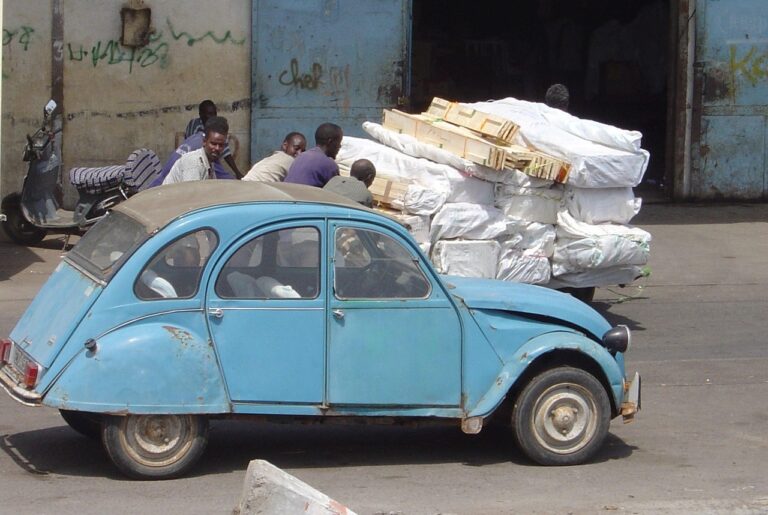
Plan a trip to Djibouti City: Place du 27 Juin and the European quarter, Place Mahmoud Harbi and the markets, crafts, food, where to…
Best time to visit Djibouti
Djibouti has one of the hottest climates in the world, but it has two very different seasons. The cooler season, from about November to March, is the best time to visit: on the coast, average daily highs are around 29 to 31 °C (84 to 88 °F), nights are warm, and the sea is calm and clear, which also makes it whale-shark season. From May to September, the heat is extreme, with average highs near 40 °C (104 °F) in the capital in July and August, and hotter still inland; a dusty, hot wind called the khamsin can blow in summer. Rain is rare and falls mainly in short showers between October and April. The table shows the official monthly averages for Djibouti City from the Djibouti National Meteorological Agency, published on the World Meteorological Organization’s (WMO) World Weather Information Service, about 164 mm (6.4 in) of rain a year in total.
Djibouti month by month
| Month | Average high / low in Djibouti City | Rain | Highlights |
|---|---|---|---|
| January | 29 / 22 °C (84 / 71 °F) | 10 mm (0.4 in) | Cool season; whale sharks; best for the desert |
| February | 29 / 23 °C (84 / 73 °F) | 19 mm (0.7 in) | Last weeks of whale-shark season |
| March | 30 / 24 °C (86 / 75 °F) | 20 mm (0.8 in) | Warming up; good diving |
| April | 32 / 25 °C (90 / 78 °F) | 29 mm (1.1 in) | Getting hot; the wettest month, still dry by most standards |
| May | 35 / 27 °C (95 / 81 °F) | 17 mm (0.7 in) | Hot; early mornings for sightseeing |
| June | 39 / 29 °C (102 / 85 °F) | under 1 mm | Very hot |
| July | 42 / 31 °C (107 / 88 °F) | 6 mm (0.2 in) | The hottest month; Day Forest is cooler |
| August | 41 / 31 °C (106 / 87 °F) | 6 mm (0.2 in) | Extreme heat |
| September | 37 / 29 °C (99 / 84 °F) | 3 mm (0.1 in) | Heat easing late in the month |
| October | 33 / 26 °C (92 / 78 °F) | 20 mm (0.8 in) | Whale sharks return from mid-October |
| November | 31 / 23 °C (87 / 74 °F) | 22 mm (0.9 in) | Cool season begins; ideal for trips inland |
| December | 29 / 22 °C (85 / 71 °F) | 11 mm (0.4 in) | Pleasant; peak season |
Whale sharks and other seasons
- Whale sharks: according to the National Tourism Office, large groups of whale sharks, harmless plankton feeders that can reach 12 to 15 m (40 to 50 ft), visit the gulf each year between mid-October and the end of February. Trips leave from the capital to the bay of Ghoubet and the waters off Arta.
- Diving: the reefs of the gulf, Moucha and Maskali and the Seven Brothers islands are diveable all year, with the calmest seas and clearest water in the cool season.
- Birds: migrant birds pass through the Bab el-Mandeb in spring and autumn, and the National Tourism Office highlights Djibouti for birdwatching.
- Ramadan: during the month of fasting, which moves about 11 days earlier each year, opening hours change and many restaurants close during the day; Eid al-Fitr and Eid al-Adha are holidays. Independence Day is on 27 June.
How long to stay: sample itineraries
- 3–4 days: Djibouti City (3 nights), with a day trip to Lake Assal and the Ghoubet, and a boat day to Moucha and Maskali, or a whale-shark trip in season.
- One week: add a night at a camp at Lac Abbé, and a night in Tadjourah or the Day Forest.
- 10 days: add more diving, the beaches of the north coast, the Grand Bara and the Obock coast, or a liveaboard to the Seven Brothers.
- Djibouti and Ethiopia: take the train from Nagad to Dire Dawa or Addis Ababa, or fly to Addis Ababa; see our Ethiopia travel guide and our Addis Ababa guide.
Entry, money and costs
Visas and entry (last reviewed November 2026)
- Visa required: all visitors need a visa. According to the UK government, you can buy a tourist visa on arrival, paid in cash in US dollars, or apply online before you travel; Djibouti’s official e-visa portal is evisa.gouv.dj. The US State Department gives the fee for a visa on arrival as US$23.
- Onward ticket: you must have evidence of your onward journey, according to the UK government.
- Passports: must be valid for at least six months from the date you arrive, according to both the UK government and the US State Department.
- Yellow fever: a vaccination certificate is required if you arrive from a country with a risk of yellow fever transmission.
Rules and fees change, so check with Djibouti’s embassy or the e-visa portal shortly before you travel.
The Djibouti franc, cash and cards
The currency is the Djibouti franc (DJF, often written FDJ). It is pegged to the US dollar: according to the Central Bank of Djibouti, the fixed rate is 177.721 francs to the US dollar. Djibouti is largely a cash economy. According to the US State Department, credit cards are accepted only in major hotels and supermarkets, ATMs are limited and may not take every foreign card, though Visa generally works, and most vendors and banks accept only US dollar notes printed after 2006. Bring clean, recent US dollars or euros and change them at banks or exchange offices in the capital.
Tipping
Tipping is appreciated rather than expected. In restaurants, leave about 5–10% if no service charge is added; round up taxi fares; and tip drivers, guides and boat crews at the end of a trip.
Language and a few useful words
French is the language of business, signs and menus, and Arabic is the second official language; Somali and Afar are spoken at home and in the street. English is spoken in the larger hotels and by dive and tour operators. Try bonjour and merci in French, as-salaam alaykum (peace be upon you) as a greeting, and mahadsanid (thank you) in Somali.
What a trip costs
Djibouti is expensive by regional standards: most food and goods are imported, hotels are mostly mid-range to upscale, and trips inland need a four-wheel drive with a driver. These estimates, per person per day, are a planning guide as of November 2026:
| Style | Estimated cost per day | What that looks like |
|---|---|---|
| Budget | about US$70–110 | Simple hotel, local restaurants, minibuses in the city and shared trips |
| Mid-range | about US$150–250 | Comfortable hotel shared by two, restaurant meals, a share of a four-wheel drive and driver for day trips |
| High-end | about US$350+ | Top hotel in the capital, private 4×4 tours, island stays and whale-shark or dive trips |
The figures are our estimates, not official statistics; prices in the city are often quoted in francs, and tours in dollars or euros.
Getting there and getting around
Arrival airport
Almost all visitors arrive at Djibouti–Ambouli International Airport (JIB), on the southern edge of the capital, a short taxi ride from the center. According to the National Tourism Office, airlines with offices in Djibouti include Ethiopian Airlines, Turkish Airlines, Air France, Qatar Airways, EgyptAir and Yemenia, and the national airline, Air Djibouti, flies regional routes, including to Addis Ababa and Dire Dawa in Ethiopia. Many visitors connect through Addis Ababa, Istanbul, Doha, Dubai or Paris.
The train to Ethiopia
The electric railway from Djibouti to Ethiopia leaves from the Nagad station, west of the capital. According to the National Tourism Office, trains run every two days, on even-numbered dates, and you should be at the station by 8 a.m., about two hours before departure. Fares for foreign nationals are 8,000 francs to Dire Dawa or Addis Ababa and 3,200 francs to Ali Sabieh. Buy your ticket a day ahead at the ticket office in the Salines Ouest district of the city or at Nagad station. You need an Ethiopian visa to continue into Ethiopia.
Getting around
In the capital, according to the National Tourism Office, taxis cost from 600 francs per zone, and minibuses and larger buses from 50 francs per zone; taxis may ask for more for longer trips, so agree on the fare first. Outside the city, there is little public transport. Intercity buses and ferries link the capital with Tadjourah and Obock, according to the US State Department. For Lake Assal, Lac Abbé, the Day Forest and the coast, most visitors hire a four-wheel drive with a driver through a hotel or tour agency, which the National Tourism Office lists on its website; car rental agencies also operate in the city.
Driving
If you drive yourself, carry your national license or an International Driving Permit; third-party insurance is required and its sticker must be displayed, and using a phone while driving is prohibited, according to the US State Department. Main roads in the capital are good, but others are unpaved, prone to flash floods and rockslides, and often lack lighting and guardrails; livestock wander onto the road, and heavy trucks use the main highway to Ethiopia. Fuel stations are far apart, so carry extra fuel, water and supplies, travel with two vehicles on remote routes, stay on marked tracks and do not drive outside towns after dark.
Health, safety and connectivity
Practical points for a smooth trip:
- Heat: the main everyday risk. Drink plenty of water, wear a hat and sunscreen, avoid the midday sun, and plan trips inland for early morning, especially from May to September.
- Health: medical facilities are limited, so have travel insurance that covers treatment and evacuation. Use insect repellent against mosquitoes, and drink bottled water.
- Photography: according to the US State Department and the UK government, photographing government buildings, ports, airports, bridges and other infrastructure is prohibited, and the State Department adds religious sites such as mosques; ask before photographing people.
- Belongings: keep cameras and passports out of sight, and take a taxi late at night.
- Dress and customs: dress modestly away from the beach, covering shoulders and knees, especially during Ramadan, when you should not eat, drink or smoke in public during the day. Drinking alcohol is allowed in hotels, bars and restaurants, but public drunkenness is punished. Chewing khat, a mild leafy stimulant, is a widespread afternoon custom and legal in Djibouti, but illegal in many other countries.
- Emergencies: according to the UK government, call 17 for the police and 18 for the fire service; for an ambulance, call 21 35 09 62 or 21 35 27 12.
The national mobile operator is Djibouti Telecom; you can buy a SIM card with your passport for an unlocked phone, according to the US State Department, and coverage is good in the capital but patchy or absent in remote areas. Sockets are mostly the European two-pin types (C and E), at 220 V; see our travel adapters guide.
Food and culture
Food
Djiboutian food mixes Somali, Afar, Ethiopian, Yemeni, Indian and French influences. Try skoudehkaris, the national dish of spiced rice with lamb or goat, grilled fish Yemeni-style, split and baked in a clay oven and served with flatbread, fah-fah, a spicy goat soup, and lahoh, spongy pancakes eaten for breakfast. French bakeries sell baguettes and pastries, and spiced tea and strong coffee are drunk all day. Seafood restaurants line the waterfront in the capital, and Ethiopian restaurants serve injera.
Culture and etiquette
The National Tourism Office highlights Djibouti’s nomadic traditions of poetry, song and dance, and crafts such as woven baskets, traditional daggers and bead jewelry, sold around Place Mahmoud Harbi and in the office’s own showroom near the Town Hall. The Afar and Somali peoples were traditionally nomadic herders, and the salt caravans that once carried blocks of salt from Lake Assal to the Ethiopian highlands are still remembered in the tourism office’s caravan treks. Greet people before asking for anything, use your right hand to give and receive, and ask before photographing anyone.
Things to do: diving, desert and volcanoes
- Snorkeling with whale sharks: from mid-October to the end of February, on boat trips from the capital. See our snorkeling guide.
- Diving: reefs around Moucha and Maskali, the gulf and the Seven Brothers islands. See our diving guide.
- Beaches and islands: Moucha, Maskali, Arta, Khor Ambado and Sables Blancs. See our beaches guide.
- Boat trips: to the islands, the Ghoubet and the whale-shark grounds. See our boat trips guide.
- Hiking: in the Day Forest and the Goda Mountains, on the lava fields around Lake Assal, and on the tourism office’s caravan-route treks. See our hiking guide.
- Land sailing and the desert: sand yachting on the Grand Bara, and overnight camps at Lac Abbé.
What to pack
Pack light, loose, long clothing that covers shoulders and knees, a wide-brimmed hat, sunglasses and high-factor reef-safe sunscreen, a refillable water bottle, water shoes for the salt crust at Lake Assal and rocky beaches, sturdy hiking shoes for lava fields, a warm layer for desert nights and the mountains in the cool season, a headscarf for women visiting mosques, your yellow fever certificate if needed, and clean US dollar notes printed after 2006. Bring a universal adapter.
Djibouti travel FAQ
Do I need a visa for Djibouti?
Yes. According to the UK government, you can buy a tourist visa on arrival, paid in cash in US dollars, or apply online before you travel at evisa.gouv.dj; the US State Department gives the visa-on-arrival fee as US$23. Your passport must be valid for at least six months.
What currency is used in Djibouti?
The Djibouti franc (DJF), fixed at 177.721 francs to the US dollar by the Central Bank of Djibouti. Bring cash, as cards are accepted only in major hotels and supermarkets.
When is the best time to visit Djibouti?
November to March, when average highs in the capital are around 29 to 31 °C (84 to 88 °F) and whale sharks visit the gulf. June to September is extremely hot.
When can you swim with whale sharks in Djibouti?
According to the National Tourism Office, between mid-October and the end of February, in the Gulf of Tadjourah.
How far is Lake Assal from Djibouti City?
About an hour and a half by road, according to the National Tourism Office. Most visitors go on a day trip by four-wheel drive, often combined with the Ghoubet.
Is Lake Assal really the lowest point in Africa?
Yes. The lake lies about 153 m (502 ft) below sea level, according to the National Tourism Office, the lowest point on the continent.
Can I take the train from Djibouti to Ethiopia?
Yes. Trains leave Nagad station every two days, on even-numbered dates, for Dire Dawa and Addis Ababa; the National Tourism Office gives the fare for foreign nationals as 8,000 francs. You need an Ethiopian visa.
What languages are spoken in Djibouti?
French and Arabic are the official languages; Somali and Afar are widely spoken. English is spoken in the larger hotels and by tour operators.
What are the emergency numbers in Djibouti?
According to the UK government: police 17, fire 18, and ambulance 21 35 09 62 or 21 35 27 12.
How many days do I need in Djibouti?
Three or four days for the capital, Lake Assal and the islands; a week to add Lac Abbé and the Day Forest.
Plugs and power in Djibouti
Djibouti uses 220 V, 50 Hz and these plugs (left) and wall sockets (right):
European two-pin sockets.
All plug types and voltages by country → · Check what you need to pack →
Plan your trip
Partner links: TravelerCenter may earn a commission if you book, at no extra cost to you.
🇫🇷 Useful French phrases for Djibouti
All 38 French phrases: restaurant, hotel, emergencies, romance (printable) →
Before you go: guidebooks and travel gear
Affiliate links: we may earn a commission at no extra cost to you. As an Amazon Associate we earn from qualifying purchases. We pick items for the place, not for the commission. How we earn money
Sources · last reviewed 10 November 2026
Researched and last reviewed on 10 November 2026. Visa on arrival, online visas, onward ticket, passport validity, yellow fever, Ramadan customs, alcohol and emergency numbers: the UK government’s information for Djibouti (updated 27 July 2026); visa-on-arrival fee, passport validity, cards and ATMs, banknotes, photography rules, driving rules, ferries and SIM cards: the US State Department’s country information (updated 3 September 2026); the e-visa portal: evisa.gouv.dj; exchange rate: the Central Bank of Djibouti; climate: the Djibouti National Meteorological Agency, via the WMO World Weather Information Service; Lake Assal, Lac Abbé, the Day Forest, Moucha and Maskali, whale-shark season, Djibouti City’s squares, taxi and bus fares, train times and fares, and airlines: Djibouti’s National Tourism Office (visitdjibouti.dj); time zone: the IANA time zone database; area and coordinates: Wikidata. History, geography, regions, peoples, food, plugs, tipping and costs are general references or estimates, flagged for checking. Rules, fares and fees change, so check the official sites before you go.
Data: Weather: MET Norway (CC BY 4.0) · Rates: ECB · Wikidata (CC0)