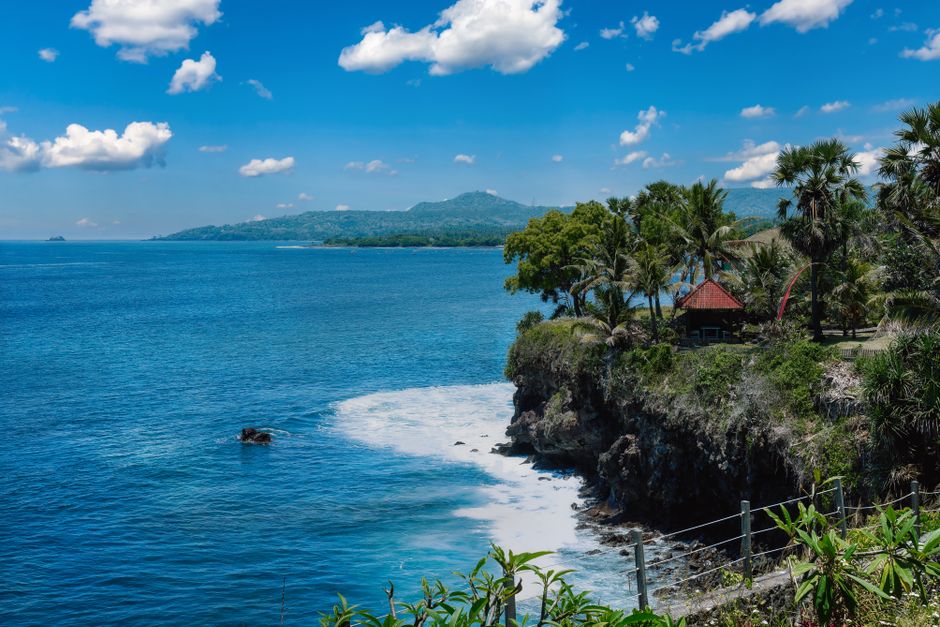
Bali, a volcanic island of about 5,600 km² (2,200 sq miles) between Java and Lombok, is Indonesia’s most visited destination and one of the most loved islands anywhere. Its Hindu culture is woven into daily life: offerings on every doorstep, temple festivals, gamelan music and dance, and villages organized around their temples and the ancient subak irrigation system that waters the rice terraces. Within a couple of hours’ drive you can go from the surf beaches and clifftop temples of the south to the art and rice fields of Ubud, the volcano lakes of the central highlands and the quiet diving coasts of the east and north. The best months are April to October, the dry season, with May, June and September less crowded than July and August; from November to March, afternoon downpours are frequent but the island is green and quieter. Every foreign visitor pays the Bali Tourism Levy, and the provincial government asks visitors to respect temples, offerings and local customs.
Right now in Bali (Denpasar (Ngurah Rai))
- Wed 24–29°C 76–84°F Mostly clear
- Thu 24–29°C 76–84°F 1 mm Partly cloudy
- Fri 25–29°C 76–84°F Mostly clear
Weather: MET Norway (CC BY 4.0) · Sea temperature: NOAA CoastWatch
Top tours in Bali
See all tours for Bali →
From local operators, with prices and reviews; you check availability and book on Viator, our partner. We may earn a commission at no extra cost to you. How we earn money
Bali at a glance
- Best for: temples and ceremonies, rice terraces, beaches and surfing, diving and snorkeling, volcano sunrises, yoga and spas, food and a huge choice of places to stay.
- How long: 5–7 days for Ubud and one beach area; 10–14 days to add the east, the north or Nusa Penida.
- Best time: April to October, the dry season, with highs of about 29–31 °C (85–88 °F); the rainy season runs from about November to March.
- Getting there: I Gusti Ngurah Rai International Airport (DPS), near Kuta, has flights from across Asia, Australia and the Middle East and about 1 hour 50 minutes from Jakarta; ferries cross from Java and to Lombok.
- Getting around: car with driver, Grab and Gojek in the south, scooters for experienced riders, and fast boats to the Nusa islands and the Gilis.
- Good to know: pay the 150,000-rupiah Bali Tourism Levy online before you travel, and wear a sarong and sash in temples.
- Before you go: the visa on arrival, e-VOA, All Indonesia arrival card, money and general safety are in our Indonesia travel guide; see also our guides to Ubud, Kuta, Canggu and Nusa Penida.
Bali’s areas: where things are
Bali measures about 150 km (95 miles) from east to west. Most visitors stay in the south, close to the airport and the beaches, and in Ubud, in the hills about an hour to the north; traffic is heavy, so allow plenty of time between areas and choose a base that suits what you want to do.
Kuta, Legian and Seminyak
The busy west-coast strip north of the airport, with a long sand beach, beginner surf, shopping streets, beach bars and some of Bali’s best-known restaurants and beach clubs. Kuta is the liveliest and cheapest, Legian a little calmer, and Seminyak the most stylish. See our Kuta guide.
Canggu and the west coast
North of Seminyak, Canggu, Berawa and Pererenan have black-sand surf beaches, cafés, coworking spaces and villas among the rice fields, with Tanah Lot temple a short drive away. See our Canggu guide.
The Bukit Peninsula: Jimbaran, Uluwatu and Nusa Dua
The limestone peninsula south of the airport has Jimbaran’s seafood beach, the cliff-top Uluwatu temple and world-class surf breaks at Uluwatu, Padang Padang and Bingin, plus the big resort enclave of Nusa Dua and the calm lagoons of Tanjung Benoa.
Sanur
An older, relaxed resort on the east coast with a reef-protected beach, a long seaside path for walking and cycling, family-friendly hotels and the harbor for fast boats to Nusa Penida and Nusa Lembongan.
Ubud and the central highlands
Ubud is Bali’s cultural heart, surrounded by rice terraces, river gorges and craft villages. Further north, the highlands around Bedugul and Munduk have cool air, crater lakes, waterfalls and the lakeside temple of Ulun Danu Beratan. See our Ubud guide.
East Bali
Dominated by Mount Agung, Bali’s highest peak at about 3,000 m (9,800 ft), the east has the mother temple of Besakih, the “gates of heaven” at Lempuyang, the water palaces of Tirta Gangga and Ujung, and the dive and snorkel coast of Amed and Tulamben. Padang Bai is the harbor for ferries to Lombok and fast boats to the Gilis.
North and West Bali
The quieter north coast has the black-sand beaches of Lovina, waterfalls such as Sekumpul and Gitgit, and Pemuteran, the base for snorkeling and diving at Menjangan Island in West Bali National Park.
Top things to see on Bali
Uluwatu Temple and the kecak dance
Pura Luhur Uluwatu, one of Bali’s six most important sea temples, stands on a cliff about 70 m (230 ft) above the Indian Ocean at the southern tip of the Bukit. Come in the late afternoon for the sunset and the kecak fire dance, performed in the open-air amphitheater by a chorus of men chanting “cak.” Macaques here snatch sunglasses and phones.
Tanah Lot
A temple on a rock in the surf on the west coast, about 30 minutes from Canggu. At low tide you can walk to the base of the rock and receive holy water from the priests; the temple itself is reserved for worshippers. Sunset is the busiest time.
Ubud’s temples and rice terraces
Around Ubud, the holy spring temple of Tirta Empul, where Balinese bathe for purification, the rock-cut shrines of Gunung Kawi, the Elephant Cave of Goa Gajah and the Tegallalang rice terraces are the classic day out. The Jatiluwih terraces in Tabanan are part of the UNESCO World Heritage site “Cultural Landscape of Bali Province: the Subak System as a Manifestation of the Tri Hita Karana Philosophy,” inscribed in 2012.
Besakih and Lempuyang
Pura Besakih, the “mother temple” on the slopes of Mount Agung, is Bali’s largest and holiest temple complex, with dozens of shrines climbing the mountainside. Pura Lempuyang, in the far east, is famous for its split gate framing Mount Agung; expect long queues for the photo spot, and dress modestly.
Mount Batur sunrise
The most popular volcano hike on Bali starts around 4 a.m. for a two-hour climb to the rim of Mount Batur, about 1,700 m (5,600 ft), to watch the sunrise over Lake Batur and Mount Agung. Hire a licensed local guide. PVMBG’s MAGMA Indonesia listed Batur and Agung at Level I (Normal) in early October 2026, but recommends that visitors limit time at the crater, don’t stay overnight there and keep away from gas vents.
More classic sights
- Ulun Danu Beratan: the much-photographed temple on Lake Beratan in the cool highlands near Bedugul.
- Sekumpul and Gitgit waterfalls: the north’s tallest falls, reached by steep jungle paths.
- Sacred Monkey Forest Sanctuary, Ubud: a temple forest home to hundreds of macaques.
Beaches, surfing and diving
Bali’s beaches range from golden sand on the Bukit and in Nusa Dua to black volcanic sand in Canggu, Amed and Lovina. The west coast from Kuta to Canggu is surf country, with beginner waves at Kuta and Batu Bolong and reef breaks for experienced surfers at Uluwatu, Padang Padang and Keramas; the dry season brings the biggest swells to the west coast. For calm swimming, choose Nusa Dua, Sanur or Jimbaran. Divers head for the USAT Liberty wreck at Tulamben, the coral walls of Menjangan, manta rays and, from July to October, oceanic sunfish around Nusa Penida. See our guides to beaches, surfing, diving and snorkeling.
Other things to do on Bali
Food and drink
Bali is one of Asia’s great food destinations. Eat at local warungs for nasi campur (rice with a mix of dishes), babi guling (spit-roast pork, a Balinese specialty), bebek betutu (slow-cooked spiced duck), sate lilit (minced fish or chicken satay on lemongrass sticks) and lawar (minced meat and vegetables with coconut and spices). Jimbaran is known for grilled seafood on the sand at sunset, and Seminyak, Canggu and Ubud have an international dining scene with excellent cafés and plant-based restaurants. Bali makes its own wine and licensed arak; drink only labeled bottles.
Culture, dance and crafts
Watch Legong, Barong or kecak performances in Ubud and at Uluwatu, visit the painting and wood-carving villages around Ubud, and the silver workshops of Celuk. If you are invited to a ceremony, wear a sarong and sash, and follow your hosts’ lead.
Festivals
Nyepi, the Balinese New Year, usually in March, is a day of complete silence: for 24 hours from 6 a.m., no one may go out, lights stay off and the airport closes; on the eve, villages parade giant ogoh-ogoh effigies. Galungan and Kuningan, every 210 days, fill the streets with tall bamboo penjor. The Bali Arts Festival in Denpasar usually runs from June to July, and the Ubud Writers and Readers Festival takes place in October.
Day trips around the island
- Nusa Penida and Nusa Lembongan: 30–45 minutes by fast boat from Sanur, for Kelingking Beach, manta rays and snorkeling. See our Nusa Penida guide.
- East Bali circuit: Besakih, Tirta Gangga, Lempuyang and the beaches of Candidasa or Amed in a long day with a driver.
- Central highlands: the Jatiluwih rice terraces, Ulun Danu Beratan and the twin lakes of Buyan and Tamblingan.
- Kintamani and Batur: the volcano, its crater lake and hot springs, about an hour north of Ubud.
- Gili Islands and Lombok: better as an overnight trip, 1.5–3 hours by fast boat. See our Gili Islands and Lombok guides.
Nearby destinations
- Ubud27 km
- Canggu33 km
- Sanur42 km
- Kuta42 km
- Nusa Penida66 km
- Gili Islands109 km
- Lombok140 km
- Bromo Tengger Semeru National Park235 km
Getting there and getting around
By air
I Gusti Ngurah Rai International Airport (DPS), on the isthmus south of Kuta, is Indonesia’s main entry point for foreign visitors, according to Statistics Indonesia (BPS), with direct flights from Australia, Singapore, Kuala Lumpur, Bangkok, the Gulf, East Asia and India, and domestic flights to Jakarta, Yogyakarta, Lombok, Labuan Bajo and beyond. Kuta is 10–20 minutes away, Seminyak and Sanur 30–60 minutes, Canggu and Uluwatu about an hour and Ubud 1.5 hours or more, depending on traffic. Use the official airport taxi counters, a pre-booked hotel transfer or Grab and Gojek from the designated pickup area.
Entry rules and the tourist levy
Arrive with your passport (valid for at least six months), an onward ticket, an e-VOA or a visa on arrival if you need one, and the All Indonesia arrival card submitted within three days before arrival; see our Indonesia guide. On top of the visa, Bali charges every foreign tourist the Bali Tourism Levy of 150,000 rupiah (about US$8.40) per person, paid once per visit, introduced on February 14, 2024 and now set out in Bali Province Regional Regulation 2 of 2025 and Governor Regulation 25 of 2025. The provincial government recommends paying before you travel at lovebali.baliprov.go.id or in the Love Bali app, entering your name, passport number, country and arrival date; the QR voucher arrives by email and is scanned, or your passport checked, at the airport and at checkpoints.
By sea
Car ferries cross from Ketapang on Java to Gilimanuk in the west in about an hour, and from Padang Bai to Lembar on Lombok in about 4–5 hours. Fast boats leave Padang Bai, Serangan, Sanur and Amed for the Gili Islands and Lombok, and Sanur for the Nusa islands; seas can be rough from June to September.
Cars, drivers, scooters and apps
Bali has little public transportation for visitors, though the government’s Trans Metro Dewata buses serve parts of the south. The most comfortable way to explore is a car with a driver, booked through your hotel or an app, for a full day. Grab and Gojek work across the south and in Ubud, although some areas restrict app pickups. Scooters are everywhere, but traffic is dense and accidents are common: ride only if you are licensed for motorcycles at home and hold an International Driving Permit, and always wear a helmet. Police check foreign riders regularly.
When to go and how long to stay
Bali is hot and humid all year, with sea temperatures of about 27–29 °C (81–84 °F). The table uses two official datasets because BMKG’s published WMO normals for Bali’s stations do not include temperature or rainfall: average daily highs and lows are 1991–2020 averages of BMKG’s observations at Ngurah Rai Airport, compiled from NOAA’s global daily records, and rainfall and rain days are BMKG’s long-term normals for Denpasar (1961–1990), as published by the World Meteorological Organization.
| Month | Average high / low | Rain (rain days) | What to expect |
|---|---|---|---|
| January | 31 °C (88 °F) / 25 °C (77 °F) | 345 mm (13.6 in), 27 days | The wettest month; heavy afternoon storms; New Year crowds |
| February | 31 °C (88 °F) / 25 °C (76 °F) | 274 mm (10.8 in), 22 days | Wet and humid; quiet and green |
| March | 31 °C (88 °F) / 25 °C (77 °F) | 234 mm (9.2 in), 20 days | Rains easing; Nyepi usually falls this month |
| April | 31 °C (88 °F) / 25 °C (77 °F) | 88 mm (3.5 in), 9 days | Dry season begins; lush rice fields |
| May | 31 °C (87 °F) / 24 °C (76 °F) | 93 mm (3.7 in), 8 days | Sunny and pleasant; good value |
| June | 30 °C (86 °F) / 24 °C (75 °F) | 53 mm (2.1 in), 6 days | Dry; Bali Arts Festival; school holidays begin |
| July | 29 °C (85 °F) / 24 °C (75 °F) | 55 mm (2.2 in), 4 days | Dry and breezy; peak season; big surf on the west coast |
| August | 29 °C (85 °F) / 24 °C (74 °F) | 25 mm (1.0 in), 4 days | The driest month; busiest and most expensive |
| September | 30 °C (86 °F) / 24 °C (74 °F) | 47 mm (1.9 in), 8 days | Dry and calmer; one of the best months |
| October | 31 °C (88 °F) / 24 °C (76 °F) | 63 mm (2.5 in), 12 days | Hotter; first storms possible; Ubud Writers and Readers Festival |
| November | 32 °C (89 °F) / 25 °C (77 °F) | 179 mm (7.0 in), 16 days | Rainy season starts; low season prices |
| December | 31 °C (88 °F) / 25 °C (77 °F) | 276 mm (10.9 in), 22 days | Wet; very busy from Christmas to New Year |
The south coast gets about 1,730 mm (68 in) of rain a year, almost two-thirds of it from December to March. Ubud and the highlands are cooler and wetter, and the mountain villages around Bedugul and Kintamani can be chilly at night, around 15 °C (59 °F). According to BMKG’s outlook for the 2026–27 rainy season, a very strong El Niño was expected to delay the start of the rains across Bali to November or December 2026 and make the season shorter than normal, with near-normal totals in most of the island and above-normal rain in the north.
4 days on Bali
Day one, Ubud: the Monkey Forest, Ubud Palace, the market and a dance performance. Day two, Tegallalang, Tirta Empul and Gunung Kawi, or the Mount Batur sunrise hike. Day three, move to the south, with Tanah Lot at sunset. Day four, the beach, surfing lessons or a spa, then Uluwatu and the kecak dance.
A week on Bali
Add a day trip to Nusa Penida, a day in East Bali for Besakih, Lempuyang and Tirta Gangga, and a slower day in the highlands at Jatiluwih and Ulun Danu Beratan.
Where to stay on Bali
- Seminyak and Legian: stylish hotels and villas, restaurants and beach clubs; walkable but busy.
- Kuta: budget to mid-range hotels close to the airport and the beach.
- Canggu: surf, cafés and villas; popular with long-stay visitors.
- Uluwatu and Jimbaran: clifftop resorts, surf breaks and sunsets; you’ll need transportation.
- Nusa Dua and Sanur: calm water and family resorts.
- Ubud: guesthouses, jungle villas and wellness retreats.
- Amed, Lovina and Pemuteran: quiet, good-value bases for diving and snorkeling.
Rooms book up and prices rise in July, August and from mid-December to early January.
What a trip to Bali costs
Prices are approximate, for October 2026, converted at about 17,900 rupiah to the US dollar.
| Item | Typical cost |
|---|---|
| Bali Tourism Levy, per person, once per visit | 150,000 rupiah (about US$8.40) |
| Nasi campur or babi guling at a warung | 25,000–50,000 rupiah (about US$1.40–2.80) |
| Dinner in a Seminyak or Ubud restaurant, per person | 150,000–350,000 rupiah (about US$8.40–20) |
| Car with driver, full day | 600,000–900,000 rupiah (about US$34–50) |
| Scooter rental, per day | 70,000–120,000 rupiah (about US$4–7) |
| Temple entry (for example Tanah Lot, Uluwatu) | 50,000–75,000 rupiah (about US$2.80–4.20) |
| Mount Batur sunrise trek with guide | 400,000–700,000 rupiah (about US$22–39) |
| Fast boat, Sanur to Nusa Penida, one way | 150,000–300,000 rupiah (about US$8.40–17) |
| Mid-range hotel or villa double, per night | 700,000–1,800,000 rupiah (about US$39–100) |
| Luxury resort, per night | 4,000,000 rupiah and up (about US$223 and up) |
Practical tips for Bali
- Pay the levy early: use only lovebali.baliprov.go.id or the official app.
- Temple dress: carry a sarong and sash; many temples lend them.
- Traffic: plan one area per day, and avoid driving across the south at rush hour.
- Money: use bank ATMs and licensed money changers, and count your cash before leaving the counter.
- Water and plastic: drink bottled or refilled water and carry a reusable bottle; Bali is cutting single-use plastics.
- Nyepi: if your trip falls on the Day of Silence, stay in your hotel; flights don’t operate.
Safety
Bali is welcoming and most visits are trouble-free, but nature and the roads need respect. Rip currents are strong on the west-coast beaches from Kuta to Canggu and below Uluwatu’s cliffs: swim only between the red-and-yellow flags where lifeguards are on duty, and stay out of the water when red flags fly. Scooter accidents are the most common cause of serious injuries among visitors; ride only if experienced and licensed, wear a helmet and never ride after drinking. Volcanoes: check PVMBG’s alert levels on MAGMA Indonesia before hiking Agung or Batur. Avoid unlabeled arak and cheap cocktails because of the risk of methanol poisoning. “Bali belly” (traveler’s diarrhea) is common: drink bottled water and choose busy, clean places to eat. Monkeys and stray dogs can carry rabies; don’t feed or touch them, and get treatment immediately after a bite or scratch. In an emergency call 112; Bali also has tourist police posts in the main resorts.
What to pack for Bali
Light, breathable clothes, a sarong (useful as a temple wrap and beach cover), swimwear, reef-safe sunscreen, a hat, insect repellent, sandals and walking shoes for temples and rice terraces, a warm layer for sunrise hikes and the highlands, and a light rain jacket from November to March. Indonesia uses 230 V and round two-pin plugs.
Bali travel FAQ
How much is the Bali tourist levy?
150,000 rupiah (about US$8.40) per foreign visitor, paid once per trip, on top of any visa. Pay online at lovebali.baliprov.go.id or in the Love Bali app before you travel.
Do I need a visa for Bali?
Citizens of the 19 visa-exempt countries and territories, including the ASEAN countries, don’t. Citizens of 97 other countries, including the US, UK, Canada, Australia and the EU, buy a visa on arrival or an e-VOA for 500,000 rupiah, valid for 30 days and extendable once.
What should I wear to temples in Bali?
Cover your shoulders and knees and wear a sarong tied at the waist with a sash. Most temples lend or rent them at the entrance.
When is the best time to visit Bali?
April to October, the dry season; May, June and September offer sunny weather with fewer crowds than July and August.
When is the rainy season in Bali?
Usually from November to March, with the most rain from December to February. BMKG expected the 2026–27 rains to start late and be shorter than normal because of El Niño.
Where should I stay in Bali for the first time?
Split your stay between Ubud, for culture and rice terraces, and a beach area such as Seminyak, Sanur, Uluwatu or Canggu.
How do I get around Bali?
Hire a car with a driver for day trips, use Grab or Gojek for short rides in the south and Ubud, and rent a scooter only if you are experienced and licensed.
What is Nyepi?
The Balinese Hindu New Year, usually in March, when the whole island observes 24 hours of silence: no one may go out, and the airport closes. Stay in your hotel.
Is it safe to swim in Bali?
Yes, at patrolled beaches between the flags. Rip currents are strong on the west coast and below the Bukit cliffs, so choose calm beaches such as Sanur or Nusa Dua if you are not a strong swimmer.
How many days do I need in Bali?
At least five to seven days for Ubud and one beach area; ten days to two weeks to add East Bali, the highlands and Nusa Penida.
Sources and last review
Researched and last reviewed on 4 October 2026. The Bali Tourism Levy, its amount, legal basis and payment: the Bali provincial government’s Love Bali website; guidelines for foreign tourists: Bali Governor Circular Letter 7 of 2025, via Love Bali; visas, the e-VOA and the arrival card: the Directorate General of Immigration; volcano alert levels and recommendations for Agung and Batur: PVMBG’s MAGMA Indonesia; the subak World Heritage site: UNESCO; the 2026–27 rainy season outlook: BMKG; temperatures: BMKG observations at Ngurah Rai, via NOAA’s GHCN-Daily (1991–2020 averages); rainfall normals: BMKG via the WMO World Weather Information Service (1961–1990); exchange rate: Bank Indonesia. Areas, journey times, fast-boat and ferry times, entrance fees, festival dates and typical prices are general references or estimates, flagged for checking. Prices and rules change, so check the official sites before you go. For entry rules, money and general safety, see our Indonesia travel guide.
Plan your trip
Partner links: TravelerCenter may earn a commission if you book, at no extra cost to you.
🇮🇩 Useful Indonesian phrases for Bali
All 38 Indonesian phrases: restaurant, hotel, emergencies, romance (printable) →