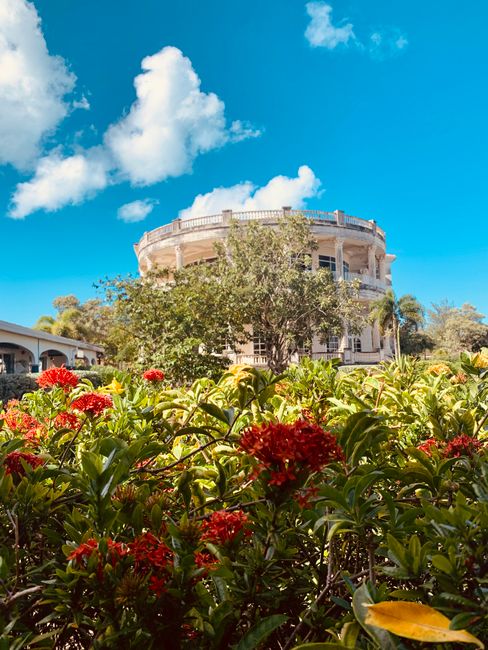
Antigua and Barbuda is a two-island nation in the Leeward Islands of the north-eastern Caribbean, famous for its beaches, its sailing and one of the sunniest, driest climates in the region. Antigua, the larger island, has a scalloped coastline of sheltered bays and white-sand beaches, the restored Georgian naval base of Nelson’s Dockyard at English Harbour (a UNESCO World Heritage Site), the Sunday sunset party at Shirley Heights, and a lively little capital, St. John’s. Barbuda, 45 km (28 miles) to the north, is flat, quiet and almost empty, with miles of pink-tinged sand and one of the largest frigatebird colonies in the world. English is spoken, flights from North America and the UK are nonstop, and the sea is calm on the west and south coasts. December to April is the dry, breezy peak season; the regattas fill the island in late April. A week on Antigua plus a day or two on Barbuda is ideal.
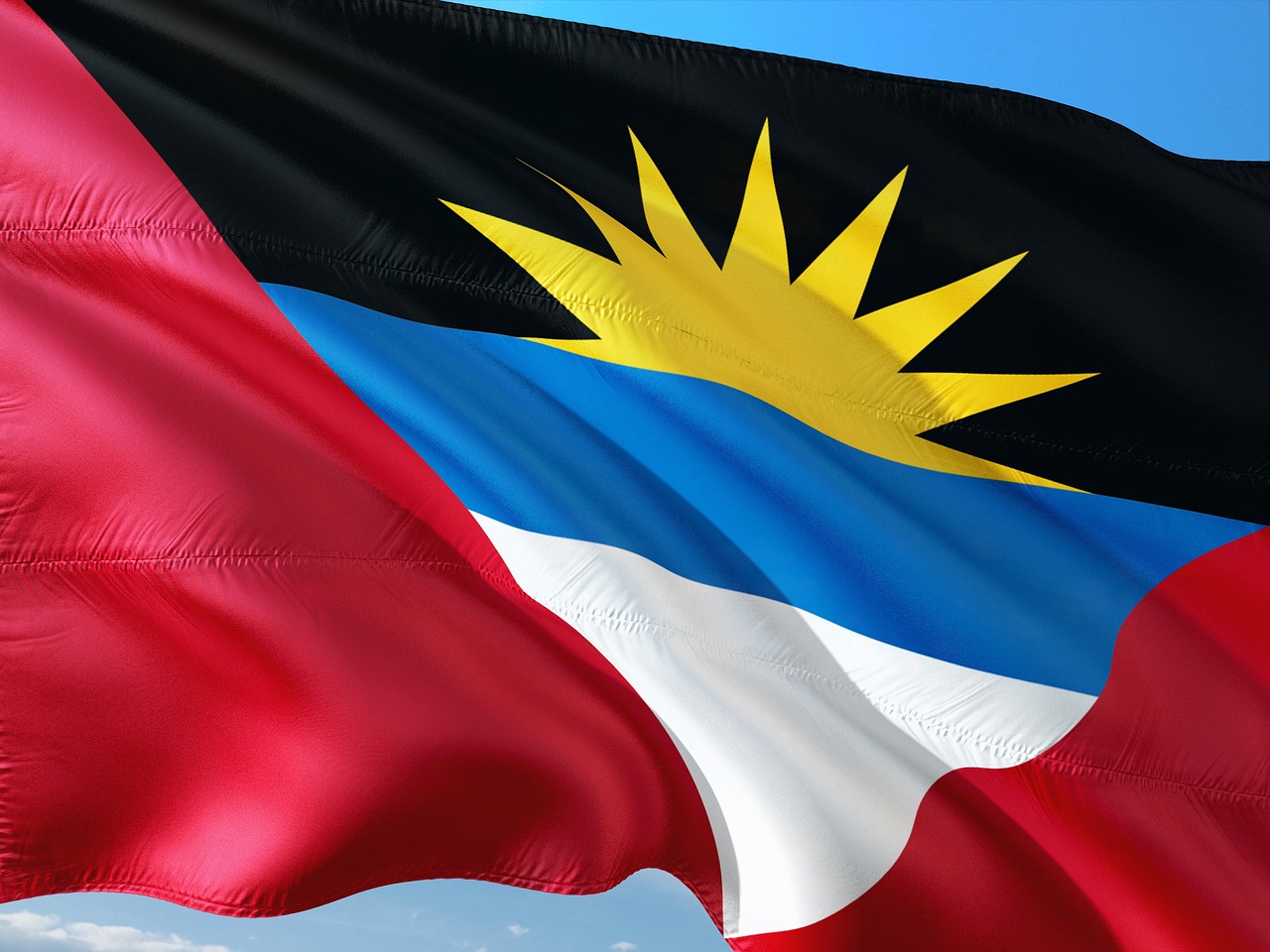
Right now in Antigua and Barbuda
- Tue 25–30°C 77–86°F 16 mm Heavy rain
- Wed 26–30°C 78–87°F 5 mm Rain
- Thu 27–30°C 80–85°F 2 mm Light showers
Weather: MET Norway (CC BY 4.0)
Multi-day tours of Antigua and Barbuda
Multi-day tours from local operators. You check dates and book on Viator, our partner; we may earn a commission at no extra cost to you. How we earn money
Antigua and Barbuda at a glance: overview and geography
Antigua covers about 281 km² (108 square miles) and Barbuda about 161 km² (62 square miles); a third island, rocky Redonda, is uninhabited. Antigua is mostly low and rolling, built of limestone in the north and east and of older volcanic rock in the south-west, where Mount Obama (formerly Boggy Peak) rises to 402 m (1,319 feet) above a patch of rainforest. Its coast is cut into countless coves, which is why the tourist board talks of 365 beaches, “one for every day of the year”. Barbuda is a flat coral island almost entirely ringed by beaches, with a large lagoon on its west side and a single village, Codrington. About 100,000 people live in the country, all but a couple of thousand of them on Antigua.
Columbus sighted Antigua in 1493 and named it after a church in Seville, Santa María la Antigua. The English settled it in 1632, and for two centuries sugar plantations worked by enslaved Africans covered the island; the ruined stone windmills you see everywhere are their legacy. English Harbour became the Royal Navy’s main base in the eastern Caribbean, where a young Horatio Nelson served in the 1780s. Slavery ended in 1834. Antigua and Barbuda became independent on 1 November 1981 and remains a Commonwealth realm. The Antigua Naval Dockyard and Related Archaeological Sites were inscribed by UNESCO in 2016.
Time zone: Antigua and Barbuda runs on Atlantic Standard Time (UTC−4) all year, with no daylight saving time, the same as New York in summer and one hour ahead of it in winter.
The areas
- St. John’s: the capital and cruise port on the north-west coast, with its twin-towered cathedral, museum, market and the waterfront shops of Heritage Quay and Redcliffe Quay.
- The north-west coast: Dickenson Bay and Runaway Bay, the island’s busiest beach strip, with hotels, water sports and beach bars close to St. John’s.
- The west coast: Jolly Harbour’s marina and resorts, and a string of beautiful beaches including Ffryes, Darkwood, Valley Church and Turners.
- The south: English Harbour and Falmouth Harbour, Nelson’s Dockyard, Shirley Heights, Pigeon Point beach, the Fig Tree Drive rainforest and Mount Obama.
- The east: the Atlantic side, with Half Moon Bay, Long Bay, Devil’s Bridge, the Betty’s Hope plantation and the islands and mangroves of the North Sound.
- Barbuda: Codrington village, the Codrington Lagoon frigatebird colony, and empty beaches such as Princess Diana Beach and the miles-long beach on the west coast.
Where to go: English Harbour, St. John’s, the beaches and Barbuda
Antigua is about 23 km (14 miles) across, so every corner is within an hour’s drive. Most hotels are on the north-west coast near St. John’s, on the west coast around Jolly Harbour, or in the south around English Harbour, which has the most character and the best restaurants.
Nelson’s Dockyard and English Harbour
Nelson’s Dockyard is the only continuously working Georgian dockyard in the world. The Royal Navy built most of its stone and timber buildings between 1780 and 1820, much of it with the forced labor of enslaved Africans, who made up most of the workforce; the navy left in 1889. Today the copper and lumber stores, officers’ quarters and boathouses hold a museum, hotels, restaurants and sailmakers, and superyachts and classic schooners tie up alongside. The national park around it, run by the National Parks Authority, also includes Clarence House, the Dow’s Hill Interpretation Center and the hilltop fortifications of Shirley Heights. In winter the marinas of English Harbour and Falmouth Harbour fill with some of the world’s finest sailing yachts.
Shirley Heights
Above English Harbour, the restored lookout and gun battery at Shirley Heights give the most famous view in Antigua, down over the bays and the dockyard. On Sunday afternoons, a steel band, then a reggae or soca band, play while the sun goes down and a barbecue feeds the crowd; it is the island’s best-known party, and busy in season. The Middle Ground and Lookout trails lead up here from Galleon Beach and the dockyard for those who prefer to walk.
St. John’s
The capital is small, colorful and busiest when cruise ships are in. Visit St. John’s Cathedral, with its white twin towers, the Museum of Antigua and Barbuda in the old courthouse, the Saturday morning public market for fruit and vegetables, including the sweet Antigua Black pineapple, and the duty-free shops of Heritage Quay and the restored warehouses of Redcliffe Quay. Fort James guards the harbor entrance to the north, beside a local beach.
The west coast beaches and Jolly Harbour
The sheltered Caribbean coast south of St. John’s has many of Antigua’s best beaches: Ffryes and Darkwood, with views of Montserrat on clear days, Valley Church and Turners, and Jolly Beach next to the Jolly Harbour marina and resort complex. The water is usually calm and clear, perfect for swimming and paddleboarding. Further north, Dickenson Bay is livelier, with water sports, beach bars and hotels shoulder to shoulder.
The east: Half Moon Bay, Devil’s Bridge and the North Sound
The Atlantic side is wilder. Half Moon Bay is a crescent of pale sand with surf on one side and calmer water on the other. Devil’s Bridge is a natural limestone arch where waves blast through blowholes. Long Bay is protected by a reef. Inland, Betty’s Hope, the island’s first large sugar plantation, has a restored windmill. In the North Sound, boat trips visit Great Bird Island and the mangroves, and at Stingray City you can wade among southern stingrays in a shallow sandbank pen.
Barbuda
Barbuda is for travelers who want empty beaches and nature rather than nightlife. The Frigate Bird Sanctuary in Codrington Lagoon National Park, reached by boat from Codrington, is home to thousands of magnificent frigatebirds; males inflate their red throat pouches in the breeding season from about September to April. Princess Diana Beach and the long west coast beach have fine sand tinged pink by crushed shells. You can also visit sea caves with ancient Amerindian drawings on the east side and the old Martello tower in the south-west. Most visitors come on a day trip by ferry or small plane, with a local guide arranged in advance, but a handful of guesthouses and luxury hideaways allow you to stay.
A few more worth your time
Fig Tree Drive through the rainforest in the south-west, with fruit stands and banana groves; a hike up Mount Obama; Pigeon Point and Galleon beaches near English Harbour; a Test match or a Twenty20 game at the Sir Vivian Richards Stadium; a day sail to a deserted islet such as Green Island; and a day trip to volcanic Montserrat by air.
Best time to visit Antigua and Barbuda
Antigua is one of the driest islands in the Eastern Caribbean, with steady trade winds and lots of sunshine. Afternoons reach 28–31 °C (83–88 °F) all year and nights rarely drop below 22 °C (72 °F). The drier, breezier months are January to May; from June to November it is hotter and more humid, with heavier showers and the risk of tropical storms. The table shows the official 1991–2020 normals for V. C. Bird International Airport, reported to the World Meteorological Organization; Barbuda is similar.
| Season (V. C. Bird Airport, 1991–2020) | Average afternoon high | Average night low | Rainfall a month | Days with rain a month | What it’s like |
|---|---|---|---|---|---|
| Winter (Dec–Feb) | 28–29 °C (83–84 °F) | 22–23 °C (72–74 °F) | 39–81 mm (1.5–3.2 in) | 8–12 | Breezy, sunny and pleasant; peak season, yacht shows and high prices. |
| Spring (Mar–May) | 29–30 °C (84–86 °F) | 23–25 °C (73–76 °F) | 38–90 mm (1.5–3.5 in) | 7–9 | The driest stretch; regattas and Sailing Week in late April and early May. |
| Summer (Jun–Aug) | 31 °C (87–88 °F) | 25–26 °C (77–78 °F) | 63–100 mm (2.5–3.9 in) | 9–13 | Hot, humid and still fairly dry; Carnival; hurricane season begins. |
| Autumn (Sep–Nov) | 30–31 °C (86–88 °F) | 24–25 °C (75–77 °F) | 126–135 mm (5.0–5.3 in) | 12–13 | The wettest months and the peak storm risk; quiet, with some hotels closed. |
Annual rainfall at the airport averages only about 1,002 mm (39 inches), and the yearly mean temperature is 26.9 °C (80 °F). The sea is warm all year, at about 26–29 °C (79–84 °F).
Hurricanes and Hurricane Irma on Barbuda
The Atlantic hurricane season runs from 1 June to 30 November, peaking from August to October, and the Leeward Islands sit in the main path of storms crossing the Atlantic. On 6 September 2017, Hurricane Irma, a Category 5 storm, passed directly over Barbuda, damaging or destroying the great majority of its buildings; the whole population was evacuated to Antigua, leaving Barbuda empty for the first time in centuries. Antigua itself was only lightly damaged. Barbuda’s people returned over the following months, and homes, the school, hotels and the airport have since been rebuilt, though the island is still recovering. In August 2025, the Category 5 Hurricane Erin passed well to the north of the Leeward Islands. The 2026 season has been unusually quiet: through early October 2026 the US National Hurricane Center had recorded no Atlantic hurricanes and issued no storm watches or warnings for Antigua and Barbuda. If you travel between June and November, buy insurance that covers storms and follow the Antigua and Barbuda Meteorological Services.
Sargassum seaweed
Sargassum seaweed drifts in from the Atlantic, mostly from spring to late summer, and collects on the east-facing coasts, for example around Half Moon Bay, Long Bay and the bays near Devil’s Bridge, and on Barbuda’s Atlantic shore. The west and north-west coast beaches, where most hotels are, are usually clear. Hotels on the east coast rake their beaches, but heavy influxes can make swimming unpleasant for days.
Crowds and prices through the year
Mid-December to mid-April is high season, peaking at Christmas, New Year and Easter. Late April and early May bring the Classic Yacht Regatta and Antigua Sailing Week, when the south coast is packed and rooms there book out. Prices drop from May; September and October are the quietest months, and several hotels and restaurants close for a few weeks.
Festivals and public holidays
The big events are Antigua Sailing Week and the Classic Yacht Regatta (late April to early May), the Antigua Charter Yacht Show in December, and Antigua Carnival, which runs from late July to the first Tuesday in August, with J’ouvert in the early hours of Carnival Monday and parades of costumed bands. Barbuda celebrates Caribana around Whitsun. Public holidays are New Year’s Day, Good Friday, Easter Monday, 1 May, Whit Monday, Carnival Monday and Tuesday (the first Monday and Tuesday in August), Independence Day (1 November), V. C. Bird Day (9 December), Christmas Day and Boxing Day.
How long to stay: sample itineraries
One base works for a week on Antigua; the south, around the dockyard, is the most rewarding. Add a night or two on Barbuda if you want real quiet.
5 days: beaches and English Harbour
Day 1: a west coast beach such as Ffryes or Darkwood. Day 2: Nelson’s Dockyard and English Harbour, then the trail up to Shirley Heights (on a Sunday, stay for the party). Day 3: an around-the-island catamaran trip with snorkeling and lunch. Day 4: St. John’s in the morning, Fig Tree Drive and Valley Church beach in the afternoon. Day 5: Half Moon Bay, Devil’s Bridge and Betty’s Hope.
7 days: Antigua and a day on Barbuda
Add a guided day trip to Barbuda by ferry or small plane for the frigatebird colony and the pink-sand beaches, a kayak or boat tour through the North Sound mangroves and Great Bird Island, and a hike up Mount Obama or along the coastal trails near English Harbour.
10 days: two islands, slowly
Spend a week on Antigua and three nights on Barbuda, or fly on to a neighbor: Montserrat for its volcano, St. Kitts and Nevis, or French Guadeloupe, about 40 minutes away by air. Our Guadeloupe guide has the details.
Entry, money, fees and costs
Entry and visas (last reviewed October 2026)
Citizens of the United States, Canada, the United Kingdom and EU countries do not need a visa for a holiday in Antigua and Barbuda. Bring a passport valid for your whole stay, ideally for six months, a return or onward ticket and details of where you will stay; the immigration officer decides how long you may stay. Other nationalities should check with an Antigua and Barbuda embassy before booking.
ArriveAntigua: the online arrival form
Antigua and Barbuda has replaced the paper immigration and customs cards with a single online Arrival and Departure Form at ArriveAntigua.com, which international travelers complete before they fly. It is designed for phones and tablets: you scan your passport photo page, take a selfie that immigration compares with your passport, and enter your flight, address and customs details. You can add your spouse and dependent children under 18 to your form, but other adults, including friends traveling with you, must each fill in their own. When you finish, you receive a QR code to show on arrival; save it as a screenshot or keep the confirmation email. The form is free and can be completed in the 72 hours before your flight.
Departure tax and passenger charges
There is nothing to pay at the airport: Antigua’s passenger charges, including the departure tax, are built into airline tickets. International passengers currently pay about US$40 on arrival and again on departure. In September 2026 the government proposed raising this by US$10 to US$50 each way, partly to fund the Eastern Caribbean Civil Aviation Authority, and the airline association IATA has publicly questioned the increase. Any change will simply show up in ticket prices; passengers connecting within 24 hours pay a lower transit charge.
The Eastern Caribbean dollar, cards and tipping
The currency is the Eastern Caribbean dollar (EC$ or XCD), fixed at EC$2.70 to US$1. US dollars are accepted almost everywhere, and many hotel, restaurant and tour prices are quoted in US dollars, so check which is meant. Cards are widely accepted in hotels, restaurants and supermarkets; keep EC dollars for buses, market stalls and small beach bars. By law, prices displayed in shops and on menus include sales tax. Most hotels and many restaurants add a 10% service charge; if not, tip 10–15%.
Hotel taxes: ABST and the Tourism Guest Levy
Hotel stays carry the Antigua and Barbuda Sales Tax (ABST), the country’s VAT. The standard rate rose from 15% to 17% on 1 January 2024, and the reduced 14% rate that hotels used to charge was dropped, so accommodation now pays 17%. On top comes the Tourism Guest Levy, set by a 2021 law: US$3 per guest per night where the room rate is below US$150, and US$5 per guest per night where it is US$150 or more, at hotels, guesthouses, apartments, vacation rentals and villas alike. Children aged five and under are exempt. Add the usual 10% service charge, and check whether quoted rates include all three.
Nelson’s Dockyard National Park fees
An entrance ticket for Nelson’s Dockyard National Park, bought at the dockyard gate, also covers Shirley Heights and the Dow’s Hill Interpretation Center; recent visitors report paying about EC$40 (about US$15) per adult, and children pay less. The National Parks Authority also runs guided tours that must be booked ahead: Clarence House on Wednesdays (US$20 or EC$50 per person, maximum 10 people) and a sunset tour at the Dow’s Hill fortification on Fridays (US$25 or EC$65 per person).
Typical travel costs
Antigua is pricey, dominated by all-inclusive resorts and yacht-world restaurants, though local food, buses and guesthouses help. These estimates per person per day, sharing a room, are a planning guide as of October 2026:
| Style | Estimated cost per day | What that looks like |
|---|---|---|
| Budget | about US$100–160 | Guesthouse or simple apartment, buses, local cookshops and roadside barbecue, free beaches and the dockyard |
| Mid-range | about US$220–400 | 3- or 4-star hotel or apartment with a rental car, restaurant meals near the dockyard, a catamaran day trip |
| High-end | about US$600+ | All-inclusive or boutique resort, private boat charters, a guided Barbuda trip by plane, fine dining |
Add the 17% ABST, the guest levy and service charge to room rates if they are not included, and more around Christmas and Sailing Week. The figures are our estimates, not official statistics.
Getting there and getting around
Flights to Antigua
V. C. Bird International Airport (ANU), on the north-east side of Antigua about 8 km (5 miles) from St. John’s, is the gateway for both islands and a regional hub. Nonstop flights come from Miami, New York, Atlanta and other US cities, from Toronto, and from London; Miami is the handiest connecting point from the rest of the United States. Regional airlines fly to neighboring islands including Barbuda, Montserrat, St. Kitts, Dominica, Barbados and Guadeloupe. Taxis wait outside arrivals, with fixed fares to each area posted by the taxi association.
Getting to Barbuda: ferry or plane
The Barbuda Express, now run by Sea Bridge Ltd, sails between Antigua and Barbuda every day of the week, with a crossing of about 90 minutes each way on its catamaran or larger monohulls. On Tuesdays and Thursdays it currently leaves from and returns to Jolly Harbour; check the departure point for other days when you book. One-way adult fares start at US$65, and day tours with a guide on Barbuda are offered. The channel can be rough, so take seasickness tablets if you are prone to it, and expect the captains to cancel sailings in bad weather. Small planes fly from V. C. Bird to Barbuda in about 20 minutes and are the more comfortable option.
Buses, taxis and driving
Privately run minibuses leave St. John’s from the West Bus Station (for the west and south, including Jolly Harbour and English Harbour) and the East Bus Station (for the east). Fares are a few EC dollars; buses run from early morning to early evening and are scarce on Sundays. Taxis are not metered: fares are set for common routes, so confirm the price, and whether it is in US or EC dollars, first. Antigua drives on the left. To drive you need a temporary local permit, which rental companies issue for a fee. Roads are narrow, potholed in places, poorly signposted and shared with goats, so drive slowly and avoid driving at night if you can.
Beaches, the sea and marine areas
All beaches in Antigua and Barbuda are public. The calmest swimming is on the west, north-west and south coasts; Half Moon Bay and Long Bay on the east side are beautiful but more exposed. Snorkeling is good at Cades Reef off the south-west coast, at Pillars of Hercules at the mouth of the dockyard’s bay and around the offshore islands of the North Sound. See our beaches guide, plus snorkeling, diving and boat trips.
- Protected areas: the North East Marine Management Area protects the North Sound’s reefs, mangroves and islands, Cades Bay has a marine reserve, and on Barbuda, Codrington Lagoon is a national park. Don’t touch or stand on coral, and don’t collect shells or starfish.
- Wildlife: hawksbill turtles nest on Antigua’s beaches from about June to November; Jumby Bay and Long Island are key sites. Keep lights low and leave nests alone.
- Currents and waves: currents can be strong off Devil’s Bridge, on Barbuda’s Atlantic side and at reef gaps; swim where locals swim.
- Footwear: wear water shoes around rocks and reefs, where sea urchins are common.
- Manchineel trees: some beaches have these trees, often marked with red paint; their sap and small green fruit are toxic.
Safety, health and connectivity
Safety
Antigua and Barbuda is generally relaxed for visitors. The crime that affects travelers is mostly petty: theft from beaches, unlocked rooms and rental cars, and occasional robberies in quiet places after dark. Violent crime happens mainly in parts of St. John’s away from the tourist areas. Use your hotel safe, don’t leave valuables in cars, use licensed taxis at night and avoid isolated beaches after dark. Drug offenses carry heavy penalties, and wearing camouflage clothing is illegal. Emergency number: 911 (or 999) for police, fire and ambulance.
Health, sun and water
The sun is fierce and the breeze hides it, so use high-factor reef-safe sunscreen and cover up at midday. Dengue fever is spread by mosquitoes, especially in the wetter months; use repellent. Much of Antigua’s water comes from desalination; tap water in hotels is usually safe, but many people prefer bottled water, and occasional water shortages mean conserving it is appreciated. The main hospital is Sir Lester Bird Medical Center near St. John’s; Barbuda has only a small hospital, so serious cases are flown to Antigua. Travel insurance with evacuation cover is essential.
Connectivity and power
Mobile coverage is good on Antigua and patchier on Barbuda; local SIMs and eSIMs are easy to buy. Wi-Fi is standard in hotels. Electricity is mostly 230 volts, with North American-style sockets (types A and B) in most places and British-style sockets (type G) in some, and a few hotels also offer 110-volt outlets. Check your devices are dual-voltage and bring a universal travel adapter.
Food, rum, cricket and culture
The national dish is fungie (a cornmeal and okra dumpling) with pepperpot, a thick stew of greens, vegetables and meat. Try ducana (sweet potato dumplings) with saltfish, conch, lobster from Barbuda, goat water (a spicy goat stew), Johnny cakes, and the small, very sweet Antigua Black pineapple. Antigua Distillery makes English Harbour and Cavalier rums, Wadadli is the local beer, and Susie’s hot sauce is a local favorite. Cricket is a passion: the great batsman Sir Vivian Richards is Antiguan, and the national stadium bears his name. Calypso, soca and steel pan fill the air at Carnival and at weekend parties. Antiguans call their island Wadadli, and beachwear is for the beach, not for town.
Things to do: sailing, snorkeling, history and hiking
- Sailing and boat trips: around-the-island catamaran days, sunset cruises, regattas, and charters from the south coast marinas.
- Snorkeling and diving: Cades Reef, Pillars of Hercules, the North Sound islands and wrecks such as the Andes in Deep Bay.
- History: Nelson’s Dockyard, Shirley Heights, Fort James, Betty’s Hope and the Museum of Antigua and Barbuda.
- Hiking: Mount Obama, the Middle Ground and Lookout trails above English Harbour, and coastal walks to Pillars of Hercules. See our hiking guide.
- Nature: the Barbuda frigatebird colony, kayaking in the North Sound mangroves, and Stingray City.
- Water sports: kitesurfing at Jabberwock Beach, paddleboarding and windsurfing at Dickenson Bay.
What to pack
Pack light cotton and linen clothes, swimwear and a cover-up, a sun hat, sunglasses, reef-safe sunscreen and insect repellent. Bring water shoes, a snorkel mask, sturdy sandals or hiking shoes for the trails, a light layer for breezy evenings and boat trips, seasickness tablets for the Barbuda ferry, and something smart-casual for dinner near the dockyard. A universal plug adapter covers both socket types.
Antigua and Barbuda travel FAQ
When is the best time to visit Antigua?
December to May, when it is dry, breezy and sunny; late April brings Sailing Week. June to November is hotter, wetter and the hurricane season, but cheaper.
Do I need a visa for Antigua and Barbuda?
Not for a holiday if you are a citizen of the United States, Canada, the UK or an EU country. Bring a valid passport and a return or onward ticket.
What is ArriveAntigua?
The free online arrival and departure form at ArriveAntigua.com that replaces the paper immigration and customs cards. Complete it on your phone in the 72 hours before your flight and show the QR code on arrival.
Is there a departure tax in Antigua?
Yes, but it is included in your airline ticket, so there is nothing to pay at the airport. A proposed US$10 increase to US$50 each way was under discussion in September 2026.
What taxes are added to hotel bills in Antigua?
ABST (sales tax) at 17%, the Tourism Guest Levy of US$3 or US$5 per guest per night depending on the room rate, and usually a 10% service charge.
How do I get from Antigua to Barbuda?
By the Barbuda Express ferry, about 90 minutes each way, with one-way adult fares from US$65, or by small plane from V. C. Bird International Airport in about 20 minutes.
Has Barbuda recovered from Hurricane Irma?
Largely. Irma devastated the island in September 2017 and everyone was evacuated, but residents returned, and homes, services and a few places to stay have been rebuilt. Facilities are still limited, so book a guide and lunch in advance.
How much does Nelson’s Dockyard cost?
Recent visitors report about EC$40 (about US$15) per adult, covering the dockyard, Shirley Heights and Dow’s Hill. Guided tours of Clarence House and Dow’s Hill are extra and must be booked.
Does Antigua really have 365 beaches?
That is the tourist board’s famous slogan, and the coastline is cut into so many coves that it is hard to argue. All of them are public.
Can I use US dollars in Antigua?
Yes, almost everywhere. The local currency is the Eastern Caribbean dollar, fixed at EC$2.70 to US$1, and change usually comes in EC dollars.
Which side of the road do they drive on in Antigua?
The left. You need a temporary local permit from your rental company, and roads are narrow and potholed in places.
Is Antigua safe for tourists?
Generally, yes. Don’t leave valuables on beaches or in cars, use licensed taxis at night and avoid isolated spots after dark. Call 911 in an emergency.
When is the Shirley Heights party?
Every Sunday afternoon into the evening, with steel pan and live bands, barbecue and sunset views over the dockyard and bays. It is busiest in the winter season.
Sources and last review
Researched and last reviewed on 4 October 2026. The arrival form comes from ArriveAntigua.com; the Tourism Guest Levy from the Tourism Guest Levy Act 2021; ABST background from the Inland Revenue Department; the proposed passenger charge increase from IATA; national park tours, fees and history from the National Parks Authority; Barbuda ferry details from Barbuda Express; the climate normals (V. C. Bird International Airport, 1991–2020) from Antigua and Barbuda’s submission to the World Meteorological Organization; and the 2026 storm record from the US National Hurricane Center. The 17% accommodation ABST, the current passenger charge, the dockyard entrance fee, Hurricane Irma figures, flight routes, transport, power and health details and some festival dates come from secondary sources and are flagged for checking. Daily costs are estimates. Prices, timetables and rules change, so check the official sites before you travel.
Plan your trip
Partner links: TravelerCenter may earn a commission if you book, at no extra cost to you.