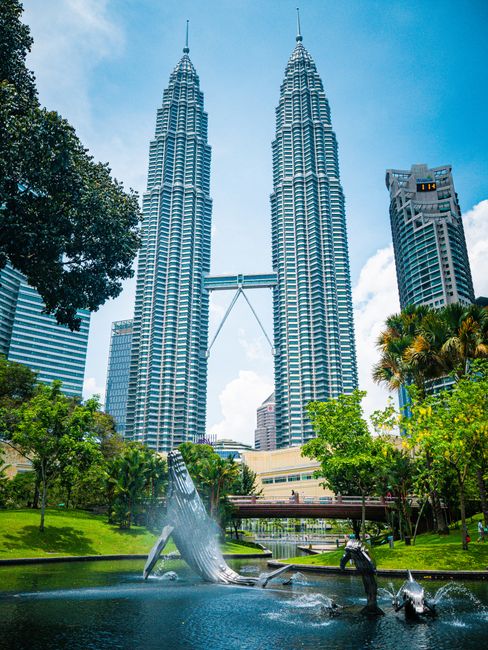
Malaysia brings together two very different halves of Southeast Asia: the Malay Peninsula, with the skyscrapers of Kuala Lumpur, the colonial port cities of George Town and Malacca, cool tea-growing highlands and tropical islands on two seas, and, across the South China Sea, the Borneo states of Sabah and Sarawak, with Mount Kinabalu, orangutans, ancient rainforest and longhouse communities. Its Malay, Chinese, Indian and indigenous peoples give it one of the most varied cuisines and festival calendars in Asia, and travel is easy: English is widely spoken, roads, trains and cheap domestic flights link the main sights, and costs are modest. A first trip usually combines Kuala Lumpur with Penang and Malacca, a beach on Langkawi or the east-coast islands, and a few days in Borneo. A few things need planning, though: every foreign visitor except Singaporeans must fill in the free online Malaysia Digital Arrival Card (MDAC) before arriving, Sabah and Sarawak keep their own immigration control, the monsoons decide which coast is in season, and hotels add a tourism tax for foreign guests. In 2026 and 2027, Tourism Malaysia is running its Visit Malaysia 2026–2027 campaign.
Right now in Malaysia
- Wed 24–32°C 75–90°F 6 mm Heavy showers
- Thu 24–32°C 76–90°F 3 mm Showers
- Fri 24–32°C 75–89°F 6 mm Heavy rain
Weather: MET Norway (CC BY 4.0) · Air quality: OpenAQ
Multi-day tours of Malaysia
Multi-day tours from local operators. You check dates and book on Viator, our partner; we may earn a commission at no extra cost to you. How we earn money
Malaysia at a glance
Malaysia is a federal constitutional monarchy in Southeast Asia, made up of 13 states and three federal territories. Peninsular Malaysia borders Thailand to the north and faces Singapore across the narrow Straits of Johor to the south, with the Strait of Malacca to the west and the South China Sea to the east; East Malaysia, the states of Sabah and Sarawak, occupies the northern third of the island of Borneo, sharing it with Brunei and Indonesia’s Kalimantan. The country covers about 330,800 km² (127,700 sq miles), a little larger than New Mexico, and according to the Department of Statistics Malaysia had about 34.4 million people at the start of 2026. Kuala Lumpur is the capital and largest city; the federal government sits in Putrajaya, just to the south.
The national language is Malay (Bahasa Malaysia), and English is widely spoken in cities and tourist areas; Chinese dialects and Tamil are also common. Islam is the official religion, with large Buddhist, Christian, Hindu and Taoist communities. Malaysia uses one time zone, Malaysia Time (UTC+8), with no daylight saving time. Electricity is 240 V with British-style three-pin sockets (type G). The currency is the ringgit (RM).
Malaysia’s regions
- Kuala Lumpur and the Klang Valley: the capital, Putrajaya, Batu Caves and the main international airport, KLIA, in the state of Selangor.
- The northwest: Penang, with George Town; Perak, with Ipoh and the Cameron Highlands on its border; Kedah and Langkawi; and Perlis, on the Thai border.
- The south: Malacca, Negeri Sembilan and Johor, with Johor Bahru on the border with Singapore and the islands off Mersing.
- The east coast: Pahang, Terengganu and Kelantan, with the Perhentian, Redang and Tioman islands, Taman Negara rainforest and a more traditional Malay culture.
- Sabah: northeastern Borneo, with Kota Kinabalu, Mount Kinabalu, Sepilok and the Kinabatangan River, and the islands of the Semporna area.
- Sarawak: northwestern Borneo, the largest state, with Kuching, Bako, the caves of Mulu and Niah and the longhouses of the Iban and other Dayak peoples.
Where to go: cities, islands, highlands and Borneo
A two-week first trip often combines Kuala Lumpur, the Cameron Highlands, Penang and Langkawi, or adds a week in Sabah or Sarawak; the east-coast islands are a great choice from March to October. See our guides to each place:
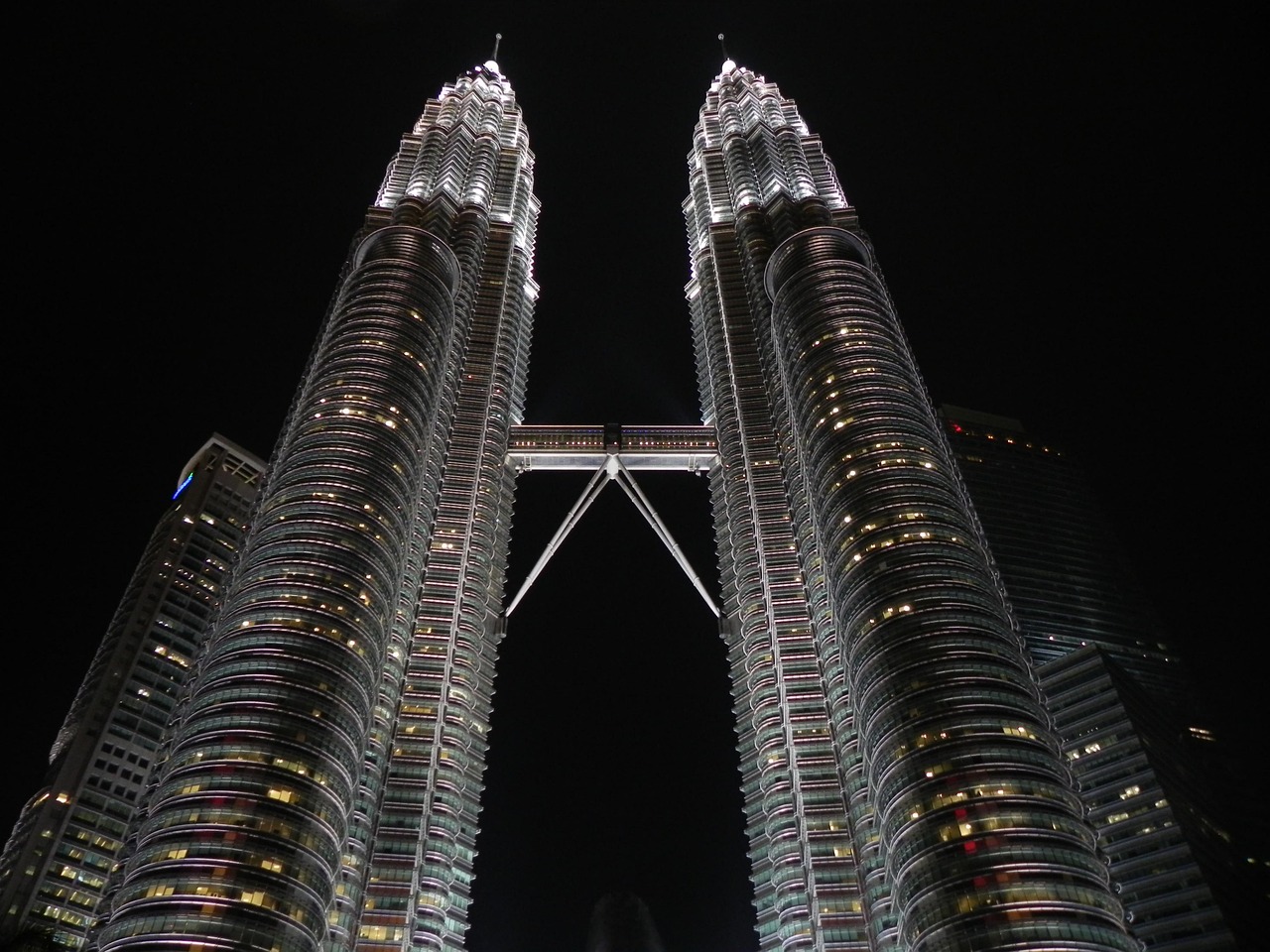
- Kuala Lumpur: the Petronas Twin Towers, Batu Caves, Chinatown, Merdeka Square, food from hawker stalls to rooftop bars, and Malaysia’s main air and rail hub.
- George Town: Penang’s UNESCO-listed old town of shophouses, clan houses and street art, Penang Hill, Kek Lok Si and some of Asia’s best street food.
- Langkawi: a duty-free island group and UNESCO Global Geopark, with beaches, mangroves, a cable car and the Sky Bridge.
- Malacca City: the old port of the Malacca sultanate and its Portuguese, Dutch and British rulers, a UNESCO World Heritage Site with Peranakan food and a weekend night market.
- Kota Kinabalu: Sabah’s capital, with island parks offshore and Mount Kinabalu, Malaysia’s highest peak, on the horizon.
- Johor Bahru: the border city facing Singapore, with LEGOLAND, food, shopping and the southern end of the ETS railway.
- Genting Highlands: a cool mountaintop resort of hotels, theme parks, a casino and cable cars, an hour from Kuala Lumpur.
- Cameron Highlands: a colonial-era hill station of tea plantations, cloud forest, jungle trails and strawberry farms.
- Kuching: Sarawak’s relaxed riverside capital, the base for orangutans at Semenggoh, Bako National Park and longhouse visits.
- Perhentian Islands: car-free islands off Terengganu with clear water, turtles, reef sharks and cheap diving courses, open roughly from March to October.
Other favorites include Ipoh and its cave temples, the rainforest of Taman Negara, Tioman and Redang islands, the caves of Gunung Mulu, Sepilok and the Kinabatangan River in Sabah, the diving around Semporna, and the Malay towns of Kuala Terengganu and Kota Bharu.
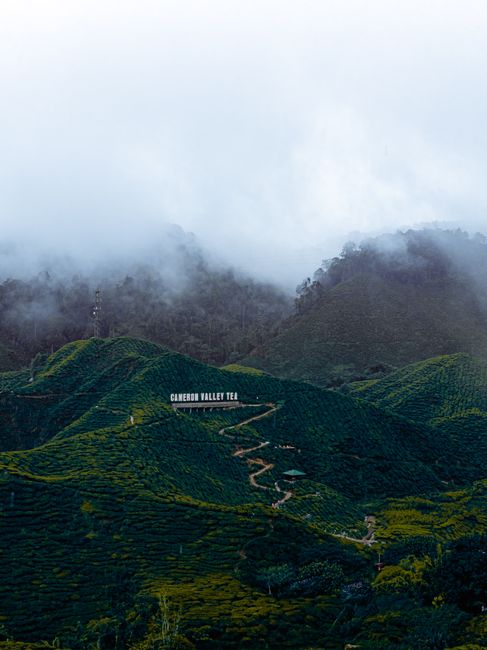
Cameron Highlands Travel Guide
Plan a trip to the Cameron Highlands: Tanah Rata, Brinchang, Kea Farm and Ringlet and where to stay, the BOH and Cameron Valley tea…
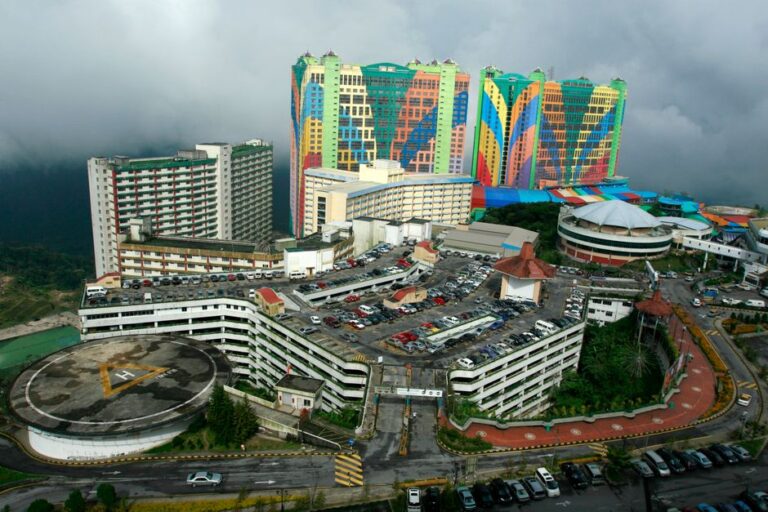
Genting Highlands Travel Guide
Plan a trip to Genting Highlands: the hilltop Resorts World Genting, Resorts World Awana and Gohtong Jaya and where to stay, the Awana SkyWay…
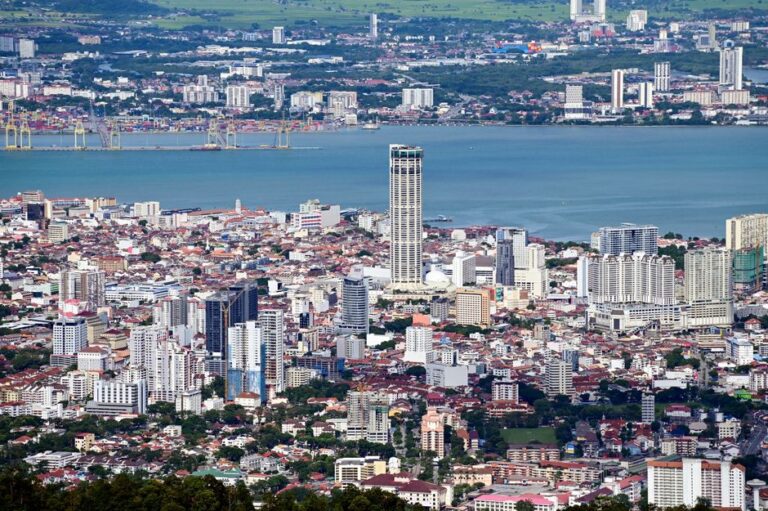
George Town Travel Guide
Plan a trip to George Town, Penang: the UNESCO heritage core, Little India, Gurney Drive and Batu Ferringhi and where to stay, Khoo Kongsi,…
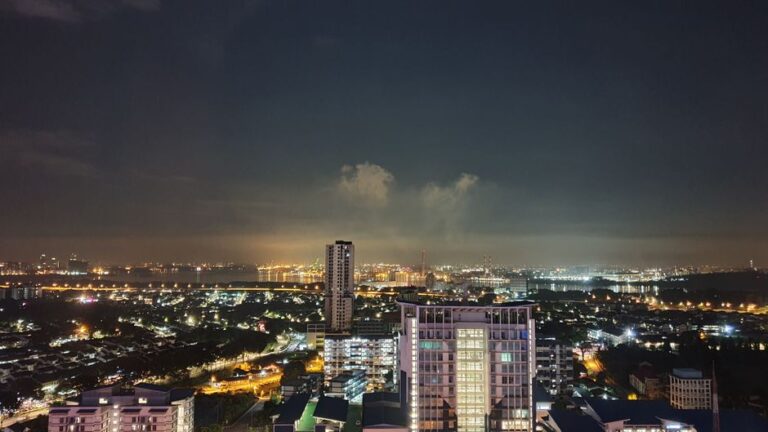
Johor Bahru Travel Guide
Plan a trip to Johor Bahru: the city center, heritage quarter, Iskandar Puteri and Mount Austin and where to stay, the Sultan Abu Bakar…
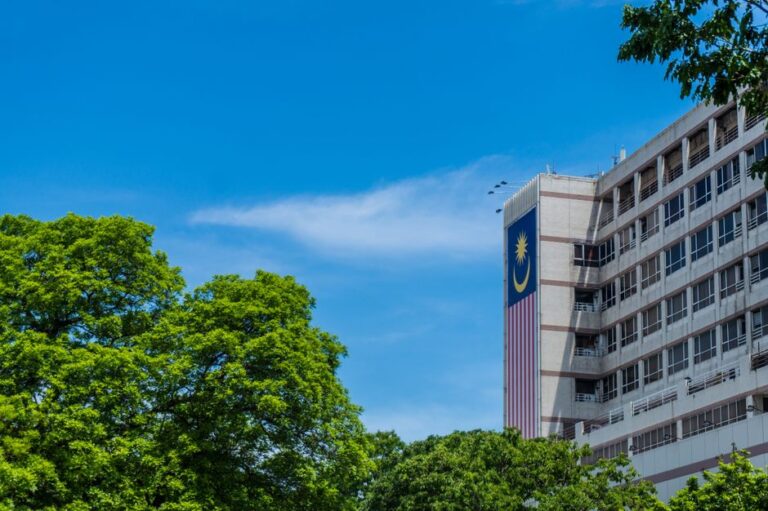
Kota Kinabalu Travel Guide
Plan a trip to Kota Kinabalu: the city center, Tanjung Aru, Sutera Harbour and the northern coast and where to stay, climbing Mount Kinabalu…
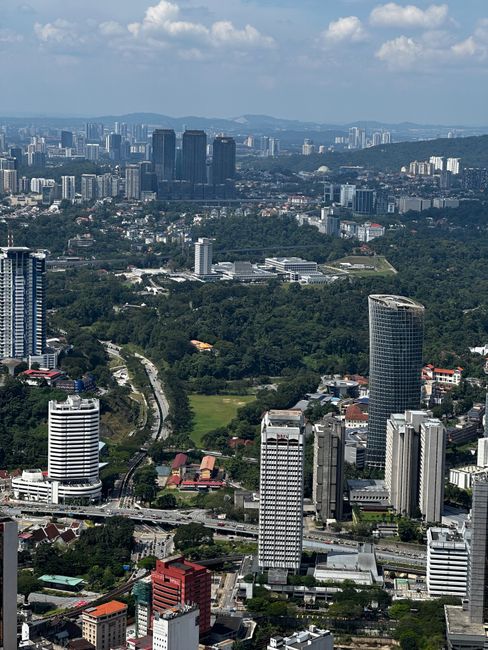
Kuala Lumpur Travel Guide
Plan a trip to Kuala Lumpur: KLCC, Bukit Bintang, Chinatown, KL Sentral and Bangsar and where to stay, the Petronas Twin Towers with 2026…
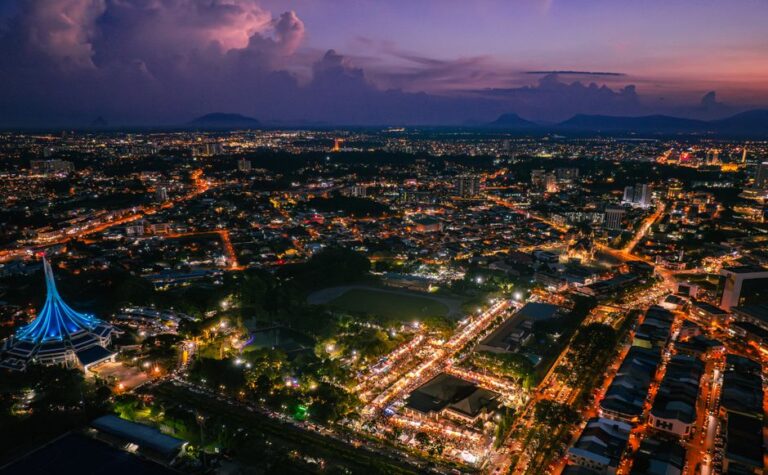
Kuching Travel Guide
Plan a trip to Kuching: the waterfront, Main Bazaar, Padungan, the north bank and Damai and where to stay, the Astana and Fort Margherita,…
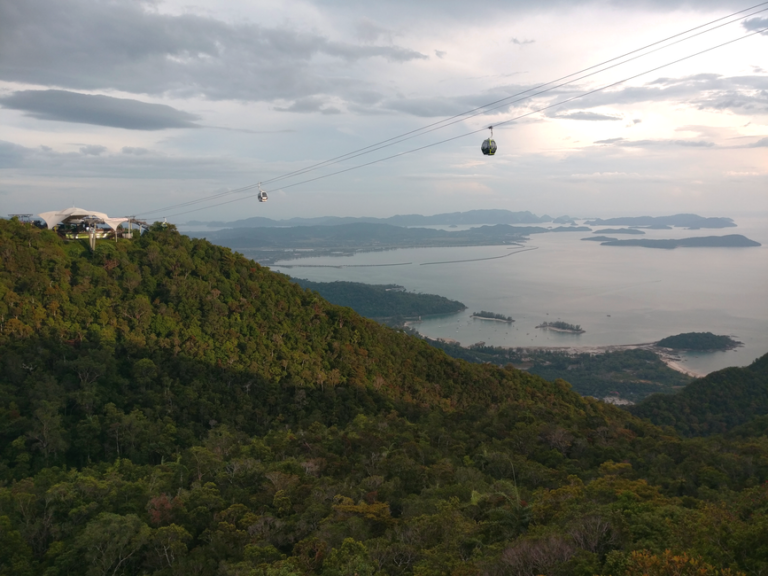
Langkawi Travel Guide
Plan a trip to Langkawi: Pantai Cenang, Kuah, Tanjung Rhu, Datai Bay and Pantai Kok and where to stay, the SkyCab, Sky Bridge and…
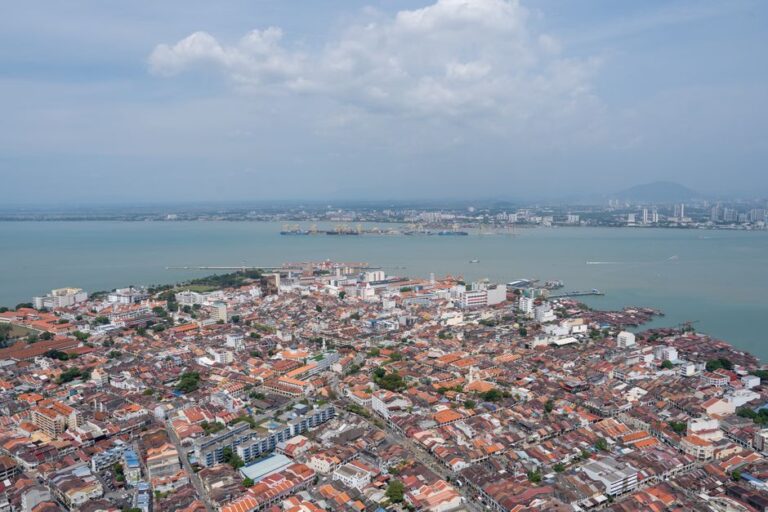
Malacca City Travel Guide
Plan a trip to Malacca City (Melaka): Dutch Square, Jonker Street, the riverside and Bandar Hilir and where to stay, the Stadthuys, St. Paul's…
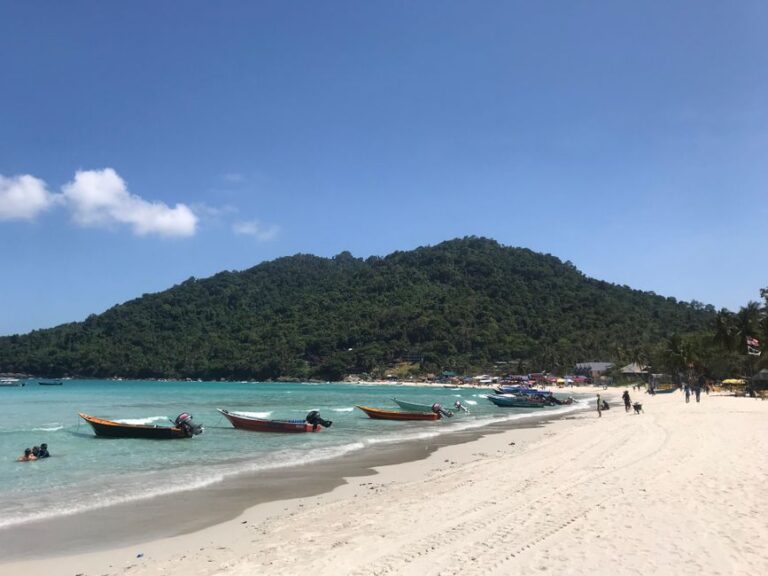
Perhentian Islands Travel Guide
Plan a trip to the Perhentian Islands: Long Beach and Coral Bay on Perhentian Kecil and the beaches of Perhentian Besar and where to…
Best time to visit Malaysia
Malaysia is hot and humid all year, with temperatures that barely change from month to month: daytime highs of about 30–34 °C (86–93 °F) in the lowlands and much cooler weather in the highlands. What changes is the rain, driven by two monsoons. According to the Malaysian Meteorological Department (MetMalaysia), the southwest monsoon runs from late May to September and is relatively dry across most of the country except Sabah, and the northeast monsoon runs from November to March, bringing heavy rain and rough seas to the east coast of the peninsula, western Sarawak and eastern Sabah. Between them, the inter-monsoon periods of April to May and October to November bring frequent afternoon thunderstorms, especially on the west coast.
In practice: the west coast (Kuala Lumpur, Penang, Langkawi, Malacca) can be visited all year, with Langkawi and Penang at their best from December to March; the east coast islands (Perhentians, Redang, Tioman) are best from March to October and largely close from about November to February; and Borneo is wet all year, with Kuching wettest from December to February and Kota Kinabalu wettest in October.
The table shows rounded averages from MetMalaysia’s 1991–2020 climate normals, as submitted to the World Meteorological Organization (WMO), for one station in each main travel area.
| Area (MetMalaysia station) | January high / low | July high / low | Rain a year | Wettest months |
|---|---|---|---|---|
| Kuala Lumpur (Subang) | 33 °C (91 °F) / 24 °C (75 °F) | 33 °C (91 °F) / 24 °C (76 °F) | about 2,850 mm (112 in) | April and October to December |
| Penang and Langkawi (Bayan Lepas) | 32 °C (89 °F) / 25 °C (76 °F) | 32 °C (89 °F) / 25 °C (77 °F) | about 2,330 mm (92 in) | September and October |
| Malacca (Melaka) | 32 °C (89 °F) / 24 °C (75 °F) | 32 °C (89 °F) / 24 °C (75 °F) | about 1,990 mm (78 in) | November |
| East coast (Kota Bharu) | 30 °C (85 °F) / 24 °C (74 °F) | 32 °C (90 °F) / 24 °C (76 °F) | about 2,700 mm (106 in) | November and December |
| Sabah (Kota Kinabalu) | 31 °C (88 °F) / 24 °C (74 °F) | 32 °C (90 °F) / 24 °C (75 °F) | about 2,720 mm (107 in) | October |
| Sarawak (Kuching) | 30 °C (86 °F) / 23 °C (74 °F) | 32 °C (90 °F) / 23 °C (74 °F) | about 4,230 mm (167 in) | December to February |
Malaysia month by month
| Month | Weather | Highlights | Crowds and prices |
|---|---|---|---|
| January | Northeast monsoon: wet on the east coast and in Sarawak; dry in Penang and Langkawi | Thaipusam at Batu Caves (January or February); Chinese New Year in some years | High over Chinese New Year and school holidays |
| February | The driest month in much of the peninsula; east-coast islands still mostly closed | Chinese New Year (February 6 in 2027); Chingay in Johor Bahru | High at New Year, then moderate |
| March | Drying out on the east coast; hot on the west | East-coast island season begins; Ramadan in some years | Moderate |
| April | Inter-monsoon thunderstorms, especially in the afternoon | Calm seas on the east coast; diving season | Moderate |
| May | Hot; storms; southwest monsoon starts late in the month | Kaamatan harvest festival in Sabah; Wesak Day | Moderate; school holidays at the end of the month |
| June | Relatively dry on the peninsula; haze possible | Gawai Dayak in Sarawak (June 1–2); Rainforest World Music Festival in Kuching (June or July) | High on the islands and in the highlands during school holidays |
| July | Dry spell on the peninsula; showers in Borneo | Best month for the east-coast islands; George Town Heritage Celebrations | High on the islands |
| August | Showers; haze possible | National Day (August 31); Hungry Ghost Festival | Busy around National Day |
| September | Wetter on the west coast | Malaysia Day (September 16) | Moderate |
| October | Inter-monsoon storms; the wettest month in Penang, Langkawi and Kota Kinabalu | Deepavali (October or November); east-coast season ends | Moderate |
| November | Northeast monsoon begins: heavy rain and floods possible on the east coast | Deepavali in some years | Low on the east coast; islands closing |
| December | Very wet on the east coast and in Sarawak; dry season starts in Langkawi | Christmas and year-end holidays | High in Langkawi, Penang and the highlands |
The monsoons, floods and haze
The northeast monsoon is Malaysia’s main rainy season. According to MetMalaysia, its heavy rain often causes major floods in Kelantan, Terengganu, Pahang and eastern Johor, as well as in Sarawak and Sabah, and its strong winds make the South China Sea rough; most resorts and ferries on the Perhentian, Redang and Tioman islands close from about November to February. In the same season, the west coast of the peninsula is less affected. The southwest monsoon, from late May to September, is the driest time for most of the peninsula, but it is also the season when smoke from forest and peat fires elsewhere in the region can drift over Malaysia as haze, most often between June and September. Check the Department of Environment’s Air Pollutant Index (API) during haze episodes.
Festivals and holidays
- Chinese New Year: two days of public holidays in January or February, with lion dances, lanterns and family reunions; travel and hotels are busy and some shops close.
- Hari Raya Aidilfitri: the end of the fasting month of Ramadan, Malaysia’s biggest holiday, when many people travel home and businesses close for several days; in 2026 it fell in March. During Ramadan, Muslims fast from dawn to sunset, but restaurants stay open for others, and evening Ramadan bazaars sell festive food.
- Thaipusam: the Hindu festival in January or February, with a huge procession to Batu Caves near Kuala Lumpur and in Penang.
- Deepavali: the Hindu festival of lights, in October or November.
- Gawai Dayak and Kaamatan: harvest festivals in Sarawak (June 1–2) and Sabah (late May).
- National Day and Malaysia Day: August 31 and September 16.
How long to stay: sample itineraries
- 7 days: Kuala Lumpur (3 nights) with Batu Caves, then Penang (2) and Langkawi (2), or Kuala Lumpur, Malacca (1) and the Cameron Highlands (2).
- 10 days: Kuala Lumpur (3), Cameron Highlands (2), Penang (3) and Langkawi (2).
- 14 days: Kuala Lumpur (3), Malacca (1), Cameron Highlands (2), Penang (3), then a flight to Kota Kinabalu (4) for Mount Kinabalu and the islands, or to Kuching (4).
- Islands and Borneo, March to October: Kuala Lumpur, the Perhentian Islands (4), then Kota Kinabalu and Sandakan for Mount Kinabalu, Sepilok and the Kinabatangan River.
Entry, money and costs
Visas (last reviewed October 2026)
Citizens of most countries, including the United States, Canada, the United Kingdom, Ireland, Australia, New Zealand and all European Union countries, can visit Malaysia for tourism without a visa. According to the Immigration Department of Malaysia, the countries whose citizens need a visa include Bangladesh, Colombia, Montenegro, Nepal, Pakistan, Serbia, Sri Lanka and a number of African countries; citizens of India are exempt from the visa requirement until December 31, 2026, Chinese citizens benefit from a mutual visa exemption, and nationals of ASEAN countries except Myanmar can stay up to one month without a visa. Visitors from the United Kingdom are normally allowed to stay 90 days, according to the UK government, and many other Western visitors receive the same, but the length of stay depends on your nationality and is decided by the immigration officer, so check the Immigration Department’s website for your passport. Your passport should be valid for at least six months. Visas, where needed, are applied for online through the official eVISA portal.
The Malaysia Digital Arrival Card (MDAC)
Since January 1, 2024, according to the Immigration Department of Malaysia, all foreign citizens traveling to Malaysia must complete the Malaysia Digital Arrival Card (MDAC) online within three days before arrival, on the department’s website (imigresen-online.imi.gov.my/mdac/main), and show the registration and their passport at the immigration counter. The main exemptions are citizens of Singapore, holders of diplomatic and official passports, Malaysian permanent residents and long-term pass holders, and holders of certain Brunei, Thai and Indonesian border documents. Airlines may ask for the MDAC at check-in. Use only the official website; lookalike sites charge fees for a free form.
Autogates for foreign visitors
According to the Immigration Department, visitors from 10 countries, Australia, Brunei, Germany, Japan, South Korea, New Zealand, Saudi Arabia, Singapore, the United States and the United Kingdom, can use the automated autogates when arriving at and departing from KLIA and KLIA2, if their passport is valid for at least six months and they have submitted the MDAC. On a first visit, you enroll and have your passport verified at a manual counter and can then use the autogate on departure; on later visits you can use the autogates on arrival and departure, but you must still submit the MDAC for every visit.
Sabah and Sarawak
Under the arrangements made when Malaysia was formed in 1963, the Borneo states of Sabah and Sarawak keep their own immigration control. Foreign visitors flying from the peninsula to Kota Kinabalu or Kuching, or between the two states, pass through immigration again and receive new stamps, so carry your passport on domestic flights to and within Borneo.
Customs
According to the MDAC website, travelers carrying cash or bearer negotiable instruments worth more than the equivalent of US$10,000 must declare them to customs, and you may not carry more than the equivalent of US$10,000 in Malaysian ringgit without permission from Bank Negara Malaysia. Drug offenses are punished extremely severely, with the death penalty possible for trafficking; never carry anything for anyone else. Carry prescription medicines in their original packaging with a copy of the prescription.
Tourism tax and service tax
Foreign guests pay a tourism tax of RM10 per room per night at hotels and other registered accommodation, usually collected at check-in or check-out; Malaysian citizens and permanent residents are exempt. Hotel bills also carry Malaysia’s service tax, which according to the Royal Malaysian Customs Department is 8% on most taxable services since March 1, 2024 (6% on food and drink), and many hotels and restaurants add a 10% service charge.
Money and cards
The currency is the ringgit (MYR, RM); in late September 2026 the US Federal Reserve’s rate was about RM4.08 to the US dollar. Visa and Mastercard are accepted in hotels, malls, chain restaurants and most city shops, and Malaysia’s QR payment network, DuitNow, is everywhere, but carry cash for hawker stalls, markets, small towns, boats and the islands, where ATMs are scarce. ATMs are common in cities. When a card machine offers to charge in your home currency, choose ringgit. Licensed money changers in malls usually give better rates than banks.
Tipping
Tipping is not expected in Malaysia. Many hotels and restaurants add a 10% service charge; rounding up a taxi fare or tipping guides, drivers and porters a few ringgit is appreciated but optional.
What a trip costs
Prices are approximate, for October 2026, converted at about RM4.08 to the US dollar.
| Item | Typical cost |
|---|---|
| Hawker or food court meal | RM8–15 (about US$2–3.70) |
| Dinner in a mid-range restaurant | RM40–80 (about US$10–20) per person |
| LRT or MRT ride in Kuala Lumpur | RM1.50–6 (about US$0.40–1.50) |
| KLIA Ekspres, airport to KL Sentral | RM55 (about US$13.50); RM65 (about US$16) from January 1, 2027 |
| ETS train, Kuala Lumpur to Johor Bahru | from RM82 (about US$20) |
| Domestic flight, Kuala Lumpur to Kota Kinabalu, booked ahead | RM200–450 (about US$49–110) |
| Petronas Twin Towers, adult, weekday | RM127 (about US$31) |
| Mid-range hotel double, per night | RM200–400 (about US$49–98) |
| Tourism tax, per room per night | RM10 (about US$2.45) |
A comfortable mid-range trip costs roughly RM350–600 (about US$86–147) per person per day, including a shared double room; backpackers using hostels, hawker food and buses can manage on RM150–200 (about US$37–49).
Getting there and getting around
Airports and the KLIA Ekspres
Most international flights land at Kuala Lumpur International Airport (KLIA), about 50 km (30 miles) south of the capital, which has two terminals: Terminal 1 for Malaysia Airlines and most full-service airlines, and Terminal 2 for AirAsia and other low-cost carriers. According to its operator, the KLIA Ekspres train takes 28 minutes from KL Sentral to Terminal 1 and runs every 20 minutes; the adult fare is RM55, rising to RM65 on January 1, 2027, and payment is cashless. Penang, Langkawi, Kota Kinabalu, Kuching and Johor Bahru (Senai) also have international flights, mostly within Asia.
Land and sea borders
From Singapore, buses cross the Causeway to Johor Bahru and the Second Link at Tuas, and KTMB’s Shuttle Tebrau train runs from Woodlands to JB Sentral. The Johor Bahru–Singapore RTS Link, a 4 km (2.5-mile) cross-border light rail line from Woodlands North to Bukit Chagar, is targeted to begin passenger service at the end of 2026, according to Singapore’s Land Transport Authority; as of October 2026 it is not yet open. From Thailand, trains and buses cross at Padang Besar and roads at Bukit Kayu Hitam, and ferries link Satun and Ko Lipe with Langkawi; see our Thailand guide. In Borneo, roads cross to Brunei and to Indonesian Kalimantan; see our Indonesia and Singapore guides.
Trains: the ETS and the east coast line
Keretapi Tanah Melayu Berhad (KTMB) runs the peninsula’s railways. Its ETS electric trains, reaching 140 km/h (87 mph), run on the West Coast Line from KL Sentral north to Ipoh, Butterworth (for Penang) and Padang Besar on the Thai border, and, since December 12, 2025, south on the new electrified double track to JB Sentral in Johor Bahru, in about 4 hours 10 minutes to 4 hours 20 minutes, with fares from RM82. Trains come in three classes of service, Platinum (fewest stops), Gold and Silver, and popular trains sell out at weekends and holidays; book on KTMB’s website or KITS Style app and arrive 30 minutes before departure. Diesel KTM Intercity trains run on the East Coast Line through the interior from Gemas to Tumpat, near Kota Bharu, sometimes called the jungle railway. In Borneo, the only railway is the Sabah State Railway, which runs south from Kota Kinabalu.
Buses and domestic flights
Comfortable express buses link almost every town, often more directly than trains; in Kuala Lumpur, most leave from the Terminal Bersepadu Selatan (TBS). Domestic flights by Malaysia Airlines, AirAsia, Batik Air and Firefly are cheap and essential for Borneo, Langkawi and the east coast. Ferries serve Langkawi, Penang, the east-coast islands and the Borneo islands.
City transportation and Touch ‘n Go
Kuala Lumpur has an extensive rail network of LRT, MRT and monorail lines run by Prasarana’s Rapid KL, which added the LRT3 Shah Alam Line in July 2026, plus KTM Komuter trains. Penang and Kuantan have Rapid buses. The Touch ‘n Go card, sold at stations and convenience stores, pays for trains, buses, tolls and parking. Grab, the regional ride-hailing app, works in all cities and is the easiest way to get around, with fixed fares shown in advance.
Driving
Malaysians drive on the left. Visitors from outside ASEAN should carry an International Driving Permit with their license. Highways are good and tolled (pay with Touch ‘n Go or RFID), but city traffic is heavy and motorcycles weave through it, and mountain roads to the highlands are steep and winding.
National parks, wildlife and the islands
Malaysia’s rainforests are among the oldest in the world, and its protected areas range from mountains to marine parks.
- Mount Kinabalu: according to Sabah Parks, the 2026 climbing package for international adults at the Panalaban Hostel costs RM1,043.25, including the RM400 permit, plus a guide, transfer and conservation fee; places are limited and must be booked online. See our Kota Kinabalu guide.
- Marine parks: the Perhentian, Redang, Tioman, Payar and other island groups are marine parks; according to the Department of Fisheries, visitors without a Malaysian identity card pay a conservation charge of RM30 (RM15 for children aged 6 to 12 and seniors).
- Orangutans: see semi-wild orangutans at Semenggoh near Kuching, where the Sarawak Forestry Corporation says they may come for feeding at 9 a.m. and 3 p.m., and at Sepilok in Sabah, or wild ones along the Kinabatangan River.
- Taman Negara and the highlands: the peninsula’s great rainforest park, reached from Kuala Tahan, and the trails of the Cameron Highlands.
- Langkawi Geopark: the UNESCO Global Geopark’s mangroves, karst and ancient rocks.
UNESCO World Heritage Sites include Kinabalu Park and Gunung Mulu National Park, inscribed in 2000; Melaka and George Town, the Historic Cities of the Straits of Malacca, inscribed in 2008; the archaeological heritage of the Lenggong Valley; and the archaeological heritage of the Niah caves. See our hiking, diving and snorkeling guides.
Culture, food and everyday etiquette
Food
Malaysian food is a fusion of Malay, Chinese, Indian and indigenous traditions, eaten at all hours in hawker centers, kopitiam coffee shops and 24-hour mamak restaurants. Essentials include nasi lemak, coconut rice with sambal, the national breakfast; roti canai with curry; satay; char kway teow and Penang assam laksa; nasi kandar; Nyonya dishes in Malacca and Penang; Sarawak laksa and kolo mee in Kuching; and fresh seafood in Sabah. Most food is halal, pork is served in Chinese restaurants, and alcohol is available in cities and tourist areas but is heavily taxed (except in duty-free Langkawi) and harder to find in conservative states such as Kelantan and Terengganu.
Etiquette
Malaysians are friendly and tolerant, and a little courtesy goes a long way. Dress modestly away from the beach, and cover shoulders and knees, remove your shoes and follow posted rules in mosques and temples (robes are often provided). Take off your shoes when entering homes. Use your right hand to give and receive things and to eat with your hands. Avoid public displays of affection, especially in rural areas and conservative states. During Ramadan, avoid eating, drinking and smoking in public in front of fasting Muslims in conservative areas. Same-sex sexual activity is illegal under federal law. Criticism of the monarchy and religion is a sensitive and legally restricted topic.
Safety, health and connectivity
Malaysia is generally safe for travelers. These are the main things to know:
- Petty crime: bag snatching by thieves on motorcycles and pickpocketing are the most common problems in cities; carry bags on the side away from the road and watch your belongings in crowds and on public transportation.
- Road safety: traffic is heavy and fast, motorcycle accidents are common, and drivers do not always stop at pedestrian crossings. Wear a helmet on scooters (it is required by law), avoid riding or driving at night on unfamiliar roads, and take extra care on the steep, winding roads to the highlands, which can be closed by landslides after heavy rain.
- Monsoon sea closures and floods: during the northeast monsoon, from about November to March, the east coast’s islands, including the Perhentians, largely close and sea crossings stop; floods can cut roads in the east-coast states and in Sabah and Sarawak. Follow MetMalaysia warnings.
- Haze: smoke from regional fires can cause unhealthy air, most often between June and September; check the Department of Environment’s Air Pollutant Index and limit outdoor activity when it is high.
- Jellyfish and the sea: box jellyfish and other stinging jellyfish occur at times off Langkawi, Penang, Sabah and other coasts; swim at beaches with warnings, vinegar stations or lifeguards, avoid the sea after storms and seek help for severe stings. Currents and boat traffic can be dangerous; wear life jackets on boats.
- Eastern Sabah: Malaysian security forces maintain the Eastern Sabah Security Zone (ESSZone) along Sabah’s east coast and its islands, from around Kudat to Tawau, because of past kidnappings by armed groups from the southern Philippines; a night-time sea curfew has for years been declared and periodically renewed for the waters off several east-coast districts, and some islands and dive resorts have security forces stationed on them. Kota Kinabalu, Mount Kinabalu and the west coast are outside the zone.
- Health: dengue fever, spread by day-biting mosquitoes, occurs throughout Malaysia, so use repellent. Tap water is treated in cities, but most visitors drink bottled or filtered water. Private hospitals in the cities are good but expensive; have travel insurance.
- Emergencies: call 999 for police, ambulance and fire.
Mobile coverage is good in cities and along main roads, but patchy in the rainforest and on some islands. Prepaid SIM cards and eSIMs from Malaysian networks are sold at airports and convenience stores and require your passport for registration; free Wi-Fi is common in hotels, cafés and malls.
Things to do: food, islands, rainforest and festivals
Eat your way through Penang and Kuala Lumpur, climb Mount Kinabalu, snorkel with turtles on the Perhentians, see orangutans in Borneo, walk through the colonial streets of Malacca and George Town, drink tea in the Cameron Highlands and take a cable car on Langkawi or in Genting. See our city sightseeing, beaches and boat trips guides.
Malaysia travel FAQ
Do I need a visa to visit Malaysia?
Citizens of most countries, including the United States, Canada, the United Kingdom, Australia, New Zealand and the European Union, do not need a visa for a tourist visit. Citizens of some countries, including Bangladesh, Nepal, Pakistan and Sri Lanka, do; Indian citizens are visa-exempt until December 31, 2026. Check the Immigration Department of Malaysia’s website for your nationality.
How long can I stay in Malaysia without a visa?
It depends on your passport. UK visitors normally get 90 days, as do many other Western visitors; ASEAN nationals (except Myanmar) can stay up to one month. The officer decides the length of stay at entry.
What is the Malaysia Digital Arrival Card (MDAC)?
A free online arrival form that all foreign visitors except Singapore citizens and a few other groups must complete within three days before arriving, on the Immigration Department’s official website. Show the registration and your passport at immigration.
Can I use the autogates at Kuala Lumpur airport?
Visitors from 10 countries, including the United States, the United Kingdom, Australia, Germany, Japan and South Korea, can use the autogates at KLIA and KLIA2 after enrolling at a manual counter on their first visit, provided their passport has six months’ validity and they have submitted the MDAC.
Do I need my passport to fly to Sabah or Sarawak?
Yes. Sabah and Sarawak have their own immigration control, and foreign visitors go through immigration on arrival, even on domestic flights.
What is the tourism tax in Malaysia?
Foreign guests pay RM10 per room per night at hotels and other registered accommodation, in addition to the room rate and service tax.
What is the best time to visit Malaysia?
It depends on the region: December to March for Langkawi and Penang, March to October for the east-coast islands, and June to August for the driest weather in Kuching. Kuala Lumpur and Malacca can be visited all year.
When are the Perhentian Islands closed?
Most resorts and boats on the Perhentian Islands close during the northeast monsoon, from about November to February, when MetMalaysia reports heavy rain and rough seas on the east coast.
How much does the KLIA Ekspres cost?
RM55 for an adult one-way ticket between KLIA and KL Sentral, rising to RM65 from January 1, 2027, according to its operator. The trip takes 28 minutes to Terminal 1.
Is there a train from Kuala Lumpur to Singapore?
Not directly. ETS trains run from KL Sentral to JB Sentral in Johor Bahru, from where the Shuttle Tebrau train or buses cross to Singapore. The RTS Link from Johor Bahru to Singapore’s Woodlands North is targeted to open at the end of 2026.
How much does it cost to climb Mount Kinabalu?
In 2026, the Sabah Parks package at the Panalaban Hostel costs RM1,043.25 for international adults, including the climbing permit, one night, meals and insurance; a guide, transfers and the RM50 conservation fee are extra.
Is Malaysia safe for tourists?
Yes, generally. Watch for bag snatchers in cities, take care on the roads, check monsoon and haze conditions, and note the special security zone along eastern Sabah’s coast.
Is Langkawi duty-free?
Yes. Alcohol, tobacco and chocolate are much cheaper on Langkawi; to take duty-free alcohol to the mainland, you must stay at least 48 hours, according to the Langkawi Development Authority.
Sources and last review
Researched and last reviewed on 4 October 2026. MDAC rules and exemptions, autogates, visa requirements, the India exemption and cash limits: the Immigration Department of Malaysia; population: the Department of Statistics Malaysia; monsoons, floods and climate patterns: the Malaysian Meteorological Department (MetMalaysia), with climate normals via the World Meteorological Organization; service tax: the Royal Malaysian Customs Department; Visit Malaysia 2026–2027: Tourism Malaysia; KLIA Ekspres: Express Rail Link; ETS and Intercity trains: Keretapi Tanah Melayu Berhad (KTMB); Rapid KL and the RTS Link operator: Prasarana Malaysia; RTS Link target date: Singapore’s Land Transport Authority; Mount Kinabalu: Sabah Parks; marine park fees: the Department of Fisheries; Semenggoh: the Sarawak Forestry Corporation; Langkawi duty-free rules: the Langkawi Development Authority; George Town and Malacca’s inscription: George Town World Heritage Incorporated; UK visitors’ 90-day stay and travel between the peninsula and Borneo: the UK government’s entry-requirements page; exchange rate: the US Federal Reserve. The tourism tax rate, durations of stay for other nationalities, festival dates, the eastern Sabah security zone and curfew, other UNESCO sites, health and connectivity information and typical prices are general references or estimates, flagged for checking. Rules and prices change, so check the official sites before you go.
Plan your trip
Partner links: TravelerCenter may earn a commission if you book, at no extra cost to you.
🇲🇾 Useful Malay phrases for Malaysia
All 38 Malay phrases: restaurant, hotel, emergencies, romance (printable) →