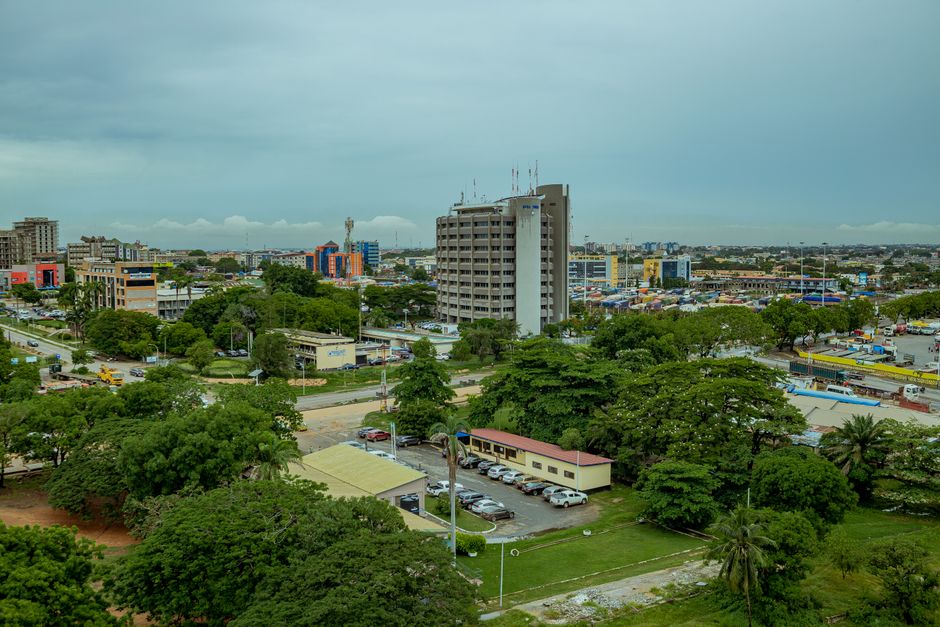
Accra, Ghana’s capital, is a big, energetic and creative Atlantic city, and for most visitors it’s the gateway to the country. It doesn’t have the grand monuments of some capitals, but it rewards curiosity: the old fishing district of Jamestown, with its red-and-white lighthouse, colonial forts and boxing gyms; the bustling stalls of Makola Market; the Kwame Nkrumah Memorial Park, honoring the leader who brought Ghana to independence in 1957; the vast Independence Square and its Black Star Gate; and Osu, where Oxford Street’s shops and restaurants lead down to the sea and the old Danish-built Christiansborg Castle. Accra has a thriving art scene, with galleries, studios and the Chale Wote street art festival; some of the best food in West Africa, from roadside jollof and kelewele to smart restaurants; lively beach bars at Labadi and Kokrobite; and a nightlife scene fueled by highlife, hiplife and Afrobeats. It’s also the base for day trips to the Aburi botanical gardens, the Shai Hills and the Volta estuary, and for the road west to Cape Coast and Elmina castles. Accra is hot and humid all year, traffic can be heavy, and the city takes a little getting used to, but its warmth and humor win most people over.
Right now in Accra
- Wed24–29°C74–85°F1 mm rain
- Thu24–30°C75–86°F4 mm rain
- Fri24–28°C75–83°F1 mm rain
Top tours in Accra
See all tours for Accra →
From local operators, with prices and reviews; you check availability and book on Viator, our partner. We may earn a commission at no extra cost to you. How we earn money
Accra at a glance
- Best for: independence history, markets, art galleries, food, nightlife, beach bars and the start of a Ghana trip.
- How long: 2–3 days for the city; add 2–3 more for day trips or the coast.
- Best time: November to March (dry, hot) and July to August (cooler, fairly dry); April to June is the main rainy season.
- Getting there: fly into Kotoka International Airport (ACC), about 10 km (6 miles) from the center.
- Getting around: ride-hailing apps, taxis and tro-tros; walk in Osu and Jamestown.
- Good to know: you’ll need a visa (most non-Africans) and a yellow fever certificate to enter Ghana.
- Before you go: visas, money and general safety are in our Ghana travel guide.
Accra’s areas and where to stay
Accra sprawls for kilometers along the coast and inland. The historic core lies near the sea around Jamestown and the business district; the main hotel and restaurant areas are Osu, the Airport area and Cantonments.
Jamestown and Ussher Town
Accra’s oldest districts, Jamestown and Ussher Town, grew up around the 17th-century James Fort and Ussher Fort. Today they’re crowded, colorful fishing neighborhoods of colonial buildings, canoes on the beach and boxing gyms. There are few places to stay, but they’re essential to visit with a local guide.
Osu
Osu, east of downtown, is the city’s most popular area for visitors, with Oxford Street (Cantonments Road) lined with shops, banks, cafés, bars and restaurants, plus mid-range hotels and guesthouses. It’s lively day and night and close to the sea.
Airport Residential, Cantonments and Ridge
These leafy districts north of Osu have international hotels, embassies, upscale restaurants and malls. They’re quieter and convenient for the airport, and suit business travelers and anyone wanting comfort.
Labadi and the coast
East of Osu, Labadi (La) Beach is Accra’s busiest city beach, with beach bars, music and horse rides at weekends, and beach resorts nearby. West of the city, the village of Kokrobite has a long beach, laid-back lodges and drumming.
East Legon
North of the airport, East Legon is an upscale residential area with restaurants, nightlife and apartments, popular with returning diaspora visitors.
Where to stay in Accra
- Osu: walkable streets, restaurants and nightlife; mid-range hotels and guesthouses.
- Airport area and Cantonments: international chain hotels, quiet streets and easy airport access.
- Labadi: beach resorts and the city’s main beach.
- East Legon: apartments and boutique hotels near cafés and bars.
- Kokrobite: simple beach lodges about an hour west, for a relaxed stay.
Top things to see in Accra
Kwame Nkrumah Memorial Park
On the site where Ghana’s independence was declared on March 6, 1957, the Kwame Nkrumah Memorial Park holds the marble mausoleum of Ghana’s first president and his wife, surrounded by fountains and statues, and a museum with photographs and personal belongings that tell the story of his life and the independence movement. Guides are available, and there’s an entrance fee for foreign visitors.
Independence Square and the Black Star Gate
Built for independence and used for national parades, the huge Independence Square (Black Star Square) is crowned by the Black Star Gate, an arch topped with the black star of African freedom that appears on Ghana’s flag. Nearby, the Independence Arch and the Eternal Flame of African Liberation stand beside the ocean.
Jamestown and the lighthouse
Walk through Jamestown with a local guide to see the Jamestown Lighthouse, which you can climb for views over the fishing harbor and the city, the ruins of James Fort, the fishing canoes painted in bright colors, and the area’s famous boxing gyms, which have produced world champions. In August, the neighborhood hosts the Chale Wote Street Art Festival, with murals, performances and music.
Makola Market
Downtown, Makola Market is a maze of stalls selling fabrics, beads, spices, fruit, household goods and almost everything else. It’s hot, crowded and fascinating; go in the morning, keep valuables secure, and bargain with a smile.
Osu Castle and Osu
Osu Castle, also known as Christiansborg Castle, was built by the Danes in the 17th century and later served as the seat of Ghana’s government. It’s a historic landmark on the shore at Osu; access to the interior is limited, so check whether tours are running. Nearby, the old streets of Osu have colonial churches and lively markets.
W.E.B. Du Bois Centre
The W.E.B. Du Bois Centre in Cantonments is the former home of the African American scholar and civil rights leader, who settled in Ghana at Nkrumah’s invitation and is buried here. It has a small museum, his library and a mausoleum, and is an important stop on heritage trips.
Art galleries and the Arts Centre
Accra’s art scene is one of the most dynamic in Africa. Visit the Artists Alliance Gallery near Labadi, with several floors of paintings, sculpture and furniture; Gallery 1957 for contemporary Ghanaian and West African artists; and the Nubuke Foundation in East Legon. For crafts, the Centre for National Culture (Arts Centre) near the coast has stalls selling kente, carvings, drums and beads; bargain firmly but politely.
Teshie’s fantasy coffins
In the seaside suburb of Teshie, carpenters build Ghana’s famous fantasy coffins, shaped like fish, cars, airplanes, shoes or anything that reflects the life of the deceased. Workshops welcome visitors and will explain the tradition.
Other things to do in Accra
Food and drink
Accra is a great city to eat in. Try jollof rice, waakye with shito, banku and grilled tilapia, fufu with light soup or groundnut soup, kenkey with fried fish and pepper sauce, and red red with fried plantain at local chop bars. At night, street vendors sell spicy fried plantain (kelewele) and chichinga kebabs. Osu, Labone, Cantonments and East Legon have restaurants serving Ghanaian, Lebanese, Indian, Chinese and international food, and rooftop bars. Drink fresh coconut water, sobolo (hibiscus juice), local beers or palm wine.
Nightlife and music
Accra comes alive at night, especially from Thursday to Sunday, with live highlife bands, Afrobeats clubs in Osu and East Legon, beach parties at Labadi and Kokrobite, and jazz bars. December is the busiest month, with concerts and festivals.
Beaches
Labadi Beach is the city’s main beach, lively and fun on weekends, with bars, music and horse rides. Kokrobite, about an hour west, is more laid-back, with lodges, drumming and surf lessons. The sea along this coast has strong rip currents, so swim only where it’s known to be safe. See our beaches guide.
Shopping
Shop for wax-print fabric at Makola and have clothes made by a tailor in a day or two; buy crafts at the Arts Centre, beads from Krobo makers, and Ghanaian chocolate and coffee from local brands at the city’s malls.
Day trips from Accra
- Aburi: cool hills about 40 km (25 miles) north, with the colonial-era Aburi Botanical Gardens and wood-carving stalls.
- Shai Hills Resource Reserve: baboons, antelope, rocky hills and caves, about 50 km (30 miles) northeast; good for hiking and cycling. See our hiking guide.
- Ada Foah: beach lodges and boat trips where the Volta River meets the sea, about 2 hours east. See our boat trips guide.
- Akosombo and Lake Volta: the great dam and cruises on the lake, about 2 hours northeast.
- Cape Coast and Elmina: the castles and Kakum’s canopy walkway, about 3–4 hours west; better as an overnight trip. See our Ghana travel guide.
Getting there and getting around
By air
Kotoka International Airport (ACC) is Ghana’s main gateway, about 10 km (6 miles) from Osu, with direct flights from Europe, the US, the Middle East and across Africa, including connections through London, Amsterdam, Istanbul, Dubai and Doha. Domestic flights to Kumasi, Tamale and Takoradi leave from the same airport. To get into town, use a ride-hailing app or an official airport taxi, or arrange a pickup with your hotel; if someone is meeting you, confirm their identity, as impostors have posed as drivers in the arrivals hall. Use only uniformed porters and keep your passport and bags with you.
By bus
Intercity buses to Kumasi, Cape Coast, Takoradi, Tamale and Aflao (for Togo) leave from terminals such as the STC station near Kaneshie and private stations in Circle and Kaneshie. Book a day ahead for the more comfortable services.
Getting around Accra
Ride-hailing apps such as Uber, Bolt and Yango are the easiest way to get around, with set fares; check the car and driver before getting in. Taxis are plentiful; agree the fare before you set off. Tro-tros (minibuses) cover every route for very little money but are crowded and confusing for newcomers. Traffic is heavy at rush hours and on Friday evenings, so allow plenty of time, especially for the airport. Walking is pleasant in Osu and in the early morning, but sidewalks are uneven and open drains are common, so watch your step.
When to go and how long to stay
Accra is hot all year, with highs of about 28–33 °C (83–91 °F), and humid near the sea. The dry season from about November to March brings sunny skies and the dusty harmattan haze from December to February. The main rainy season, from about April to June, brings heavy downpours, with June the wettest month, and flash floods can block roads. July and August are the coolest months and surprisingly dry, with overcast skies and sea breezes, and a shorter rainy period follows in September to November. The table uses the 1991–2020 climate normals for the Accra station of the Ghana Meteorological Agency (GMet), as published by the World Meteorological Organization (WMO): average daily highs and lows, total precipitation, and days with at least 1 mm of rain.
| Month | Average high / low | Rain (days with 1 mm or more) | What to expect |
|---|---|---|---|
| January | 33 °C (91 °F) / 24 °C (76 °F) | 12 mm (0.5 in), 1 day | Hot and dry; harmattan haze |
| February | 33 °C (91 °F) / 25 °C (78 °F) | 26 mm (1.0 in), 2 days | Hot and dry |
| March | 33 °C (91 °F) / 25 °C (78 °F) | 61 mm (2.4 in), 4 days | Hottest time; Independence Day |
| April | 33 °C (91 °F) / 25 °C (78 °F) | 88 mm (3.5 in), 5 days | Rains begin; humid |
| May | 32 °C (89 °F) / 25 °C (76 °F) | 151 mm (6.0 in), 8 days | Heavy showers |
| June | 30 °C (86 °F) / 24 °C (75 °F) | 190 mm (7.5 in), 10 days | Wettest month; flooding possible |
| July | 29 °C (83 °F) / 23 °C (74 °F) | 63 mm (2.5 in), 5 days | Cooler and cloudy; busy with visitors |
| August | 28 °C (83 °F) / 23 °C (73 °F) | 21 mm (0.8 in), 4 days | Coolest month; Chale Wote and Homowo |
| September | 30 °C (85 °F) / 23 °C (74 °F) | 43 mm (1.7 in), 5 days | Warm; short rains begin |
| October | 31 °C (88 °F) / 24 °C (75 °F) | 80 mm (3.1 in), 6 days | Showers |
| November | 32 °C (90 °F) / 25 °C (76 °F) | 37 mm (1.5 in), 3 days | Drying out |
| December | 32 °C (90 °F) / 25 °C (76 °F) | 27 mm (1.1 in), 2 days | Dry; festive season and concerts |
Accra receives about 800 mm (31 in) of rain a year, much less than the rest of southern Ghana.
One day in Accra
Start early at the Kwame Nkrumah Memorial Park, walk to Independence Square, then take a guided walk through Jamestown and climb the lighthouse. Lunch on jollof or banku and tilapia, browse Makola Market in the afternoon or visit the Artists Alliance Gallery, and end the day at a bar in Osu or on Labadi Beach.
Two to three days
Add the W.E.B. Du Bois Centre, the Arts Centre, the coffin workshops of Teshie, an evening of live highlife, and a day trip to Aburi or the Shai Hills, or head west to Cape Coast and Elmina.
What a trip to Accra costs
Prices are approximate, for October 2026, converted at about GH¢11.77 to the US dollar (Bank of Ghana interbank rate).
| Item | Typical cost |
|---|---|
| Ride-hailing trip, Osu to Jamestown | GH¢40–80 (about US$3.40–6.80) |
| Ride-hailing trip, airport to Osu | GH¢60–120 (about US$5–10) |
| Tro-tro ride | GH¢5–15 (about US$0.40–1.30) |
| Jollof or waakye at a chop bar | GH¢40–90 (about US$3.40–7.60) |
| Mid-range restaurant dinner | GH¢250–550 (about US$21–47) |
| Local beer in a bar | GH¢25–50 (about US$2–4) |
| Mid-range hotel double, per night | GH¢950–2,100 (about US$80–180) |
Practical tips for Accra
- Use ride-hailing apps: they’re cheap, avoid haggling and are easier than flagging taxis.
- Carry small notes: for tro-tros, markets, tips and snacks; change can be scarce.
- Bring a Visa card: Mastercard isn’t widely accepted; mobile money and cash are used everywhere.
- Allow for traffic: leave at least two to three hours before international flights in the evening.
- Hire a local guide: for Jamestown and Makola, a guide makes the visit easier and more rewarding.
Safety in Accra
Accra is generally friendly, but it’s a big city, and crime has increased in recent years. Pickpocketing and bag snatching happen in crowded places such as Makola, Circle and Kaneshie, so keep phones and wallets secure and carry only what you need. Be alert when using ATMs, ideally inside banks or malls, and keep your card in sight when paying. Avoid walking alone after dark, and use ride-hailing apps or licensed taxis, checking the driver and car first. In traffic, keep car windows up and doors locked, especially at night; local police have highlighted some roads and beach areas, including around Labadi and Kokrobite, where vehicles have been targeted, so ask your hotel about the best routes. At the airport, beware of people posing as drivers. Theft is the main problem on beaches, so don’t visit them alone or leave belongings unattended, and remember that rip tides and undertows along this coast are dangerous, so swim only where it’s known to be safe. Accra’s roads are chaotic, and open drains line many streets, so take care crossing and walking. In heavy rain, avoid flooded roads. Malaria is present in Accra, so use repellent and take any preventive medicine prescribed. In an emergency, call 112 or 999.
What to pack for Accra
Light, breathable clothes, a smarter outfit for restaurants and clubs, sandals and comfortable closed shoes for uneven streets, a compact umbrella or light rain jacket from April to October, a hat, sunglasses and sunscreen, insect repellent, your yellow fever certificate and visa, a power bank for power cuts, and a UK-style type G plug adapter. See our rain jackets and travel adapters guides.
Accra travel FAQ
Is Accra worth visiting?
Yes. Its independence history, markets, art, food and nightlife make two or three days well spent, and it’s the gateway to Cape Coast, the Volta Region and the rest of Ghana.
What is the best time to visit Accra?
November to March for dry, sunny weather, or July and August, when it’s cooler and fairly dry. June is the wettest month.
How do I get from Kotoka Airport to the city?
By ride-hailing app, official airport taxi or hotel pickup; Osu is about 10 km (6 miles) away, 20–45 minutes depending on traffic.
Do I need a visa for Accra?
Most non-African visitors need a Ghana visa, available online through the official e-visa portal, and everyone needs a yellow fever certificate. See our Ghana travel guide for details.
Is Uber available in Accra?
Yes. Uber, Bolt and Yango all operate in Accra and are the easiest way to get around.
Can you swim at Labadi Beach?
Many people paddle, but rip tides and undertows along Accra’s coast are dangerous. Swim only where it’s known to be safe and never alone.
What is the Kwame Nkrumah Memorial Park?
The site where Ghana’s independence was declared in 1957, with the mausoleum and a museum dedicated to Kwame Nkrumah, Ghana’s first president.
How far is Cape Coast from Accra?
About 140–150 km (90 miles), roughly 3–4 hours by road; it’s best as an overnight trip with Elmina and Kakum.
What should I eat in Accra?
Jollof rice, waakye, banku and tilapia, kenkey with fish, red red, and kelewele from street vendors at night.
Is Accra safe for tourists?
Most visits are trouble-free. Watch out for pickpockets in crowds, avoid walking alone at night, use ride-hailing apps, and take care with the sea and traffic.
Plan your trip
Partner links: TravelerCenter may earn a commission if you book, at no extra cost to you.
Sources · last reviewed 5 October 2026
Researched and last reviewed on 5 October 2026. Climate normals: the Ghana Meteorological Agency via the World Meteorological Organization’s 1991–2020 normals (Accra station); visa and yellow fever: the Ghana Immigration Service’s e-visa portal and the US CDC; crime precautions, highlighted roads, airport impostors, beach theft, rip tides, Mastercard acceptance and emergency numbers: the UK government’s factual entry and safety pages, used for practical facts only; the exchange rate: the Bank of Ghana. Attractions, neighborhoods, galleries, distances, transport, events and typical prices are general references or estimates, flagged for checking. Prices and rules change, so check locally before you go. For visas, money and general safety, see our Ghana travel guide.
Data: Weather: MET Norway (CC BY 4.0) · Sea temperature: NOAA CoastWatch · Rates: ECB · Costs: World Bank ICP and price levels · Wikidata (CC0)