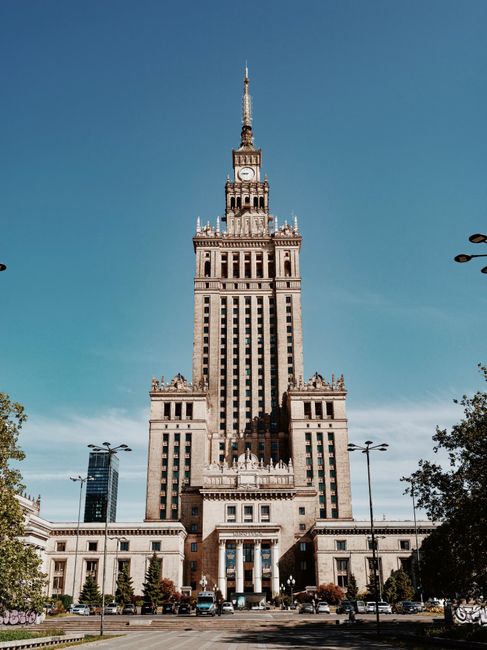
Poland is one of Europe’s great surprises: a big, varied and good-value country where royal Kraków, rebuilt Warsaw, Hanseatic Gdańsk and the bridges and dwarfs of Wrocław sit alongside sandy Baltic beaches, a land of 2,000 lakes in Masuria and the granite peaks of the Tatra Mountains. It is also a country where the history of the 20th century is close at hand, from the Warsaw Uprising to the Auschwitz-Birkenau Memorial and the shipyard where Solidarity began. Fast PKP Intercity trains link the main cities, food and beer are cheap by Western European standards, and the currency is the złoty, not the euro. May, June and September are the best months; July and August for the coast, lakes and mountains. Give it a week for Kraków and Warsaw, two weeks to add Gdańsk, Wrocław and the Tatras or the lakes.
Right now in Poland
- Wed 8–20°C 46–68°F Cloudy
- Thu 11–21°C 51–70°F 2 mm Cloudy
- Fri 9–14°C 48–57°F Mostly clear
Weather: MET Norway (CC BY 4.0) · Rates: ECB
Key facts
| Currency | Polish złoty (PLN, zł), not the euro; cards widely acceptedSource: poland.travel · Last reviewed 4 Oct 2026 |
|---|---|
| Languages | Polish; Kashubian is a recognised regional language, and German, Belarusian and Lithuanian are auxiliary languages in some municipalitiesSource: api.sejm.gov.pl · Last reviewed 4 Oct 2026 |
| Plugs and voltage | Type C and E · 230 V, 50 HzSource: wikidata.org · Last reviewed 4 Oct 2026 |
| Emergency number | 112 (police, fire, ambulance); the old numbers 997 police, 998 fire and 999 ambulance still workSource: gov.pl · Last reviewed 4 Oct 2026 |
| Driving side | On the right; headlights on all day; 50 in towns, 90 outside, 120 on expressways, 140 on motorways; alcohol limit 0.2 per milleSource: poland.travel · Last reviewed 4 Oct 2026 |
| Tap water | Meets sanitary standards; the tourism board suggests boiling it first (it can taste of chlorine), and bottled water is everywhereSource: poland.travel · Last reviewed 4 Oct 2026 |
| Tipping | Not required; 10-15% or rounding up in restaurants for good service (saying 'dziękuję' when paying can mean 'keep the change')Source: firebirdtours.com · Last reviewed 4 Oct 2026 |
| Calling code | +48 (dial 00 for international calls)Source: wikidata.org · Last reviewed 4 Oct 2026 |
| Time zones | CET (UTC+1), summer time CEST (UTC+2) from the last Sunday in March to the last Sunday in OctoberSource: poland.travel · Last reviewed 4 Oct 2026 |
| Entry summary | Schengen and EU. Most visitors from outside the EU stay visa-free for up to 90 days in 180 and register in the EU Entry/Exit System at the border; ETIAS is not yet in operation. Temporary checks at the German and Lithuanian land borders.Source: home-affairs.ec.europa.eu · Last reviewed 4 Oct 2026 |
Multi-day tours of Poland
Multi-day tours from local operators. You check dates and book on Viator, our partner; we may earn a commission at no extra cost to you. How we earn money
Poland at a glance: 16 regions, from the Baltic to the Tatras
Poland is the fifth-most populous country in the European Union, with about 37.2 million people at the end of June 2026, according to the national statistics office (GUS). It stretches about 650 km from the Baltic Sea in the north to the Carpathian Mountains in the south, and borders Germany, the Czech Republic, Slovakia, Ukraine, Belarus, Lithuania and the Russian exclave of Kaliningrad. The country is divided into 16 regions (województwa), each with its own capital.
Few countries have changed shape as dramatically. Poland was a great power in the 16th and 17th centuries, disappeared from the map in 1795 after being partitioned by its neighbours, returned in 1918, was devastated in the Second World War, when about six million of its citizens, half of them Polish Jews, were killed, and spent four decades under communism before the Solidarity movement led the way to free elections in 1989. Many city centres, Warsaw’s above all, were rebuilt from rubble. Poland joined the EU in 2004 and the Schengen area in 2007, and today it is one of Europe’s fastest-growing economies.
Time zone: Poland runs on Central European Time (UTC+1) in winter and Central European Summer Time (UTC+2) from the last Sunday in March to the last Sunday in October, the same as Germany and the Czech Republic.
Poland’s regions
- Lesser Poland (Małopolska) and the south: Kraków, the Wieliczka salt mine, the Auschwitz-Birkenau Memorial at Oświęcim, Zakopane and the Tatra Mountains, the Pieniny gorge and the wooden churches of the Carpathian foothills.
- Mazovia and the centre: Warsaw, the capital, Chopin’s birthplace at Żelazowa Wola and the old river town of Płock; to the west, Łódź, a former textile city reborn with art and design.
- Pomerania and the Baltic coast: Gdańsk, Sopot and Gdynia (the Tricity), the Teutonic castle at Malbork, the Hel Peninsula, the dunes of Słowiński National Park and the beaches of the Baltic.
- Silesia and the south-west: Wrocław, the Karkonosze (Giant) Mountains, the castles and palaces of the Jelenia Góra valley and the Peace Churches of Jawor and Świdnica.
- Warmia and Masuria: the Great Masurian Lakes for sailing and kayaking, the Gothic towns of Warmia, Olsztyn and Hitler’s former headquarters, the Wolf’s Lair.
- Greater Poland and the east: Poznań, birthplace of the Polish state, and Toruń, the Gothic hometown of Copernicus; in the east, Lublin, the Renaissance town of Zamość and the primeval Białowieża Forest, home of the European bison.
Regions
- Greater Poland Voivodeship
- Kuyavian-Pomeranian Voivodeship
- Lesser Poland Voivodeship
- Lower Silesian Voivodeship
- Lublin Voivodeship
- Lubusz Voivodeship
- Masovian Voivodeship
- Masuria
- Opole Voivodeship
- Podkarpackie Voivodeship
- Podlaskie Voivodeship
- Pomeranian Voivodeship
- Silesian Voivodeship
- Warmian-Masurian Voivodeship
- West Pomeranian Voivodeship
- Łódź Voivodeship
- Świętokrzyskie Voivodeship
Where to go: cities, mountains, lakes and the coast
Most first trips combine Kraków and Warsaw, linked by fast trains of about 2 hours 15 minutes. With more time, add Gdańsk on the Baltic, Wrocław in the south-west, the Tatras at Zakopane or the Masurian lakes.
Kraków
Poland’s royal capital for five centuries came through the Second World War almost intact. Its huge medieval Main Square, the Cloth Hall, St Mary’s Basilica with its hourly trumpet call, Wawel Castle and Cathedral on the hill above the Vistula, and the old Jewish quarter of Kazimierz make it the country’s most visited city. Most visitors also make the sobering trip to the Auschwitz-Birkenau Memorial and the more cheerful one to the Wieliczka salt mine. Read our Kraków guide for 2026 Wawel tickets, the salt mine, how to book Auschwitz and the city’s new night-time alcohol rules.
Warsaw
Warsaw is a city of two faces: an Old Town meticulously rebuilt after the Germans razed it in 1944, now a UNESCO World Heritage Site, and a dynamic modern capital of glass towers, good restaurants and some of Europe’s best museums, including POLIN, the Museum of the History of Polish Jews, and the Warsaw Rising Museum. Free Chopin concerts are held in Łazienki Park on summer Sundays.
Gdańsk and the Baltic coast
Gdańsk, once the wealthy Hanseatic port of Danzig, has a magnificent waterfront and a Royal Way of gabled merchants’ houses along the Long Lane and Long Market. It is also where the Second World War began at Westerplatte in 1939, and where the Solidarity movement was born in the shipyard in 1980; both stories are told in outstanding museums. Sopot’s beaches and Malbork, the world’s largest brick castle, are short train rides away.
Wrocław
Wrocław, in Lower Silesia, is a city of islands and bridges on the Oder, with one of Europe’s largest market squares, a Gothic town hall, the hand-lit gas lamps of Ostrów Tumski and more than a thousand bronze dwarfs hidden around its streets. Don’t miss the Panorama of Racławice, a 114 m painting in the round.
Zakopane and the Tatras
Zakopane is Poland’s mountain resort, at the foot of the Tatras, the highest range between the Alps and the Caucasus. In summer, hikers walk to the glacial lake of Morskie Oko and ride the cable car to Kasprowy Wierch; in winter, it is the country’s main ski resort. Tatra National Park charges an entry fee, and the horse carriages to Morskie Oko have been cut back, with electric buses taking over.
Masuria
Masuria, in the north-east, is a land of more than 2,000 lakes, forests and canals, Poland’s playground for sailing, kayaking and lazy summer holidays. Mikołajki and Giżycko are the sailing centres, and the Wolf’s Lair, Hitler’s wartime headquarters, lies in the forest near Kętrzyn.
More places worth the trip
Toruń, on the Vistula, has a Gothic old town, gingerbread and the house where Copernicus was born. Poznań has a Renaissance square with mechanical goats that butt heads at noon. Łódź has a red-brick industrial heritage and a lively food scene. Lublin and Zamość are gateways to the east, and Białowieża Forest is one of the last primeval forests in Europe. In the south-west, the Karkonosze Mountains and the Książ Castle near Wałbrzych are easy trips from Wrocław.
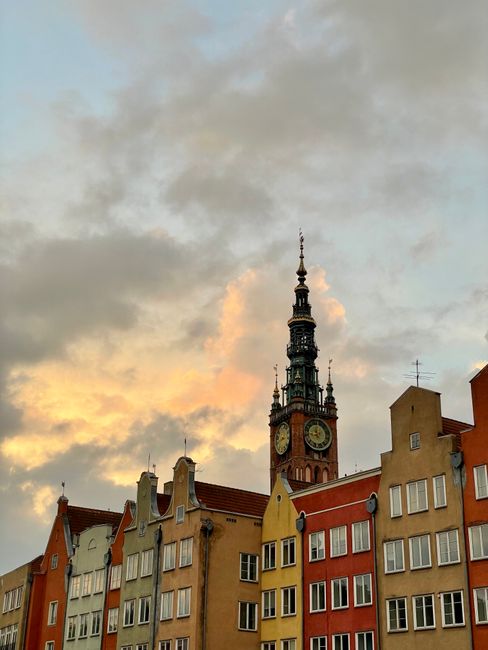
Gdańsk Travel Guide
Plan a trip to Gdańsk: the Royal Way, Long Market and Neptune's Fountain, St Mary's Church tower, the Crane, the European Solidarity Centre, the…
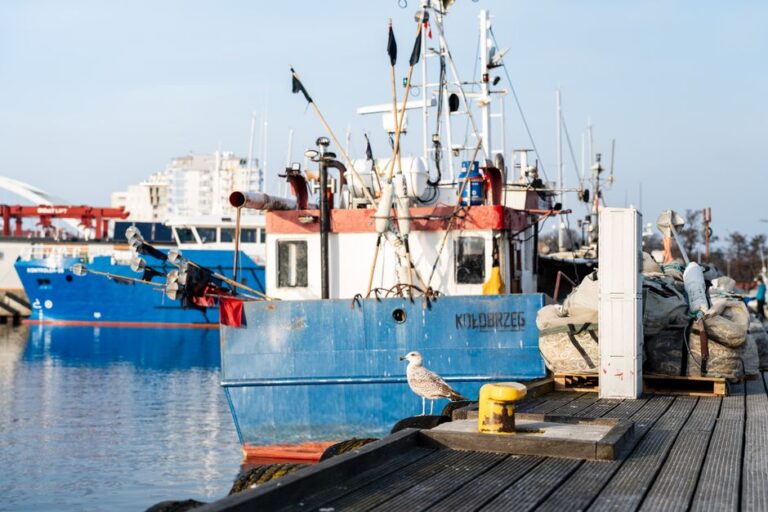
Kołobrzeg Travel Guide
Plan a trip to Kołobrzeg, Poland's biggest spa town on the Baltic: wide sandy beaches and the pier, the lighthouse and the Museum of…
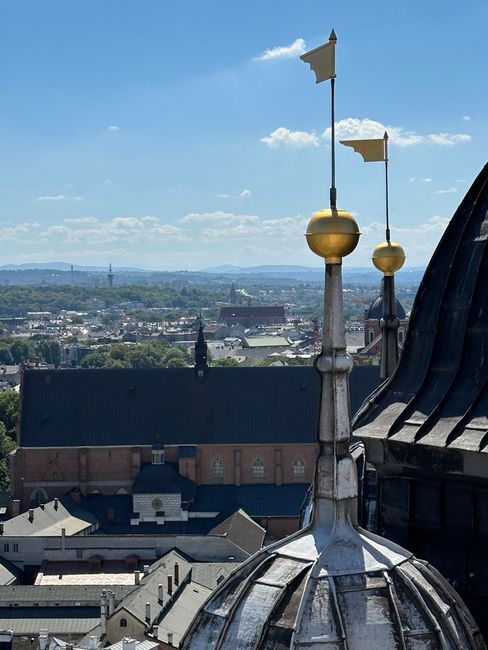
Kraków Travel Guide
Plan a trip to Kraków: the Main Square, St Mary's Basilica and the hejnał, 2026 Wawel Castle timed tickets and the free Monday, Wawel…
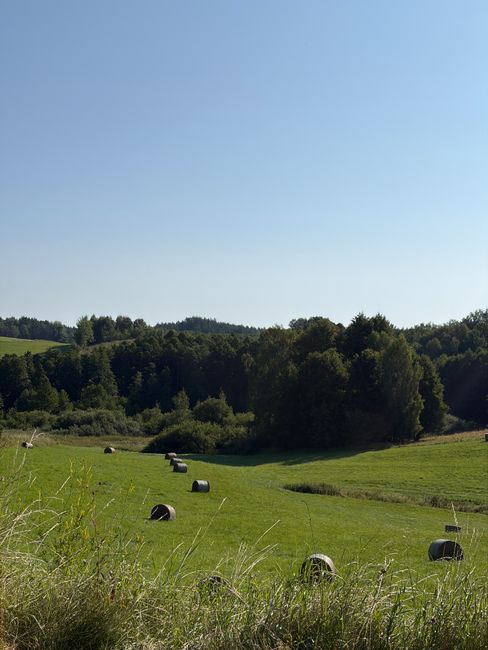
Masuria Travel Guide
Plan a trip to Masuria, Poland's land of a thousand lakes: the Great Masurian Lakes and Śniardwy, Giżycko and Mikołajki, sailing with licence-free yachts…
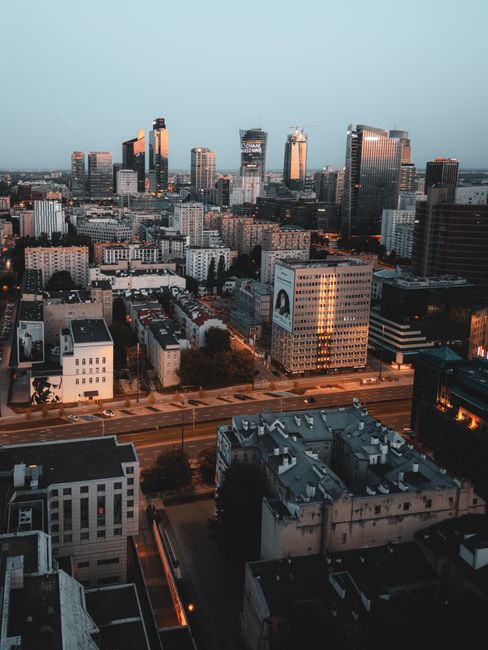
Warsaw Travel Guide
Plan a trip to Warsaw: the rebuilt Old Town and Royal Castle, POLIN Museum of the History of Polish Jews, the Warsaw Rising Museum,…
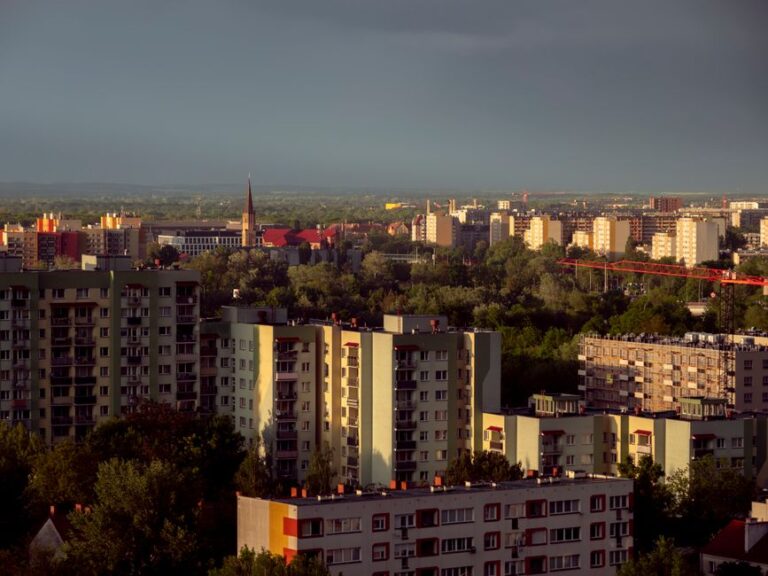
Wrocław Travel Guide
Plan a trip to Wrocław: the Market Square and Old Town Hall, how to find the city's 1,000-plus bronze dwarfs, the Panorama of Racławice…
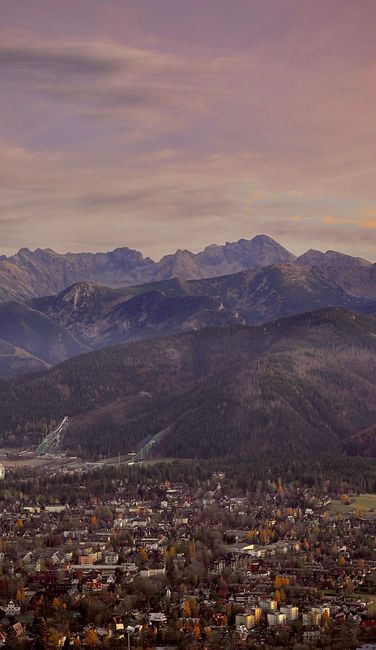
Zakopane Travel Guide
Plan a trip to Zakopane and the Tatras: Tatra National Park entry fees and online tickets, the night trail closure, Morskie Oko parking, electric…
Best time to visit Poland
Poland has a temperate climate in transition between the mild, damp west and the continental east: warm summers, cold winters and rain spread through the year, falling most in summer, often as thunderstorms. The Baltic coast is milder and windier; the north-east (Masuria) has the coldest winters; and the Tatras get by far the most rain and snow. The table shows rounded average daily highs and rain a year for one place in each region, from the 1991–2020 averages of the Institute of Meteorology and Water Management (IMGW).
| Region (station) | Spring highs (Mar–May) | Summer highs (Jun–Aug) | Autumn highs (Sep–Nov) | Winter highs (Dec–Feb) | Rain a year |
|---|---|---|---|---|---|
| Warsaw and the centre | 7–20 °C | 23–25 °C | 19 °C falling to 7 °C | 1–3 °C | about 550 mm |
| Kraków and the south | 8–20 °C | 23–25 °C | 20 °C falling to 8 °C | 2–4 °C | about 670 mm |
| Gdańsk and the Baltic coast | 7–17 °C | 20–23 °C | 19 °C falling to 7 °C | 2–3 °C | about 570 mm |
| Wrocław and Silesia | 9–20 °C | 23–26 °C | 20 °C falling to 8 °C | 3–5 °C | about 540 mm |
| Masuria (Mikołajki) | 6–18 °C | 22–24 °C | 18 °C falling to 6 °C | 0–1 °C | about 610 mm |
| The Tatras (Zakopane, 855 m) | 5–16 °C | 20–21 °C | 16 °C falling to 7 °C | 1–2 °C | about 1,150 mm |
Winter nights are below freezing almost everywhere, and in Masuria and the mountains often well below. Snow usually covers the Tatras from December to March, and sometimes into May on high trails. Summer days are long, especially in the north: in June it stays light in Gdańsk until after 21:30.
Crowds and prices through the year
- May, June and September: the best months for cities and hiking, with mild weather and long days. Watch for school trips in May and June at the big sights.
- July and August: warm and busy at the seaside, the lakes and the mountains, when Polish families take their holidays. Book Zakopane, Sopot and Masuria early; the cities are pleasant and less crowded.
- October: golden forests in the Tatras and Masuria and quieter cities; mountain huts and some lake services wind down.
- Late November to December: Christmas markets in Kraków, Wrocław, Gdańsk and Warsaw, with mulled wine (grzaniec) and grilled cheese. Cold and dark by about 15:30.
- January to March: ski season in Zakopane and the Karkonosze; the cheapest time in the cities.
Festivals and events
- Spring: Easter traditions, including the blessing of food baskets on Holy Saturday and water fights on Easter Monday (Śmigus-dyngus); Constitution Day on 3 May.
- Summer: free Chopin concerts in Warsaw’s Łazienki Park on Sundays, St Dominic’s Fair in Gdańsk (late July to August), open-air festivals and the Jewish Culture Festival in Kraków.
- Autumn: All Saints’ Day on 1 November, when cemeteries glow with thousands of candles, and Independence Day on 11 November.
- Winter: Christmas markets, Kraków’s competition of glittering nativity cribs (szopki) in early December, Christmas Eve dinner (Wigilia) of twelve meat-free dishes, and New Year’s Eve in the main squares.
Public holidays and the Sunday trading ban
Poland restricts Sunday shopping by law. On most Sundays, supermarkets and most shops are closed; exceptions include small shops staffed by their owners, petrol stations, pharmacies, bakeries, and shops at stations and airports, and some convenience chains open in ways that use these exemptions. There are a few “trading Sundays” a year: the last Sundays of January, April, June and August, the Sunday before Easter and, since 2025, the three Sundays before Christmas. The trading Sundays left in 2026 are 6, 13 and 20 December. Restaurants, cafés, museums and sights are open on Sundays as usual. On Holy Saturday and Christmas Eve, shops close early or all day.
All shops are also closed on public holidays. Since 2025, Christmas Eve (24 December) has been a public holiday too, so shops close all day. The next holidays, from October 2026:
| Holiday | Date |
|---|---|
| All Saints’ Day | Sunday 1 November 2026 |
| Independence Day | Wednesday 11 November 2026 |
| Christmas Eve, Christmas Day and St Stephen’s Day | 24, 25 and 26 December 2026 |
| New Year’s Day | Friday 1 January 2027 |
| Epiphany | Wednesday 6 January 2027 |
| Easter Sunday and Easter Monday | 28 and 29 March 2027 |
| Labour Day and Constitution Day | 1 and 3 May 2027 |
| Pentecost Sunday and Corpus Christi | 16 and 27 May 2027 |
| Assumption Day (Armed Forces Day) | Sunday 15 August 2027 |
Weather month by month
Averages from IMGW-PIB normals 1991–2020, Warszawa-Okęcie (airport) · Last reviewed 4 Oct 2026
How long to stay: sample itineraries
Poland is a big country, but trains link the main cities quickly. Plan around the rail network and hire a car only for the mountains, the lakes or the countryside.
5 days: Kraków and around
Three days in Kraków for the Main Square, Wawel and Kazimierz, plus day trips to the Auschwitz-Birkenau Memorial and the Wieliczka salt mine. Book both in advance.
7 days: Kraków and Warsaw
Four days in Kraków and its day trips, then the train to Warsaw (about 2 hours 15 minutes) for the Old Town, POLIN and the Warsaw Rising Museum. Add Zakopane for a night if you prefer mountains to museums.
10 days: Gdańsk, Warsaw and Kraków
Fly into Gdańsk for three days, with Sopot and Malbork Castle, take the train to Warsaw (about 2 hours 30 minutes to 2 hours 45 minutes) for two days and finish with four or five days in Kraków, Auschwitz-Birkenau and Wieliczka.
14 days: the grand tour
Gdańsk, Malbork and Toruń; Warsaw; Kraków, Wieliczka and Auschwitz-Birkenau; three days in Zakopane and the Tatras; and Wrocław on the way out to Berlin or Prague. In summer, swap Toruń for a few days sailing or kayaking in Masuria. Poland combines easily with its neighbours: direct trains run from Warsaw to Berlin, from Kraków to Prague and Vienna, and from Wrocław to Dresden. See our Czech Republic guide and our Germany guide to plan the next leg.
Entry, money and costs
Entry: Schengen, EES and ETIAS (last reviewed October 2026)
Poland is part of the European Union and the Schengen area. Citizens of the EU, the European Economic Area and Switzerland can enter with a valid passport or national ID card and stay without limit. Visitors from many other countries, including the United States, Canada, the UK, Australia and New Zealand, can visit without a visa for up to 90 days in any 180-day period across the whole Schengen area; others need a Schengen visa.
- Entry/Exit System (EES): the EU’s digital border system has been fully running at all Schengen external borders since 10 April 2026. Non-EU visitors give fingerprints and a facial photo the first time they enter the Schengen area, instead of a passport stamp; registration is free. Allow extra time at passport control at Warsaw, Kraków and Gdańsk airports.
- ETIAS: the EU’s planned online travel authorisation (fee €20) is not in operation as of October 2026, and no start date has been officially announced. You don’t need one yet; ignore websites selling “ETIAS applications”.
- Passport validity: non-EU passports must have been issued within the last 10 years and be valid for at least three months after the day you plan to leave the Schengen area.
- Border checks with Germany and Lithuania: Poland has run temporary checks on its borders with Germany and Lithuania since July 2025, and in late September 2026 extended them until 30 March 2027. Germany also checks traffic arriving from Poland and the Czech Republic until at least 15 March 2027. Expect police checks on trains, buses and cars crossing these borders, and always carry your passport or ID card.
- Eastern borders: Poland’s borders with Belarus, Russia (Kaliningrad) and Ukraine are external EU borders with heavy security. A buffer zone along parts of the Belarusian border, near the Białowieża Forest, is closed to visitors; it is renewed every 90 days and currently runs until 29 November 2026. Check your government’s travel information before visiting the far east of the country.
Check the official pages before you travel: the European Commission’s EES and ETIAS pages, the Polish Border Guard (strazgraniczna.pl) and your own government’s travel information.
Language
Polish is the official language, a Slavic language with famously dense consonant clusters. English is widely spoken by younger people and in the cities and hotels; German is understood by some older people in the west. A few words help: Dzień dobry (good day), Cześć (hi, informal), Dziękuję (thank you), Proszę (please, and here you are), Przepraszam (excuse me, sorry), Rachunek, proszę (the bill, please) and Na zdrowie! (cheers). Two things to know about pronunciation: “w” sounds like “v”, and “ł” like an English “w”, so Łódź is said roughly “Woodge”.
Money: the złoty, not the euro
The currency is the Polish złoty (PLN, zł), divided into 100 groszy. Poland does not use the euro, and few places accept it. Card payment is everywhere: Poland is one of the most cashless countries in Europe, and contactless cards and phone wallets work in shops, restaurants, taxis, markets, transport ticket machines and even many toilets. Carry a little cash for small village shops and mountain huts. The popular Polish payment app BLIK needs a Polish bank account, so visitors simply use cards.
- Cash machines: use ATMs that belong to a bank. Independent machines, especially the blue Euronet ATMs found in tourist areas, often charge withdrawal fees and push their own currency conversion.
- Always pay in złoty: when an ATM or card terminal offers to charge you in your home currency or in euros, decline it and choose złoty. The “conversion” offered is typically several percent worse than your own bank’s rate.
- Exchange offices (kantor) in city centres usually give fair rates; avoid those at airports and in the busiest tourist spots, and compare buy and sell rates before you change money.
Tipping
Service is not usually included. In sit-down restaurants and cafés, leave about 10% for good service, more in smart places; for counter service, round up. Be careful with one Polish custom: if you say “dziękuję” (thank you) as you hand over cash, it can be taken to mean “keep the change”. If you want change, wait until you have it before you thank the server. When paying by card, tell the server the amount to charge including the tip, or ask to add it.
Tourist tax
Some towns, mostly resorts, charge a small local fee (opłata miejscowa) per person per night, collected by your hotel; in 2026 the legal maximum is 3.46 zł a night. The government adopted a change in September 2026 allowing bigger cities to charge up to 5 zł a night; Kraków is discussing introducing a fee, but none was in force as of October 2026.
Typical travel costs
Poland is good value: cheaper than Germany or the Czech capital, especially for food, drink and transport, though Kraków and Warsaw hotels get expensive at busy times. These estimates per person per day are a planning guide as of October 2026:
| Style | Estimated cost per day | What that looks like |
|---|---|---|
| Budget | about 200–300 zł | Hostel bed or budget guesthouse, milk bar (bar mleczny) lunches and street food, public transport and regional trains |
| Mid-range | about 450–800 zł | 3- or 4-star hotel room shared by two, restaurant meals, two paid sights a day, Intercity trains booked ahead |
| High-end | about 1,200 zł+ | Boutique or luxury hotel, fine dining, private guides and drivers, car hire |
The figures are our estimates, not official statistics.
Getting there and getting around
Arrival airports and trains from abroad
- Warsaw Chopin (WAW): the main international airport and LOT Polish Airlines’ hub, 10 km from the centre, linked by trains in about 20 minutes. Warsaw Modlin, 40 km north, handles low-cost flights. See our Warsaw guide.
- Kraków (KRK): the second airport, with a train to the main station in about 20 minutes. See our Kraków guide.
- Gdańsk (GDN), Katowice (KTW), Wrocław (WRO) and Poznań (POZ): busy airports with many low-cost routes around Europe; Katowice is about an hour from Kraków.
- The new central airport: a new hub between Warsaw and Łódź (Port Polska, formerly CPK) is under construction and not due to open until 2032.
- By train: direct trains link Warsaw with Berlin, Vienna, Prague and Vilnius; Kraków with Prague, Vienna and Budapest; and Wrocław with Dresden and Berlin. Night trains run to Prague, Vienna and Budapest.
Trains: PKP Intercity and regional lines
PKP Intercity runs the long-distance network (intercity.pl, in English, and the PKP Intercity app). Its fastest trains are the EIP (Express InterCity Premium), using Pendolino units at up to 200 km/h, and the EIC; IC and TLK trains are slower and cheaper. Seats are reserved on all long-distance trains, and they often sell out on Fridays and Sundays, so book ahead. Tickets for EIP and EIC trains go on sale up to 120 days in advance, and limited “Super Promo” fares give big discounts on early bookings.
Typical fastest times: Warsaw to Kraków about 2 hours 15 minutes (since the end of track works in August 2026), Warsaw to Gdańsk about 2 hours 30 minutes to 2 hours 45 minutes, Warsaw to Wrocław about 3 hours 30 minutes, Kraków to Zakopane about 2 hours, Kraków to Wrocław about 3 hours. Regional trains are run by Polregio and by regional companies such as Koleje Mazowieckie around Warsaw and Koleje Małopolskie around Kraków, with their own tickets. FlixBus and other coaches are a cheap alternative between cities, and minibuses (busy) serve mountain areas such as Zakopane.
City transport
Polish cities have good tram and bus networks, and Warsaw has two metro lines. Tickets are cheap: in Warsaw, a 20-minute ticket costs 3.40 zł and a 75-minute ticket 4.40 zł. Buy them at machines (which take cards), on board in many trams and buses, or in apps such as Jakdojade, and validate paper tickets when you board. Taxis are inexpensive; use apps such as Bolt, Uber or FreeNow, or call a licensed taxi company, rather than hailing cars at airports and stations.
Driving: motorway tolls, e-TOLL and the rules
A car is useful for the mountains, the lakes and the countryside, but not in city centres. Poland drives on the right.
- No vignette for cars: unlike Czechia, Austria or Slovakia, Poland has no motorway vignette. Since July 2023, cars and motorcycles have been free on the state-run motorway sections (A2 Konin–Stryków and A4 Wrocław–Sośnica) that used to charge them.
- e-TOLL: Poland’s electronic toll system (etoll.gov.pl) is now essentially for heavy vehicles over 3.5 tonnes, including large motorhomes; ordinary hire cars don’t need it.
- Paid private motorways: three privately run sections still charge cars at toll plazas, by card, cash or app: the A4 Katowice–Kraków (18 zł at each of two toll plazas since April 2026, or 36 zł end to end; the government plans to make it free for cars from 16 March 2027 when the concession ends), the A1 Gdańsk–Toruń (Amber One, about 30 zł for the full length) and the A2 Świecko–Konin towards Berlin, the most expensive (about 41 zł per section on the Nowy Tomyśl–Konin stretch since September 2026).
- Speed limits: 50 km/h in built-up areas, 90 km/h outside, 100 or 120 km/h on expressways and 140 km/h on motorways, unless signed.
- Alcohol: the limit is 0.2 g/l, effectively zero; driving above 0.5 g/l is a crime.
- Lights: dipped headlights are compulsory 24 hours a day, all year.
- Pedestrians: outside built-up areas at night, pedestrians must wear a reflective item.
Culture, food and everyday etiquette
Polish food is hearty, seasonal and much better than its reputation. Try pierogi (dumplings filled with potato and cheese, meat, sauerkraut and mushrooms, or fruit in summer), żurek (sour rye soup with sausage and egg, often served in a bread bowl), barszcz (clear beetroot soup), bigos (hunter’s stew of sauerkraut and meats), gołąbki (cabbage rolls), pork cutlet (kotlet schabowy) and, in the mountains, smoked sheep’s cheese (oscypek) grilled with cranberry sauce. Cakes are a serious business, from cheesecake (sernik) to doughnuts (pączki). Communist-era milk bars (bar mleczny) still serve cheap home cooking. Poland is famous for vodka, including Żubrówka with a blade of bison grass, and brews good lager and a growing range of craft beers.
Alcohol rules: drinking alcohol in public places, including streets, parks and beaches, is illegal nationwide, and police do fine people. Some cities also ban shops from selling alcohol at night: in Kraków, take-away sales are banned across the whole city from 22:00 to 6:00 since 1 September 2026. Bars and restaurants are not affected.
Etiquette: greet people with “Dzień dobry” in shops and lifts, take your shoes off when you visit someone’s home, and bring flowers (an odd number) or chocolates if invited. Poland is a strongly Catholic country: dress modestly in churches (shoulders and knees covered) and be quiet during services. At memorial sites, above all the Auschwitz-Birkenau Memorial, behave with respect; see our Kraków guide for the rules.
Tap water
Tap water in Polish cities is treated and regulated, and is generally safe to drink, though many locals prefer bottled or filtered water because of the taste of older pipes. If in doubt in an old building or in the countryside, ask your host. Restaurants serve bottled water unless you ask for tap water (woda z kranu).
Safety, health, accessibility and connectivity
Safety
Poland is a safe country to visit, with low levels of violent crime. Watch for pickpockets on public transport and in busy tourist areas, use taxi apps or licensed taxis, and keep an eye on your drink in nightlife areas. Some bars in tourist zones have been known to overcharge; check prices before ordering. In September 2025, Russian drones entered Polish airspace during attacks on Ukraine, and several eastern airports and Warsaw Chopin closed briefly; such incidents can cause short disruptions, so follow your government’s advice. In the mountains, the weather can change fast: check the forecast and avalanche bulletins, start early and turn back in storms.
Emergency numbers: 112 for all emergencies (with English-speaking operators). In the Tatras, call the mountain rescue service TOPR on 985 or +48 601 100 300, or 112.
Health
Healthcare is good in the cities. EU visitors should bring their European Health Insurance Card (EHIC); everyone else needs travel insurance. Pharmacies (apteka) are everywhere, some open around the clock. Ticks in forests and long grass from spring to autumn can carry Lyme disease and tick-borne encephalitis, especially in the north-east and the mountains; check yourself after walks.
Accessibility
New trains, Warsaw’s metro and modern museums such as POLIN are accessible, and low-floor trams are common, but older trams, many old-town streets, castles and churches have steps and cobbles. PKP Intercity arranges assistance at stations if booked at least 48 hours ahead.
Connectivity and power
EU mobile plans work at home prices. Visitors from elsewhere can buy an eSIM or a prepaid SIM from Orange, Play, Plus or T-Mobile; prepaid SIMs must be registered with ID. Poland uses 230 V and type E sockets, with two round pins and an earth pin in the socket; European type C and F plugs fit, but UK, US and Australian plugs need an adapter.
Things to do: city sightseeing, hiking, cycling, beaches and boat trips
- City sightseeing: Kraków, Warsaw, Gdańsk, Wrocław, Toruń and Poznań, with castles, cathedrals, superb history museums and Christmas markets in winter.
- Hiking: the Tatras around Zakopane, the Pieniny and the Bieszczady in the south-east, and the Karkonosze in the south-west, with mountain huts serving food on many trails.
- Cycling: the Green Velo route through eastern Poland, the Vistula cycle route, and flat lakeside and coastal paths in Masuria and on the Hel Peninsula.
- Beaches: long, white, sandy beaches on the Baltic at Sopot, Hel, Łeba and Międzyzdroje, with cool water around 17–20 °C in summer.
- Boat trips: sailing and cruises on the Masurian lakes, rafting through the Dunajec gorge in the Pieniny, the Elbląg Canal, where boats are carried over hills on rails, and harbour cruises in Gdańsk.
What to pack
Comfortable walking shoes for cobbled old towns and long museum days come first. Pack layers and a light waterproof from spring to autumn, a swimsuit and a windproof layer for the Baltic in summer, and a warm coat, hat, gloves and waterproof boots from November to March, when temperatures stay below freezing for days. For the Tatras, bring proper hiking boots, a warm layer and a rain jacket even in August. Add a type E/F plug adapter, a contactless card (cash is rarely needed), a refillable water bottle and a phone with the PKP Intercity and Jakdojade apps.
Poland travel FAQ
Does Poland use the euro?
No. The currency is the Polish złoty (PLN). Cards are accepted almost everywhere, so you need little cash. Always choose to pay in złoty when a card terminal or ATM offers a conversion.
What is the best time to visit Poland?
May, June and September for cities and hiking; July and August for the Baltic beaches, Masuria’s lakes and the mountains; December for Christmas markets.
How many days do you need in Poland?
Five days for Kraków with Auschwitz-Birkenau and Wieliczka; a week to add Warsaw; ten days to two weeks to include Gdańsk, Wrocław and Zakopane or Masuria.
Are shops open on Sundays in Poland?
Mostly not. Under the Sunday trading ban, supermarkets and most shops close on Sundays except a few trading Sundays (in late 2026: 6, 13 and 20 December). Small owner-run shops, petrol stations, pharmacies and some convenience stores open, and restaurants and museums are open as usual.
Do I need a vignette to drive in Poland?
No. Poland has no vignette for cars, and the state-run motorway sections are free for cars. Only three private sections charge cars at toll plazas: the A4 Katowice–Kraków, the A1 Gdańsk–Toruń and the A2 between Konin and the German border. The e-TOLL system is for vehicles over 3.5 tonnes.
How do I travel between cities in Poland?
By train: PKP Intercity’s EIP and EIC trains link Warsaw with Kraków in about 2 hours 15 minutes and Gdańsk in about 2 hours 30 minutes to 2 hours 45 minutes. Book seats ahead on intercity.pl, especially for Fridays and Sundays.
Do I need ETIAS to visit Poland?
Not yet. As of October 2026 ETIAS is not in operation and has no official start date. Non-EU visitors are registered in the EU’s Entry/Exit System at the border and can stay up to 90 days in any 180 across Schengen.
Are there border checks between Germany and Poland?
Yes. Poland checks traffic arriving from Germany and Lithuania until 30 March 2027, and Germany checks traffic from Poland until at least 15 March 2027. Carry your passport or ID card.
How much should I tip in Poland?
About 10% in restaurants for good service. Don’t say “dziękuję” while handing over cash unless you mean the server to keep the change.
Is tap water safe to drink in Poland?
Generally yes, in towns and cities: it is treated and regulated. Many locals prefer bottled or filtered water for the taste.
Can you drink alcohol in public in Poland?
No. Drinking in streets, parks and other public places is illegal, and you can be fined. Kraków also bans take-away alcohol sales from 22:00 to 6:00.
Is Poland expensive?
No, it is one of the best-value countries in the EU for food, drink, transport and museums, although hotels in Kraków and Warsaw can be pricey in high season.
Is Poland safe to visit?
Yes. Crime is low. Take normal precautions against pickpockets and overcharging bars, avoid the restricted zone on the Belarusian border, and follow your government’s advice on the eastern border regions.
Can I combine Poland with Prague or Berlin?
Easily. Direct trains run from Warsaw to Berlin, from Kraków to Prague (about 6 hours) and from Wrocław to Dresden and Berlin.
Sources
- Natural Earth · Public domain · fetched 4 Oct 2026
- © OpenStreetMap contributors · ODbL · fetched 4 Oct 2026
- Wikidata · CC0 · fetched 4 Oct 2026
Sources and last review
Researched and last reviewed on 4 October 2026. Population from Statistics Poland (GUS); climate from the 1991–2020 averages of the Institute of Meteorology and Water Management (IMGW), via secondary sources; EES and ETIAS from the European Commission; border checks from the European Commission’s list of temporary border controls and Polish government announcements reported in the press; the Belarus buffer zone from the Polish Ministry of the Interior; A4 Katowice–Kraków tolls from the operator, Stalexport Autostrada Małopolska; safety, public drinking and pedestrian rules from the UK Foreign Office; Tatra rescue numbers from Tatra National Park; Kraków’s alcohol rules from city council decisions reported in the press. Trading Sundays and holiday dates, tipping, tap water, A1 and A2 toll prices, speed limits, train times and booking periods, the tourist tax and the Port Polska opening date come partly from secondary sources and are flagged for checking. Daily costs are our estimates. Prices, timetables and rules change, so check the official links before you travel. Neighbouring countries: our Germany and Czech Republic guides.
Plugs and power in Poland
Poland uses 230 V, 50 Hz and these plugs (left) and wall sockets (right):
All plug types and voltages by country → · Check what you need to pack →
Plan your trip
Partner links: TravelerCenter may earn a commission if you book, at no extra cost to you.
🇵🇱 Useful Polish phrases for Poland
All 38 Polish phrases: restaurant, hotel, emergencies, romance (printable) →