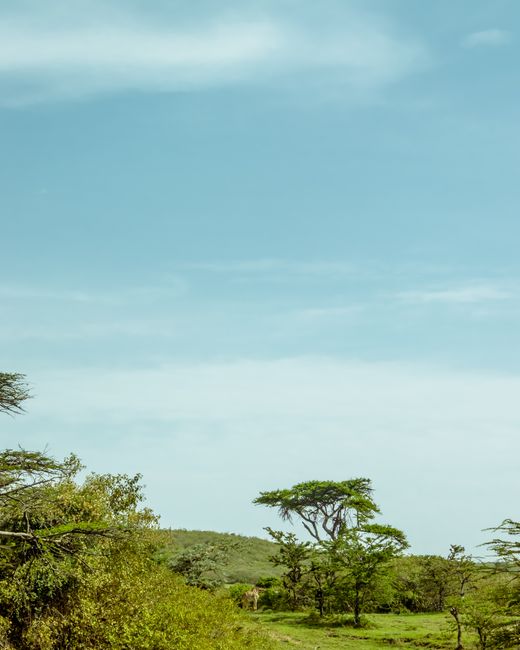
The Maasai Mara National Reserve, in Narok County in southwestern Kenya, is the country’s most famous safari destination and one of Africa’s best places for big cats and the Great Migration. Its rolling grasslands, dotted with flat-topped acacias and cut by the Mara and Talek rivers, are the northern end of the Serengeti–Mara ecosystem, which continues south across the border into Tanzania’s Serengeti National Park. From about July to October, hundreds of thousands of wildebeest and zebra move up from the Serengeti onto the Mara’s plains, and the dramatic crossings of the Mara River draw photographers from around the world. The rest of the year the Mara is still superb, with resident lions, cheetahs, leopards, elephants, buffalo, giraffes, hippos and huge numbers of antelope. The reserve is managed by the County Government of Narok on its eastern side, and by the Mara Conservancy in the Mara Triangle west of the Mara River. Around it, a ring of private conservancies leased from Maasai landowners offers quieter game drives, walks and night drives. Park fees are charged per person per day and double from July to December, so plan your budget with care.
Right now in Maasai Mara National Reserve (Maasai Mara)
- Wed18–31°C64–88°FCloudy
- Thu19–31°C66–87°FPartly cloudy
- Fri19–30°C66–87°F2 mm rain
- Sat 10 Oct Mazingira Day
Top tours in Maasai Mara National Reserve
See all tours for Maasai Mara National Reserve →
From local operators, with prices and reviews; you check availability and book on Viator, our partner. We may earn a commission at no extra cost to you. How we earn money
Maasai Mara at a glance
- Best for: big cats, the Great Migration and river crossings, classic savanna landscapes, balloon safaris and Maasai culture.
- How long: 3 nights at the very least; 4–5 nights to combine the reserve with a conservancy.
- Best time: July to October for the migration; January to March for dry weather, fewer vehicles and lower fees.
- Getting there: about 45–60 minutes by light aircraft from Nairobi’s Wilson Airport, or 5–6 hours by road via Narok.
- Park fees: for non-residents, US$200 per adult per day from July to December and US$100 from January to June.
- Good to know: the fee is per day and per person, cash is not accepted at the Mara Triangle gates, and all of Kenya’s parks are single-use-plastic-free.
- Before you go: the eTA, money and general safety are in our Kenya travel guide.
Park fees, areas and rules
Maasai Mara fees in 2026
The fees for the reserve are set by the County Government of Narok in its Finance Act. Under the Narok County Finance Act 2023, which is still the latest in force for the reserve and whose fees were carried unchanged into the county’s 2024 finance bill, non-resident adults pay US$200 per person per day in the high season (July 1 to December 31) and US$100 in the low season (January 1 to June 30). Children aged 9 to 17 and students in organized groups pay US$50, and children aged 8 and under enter free. Kenyan citizens and East African residents pay lower rates in shillings. The Act defines the park entry fee as covering the hours from 6 a.m. to 6 p.m., whatever time you enter, so each day you spend in the reserve needs a new ticket; your lodge or safari operator normally pays the fees and includes them in the price. A vehicle entry fee is charged on top: KES 1,000 a day for a vehicle with fewer than 6 seats and KES 1,500 for 6–12 seats.
The Narok side and the Mara Triangle
The Mara River divides the reserve. The larger eastern part, with the Sekenani, Talek, Oloolaimutia and Musiara gates, is run by Narok County; the Mara Triangle, between the river, the Oloololo Escarpment and the Tanzanian border, is managed by the Mara Conservancy and charges the same rates. The Mara Conservancy says that fees are paid according to where you stay, that tickets can be bought online through its KAPS system or from authorized staff at Purungat Bridge, Oloololo Gate and the Serena airstrip, and that it does not accept cash: pay by card or M-Pesa, and carry your passport, as a driving license is not accepted as ID. The Triangle’s 12-hour ticket runs from 6 a.m. to 6 p.m. and does not carry over to the next day.
The conservancies
Outside the reserve, more than a dozen private conservancies, including Mara North, Olare Motorogi, Naboisho, Ol Kinyei, Lemek and Enonkishu, are leased from Maasai families and limit the number of camps and vehicles. Staying in a conservancy gives you off-road driving to sightings, guided walks, night drives and bush meals, none of which are allowed in the reserve itself, and you can still drive into the reserve for a day during the migration. Conservancy fees are set by each conservancy and are usually included in the camp’s nightly rate.
Rules on game drives
In the Triangle, rangers and “Cheetah Vehicles” patrol busy sightings: stay on the tracks, don’t crowd animals, and when more than five vehicles are waiting, viewing is limited to 10 minutes while others wait about 100 m (330 ft) back. Rangers can fine drivers or remove vehicles. The same principles apply across the reserve: no off-road driving, no feeding animals, no getting out except at designated places, and game drives only between 6 a.m. and 6 p.m. A good guide never blocks an animal’s path at a crossing or a hunt.
Maasai Mara areas and where to stay
Musiara and the Mara River
The northwest of the reserve, around Musiara Marsh, Rhino Ridge and the Paradise Plains, is classic big-cat country, made famous by wildlife documentaries. The famous river crossing points on the Mara River are nearby, and in migration season this is where vehicles gather. Tented camps line the river here and in the adjoining Mara North Conservancy.
Talek and the center
The Talek River runs east to west through the middle of the reserve, with open plains to the south that are excellent for cheetahs. Talek Gate has a village with small shops and many camps on the riverbanks just outside the boundary, at a range of prices.
Sekenani and Keekorok
The southeast, entered at Sekenani Gate on the road from Narok, has some of the largest lodges and budget camps just outside the gate. Keekorok, in the south, is often the first area the herds reach from Tanzania in July.
The Mara Triangle
West of the river, the Mara Triangle is backed by the Oloololo (Siria) Escarpment. It has fewer lodges, a well-maintained road network and strong ranger presence, and its grasslands hold big herds in migration season. It is reached by plane to the Serena or Kichwa Tembo airstrips, or by road through the Oloololo Gate or across the Purungat Bridge.
Where to stay in the Maasai Mara
- Tented camps: the classic Mara stay, with en-suite tents, often by a river, from simple to very luxurious.
- Lodges: larger hotels with pools, good for families and road safaris.
- Conservancy camps: small camps with walks and night drives; pricier, with far fewer vehicles.
- Budget camps: around the Talek and Sekenani gates; you still pay the daily reserve fee.
Top things to see in the Maasai Mara
The Great Migration and the river crossings
The migration is a year-round cycle of about two million grazers, mostly wildebeest with zebras and gazelles, following the rains between Tanzania’s Serengeti and Kenya’s Mara. The Ngorongoro Conservation Area Authority says the herds are on the southern plains around Ndutu from about December to April, when thousands of calves are born, before moving north and west. The herds typically begin arriving in the Mara in July, spread across its plains in August and September, and start heading back south in October, although the timing changes every year with the rains. The highlight is the river crossings, when columns of wildebeest plunge down the banks of the Mara or Talek rivers past waiting crocodiles. Crossings can happen at any time of day and may involve long waits; patience and an experienced guide are the keys to seeing one.
Big cats
The Mara is one of Africa’s best places to see lions, often in large prides, as well as cheetahs hunting on the open plains and leopards in the riverine forests and rocky outcrops. You can see them at any time of year, and many famous prides and individuals have been followed by researchers and filmmakers for decades.
Elephants, buffalo and the rest of the cast
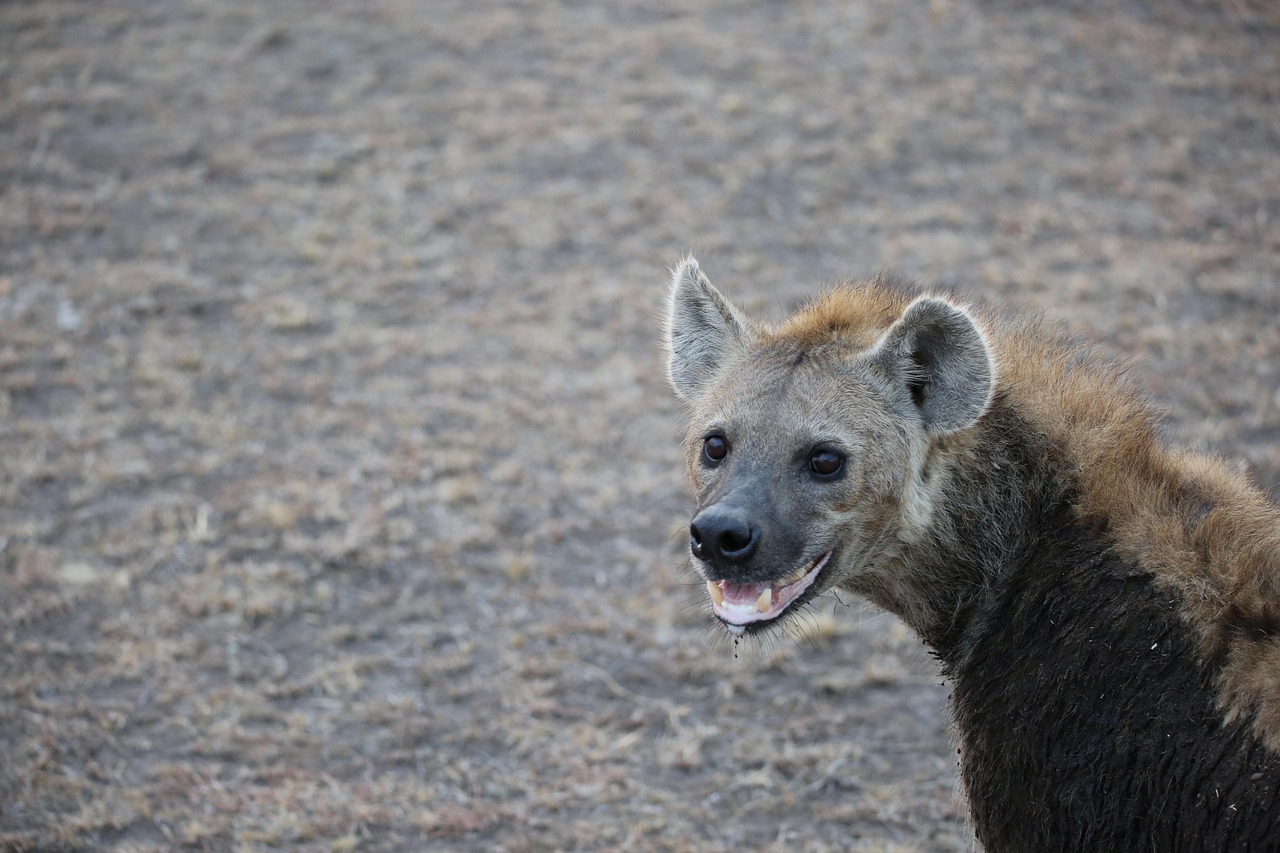
Elephants, buffalo, Maasai giraffes, topi, eland, gazelles, hyenas and warthogs are common, and a few black rhinos live in the reserve but are hard to see. Hippos and huge Nile crocodiles crowd the rivers, and more than 450 bird species have been recorded, from ostriches to lilac-breasted rollers.
Balloon safaris
Hot-air balloons lift off at dawn and float over the plains for about an hour, followed by a bush breakfast. Narok County charges a landing fee of US$80 per adult and US$35 per child, usually included in the price. Flights depend on the weather and can be canceled by the pilot.
Maasai culture
Many camps arrange visits to a Maasai manyatta (homestead) to see traditional houses, dances and beadwork. Agree the price and what it includes beforehand, and ask before photographing people.
Other things to do in the Maasai Mara
Walking safaris and night drives
Walking is not allowed in the reserve itself, but the surrounding conservancies offer guided walks with armed rangers and Maasai guides, where you learn about tracks, plants and birds, and night drives to look for leopards, hyenas, aardvarks and bushbabies. See our hiking guide for walking tips in general.
Photography
Open plains, soft light and close sightings make the Mara a photographer’s dream, and many camps offer vehicles with fewer seats and beanbags. Remember that you can’t bring a drone into Kenya without prior approval from the Kenya Civil Aviation Authority.
Food and drink
Meals are almost always included in Mara camps, with Kenyan dishes such as nyama choma (grilled meat), sukuma wiki (greens), ugali and chapati alongside international food, sundowners by the fire and bush breakfasts. Tell your camp about dietary needs in advance.
Day trips and nearby
Lake Naivasha and Hell’s Gate
On the road from Nairobi, Lake Naivasha has hippos and boat trips, and nearby Hell’s Gate National Park (US$50 for non-resident adults, according to Kenya Wildlife Service) lets you cycle among zebras and giraffes. See our cycling guide.
Nairobi
Most trips to the Mara begin and end in Kenya’s capital, where you can visit Nairobi National Park, the elephant orphanage and the Karen Blixen Museum. See our Nairobi guide.
Serengeti
The Mara and the Serengeti are one ecosystem, but there is no tourist border crossing inside the parks, so you can’t simply drive from one to the other. Combining them means flying between Nairobi and Arusha or Kilimanjaro, or driving via the Namanga or Isebania border posts. See our Serengeti National Park guide.
Nearby destinations
- Serengeti National Park118 km
- Nairobi188 km
- Ngorongoro Conservation Area195 km
- Amboseli National Park268 km
- Arusha270 km
- Tarangire National Park294 km
Getting there and getting around
By air
Scheduled light aircraft fly from Wilson Airport in Nairobi (not the international airport) to airstrips such as Keekorok, Ol Kiombo, Musiara and Serena in about 45 minutes to an hour, often with stops, and there are flights to the coast and Amboseli. The baggage allowance is usually 15 kg (33 lb) in soft bags, including hand luggage; check with your airline. Your camp meets you at the airstrip and drives you on a game drive to the camp.
By road
From Nairobi, the road runs down the Rift Valley escarpment and through Narok town, then on to the Sekenani or Talek gates; the journey takes about 5–6 hours, with the final stretch on rough, dusty or muddy roads depending on the season. Road safaris in 4×4 Land Cruisers or pop-top minivans are the cheapest way to visit. Avoid driving after dark.
Getting around
You explore the reserve on guided game drives, usually in an open-sided or pop-top 4×4 with a professional guide, either early morning and late afternoon or as a full day with a picnic lunch. Self-driving is possible with a 4×4 and good navigation, but tracks are confusing and rains make them difficult, and a local guide is much better at finding animals.
When to go and how long to stay
The Mara has two rainy seasons: the long rains from about March to May and the short rains in November and December. The dry season from late June to October is the best time for the migration and the busiest and most expensive; January and February are also dry, warm and much quieter, with lower park fees. Thanks to an altitude of about 1,500–2,100 m (4,900–6,900 ft), days are warm, around 22–27 °C (72–81 °F), but early mornings are cool, about 9–12 °C (48–54 °F), so bring a fleece for dawn drives. The table shows Kenya Meteorological Department (KMD) climate averages for the Narok station, about 90 km (55 miles) northeast of the reserve, as published by the World Meteorological Organization (WMO); the reserve itself is a little warmer and in places wetter.
| Month | Average high / low | Rain | What to expect |
|---|---|---|---|
| January | 27 °C (80 °F) / 9 °C (49 °F) | 79 mm (3.1 in) | Warm and green; short dry spell; low season fees |
| February | 27 °C (81 °F) / 9 °C (49 °F) | 67 mm (2.6 in) | Hot and fairly dry; excellent for cats; quiet |
| March | 27 °C (80 °F) / 10 °C (51 °F) | 95 mm (3.7 in) | Long rains begin; lush grass |
| April | 25 °C (77 °F) / 12 °C (54 °F) | 135 mm (5.3 in) | Wettest month; muddy tracks; some camps close |
| May | 23 °C (74 °F) / 13 °C (55 °F) | 92 mm (3.6 in) | Rain easing; very green; very quiet |
| June | 22 °C (72 °F) / 10 °C (51 °F) | 26 mm (1.0 in) | Dry season begins; cool mornings |
| July | 22 °C (72 °F) / 9 °C (48 °F) | 17 mm (0.7 in) | Herds arrive from the south; high season fees begin |
| August | 23 °C (74 °F) / 9 °C (49 °F) | 24 mm (1.0 in) | Migration and river crossings; busiest month |
| September | 25 °C (77 °F) / 9 °C (48 °F) | 25 mm (1.0 in) | Migration on the plains; crossings continue |
| October | 26 °C (79 °F) / 10 °C (50 °F) | 31 mm (1.2 in) | Herds start moving south; still excellent |
| November | 25 °C (78 °F) / 10 °C (50 °F) | 74 mm (2.9 in) | Short rains; green and quieter |
| December | 26 °C (79 °F) / 9 °C (49 °F) | 76 mm (3.0 in) | Short rains; busy over the holidays |
How long to stay: 3, 4 and 5 nights
- 3 nights: the minimum to give yourself five or six game drives and a good chance of a river crossing in season.
- 4 nights: add a balloon flight or a full day at the river crossing points.
- 5 nights: combine two nights in the reserve with three in a conservancy for walks, night drives and fewer vehicles.
Typical costs
Prices are approximate, for October 2026, converted at about KES 129.8 to the US dollar (Central Bank of Kenya). Park fees are the official non-resident rates; most camps quote all-inclusive prices in US dollars.
| Item | Typical cost |
|---|---|
| Reserve fee, non-resident adult, per day (July–December) | US$200 (about KES 25,950) |
| Reserve fee, non-resident adult, per day (January–June) | US$100 (about KES 12,980) |
| Reserve fee, child 9–17, per day | US$50 (about KES 6,490) |
| Vehicle entry, fewer than 6 seats, per day | KES 1,000 (about US$7.7) |
| Return flight Wilson–Mara | about US$400–600 |
| Balloon safari with breakfast | about US$450–550 per person |
| Budget camp outside the gates, per person per night, full board | about US$80–200 |
| Mid-range tented camp, per person per night, full board with game drives | about US$300–600 |
| Luxury or conservancy camp, per person per night, all-inclusive | about US$700–1,500+ |
Safety in the Maasai Mara
The Mara is a wild place, and the main risks are animals, malaria and the roads. Stay in the vehicle during game drives unless your guide says it is safe, keep arms and cameras inside when big cats or elephants are close, and never get between a hippo and the water. Camps are unfenced, so after dark you must be escorted to and from your tent by a guard, usually a Maasai askari; follow their instructions and never walk alone at night. Buffalo, elephants and hippos wander through camps. Malaria is present in all areas of Kenya below 2,500 m (8,200 ft), including the game parks, so talk to a travel-health professional about antimalarial tablets, and use repellent, long sleeves at dusk and the mosquito nets in your tent. The US CDC recommends yellow fever vaccination for most travelers to Kenya outside Nairobi and the coast, and Kenya requires a certificate if you arrive from a country with yellow fever risk. Roads to the Mara are rough; choose an experienced driver and avoid the roads after dark. The sun is strong at the equator even when it feels cool. Use only reputable operators and don’t buy safaris from street touts in Nairobi. In an emergency, call 999 or 112.
Practical tips for the Maasai Mara
- Check what is included: park fees of US$200 a day in high season add up, so confirm whether your quote includes them, plus vehicle fees, drinks and transfers.
- Bring cards, not cash, for fees: the Mara Triangle accepts card and M-Pesa only; carry your passport for ticket checks.
- Pack soft bags: light aircraft have strict weight limits.
- Go out early: the best predator action is at first light; take a full-day drive with a picnic at least once.
- Tip your team: guides, trackers and camp staff appreciate tips; ask your camp or operator for the usual amounts.
What to pack for the Maasai Mara
Neutral-colored clothes in layers (khaki, olive and brown, not bright white or the dark blue and black that attract tsetse flies), a warm fleece or jacket for early mornings and evenings, a rain jacket for the wet seasons, a wide-brimmed hat, sunglasses, high-factor sunscreen, insect repellent, binoculars, a camera with a zoom lens and spare batteries, a headlamp, a scarf against dust, comfortable closed shoes, and any antimalarials and medicines. Kenya uses 240 V with three-pin type G sockets. See our rain jackets, hiking shoes and travel adapters guides.
Maasai Mara travel FAQ
How much is the Maasai Mara entry fee?
For non-resident adults, US$200 per person per day from July to December and US$100 from January to June, under the Narok County Finance Act; children aged 9 to 17 pay US$50, and children 8 and under are free. A small daily vehicle fee is added.
When is the best time to see the Great Migration in the Maasai Mara?
Usually from July to October, with river crossings most often in August and September. Timing varies each year with the rains.
Is the Maasai Mara fee valid for 24 hours?
No. Under the Narok County Finance Act, a day’s entry covers 6 a.m. to 6 p.m., regardless of when you enter; the Mara Triangle’s 12-hour ticket also doesn’t carry over to the next day. Your camp normally pays the daily fee for each day you’re in the reserve.
What is the difference between the Maasai Mara and the Mara Triangle?
The Mara Triangle is the western part of the same reserve, across the Mara River, managed by the Mara Conservancy. It has fewer lodges and charges the same fees as the Narok side, but card or mobile payment only.
Should I stay in a conservancy or inside the reserve?
Conservancies offer walks, night drives, off-road viewing and far fewer vehicles, but cost more; the reserve has more choice of camps and is closest to the river crossings. Many visitors combine the two.
How do I get from Nairobi to the Maasai Mara?
Fly from Wilson Airport in about 45–60 minutes, or drive in about 5–6 hours via Narok.
Can I visit the Maasai Mara and the Serengeti on the same trip?
Yes, but there’s no tourist border crossing inside the parks. Most travelers fly between Nairobi and Kilimanjaro or Arusha, or cross by road at Namanga.
How many days do I need in the Maasai Mara?
At least three nights; four or five to add a conservancy or a balloon flight.
Is there malaria in the Maasai Mara?
Yes. Malaria occurs throughout Kenya below 2,500 m, including the game parks, so ask a travel-health professional about antimalarials and protect yourself from mosquito bites.
Can I see the Big Five in the Maasai Mara?
Lions, leopards, elephants and buffalo are common; black rhinos live in the reserve but are rarely seen, so the Big Five in one visit takes luck.
Plan your trip
Partner links: TravelerCenter may earn a commission if you book, at no extra cost to you.
🇹🇿 Useful Swahili phrases for Maasai Mara National Reserve
All 38 Swahili phrases: restaurant, hotel, emergencies, romance (printable) →
Sources · last reviewed 5 October 2026
Researched and last reviewed on 5 October 2026. Reserve fees, the 6 a.m.–6 p.m. day ticket, vehicle and balloon landing fees: the Narok County Finance Act 2023 and the county’s 2024 finance bill (narok.go.ke); Mara Triangle fees, payment rules and game-drive rules: the Mara Conservancy; calving season in the southern plains: the Ngorongoro Conservation Area Authority; fees for Hell’s Gate and Lake Nakuru and single-use plastic rules in parks: Kenya Wildlife Service; plastic bag ban: Kenya’s National Environment Management Authority; malaria and yellow fever: the US CDC; emergency numbers and drone rules: the UK government’s factual entry and safety pages, used for practical facts only; climate averages: the Kenya Meteorological Department via the World Meteorological Organization (Narok station); the exchange rate: the Central Bank of Kenya. Migration timing in the Mara, the conservancy list, flight times and baggage limits, road times, balloon and accommodation prices are general references or estimates, flagged for checking. Fees and rules change, so check with your camp or operator before you go. For the eTA, money and general safety, see our Kenya travel guide.
Data: Weather: MET Norway (CC BY 4.0) · Rates: ECB · Holidays: Nager.Date · Costs: World Bank ICP and price levels · Wikidata (CC0)