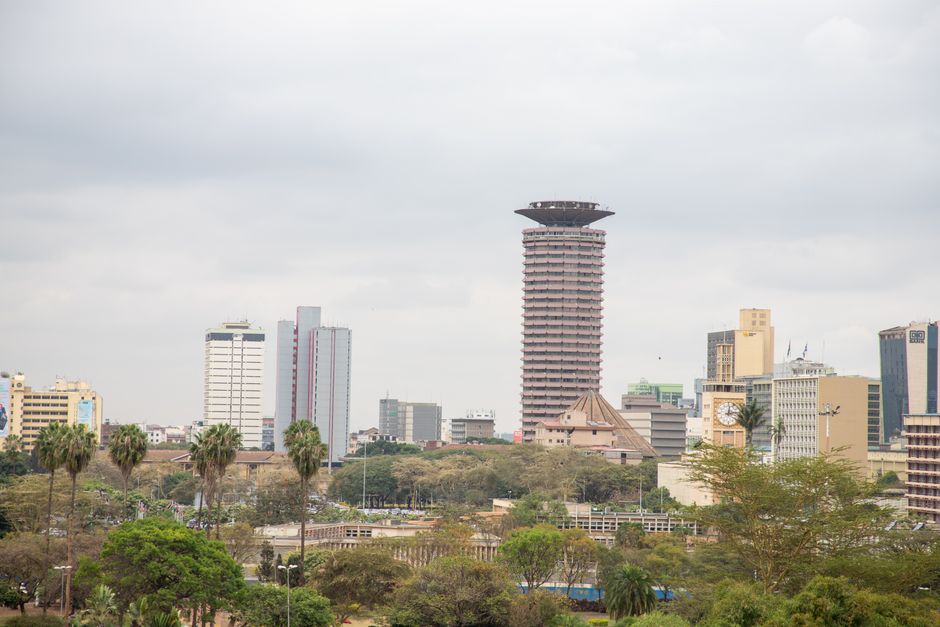
Kenya is where the modern safari was born, and it remains one of the best places on Earth to see Africa’s great animals. Straddling the equator on the east coast of Africa, it packs extraordinary variety into one country: the golden plains of the Maasai Mara, where the Great Migration thunders across the Mara River each year; elephants beneath snow-capped Kilimanjaro in Amboseli; the vast red wilderness of Tsavo; the flamingo lakes and volcanoes of the Great Rift Valley; the glaciers of Mount Kenya; and a tropical Indian Ocean coast of white-sand beaches, coral reefs and centuries-old Swahili towns, from Mombasa and Diani to Malindi and Lamu. Nairobi, the dynamic capital, has a national park within sight of its skyscrapers. Travel is well organized: most visitors apply online for an Electronic Travel Authorization (eTA), light aircraft link the parks, and the Madaraka Express train runs from Nairobi to the coast in about six hours. Kenya is a fine place to combine a safari with a beach holiday, and it borders Tanzania’s Serengeti and Kilimanjaro. Plan ahead for a few things: park fees that are high and charged per day, malaria in most of the country, the need to book camps early for the migration season, and the city precautions that make a visit to Nairobi trouble-free.
Right now in Kenya
- Wed 15–25°C 60–77°F 11 mm Heavy showers
- Thu 16–24°C 61–76°F 4 mm Partly cloudy
- Fri 16–22°C 61–71°F 24 mm Rain
- Sat 10 Oct Mazingira Day
Weather: MET Norway (CC BY 4.0) · Holidays: Nager.Date
Multi-day tours of Kenya
Multi-day tours from local operators. You check dates and book on Viator, our partner; we may earn a commission at no extra cost to you. How we earn money
Kenya at a glance
Kenya covers about 580,000 km² (224,000 square miles), a little smaller than Texas, and stretches from Lake Victoria in the west to the Indian Ocean in the east. Its heart is a high plateau split by the Great Rift Valley, with Mount Kenya, the second-highest mountain in Africa at 5,199 m (17,057 ft), rising north of Nairobi. The north is dry and sparsely populated, the west is green farmland around Lake Victoria, and the south is classic savanna. The 2019 census by the Kenya National Bureau of Statistics counted about 47.6 million people. Nairobi is the capital and largest city, and Mombasa the main port. Kenya is a republic, divided into 47 counties.
The official languages are English and Kiswahili (Swahili), and you’ll also hear dozens of local languages, including Kikuyu, Luo, Luhya, Kamba and Maa, the language of the Maasai and Samburu. English is widely spoken in hotels, safari camps and cities. Most Kenyans are Christian, with a large Muslim community, especially on the coast. Kenya is on East Africa Time (UTC+3) all year, with no daylight saving time. Electricity is 240 V, with three-pin British-style type G sockets.
A short history
The Rift Valley around Lake Turkana has yielded some of the oldest human fossils ever found, and for many centuries the Indian Ocean coast was part of the Swahili trading world, with towns such as Mombasa, Malindi and Lamu exporting ivory and gold to Arabia and Asia. The Portuguese arrived in 1498, followed by Omani rule on the coast, and in the 1890s Britain built the Uganda Railway inland from Mombasa, founding Nairobi along the way. Kenya became independent on December 12, 1963, now celebrated as Jamhuri Day, with Jomo Kenyatta as its first leader. Tourism, tea, coffee, flowers and technology, including the M-Pesa mobile-money system, have since made Kenya one of East Africa’s largest economies.
Kenya’s regions for travelers
- Nairobi and the central highlands: the capital, Nairobi National Park, the Aberdares, Mount Kenya, Ol Pejeta and the Laikipia plateau.
- The Great Rift Valley: Lakes Naivasha, Nakuru, Elementaita, Bogoria and Baringo, Hell’s Gate and Mount Longonot.
- The southwest: the Maasai Mara National Reserve and its conservancies.
- The south: Amboseli, Tsavo West and Tsavo East, the Chyulu Hills and Taita Hills.
- The coast: Mombasa, Diani and the south coast, Kilifi, Watamu, Malindi and the Lamu archipelago.
- The north: Samburu, Buffalo Springs and Shaba reserves, Lake Turkana and the deserts.
- The west: Lake Victoria, Kakamega Forest, Mount Elgon and Kisumu.
Regions
Where to go: safari parks, mountains and the coast
The classic first trip combines two or three safari parks with a few days on the coast. A popular route flies or drives from Nairobi to the Maasai Mara, adds the Rift Valley lakes or Amboseli, and finishes with a flight or the train to Diani or Watamu. A southern circuit links Amboseli, Tsavo West and Tsavo East with the beaches. See our guides to these places:
- Maasai Mara: Kenya’s flagship reserve, with big cats and the Great Migration from about July to October.
- Nairobi: the capital, with Nairobi National Park, the elephant orphanage and the Giraffe Centre.
- Amboseli National Park: elephants beneath Kilimanjaro.
- Tsavo East National Park: Kenya’s largest park, with red elephants, easily reached from the coast.
- Mombasa: Fort Jesus, the Old Town and Swahili culture.
- Diani Beach: Kenya’s best-known beach resort, with kitesurfing and the Kisite marine park.
- Malindi: a historic Swahili and Italian-flavored town, with Watamu’s beaches and marine parks nearby.
Other favorites include Samburu in the north, with reticulated giraffes, Grevy’s zebras and other northern species; Laikipia and Ol Pejeta, with rhinos and private conservancies; Lake Nakuru and Lake Naivasha in the Rift Valley; Mount Kenya, for trekking; and the car-free island town of Lamu, reached by air.
The Rift Valley lakes and the highlands
A few hours northwest of Nairobi, the floor of the Great Rift Valley holds a chain of lakes. Lake Naivasha is freshwater, with hippos, fish eagles and boat trips; Lake Nakuru National Park protects rhinos and Rothschild’s giraffes; and the alkaline Lakes Elementaita and Bogoria attract flamingos when conditions are right. Nearby, Hell’s Gate and Mount Longonot are good for cycling and hiking. North of Nairobi, Mount Kenya offers multi-day treks to Point Lenana (4,985 m, or 16,355 ft), and the Laikipia plateau’s ranches and conservancies, including Ol Pejeta, are among the best places in Kenya for rhinos and wild dogs.
Lamu
On the far north coast, the car-free island town of Lamu, a UNESCO World Heritage Site, is the best-preserved Swahili town in East Africa, with donkeys, dhows, carved doors and quiet beaches at Shela. Visitors fly to the airport on neighboring Manda Island and cross by boat.
Kenya’s wildlife
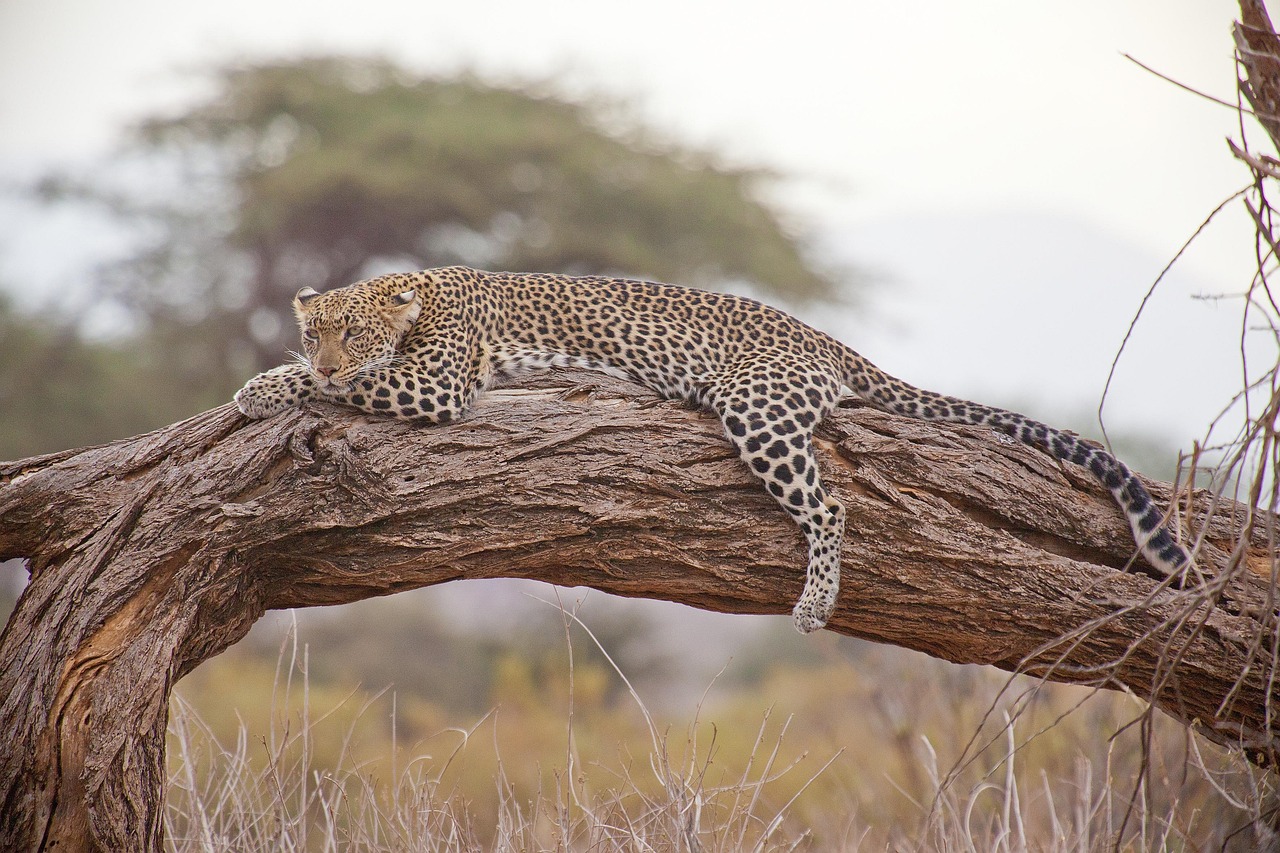
Kenya is home to the Big Five (lion, leopard, elephant, buffalo and rhino) and much more. The Maasai Mara is famous for lions, cheetahs and leopards; Amboseli and Tsavo for elephants; Ol Pejeta, Lake Nakuru and Nairobi National Park for black and white rhinos; and the northern reserves of Samburu for the “Samburu Special Five”: reticulated giraffe, Grevy’s zebra, Beisa oryx, gerenuk and Somali ostrich. Kenya has more than 1,000 recorded bird species, and its coast hosts sea turtles, dolphins and, from about July to October, migrating humpback whales, which Kenya Wildlife Service promotes as the marine half of the country’s “Twin Migration”.
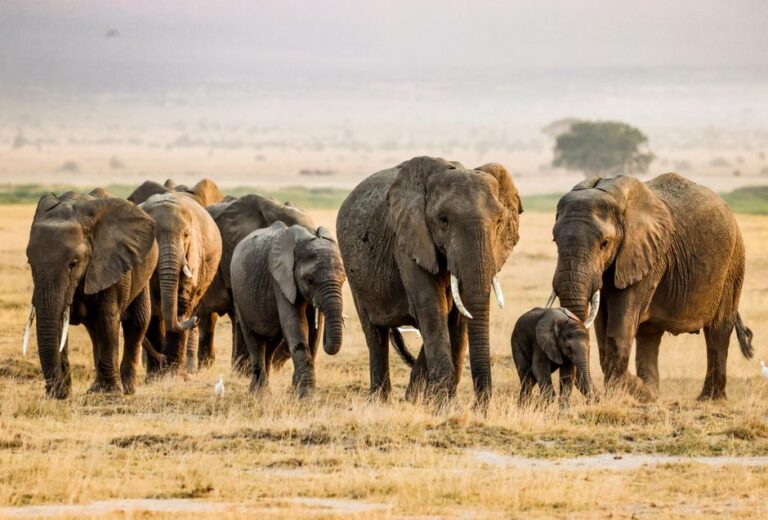
Amboseli National Park Travel Guide
Plan a visit to Amboseli National Park: elephants beneath Kilimanjaro, KWS fees of US$90 a day and the Tsavo–Amboseli packages, gates, routes and distances…
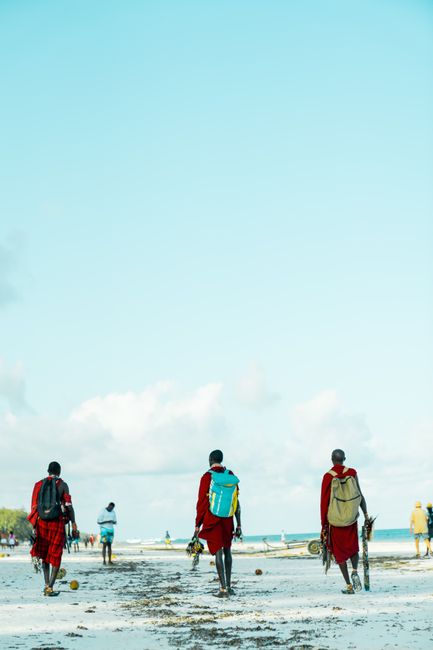
Diani Beach Travel Guide
Plan a trip to Diani Beach on Kenya's south coast: the beach and lagoon, Kisite-Mpunguti and Diani-Chale marine parks with KWS fees, Wasini dhow…
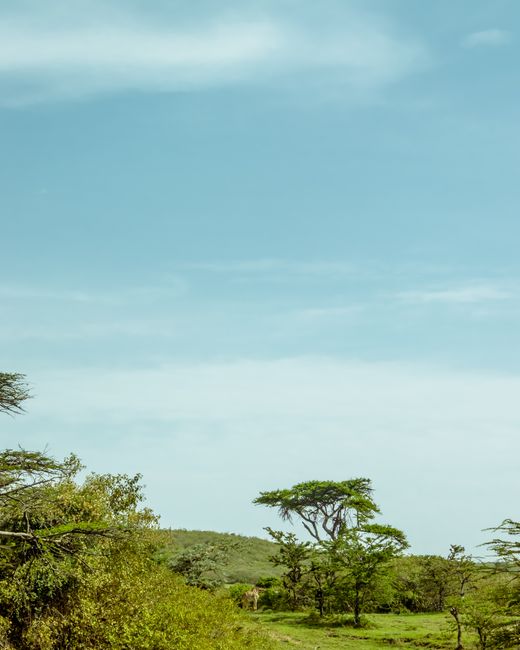
Maasai Mara Travel Guide
Plan a visit to the Maasai Mara National Reserve: Narok County fees of US$200 a day from July to December and US$100 from January…
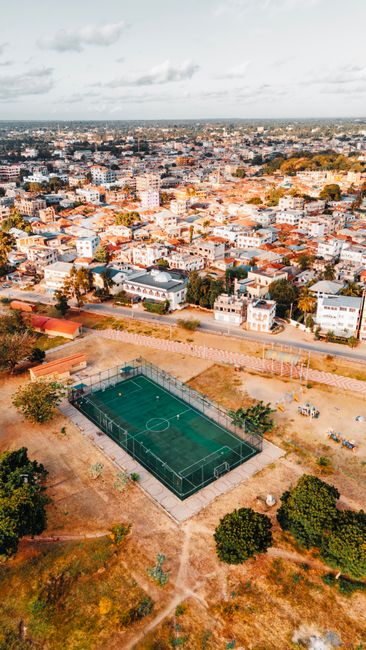
Malindi Travel Guide
Plan a trip to Malindi and Watamu on Kenya's north coast: the Vasco da Gama Pillar, Malindi and Watamu marine parks with KWS fees,…
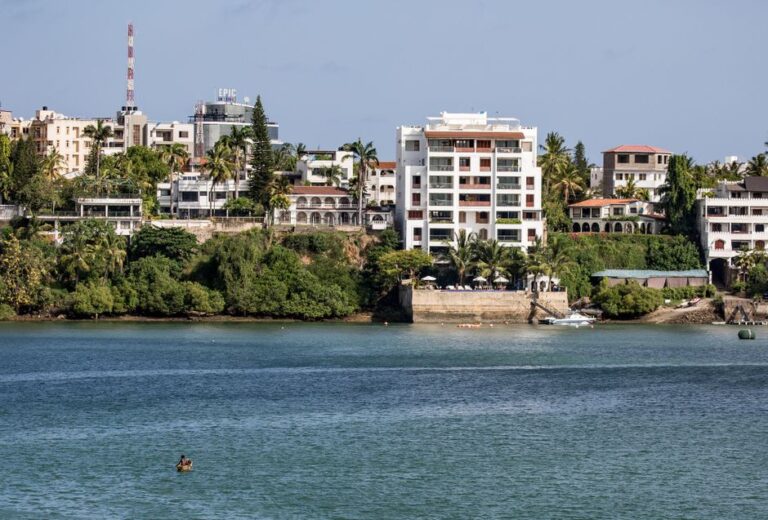
Mombasa Travel Guide
Plan a trip to Mombasa: Fort Jesus and the Old Town, Swahili history and food, the Mombasa Marine National Park, the Nyali, Bamburi and…
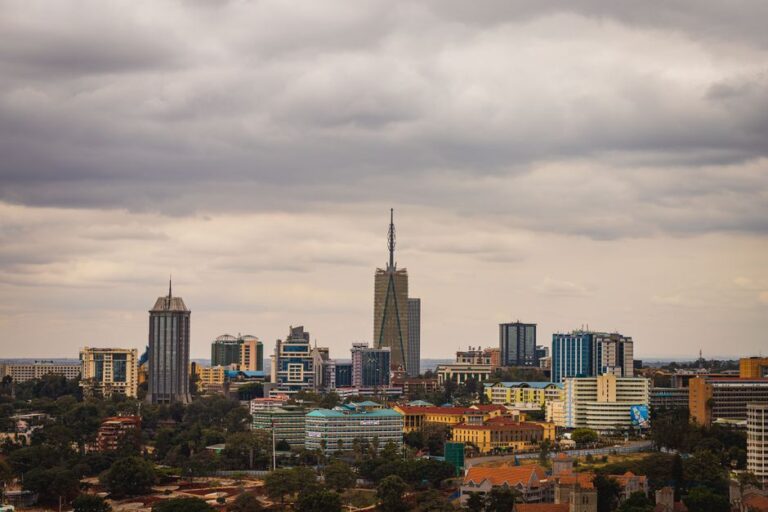
Nairobi Travel Guide
Plan a trip to Nairobi: Nairobi National Park with KWS fees and the Nairobi package, the Sheldrick elephant orphanage, the Giraffe Centre, the Karen…
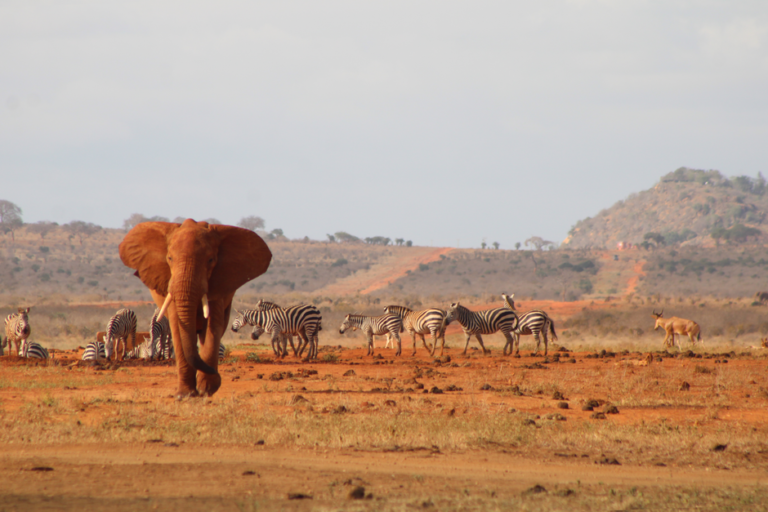
Tsavo East National Park Travel Guide
Plan a visit to Tsavo East National Park, Kenya's largest: KWS fees of US$80 a day and the three-park package, the Bachuma, Voi, Manyani,…
Best time to visit Kenya
Kenya can be visited all year, but the seasons shape the experience. The long dry season from late June to October is peak safari time, with animals concentrated near water, the Great Migration in the Maasai Mara and the highest prices. January and February are also dry, warm and excellent for safaris, with fewer visitors. The long rains from about March to May bring heavy afternoon storms, muddy roads and green landscapes; some camps close, but prices drop. The short rains in November and early December are lighter. On the coast, December to March is hot and sunny, and May is the wettest month. Thanks to altitude, Nairobi and the highlands are mild all year, while the coast and the lowland parks are hot. The table shows rounded average daily highs and lows and annual rainfall from the Kenya Meteorological Department (KMD), as published by the World Meteorological Organization (WMO).
| Region (KMD station) | January high / low | July high / low | Rain a year |
|---|---|---|---|
| Nairobi and the highlands (Nairobi) | 24 °C (76 °F) / 12 °C (53 °F) | 21 °C (69 °F) / 10 °C (50 °F) | about 1,020 mm (40 in) |
| Maasai Mara region (Narok) | 27 °C (80 °F) / 9 °C (49 °F) | 22 °C (72 °F) / 9 °C (48 °F) | about 740 mm (29 in) |
| Amboseli and the southern plains (Makindu) | 29 °C (84 °F) / 17 °C (63 °F) | 26 °C (80 °F) / 14 °C (57 °F) | about 610 mm (24 in) |
| Tsavo (Voi) | 32 °C (89 °F) / 20 °C (68 °F) | 28 °C (83 °F) / 18 °C (64 °F) | about 560 mm (22 in) |
| South coast and Mombasa (Mombasa) | 32 °C (90 °F) / 23 °C (74 °F) | 28 °C (82 °F) / 20 °C (69 °F) | about 1,060 mm (42 in) |
| North coast (Malindi) | 31 °C (87 °F) / 23 °C (74 °F) | 27 °C (81 °F) / 22 °C (72 °F) | about 1,060 mm (42 in) |
Kenya month by month
| Month | Weather | Highlights | Crowds and prices |
|---|---|---|---|
| January | Hot and dry; sunny on the coast | Excellent safaris; calving in Tanzania’s Serengeti | Busy early in the month, then moderate |
| February | Hot and dry | Great game viewing; beach season | Moderate |
| March | Rains begin late in the month | Green landscapes; birding | Quieter; lower prices |
| April | Long rains; wettest month inland | Lush parks; some camps close | Low season |
| May | Rain; wettest month on the coast | Green season discounts | Low season |
| June | Dry season begins; cool in the highlands | Good game viewing; Madaraka Day (June 1) | Rising |
| July | Cool, dry and dusty | Migration arrives in the Mara | High season; book early |
| August | Dry | Mara River crossings | Peak season |
| September | Dry and warming | Migration and crossings; whales on the coast | Very high |
| October | Warm; short rains may start late | Herds leave the Mara; Mashujaa Day (October 20) | High early in the month |
| November | Short rains | Green season; migrant birds | Quieter |
| December | Showers, then dry; hot on the coast | Holidays on the coast; Jamhuri Day (December 12) | Very busy over Christmas |
The Great Migration in Kenya
The wildebeest migration is a year-round cycle between Tanzania’s Serengeti and Kenya’s Maasai Mara. The Ngorongoro Conservation Area Authority in Tanzania says the herds calve in the southern Serengeti and Ndutu from about December to April. They move north through the Serengeti’s western corridor in the following months and usually reach the Mara from about July, staying until September or October, when the short rains draw them south again. The river crossings on the Mara and Talek rivers peak in August and September. Timing varies every year, so book a camp near the river for the best chance, and remember that the Mara’s resident wildlife makes it excellent all year.
Public holidays
Kenya’s national holidays include New Year’s Day, Good Friday and Easter Monday, Labour Day (May 1), Madaraka Day (June 1), Mashujaa Day (October 20), Jamhuri Day (December 12), Christmas and Boxing Day, plus the Muslim festivals of Eid al-Fitr and Eid al-Adha, whose dates depend on the moon. Coastal towns are quieter during Ramadan by day and lively after sunset.
How long to stay: sample itineraries
- 5 days: Nairobi (1 night) and the Maasai Mara (3 nights), flying to and from Wilson Airport.
- 7 days: Nairobi, Amboseli (2 nights) and the Maasai Mara (3 nights); or Tsavo East (2 nights) and Diani (4 nights) from Mombasa.
- 10 days: the Maasai Mara (3 nights), Lake Naivasha (1 night), Amboseli (2 nights), then the train to the coast and Diani or Watamu (3 nights).
- 14 days: add Samburu or Laikipia in the north, or combine Kenya with Tanzania’s Serengeti and Zanzibar; see our Tanzania travel guide.
- Beach and safari: a week in Diani or Watamu with a short safari in Tsavo East, or a light-aircraft flight to the Mara.
Entry, money and costs
The eTA (last reviewed October 2026)
Kenya’s Directorate of Immigration Services says most foreign visitors must apply online for an Electronic Travel Authorization (eTA) before traveling, through the official site, etakenya.go.ke, or the “Kenya Travel Authorisation” app; it replaces traditional visas for most travelers. A standard eTA, allowing one entry, costs US$30; a one-year multiple-entry eTA costs US$300, a transit eTA US$20, and US citizens can get a five-year multiple-entry eTA for US$185. Applications are generally processed within three working days, but the immigration service recommends applying at least two weeks before travel; an expedited option, processed immediately, costs an extra US$100. Every traveler, including children, needs their own eTA. You’ll need a passport valid for at least six months with at least one blank page, a selfie or passport-style photo, contact details, your itinerary and accommodation confirmation, and a card to pay. Print the approved eTA or keep it on your phone; it must be shown at departure and on arrival, and admission is decided at the border.
Under Kenya’s 2025 immigration rules, citizens of the East African Community partner states (Burundi, DR Congo, Rwanda, South Sudan, Tanzania and Uganda) are exempt for up to 180 days, and citizens of many African and some Commonwealth countries, including South Africa, Botswana, Namibia, Zambia, Zimbabwe, Malaysia, Singapore, Jamaica and Trinidad and Tobago, are exempt for 60 or 90 days. Citizens of the US, Canada, the UK, the EU, Australia and most other countries need an eTA.
The East African Tourist Visa
The East African Tourist Visa costs US$100 and allows multiple entries for tourism to Kenya, Uganda and Rwanda only for 90 days, according to Uganda’s immigration service; it must be issued by the country you enter first. Tanzania is not part of it, so a Kenya–Tanzania trip needs a Kenyan eTA and a separate Tanzanian visa. In October 2026, Kenya’s eTA portal listed the East African tourist option as “coming soon”, so if you plan to start in Kenya, check how to obtain it before you book.
Health requirements
Kenya requires a yellow fever vaccination certificate from travelers aged one year and over arriving from a country with yellow fever risk, according to the US CDC, and the CDC recommends the vaccine for most travelers to Kenya except those visiting only Nairobi, the coast (apart from Taita-Taveta County) and the northeast. Kenya itself is a yellow fever risk country, so Tanzania will ask for a certificate if you travel on from Kenya.
Customs, drones and the plastic bag ban
Kenya has strict customs rules: declare anything prohibited or subject to duty. Importing or exporting drones requires prior approval from the Kenya Civil Aviation Authority. Since August 28, 2017, Kenya’s National Environment Management Authority (NEMA) has enforced a ban on plastic carrier bags, and travelers arriving with duty-free plastic bags must leave them at the point of entry; offenders have been fined between KES 50,000 and KES 150,000. Kenya Wildlife Service says all its parks, reserves and sanctuaries are single-use-plastic-free zones. Pack clothes in fabric bags, and carry a reusable water bottle.
Money, cards and M-Pesa
The currency is the Kenyan shilling (KES). On October 5, 2026, the Central Bank of Kenya’s indicative rate was about KES 129.8 to the US dollar. ATMs are common in towns and accept foreign cards; cards are accepted at hotels, larger restaurants and shops, and M-Pesa, the mobile-money service, is used everywhere, from markets to park fees and train tickets. Visitors can register a local SIM for M-Pesa with their passport. Safari camps and lodges usually quote in US dollars; bring clean notes printed after 2009, as older or damaged notes may be refused. Kenya Wildlife Service fees are paid online through KWSPay on the government’s eCitizen platform, and the Mara Triangle accepts no cash, only card or M-Pesa.
Park fees
Park fees are a big part of a safari budget. Kenya Wildlife Service (KWS) runs the national parks, while the Maasai Mara is run by Narok County. As of October 2026, the official non-resident adult rates are:
| Park | Non-resident adult fee |
|---|---|
| Maasai Mara National Reserve, July–December | US$200 per day (Narok County) |
| Maasai Mara National Reserve, January–June | US$100 per day (Narok County) |
| Amboseli and Lake Nakuru national parks | US$90 per day (KWS) |
| Nairobi National Park | US$80 per day (KWS) |
| Tsavo East and Tsavo West national parks | US$80 per day (KWS) |
| Mount Kenya National Park | US$70 per day (KWS) |
| Hell’s Gate, Mount Longonot and Shimba Hills | US$50 per day (KWS) |
| Marine parks (Kisite-Mpunguti, Watamu, Malindi, Mombasa, Diani-Chale) | US$25 per day (KWS) |
KWS daily fees cover a single entry valid for up to 24 hours; under KWS’s 2025 schedule, children under 18 pay about half, and children aged five and younger enter free. The Narok County Finance Act defines a Maasai Mara day ticket as covering 6 a.m. to 6 p.m., whatever time you enter. Your safari operator normally pays the fees and includes them in the price.
Taxes and tipping
Prices in shops include 16% VAT, and hotels may add a tourism levy and service charge. Tipping is customary: about 10% in restaurants if service isn’t included, small notes for porters and housekeeping, and a daily tip for safari guides and camp staff, often pooled; ask your operator for current guidance.
What a trip costs
Prices are approximate, for October 2026, converted at about KES 129.8 to the US dollar.
| Item | Typical cost |
|---|---|
| eTA, single entry | US$30 (about KES 3,890) |
| Madaraka Express Nairobi–Mombasa, economy / first class | KES 1,500 / 4,500 (about US$12 / 35) |
| Local lunch (nyama choma, ugali) | KES 500–1,200 (about US$3.9–9.2) |
| Mid-range restaurant dinner | KES 2,000–4,500 (about US$15–35) |
| Light-aircraft flight Nairobi–Maasai Mara, one way | about US$200–300 |
| Mid-range safari camp, per person per night, full board with drives | about US$250–500 |
| Mid-range beach hotel double, per night | about US$80–200 |
A comfortable mid-range safari costs roughly US$300–600 per person per day, including park fees, accommodation, meals, drives and transport; budget camping safaris start at around US$150–200 a day, and luxury conservancy camps can exceed US$1,000.
Getting there and getting around
Airports
Most international flights land at Jomo Kenyatta International Airport (NBO) in Nairobi, the hub of Kenya Airways, with direct flights from Europe, the Middle East, Asia and across Africa; many travelers connect via Dubai, Doha or Cairo. Moi International Airport (MBA) in Mombasa has some international and charter flights. Safari and domestic flights use Nairobi’s Wilson Airport as well as JKIA, with airstrips across the Maasai Mara, Amboseli, Samburu, Laikipia and the coast (Ukunda for Diani, Malindi and Lamu). Light aircraft usually limit baggage to about 15 kg (33 lb) in soft bags.
The Madaraka Express
Kenya Railways’ Madaraka Express runs on the standard gauge railway between Nairobi Terminus (Syokimau) and Mombasa Terminus (Miritini). Trains leave both ends at 8 a.m. (the Inter-County train, with stops including Voi and Mtito Andei, arriving at about 2 p.m.), at 3 p.m. (an express stopping at Voi) and at 10 p.m. (a night train). One-way fares between Nairobi and Mombasa are KES 1,500 in economy, KES 4,500 in first class and KES 12,000 in premium class; children aged 3 to 11 pay half. Tickets can be bought up to 60 days ahead online at metickets.krc.co.ke or with M-Pesa, and passengers need their original ID or passport; arrive early for security checks. On Fridays to Sundays, a leisure train also runs from Nairobi into the Rift Valley at Suswa.
Roads, buses and driving
Kenya drives on the left. Main highways are paved, but many park roads are rough gravel, and the Nairobi–Mombasa highway carries heavy trucks. Long-distance buses and matatus (minibuses) are cheap but have a poor safety record. If you drive, you can use your home license for a limited period (bring an international driving permit), drive defensively, avoid driving at night, and be ready for police checkpoints; on-the-spot fines are illegal, so ask for official paperwork. Most visitors use safari operators with drivers.
Crossing to Tanzania
The main road border posts with Tanzania are Namanga (Nairobi–Arusha), Taveta–Holili (near Kilimanjaro), Isebania–Sirari (near the Mara) and Lunga Lunga–Horohoro (on the coast). There’s no tourist crossing inside the Maasai Mara and Serengeti. Shuttle buses link Nairobi with Arusha and Moshi, and short flights connect Nairobi with Kilimanjaro, Dar es Salaam and Zanzibar. You’ll need a Tanzanian visa, Tanzania’s mandatory inbound insurance and a yellow fever certificate.
Culture, food and everyday etiquette
Food
Kenyan food is hearty and simple. Ugali, a stiff maize porridge, is the staple, eaten with sukuma wiki (collard greens), stews or nyama choma, Kenya’s beloved roast goat or beef, often with kachumbari, a tomato and onion salad. Chapati, pilau and samosas reflect the Indian and Swahili influence, and on the coast you’ll find coconut curries, biryani and fresh seafood. Breakfast might be mandazi (fried dough) with sweet milky chai. Kenya grows some of the world’s best coffee and tea, and local beers include Tusker. Safari camps serve international food with Kenyan touches.
Safari lodges, tented camps and conservancies
Accommodation in the parks ranges from KWS bandas and public campsites to large lodges, comfortable tented camps with en-suite bathrooms, and exclusive conservancy camps on community land around the Mara, Amboseli and Laikipia, which limit vehicle numbers and offer walks and night drives. Many camps are unfenced, so you’ll be escorted to your tent at night.
Conservancies and community tourism
More than half of Kenya’s wildlife lives outside national parks, on land owned by communities and ranchers. Over the past two decades, wildlife conservancies, especially around the Maasai Mara, Amboseli, Laikipia and Samburu, have leased land from Maasai and Samburu families for low-density tourism, paying landowners and employing local guides and rangers. Staying in a conservancy camp is one of the best ways to see wildlife and to support the people who live alongside it, and many offer walks with Maasai or Samburu guides, cultural visits and night drives.
Etiquette
- Greetings: a handshake and “jambo” or “habari” (hello) go a long way; “asante” means thank you.
- Photos: ask before photographing people, including the Maasai, who may ask for a fee; don’t photograph official buildings, airports or police.
- Dress: on the coast, which is mainly Muslim, cover shoulders and knees away from beaches and resorts.
- Smoking: smoking in public places is illegal outside designated areas.
- ID: carry a copy of your passport; police may ask for the original.
Safety, health and connectivity
Kenya welcomes more than two million international visitors a year, and most trips are trouble-free. The main issues are practical: wildlife, health, roads and petty crime in cities.
- Wildlife: stay in the vehicle during game drives unless your guide says it’s safe, never walk unescorted in unfenced camps at night, and keep away from hippos and buffalo. Swimming in rivers and lakes in national parks is prohibited and dangerous.
- Malaria and other health risks: malaria occurs in all areas below 2,500 m (8,200 ft), including the game parks and the coast, with rare cases in central Nairobi, according to the US CDC; ask a travel-health professional about antimalarials and use repellent and nets. Dengue occurs on the coast. Drink bottled or filtered water.
- Altitude: on Mount Kenya, altitude sickness is a real risk; ascend slowly with a licensed guide.
- Roads: road accidents are a leading risk; avoid driving at night, choose reputable operators, and wear seatbelts. Between JKIA and Nairobi, use Mombasa Road or the Nairobi Expressway.
- City precautions: in Nairobi and Mombasa, bag snatching and pickpocketing are common in crowds and at stations; don’t walk after dark, use ride-hailing apps or hotel taxis, and keep valuables out of sight. Be wary of people posing as police and ask for ID.
- Demonstrations: protests occur from time to time, especially in Nairobi, and disrupt traffic; avoid crowds and follow local news.
- Areas off the tourist routes: the destinations in this guide are far from the northeastern border regions, where security restrictions apply; visitors to Lamu usually fly. Check the status of any remote region before you travel.
- Sea conditions: on the coast, swim inside the reef, watch for currents in reef channels, and wear water shoes for sea urchins and coral.
- Emergencies: call 999 or 112 for police, ambulance or fire.
Connectivity: buy a prepaid SIM from Safaricom or Airtel at the airport with your passport, or use an eSIM; mobile data coverage is good in towns and many parks, and Wi-Fi is common in camps, though sometimes slow.
Things to do: safaris, mountains, beaches and reefs
- Safaris: game drives in the Maasai Mara, Amboseli, Tsavo and Nairobi National Park; walking safaris and night drives in conservancies.
- Hiking: Mount Kenya, Mount Longonot, Hell’s Gate and the Ngong Hills. See our hiking guide.
- Beaches: Diani, Watamu, Malindi and Lamu. See our beaches guide.
- Snorkeling and diving: Kisite-Mpunguti, Watamu, Malindi and Mombasa marine parks. See our snorkeling and diving guides.
- Boat trips: dhow cruises on the coast, boats among hippos on Lake Naivasha. See our boat trips guide.
- Kitesurfing: Diani and Watamu. See our surfing guide.
- Cycling: among zebras and giraffes in Hell’s Gate National Park. See our cycling guide.
- Culture: Fort Jesus and Mombasa’s Old Town, Gede Ruins, Lamu and Maasai villages; see our city sightseeing guide.
What to pack for Kenya
Neutral-colored safari clothes in layers (avoid bright white and dark blue or black, which attract tsetse flies), a warm fleece for early game drives and the highlands, a rain jacket for the rainy seasons, a wide-brimmed hat, sunglasses, high-factor sunscreen, insect repellent with DEET or picaridin, binoculars, a camera with a zoom lens, soft luggage for light aircraft, light clothes that cover shoulders and knees for the coast, swimwear and water shoes, a reusable water bottle and fabric bags (plastic bags are banned), any antimalarials and medicines, and a power adapter for type G sockets. See our travel adapters, rain jackets, hiking shoes and water shoes guides.
Kenya travel FAQ
Do I need a visa to visit Kenya?
Most visitors need an Electronic Travel Authorization (eTA) instead of a visa, applied for online at etakenya.go.ke before travel. Citizens of East African Community countries and many African and some Commonwealth countries are exempt.
How much does the Kenya eTA cost?
A standard single-entry eTA costs US$30, according to Kenya’s Directorate of Immigration Services; expedited processing costs an extra US$100.
How long does the eTA take?
Usually up to three working days, but the immigration service recommends applying at least two weeks before you travel.
Does the East African Tourist Visa include Tanzania?
No. The East African Tourist Visa (US$100, 90 days) covers Kenya, Uganda and Rwanda only; Tanzania requires its own visa.
What is the best time to visit Kenya?
Late June to October and January to February for safaris; July to October for the Great Migration in the Maasai Mara; December to March for the coast.
How much are park fees in Kenya?
As of October 2026, the Maasai Mara costs US$200 per adult per day from July to December and US$100 from January to June; KWS parks range from US$25 (marine parks) to US$90 (Amboseli and Lake Nakuru) for non-resident adults.
Can I bring plastic bags to Kenya?
No. Plastic carrier bags are banned, and duty-free plastic bags must be left at the point of entry, according to NEMA.
Do I need a yellow fever vaccination for Kenya?
You need a certificate if you arrive from a country with yellow fever risk, and the vaccine is recommended for most travelers outside Nairobi and the coast. You’ll also need it to enter Tanzania from Kenya.
How do I get from Nairobi to Mombasa?
Take the Madaraka Express in about 5½–6 hours (from KES 1,500 in economy), or fly in about an hour.
Is Kenya safe for tourists?
Most visits are trouble-free. The main risks are road accidents, petty crime in cities, malaria and wildlife; take sensible precautions and use reputable operators.
Should I bring cash or cards to Kenya?
Both, plus mobile money. Cards and M-Pesa are widely used, KWS park fees are paid through the eCitizen platform and the Mara Triangle takes no cash, and US dollars are handy for tips and some camps.
Can I combine Kenya and Tanzania?
Yes, easily, by flying between Nairobi and Kilimanjaro, Arusha or Zanzibar, or by road via Namanga; you’ll need a Tanzanian visa and insurance.
How many days do I need in Kenya?
A week for one or two parks; 10–14 days to combine several parks with the coast.
Sources and last review
Researched and last reviewed on 5 October 2026. The eTA, fees, processing times, requirements and exemptions: Kenya’s Directorate of Immigration Services (etakenya.go.ke); the East African Tourist Visa: Uganda’s National Citizenship and Immigration Control; Maasai Mara fees and day ticket: the Narok County Finance Act 2023 and the county’s 2024 finance bill; KWS park fees, child ages and plastic-free parks: Kenya Wildlife Service’s 2025 conservation fees; the plastic bag ban and duty-free bags: Kenya’s National Environment Management Authority; Madaraka Express times, fares, children’s fares, booking window and the Suswa train: Kenya Railways; yellow fever and malaria: the US CDC; calving season: Tanzania’s Ngorongoro Conservation Area Authority; passport validity, drones, airport routes, crime precautions, demonstrations, ID, smoking, driving, swimming in parks, regional restrictions and emergency numbers: the UK government’s factual entry and safety pages, used for practical facts only; climate averages: the Kenya Meteorological Department via the World Meteorological Organization; the exchange rate: the Central Bank of Kenya. Area, population, counties, holidays, VAT, tipping, US dollar notes, border posts, flight and baggage details, migration months in the Mara and typical prices are general references or estimates, flagged for checking. Rules and prices change, so check the official sites before you go.
Plugs and power in Kenya
Kenya uses 240 V, 50 Hz and these plugs (left) and wall sockets (right):
All plug types and voltages by country → · Check what you need to pack →
Plan your trip
Partner links: TravelerCenter may earn a commission if you book, at no extra cost to you.
🇹🇿 Useful Swahili phrases for Kenya
All 38 Swahili phrases: restaurant, hotel, emergencies, romance (printable) →