Malawi, known as the “Warm Heart of Africa” for the friendliness of its people, is a narrow, landlocked country in southeastern Africa that’s dominated by one of the continent’s great lakes. Lake Malawi runs for about 365 miles (585 km) down the eastern side of the country, earning it the nickname “the calendar lake”, and its clear, fresh water, golden beaches and islands make it the heart of most trips. At its southern end, Lake Malawi National Park, around Cape Maclear, is the country’s only UNESCO World Heritage Site, protecting hundreds of species of colorful cichlid fish found nowhere else on Earth. Away from the lake, Malawi has rolling highlands and plateaus, from the grasslands of Nyika in the north to the granite massif of Mount Mulanje in the south, tea estates, colonial-era towns and a growing safari scene in Liwonde and Majete, where the Big Five have returned. Malawi is small, relaxed and good value, with fewer crowds than its neighbors, and it combines easily with Zambia’s South Luangwa or Mozambique. Plan ahead for the visa, which most Western visitors need again, for cash and currency, for slow roads, and for malaria and bilharzia, which are facts of life around the lake.
Right now in Malawi
- Wed 17–29°C 63–84°F Clear
- Thu 19–30°C 66–85°F Mostly clear
- Fri 20–29°C 67–84°F Partly cloudy
Weather: MET Norway (CC BY 4.0) · Air quality: OpenAQ
Multi-day tours of Malawi
Multi-day tours from local operators. You check dates and book on Viator, our partner; we may earn a commission at no extra cost to you. How we earn money
Malawi at a glance
Malawi’s Department of Tourism says the country covers 118,484 km² (45,747 square miles), about the size of Pennsylvania, and borders Zambia to the west, Tanzania to the north and northeast, and Mozambique to the east, south and southwest. About a fifth of its area is taken up by Lake Malawi, which the department describes as Africa’s third-largest lake, at 29,600 km² (11,400 square miles), and its second deepest. The population was estimated at about 19.4 million in 2021. Lilongwe is the capital and largest city; Blantyre, the commercial center, is second, followed by Mzuzu in the north and the former capital, Zomba.
English is the official language and widely used in business and tourism, and Chichewa is spoken by most of the population; Tumbuka, Yao, Lomwe and other languages are spoken regionally. “Moni” means hello, and “zikomo” means thank you. Most Malawians are Christian, with a large Muslim community along the southern lakeshore. Malawi is on Central Africa Time (UTC+2) all year. The Department of Tourism says Malawi uses 240 V electricity and British three-pin square plugs (type G).
A short history
The name Malawi comes from the Maravi, an old name for the Chewa people, whose kingdoms ruled much of the region from about the 15th century. The Scottish explorer David Livingstone reached the lake in 1859, and Scottish missions followed, the first of them at Cape Maclear in 1875. Britain declared a protectorate in 1891, later named Nyasaland. The country became independent as Malawi on July 6, 1964, and a republic two years later; the capital moved from Zomba to Lilongwe in the 1970s. Agriculture, especially tobacco, tea and sugar, remains the main source of income, and tourism focuses on the lake and the national parks.
Malawi’s regions for travelers
- The north: Nyika National Park and Vwaza Marsh, Mzuzu, the lakeshore at Nkhata Bay, the Livingstonia mission on its escarpment, and Likoma and Chizumulu islands.
- The center: Lilongwe, the Dedza highlands, Kasungu National Park, Nkhotakota Wildlife Reserve and the beaches of Senga Bay near Salima.
- The south: Lake Malawi National Park and Cape Maclear, Monkey Bay and Mangochi, Liwonde National Park, the Zomba Plateau, Blantyre, Mount Mulanje and the tea estates of Thyolo, and Majete Wildlife Reserve in the Shire Valley.
Where to go: the lake, the highlands and the parks
The classic first trip combines a few days on the southern lakeshore at Cape Maclear with a safari in Liwonde National Park and a night or two on the cool Zomba Plateau or below Mount Mulanje. With more time, head north to Nkhata Bay, Likoma Island and the open grasslands of Nyika. See our guide to Malawi’s best-known lake destination:
- Lake Malawi National Park: Cape Maclear’s beaches, island kayaking and some of the world’s best freshwater snorkeling among endemic cichlid fish.
The lakeshore and the islands
Beyond Cape Maclear, the lake’s best-known spots include Senga Bay, the closest beach to Lilongwe; the resorts around Mangochi at the southern tip; and laid-back Nkhata Bay in the north, with rocky coves and snorkeling. The Department of Tourism notes that Malawi’s two inhabited islands, Likoma and Chizumulu, lie within Mozambican waters; Likoma is known for St Peter’s Cathedral, one of Africa’s largest churches, which seems far too big for its tiny island. The lake hosts beach festivals, including Lake of Stars, and the department lists snorkeling, diving, kayaking, sailing, boat trips, waterskiing and stargazing among its activities.
Safaris: Liwonde, Majete and the north
The Department of National Parks and Wildlife (DNPW) manages five national parks, Nyika, Kasungu, Liwonde, Lake Malawi and Lengwe, four wildlife reserves, Vwaza, Nkhotakota, Majete and Mwabvi, and three nature sanctuaries, together covering about 11.6% of the country. Liwonde National Park, on the Shire River, is the most popular safari park, with boat safaris among hippos, crocodiles and elephants, and rhinos, lions and cheetahs reintroduced in recent years. Majete Wildlife Reserve, in the hot Lower Shire Valley, is Malawi’s Big Five reserve. In the north, Nyika National Park is a high, rolling plateau of grassland and wildflowers, with zebras, roan antelope and some of Africa’s highest densities of leopards, excellent for walking, cycling and horseback safaris.
Nkhotakota and Kasungu
In the center of the country, Nkhotakota Wildlife Reserve is a large area of hilly miombo woodland and rivers between the escarpment and the lake, restocked with hundreds of elephants and other animals moved from the south. It’s quiet and wild, with canoe trips, walks and fishing, and it pairs well with a stay on the central lakeshore. Farther west, near the Zambian border, Kasungu National Park is a remote woodland park where elephant numbers are recovering. Both are good options for travelers who want to see wildlife away from the crowds.
Mount Mulanje and the Zomba Plateau
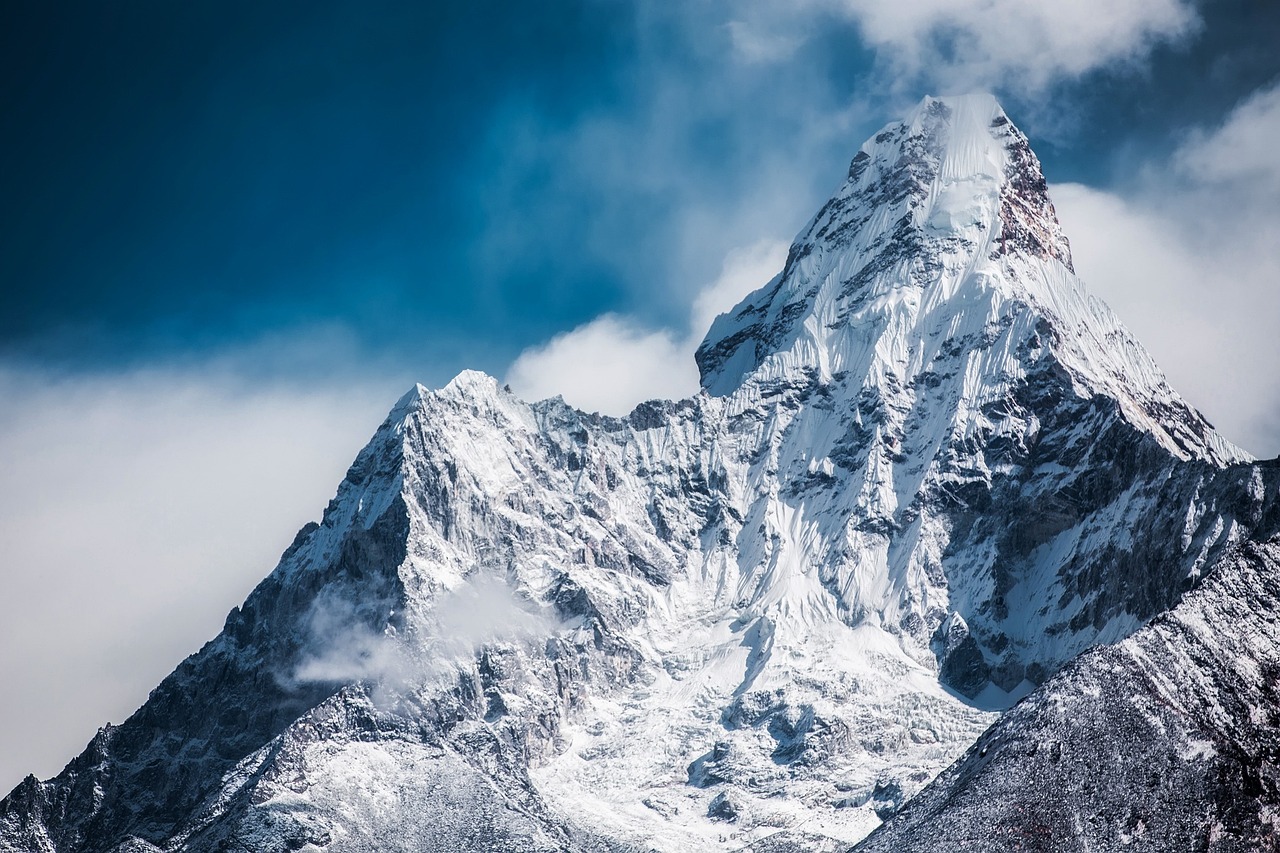
Mount Mulanje, a vast granite massif in the south, rises to Sapitwa Peak, about 3,000 m (9,850 ft), the highest point in southern-central Africa. Hikers spend two to five nights walking between mountain huts through forests, grasslands and streams. The Zomba Plateau, above the old colonial capital, has pine forests, waterfalls, viewpoints and gentle trails. Around Thyolo and Mulanje, tea estates cover the hills, and some offer tastings and lodge stays.
Lilongwe, Blantyre and Zomba
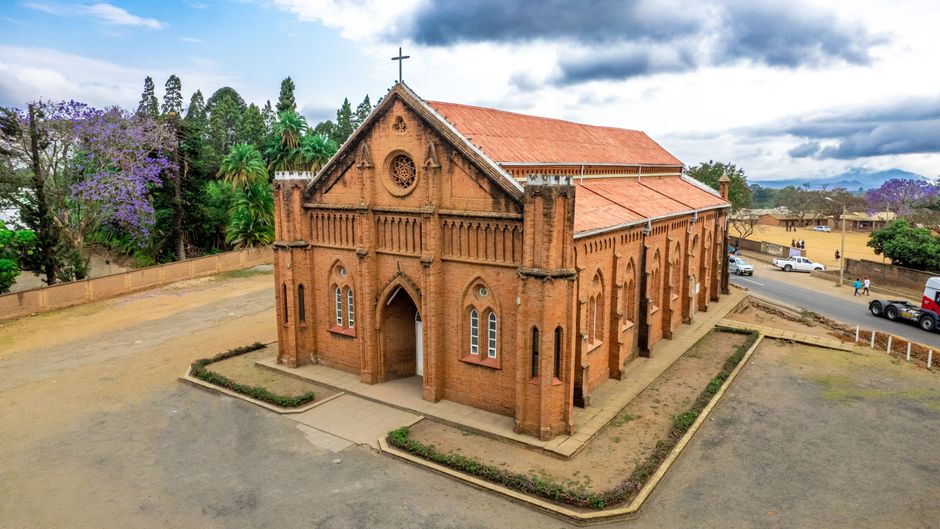
Most visitors pass through Lilongwe, a spread-out, green capital of separate old and new towns. Its Old Town market, craft stalls, cafés and the Lilongwe Wildlife Centre, a sanctuary for rescued animals, fill a pleasant day before heading to the lake. Blantyre, founded by Scottish missionaries in the 1870s, is Malawi’s commercial hub, with the red-brick St Michael and All Angels Church, markets and good restaurants, and it’s the gateway to Mulanje, Majete and the tea estates. Between the two, Zomba, the colonial capital until 1975, has a lively market and colonial buildings below its plateau.
Livingstonia and the far north
High on an escarpment above the northern lakeshore, the Scottish mission town of Livingstonia, moved here from Cape Maclear in the 1890s, has a stone church with a stained-glass window of Livingstone, a small museum, the Manchewe Falls and huge views over the lake. The road up is a steep series of hairpin bends, so most people go with a 4×4 or hike. Farther north, the lakeshore around Karonga has a museum about the area’s dinosaur fossils and early human remains, and the road continues to the Tanzanian border.
Malawi’s wildlife
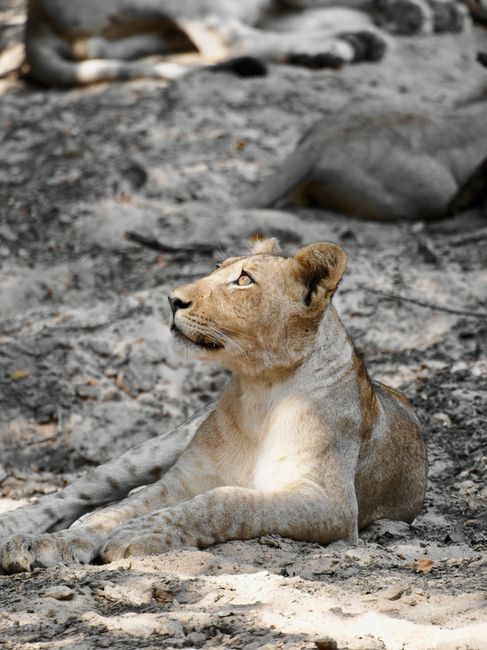
Lake Malawi is famous among biologists for its cichlids: the Department of Tourism, citing UNESCO, says the lake is home to more than 350 species of endemic cichlid fish, and the colorful rock-dwelling mbuna are a highlight for snorkelers. On land, Malawi’s parks have elephants, hippos, buffalo, antelope, zebras, leopards and, in Liwonde and Majete, lions and rhinos. Birders come for more than 600 species, including fish eagles along the lakeshore, Pel’s fishing owl on the Shire River and the specialties of Nyika.
Lake Malawi National Park Travel Guide
Plan a visit to Lake Malawi National Park: Malawi's only UNESCO World Heritage Site and its endemic cichlids, Cape Maclear and Chembe village, Otter…
Best time to visit Malawi
The Department of Tourism says Malawi has two main seasons: the dry season from May to October and the wet season from November to April. The dry months are the best for safaris, hiking and the lake, with clear skies and calm water; May to August is cooler, with chilly nights in the highlands, where frost is not unusual on Nyika and upper Mulanje in July. September and October are hot, especially along the lakeshore and in the Shire Valley, but game viewing is at its best. The rains, heaviest from December to March, turn the country green and bring migrant birds, but some roads and park areas become hard to reach. The table shows rounded average daily highs and lows in January and July and yearly rainfall for stations of the Department of Climate Change and Meteorological Services (DCCMS): Mzuzu from 1961–1990 averages published by the World Meteorological Organization (WMO), and Lilongwe and Nkhotakota from the DCCMS “Our cities climate” data, which doesn’t state its averaging period.
| Region (DCCMS station) | January high / low | July high / low | Rain a year |
|---|---|---|---|
| Central plateau and the capital (Lilongwe) | 27 °C (81 °F) / 19 °C (66 °F) | 24 °C (75 °F) / 10 °C (50 °F) | about 1,180 mm (46 in) |
| Central lakeshore (Nkhotakota) | 29 °C (84 °F) / 22 °C (72 °F) | 26 °C (79 °F) / 16 °C (61 °F) | about 1,310 mm (52 in) |
| Northern highlands (Mzuzu) | 26 °C (79 °F) / 16 °C (61 °F) | 20 °C (68 °F) / 7 °C (45 °F) | about 1,290 mm (51 in) |
Malawi month by month
| Month | Weather | Highlights | Crowds and prices |
|---|---|---|---|
| January | Hot and wet; heavy storms | Green landscapes; migrant birds; John Chilembwe Day (January 15) | Low season; some camps closed |
| February | Wet | Birding; lush highlands | Low season |
| March | Rains easing late in the month | Martyrs’ Day (March 3) | Quiet |
| April | Rains ending | Easter holidays; waterfalls at their best | Quiet |
| May | Dry season begins; pleasant | Hiking on Mulanje and Zomba; lake trips | Moderate |
| June | Dry and cool; cold nights in the highlands | Clear water for snorkeling | Moderate |
| July | Coolest month; frost possible on Nyika | Independence Day (July 6); wildflowers fade on Nyika | Busy in European summer holidays |
| August | Dry; warming; windy on the lake at times | Safaris improve as bush thins | High season |
| September | Hot and dry | Excellent game viewing; lake festivals | High season |
| October | Hottest month in the lowlands | Peak game viewing at waterholes; Mother’s Day (October 15) | Busy early in the month |
| November | Hot; first rains | Storms over the lake; birding | Quieter |
| December | Wet | Christmas on the lakeshore | Busy over the holidays |
Public holidays
Malawi’s public holidays include New Year’s Day, John Chilembwe Day (January 15), Martyrs’ Day (March 3), Good Friday and Easter Monday, Labour Day (May 1), Kamuzu Day (May 14), Independence Day (July 6), Mother’s Day (October 15), Christmas and Boxing Day, plus Eid al-Fitr. Banks and government offices close, and buses are busier around holiday weekends.
How long to stay: sample itineraries
- 5 days: Lilongwe (1 night) and Cape Maclear (3 nights), with snorkeling and island kayaking.
- 7–8 days: Cape Maclear (3 nights), Liwonde National Park (2 nights) and the Zomba Plateau (1–2 nights).
- 10–12 days: add Mount Mulanje for a two- or three-day hike, or Majete for the Big Five.
- Two weeks: travel north via Nkhotakota to Nkhata Bay, Likoma Island and Nyika National Park.
- Malawi and Zambia: combine the lake with South Luangwa, about a day’s drive from Lilongwe. See our Zambia travel guide.
Entry, money and costs
Visas: the e-visa and visas on arrival (last reviewed October 2026)
Malawi’s visa rules have changed several times in recent years. The government waived visas for many nationalities in 2024, but in October 2026 the official sources show that most Western visitors need a visa again. The Department of Tourism’s visa table lists citizens of the United States, the United Kingdom, Canada, Australia, France, Germany, the Netherlands and most other countries as “VISA Required”, and the eligibility checker on the official portal, evisa.gov.mw, confirms that they need one. Visa-exempt travelers include nationals of the Southern African Development Community (SADC) and COMESA member states, such as South Africa, Zambia and Kenya, unless their country requires visas from Malawians, and citizens of a short list of other countries, including Malaysia, Singapore, the Philippines, Ghana, Jamaica, Barbados, the Bahamas and Trinidad and Tobago.
The Department of Immigration and Citizenship Services says e-visas are processed within three working days, paid online in US dollars by Visa or Mastercard, and are non-refundable. The fees are US$50 for a single entry (about MWK 86,700), US$50 for a transit visa, US$150 for multiple entries over six months and US$250 for 12 months. The visa’s validity starts on the date of issue, not the date you arrive, and you must show the approval letter at the border. A public notice effective February 24, 2026 says that nationals of “Category Two” countries can also get a visa on arrival at all designated ports of entry, and that airlines should let them board without a visa, while “Category One” nationals must obtain a visa before departure. The notice still encourages everyone to apply online to avoid delays; use the portal’s eligibility wizard to check which category applies to you.
Health requirements
According to the US CDC, Malawi requires a yellow fever vaccination certificate from travelers aged one year and over arriving from a country with yellow fever risk, including after an airport transit of more than 12 hours in such a country; direct travelers from the US don’t need one, and the vaccine isn’t recommended for Malawi itself. That matters if you fly in via Nairobi, Addis Ababa or Entebbe on a long layover, or travel overland from Tanzania or Zambia’s risk areas. Ethiopian Airlines also lists an online health self-screening form run by Malawi’s Ministry of Health for arriving passengers, so check whether it applies to you before departure.
Customs
The Department of Tourism says arrival procedures are usually quick, and the usual personal duty-free allowances apply; details are published by the Malawi Revenue Authority. Declare large amounts of foreign currency, and don’t try to export wildlife products, which are protected by law.
Money and cards
The currency is the Malawian kwacha (MWK, written MK). On October 5, 2026, the Reserve Bank of Malawi’s middle rate was about MWK 1,734 to the US dollar. Exchange rates offered by banks and bureaus can differ from the official rate, so compare before you change money, and use only licensed banks and bureaus. The Department of Tourism says there are 24-hour ATMs in Lilongwe, Blantyre and Mzuzu that dispense only local currency, most banks open from 8 a.m. to 3 p.m., and major credit and debit cards are widely accepted by licensed tourism businesses, which also accept major foreign currencies. Outside the cities, carry enough kwacha for minibuses, markets and small lodges, and keep clean US dollar notes as a backup. Tipping is appreciated: around 10% in restaurants, and a daily tip for guides and lodge staff.
Park fees
DNPW charges entry fees per person and per vehicle at the gates of its national parks and wildlife reserves, and the Department of Tourism notes that a revenue-sharing scheme returns 25% of park revenue to local communities, including at Lake Malawi National Park. Liwonde, Majete and Nkhotakota are managed in partnership with African Parks, which sets its own conservation fees. Fees are usually quoted in US dollars for foreign visitors, and lodges can tell you whether they’re included.
What a trip costs
Prices are approximate, for October 2026, converted at about MWK 1,734 to the US dollar.
| Item | Typical cost |
|---|---|
| E-visa, single entry | US$50 (about MWK 86,700) |
| Nsima with chambo (fish) at a local restaurant | MWK 5,000–12,000 (about US$2.90–6.90) |
| Local beer (Carlsberg or Kuche Kuche) | MWK 2,000–3,500 (about US$1.15–2.00) |
| Minibus Lilongwe–Monkey Bay, one way | about MWK 15,000–25,000 (about US$8.65–14.40) |
| Mid-range restaurant dinner in Lilongwe | MWK 30,000–60,000 (about US$17–35) |
| Lakeshore backpacker lodge, double | about US$30–60 |
| Mid-range lake lodge, double | about US$80–200 |
| Safari lodge in Liwonde, per person per night, full board with activities | about US$250–600 |
Malawi is one of southern Africa’s better-value destinations: backpackers can travel on about US$40–70 a day, and a comfortable mid-range trip with a driver costs roughly US$150–300 per person per day, more with safari lodges.
Getting there and getting around
By air
The Department of Tourism says all international flights land at either Lilongwe International Airport (LLW), near the capital, or Chileka International Airport (BLZ), near Blantyre. Malawi Airlines and the national airlines of neighboring countries link Malawi with Kenya, South Africa, Tanzania, Zambia and Zimbabwe, and Malawi Airlines’ association with Ethiopian Airlines offers connections worldwide via Addis Ababa. Other good connections are via Nairobi and Johannesburg. Charter flights reach Likoma Island and some lodges.
Roads, minibuses and driving
Malawi drives on the left. The Department of Tourism says the main road network has greatly improved, shortening journey times, but dirt roads can be impassable for small cars in heavy rain. Minibuses and coaches link the main towns cheaply, though they’re crowded; most visitors hire a car with a driver or join a tour. If you drive, the department says an international driving license is required, uniformed police can collect on-the-spot fines, and routine roadblocks are common, especially near borders. Drivers of foreign-registered cars pay a Road Access Fee of US$20 at the border, in US dollars, and need a temporary import permit from the Malawi Revenue Authority.
Crossing borders
The main crossings are Mchinji, west of Lilongwe, for Zambia’s Chipata and South Luangwa; Songwe, in the far north, for Tanzania; and several crossings into Mozambique, including Mwanza in the south. See our Mozambique travel guide. Check your visa and yellow fever paperwork for each country before you cross.
Culture, food and everyday etiquette
Food and drink
The staple is nsima, a thick maize porridge eaten with the right hand alongside ndiwo, a relish of vegetables, beans, meat or fish. The lake supplies chambo, a tilapia found only in Lake Malawi and its region, usually grilled or fried, plus usipa, small sardine-like fish, and kampango, a large catfish. Roadside stalls sell grilled corn, mandasi (doughnuts) and fruit. Malawi grows excellent tea in Thyolo and Mulanje, and coffee in the northern highlands. Carlsberg has long been brewed in Blantyre, and Kuche Kuche is a popular local lager; Malawi Gin is another local favorite.
Where to stay
Malawi has a wide range of accommodation, from backpacker lodges and campsites on the lakeshore to boutique beach lodges, island camps, safari lodges in Liwonde and Majete, and city hotels in Lilongwe and Blantyre. The Department of Tourism encourages visitors to use licensed accommodation and restaurants. Popular lakeshore lodges and the few safari lodges fill up from July to October and over Christmas, so book ahead for those months, and check whether rates include meals, as many lodges are far from other restaurants.
Community tourism
Many of Malawi’s lakeshore lodges are closely tied to their neighboring villages, and community tourism is a good way to put money directly into local hands. Look for village walks led by trained local guides, cooking lessons, school and clinic projects run with lodges, and craft cooperatives selling chairs, carvings and textiles. On the beaches you’ll meet young men selling souvenirs, boat trips and “key rings”; a friendly “no thank you” is enough if you’re not interested, and booking activities through your lodge or a licensed guide avoids misunderstandings.
Etiquette
- Dress: the Department of Tourism notes that Malawians are generally conservative; beach resorts are informal, but cover shoulders and knees in villages and towns.
- Greetings: greet people before asking questions; “moni” (hello) and “zikomo” (thank you) are appreciated.
- Photos: ask before photographing people, and avoid government buildings, police and security installations.
- Safari clothes: the department suggests natural or dark colors rather than bright ones on safari.
- Drugs: cannabis is widely offered on the lakeshore but recreational use is illegal; decline politely.
Safety, health and connectivity
The Department of Tourism describes Malawi as one of the world’s peaceful countries, and most visits are relaxed and trouble-free. The main things to plan for are health, the lake and the roads.
- Malaria: the US CDC says malaria transmission occurs in all areas of Malawi and recommends antimalarial medicine; the risk is highest on the lakeshore and in the lowlands. Use repellent and sleep under a net.
- Bilharzia: the CDC warns that schistosomiasis can be caught by swimming, wading or bathing in freshwater lakes and rivers. The Department of Tourism says cases are not common where the lake water is always moving. Many visitors swim, especially away from reedy shores and villages; if you do, consider a test and treatment after your trip.
- Lake conditions: strong winds can whip up waves quickly, especially in the afternoon and in the windy months; travel with boat operators who carry life jackets, and keep kayak trips close to shore when the wind rises. Avoid swimming near river mouths and reeds, where crocodiles and hippos may be present.
- Roads: avoid driving at night because of pedestrians, cyclists, livestock and unlit vehicles, and wear seatbelts.
- Crime: petty theft happens on beaches, in markets and on minibuses; keep valuables locked away and take a taxi after dark in the cities.
- Medical care: the department suggests packing a first-aid kit and seeing your doctor about vaccinations and antimalarials well in advance; good hospitals are limited outside Lilongwe and Blantyre, so carry insurance that covers evacuation.
Connectivity: buy a prepaid SIM from Airtel or TNM with your passport; coverage is good in towns and along main roads but patchy on remote stretches of the lake and in parks.
Things to do: snorkeling, kayaking, safaris and hiking
- Snorkeling and diving: cichlids at Cape Maclear, Nkhata Bay and Likoma. See our snorkeling and diving guides.
- Kayaking and boat trips: island hopping in Lake Malawi National Park and sunset cruises. See our boat trips guide.
- Beaches: Cape Maclear, Senga Bay, Nkhata Bay and Likoma. See our beaches guide.
- Safaris: boat and vehicle safaris in Liwonde, Majete’s Big Five and Nyika’s plateau.
- Hiking: Mount Mulanje, the Zomba Plateau and Nyika. See our hiking guide.
- Cycling: mountain biking on Nyika and lakeshore rides. See our cycling guide.
- Culture: Livingstonia mission, St Peter’s Cathedral on Likoma, and village visits around the lake.
What to pack for Malawi
Light clothes for the lakeshore and warm layers for cool highland evenings (very cold on Nyika and Mulanje in June to August), modest clothes for towns and villages, neutral or dark colors for safaris, swimwear, water shoes and a mask and snorkel, a rain jacket for the wet season, hiking boots for Mulanje and Zomba, a hat, sunglasses and sunscreen, insect repellent, a headlamp for power cuts, a first-aid kit, any antimalarials and medicines, a printed e-visa approval, clean US dollar notes, and an adapter for British-style type G sockets. See our water shoes, hiking shoes, rain jackets and travel adapters guides.
Malawi travel FAQ
Do I need a visa for Malawi?
Most likely. In October 2026, the official visa table lists citizens of the US, UK, Canada, Australia and most EU countries as needing a visa; SADC and COMESA nationals and a few others are exempt.
Is Malawi still visa-free?
Not for most Western visitors. The 2024 visa waiver no longer applies to them, according to the official e-visa portal and the Department of Tourism’s visa table.
How much is a Malawi e-visa?
US$50 for a single entry or transit, US$150 for six months’ multiple entry and US$250 for 12 months, paid online by card; processing takes three working days.
Can I get a visa on arrival in Malawi?
Nationals of “Category Two” countries can, since February 24, 2026; “Category One” nationals must get a visa before departure. Check the eligibility wizard on evisa.gov.mw.
When does my Malawi e-visa start?
On the date of issue, not the date of entry, according to the immigration department, so don’t apply too early.
What is the best time to visit Malawi?
The dry season, May to October; May to August is cooler, and September and October are best for safaris but hot on the lake.
Is it safe to swim in Lake Malawi?
Many visitors do. The CDC warns that bilharzia can be caught in freshwater; the risk is lower in open, moving water away from reeds and villages, and a test after your trip is a sensible precaution.
Is there malaria in Malawi?
Yes, in all areas, according to the US CDC, which recommends antimalarial medicine.
Can I use ATMs and cards in Malawi?
ATMs in Lilongwe, Blantyre and Mzuzu dispense kwacha only, and licensed tourism businesses accept major cards; carry cash for the lakeshore and rural areas.
What is Malawi’s UNESCO World Heritage Site?
Lake Malawi National Park, inscribed in 1984 for its diversity of cichlid fish; it’s the country’s only World Heritage Site, according to the Department of Tourism.
Do I need a yellow fever certificate for Malawi?
Only if you arrive from a country with yellow fever risk, including after a transit of more than 12 hours there, according to the US CDC.
How do I get from Lilongwe to the lake?
Senga Bay is about two hours by road from Lilongwe, and Cape Maclear about four to five hours via Monkey Bay; minibuses run to both, and lodges can arrange transfers.
How many days do I need in Malawi?
Five days for the lake; 10–14 days to add Liwonde, Zomba, Mulanje or the north.
Sources and last review
Researched and last reviewed on 5 October 2026. E-visa fees, processing time, payment, validity, the February 2026 visa-on-arrival notice and the eligibility checker: Malawi’s Department of Immigration and Citizenship Services; the visa requirement table and exemptions, area, population, cities, the name, seasons, highland frost, languages, electricity, ATMs, banking hours, cards, airports, airlines, road conditions, driving rules, the road access fee, dress, safari colors, bilharzia, first aid, the lake’s size and islands, Likoma’s cathedral, cichlids and the UNESCO site: the Department of Tourism (Visit Malawi); protected areas, revenue sharing and the 1984 inscription: the Department of National Parks and Wildlife via the Department of Tourism; malaria, yellow fever and schistosomiasis: the US CDC; the health self-screening form: Ethiopian Airlines; climate averages: the Department of Climate Change and Meteorological Services (Mzuzu via the World Meteorological Organization; Lilongwe and Nkhotakota from DCCMS city data); the exchange rate: the Reserve Bank of Malawi. History, the 2024 waiver, the lake’s length in kilometers, bird numbers, park partners and reintroductions, Mulanje’s height, holidays, food, border crossings, mobile networks, lake conditions and typical prices are general references or estimates, flagged for checking. Rules and prices change, so check the official sites before you go.
Plugs and power in Malawi
Malawi uses 230 V, 50 Hz and these plugs (left) and wall sockets (right):
All plug types and voltages by country → · Check what you need to pack →
Plan your trip
Partner links: TravelerCenter may earn a commission if you book, at no extra cost to you.