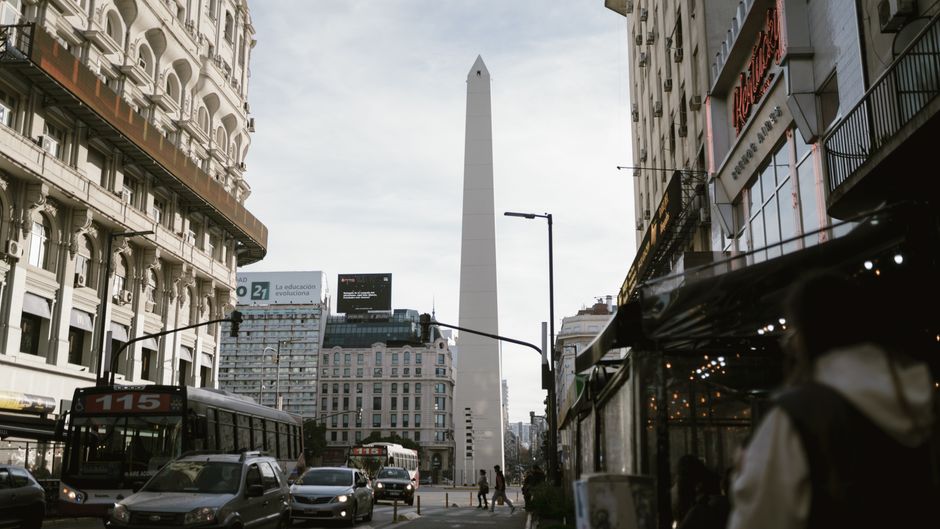
Argentina is a country of huge distances and big contrasts: the tango halls, steakhouses and grand avenues of Buenos Aires; the thundering Iguazú Falls in the subtropical north-east; the vineyards of Mendoza under the Andes; the lakes and ski slopes around Bariloche; the glaciers and granite spires of Los Glaciares National Park in Patagonia; whales off the Península Valdés near Puerto Madryn; Ushuaia at the tip of the continent, the main port for Antarctic cruises; and the red canyons and colonial towns around Salta in the north-west. Most visitors from the Americas and Europe need no visa. The seasons are the reverse of the Northern Hemisphere’s: December to February is summer, the best time for Patagonia, while the north is most comfortable in spring and fall and the Andes ski season runs through the southern winter. Money is the one thing to plan with care, because the way you pay changes what things cost. Give a first trip two to three weeks, and fly between regions.
Right now in Argentina
- Tue 14–19°C 56–67°F Cloudy
- Wed 15–16°C 59–62°F 45 mm Heavy rain
- Thu 14–16°C 57–60°F 1 mm Cloudy
- Mon 12 Oct Day of Respect for Cultural Diversity (Día del Respeto a la Diversidad Cultural)
Weather: MET Norway (CC BY 4.0) · Air quality: OpenAQ · Holidays: Nager.Date
Multi-day tours of Argentina
Multi-day tours from local operators. You check dates and book on Viator, our partner; we may earn a commission at no extra cost to you. How we earn money
Argentina at a glance: 23 provinces and a capital city
Argentina is a federal republic of 23 provinces plus the Autonomous City of Buenos Aires, the capital. It is the eighth-largest country in the world, stretching about 3,700 km (2,300 miles) from the borders with Bolivia and Paraguay in the north to Tierra del Fuego in the south, between the Andes and Chile to the west and the Atlantic Ocean to the east. Spanish is the national language, spoken with the distinctive Rioplatense accent of Buenos Aires (“sh” for “ll” and “y”, and “vos” instead of “tú”); English is common in tourist businesses in Buenos Aires and Patagonia, less so elsewhere.
Distances shape every trip. Buenos Aires to Iguazú is about a two-hour flight, to Bariloche or Mendoza about two hours, and to El Calafate or Ushuaia three to three and a half hours. Driving is rewarding in the north-west, the Lakes District and parts of Patagonia, but crossing the country by road takes days.
Time: all of Argentina uses UTC−3 all year, with no daylight saving time, so it is the same time as Brazil’s São Paulo and Rio and, during the northern winter, two hours ahead of New York.
Argentina’s regions
- Buenos Aires and the Pampas: the capital, the river delta at Tigre, estancias (cattle ranches) on the flat grasslands, Uruguay a ferry ride away, and the Atlantic beaches of Mar del Plata.
- The north-east (Litoral): the Iguazú Falls in Misiones province, the Iberá wetlands and the Paraná River.
- The north-west: Salta and Jujuy, with the Quebrada de Humahuaca, high-altitude salt flats, Andean villages and the vineyards of Cafayate.
- Cuyo: Mendoza, San Juan and San Luis, Argentina’s wine heartland, with Aconcagua, the highest peak in the Americas, on the Chilean border.
- Northern Patagonia and the Lakes District: Bariloche, San Martín de los Andes and the Seven Lakes Road, Andean lakes and forests, and the main ski resorts.
- Southern Patagonia: El Calafate and the Perito Moreno Glacier, El Chaltén and Mount Fitz Roy, the Atlantic coast of Chubut with the Península Valdés, and the steppe in between.
- Tierra del Fuego: Ushuaia, the Beagle Channel and the gateway to Antarctica.
Where to go: cities, falls, wine and Patagonia
Most first trips combine Buenos Aires with Iguazú and one or two regions of Patagonia; a second trip often adds the north-west or Mendoza. Flights connect all of them, mostly through Buenos Aires. See our separate guides to each place below.
Buenos Aires
The capital is one of the great cities of South America: the Plaza de Mayo and the Casa Rosada, the cobbled streets and Sunday market of San Telmo, the painted houses of Caminito in La Boca, the grand cemetery of Recoleta, leafy Palermo with its parks, bars and restaurants, and the Teatro Colón opera house. Steak at a parrilla, a late dinner, a tango show or milonga (a dance hall where locals dance), and coffee in an old café are all part of the experience. Give it at least three or four days. See our Buenos Aires travel guide.
Iguazú Falls
The Iguazú River drops over about 275 waterfalls on the border with Brazil, inside Iguazú National Park on the Argentine side. Walkways lead to the brink of the Devil’s Throat (Garganta del Diablo) and along the upper and lower circuits; the town of Puerto Iguazú is the base. The Brazilian side, Foz do Iguaçu, gives the panoramic view and is covered in our Brazil travel guide. See our Iguazú National Park travel guide.
Mendoza and the wine country
Mendoza, a leafy city in the dry foothills of the Andes, produces most of Argentina’s wine, above all Malbec. Visit bodegas (wineries) in Luján de Cuyo, Maipú and the high Uco Valley, ride into the mountains toward Aconcagua, and in early March join the Fiesta Nacional de la Vendimia, the harvest festival. See our Mendoza travel guide.
Bariloche and the Lakes District
San Carlos de Bariloche sits on the shore of Lake Nahuel Huapi, ringed by snowy peaks, in Argentina’s oldest national park. Summer brings hiking, kayaking and drives such as the Circuito Chico and the Seven Lakes Road; winter brings skiing at Cerro Catedral. Chocolate shops and Alpine-style chalets are part of the town’s character. See our San Carlos de Bariloche travel guide.
El Calafate, Perito Moreno and El Chaltén
In Los Glaciares National Park, the Perito Moreno Glacier pushes a wall of ice into Lago Argentino, and chunks crash into the water as you watch from the walkways. El Calafate is the base; three hours north, El Chaltén is Argentina’s trekking capital, beneath Mount Fitz Roy and Cerro Torre. See our Los Glaciares National Park travel guide.
Ushuaia and Tierra del Fuego
Ushuaia, on the Beagle Channel, calls itself the southernmost city in the world. Take a boat trip past sea lions and lighthouses, hike in Tierra del Fuego National Park, ride the End of the World Train, or board a cruise to Antarctica from October to March. See our Ushuaia travel guide.
Salta and the north-west
Salta, “la linda” (the beautiful), is a colonial city of white churches and arcaded squares, and the base for road trips through the Calchaquí Valleys to Cafayate’s wineries and north into Jujuy’s multicolored Quebrada de Humahuaca, a UNESCO World Heritage Site. See our Salta travel guide.
Puerto Madryn and the Península Valdés
From about June to December, southern right whales come to breed in the sheltered gulfs of the Península Valdés, a UNESCO World Heritage Site, and boats from Puerto Pirámides take visitors to see them. The peninsula also has elephant seals, sea lions and penguins, and Puerto Madryn is the base. See our Puerto Madryn travel guide.
Mar del Plata
Argentina’s biggest beach city, on the Atlantic about 400 km (250 miles) south of Buenos Aires, is where Argentines go in January and February: long beaches, a casino, seafood, a port full of sea lions and a lively summer nightlife. See our Mar del Plata travel guide.
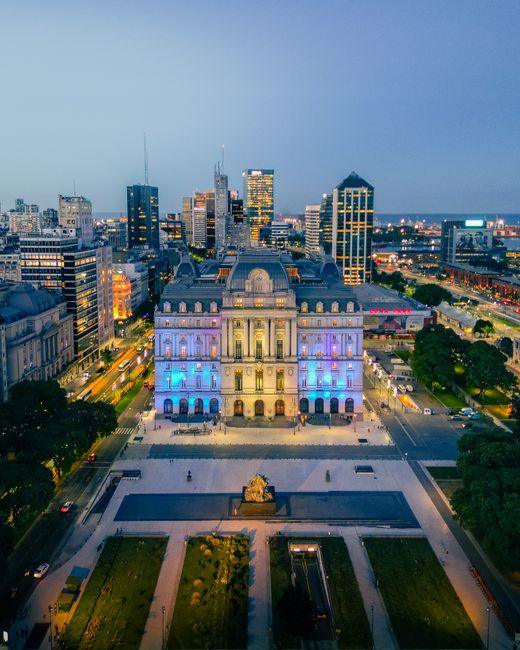
Buenos Aires Travel Guide
Plan a trip to Buenos Aires: the Plaza de Mayo, San Telmo, La Boca, Recoleta, Palermo and Puerto Madero, tango shows and milongas, steakhouses…
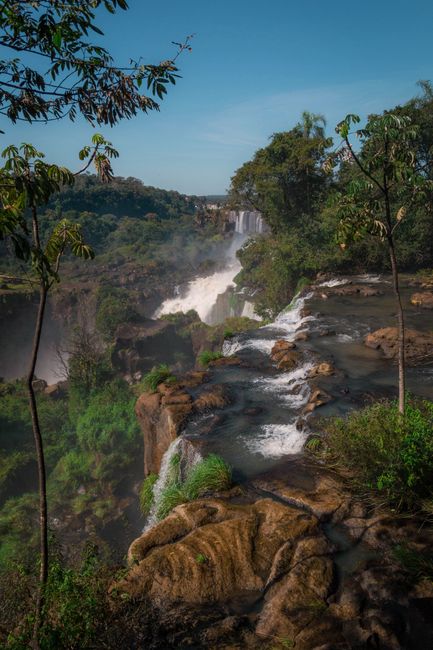
Iguazú National Park Travel Guide
Plan a visit to Iguazú National Park and the Argentine side of Iguazú Falls: 2026 entry fees and online tickets, opening hours, the Rainforest…
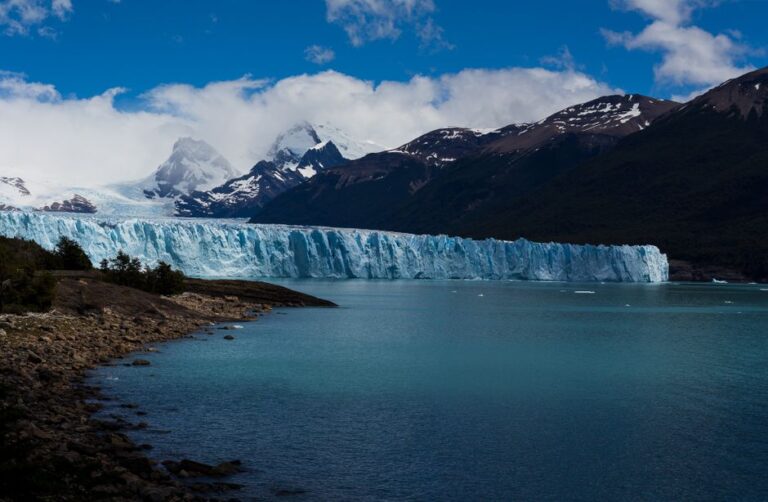
Los Glaciares National Park Travel Guide
Plan a visit to Los Glaciares National Park in Argentine Patagonia: the Perito Moreno Glacier walkways, boat trips and ice treks, Upsala and Spegazzini…
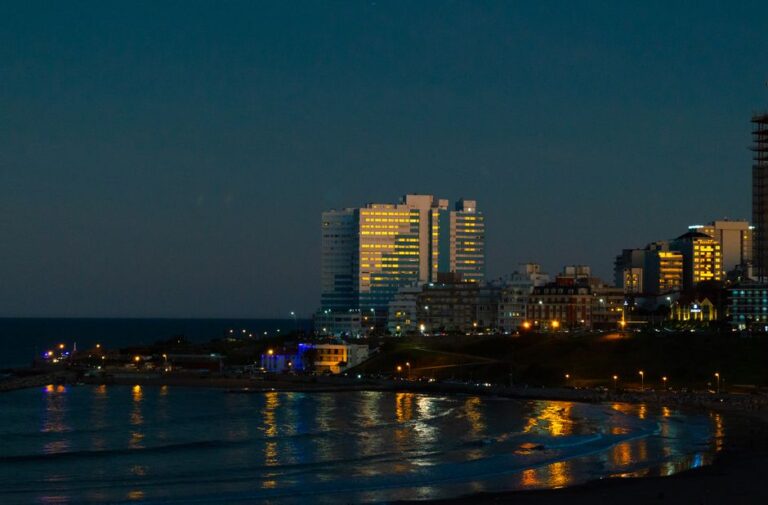
Mar del Plata Travel Guide
Plan a trip to Mar del Plata, Argentina's biggest beach city: the Rambla and casino, Playa Bristol, Playa Grande and the southern beaches, the…
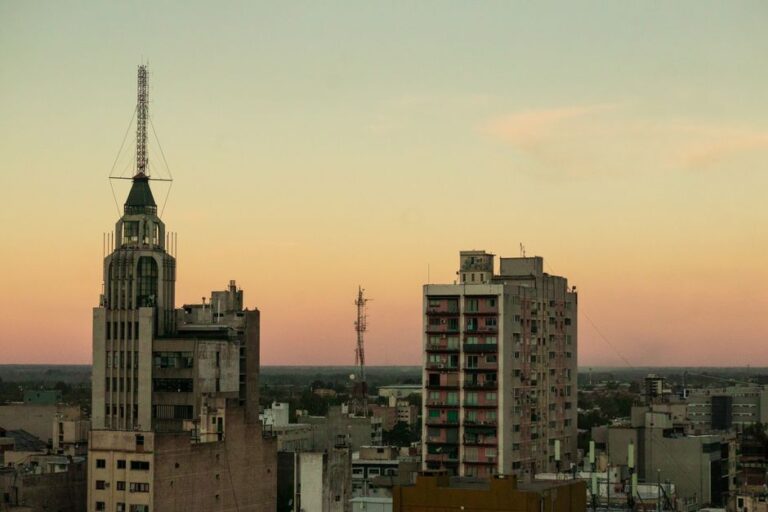
Mendoza Travel Guide
Plan a trip to Mendoza: Malbec wineries in Luján de Cuyo, Maipú and the Uco Valley, bike-and-wine days, the Vendimia harvest festival and its…
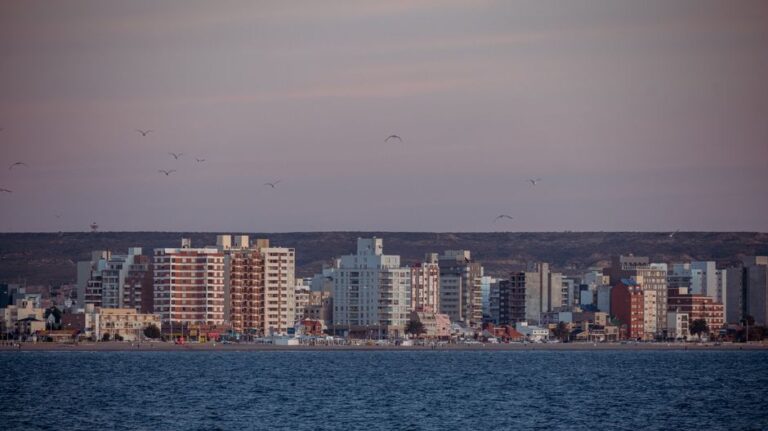
Puerto Madryn Travel Guide
Plan a trip to Puerto Madryn and the Península Valdés: southern right whale season from June to December, boat whale watching from Puerto Pirámides,…
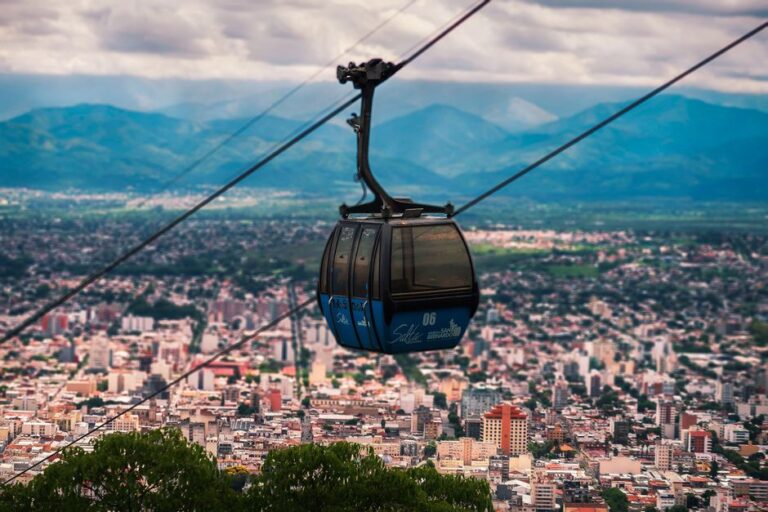
Salta Travel Guide
Plan a trip to Salta in north-west Argentina: the colonial center, the MAAM museum of high-mountain archaeology, the San Bernardo cable car and folk-music…
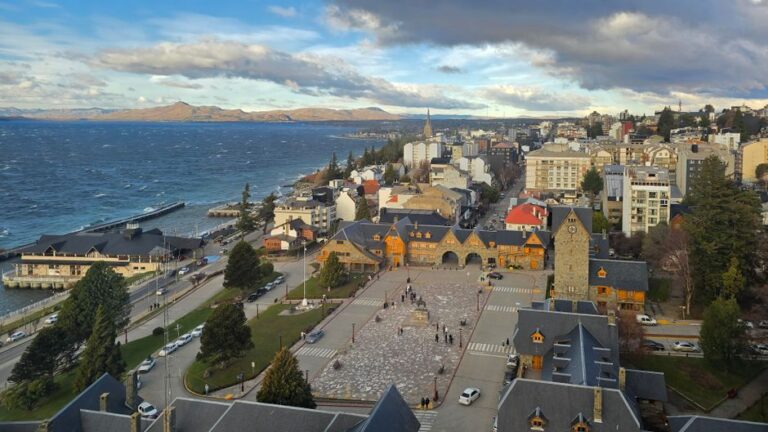
San Carlos de Bariloche Travel Guide
Plan a trip to San Carlos de Bariloche: Lake Nahuel Huapi and Argentina's oldest national park, the Circuito Chico and Cerro Campanario, Isla Victoria…
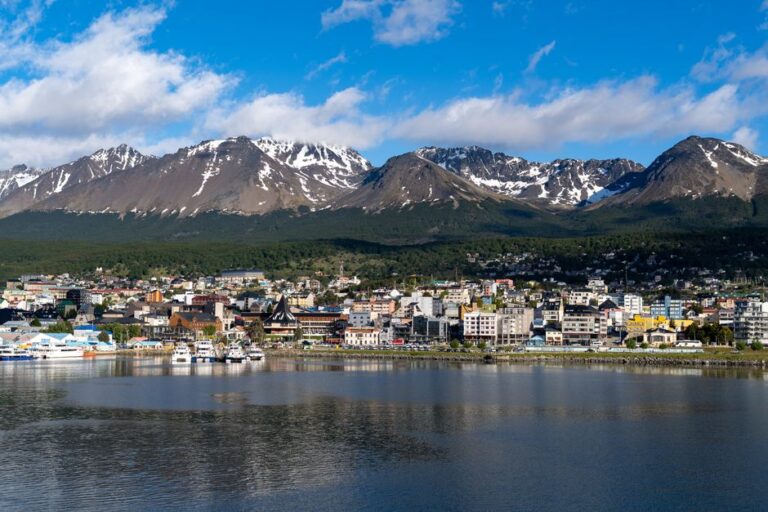
Ushuaia Travel Guide
Plan a trip to Ushuaia, the city at the end of the world: Antarctic cruises and the October to March season, Beagle Channel boat…
Best time to visit Argentina, region by region
Because Argentina runs from the subtropics almost to Antarctica, the best time depends on where you go. Broadly: Patagonia and Tierra del Fuego are best from November to March, when days are long and most services open; Buenos Aires and Mendoza are most pleasant in spring (September to November) and fall (March to May); the north-west is best from April to November, outside the summer rains; and Iguazú can be visited all year, with the most water after heavy rain. The table shows average daily highs and yearly rainfall at one official weather station per region, from the 1991–2020 climate normals that Argentina’s National Meteorological Service (SMN) submitted to the World Meteorological Organization.
| Region (weather station) | Summer highs (Dec–Feb) | Fall highs (Mar–May) | Winter highs (Jun–Aug) | Spring highs (Sep–Nov) | Rain a year |
|---|---|---|---|---|---|
| Buenos Aires (Observatorio) | 29–30 °C (84–86 °F) | 27 °C falling to 19 °C (81 to 67 °F) | 16–18 °C (60–64 °F) | 20 °C rising to 26 °C (67 to 79 °F) | about 1,260 mm (50 in) |
| Iguazú (Iguazú airport) | 31–32 °C (88–90 °F) | 31 °C falling to 24 °C (87 to 74 °F) | 22–25 °C (72–77 °F) | 27 °C rising to 30 °C (80 to 86 °F) | about 1,960 mm (77 in) |
| Mendoza (Mendoza airport) | 31–33 °C (88–91 °F) | 28 °C falling to 19 °C (83 to 66 °F) | 15–19 °C (60–65 °F) | 22 °C rising to 29 °C (71 to 85 °F) | about 240 mm (9 in) |
| Salta (Salta airport, 1,221 m) | 26–28 °C (80–83 °F) | 25 °C falling to 20 °C (77 to 69 °F) | 20–23 °C (68–73 °F) | 25 °C rising to 28 °C (76 to 82 °F) | about 740 mm (29 in), almost all from November to March |
| Bariloche (Bariloche airport) | 21–23 °C (69–74 °F) | 20 °C falling to 11 °C (68 to 51 °F) | 7–8 °C (44–47 °F) | 12 °C rising to 18 °C (53 to 64 °F) | about 810 mm (32 in), mostly May to August |
| El Calafate (El Calafate airport) | 18–19 °C (64–67 °F) | 17 °C falling to 9 °C (62 to 48 °F) | 5–7 °C (41–44 °F) | 11 °C rising to 16 °C (52 to 60 °F) | about 160 mm (6 in) |
| Ushuaia (Ushuaia airport) | 13–14 °C (54–56 °F) | 12 °C falling to 7 °C (54 to 44 °F) | 5–6 °C (40–42 °F) | 8 °C rising to 12 °C (46 to 53 °F) | about 460 mm (18 in), spread through the year |
Nights matter as much as days. In Buenos Aires, winter nights fall to about 8 °C (46 °F) and summer is humid, with nights around 20 °C (68 °F). Bariloche and El Calafate drop below freezing on winter nights, and El Calafate’s average July low is −4 °C (24 °F). In Patagonia, the wind is the thing to prepare for: strong westerlies blow for much of the year, especially in spring and summer, and the weather can change several times a day. Salta and Jujuy get almost all their rain in summer storms, while the winter is dry, sunny and cool, with cold nights at altitude.
Seasons for wildlife, wine and snow
- Whales at the Península Valdés: according to Chubut province’s official tourism board, southern right whales visit the coast from June to December, and Puerto Pirámides is the only place in the province where boat-based whale watching is allowed.
- Antarctic cruises from Ushuaia: according to Ushuaia’s tourism office, the Antarctic season runs from October to March; most classic voyages last 10 to 12 days.
- Ski season: the Andes ski resorts usually open from about late June or July into September or early October, depending on the snow. Cerro Catedral, near Bariloche, opened on July 7 in 2026 and extended its season to October 12.
- Wine harvest: grapes are picked from about February to April, and Mendoza celebrates with the Fiesta Nacional de la Vendimia, whose main show is traditionally held on the first weekend of March.
- Iguazú’s water levels: the falls flow all year, but the volume varies a lot with rain upstream in Brazil; heavy rain occasionally closes the walkway to the Devil’s Throat for safety.
Crowds and prices through the year
- January and February: Argentina’s summer holidays. Beaches such as Mar del Plata, Patagonia and the Lakes District are at their busiest and most expensive; Buenos Aires is quieter and hot. Book Patagonia flights and hotels months ahead.
- March to May: fall colors in Patagonia and the Lakes District, the wine harvest in Mendoza, pleasant weather in Buenos Aires and the north; prices ease after Easter (Semana Santa, a busy holiday week: March 21–28 in 2027).
- June to August: ski season in the Andes, peaking during Argentina’s two-week winter school holidays in July. Much of southern Patagonia winds down, and some El Chaltén and Ushuaia services close.
- September to December: spring in Buenos Aires, whales at the Península Valdés, the start of the Antarctic season and Patagonia’s long days; a good value period outside long weekends.
Public holidays
Argentina has national holidays fixed by law, some of which move to a Monday to make long weekends, and the government can add up to three “bridge” days a year for tourism. Banks and offices close; shops, restaurants and sights mostly stay open, but flights, buses and hotels fill up. The next ones, from October 2026:
| Holiday | Date | Good to know |
|---|---|---|
| Day of Respect for Cultural Diversity | Monday, October 12, 2026 | A long weekend |
| Papal visit holiday | Monday, November 9, 2026 | Set by decree for Pope Leo XIV’s official visit; also a holiday on November 10 in Córdoba province and the City of Buenos Aires, and on November 11 in Buenos Aires province. Expect closed roads and crowds. |
| National Sovereignty Day | Monday, November 23, 2026 | Marks November 20 |
| Bridge day and Immaculate Conception | Monday and Tuesday, December 7–8, 2026 | A four-day weekend |
| Christmas Day | Friday, December 25, 2026 | Summer holidays begin around it |
| New Year’s Day | Friday, January 1, 2027 | Nationwide |
| Carnival | Monday and Tuesday, February 8–9, 2027 | A busy long weekend |
| Day of Remembrance for Truth and Justice | Wednesday, March 24, 2027 | Marks the 1976 coup |
| Holy Thursday and Good Friday | March 25–26, 2027 | Easter week travel peak |
How long to stay: sample itineraries
Argentina rewards a few regions done well rather than a rush across the map. Each flight between regions costs most of a day, so plan two to four nights per stop.
7 days: Buenos Aires and Iguazú
Four days in Buenos Aires for the historic center, San Telmo, La Boca, Recoleta and Palermo, a tango show and a day in the Tigre delta or at an estancia; then fly to Puerto Iguazú for two nights and a full day at the falls.
10–14 days: Buenos Aires, Iguazú and Patagonia
Add a flight south to El Calafate for the Perito Moreno Glacier and three nights in El Chaltén for the Fitz Roy hikes, or swap El Chaltén for Ushuaia and the Beagle Channel.
2 weeks: wine, lakes and mountains
Buenos Aires, then Mendoza for wineries and the Andes, and on to Bariloche for the lakes, the Circuito Chico and the Seven Lakes Road. In winter, use Bariloche as a ski base.
3 weeks: north to south
Salta and the Quebrada de Humahuaca, Iguazú, Buenos Aires, Puerto Madryn for whales (June to December), then El Calafate, El Chaltén and Ushuaia. It is a lot of flying, but every stop is different.
Entry, money and costs
Entry: visas and documents (last reviewed October 2026)
Citizens of the United States, Canada, the UK, the European Union, Australia and many other countries can visit Argentina as tourists without a visa, usually for up to 90 days; immigration officers record your entry digitally. Your passport must be valid for your stay. Some nationalities need a visa or an electronic travel authorization, so check with an Argentine consulate before you book.
Since a decree of May 2025 (Decreto 366/2025), foreigners entering Argentina must declare that they have health insurance covering their stay, and visitors without permanent residence can be charged for non-emergency care in hospitals run by the national government; emergency care cannot be refused. The Ministry of Health’s procedure for billing foreign patients took effect in August 2026. Buy travel insurance with medical cover before you go.
Arriving: customs
Declare cash over the equivalent of US$10,000 and anything beyond normal personal belongings. Don’t bring fresh fruit, vegetables, meat or plants; sniffer dogs check bags at some airports, especially in Patagonia. Carry prescription medicines in their original packaging with a copy of the prescription.
Money: the peso, exchange rates and paying with foreign cards
The currency is the Argentine peso (ARS), written with a “$” sign, so check whether a price is in pesos or dollars. On October 2, 2026, the Central Bank of Argentina’s (BCRA) reference rate was about ARS 1,520 to the US dollar. After years of strict currency controls, most limits on buying dollars were lifted in 2025, and the official rate and the financial rates now sit much closer together than in the past, but inflation means prices in pesos rise often. Practical points:
- Foreign cards: under Central Bank rules, purchases in Argentina with credit and debit cards issued abroad are settled at an exchange rate that uses the “financial” dollar (the MEP or stock-market rate) as its reference rather than the official retail rate; payments by foreign e-wallets via QR code get the same treatment. When the two rates are close, as in late 2026, the difference is small. Cards are accepted in hotels, restaurants and most shops in cities and tourist areas; contactless payment is common.
- Pay in pesos: when a card machine or ATM offers to charge you in your home currency, choose pesos, to avoid the machine’s own conversion margin.
- Cash: still needed for small shops, markets, some taxis, buses in smaller towns and tips. ATM withdrawals often have low limits per transaction and a fee; some visitors bring clean US dollar notes to exchange at banks or official exchange houses (casas de cambio). Change money only at official outlets, and be wary of anyone offering exchange in the street.
- Discounts for cash or transfer: some hotels, restaurants and tour operators offer a lower price for cash; compare it with your card’s rate before deciding.
Taxes and the hotel VAT refund
Argentina’s value-added tax (IVA) is 21%, normally included in shop and menu prices. Two refunds help visitors, according to the tax agency (ARCA): foreign tourists who pay for hotel accommodation with a card issued abroad (or a transfer from abroad) get the IVA on the room refunded, so the hotel should not charge it, provided it records your passport details; and visitors can claim back the IVA on goods made in Argentina and bought in “Tax Free” shops when they leave, at self-service terminals or the customs desk at the airport.
Tipping
- Restaurants: about 10% in cash, left on the table; it is usually not added to the card payment. Some restaurants charge a small cover (“cubierto”) per person for bread and service.
- Hotels and tours: a small tip for porters and housekeeping; about 10% for guides on day tours.
- Taxis: round up the fare.
Typical travel costs
Argentina is no longer the bargain it was for visitors in some past years, because prices in pesos have risen faster than the exchange rate; Buenos Aires, El Calafate, Ushuaia and Bariloche in high season are the most expensive places. These per-person daily estimates are a planning guide as of October 2026:
| Style | Estimated cost per day | What that looks like |
|---|---|---|
| Budget | about ARS 75,000–120,000 (US$50–80) | Hostel bed or simple guesthouse, cafés and empanadas, city buses, long-distance buses |
| Mid-range | about ARS 180,000–330,000 (US$120–220) | Comfortable hotel room shared by two, restaurant meals with wine, a tour or park entry most days, some domestic flights booked early |
| High-end | about ARS 600,000+ (US$400+) | Boutique hotels and estancias, winery lunches, private guides and transfers, Antarctic and glacier excursions extra |
The figures are our estimates, not official statistics. Excursions such as glacier treks, Antarctic cruises and whale-watching boats are the big extra costs.
Getting there and getting around
Arrival airports
- Buenos Aires–Ezeiza (EZE): Ministro Pistarini International Airport, about 35 km (22 miles) south-west of the city center, handles most long-haul flights, including those from the United States and Europe. Allow at least an hour by road to the center.
- Buenos Aires–Aeroparque (AEP): Jorge Newbery airport, on the riverfront in Palermo, about 15 minutes from downtown, handles most domestic flights and many regional ones. Changing between EZE and AEP takes 1–2 hours by road, so leave plenty of time for connections.
- Other international airports: Mendoza, Córdoba, Salta, Bariloche, Iguazú, El Calafate and Ushuaia have some flights from neighboring countries; most long-haul travelers connect in Buenos Aires, or come via Santiago de Chile, São Paulo or Lima. From the United States, nonstop flights to Ezeiza leave from Miami, New York, Houston, Dallas and Atlanta; see our Miami travel guide.
Domestic flights
Flying is the practical way to cover Argentina. Aerolíneas Argentinas, the national airline, has the biggest network, and low-cost airlines Flybondi and JetSMART fly many of the main routes; a deregulated market since 2024 has added routes and competition. Most domestic flights use Aeroparque, and many routes between regions connect through Buenos Aires. Low-cost fares often exclude checked bags and seat choice, so compare the total; book Patagonia flights early for December to February. Bring your passport: it is your ID on domestic flights. Spring and summer winds in Patagonia sometimes delay flights, so avoid tight connections.
Long-distance buses
Comfortable long-distance buses link almost every town, with semi-cama (reclining) and cama (near-flat) seats, toilets and sometimes meals; overnight buses save a hotel night on routes such as Buenos Aires to Mar del Plata or Mendoza. Buses leave from city terminals; Buenos Aires’ main one is Retiro. Buy tickets online or at the terminal.
Trains
Argentina’s long-distance passenger trains are few and slow, but the state-run trains from Buenos Aires to Mar del Plata are popular in summer. Tourist trains include the Tren a las Nubes from Salta and the End of the World Train in Ushuaia.
Driving
A car is the best way to see the north-west, the Lakes District and the Patagonian coast. Argentines drive on the right; distances are in kilometers and speeds in km/h. Your home license is generally accepted for tourists, with an International Driving Permit as a useful backup. Patagonian roads can be long, windy and partly unpaved, with gas stations far apart: fill up when you can. Rental contracts sometimes ban gravel roads or crossing into Chile without a permit arranged in advance. Headlights must be on at all times on highways, and police checks are common.
City transport
Buenos Aires has a subway (the Subte), city buses (colectivos) and commuter trains, all paid with a rechargeable SUBE card; ride-hailing apps work in the main cities. Elsewhere, take radio taxis or remises (pre-booked cars).
National parks: what you pay
Argentina’s National Parks Administration (APN) charges entry at its main parks. As of October 2026, under its fee table in force since June 1, 2026, general visitors (foreigners) pay per day:
| National park | Foreign visitor, per day | Good to know |
|---|---|---|
| Iguazú | ARS 60,000 (about US$39) | Includes the Rainforest Ecological Train to the Devil’s Throat |
| Los Glaciares (Perito Moreno south zone, and El Chaltén north zone) | ARS 50,000 (about US$33) | El Chaltén’s trail portals sell tickets online only, by card |
| Tierra del Fuego (near Ushuaia) | ARS 40,000 (about US$26) | Second-day discount only for tickets bought online |
| Nahuel Huapi (Bariloche), Los Arrayanes, Lanín | ARS 35,000 (about US$23) | Charged at certain access points |
| Los Cardones (near Salta), Talampaya, Iberá and others | ARS 25,000 (about US$16) |
A second day in the same park costs 50% less if used within 72 hours of the first entry, and three- and seven-day “Flexipass” tickets are sold at the busiest parks. Children up to 6 enter free. Buy online at the parks’ official sites or at the gate, and carry your passport. Provincial reserves charge their own fees: the Península Valdés, run by Chubut province, charges foreign adults ARS 50,000 (about US$33) per day as of October 2026.
Culture, food and everyday etiquette
Argentine life revolves around food and conversation. The asado, beef and sausages grilled slowly over wood or charcoal, is the national ritual, and parrillas (steakhouses) serve cuts such as bife de chorizo (sirloin) and vacío (flank). Add empanadas, which vary by region, Italian-influenced pizza and pasta, dulce de leche in everything, alfajores (filled cookies), and Malbec from Mendoza or Torrontés from Salta. Meals are late: lunch from 1 to 3 p.m., dinner rarely before 9 p.m., and many restaurants open for dinner only from about 8 p.m. Mate, a bitter herbal tea passed around a group in one gourd, is a sign of friendship; if you are offered some, say “gracias” only when you have had enough.
Tap water is generally safe to drink in Buenos Aires and most cities; ask locally in rural areas. The legal drinking age is 18.
Everyday etiquette
Argentines greet friends, and often new acquaintances, with a single kiss on the right cheek, men included. Say “buen día” or “buenas tardes” when you enter a shop. Dress in Buenos Aires is stylish-casual, and locals dress up a little for dinner. Football (soccer) is a passion: a match at La Bombonera (Boca Juniors) or the Monumental (River Plate) is unforgettable, but go with an organized group or a local, and don’t wear the wrong team’s colors. Politics and the Falkland Islands (Islas Malvinas), which Argentina claims, are sensitive topics; avoid joking about them.
Safety, health, accessibility and connectivity
Safety
Argentina is one of the more relaxed countries in South America for visitors, and most trips are trouble-free. Crime is mostly opportunistic and concentrated in big cities, especially Buenos Aires. Practical precautions:
- Watch for pickpockets and bag snatchers in crowded places, on the Subte and buses, at bus terminals such as Retiro and around La Boca; motorbike thieves sometimes grab phones from people using them at the curb.
- Know the classic distraction scam: someone squirts “bird droppings” or mustard on you while an accomplice “helps” and takes your bag.
- Use radio taxis, remises or ride-hailing apps at night, and stay in the busy parts of La Boca (Caminito) by day.
- Check notes when you pay: counterfeit large notes circulate occasionally.
- Protests and strikes are frequent in Buenos Aires, often around the Plaza de Mayo and Congress; they are usually peaceful but disrupt traffic and transport, so steer clear.
Nature brings its own risks. In Patagonia and the Andes, the weather changes fast: carry layers, start hikes early and register longer treks with park rangers. At high altitude in the north-west, such as the Salinas Grandes or the road over the Paso de Jama, take it slowly. Strong currents run at some Atlantic beaches; swim where lifeguards are on duty. For police, call 911; for a medical emergency, 107.
Health and insurance
No vaccines are required to enter Argentina from most countries; yellow fever vaccination is recommended for visitors to the forested north-east, including Iguazú, so ask a travel clinic. Dengue, spread by mosquitoes, occurs in the north and north-east, mostly in summer, so use repellent. Private hospitals in Buenos Aires and the big cities are good. Because public hospitals run by the national government can charge foreign visitors for non-emergency care, and entry rules require health insurance, buy travel insurance with medical cover and evacuation, especially for Patagonia, Antarctica and skiing. Pharmacies are everywhere.
Accessibility
Buenos Aires has ramps on many corners and some accessible Subte stations and buses, but uneven sidewalks and old buildings without elevators are common. National parks such as Iguazú and the Perito Moreno Glacier have long walkway sections suitable for wheelchairs, with some steps; ask the park in advance. Visitors with disabilities who show an equivalent certificate from their country enter national parks free, according to the APN fee table.
Connectivity and power
Wi-Fi is free in most hotels, cafés and restaurants. Check your home plan’s roaming, or buy a local SIM or eSIM from Claro, Movistar or Personal with your passport; coverage is weak in much of Patagonia and in the mountains. Argentina uses 220 V and type I sockets (angled flat pins, as in Australia), with some older type C round-pin sockets, so most visitors need an adapter, and US devices must handle 220 V.
Things to do: city sightseeing, hiking, wine tasting, boat trips and more
- City sightseeing: Buenos Aires’ neighborhoods, museums and cafés, colonial Salta, and the parks and plazas of Mendoza.
- Hiking: El Chaltén’s trails to Laguna de los Tres and Laguna Torre, the Nahuel Huapi refuges around Bariloche, Tierra del Fuego National Park, and the canyons of the north-west.
- Wine tasting: Malbec in Mendoza’s Luján de Cuyo, Maipú and Uco Valley, Torrontés in Cafayate, and Patagonian Pinot Noir.
- Boat trips: whale watching from Puerto Pirámides, the Beagle Channel from Ushuaia, iceberg cruises on Lago Argentino, and boats under the falls at Iguazú.
- Cycling: wine country by bike in Maipú, the Circuito Chico near Bariloche, and the Seven Lakes Road.
- Beaches: Mar del Plata and the Atlantic coast in January and February.
What to pack
Layers are the rule: a windproof and waterproof jacket, a warm fleece and a hat for Patagonia even in summer, sturdy hiking shoes, sunglasses and high-factor sunscreen (the sun is strong in the south and at altitude), insect repellent for Iguazú and the north, a rain jacket for Iguazú’s spray, and smart-casual clothes for evenings in Buenos Aires. Bring a type I plug adapter.
Argentina travel FAQ
When is the best time to visit Argentina?
It depends on the region: November to March for Patagonia, spring (September to November) and fall (March to May) for Buenos Aires and Mendoza, April to November for the north-west, June to December for whales, and July to September for skiing.
Do I need a visa to visit Argentina?
Citizens of the US, Canada, the UK, the EU, Australia and many other countries don’t need a visa for tourist stays, usually up to 90 days. You must declare that you have health insurance for your stay.
What exchange rate do tourists get in Argentina?
Purchases with foreign credit and debit cards are settled at a rate based on the financial (“MEP”) dollar under Central Bank rules. On October 2, 2026, the Central Bank’s reference rate was about ARS 1,520 per US dollar, and the rates were close together.
Should I bring US dollars to Argentina?
It is no longer essential. Cards work widely and get the financial rate. Some travelers still bring clean US dollar notes to change at banks or official exchange houses for cash needs; never change money in the street.
How much does it cost to visit Iguazú Falls?
As of October 2026, foreign visitors pay ARS 60,000 (about US$39) per day at Iguazú National Park on the Argentine side, including the train to the Devil’s Throat; a second day within 72 hours is half price.
How much is the Perito Moreno Glacier entrance fee?
As of October 2026, foreign visitors pay ARS 50,000 (about US$33) per day to enter Los Glaciares National Park, which includes the glacier walkways. Boat trips and ice treks cost extra.
When can I see whales in Argentina?
Southern right whales visit the Península Valdés from about June to December; boat trips leave from Puerto Pirámides, the only place in Chubut where they are allowed.
When is the ski season in Bariloche?
Usually from about late June or July into September, depending on the snow. In 2026, Cerro Catedral opened on July 7 and extended its season to October 12.
When do Antarctic cruises leave from Ushuaia?
The Antarctic season runs from about October to March, and more than 590 passenger ship calls were confirmed at Ushuaia for the 2026–27 season. Most voyages last 10 to 12 days.
When is Mendoza’s wine harvest festival?
The Fiesta Nacional de la Vendimia is held in late February and early March, with the main show traditionally on the first weekend of March; check the Mendoza government’s program for exact 2027 dates.
Do I pay VAT on hotels in Argentina?
Not if you are a foreign tourist paying with a card issued abroad or a transfer from abroad: the 21% IVA on accommodation is refunded under the tax agency’s rules, as long as the hotel records your passport details.
Is Argentina safe for tourists?
Most visits are trouble-free. Watch for pickpockets, phone snatching and distraction scams in Buenos Aires, use registered taxis or apps at night, and prepare for fast-changing mountain weather in Patagonia.
What plug adapter do I need for Argentina?
A type I adapter (angled flat pins). Argentina uses 220 V, so check that your devices handle it.
Sources and last review
Researched and last reviewed on 4 October 2026. Exchange rate and the card and e-wallet rules for non-residents: the Central Bank of Argentina (BCRA); health insurance on entry and charges for foreign patients: Decree 366/2025 and Ministry of Health Resolution 1066/2026 in the Boletín Oficial; national park fees: the National Parks Administration (APN) fee table in force since June 1, 2026, and the Iguazú and Los Glaciares park pages; Península Valdés fees: the area’s administration (Chubut Resolution 40/2026); whale season: Chubut’s official tourism board; Antarctic season and cruise calls: Ushuaia’s tourism office and the Argentine government; ski season: Cerro Catedral; holidays, including the papal visit: Decree 1103/2026 and Argentina’s holiday laws; IVA refunds: the tax agency (ARCA); climate: the National Meteorological Service’s 1991–2020 normals as published by the World Meteorological Organization. Visa-free stays, customs, airport and airline details, tipping, safety tips, typical costs and some festival dates come from secondary sources or general knowledge and are flagged for checking; daily costs are our estimates. Prices change quickly in Argentina, so check the official sites before you go. For trips that combine Argentina with North America, see our United States and Mexico travel guides.
Plugs and power in Argentina
Argentina uses 220 V, 50 Hz and these plugs (left) and wall sockets (right):
Type I is standard; older buildings still have Type C.
All plug types and voltages by country → · Check what you need to pack →
Plan your trip
Partner links: TravelerCenter may earn a commission if you book, at no extra cost to you.
🇪🇸 Useful Spanish phrases for Argentina
All 38 Spanish phrases: restaurant, hotel, emergencies, romance (printable) →