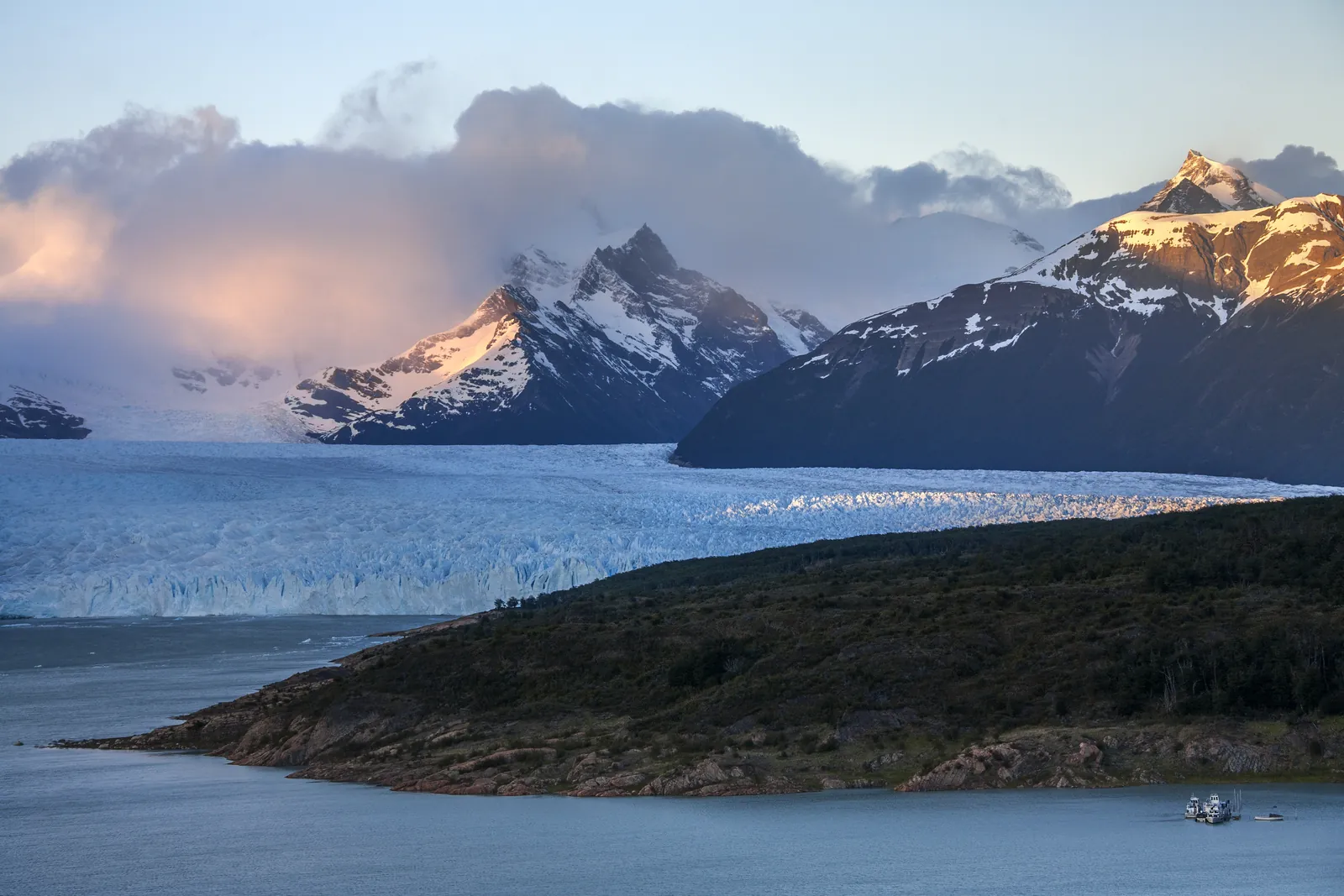
Short answer: with 7 days, spend four nights in Buenos Aires and two at Iguazú Falls. With 10 days, swap Iguazú for Patagonia: Buenos Aires, then the Perito Moreno Glacier from El Calafate and the Fitz Roy trails from El Chaltén, best from November to March. With 14 days, either do Buenos Aires, Iguazú, El Calafate, El Chaltén and Ushuaia, or take the wine and lakes route through Mendoza and Bariloche, lovely in the March and April harvest and fall colors. Argentina is the world’s eighth-largest country, so every route uses domestic flights; plan two to four nights per stop.
This guide turns the sample trips on our Argentina travel guide into day-by-day plans, with travel times between stops and the best area to sleep each night. For a first trip, spring (October and November) and fall (March and April) suit the most regions; our best time to visit Argentina guide goes month by month, and our top 10 places to visit in Argentina explains each stop. For a plan built around your dates and interests, use our AI trip planner. Everything here was checked as of October 2026.
The three routes at a glance
| Route | Days | Stops | Best for |
|---|---|---|---|
| Buenos Aires and Iguazú | 7 | Buenos Aires (4 nights), Puerto Iguazú (2 nights) | First trip, any season, city and waterfalls |
| Buenos Aires and Patagonia | 10 | Buenos Aires (3 nights), El Calafate (2 nights), El Chaltén (3 nights), Buenos Aires (1 night) | Glaciers and hiking; November to March |
| Falls, glaciers and the end of the world | 14 | Buenos Aires (3), Puerto Iguazú (2), El Calafate (2), El Chaltén (3), Ushuaia (2), Buenos Aires (1) | The highlights in one go; November to March |
| Wine and lakes | 14 | Buenos Aires (4 nights), Mendoza (4 nights), Bariloche (5 nights) | Food and wine lovers, road trips, fall colors; March–April or October–December |
Long-haul flights land at Buenos Aires–Ezeiza (EZE), about 35 km from the center; allow at least an hour by road. Most domestic flights leave from Aeroparque (AEP), on the riverfront about 15 minutes from downtown, and changing between the two airports takes one to two hours. If your last domestic flight lands at Aeroparque on the day you fly home, leave a wide margin, or spend the last night in Buenos Aires as these plans do.
Travel times between the main stops
Aerolíneas Argentinas has the biggest network, and low-cost Flybondi and JetSMART fly many main routes; most connect through Buenos Aires. Flight and bus times are approximate nonstop times from schedules; distances from the national parks authority are marked.
| Leg | How | Time | Source |
|---|---|---|---|
| Buenos Aires – Puerto Iguazú | Flight | about 1 h 50 (approximate) | Schedules |
| Buenos Aires – El Calafate | Flight | about 3 h 15 (approximate) | Schedules |
| El Calafate – El Chaltén | Bus | about 3 h (approximate) | Schedules |
| El Calafate – Perito Moreno Glacier walkways | Road, by bus, tour or car | park entrance (Río Mitre) 50 km from town; the walkways are farther on | Los Glaciares National Park (official) |
| El Calafate – Ushuaia | Flight | about 1 h 15 (approximate) | Schedules |
| Buenos Aires – Ushuaia | Flight | about 3 h 30 (approximate) | Schedules |
| Buenos Aires – Mendoza | Flight | about 1 h 50 (approximate) | Schedules |
| Buenos Aires – Bariloche | Flight | about 2 h 20 (approximate) | Schedules |
| Buenos Aires – Puerto Madryn area (Trelew) | Flight | about 2 h (approximate) | Schedules |
| Puerto Iguazú – Iguazú National Park | Bus from the town terminal, every 20 min | about 20 km | Park concession (official) |
| El Calafate – Puerto Natales (Chile) | Bus | about 5–6 h (approximate) | Schedules |
Spring and summer winds in Patagonia sometimes delay flights, so avoid tight connections, and book Patagonia flights early for December to February. Bring your passport: it is your ID on domestic flights and at national park gates.
7 days: Buenos Aires and Iguazú Falls
The trip our Argentina guide recommends for a first week, and it works all year: Iguazú is most comfortable from March to May and August to November.
- Day 1, Buenos Aires: Arrive at Ezeiza and head into town. Walk Plaza de Mayo, the Casa Rosada and the Cabildo, then dinner at a parrilla. Sleep: Palermo, Recoleta or San Telmo (4 nights).
- Day 2, the south side: San Telmo’s cobbled streets and antique shops (the street fair is on Sundays), then the painted houses of Caminito in La Boca, and a tango show in the evening.
- Day 3, Recoleta and Palermo: Recoleta Cemetery and the MALBA or Fine Arts museum, then Palermo’s parks, cafés and restaurants.
- Day 4, Tigre or an estancia: A boat ride through the channels of the Tigre delta, or a day at a ranch on the pampas with an asado lunch.
- Day 5, to Iguazú: Morning flight from Aeroparque to Puerto Iguazú (about 1 h 50). Afternoon at the Hito Tres Fronteras, where Argentina, Brazil and Paraguay meet. Sleep: Puerto Iguazú (2 nights).
- Day 6, Iguazú National Park: Be at the gate when it opens at 8:00 and take the Rainforest Ecological Train to the Devil’s Throat walkway first, then the Upper and Lower circuits (about 90 minutes each). Entry is ARS 60,000 for foreign visitors as of October 2026, including the train.
- Day 7, the Brazilian side and home: Cross to Brazil with your passport for the panoramic view from the Brazilian side, then fly back to Buenos Aires for your flight home, allowing for the transfer to Ezeiza. Or simply fly back in the morning.
Swap it: from June to December, replace Iguazú with Puerto Madryn for southern right whales at the Península Valdés (peak September and October). More detail is in our Buenos Aires, Iguazú National Park and Foz do Iguaçu guides.
10 days: Buenos Aires, El Calafate and El Chaltén
Ten days is enough for Patagonia’s two great sights: the Perito Moreno Glacier and the granite spires of Fitz Roy. Go between November and March, when days are long and buses, boats and trails all run; January and February are busiest.
- Days 1–3, Buenos Aires: Plaza de Mayo, San Telmo, La Boca, Recoleta, Palermo and a tango night, as in the 7-day plan. Sleep: Palermo, Recoleta or San Telmo (3 nights).
- Day 4, to El Calafate: Fly from Aeroparque (about 3 h 15). Evening walk by Lago Argentino. Sleep: El Calafate (2 nights).
- Day 5, Perito Moreno Glacier: A full day at the glacier: more than 4.5 km of walkways face the ice wall, and a short boat trip takes you close to its face. Fit walkers can book an ice trek on the glacier, or a 2-hour kayak trip that needs no experience. Park entry is ARS 50,000 for foreign visitors as of October 2026.
- Day 6, to El Chaltén: Morning bus (about 3 hours). Afternoon warm-up on the short trail to the Los Cóndores viewpoint. Sleep: El Chaltén (3 nights).
- Day 7, Laguna de los Tres: The classic full-day hike to the lake below Fitz Roy; the last hour is a steep climb. Buy park tickets online before you go: the El Chaltén trail portals take card payments online only, no cash.
- Day 8, Laguna Torre: An easier day to the glacial lake below Cerro Torre, or a rest day if the weather turns. Keep the Fitz Roy hike flexible and do it on the clearer day.
- Day 9, back to Buenos Aires: Early bus to El Calafate airport and an afternoon flight to Aeroparque. Sleep: Palermo or Recoleta (1 night).
- Day 10, home: A last morning in the city, then Ezeiza.
Swap it: if you’d rather see penguins and the Beagle Channel than hike, replace El Chaltén with Ushuaia (fly El Calafate to Ushuaia). Chile’s Torres del Paine is reachable by bus from El Calafate to Puerto Natales (about 5–6 hours) if you want to add a third Patagonian park. Details are in our Los Glaciares National Park guide.
14 days: Buenos Aires, Iguazú, Patagonia and Ushuaia
The big classic loop, from the subtropical falls to the southernmost city in the world. It means five flights, so book early and keep connections loose. Best from November to March.
- Days 1–3, Buenos Aires: The city highlights and a tango show. Sleep: Palermo, Recoleta or San Telmo (3 nights).
- Days 4–5, Iguazú: Fly up on day 4 morning; Iguazú National Park on day 4 afternoon or day 5, and the Brazilian side or the Macuco trail on the other. Sleep: Puerto Iguazú (2 nights).
- Day 6, to El Calafate: A long travel day: Iguazú to El Calafate, usually connecting in Buenos Aires. Sleep: El Calafate (2 nights).
- Day 7, Perito Moreno Glacier: Walkways, a boat trip to the ice face, or an ice trek.
- Days 8–10, El Chaltén: Bus north (about 3 hours), then the Laguna de los Tres and Laguna Torre hikes, with a spare day for weather. Sleep: El Chaltén (3 nights).
- Day 11, to Ushuaia: Early bus back to El Calafate and a flight to Ushuaia (about 1 h 15). If the flights don’t line up, sleep in El Calafate and fly the next morning. Sleep: Ushuaia (2 nights).
- Day 12, the Beagle Channel and the park: A boat trip past sea lion and cormorant islands and the Les Eclaireurs lighthouse (from October to March some boats visit the penguins of Isla Martillo), and an afternoon in Tierra del Fuego National Park (ARS 40,000 for foreign visitors as of October 2026), at the end of Ruta 3.
- Day 13, back to Buenos Aires: Fly north (about 3 h 30). Sleep: Palermo or Recoleta (1 night).
- Day 14, home: From Ezeiza.
From October to March, Ushuaia is also the departure port for Antarctic cruises, which take 10 to 12 days for the classic trip across the Drake Passage. More in our Ushuaia guide.
14 days: Buenos Aires, Mendoza and Bariloche (wine and lakes)
A slower trip with fewer flights: the capital, Argentina’s main wine region below the Andes, and the lakes and forests of the north Patagonian Andes. Best in March and April, for the grape harvest and the red and gold beech forests, or from October to December.
- Days 1–4, Buenos Aires: The city highlights, a tango night, and a day in the Tigre delta or at an estancia. Sleep: Palermo, Recoleta or San Telmo (4 nights).
- Day 5, to Mendoza: Fly from Aeroparque (about 1 h 50). Evening on the leafy plazas and a long dinner. Sleep: central Mendoza, or a wine lodge in Luján de Cuyo or the Uco Valley (4 nights).
- Day 6, Luján de Cuyo and Maipú: Two or three wineries close to the city, by tour, driver or bicycle; most tastings need a booking.
- Day 7, the Uco Valley: High-altitude vineyards with the Andes behind, and lunch at a winery.
- Day 8, the high Andes: A day trip up the mountain road toward the Chilean border for the Puente del Inca and a viewpoint of Aconcagua (6,961 m), the highest peak in the Americas. The pass can close in winter snow.
- Day 9, to Bariloche: Fly, usually via Buenos Aires (check for seasonal direct flights). Sleep: Bariloche, in town or along the Avenida Bustillo lakeshore (5 nights).
- Day 10, the Circuito Chico: The loop of about 60 km along Lake Nahuel Huapi by car, bus or bicycle, with the Campanario chairlift for the view.
- Day 11, the Seven Lakes Road: A full-day drive or tour north to Villa La Angostura and San Martín de los Andes past a chain of lakes.
- Day 12, Cerro Tronador or a hike: A day to the glaciers of Cerro Tronador, or a hike to a mountain refuge in Nahuel Huapi National Park.
- Day 13, slow day: Kayaking, a boat to the Los Arrayanes forest, chocolate and craft beer in town.
- Day 14, home: Fly Bariloche to Aeroparque and transfer to Ezeiza; an early flight and a long margin are essential.
From July to September, Bariloche’s Cerro Catedral and Mendoza’s resorts turn this into a ski trip. Details: Mendoza and Bariloche.
Where to sleep, by stop
| Stop | Best area for a short stay | Why |
|---|---|---|
| Buenos Aires | Palermo, Recoleta or San Telmo | Palermo for restaurants and parks, Recoleta for elegance and museums, San Telmo for old-town character and tango |
| Iguazú | Puerto Iguazú town | Restaurants and the bus to the park every 20 minutes; one hotel stands inside the park |
| El Calafate | Near Avenida del Libertador, the main street | Tour pickups, restaurants and the bus station |
| El Chaltén | Anywhere in the village | It is small; trails start at the edge of town |
| Ushuaia | The center, near San Martín street and the port | Walk to the boats and restaurants |
| Mendoza | The center, or a wine lodge in Luján de Cuyo or the Uco Valley | The center for restaurants; lodges for vineyard views (you’ll need a driver) |
| Bariloche | The center, or along Avenida Bustillo by the lake | The center for buses and food; the lakeshore for views and quiet |
Foreign tourists who pay for hotels with a foreign card or a transfer from abroad are refunded the 21% VAT (IVA) on accommodation, according to the tax authority; the hotel records your passport details. Foreign cards are charged at a rate referenced to the “financial” dollar, so paying by card is usually fine.
Alternatives by interest
Hikers
Give El Chaltén four or five nights: it is Argentina’s trekking capital, and weather often decides which day you see Fitz Roy. Add Bariloche’s refuge hikes, or Chile’s Torres del Paine from El Calafate. Remote treks and all trails from May to September require registration with the park.
Wine and food lovers
Spend four nights in Mendoza, which makes about two-thirds of Argentina’s wine, and come for the March harvest festival, the Vendimia. Add Salta for the high vineyards of Cafayate (about 185 km south), empanadas and peñas, best from April to November outside the summer storms. In Buenos Aires, book a parrilla dinner and a late night at a neighborhood bodegón.
Wildlife lovers
Base yourself in Puerto Madryn for three or four nights between June and December for southern right whales (boat trips leave from Puerto Pirámides), elephant seals from August to November and the Punta Tombo penguins from September to April. Pair it with Iguazú’s toucans and coatis and Ushuaia’s penguins for a wildlife fortnight.
Families and beach lovers
Keep to two or three bases with direct flights: Buenos Aires, Iguazú and Bariloche work well together, with lake beaches in summer and snow in winter. From December to February, Mar del Plata is Argentina’s classic beach resort, reached by bus or the summer train from Buenos Aires.
Tips for planning your route
- Match Patagonia to the season. November to March for El Calafate, El Chaltén and Ushuaia; outside those months some services and trails close. Buenos Aires and Iguazú work all year.
- Fly through Aeroparque. Most domestic flights use it; connections from Ezeiza mean a 1–2 hour road transfer.
- Compare total fares. Low-cost fares often exclude checked bags and seat choice.
- Use park discounts. A second day in the same national park costs 50% less within 72 hours, and three- and seven-day Flexipasses are sold at the busiest parks (as of October 2026).
- Hire a car where it helps. The Lakes District, the north-west and the Patagonian coast are best by car; check whether your rental allows gravel roads or crossing into Chile, and fill up whenever you can.
- Watch the long weekends. January, Easter and the July winter holidays fill flights and hotels, especially in Patagonia, Bariloche and Iguazú.
Argentina itinerary FAQ
Is 7 days enough for Argentina?
Enough for Buenos Aires plus one region: Iguazú, or Patagonia at a push. To see both the falls and the glaciers without rushing, plan two weeks.
How many days do I need in Buenos Aires?
Three to four: two for the neighborhoods and museums, one for a tango show and Palermo’s restaurants, and one for the Tigre delta or an estancia.
Can I see Patagonia in 10 days?
Yes, if you focus: El Calafate for the Perito Moreno Glacier and El Chaltén for the Fitz Roy hikes, with three or four days in Buenos Aires around them.
Should I see Iguazú from Argentina or Brazil?
Both if you can. The Argentine side has walkways above and below the falls and needs a full day; the Brazilian side gives the panorama in about two hours. Bring your passport to cross.
Do I need a car in Argentina?
Not for these routes: flights, buses, tours and taxis cover them. A car is best for the Seven Lakes Road, Salta’s valleys and the Península Valdés.
Ushuaia or El Chaltén?
El Chaltén for hiking and mountain scenery; Ushuaia for the Beagle Channel, penguins, the end-of-the-world feeling and Antarctic cruises. With two weeks you can do both.
What is the best month for a two-week Argentina trip?
November and March: Patagonia is open, Buenos Aires and Mendoza are warm but not hot, and it’s quieter than January and February. April is beautiful for wine and fall colors, but Patagonia gets colder.
Can I combine Argentina with Chile or Brazil?
Yes. Buses link El Calafate with Puerto Natales for Torres del Paine, and Iguazú’s falls are shared with Brazil; from Foz do Iguaçu, flights continue to Rio de Janeiro.
Sources
Researched and last reviewed by TravelerCenter on 8 October 2026. National park fees, discounts and payment rules come from Argentina’s National Parks Administration (APN) fee table in force since 1 June 2026; Iguazú hours, train and circuits from the park concession; Perito Moreno walkways, boat, kayak and registration rules from Los Glaciares National Park; Antarctic season and cruise length from Ushuaia’s tourism office; whale season from Chubut province; the hotel VAT refund from the tax authority (ARCA); and seasons from the 1991–2020 climate normals of the National Meteorological Service (SMN). Flight and bus times are approximate, from schedules and general reference. Timetables, fares and rules change, so check with the operator before you travel.
Data: Wikidata (CC0)