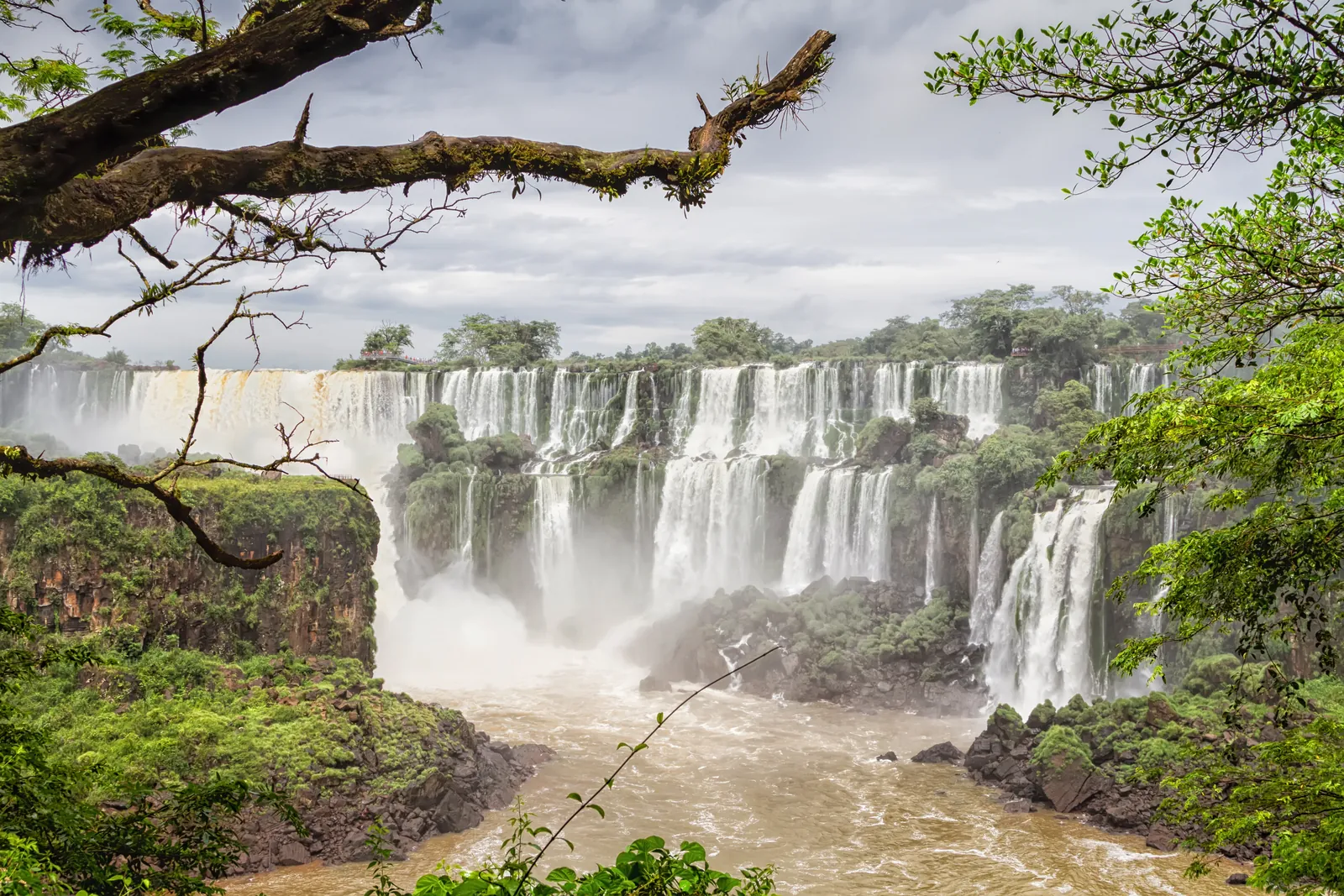
Short answer: the best time to visit Argentina for a first trip is spring (October and November) or fall (March and April): Buenos Aires and Mendoza are warm and pleasant, Patagonia is open, and Iguazú is comfortable. Patagonia itself is best from November to March, when days are long and most services run; January and February are its warmest weeks but also the busiest and most expensive. Come from June to December for whales at the Península Valdés, and from July to September for skiing in the Andes.
Argentina stretches from the subtropics almost to Antarctica, and its seasons are the reverse of North America’s, so the right month depends on the region. This page goes month by month and region by region, with wildlife and ski seasons, the wine harvest and the holidays that fill everything, as of October 2026. For money, entry, park fees and domestic flights, see our Argentina travel guide, and plan your days with our AI trip planner.
Best time to visit Argentina at a glance
| Goal | Best months | Why |
|---|---|---|
| Patagonia (El Calafate, El Chaltén, Ushuaia) | November to March | Long days, mild weather and full services; January and February are busiest |
| Buenos Aires | March to May, September to November | Mild, sunny weather; jacarandas bloom in November |
| Mendoza and the wine country | March to April (harvest), September to November | The Vendimia harvest season, then spring in the vineyards |
| Salta and the north-west | April to November | The dry season, outside the summer storms |
| Iguazú Falls | All year; March to May and August to November for comfort | Fewer crowds than the summer and July holidays |
| Whales at the Península Valdés | June to December, peak September and October | Southern right whales in the gulfs off Puerto Madryn |
| Skiing (Bariloche, Mendoza) | July to September | The Andes ski season, depending on snow |
| Antarctic cruises from Ushuaia | October to March | The official Antarctic season |
| Fall colors | April | Red and gold beech forests in Patagonia and the Lakes District |
| Lowest prices | May to June, August to early November, outside long weekends | Between the summer holidays and the July ski peak |
Argentina weather month by month
Weather month by month
The climate table shows average highs, lows and rain by month. The figures quoted on this page are the 1991–2020 climate normals that Argentina’s National Meteorological Service (SMN) submitted to the World Meteorological Organization, for one station per region: Buenos Aires Observatory, Iguazú, Mendoza, Salta, Bariloche, El Calafate, Trelew (for Puerto Madryn), Mar del Plata and Ushuaia. Expect big differences: in January, Buenos Aires averages about 30 °C (86 °F) by day and Ushuaia about 14 °C (56 °F); in July, El Calafate’s nights average −4 °C (24 °F). Rain varies just as much, from about 160 mm (6 in) a year at El Calafate to about 1,960 mm (77 in) at Iguazú.
Argentina month by month
January
Peak summer and Argentina’s main holiday month. Buenos Aires is at its hottest, about 30 °C (86 °F) by day, and quieter as locals head to the beaches of Mar del Plata, which are packed. Patagonia has its longest days, up to about 17 hours of daylight at El Calafate, with strong winds and full buses, trails and hotels. In Salta, it is the wettest month, with summer storms.
February
Still summer, and the best trekking weather around El Chaltén and Bariloche, though busy until the end of the month. Carnival is a long weekend (Monday and Tuesday, February 8–9, 2027), with big celebrations in the Andean villages of the Quebrada de Humahuaca. The grape harvest begins in Mendoza, and orcas start appearing at Punta Norte on the Península Valdés.
March
One of the best months overall: warm in Buenos Aires and Mendoza, calmer winds and fewer crowds in Patagonia, and the Antarctic and penguin seasons ending in Ushuaia. Mendoza’s Fiesta Nacional de la Vendimia peaks in early March; local press reports the main show for Saturday, March 6, 2027. March 24 is a holiday, and Holy Thursday and Good Friday (March 25–26, 2027) make Easter week a travel peak.
April
Fall colors turn the beech forests of Los Glaciares, Bariloche and Ushuaia red and gold, and golden vines line the roads in Mendoza. Buenos Aires is mild, about 23 °C (74 °F), and the north-west’s green valleys dry out, a great time for road trips from Salta. Some El Chaltén services start to close at the end of the month.
May
Crisp and quiet: low season in Patagonia, cool, sunny days in Mendoza and Salta, and golden plane trees in Buenos Aires. Prices are low outside the May 1 and May 25 holidays. Rain and the first snow return to Bariloche.
June
Winter begins. Buenos Aires is cool and gray, about 16 °C (62 °F) by day; snow falls in the Andes, and mountain passes from Mendoza can close. The first southern right whales arrive off Puerto Madryn, and Bariloche gets its wettest month. The glacier walkways at Perito Moreno stay open all winter.
July
The coldest month and the heart of ski season: Argentina’s two-week winter school holidays fill Bariloche, Cerro Catedral and the Mendoza resorts, with peak prices. In 2026, Cerro Catedral opened on July 7. Salta is dry and sunny with clear skies, Iguazú is busy with school groups, and whale numbers grow at the Península Valdés.
August
Often the best snow at Cerro Catedral, with fewer crowds than July. Buenos Aires holds its Tango Festival, usually in August. At Iguazú, August is the driest month, and in Mendoza the Zonda, a hot, dry wind from the Andes, can blow for a day or two. Elephant seal pups start appearing at the Península Valdés.
September
Spring begins: parks fill again in Buenos Aires, vines bud in Mendoza and Salta celebrates its Fiesta del Milagro, peaking on September 15. Whale watching from Puerto Pirámides reaches its peak in September and October, when mothers and calves are most active, and penguins return to the Chubut coast. Late-season skiing continues.
October
Excellent almost everywhere: warm, dry days in Mendoza and the north-west, peak whales, and the start of the Antarctic cruise season from Ushuaia. Iguazú gets its wettest month, about 250 mm (10 in), which often makes the falls especially powerful. Patagonia’s services reopen. October 12 is a long weekend; in 2026, Cerro Catedral extended its ski season to that day.
November
Jacarandas bloom purple across Buenos Aires, Patagonia has long days and fewer crowds than summer, and Aconcagua’s climbing season starts. Mar del Plata hosts its international film festival. In 2026, Monday, November 9, is a national holiday for Pope Leo XIV’s official visit, with extra local holidays in the City of Buenos Aires (November 10) and Buenos Aires province (November 11); expect closed roads and crowds. National Sovereignty Day is observed on Monday, November 23, 2026.
December
Summer starts: long days in Patagonia, busy from Christmas, and hot weather in Buenos Aires, about 29 °C (84 °F), with Christmas markets. Whales leave the Península Valdés by the end of the month. In 2026, December 7–8 make a four-day weekend. Book Patagonia flights and hotels for the summer holidays well ahead.
Best time to visit by region
Buenos Aires
The city has no dry season, but March to May and September to November are mild and sunny, ideal for walking, cafés and parks. Summer is hot and humid, with storms, and winter cool and damp but rarely freezing. See our Buenos Aires guide.
Iguazú Falls
Visit any month: the volume depends on rain across the river basin in Brazil, not just local weather. March to May and August to November are comfortable and quieter; January, Easter and the July holidays are crowded. Very high water occasionally closes the Devil’s Throat walkway. See our Iguazú National Park guide.
Mendoza
Sunny almost all year, with only about 240 mm (9 in) of rain at the airport station. March and April bring the harvest and the Vendimia; September to November is spring in the vineyards; July is ski season at Penitentes and Las Leñas. See our Mendoza guide.
Salta and the north-west
About 80% of Salta’s rain falls from December to March, when storms can close mountain roads. April to November is dry and sunny, with cold nights at altitude in June to August. See our Salta guide.
Bariloche and the Lakes District
December to March for hiking, kayaking and the Circuito Chico; April for fall colors; July to September for skiing, with August often the best snow. More than half of the year’s precipitation falls from May to August. See our Bariloche guide.
El Calafate, Perito Moreno and El Chaltén
November to March is the main season, with long days and strong winds; January and February are the peak. October and April are quieter, and the Perito Moreno walkways stay open in winter, though many El Chaltén businesses close. See our Los Glaciares guide.
Puerto Madryn and the Península Valdés
June to December for southern right whales, peaking in September and October; penguins from about September to April; orcas at Punta Norte from about February to April. Wind can cancel boat trips, so keep a spare day. See our Puerto Madryn guide.
Ushuaia and Tierra del Fuego
December to February for the mildest weather, about 13–14 °C (54–56 °F) by day, and the Antarctic season, which runs from October to March. June to August is ski and sled-dog season. Snow can fall in any month. See our Ushuaia guide.
Mar del Plata
A summer beach city, packed from late December to February and quiet the rest of the year, when many beach clubs close. March brings warm days and empty beaches. See our Mar del Plata guide.
Best time for hiking, whales, skiing and wine
Hiking and trekking
November to March in Patagonia, with February often the best trekking weather at El Chaltén; April to November in the north-west. Prepare for Patagonian wind in every season. More in our hiking guide.
Whale watching and wildlife
Southern right whales visit the coast of Chubut from June to December, according to the province’s tourism board, and Puerto Pirámides is the only place in the province where boat-based whale watching is allowed. See our boat trips guide.
Skiing
The Andes ski season usually runs from about late June or July into September, depending on the snow; avoid the July school holidays for lower prices and shorter lines.
Wine tasting
March and April for the harvest and the Vendimia, and September to November for spring days among the vines. See our wine tasting guide.
Seasons to plan around
The summer holidays, January and February: Patagonia, the Lakes District and the Atlantic beaches are at their busiest and most expensive; book flights and hotels months ahead.
Patagonian winter, May to September: short days and cold weather, and many services in El Chaltén and some in Ushuaia close. The Perito Moreno Glacier stays open.
The wind in Patagonia: strong westerlies blow for much of the year, especially in spring and summer, and can cancel boat trips and close high trails. Build spare days into the plan.
Summer storms in the north-west, December to March: heavy afternoon rain can cut roads in the Quebrada de Humahuaca and the high valleys around Salta.
Long weekends and holidays: Carnival (February 8–9, 2027), Easter week (March 25–26, 2027), the July school holidays and holiday weekends such as November 9 and December 7–8, 2026 fill flights and buses. The government can add “bridge” days for tourism, so check the official calendar.
How long to stay
Two to three weeks is ideal, flying between regions: each flight takes most of a day, so plan two to four nights per stop. A week covers Buenos Aires and Iguazú; 10–14 days adds El Calafate and El Chaltén or Ushuaia. Match the route to the season: Patagonia from November to March, the north-west from April to November. Our Argentina travel guide has sample 7-day, two-week and three-week itineraries.
Best time to visit Argentina: FAQ
What is the best month to visit Argentina?
For a first trip combining Buenos Aires, Iguazú and Patagonia, November or March: warm in the north, long days and open services in the south, and fewer crowds than in January and February.
When is the best time to visit Patagonia?
From November to March. January and February are warmest and busiest; November and March are quieter, with fewer people on the trails. In winter, many El Chaltén services close.
What is the cheapest time to go to Argentina?
May and June and August to early November, outside long weekends. Prices peak in January and February and during the July ski holidays.
What is the rainiest month in Buenos Aires?
January, February and April are the wettest months, with heavy showers rather than long rainy spells. The city gets about 1,260 mm (50 in) of rain a year.
When can I see whales in Argentina?
From June to December at the Península Valdés, with the most whales and calves in September and October.
When is ski season in Argentina?
Usually from about late June or July into September, depending on the snow. In 2026, Cerro Catedral near Bariloche opened on July 7 and extended its season to October 12.
Is July a good time to visit Argentina?
For skiing and whales, yes. It is winter, so Buenos Aires is cool, Patagonia is cold with short days, and the school holidays push up prices at ski resorts.
Sources · last reviewed 9 Oct 2026
Researched and last reviewed by TravelerCenter on 8 October 2026. Monthly temperatures and rainfall come from the 1991–2020 climate normals of Argentina’s National Meteorological Service (SMN), as published by the World Meteorological Organization; the whale season from Chubut province’s official tourism board; the Antarctic season from Ushuaia’s tourism office; the 2026 ski season from Cerro Catedral; holidays, including the papal visit, from Decree 1103/2026 and Argentina’s holiday laws. The 2027 Vendimia main-show date comes from the local press and is flagged for checking. Orca, penguin and elephant seal seasons, fall colors, the Tango Festival, the Fiesta del Milagro, the Mar del Plata film festival, Aconcagua’s season and crowd and price patterns come from our destination guides and secondary sources and are flagged for checking. Check event dates and park conditions before you travel.
Also: SMN normals 1991–2020, Buenos Aires Observatorio (climate)
Data: Wikidata (CC0)