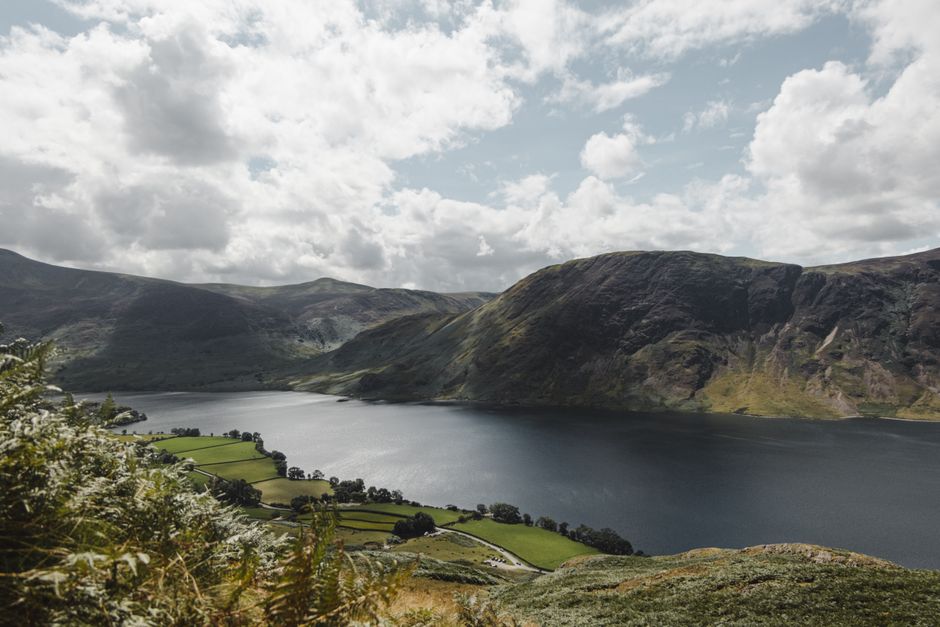
The Lake District is England’s favourite mountain playground: a compact knot of green fells, long glacial lakes, stone villages and drystone walls in Cumbria, in the north-west of England. It is England’s largest national park and, since 2017, a UNESCO World Heritage Site. You come to cruise on Windermere and Ullswater, walk up the fells for huge views, visit Wordsworth’s cottage in Grasmere and Beatrix Potter’s farmhouse, eat gingerbread and a pub lunch by the fire, and swim, paddle or row on the lakes in summer. It is about three hours from London by train, and the main villages are linked by buses and boats, so you can enjoy it without a car. Give it three days for the classic lakes and villages, or a week to walk and explore the quieter valleys.
Right now in Lake District (Keswick)
- Wed7–11°C45–52°F2 mm rain
- Thu5–12°C41–53°F4 mm rain
- Fri10–14°C50–58°F17 mm rain
Top tours in Lake District
See all tours for Lake District →
From local operators, with prices and reviews; you check availability and book on Viator, our partner. We may earn a commission at no extra cost to you. How we earn money
Lake District at a glance
- Best for: fell walking, lake cruises, literary history (Wordsworth, Beatrix Potter), cosy pubs, wild swimming and paddling, family holidays and romantic stays in the hills.
- How long: 1 day for a taste of Windermere and Ambleside, 3 days for Windermere, Grasmere, Keswick and one boat trip, a week to add the big walks and the western valleys.
- Best time: May, June and September for long days and fewer crowds; July and August are busiest; it rains in every season, most of all from October to January.
- Getting in: trains from London Euston reach Oxenholme Lake District in about 2 hours 45 minutes; a short branch line runs on to Windermere. For the north (Keswick), take the train to Penrith and a bus.
- Getting around: Stagecoach buses link the main villages, and boats cross the big lakes. As of October 2026, a Windermere Lake Cruises “Freedom of the Lake” 24-hour pass cost £35 for an adult.
- Before you go: entry rules, money and general safety are in our United Kingdom travel guide.
The Lake District, area by area
The national park covers about 2,360 square kilometres, but most visitors stay in a corridor that runs north from Windermere through Ambleside and Grasmere to Keswick, linked by the A591 and the main bus route. To the west lie the wilder valleys of Borrowdale, Wasdale and Langdale, where the highest fells rise; to the east, Ullswater. Distances are short, but roads are narrow and slow, so it pays to base yourself in one or two places rather than move every night.
Windermere and Bowness
Windermere is England’s largest natural lake, about 18 km long. The town of Windermere grew up around the railway station on the hill; Bowness-on-Windermere, a 20-minute walk downhill, is the busy lakeside resort with the main cruise pier, rowing boats for hire, ice-cream shops and the World of Beatrix Potter attraction. It has the most hotels, B&Bs and restaurants in the park. Best for: first visits, families, travellers arriving by train and anyone who wants boats on the doorstep.
Ambleside
At the northern head of Windermere, Ambleside is a lively little town of grey stone, outdoor shops and cafés, with the tiny Bridge House built over a stream, a short walk to the Stock Ghyll Force waterfall, and Waterhead pier for boats down the lake. It is surrounded by walks for every level. Best for: walkers, couples and travellers who want a central base without a car.
Grasmere and Wordsworth country
Grasmere is the village of the poet William Wordsworth, who lived at Dove Cottage from 1799 to 1808 and is buried in St Oswald’s churchyard. It has a small lake, a famous gingerbread shop and easy walks around Grasmere and Rydal Water, passing Rydal Mount, his later home. Best for: literary travellers, romance and gentle walks.
Keswick and Derwentwater
The market town of the northern lakes sits beside Derwentwater, a lake of wooded islands ringed by fells. Keswick has a Saturday market, the Theatre by the Lake, the Derwent Pencil Museum, the Keswick Launch around the lake, and walks straight from town, including Catbells, one of the best-loved short climbs in the park. Just outside town, Castlerigg Stone Circle stands in a ring of mountains. Best for: walkers, families and longer stays.
Borrowdale
South of Keswick, Borrowdale is often called the most beautiful valley in England: oak woods, the packhorse bridge at Ashness, the Surprise View over Derwentwater, the giant Bowder Stone, and the hamlets of Grange, Rosthwaite and Seatoller below the Honister Pass. It is also the start of the long routes to Scafell Pike, and one of the wettest corners of England. Best for: walkers and anyone who wants peace in a country inn.
Ullswater, Coniston and the western valleys
Ullswater, in the east, is a long lake with the old ‘Steamers’, the Aira Force waterfall and the classic ascent of Helvellyn from Glenridding. Coniston has its own lake, the Old Man of Coniston and links with John Ruskin; nearby Hawkshead and Tarn Hows are favourites for a gentle day. In the far west, Wasdale holds Wast Water, England’s deepest lake, below Scafell Pike. Best for: repeat visitors and keen walkers.
Top things to see in the Lake District
Prices and hours below were checked on the official sites in October 2026. They change, so check before you go.
Lake cruises on Windermere
Windermere Lake Cruises runs year-round boats between Lakeside in the south, Bowness in the middle and Ambleside (Waterhead) in the north, with stops at Brockhole, the Windermere Jetty Museum and, on some routes, Wray Castle and Fell Foot. The Red Cruise between Bowness and Ambleside takes about 35 minutes each way; as of October 2026 a return costs £19.20 for adults, £11.60 for children aged 5–15 and £55 for a family. The Yellow Cruise runs south from Bowness to Lakeside, where you can connect with the Lakeside & Haverthwaite steam railway; an adult single cost £15.20. The Freedom of the Lake ticket gives 24 hours of unlimited travel on all scheduled sailings, including the Islands Cruise and the Green Cruise to Wray Castle: £35 for adults, £17.50 for children and £95.50 for a family, at the season prices valid from 28 March to 1 November 2026. Lower off-peak prices and a reduced timetable apply in winter.
Ullswater ‘Steamers’
On Ullswater, a fleet of heritage boats, the oldest of which, the Lady of the Lake, was launched in 1877, links Glenridding, Howtown and Pooley Bridge. As of October 2026 a round-the-lake trip costs £26 for an adult (£76 for a family of two adults and two children), a single between Glenridding and Pooley Bridge £17.50, and a return between Glenridding and Howtown £18; children under 5 travel free. The pier at Aira Force is closed, and the operator says Aira Force sailings will return in 2027. The best day out is to take the boat to Howtown and walk back to Glenridding along the lakeshore path, part of the 20-mile Ullswater Way. See our boat trips guide.
Wordsworth Grasmere: Dove Cottage and the museum
The tiny whitewashed cottage where Wordsworth wrote much of his best poetry and his sister Dorothy kept her journals is shown on guided visits, with a museum of manuscripts and paintings and a hillside garden. As of October 2026, an adult ticket costs £16 (£15 for over-65s, £8 for ages 6–16, £39.50 for a family of five) and is valid for 12 months. Entry to the cottage is timed, every 40 minutes, and you can book online up to 90 minutes ahead. In October 2026 it was open Tuesday to Saturday, 10:00–16:00, with last entry to the cottage at 15:20. Parking on site is £5 for up to four hours or £8 for the day.
Hill Top and Beatrix Potter
Beatrix Potter bought Hill Top, a 17th-century farmhouse in Near Sawrey on the western side of Windermere, with the earnings from Peter Rabbit, and left it, with some 4,000 acres of farms, to the National Trust. The house is small and visits are by timed ticket in season, so book ahead on the National Trust website. Reach it by the ferry across Windermere from Bowness and a bus or a 2-mile walk, and combine it with Hawkshead, where the Beatrix Potter Gallery shows her original drawings.
Castlerigg Stone Circle
About 2 km east of Keswick, this ring of 38 standing stones, raised around 4,500 years ago, is one of the most dramatic prehistoric sites in Britain, with Blencathra and Helvellyn all around. It is free and always open; go at sunset or early in the morning.
Waterfalls, viewpoints and tarns
Aira Force on Ullswater (a 20-metre fall in a wooded gorge), Stock Ghyll Force in Ambleside and Lodore Falls in Borrowdale are easy short walks. For views, drive or walk to Surprise View and Ashness Bridge above Derwentwater, Orrest Head above Windermere station (a 20-minute climb), and Tarn Hows near Hawkshead, a lake circuit suitable for pushchairs. See our sightseeing ideas for more.
Viewpoints
- Scafell Pike
Archaeological sites
- Hardknott Roman Fort
Peaks and mountains
- Helvellyn
- Skiddaw
Other sights
- Hill Top (Beatrix Potter's house)
Nature
- Windermere
Protected areas
- Castlerigg stone circle
Fell walking and Scafell Pike safety
The fells are the heart of the Lake District, and there is a walk for everyone: lakeshore paths, low fells such as Catbells, Loughrigg and Orrest Head, and the big mountains, Helvellyn and Scafell Pike. The mountains are not high by world standards, but they are serious: the weather changes fast, cloud comes down to the paths, and every year the volunteer mountain rescue teams are called out to people who are lost, tired or hurt.
Scafell Pike, England’s highest mountain
At 978 metres, Scafell Pike is the highest point in England and a goal for many visitors and for the National Three Peaks Challenge. The shortest route, from Wasdale Head, is steep and rocky and takes most walkers 3 to 4 hours or more there and back; the longer routes from Seathwaite in Borrowdale and from Great Langdale take a full day. The summit is a boulder field often in cloud, where it is easy to take the wrong path down into the wrong valley. The Lake District National Park Authority asks every walker to answer three questions before setting off: do I have the knowledge and skills for the day, do I know what the weather will be like, and do I have the right gear?
How to walk the fells safely
- Check the forecast: use the national park’s Weatherline service, which gives a mountain forecast and, in winter, reports from the fell tops on snow and ice.
- Navigate: carry a paper map and a compass (OS Explorer OL4, OL5, OL6 and OL7 cover the park at 1:25,000) and know how to use them; phones lose signal and battery.
- Dress for the mountain: walking boots with grip, waterproof jacket and trousers, warm layers, hat and gloves even in summer, food, water and a head torch.
- Start early and turn back: allow plenty of daylight, and turn round if the cloud comes down or you are behind schedule.
- In an emergency: call 999, ask for Police and then Mountain Rescue, and give your location.
- In winter: snow and ice on the high fells need an ice axe, crampons and the skills to use them.
See our hiking guide for gear and more routes.
Things to do in the Lake District
Get on the water
Hire a rowing boat or a self-drive motor boat in Bowness or Ambleside, paddle a kayak or a stand-up board on Derwentwater or Coniston, or take a sailing lesson. Windermere has a 10-knot speed limit for powered craft. Wild swimming is popular in summer, but the water is cold all year, even in August: swim with others, wear a bright tow float, and keep away from boat routes and piers.
Walk the classic low fells
For big views without a big mountain, try Catbells above Derwentwater (a short, steep scramble near the top), Loughrigg Fell between Ambleside and Grasmere, Orrest Head above Windermere, or the Old Man of Coniston for a longer day. Round-the-lake walks such as Buttermere and Rydal Water are almost level.
Cycle and mountain bike
The quiet lanes of the western shore of Windermere, Grizedale Forest’s waymarked trails and the old railway path from Keswick are good for families; e-bikes make the hills manageable. The main roads are narrow and busy in summer. See our cycling guide.
Eat and drink like a local
Try Grasmere gingerbread, Cumberland sausage, Herdwick lamb from the fell farms, sticky toffee pudding, a Lakeland favourite, Kendal Mint Cake for the hills, and real ales from local breweries in a walkers’ pub with a fire.
Rainy-day ideas
The Windermere Jetty Museum (boats and the lake’s history), Keswick’s Derwent Pencil Museum, the Theatre by the Lake, the Lakeland Motor Museum, the World of Beatrix Potter in Bowness and the Lakes Aquarium at Lakeside are all good when it pours, as it often does.
Activities and best months
- Boat tripsWindermere Lake Cruises sails daily between Bowness, Ambleside (Waterhead) and Lakeside, including the 75-minute Red Cruise from Bowness to Ambleside and the 45-minute Islands Blue Cruise, and hires self-drive electric motor boats and rowing boats. On Ullswater, the heritage 'Steamers' run 363 days a year between Glenridding, Pooley Bridge and Howtown.
- CyclingThe National Park Authority describes country lanes, permitted cycleways and bridleways for every level, has bike hire partners at Hawkshead and Ullswater (mountain bikes and on/off-road e-bikes) and runs official guided e-bike tours.
- HikingThe Lake District National Park lists walks for every ability, from gentle lakeside strolls to classic fell hikes, each with distance, time, ascent and grade; its Miles without Stiles collection has 50 routes suitable for wheelchair and pushchair users, and free volunteer-led guided walks are offered.
Getting to the Lake District
By train from London. Avanti West Coast trains from London Euston reach Oxenholme Lake District, near Kendal, in about 2 hours 45 minutes. From Oxenholme, a Northern branch-line train runs to Windermere in about 20 minutes; the whole trip from London to Windermere takes about 3 hours with one change. For Keswick and Ullswater, stay on the main line to Penrith (about 3 hours from London) and take a bus. Book advance tickets for the best fares.
By train from Manchester and the north. Trains from Manchester and Manchester Airport run to Oxenholme and some continue to Windermere; Glasgow and Edinburgh have direct trains to Penrith and Oxenholme.
By air. Manchester Airport is the main gateway, about 2 hours by road or rail; Liverpool, Leeds Bradford and Newcastle are alternatives.
By car. The M6 motorway runs along the eastern edge of the park, with exits for Kendal and Windermere (junction 36) and Penrith (junction 40). Traffic on the A591 and around Bowness and Ambleside is heavy on summer weekends and bank holidays.
Getting around and parking
Buses. Stagecoach runs the main routes: the 555 links Kendal, Windermere, Ambleside, Grasmere and Keswick, and the open-top 599 runs between Bowness, Windermere, Ambleside and Grasmere in season. Other routes reach Borrowdale, Coniston and Ullswater. Day and multi-day tickets are good value; check timetables, as services are thinner in winter and on Sundays.
Boats. As well as the lake cruises, a small car ferry crosses Windermere from Bowness to Far Sawrey, the easy way to Hill Top and Hawkshead, and the Keswick Launch circles Derwentwater with stops for walks.
Parking. Car parks in the towns and at popular walks are pay-and-display and fill from mid-morning in summer. Many accept the RingGo app, but some have no signal, so carry coins. Expect £10 or more for a full day in the busiest towns. Do not park on verges or in gateways: farm and emergency vehicles need to get through. As of October 2026 the national park’s Park and Explore deal cost £18 a day for parking at one of six car parks (Braithwaite Fold in Bowness, Waterhead and Low Fold in Ambleside, Stock Lane and Broadgate Meadow in Grasmere, Hawkshead and Coniston) plus a Lakes Dayrider bus ticket for up to five people. In Keswick, parking at the Rugby Club cost £4 with 15% off the Keswick Launch. If Grasmere’s village car parks are full, Broadgate Meadow is the one most likely to have space.
When to go and how long to stay
The Lake District has a mild, very wet climate: cool summers, damp but rarely freezing winters in the valleys, and snow on the high fells from December to March. Rain is part of the place; it is what makes it so green. The table uses the WMO 1991–2020 normals for Keswick (88 m), in the valley; the fell tops are colder, windier and much wetter.
| Season | Average high / low | Rainy days per month | What it’s like |
|---|---|---|---|
| Spring (Mar–May) | 10–16 °C / 3–7 °C | 12–14 | Lambs in the fields, daffodils, the driest months are April and May; snow possible on the tops into April |
| Summer (Jun–Aug) | 18–20 °C / 10–12 °C | 13–15 | Long days, warmest water for swimming, busiest roads and car parks, midges in the evenings |
| Autumn (Sep–Nov) | 17 °C falling to 10 °C / 9 °C falling to 4 °C | 13–18 | Golden bracken and woods, fewer crowds in September and October, wetter and windier from October |
| Winter (Dec–Feb) | 7–8 °C / about 2 °C | 14–18 | Short days, snow and ice on the fells, quiet villages, cosy pubs; some attractions keep shorter hours |
Keswick records about 1,575 mm of rain a year, falling on about 178 days; October to January are the wettest months, with 170–195 mm each, and April and May the driest, with about 80 mm. In practice, late May, June and September are the sweet spot, with long days and fewer crowds than the school summer holidays.
Lake District in 3 days
Day 1: Windermere: a boat from Bowness to Ambleside, lunch in Ambleside and the short walk to Stock Ghyll Force, then Orrest Head for sunset. Day 2: Grasmere for Dove Cottage and gingerbread, the walk around Rydal Water, then on to Keswick and Castlerigg Stone Circle. Day 3: Derwentwater by the Keswick Launch and a climb of Catbells, or a drive or bus through Borrowdale to Ashness Bridge and Surprise View.
Lake District in a week
Add Ullswater by boat and the walk from Howtown to Glenridding, Hill Top and Hawkshead across the Windermere ferry, Tarn Hows and Coniston, a big day on Helvellyn or Scafell Pike with good weather and the right skills, and a rest day in a lakeside pub.
Weather month by month
Where to stay in the Lake District
- Bowness and Windermere: the most choice, by the main cruise pier and the railway station; busy in summer.
- Ambleside: central, walkable, full of outdoor shops and cafés; well linked by bus and boat.
- Grasmere: small and pretty, good for couples and literary travellers.
- Keswick: the best base for the northern lakes, Borrowdale and family walks, with good-value guesthouses.
- Borrowdale, Langdale and Wasdale: country inns, farm B&Bs and campsites for walkers who want the mountains on the doorstep.
- Ullswater (Glenridding, Pooley Bridge): quieter, with lakeside hotels and quick access from the M6.
Book months ahead for summer, school holidays and bank holiday weekends; many places ask for a two- or three-night minimum stay at weekends.
Practical tips for the Lake District
- Plan for rain: carry waterproofs every day and have a rainy-day plan; showers often clear quickly.
- Respect the fells: check Weatherline, carry a map and turn back in bad weather; mountain rescue teams are volunteers.
- Travel early: car parks at Grasmere, Wasdale, Borrowdale and Glenridding fill by mid-morning on sunny summer days.
- Carry coins: some car parks and honesty boxes have no signal for card payments.
- Mind the midges: tiny biting insects appear on still summer evenings; bring repellent.
- Follow the Countryside Code: close gates, keep dogs on leads near sheep, take litter home and do not light fires or barbecues on the fells.
What to pack for the Lake District
A waterproof jacket and overtrousers, walking boots or trail shoes with grip, warm layers and a hat even in summer, a small rucksack, a water bottle, a paper map, a head torch for long days, insect repellent, sunscreen, a swimsuit and quick-dry towel for the lakes, and something dry and comfortable for the pub in the evening.
What to pack
- Day packs and anti-theft bagsA 20–30 litre pack carries layers, water, a head torch and snacks on full-day levada walks.
- Dry bags and phone pouchesSpray soaks phones and cameras on open boats to the Algarve caves and on whale-watching trips.
- Fleeces and warm layersIt is cooler at sea than on land, especially on morning whale-watching trips.
- HeadlampsLevada routes such as PR1 and PR9 pass through long, dark, wet tunnels.
- Hiking shoes and bootsMadeira's levadas and the Azores' crater rims are wet, rocky and slippery, so grippy shoes matter more than anywhere else in Portugal.
- Rain jacketsA windproof, waterproof shell keeps you warm on open boats, where wind and spray cool you quickly.
- Reef-friendly sunscreenSun reflects off the water on cruises and cave tours.
- Trekking polesLong stone staircases and steep descents on Madeira's peaks and the Azores' crater rims are easier on the knees with poles.
- Water bottles and hydration packsRiding in the Algarve and Alentejo heat needs more water than you expect.
- Water shoesKayak and small-boat trips to the Algarve grottoes land on rock and wet sand.
Lake District travel FAQ
Where is the best place to stay in the Lake District for a first visit?
Windermere, Bowness or Ambleside for the lake cruises and easy train and bus links, or Keswick for the northern lakes, Borrowdale and walks from the door. Grasmere suits couples who want somewhere smaller.
How do I get to the Lake District by train?
Take an Avanti West Coast train from London Euston to Oxenholme Lake District (about 2 hours 45 minutes) and change for the short branch line to Windermere. For Keswick, go to Penrith and take the bus.
Do I need a car in the Lake District?
No. Buses link Windermere, Ambleside, Grasmere and Keswick, and boats cross Windermere, Ullswater and Derwentwater. A car helps for the western valleys such as Wasdale and for early starts, but parking is limited and expensive in summer.
How much is a cruise on Windermere?
As of October 2026, a Bowness–Ambleside return on the Red Cruise cost £19.20 for adults and a 24-hour Freedom of the Lake pass £35 for adults, £17.50 for children and £95.50 for a family.
How much are the Ullswater ‘Steamers’?
As of October 2026, a round-the-lake trip cost £26 for an adult and £76 for a family of four, and a single between Glenridding and Pooley Bridge £17.50. The Aira Force pier is closed until 2027.
How long does it take to climb Scafell Pike?
From Wasdale Head, the shortest route, most walkers need 3 to 4 hours or more there and back; routes from Borrowdale and Langdale take a full day. Go only with a map, a compass, proper gear and a good forecast.
Is Scafell Pike dangerous?
It is a real mountain with a rocky, often cloudy summit where people get lost. Check Weatherline, carry a map and compass, wear boots and waterproofs, and turn back if the weather turns. In an emergency, call 999 and ask for Police, then Mountain Rescue.
Does it always rain in the Lake District?
Often, but rarely all day. Keswick gets rain on about half the days of the year, and the fells much more. April to June are the driest months; October to January the wettest.
When is the best time to visit the Lake District?
Late May, June and September, for long days, green or golden hills and fewer crowds than in July and August. Winter is quiet and beautiful but short on daylight, with snow on the fells.
Can you visit Dove Cottage?
Yes, with a timed ticket from Wordsworth Grasmere; as of October 2026 an adult ticket cost £16, valid for 12 months, and the site was open Tuesday to Saturday, 10:00–16:00.
How many days do you need in the Lake District?
One day from Manchester or on a longer UK trip gives a taste of Windermere; three days covers Windermere, Grasmere and Keswick; a week lets you walk the fells and explore Ullswater and the western valleys.
Can you swim in the lakes?
Yes, many people swim in summer, but the water is cold all year. Swim with others, wear a bright tow float, avoid boat routes and piers, and never swim after drinking.
Nearby destinations
- Liverpool116 km
- Manchester122 km
- York142 km
- Peak District148 km
- Edinburgh167 km
- Glasgow173 km
- Eryri (Snowdonia)177 km
- Belfast183 km
Plan your trip
Partner links: TravelerCenter may earn a commission if you book, at no extra cost to you.
Sources · last reviewed 4 October 2026
Researched and last reviewed on 4 October 2026. Cruise fares and routes: Windermere Lake Cruises (season prices valid 28 March to 1 November 2026) and Ullswater ‘Steamers’ (2026 timetable and fares); Dove Cottage prices and hours: Wordsworth Grasmere; parking, Park and Explore and fell safety: the Lake District National Park Authority; trains: Avanti West Coast; climate: Met Office normals for Keswick from the WMO 1991–2020 climate normals collection. Prices, timetables and rules change, so check the official links before you go. For entry rules, money and general safety, see our United Kingdom travel guide; for more of the north, see our guides to York, Edinburgh and the Scottish Highlands.
Also: windermere-lakecruises.co.uk · lakedistrict.gov.uk · Met Office normals 1991–2020, Keswick (climate)
Data: Weather: MET Norway (CC BY 4.0) · Sea temperature: NOAA CoastWatch · Rates: ECB · Costs: World Bank ICP and price levels · © OpenStreetMap contributors (ODBL) · Wikidata (CC0)