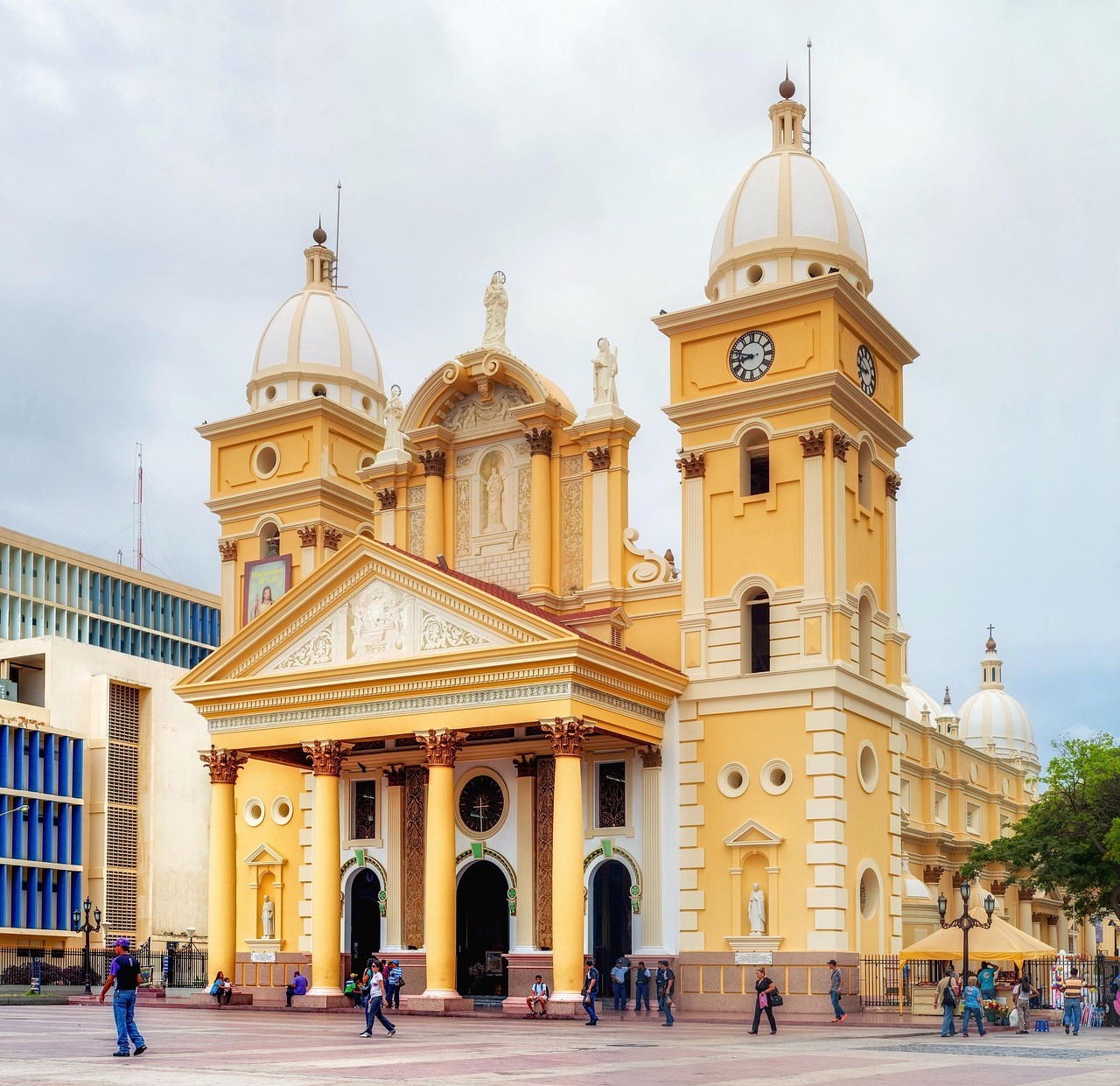
Venezuela packs an extraordinary range of landscapes into one country on the northern edge of South America: some 2,800 km (1,700 miles) of Caribbean coast and islands, the snowy peaks of the Andes, the vast grassy plains of Los Llanos, the delta of the Orinoco, one of the world’s great rivers, and, in the far southeast, the flat-topped table mountains called tepuis, from which Angel Falls, the highest uninterrupted waterfall on Earth, plunges nearly a kilometer into the rainforest. Most leisure visitors head for Margarita Island, the country’s favorite holiday island, with long beaches, colonial forts, windsurfing at El Yaque and the mangroves of La Restinga, or fly into Canaima National Park, a UNESCO World Heritage site, to see the falls and the tepuis. Beyond them lie the coral cays of Los Roques and Morrocoy, the mountain city of Mérida, the colonial town of Coro with its sand dunes, and the capital, Caracas, spread along a green valley beneath the Ávila mountain, with a modernist university campus that is also a World Heritage site. Spanish is the official language. Entry rules differ by nationality: the UK government says British visitors arriving by air can stay up to 90 days on a tourist card, while the Government of Canada says Canadians need a visa in advance, so check Venezuela’s official sources before you book. The dry season, from about December to April, is the best time for most of the country.
Right now in Venezuela
- Sat18–29°C65–83°F2 mm rain
- Sun19–28°C67–82°F5 mm rain
- Mon21–26°C69–79°F2 mm rain
Weather, sun and air quality here are for one point near the centre of Venezuela, not the whole country; conditions elsewhere can differ. Readings refresh through the day.
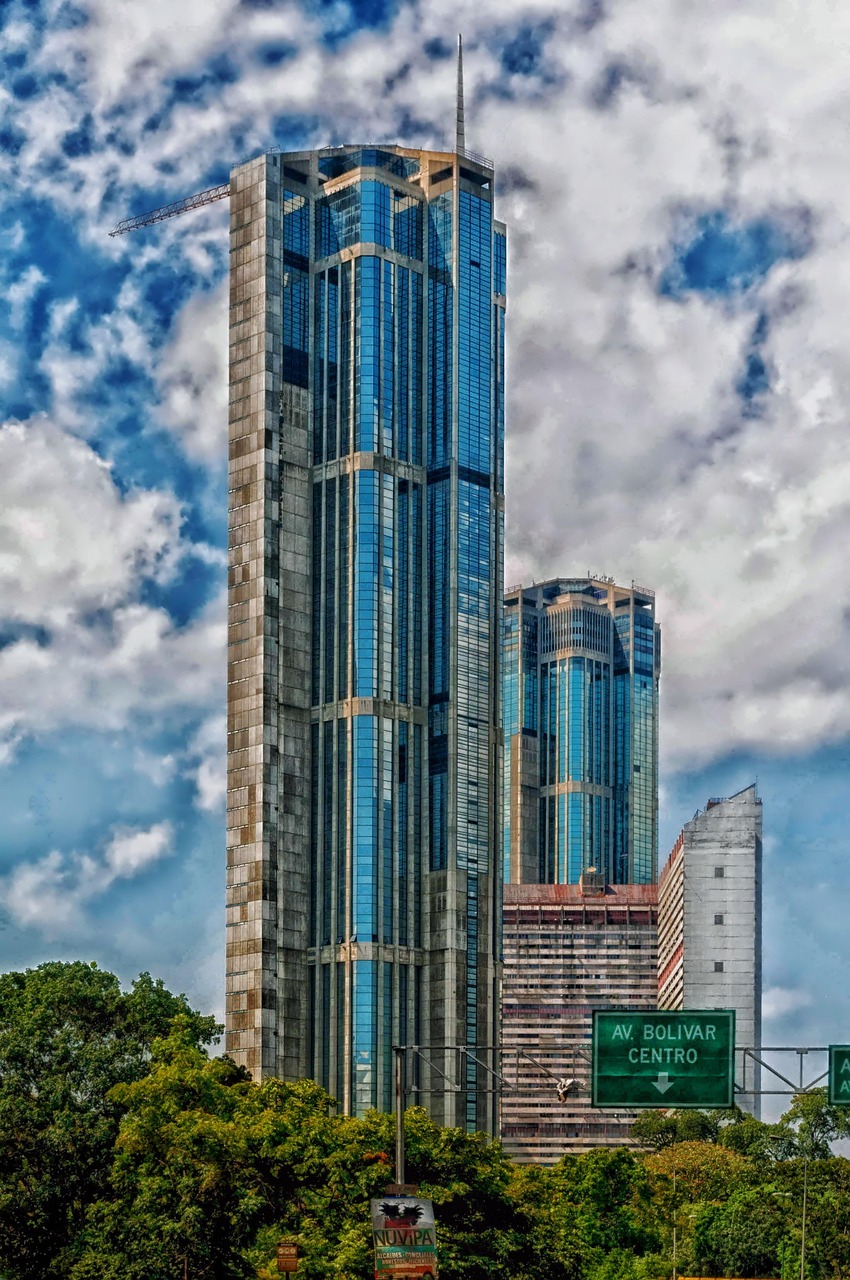
Venezuela: quick answers
- Best time to visit Venezuela
- Venezuela is tropical, so temperatures depend on altitude more than on season: the coast, islands and plains are hot all year, Caracas is warm, and the Andes are mild by day and cold at night, with frost on the high peaks. More
- Things to do in Venezuela
- Waterfalls, islands, mountains and wildlife. More
- Entry rules for Venezuela
- Entry rules can change, so confirm them with Venezuela’s official sources and your airline shortly before you travel. More
Venezuela at a glance
Venezuela covers about 912,000 km² (352,000 sq miles), a little more than twice the size of California, and borders Colombia, Brazil and Guyana. Its geography falls into a few great regions. Along the north, the Cordillera de la Costa mountains rise behind the Caribbean shore, with Caracas in a valley at about 900 m (3,000 ft). In the west, a branch of the Andes climbs to Pico Bolívar, the highest point, at about 4,978 m (16,330 ft), near Mérida. In the middle of the country stretch the low, seasonally flooded plains of Los Llanos, drained by the Orinoco, which reaches the Atlantic through a huge delta in the east. South of the river, the ancient Guiana Highlands cover almost half the country, with rainforest, savanna and the tepuis of the Gran Sabana. Offshore, Venezuela has dozens of Caribbean islands, from Margarita and its neighbors Coche and Cubagua to the Los Roques archipelago.
Spanish is the official language, spoken with a warm, fast Venezuelan accent, and dozens of Indigenous languages, such as Wayuu, Warao and Pemón, are spoken in their home regions; English is spoken in some hotels and by many tour guides. Venezuela uses UTC−4 all year, with no daylight saving time. Sockets are the North American type A and B, at about 120 V, so most US and Canadian devices work without an adapter. The currency is the bolívar (VES).
Venezuela’s regions
- Caracas and the central coast: the capital, the Waraira Repano (Ávila) National Park above it, the coast of La Guaira, and Henri Pittier National Park, with the cloud forests and beaches of Choroní and Chuao.
- The Caribbean islands: Margarita, Coche and Cubagua in Nueva Esparta state, and the Los Roques archipelago, a national park of coral cays and lagoons north of Caracas.
- The northwest: the colonial town of Coro and the Médanos de Coro dunes, the Paraguaná peninsula, the cays of Morrocoy National Park, and Lake Maracaibo with the famous Catatumbo lightning at its southern end.
- The Andes: Mérida, a university city surrounded by mountains, with high moorlands (páramos), lakes and villages in Mérida, Trujillo and Táchira states.
- Los Llanos: the cattle-ranching plains of Apure, Barinas and Guárico, famous for wildlife-watching and joropo music.
- The east coast: the bays and islets of Mochima National Park, the old city of Cumaná and the green Paria peninsula.
- Guayana: the southeast, with Ciudad Bolívar on the Orinoco, Canaima National Park and Angel Falls, the Gran Sabana and Mount Roraima, and the Orinoco Delta.
Videos of Venezuela
Hand-picked travel videos from YouTube creators to help you picture the trip. They play from YouTube; the facts in this guide come from our own research.
Where to go: islands, tepuis, mountains and plains
Venezuela is large, and most visitors combine one beach area with one natural wonder, linked by domestic flights. See our guide:
- Margarita Island: Venezuela’s best-known holiday island, with long sandy beaches such as Playa El Agua and Playa Parguito, the colonial forts of Pampatar, La Asunción and Juangriego, the mangrove lagoon of La Restinga National Park, world-class windsurfing and kitesurfing at El Yaque, the shrine of the Virgen del Valle, and boat trips to Coche and Cubagua.
Other highlights include Canaima National Park and Angel Falls; the coral cays of Los Roques and Morrocoy; the mountain city of Mérida and the Andean páramos; the wildlife of Los Llanos; the colonial streets and dunes of Coro; the beaches and cloud forest of Choroní and Henri Pittier National Park; the trek to the top of Mount Roraima; the channels and stilt villages of the Orinoco Delta; and the capital, Caracas.
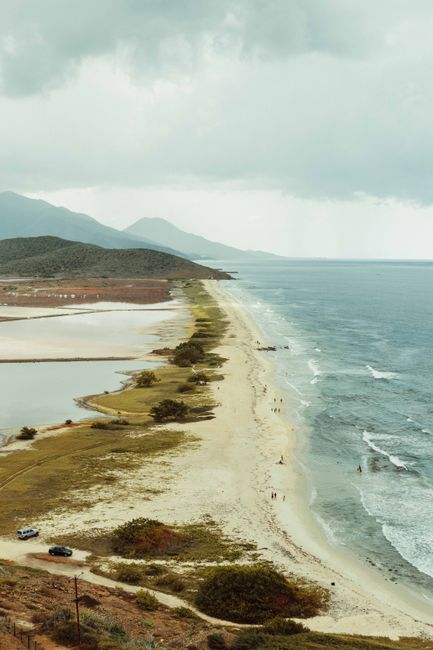
Margarita Island Travel Guide
Plan a trip to Margarita Island (Isla de Margarita): Playa El Agua and Parguito, windsurfing and kitesurfing at El Yaque, the castles of Pampatar…
Multi-day tours of Venezuela
Multi-day tours from local operators. You check dates and book on Viator, our partner; we may earn a commission at no extra cost to you. How we earn money
Beyond Margarita
Venezuela’s World Heritage sites
UNESCO lists three World Heritage sites in Venezuela. Coro and its Port (inscribed in 1993) is, in UNESCO’s words, the only surviving example of a rich fusion of local traditions with Spanish Mudéjar and Dutch building techniques, an earthen colonial town founded in 1527 with some 600 historic buildings. Canaima National Park (1994) covers about 3 million hectares in the southeast, roughly two-thirds of it tepui table mountains, with sheer cliffs and waterfalls, including the world’s highest. The Ciudad Universitaria de Caracas (2000), the campus of the Central University of Venezuela, was designed by the architect Carlos Raúl Villanueva between 1940 and 1960, and combines modernist buildings with works of art, including Alexander Calder’s “Clouds” in the Aula Magna concert hall.
Canaima National Park and Angel Falls
In the far southeast, Canaima is one of the most spectacular landscapes in South America: a lagoon of tea-colored water at the village of Canaima, ringed by pink-sand beaches and thundering waterfalls, with the sheer walls of the tepuis rising behind. Angel Falls (Kerepakupai Merú in the Pemón language) drops about 979 m (3,212 ft) from the edge of Auyán-tepui, nearly a kilometer, most of it in a single uninterrupted plunge. Canaima village has no road connection; visitors arrive by small plane, usually on a package with a licensed tour operator that includes lodging, the national park fee and excursions. From about June to November, when the rivers are high, motorized dugout canoes (curiaras) carry visitors upriver for several hours to a camp facing the falls, followed by a hike through the forest to the Laime viewpoint; in the dry season, when the rivers are too low, scenic flights pass in front of the falls instead. Other classic excursions walk behind the curtain of the Sapo falls at the lagoon.
The Gran Sabana and Mount Roraima
The southern, savanna part of Canaima National Park, the Gran Sabana, is a rolling upland of grassland, waterfalls and rivers, crossed by the road to Santa Elena de Uairén near the Brazilian border. It is the starting point for the trek up Mount Roraima, a tepui of about 2,800 m (9,200 ft), where Venezuela, Brazil and Guyana meet; the climb to its otherworldly summit of black rock, crystals and endemic plants usually takes six days round trip with a licensed Pemón guide.
Los Roques and Morrocoy
About 160 km (100 miles) north of the coast, the Los Roques archipelago is a national park of some 40 coral islands and hundreds of sandbanks around a shallow turquoise lagoon, with one small village, Gran Roque, of sand streets and painted guesthouses (posadas). It is one of the Caribbean’s finest places for snorkeling, diving, bonefishing and kitesurfing. Closer to the mainland, west of Caracas, Morrocoy National Park protects a maze of mangroves and small cays such as Cayo Sombrero, reached by boat from Tucacas and Chichiriviche.
Mérida and the Andes
The university city of Mérida, at about 1,600 m (5,250 ft), lies in a valley beneath the highest peaks of the Venezuelan Andes. The Mukumbarí cable car climbs from the city toward Pico Espejo, near Pico Bolívar, at nearly 4,800 m (15,700 ft); check its operating days locally. The surrounding mountains have cobbled villages such as Jají and Mucuchíes, high páramo moorland of furry-leaved frailejón plants, glacial lakes such as Laguna de Mucubají, trout farms and fine trekking and paragliding.
Los Llanos
The plains of Los Llanos are one of the best places in South America to see wildlife: capybaras, caimans, anacondas, giant anteaters and freshwater dolphins, with flocks of scarlet ibis, herons, storks and spoonbills, especially in the dry season, when animals gather around the remaining waterholes. Visitors stay on working cattle ranches (hatos) that offer safaris by truck, boat and horseback, and evenings of joropo, the music of the plains played on the harp, the four-stringed cuatro and maracas.
Caracas and the central coast
The capital fills a long valley, walled to the north by the green mountain that Caraqueños call El Ávila, now Waraira Repano National Park; a cable car (teleférico) climbs to its summit, with views over the city on one side and the Caribbean on the other, and many hiking trails lead up from the city. In the center, the Plaza Bolívar, the cathedral and the house where Simón Bolívar was born recall the colonial city, while the Ciudad Universitaria, the museums and concert halls show off Caracas’s modern art and architecture. West along the coast, Henri Pittier National Park, created in 1937 as Venezuela’s first national park, crosses the mountains from cloud forest to Caribbean bays such as Choroní and Chuao, a village famous for its cacao.
Best time to visit Venezuela
Venezuela is tropical, so temperatures depend on altitude more than on season: the coast, islands and plains are hot all year, Caracas is warm, and the Andes are mild by day and cold at night, with frost on the high peaks. The year divides into a dry season, from about December to April, and a rainy season, from about May to November. The dry season is best for Caracas, the Andes, Los Llanos wildlife and the beaches, and it is the peak season for local holidays at Christmas, carnival and Easter. The rainy season brings green landscapes and the fullest waterfalls, and it is the only time when boats can reach the foot of Angel Falls. Margarita and the dry northwest get little rain all year, so they are good at any time. Venezuela lies on the southern edge of the Atlantic hurricane belt; hurricanes rarely reach its coast, but the season runs from 1 June to 30 November, according to the US National Hurricane Center.
The table shows average daily highs and lows and yearly rainfall from the official 1991–2020 climate normals that Venezuela’s meteorological service, INAMEH, submitted to the World Meteorological Organization (WMO).
| Area (weather station) | Average high | Average low | Rain per year | Driest and wettest months |
|---|---|---|---|---|
| Caracas (La Carlota) | 27–29 °C (81–85 °F) | 17–21 °C (63–70 °F) | 1,104 mm (43 in) | Driest March (21 mm); wettest October (144 mm) |
| Margarita Island (Porlamar) | 31–33 °C (87–92 °F) | 23–26 °C (73–78 °F) | 527 mm (21 in) | Driest April (11 mm); wettest August (78 mm) |
| Mérida and the Andes (Mérida) | 26–27 °C (79–81 °F) | 15–17 °C (59–63 °F) | 1,536 mm (60 in) | Driest January (32 mm); wettest October (205 mm) |
| Guayana, gateway to Canaima (Ciudad Bolívar) | 32–35 °C (90–96 °F) | 23–25 °C (73–77 °F) | 1,474 mm (58 in) | Driest February (17 mm); wettest June (284 mm) |
Mérida’s weather station is in the valley; the high Andes are much colder. Canaima, inside the Guiana Highlands, is wetter than Ciudad Bolívar.
Venezuela month by month
| Months | Weather | Highlights |
|---|---|---|
| December–January | Dry season begins; clear skies in Caracas and the Andes | Christmas gaitas, hallacas and family holidays; La Divina Pastora procession in Barquisimeto (14 January) |
| February–March | Driest months in most areas | Carnival, including El Callao’s; Feria del Sol in Mérida; best Llanos wildlife |
| April | Hot and dry; first showers late in the month | Easter week (Semana Santa), the busiest beach holiday |
| May–June | Rainy season begins | Dancing Devils of Corpus Christi; San Juan drum festivals (23–24 June) |
| July–September | Rainy and green on the mainland; dry on Margarita | Angel Falls at full flow; school holidays from late July; Virgen del Valle on Margarita (8 September) |
| October–November | Wettest months in Caracas and the Andes | Boat trips to Angel Falls still running; quiet beaches |
Festivals worth planning around
- Carnival: in the days before Lent, a national holiday; the Carnival of El Callao, in the gold-mining town of the same name in Bolívar state, with calypso music brought by Caribbean migrants, is on UNESCO’s Representative List of the Intangible Cultural Heritage of Humanity (2016).
- Dancing Devils of Corpus Christi: on the feast of Corpus Christi, usually in June, brotherhoods in towns such as San Francisco de Yare, Naiguatá and Chuao dance through the streets in red costumes and painted masks; UNESCO listed the tradition in 2012.
- San Juan: on 23–24 June, the coastal communities of Barlovento and the central coast honor Saint John the Baptist with days of drumming, singing and dancing, a festive cycle that UNESCO listed in 2021.
- Virgen del Valle: on 8 September, pilgrims gather at the basilica in El Valle del Espíritu Santo on Margarita to honor the patroness of eastern Venezuela and of fishermen.
- Christmas: December brings gaitas, the lively Christmas music of Zulia, aguinaldos (carols), and every family’s hallacas, cornmeal parcels wrapped in plantain leaves.
Carnival, Easter and Corpus Christi dates move each year; check local programs before you plan around them.
How long to stay: sample itineraries
- 4–5 days: Margarita Island, with a day of forts and the Virgen del Valle, a day at La Restinga, and beach days at Playa El Agua or El Yaque.
- One week: four nights on Margarita, then a three-day package to Canaima for the lagoon, the waterfalls and, in the rainy season, the boat trip to Angel Falls.
- 10 days: add two or three nights on Los Roques for snorkeling and the cays, or in Caracas for the city and the Ávila.
- Two weeks or more: combine the beaches and Canaima with Mérida and the Andes and a wildlife stay on a ranch in Los Llanos, or trek to the top of Mount Roraima.
Entry, money and costs
Entry and visas (last reviewed November 2026)
- British citizens: according to the UK government’s summary of Venezuela’s rules (updated 14 October 2026), you can stay up to 90 days without a visa if you arrive by air, on a tourist card issued on arrival, and you must show a return or onward ticket. If you arrive overland or by sea, you may need a visa in advance. An extension of up to 90 days can be requested from SAIME, the immigration service, before your stay expires.
- Canadian citizens: according to the Government of Canada (updated 13 October 2026), a tourist visa is required and must be obtained before you travel; visas are not available on arrival.
- US citizens and other nationalities: check the current rules with Venezuela’s Ministry of Foreign Affairs (mppre.gob.ve), the immigration service SAIME (saime.gob.ve) or the nearest Venezuelan embassy or consulate before you book.
- Passports: both governments say your passport must be valid for at least six months beyond the date you leave Venezuela. Make sure your passport is stamped on entry.
- Yellow fever: a vaccination certificate is required if you enter Venezuela from Brazil.
- Customs: declare goods worth more than US$1,000 and cash of US$10,000 or more.
- Children: minors traveling alone, with only one parent or with a guardian need a travel permit from the non-traveling parent or parents.
Entry rules can change, so confirm them with Venezuela’s official sources and your airline shortly before you travel.
Money and cards
The currency is the bolívar (VES, written Bs.). The Banco Central de Venezuela publishes the official reference exchange rate every business day on its website, bcv.org.ve. In practice, as the UK government notes, most businesses accept payment in bolívars, US dollars or by international card, although some card machines do not work with foreign cards. Bring US dollars in small, clean notes for hotels, tours, taxis and tips, and change money only at banks and authorized exchange offices, as the Government of Canada advises. Tours to Canaima and Los Roques are usually paid in advance through the operator.
Tipping
Restaurants usually add a 10% service charge to the bill; leave a little extra for good service. Tip guides, boat crews and drivers at the end of a tour, often in small US dollar notes.
What a trip costs
Prices are commonly quoted in US dollars for visitors. These are our rough estimates for November 2026, not official figures; national park fees at Canaima and Los Roques are usually included in packages, so check what yours covers.
| Item | Typical cost |
|---|---|
| Arepa or empanada from a café | US$1–4 |
| Pabellón criollo lunch in a local restaurant | US$6–12 |
| Dinner for two in a mid-range restaurant | US$30–60 |
| Beach chair and umbrella for the day | US$5–15 |
| Full-day car with driver | US$80–150 |
| Mid-range hotel or posada double, per night | US$50–120 |
| Three-day Canaima package with flights from the mainland | US$500–1,000 per person |
A comfortable beach holiday with a mid-range hotel, restaurant meals and a few excursions costs roughly US$100–180 per person per day for two people sharing; packages to Canaima and Los Roques cost more.
Getting there and getting around
Airports and flights
The main gateway is Simón Bolívar International Airport (CCS) at Maiquetía, on the coast about 30 km (20 miles) from central Caracas by highway. Santiago Mariño International Airport (PMV) on Margarita also receives international flights, and regional airports such as Ciudad Bolívar, Puerto Ordaz and Mérida handle domestic services. Airlines and routes change often, so check current international and domestic flights directly with the airlines and with the civil aviation authority, INAC (inac.gob.ve), before you plan your trip. Arrange an airport transfer through your hotel or tour operator in advance.
Getting around
- Domestic flights: the practical way to cover long distances, such as Caracas to Margarita, Mérida or Ciudad Bolívar; small planes fly from Ciudad Bolívar or Puerto Ordaz to Canaima, and from the Caracas area to Los Roques, usually as part of a package.
- Ferries: passenger and car ferries link Margarita with the eastern mainland; check current routes and schedules with the operators.
- Buses and por puestos: long-distance buses and shared cars or minibuses (por puestos, which leave when full) connect the cities; overnight buses cover the longest routes.
- Caracas: the Caracas Metro covers the long east–west valley, and taxis are best booked through your hotel or a ride-hailing app.
- Tours and drivers: for Los Llanos, the Gran Sabana, the Orinoco Delta and Roraima, most visitors travel with a licensed local operator.
- Self-drive: driving is on the right; carry an International Driving Permit. Stopping at police and National Guard checkpoints is mandatory, so keep your passport and the vehicle and insurance papers to hand.
Venezuela’s nearest neighbors for a longer trip are Colombia, Brazil, Trinidad and Tobago, Aruba, Curaçao and Bonaire; check current flights, ferries and border crossings with official sources and operators.
Beaches, national parks and the natural world
Venezuela has more than 40 national parks and one of the richest natural heritages on the continent. On the coast, the best beaches are on Margarita, the cays of Los Roques and Morrocoy, the bays of Mochima and Henri Pittier, and the wild Paria peninsula. Divers and snorkelers head for the reefs of Los Roques, while El Yaque on Margarita and Los Roques are famous for windsurfing and kitesurfing. Inland, you can trek to the summit of Roraima, walk the páramos of the Sierra Nevada de Mérida, take a boat through the Orinoco Delta, watch wildlife in Los Llanos, or see the silent flashes of the Catatumbo lightning, which lights up the sky over the southern end of Lake Maracaibo on many nights of the year. See our beaches, snorkeling, diving, surfing, hiking and boat trips guides.
Culture, food and everyday etiquette
A short history
Many Indigenous peoples, among them Carib, Arawak, Timoto-Cuica and Wayuu, lived in the region before Christopher Columbus sailed along its coast in 1498, on his third voyage. A year later, explorers who saw houses on stilts in Lake Maracaibo are said to have named the land “Venezuela,” “little Venice.” Spain colonized the coast in the 16th century, founding towns such as Cumaná and Coro, and the pearl beds of Cubagua, off Margarita, were among the first riches of the Americas. Caracas, founded in 1567, became the birthplace of Simón Bolívar, the Liberator, who led the wars of independence across northern South America; Venezuela declared independence on 5 July 1811, and it became a separate republic in 1830, after Gran Colombia dissolved.
Music and dance
Joropo, the fast, foot-stamping music and dance of the plains, played on harp, cuatro and maracas, is Venezuela’s national dance, and UNESCO added it to its Representative List of the Intangible Cultural Heritage of Humanity in 2025; the llano work songs sung by cowboys to their herds, shared with Colombia, are on UNESCO’s list of heritage in need of urgent safeguarding. Other sounds include the Afro-Venezuelan drumming of Barlovento, the gaitas of Zulia at Christmas and salsa in the cities. Venezuela is also famous for its youth orchestra movement, El Sistema, whose musicians fill concert halls around the world.
Food
Venezuelan food is comforting and generous. The arepa, a round cornmeal bread grilled on a griddle and split open, is eaten at every meal, stuffed with cheese, black beans, shredded beef or the famous reina pepiada (chicken and avocado). The national dish, pabellón criollo, combines shredded beef, black beans, rice and fried sweet plantains. Look for cachapas, sweet corn pancakes folded around soft white cheese; tequeños, cheese sticks wrapped in pastry; empanadas of cornmeal; asado negro, beef in a dark, sweet sauce; and, at Christmas, hallacas. On the coast and islands, fried fish with tostones and pastel de chucho (a layered stingray pie from Margarita) are local favorites. Cassava bread (casabe), shared with several Caribbean countries, is on UNESCO’s intangible heritage list. Venezuela grows some of the world’s finest cacao, from villages such as Chuao, and is known for its aged rums. To drink, try papelón con limón (raw cane sugar lemonade), fresh fruit juices (jugos) and batidos (milkshakes), and finish with quesillo, a caramel flan. Drink bottled or purified water.
Etiquette
Venezuelans are warm and sociable. Greet people with buenos días or buenas tardes when you enter a shop; a handshake is usual, and friends greet each other with a kiss on the cheek. Gracias is thank you, and you will hear the friendly chévere (“great”) all the time. Dress neatly in towns, keep beachwear for the beach, and dress modestly in churches. Ask before photographing people, especially in Indigenous communities, and follow your guide’s lead when visiting Pemón villages in Canaima or Warao communities in the Orinoco Delta.
Health, safety and connectivity
Practical points for a smooth trip:
- Plan ahead: book airport transfers, domestic flights and tours through your hotel or a licensed operator, and confirm flights and entry rules shortly before you travel.
- Health: see a travel health clinic at least six to eight weeks before your trip about vaccinations, including yellow fever for Canaima and the south, and about protection against mosquito-borne diseases; use insect repellent.
- Medicines and insurance: bring enough of any medicines you need for the whole trip, plus extra, and take travel insurance that covers medical treatment and evacuation.
- Altitude: the Mukumbarí cable car and the high Andes reach well over 4,000 m; go up slowly, drink water and come down if you feel unwell.
- Sun and sea: the tropical sun is strong; use high-factor sunscreen and swim where locals swim or where lifeguards are present.
- Emergencies: call 911 for police, fire and ambulance.
Venezuela’s mobile networks, Movistar, Digitel and Movilnet, sell prepaid SIM cards with your passport; coverage is good in cities and on Margarita, and limited or absent in Canaima, Los Roques and other remote areas. Many hotels and cafés have Wi-Fi, and a power bank is useful.
Things to do: waterfalls, islands, mountains and wildlife
Ride a dugout canoe upriver to the foot of Angel Falls and walk behind the curtain of Sapo falls in Canaima; laze on Playa El Agua and kitesurf at El Yaque on Margarita; snorkel the turquoise lagoon of Los Roques; hop between the cays of Morrocoy; ride the cable car to the top of the Ávila above Caracas; climb into the cold páramos above Mérida; watch capybaras and scarlet ibis on a Llanos ranch; trek to the summit of Roraima; walk the dunes of Coro; drink hot chocolate made from Chuao cacao; and dance joropo under the stars. See our city sightseeing, hiking and beaches guides, and our hiking shoes, water shoes and rain jackets guides.
Venezuela travel FAQ
Do I need a visa for Venezuela?
It depends on your nationality. The UK government says British visitors arriving by air can stay up to 90 days on a tourist card; the Government of Canada says Canadians need a visa before they travel. US citizens and others should check with Venezuela’s Ministry of Foreign Affairs (mppre.gob.ve) or a Venezuelan embassy.
What currency is used in Venezuela?
The bolívar (VES). The Banco Central de Venezuela publishes the official rate daily. Many businesses also accept US dollars and international cards, so bring small, clean dollar notes.
What is the best time to visit Venezuela?
The dry season, from about December to April, for the beaches, Caracas, the Andes and Los Llanos. To reach Angel Falls by boat, go in the rainy season, from about June to November. Margarita is dry and sunny most of the year.
How do I get to Angel Falls?
By small plane to Canaima village, usually on a package with a licensed tour operator, then, from about June to November, by motorized canoe upriver and a forest hike to the viewpoint. In the dry season, scenic flights pass in front of the falls.
How high is Angel Falls?
About 979 m (3,212 ft), the highest uninterrupted waterfall in the world, falling from the edge of Auyán-tepui in Canaima National Park.
How many days do I need in Venezuela?
Four or five days for Margarita; a week to add Canaima; ten days to two weeks to include Los Roques, Mérida or Los Llanos.
What are Venezuela’s UNESCO World Heritage sites?
Coro and its Port (1993), Canaima National Park (1994) and the Ciudad Universitaria de Caracas (2000).
What food is Venezuela known for?
Arepas, pabellón criollo, cachapas, tequeños and, at Christmas, hallacas, plus fine cacao and aged rum.
What is the emergency number in Venezuela?
911, for police, fire and ambulance.
What plugs are used in Venezuela?
North American type A and B sockets, at about 120 V and 60 Hz. Visitors from Europe, the UK and Australia need an adapter; see our travel adapters guide.
What is the time difference in Venezuela?
Venezuela is on UTC−4 all year, with no daylight saving time: one hour ahead of New York in winter and the same time in summer.
Plugs and power in Venezuela
Venezuela uses 120 V, 60 Hz and these plugs (left) and wall sockets (right):
North American-style sockets; most US and Canadian devices need no adapter.
All plug types and voltages by country → · Check what you need to pack →
Plan your trip
Partner links: TravelerCenter may earn a commission if you book, at no extra cost to you.
🇪🇸 Useful Spanish phrases for Venezuela
All 38 Spanish phrases: restaurant, hotel, emergencies, romance (printable) →
Before you go: guidebooks and travel gear
Affiliate links: we may earn a commission at no extra cost to you. As an Amazon Associate we earn from qualifying purchases. We pick items for the place, not for the commission. How we earn money
Sources · last reviewed 10 November 2026
Researched and last reviewed on 10 November 2026. Entry rules for British visitors, the tourist card, extensions through SAIME, passport validity, the yellow fever rule, customs and cash limits, travel permits for children, payment in bolívars, dollars and cards, and the 911 emergency number: the UK government’s foreign travel information (gov.uk, updated 14 October 2026); entry rules for Canadians, checkpoints and authorized currency exchange: the Government of Canada (travel.gc.ca, updated 13 October 2026); the official exchange rate: Banco Central de Venezuela (bcv.org.ve); climate: INAMEH’s official 1991–2020 WMO climate normals (NOAA NCEI archive); World Heritage sites and descriptions: UNESCO World Heritage Centre; joropo, the Carnival of El Callao, the Dancing Devils, the San Juan festive cycle, llano work songs and cassava bread: UNESCO’s intangible cultural heritage lists; hurricane season: the US National Hurricane Center; time zone: the IANA time zone database; area and coordinates: Wikidata and OpenStreetMap. Geography, history, festivals, sight descriptions, Angel Falls’ height, Canaima access and seasons, transport, mobile networks, plugs, prices and daily budgets are general references or our estimates and are flagged for checking. Rules, flights and fees change, so check the official sources before you go.
Data: Weather: MET Norway (CC BY 4.0) · Rates: ECB · Wikidata (CC0)