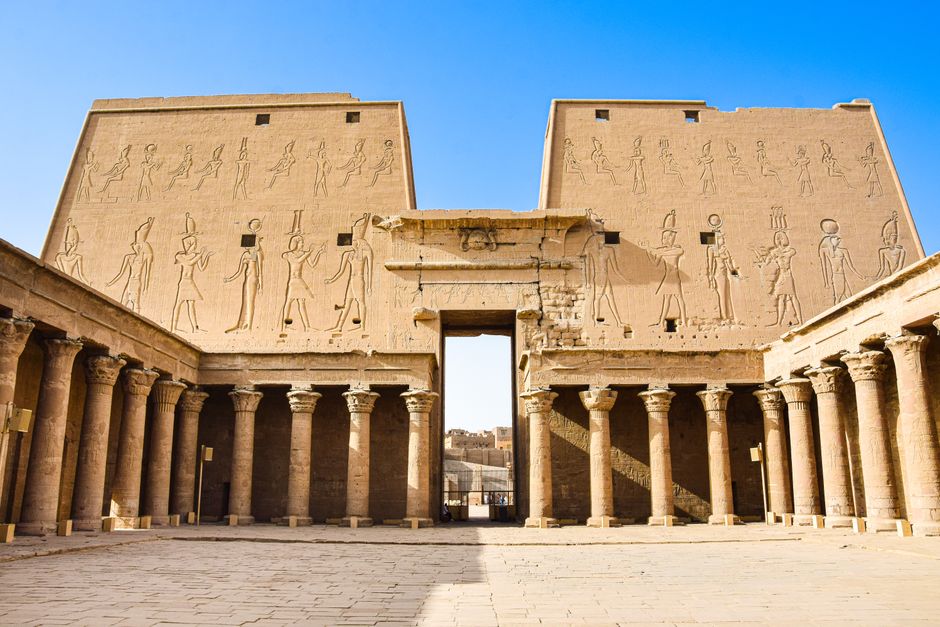
Egypt has been welcoming travelers for longer than almost anywhere on Earth: Greek and Roman tourists were already scratching their names on its temples two thousand years ago. Today a first trip usually combines three worlds. In Cairo and Giza you stand under the Great Pyramid, see Tutankhamun’s gold mask in the new Grand Egyptian Museum and lose yourself in the medieval lanes of Islamic Cairo. Along the Nile in Upper Egypt, Luxor and Aswan hold the temples of Karnak and Philae, the painted tombs of the Valley of the Kings and the colossal statues of Abu Simbel, best linked by a Nile cruise or the overnight sleeper train. And on the Red Sea, the resorts of Hurghada, El Gouna, Marsa Alam, Sharm El Sheikh and Dahab have some of the world’s most accessible coral reefs, warm water and winter sunshine. Beyond them lie Mediterranean Alexandria and the palm groves and salt lakes of Siwa Oasis in the Western Desert. Egypt is good value, and its people are famously hospitable, but plan ahead for a few things: the e-visa or visa on arrival (or the free Sinai-only stamp), the timed online tickets now needed for the Grand Egyptian Museum, the switch to card payment at most monument ticket offices, the summer heat in the south, and touts at the big sites.
Right now in Egypt
- Wed 19–31°C 66–87°F Clear
- Thu 19–31°C 67–88°F Clear
- Fri 21–31°C 70–87°F Clear
- Today Armed Forces Day (عيد القوات المسلحة)
Weather: MET Norway (CC BY 4.0) · Holidays: Nager.Date
Multi-day tours of Egypt
Multi-day tours from local operators. You check dates and book on Viator, our partner; we may earn a commission at no extra cost to you. How we earn money
Egypt at a glance
Egypt covers about 1 million km² (386,000 sq miles) in the northeast corner of Africa, plus the Sinai Peninsula, which belongs geographically to Asia. More than 90% of the country is desert, and almost everyone lives along the narrow green ribbon of the Nile and in its delta, which fans out north of Cairo to the Mediterranean. According to the population clock of CAPMAS, Egypt’s statistics agency, about 109.5 million people lived in the country in September 2026, making it the most populous country in the Arab world. Cairo is the capital and by far the biggest city; a new administrative capital is being built in the desert to the east. The country is divided into 27 governorates.
The official language is Arabic, spoken in its Egyptian form; English is widely understood in hotels, resorts and at the main sites, and many guides also speak French, German, Italian, Russian or Spanish. Most Egyptians are Muslim, with a large Coptic Christian minority. Egypt runs on Eastern European Time (UTC+2) and moves its clocks forward to UTC+3 in summer, from the last Friday of April to the last Thursday of October. Electricity is 220 V, with two-pin European type C and F sockets.
Egypt’s regions
- Cairo and Giza: the capital, the pyramids of Giza, Saqqara and Dahshur, the Grand Egyptian Museum and Islamic and Coptic Cairo.
- The Nile Valley (Upper Egypt): Luxor, the ancient Thebes, with Karnak and the Valley of the Kings; the temples of Dendera, Abydos, Esna, Edfu and Kom Ombo; Aswan, Nubian villages and Philae; and Abu Simbel near the Sudanese border.
- The Red Sea coast: Hurghada, El Gouna, Makadi Bay, Soma Bay, El Quseir and Marsa Alam, with reefs, beaches and dive boats.
- South Sinai: Sharm El Sheikh, Ras Mohammed, Dahab and the Blue Hole, Nuweiba, and the mountains of St Catherine and Mount Sinai.
- The Mediterranean coast: Alexandria, the beach resorts of the North Coast, El Alamein and Marsa Matruh.
- The Western Desert: the oases of Siwa, Bahariya, Farafra, Dakhla and Kharga, and the White Desert.
Regions
Where to go: pyramids, temples, reefs and oases
The classic first trip is Cairo and Giza, then south by air or sleeper train to Luxor and Aswan, with three or four nights on a Nile cruise between them, and a few days on the Red Sea to finish. Divers and beach lovers often fly straight to Hurghada, Marsa Alam or Sharm El Sheikh and add an excursion to Luxor or Cairo. See our guides to each of these places:
- Cairo: the huge, chaotic capital, with the Egyptian Museum, the Citadel, Khan el-Khalili and the mosques and madrasas of Islamic Cairo.
- Giza: the pyramids and Sphinx, the Grand Egyptian Museum and the nearby pyramid fields of Saqqara and Dahshur.
- Luxor: Karnak and Luxor temples, the Valley of the Kings, Hatshepsut’s temple and dawn balloon flights over the West Bank.
- Aswan: felucca sails, Nubian villages, Philae temple and the base for Abu Simbel.
- Alexandria: Egypt’s Mediterranean city, with the Bibliotheca Alexandrina, the Qaitbay Citadel, catacombs and seafood.
- Hurghada: the biggest Red Sea resort, with Giftun Island, snorkeling and diving boats and easy trips to Luxor.
- El Gouna: a car-light lagoon town north of Hurghada, popular for kitesurfing.
- Marsa Alam: quieter southern reefs, turtles and dugongs at Abu Dabbab, and offshore dives such as Elphinstone.
- Sharm El Sheikh: the Sinai’s resort city, next to the reefs of Ras Mohammed National Park.
- Dahab: a laid-back dive and windsurf town on the Gulf of Aqaba, home of the Blue Hole.
- Siwa Oasis: a remote oasis near Libya with a mud-brick fortress, salt lakes, springs and the Great Sand Sea.
Other favorites include the temples of Abydos and Dendera north of Luxor, St Catherine’s Monastery and Mount Sinai, the white chalk formations of the White Desert near Bahariya, and the Fayoum oasis with Wadi El Hitan, the “Valley of the Whales”, southwest of Cairo.
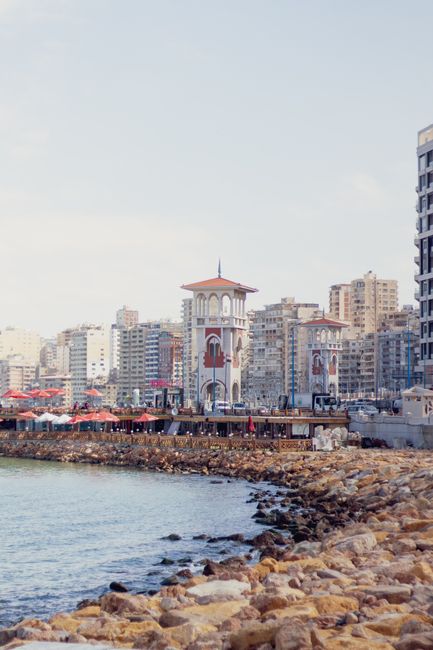
Alexandria Travel Guide
Plan a trip to Alexandria: the Bibliotheca Alexandrina, the Citadel of Qaitbay, the catacombs of Kom el-Shoqafa, Pompey's Pillar, the Roman theater and the…
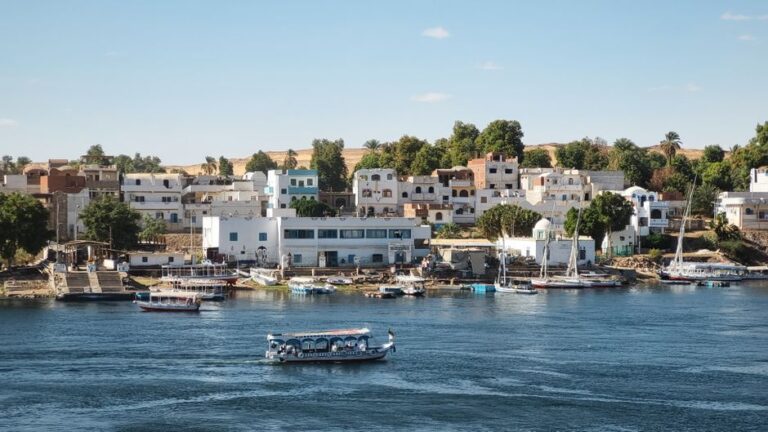
Aswan Travel Guide
Plan a trip to Aswan: Philae Temple and Abu Simbel with ministry ticket prices and the sun festival days, felucca sails, Elephantine and Kitchener's…
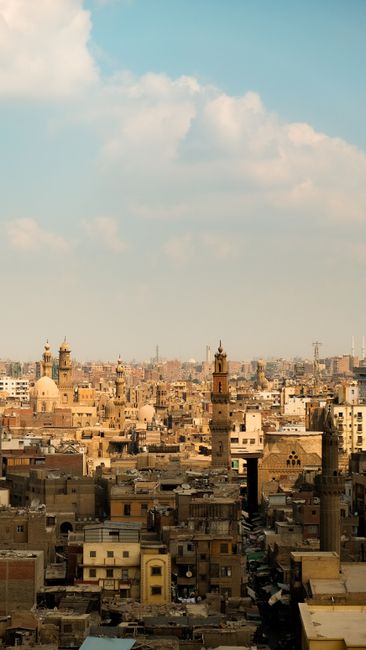
Cairo Travel Guide
Plan a trip to Cairo: where to stay in Zamalek, Downtown and on the Nile, the Egyptian Museum and the royal mummies at the…
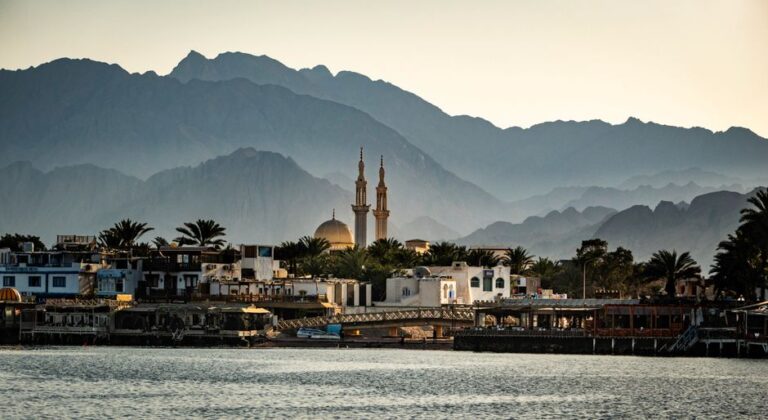
Dahab Travel Guide
Plan a trip to Dahab, South Sinai: the Blue Hole and its dangerous arch, the Canyon, Lighthouse and Eel Garden shore dives, freediving, windsurfing…
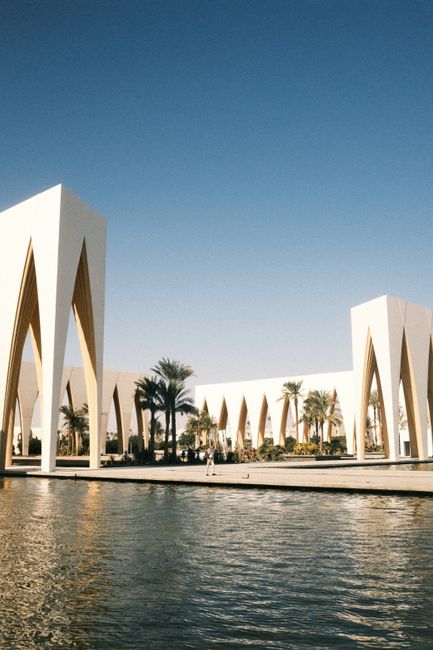
El Gouna Travel Guide
Plan a trip to El Gouna on Egypt's Red Sea: lagoon hotels, Downtown and Abu Tig Marina, kitesurfing schools and wind, snorkeling and diving…
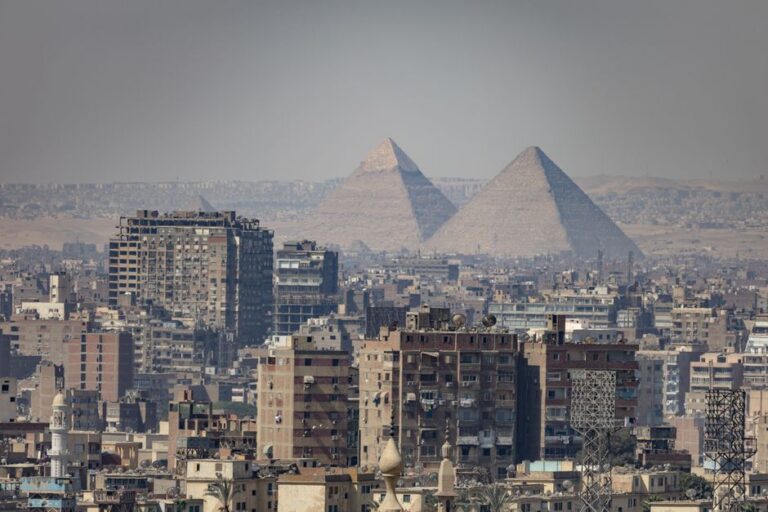
Giza Travel Guide
Plan a trip to Giza: the pyramids and Sphinx with ministry ticket prices and hours, going inside the Great Pyramid, the new plateau entrance…
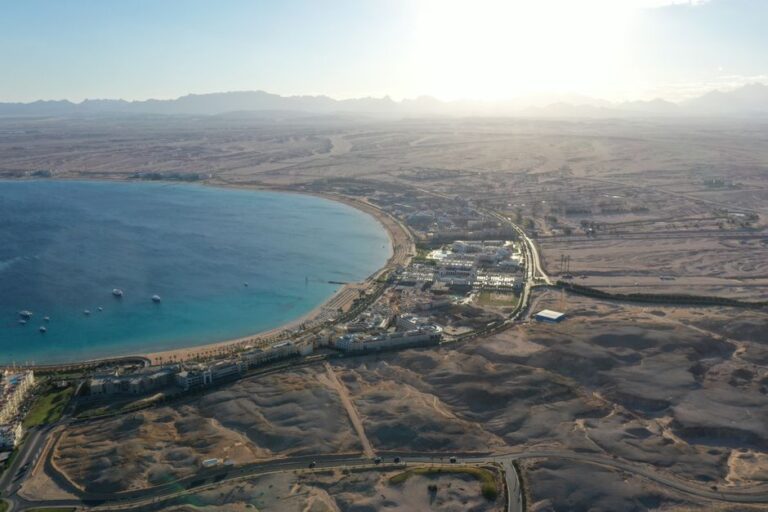
Hurghada Travel Guide
Plan a trip to Hurghada: where to stay from El Dahar and the Marina to Sahl Hasheesh, Makadi Bay and Soma Bay, Giftun Island…
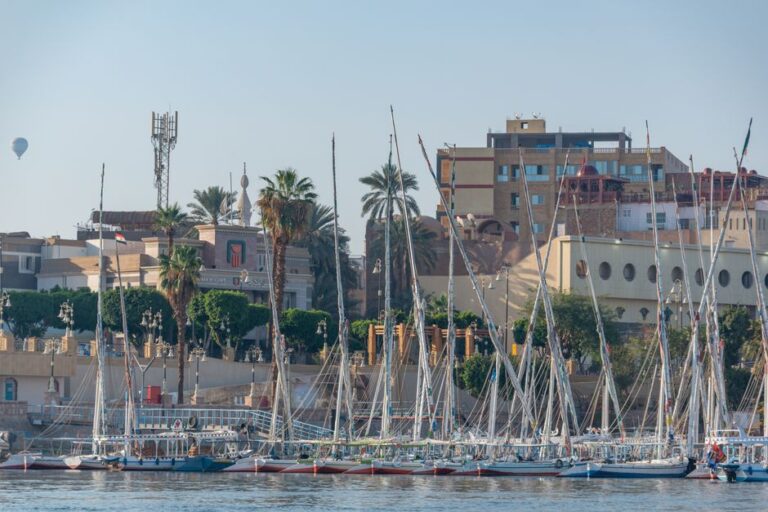
Luxor Travel Guide
Plan a trip to Luxor: Karnak and Luxor Temple, the Avenue of Sphinxes, the Valley of the Kings with ministry ticket prices for Tutankhamun's…
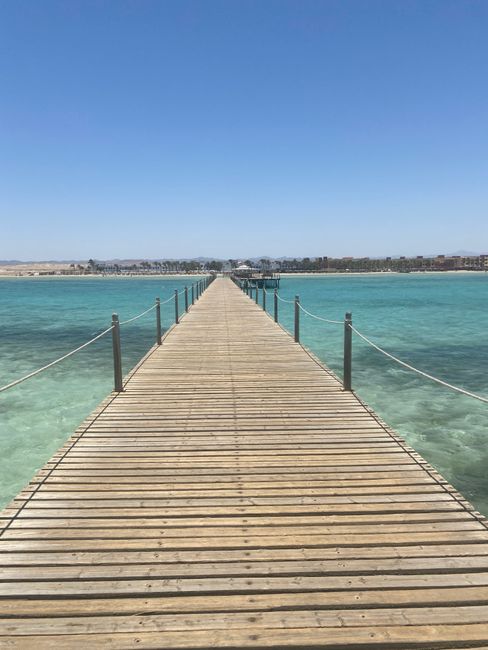
Marsa Alam Travel Guide
Plan a trip to Marsa Alam on Egypt's southern Red Sea: where to stay from Port Ghalib to Abu Dabbab and Hamata, snorkeling with…
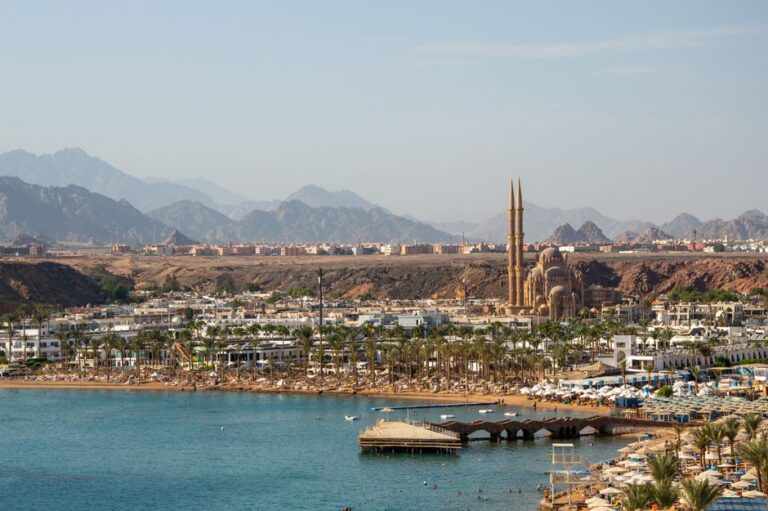
Sharm El Sheikh Travel Guide
Plan a trip to Sharm El Sheikh: the free 15-day Sinai entry stamp, where to stay in Naama Bay, Sharks Bay, Nabq and Hadaba,…
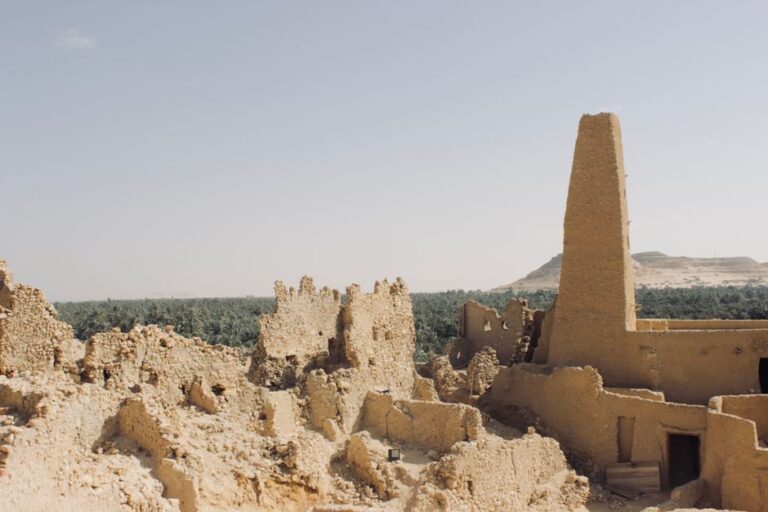
Siwa Oasis Travel Guide
Plan a trip to Siwa Oasis in Egypt's Western Desert: the Shali mud-brick fortress, the Temple of the Oracle of Amun and the Mountain…
Best time to visit Egypt
Egypt is sunny and dry almost all year, so the seasons are about temperature, not rain. October to April is the main season: warm days and cool nights in Cairo and pleasant sightseeing weather in Luxor and Aswan, though nights in the desert can drop close to freezing in December and January. Summer (June to September) is very hot inland, with average highs above 40 °C (104 °F) in Luxor and Aswan, but it is high season on the Mediterranean coast and the Red Sea, where the sea breeze helps. The table shows rounded average daily highs and lows from the 1991–2020 climate normals of the Egyptian Meteorological Authority (EMA), as published by the World Meteorological Organization (WMO).
| Region (EMA station) | January high / low | August high / low | Rain a year |
|---|---|---|---|
| Cairo and Giza (Cairo airport) | 19 °C (66 °F) / 10 °C (50 °F) | 35 °C (95 °F) / 24 °C (76 °F) | about 25 mm (1 in) |
| Mediterranean (Alexandria) | 18 °C (65 °F) / 9 °C (49 °F) | 31 °C (88 °F) / 24 °C (76 °F) | about 210 mm (8.3 in) |
| Nile Valley (Luxor) | 23 °C (73 °F) / 7 °C (45 °F) | 41 °C (106 °F) / 26 °C (78 °F) | under 10 mm (0.4 in) |
| Nile Valley (Aswan) | 23 °C (74 °F) / 10 °C (50 °F) | 42 °C (107 °F) / 28 °C (82 °F) | about 2 mm (0.1 in) |
| Red Sea (Hurghada) | 22 °C (72 °F) / 12 °C (53 °F) | 37 °C (99 °F) / 28 °C (82 °F) | about 8 mm (0.3 in) |
| South Sinai (Sharm El Sheikh) | 22 °C (72 °F) / 14 °C (57 °F) | 38 °C (101 °F) / 29 °C (84 °F) | about 10 mm (0.4 in) |
Egypt month by month
| Month | Weather | Highlights | Crowds and prices |
|---|---|---|---|
| January | Cool nights, sunny days; the coolest month | Coptic Christmas (January 7); perfect for Luxor and Aswan | High, especially around the New Year |
| February | Mild and sunny; can be windy on the coasts | Abu Simbel sun festival on February 22 | High |
| March | Warming up; occasional dusty khamsin winds | Spring sightseeing; Red Sea water still cool | High around European Easter |
| April | Warm; hot spells in the south | Sham el-Nessim spring holiday | Moderate to high |
| May | Hot inland, pleasant on the coasts | Good diving; quieter temples | Moderate |
| June | Very hot in Luxor and Aswan | Red Sea and Alexandria beach season | Low on the Nile; busy on the coasts |
| July | The hottest months begin | Calm, warm sea; Mediterranean summer crowds | Low inland, high on the coasts |
| August | Hottest; humid on the coasts | Snorkeling and diving at their warmest | Very busy in Alexandria and the North Coast |
| September | Still hot | Warmest sea of the year | Rising |
| October | Warm and pleasant | Abu Simbel sun festival on October 22; El Gouna Film Festival; start of the Nile season | High |
| November | Warm days, cool evenings | One of the best months overall | High |
| December | Mild days, chilly nights | Christmas and New Year on the Red Sea | Very high late in the month |
Ramadan and holidays
During Ramadan, the month of daytime fasting, most sites stay open but often with shorter hours, restaurants outside hotels may close until sunset, and the evenings are lively, with lanterns and late-night meals; the dates move about 11 days earlier each year, and in 2027 Ramadan is expected to begin around February 8. The two Eid holidays that follow Ramadan and the Hajj bring domestic crowds to the beaches and the Nile. Egyptian school holidays (June to September) fill Alexandria and the North Coast.
How long to stay: sample itineraries
- 7 days: Cairo and Giza (3 nights), with the pyramids, the Grand Egyptian Museum and Islamic Cairo; fly to Luxor (2 nights) for Karnak and the Valley of the Kings; then Aswan (2 nights) with Philae and an early trip to Abu Simbel.
- 10 days: Cairo and Giza (3), a 4-night Nile cruise from Luxor to Aswan or the reverse, Abu Simbel, and a final night in Cairo; or swap the cruise for the sleeper train and hotels.
- 14 days: add 4 days on the Red Sea in Hurghada, El Gouna or Marsa Alam, or in Sharm El Sheikh and Dahab, with snorkeling or diving.
- Beach week with history: a week in Hurghada or Marsa Alam with a full-day excursion to Luxor, about 3.5–4 hours each way by road from Hurghada.
- Off the beaten track: Alexandria (2 nights), then the overnight train or a bus to Marsa Matruh and on to Siwa Oasis (3 nights).
Entry, money and costs
Entry and visas (last reviewed October 2026)
All visitors need a passport valid for at least six months from the date of arrival. Most nationalities need a visa, and there are three main ways to get one:
- E-visa: Egypt’s Ministry of Interior runs the official Egypt e-Visa Portal (visa2egypt.gov.eg). Nationals of the countries listed on the portal, which include the United States, Canada, the United Kingdom, Ireland, the EU countries, Australia, New Zealand and Japan, can apply online. According to the portal, a single-entry tourist visa costs US$30 and a multiple-entry tourist visa US$65, paid by card; apply at least 7 days before departure and bring a printout to show at immigration. The fee is non-refundable.
- Visa on arrival: eligible nationalities can also buy a single-entry tourist visa at bank kiosks in the arrivals halls of the main airports, before immigration, for US$30 in cash, valid for a stay of up to 30 days. Since August 1, 2026, Cairo International Airport has also offered a digital visa on arrival, paid by card through the official portal (apps.visaonarrival.gov.eg), its app or self-service machines in the arrivals hall, for US$36 including a US$6 service fee; you show the QR code to the immigration officer. Buy the visa yourself at the official kiosks: you don’t need an agent.
- The free Sinai stamp: if you fly into Sharm El Sheikh and stay for up to 15 days only in the South Sinai resorts of Sharm El Sheikh, Dahab, Nuweiba and Taba, you can enter without a visa and receive a free entry permission stamp at the airport. If you want to travel further, for example to Cairo or Luxor, or stay longer, buy a visa on arrival or an e-visa instead.
Beware of unofficial websites that look like the e-visa portal and charge extra fees. Arrivals overland from Israel at Taba or by ferry from Jordan pay separate border charges in cash.
Customs and what not to bring
You can bring in or take out up to EGP 5,000 in Egyptian pounds, and must declare foreign currency worth more than US$10,000. Drones cannot be imported or flown without prior permission from the Ministry of Defense and are confiscated at the airport. Professional camera gear, satellite phones and radio equipment need permits, and some medicines, including certain painkillers, sleeping pills and ADHD drugs, are controlled: carry prescriptions and a doctor’s letter, and check with an Egyptian embassy before you travel with them. Antiquities cannot be exported.
Money, cards and cash
The currency is the Egyptian pound (EGP, LE or E£), divided into 100 piastres. On October 4, 2026, the Central Bank of Egypt’s average market rate was about EGP 52.3 to the US dollar. Cards are accepted in hotels, malls, chain restaurants and supermarkets, and ATMs are common in cities and resorts. Keep small notes for taxis, tips, toilets, markets and boat rides, because change is often short.
At the monuments, payment has largely gone cashless. The Ministry of Tourism and Antiquities sells tickets through its official site egymonuments.com and the Experience Egypt app, at ticket counters and at self-service kiosks, and accepts Visa and Mastercard across all these channels; many ticket offices no longer take cash, so always carry a working card. The Grand Egyptian Museum sells tickets only online, by timed slot, through its own site. Tickets are non-refundable and dated, so choose the day carefully.
Monument tickets and passes
Foreigners pay much more than Egyptians, and students under 25 with a valid ID pay about half. Children under 6 enter free. As of October 2026, the ministry’s ticket site lists these foreign adult prices:
| Site | Foreign adult ticket |
|---|---|
| Giza Plateau (area entry, not inside the pyramids) | EGP 700 (about US$13) |
| Inside the Great Pyramid (extra, ministry site page) | EGP 1,000 (about US$19) |
| Egyptian Museum, Tahrir (Cairo) | EGP 550 (about US$10.50) |
| Saqqara | EGP 600 (about US$11.50) |
| Karnak Temple (Luxor) | EGP 600 (about US$11.50) |
| Valley of the Kings | EGP 750 (about US$14) |
| Tomb of Tutankhamun (extra) | EGP 700 (about US$13) |
| Philae Temple (Aswan, boat extra) | EGP 550 (about US$10.50) |
| Abu Simbel | EGP 822 (about US$16); EGP 1,272 on the sun festival days |
The Grand Egyptian Museum has its own prices, set separately: until October 31, 2026 a foreign adult ticket costs EGP 1,590 (about US$30), and from November 1, 2026 it rises by US$5, to about US$35 charged in Egyptian pounds; check the official ticket site before you go. Mobile phone photography is free at the sites. The ministry also sells multi-site passes, the Cairo Pass and the Luxor Pass, aimed at visitors who will see many sites in a few days; they are paid in US dollars or euros, and you need a passport photo and a copy of your passport. Prices and conditions change, so ask at the ministry’s ticket offices in Cairo or Luxor before buying.
Tipping
Tipping (baksheesh) is part of daily life. Restaurants usually add a 12% service charge plus 14% VAT to the bill, but waiters still expect about 5–10% in cash. Small tips are normal for guides, drivers, felucca captains, hotel porters, bathroom attendants and guards who unlock a tomb or show you a hidden corner; agree whether it is a tip or a fee before accepting help. For a full-day private guide, budget about US$10–20 per day, and on a Nile cruise, the crew usually share a tip box at the end.
What a trip costs
Prices are approximate, for October 2026, converted at about EGP 52.3 to the US dollar.
| Item | Typical cost |
|---|---|
| Koshari or ful and taameya meal | EGP 60–150 (about US$1.15–2.90) |
| Mid-range restaurant dinner | EGP 500–1,200 (about US$9.50–23) |
| Bottle of water (1.5 liters) | EGP 15–25 (about US$0.30–0.50) |
| Cairo Metro ride | EGP 10–20 (about US$0.20–0.40) |
| Uber or Careem across central Cairo | EGP 100–250 (about US$1.90–4.80) |
| Felucca sail for an hour (whole boat) | EGP 400–800 (about US$7.65–15) |
| Mid-range hotel double, per night | EGP 2,500–6,000 (about US$48–115) |
| Nile cruise, 3–4 nights, per person in a double cabin | about US$300–1,000, depending on the boat and season |
A comfortable mid-range trip costs roughly US$90–160 per person per day, including a shared double room, a driver or guide on sightseeing days, entry tickets and food; the main extras are cruises, private guides and diving. Budget travelers in guesthouses who use trains and the metro can manage on far less.
Getting there and getting around
Airports
Most long-haul flights land at Cairo International (CAI), the hub of EgyptAir; Sphinx International (SPX), west of Giza, has a growing number of flights and is closest to the pyramids. Charter and low-cost flights from Europe fly direct to Hurghada (HRG), Sharm El Sheikh (SSH), Marsa Alam (RMF) and Luxor (LXR), and Alexandria is served by Borg El Arab (HBE). Domestic flights link Cairo with Luxor, Aswan, Abu Simbel, Hurghada and Sharm El Sheikh in about 1–1.5 hours.
Sleeper trains and day trains
Egyptian National Railways (ENR) runs day trains from Cairo’s main Ramses station (Misr station) along the Nile to Luxor and Aswan, and to Alexandria in about 2.5–3 hours. For the long run south, the Abela sleeper trains leave Cairo and Giza every evening: according to the operator’s timetable for October 2026, the 19:20 from Cairo stops at Giza at 20:00, reaches Luxor at 05:35 and Aswan at 08:35, and other sleepers leave until about 23:00. Cabins have two berths, a washbasin, dinner and breakfast; foreigners book online on the operator’s site or at the station and pay in US dollars. There is also a sleeper from Cairo to Marsa Matruh, useful for Siwa.
Nile cruises
The Nile cruise between Luxor and Aswan is the classic way to see Upper Egypt. Most boats sail 3 or 4 nights (Aswan to Luxor or the reverse) and stop at Edfu and Kom Ombo, with guided visits and full board; longer trips continue north to Dendera and Abydos, and a few sail Lake Nasser to Abu Simbel. The boats run all year, but the main season is October to April, when the days are pleasant; in summer, prices drop and sightseeing starts at dawn. Smaller dahabiya sailing boats carry 8–20 passengers on slower 4–6 night trips. Book through a reputable operator, check what is included (tickets, guide, drinks), and remember that river traffic and lock queues at Esna can change timings.
Getting around cities and between towns
In Cairo, the metro is cheap and avoids the traffic: Line 1 serves Tahrir (Sadat) and Coptic Cairo, Line 2 runs to Giza, and Line 3 crosses east to Heliopolis; according to Cairo Metro, single tickets cost EGP 10 for up to 9 stations, EGP 12 for 16, EGP 15 for 23 and EGP 20 for longer trips. A new monorail opened in May 2026 between New Cairo and the New Administrative Capital, useful mainly for commuters. Uber, Careem and the local app inDrive work in Cairo, Alexandria, Hurghada, Luxor and Sharm El Sheikh and avoid haggling. Long-distance buses (Go Bus, Blue Bus and the state companies) connect Cairo with Alexandria, Hurghada, Sharm El Sheikh, Dahab, Marsa Matruh and Siwa. Most visitors don’t drive: traffic is chaotic, and driving outside cities after dark is risky. Hiring a car with a driver for the day is easy and inexpensive.
Culture, food and everyday etiquette
Food
Egyptian food is hearty and cheap. Try ful medames (stewed fava beans) and taameya (Egyptian falafel made with fava beans) for breakfast; koshari, a filling mix of rice, lentils, macaroni, chickpeas, fried onions and spicy tomato sauce; molokhia, a garlicky green soup; mahshi (stuffed vegetables); grilled kofta and kebab; fatta, a festive dish of rice, bread and meat in garlic and vinegar sauce; and pigeon stuffed with freekeh. On the coasts, fresh fish is grilled or fried by weight. Sweets include om ali (bread pudding), basbousa and konafa, and street drinks include fresh sugarcane juice, mango juice, hibiscus (karkadeh) and mint tea. Alcohol is served in hotels, tourist restaurants and licensed bars; Stella and Sakara are the local beers.
Etiquette
- Dress: cover shoulders and knees in cities, villages, mosques and churches; women need a headscarf in mosques. Swimwear is fine on resort beaches.
- Mosques: remove your shoes, and avoid prayer times.
- Photos: ask before photographing people, and don’t photograph soldiers, police, military sites, bridges or government buildings.
- Ramadan: avoid eating, drinking or smoking in public during daylight.
- Affection: public displays of affection beyond holding hands are frowned upon.
- Greetings: “salaam alaykum” (peace be upon you) and “shukran” (thank you) go a long way.
Safety, health and connectivity
Egypt receives millions of visitors a year, and most trips are trouble-free. There is a visible police presence at sites, hotels and checkpoints, and the tourist police (126) have offices at the main sites. The most common problems are hassle, scams and the heat rather than crime against visitors.
- Touts and scams at the sites: at Giza, Luxor and Aswan, men offering camel and horse rides, “free” gifts, photos or a “shortcut” will expect payment; agree the full price, in which currency and for how many people, before you start, and buy tickets only at official counters or online. Taxi drivers may take you to papyrus, perfume or alabaster shops for commission. Unofficial guides may claim a site is closed. Use ride-hailing apps or agree taxi fares in advance.
- Heat: from May to September, temperatures in Luxor and Aswan often pass 40 °C (104 °F). Visit sites at opening time, carry water, wear a hat and sunscreen, and rest in the middle of the day.
- Roads and desert travel: road accidents are common, and driving at night outside towns is dangerous. Police checkpoints on highways may ask for passports, so carry yours. Travel in the deep desert, off-road or near the borders needs permits from the Ministry of Interior, arranged through licensed operators with official guides, for example for safaris around Bahariya and the White Desert or into the Great Sand Sea from Siwa. The desert road between Bahariya and Siwa is closed to travelers, with military checkpoints.
- Closed areas: North Sinai, including El Arish and the Rafah crossing, is a closed military zone not open to tourism, and access is restricted in the interior of central Sinai and along the border with Libya. The South Sinai resorts and the coast roads between them are open, with checkpoints.
- Diving and snorkeling: the Red Sea is one of the world’s great dive areas, but standards vary. Choose operators with good reviews and safety equipment, ask for a full safety briefing, especially on liveaboard boats, stay within your training and depth limits, and make sure your insurance covers diving and evacuation. Currents can be strong at offshore reefs, and boat traffic is heavy near popular sites, so always use a surface marker buoy. Don’t touch coral, and wear reef-safe sunscreen.
- Sharks: shark attacks are rare, but there have been fatal incidents off the Red Sea resorts in recent years. Follow beach closures and lifeguard instructions, don’t swim at dusk or night, and never feed fish.
- Balloons, quads and boats: hot-air balloon, quad bike and boat safety standards vary; use licensed operators, wear helmets and life jackets, and check that your insurance covers these activities.
- Health: drink bottled or filtered water, be careful with salads and street food at first, and carry rehydration salts. Pharmacies are everywhere, and private hospitals in Cairo, Alexandria and the resorts are good but expensive, so buy travel insurance.
- Emergencies: call 122 for the police, 123 for an ambulance, 180 for fire, and 126 for the tourist police.
Connectivity: buy a tourist SIM card from Vodafone, Orange, Etisalat (e&) or WE at the airport with your passport, or use an eSIM. Free Wi-Fi is common in hotels and cafés.
Things to do: monuments, diving, cruises and desert
- Ancient sites: the pyramids of Giza, Saqqara and Dahshur; the temples of Luxor, Karnak, Edfu, Kom Ombo, Philae and Abu Simbel; and the tombs of the Valley of the Kings. See our guide to city sightseeing.
- Diving: Ras Mohammed and the Strait of Tiran from Sharm El Sheikh, the Blue Hole and Canyon in Dahab, the wreck of the SS Thistlegorm, and the reefs of Hurghada and Marsa Alam. See our diving guide.
- Snorkeling: house reefs in Marsa Alam, Dahab and Sharm El Sheikh, Giftun Island from Hurghada, and turtles at Abu Dabbab. See our snorkeling guide.
- Boat trips: a Nile cruise or dahabiya, a felucca at sunset in Aswan, and day boats to the Red Sea islands. See our boat trips guide.
- Beaches: the Red Sea resorts, El Gouna’s lagoons and the turquoise Mediterranean water of the North Coast. See our beaches guide.
- Hiking: the night climb of Mount Sinai for sunrise, the Ras Abu Galum coast path north of Dahab, and the canyons of the Sinai mountains with Bedouin guides. See our hiking guide.
- Desert trips: the White Desert and Black Desert from Bahariya, and Siwa’s Great Sand Sea, with licensed operators.
What to pack for Egypt
Light, loose clothes that cover shoulders and knees, a scarf for mosques, a sun hat, sunglasses and high-factor sunscreen, comfortable walking shoes for the sites, a fleece or jacket for desert nights and winter evenings, a reusable water bottle, a headlamp for tombs, hand sanitizer and tissues, and reef-safe sunscreen and water shoes for the Red Sea. Bring a credit or debit card that works abroad for site tickets, plus some US dollars or euros in cash for visas and tips. Egypt uses 220 V with two-pin type C and F sockets. See our travel adapters, water shoes and hiking shoes guides.
Egypt travel FAQ
Do I need a visa to visit Egypt?
Most visitors do. Eligible nationalities, including US, UK, Canadian, EU and Australian citizens, can buy an e-visa online on the official portal (US$30 single entry, US$65 multiple entry) or a visa on arrival at the airport for US$30 in cash; at Cairo airport, a digital visa on arrival costs US$36 by card.
Can I visit Sharm El Sheikh without a visa?
Yes, if you fly into Sharm El Sheikh and stay for up to 15 days in the South Sinai resorts of Sharm El Sheikh, Dahab, Nuweiba and Taba, you receive a free entry permission stamp. To travel elsewhere in Egypt, you need a full visa.
Is the Grand Egyptian Museum open?
Yes. The Grand Egyptian Museum at Giza is fully open, including the Tutankhamun Galleries, daily from 9 a.m. to 6 p.m. and until 9 p.m. on Wednesdays and Saturdays. Tickets are sold only online, for a timed entry slot.
How much does it cost to see the pyramids?
The Giza Plateau ticket costs EGP 700 (about US$13) for foreign adults and half for students; going inside the Great Pyramid costs extra. Pay by card at the counter or online.
Can I pay for site tickets in cash?
Often not. The Ministry of Tourism and Antiquities sells tickets online, in its app, at counters and kiosks, all accepting Visa and Mastercard, and many ticket offices no longer take cash, so carry a card.
What is the best time to visit Egypt?
October to April for sightseeing, with November, February and March the most comfortable; the Red Sea is warm enough for swimming from about May to November and good for diving all year.
How do I get from Cairo to Luxor and Aswan?
Fly in about an hour, take the overnight sleeper train (about 10 hours to Luxor and 13 to Aswan), or use the day trains. Many visitors fly to one end and take a Nile cruise between Luxor and Aswan.
Is a Nile cruise worth it?
For most first-time visitors, yes: a 3–4 night cruise between Luxor and Aswan combines transport, a hotel, meals and guided visits to Edfu and Kom Ombo. Independent travelers can do the same with trains, hotels and a driver.
How many days do I need in Egypt?
At least a week for Cairo, Luxor and Aswan; 10–14 days to add a Nile cruise, Abu Simbel and some time on the Red Sea.
What currency is used in Egypt?
The Egyptian pound (EGP). In early October 2026, the Central Bank of Egypt’s rate was about EGP 52.3 to the US dollar. Use cards for hotels and site tickets, and cash for small purchases and tips.
How much should I tip in Egypt?
Restaurants usually add a 12% service charge, but leave about 5–10% extra in cash; give small tips for porters, drivers, boat captains and bathroom attendants, and about US$10–20 a day for a private guide.
Is Egypt safe for travelers?
Most visits are trouble-free, with a strong police presence at tourist sites. The main problems are touts and scams, heat and road travel. North Sinai is closed to tourism, and desert trips need permits arranged by licensed operators.
What should I wear in Egypt?
Light clothes that cover shoulders and knees in towns and at sites, a headscarf for women in mosques, and swimwear only on beaches and by pools.
Sources and last review
Researched and last reviewed on 6 October 2026. E-visa fees, eligible nationalities, passport validity and the 7-day application rule: the Egypt e-Visa Portal of the Ministry of Interior; the digital visa on arrival: the official visa-on-arrival portal; visa-on-arrival cash price, the Sinai stamp, customs and money limits, drones, closed areas and emergency numbers: the UK government’s factual entry and safety pages, used for practical facts only; site ticket prices, opening hours and card payment: the Ministry of Tourism and Antiquities (egymonuments.com and egymonuments.gov.eg); Grand Egyptian Museum hours and online-only timed tickets: the Grand Egyptian Museum’s official sites; sleeper train times: Abela Trains; Cairo Metro fares: Cairo Metro; the exchange rate: the Central Bank of Egypt; climate normals: the Egyptian Meteorological Authority via the World Meteorological Organization’s 1991–2020 normals. Population figures, the Grand Egyptian Museum’s foreign price, the Cairo and Luxor passes, the monorail, tipping, Ramadan dates and typical prices are general references or estimates, flagged for checking. Rules and prices change, so check the official sites before you go.
Plugs and power in Egypt
Egypt uses 220 V, 50 Hz and these plugs (left) and wall sockets (right):
All plug types and voltages by country → · Check what you need to pack →
Plan your trip
Partner links: TravelerCenter may earn a commission if you book, at no extra cost to you.
🇪🇬 Useful Arabic phrases for Egypt
All 38 Arabic phrases: restaurant, hotel, emergencies, romance (printable) →