Short answer: On the ground in Japan, plan on roughly ¥8,000–9,000 (about $50–60) per person per day on a hostel-and-noodles budget, ¥16,000–25,000 (about $100–155) in a mid-range city hotel shared by two, and from about ¥28,000–33,000 (about $180–210) for four- and five-star comfort. Long-distance trains, flights to Japan and shopping come on top. For a reality check, American leisure visitors spent an average of ¥350,133 each in Japan in 2025, over about 11 nights, according to the Japan Tourism Agency.
Japan has a reputation for being expensive, but the yen is weak against the dollar (about ¥158 per US dollar in the Federal Reserve’s rates for the week to 2 October 2026), and a lot of everyday Japan is good value: clean, cheap local trains, filling bowls of noodles, free shrines and city views. The big costs are where you sleep, how far you travel by bullet train, and when you go. This guide breaks it all down with figures from official sources, so you can build a realistic budget for your own trip to Japan. Prices in dollars are rounded and use ¥158 = $1; use our Money exchange tool for today’s rate.
Japan daily costs at a glance
These example days are built from the sourced prices further down this page: one person, one city day, in a big city such as Tokyo or Kyoto. They leave out bullet trains, flights, shopping and nightlife.
| Per person, per day | Budget | Mid-range | Comfort |
|---|---|---|---|
| Bed | Hostel bed or capsule: ¥3,000–4,000 | Half of a city hotel room at ¥17,600–31,300: ¥8,800–15,650 | Half of a four- or five-star double from ¥30,000–40,000: ¥15,000–20,000 |
| Food | Three simple meals at about ¥1,200: ¥3,600 | Two simple meals plus half of a ¥6,000 dinner for two: ¥5,400 | Two simple meals plus half of a ¥15,000 dinner for two: ¥9,900 |
| Local transport | Tokyo Subway 24-hour ticket: ¥1,000 | Day ticket: ¥1,000–1,100 | Day ticket ¥1,000, plus taxis |
| Sights | Free shrines, one temple: ¥0–500 | ¥1,000–2,500 | About ¥2,500 |
| Total | About ¥8,000–9,000 ($50–60) | About ¥16,000–25,000 ($100–155) | From about ¥28,000–33,000 ($180–210) |
Hostel, capsule and four- and five-star figures are the Japan National Tourism Organization’s (JNTO) typical “from” prices; the city hotel range is the 2026 average room rate in Kyoto’s hotels, from a quiet January to a record April; meal prices are typical October 2026 Tokyo prices from the crowd-sourced Numbeo index. Treat them as typical ranges, not quotes.
What visitors actually spend in Japan
Japan’s government surveys tens of thousands of departing visitors every year, which gives a rare official picture of real trip costs. In 2025, visitors from the United States on a leisure trip spent an average of ¥350,133 (about $2,200) per person in Japan and stayed an average of 10.7 nights. That breaks down to:
| US leisure visitors, 2025 | Per trip | Per night (about) |
|---|---|---|
| Accommodation | ¥151,033 | ¥14,100 |
| Food and drink | ¥69,704 | ¥6,500 |
| Transport inside Japan | ¥42,074 | ¥3,900 |
| Tours, entry fees and other services | ¥15,620 | ¥1,500 |
| Shopping | ¥71,630 | ¥6,700 |
| Total | ¥350,133 | ¥32,600 |
Visitors from the UK (¥411,337) and Australia (¥403,966) spent more, mostly because they stayed longer, about 13 nights. These totals do not include the flight to Japan.
Accommodation costs
Your bed is the biggest line in a Japan budget, and the one that changes most with the season. JNTO’s own guide gives typical starting prices of ¥2,000–4,000 for a hostel bed, from about ¥3,000 for a capsule hotel, ¥6,000–8,000 for a business hotel, from about ¥10,000 for a mid-range hotel and from about ¥30,000 for a luxury hotel. A night in a hot-spring ryokan starts at about ¥15,000 per person.
Real 2026 rates in the most popular cities sit well above those floors at busy times. The Kyoto City Tourism Association’s survey of 117 hotels put the average room rate at ¥17,645 in January 2026 and ¥17,744 in July, but ¥31,296 in April, the highest since its records began in 2014. Cherry blossom season and autumn leaves are when to book early.
Some cities add a small accommodation tax per person per night, usually collected by the hotel. Tokyo charges ¥100 or ¥200 on rooms from ¥10,000 (switching to 3% from 1 April 2027), Osaka Prefecture charges ¥200–500 on rooms from ¥5,000, and Kyoto charges from ¥200 on budget rooms up to ¥10,000 on rooms of ¥100,000 or more since 1 March 2026.
Food and drink costs
Eating well in Japan does not have to cost much. Numbeo’s October 2026 figures show a typical meal at an inexpensive restaurant at ¥1,200 in Tokyo (range ¥800–2,000) and ¥1,500 in Kyoto. A three-course dinner for two at a mid-range restaurant, without drinks, runs about ¥6,000 in Tokyo (range ¥4,500–15,000) and ¥5,000 in Kyoto. A fast-food combo costs about ¥800, a regular cappuccino about ¥560 and a half-liter of draft beer about ¥600 in Tokyo.
Prices in shops and restaurants include Japan’s consumption tax: 10% as standard, or a reduced 8% on food and non-alcoholic drinks you take away. Tipping is not part of the culture, so the price you see is the price you pay.
Japan Rail Pass vs single tickets
The nationwide Japan Rail Pass costs ¥50,000 for 7 days, ¥80,000 for 14 days and ¥100,000 for 21 days in ordinary class when bought on the official JR Group website (¥53,000, ¥84,000 and ¥105,000 through overseas agents). Green Car (first class) passes cost ¥70,000, ¥110,000 and ¥140,000, and children aged 6 to 11 pay half. The pass covers JR trains including most bullet trains, but on the fastest Nozomi and Mizuho trains pass holders must buy an extra special ticket: ¥4,960 from Tokyo to Kyoto or Shin-Osaka and ¥6,500 from Tokyo to Hiroshima. The Hikari and Kodama trains on the same line need no extra ticket.
Compare that with single tickets. JR Central’s online smartEX prices for a reserved Nozomi seat in the regular season are:
| Trip (adult, reserved seat, Nozomi) | Single tickets | 7-day JR Pass |
|---|---|---|
| Tokyo to Kyoto and back | ¥27,940 | ¥50,000 |
| Tokyo to Hiroshima and back | ¥39,120 | ¥50,000 |
| Tokyo, Kyoto, Hiroshima, back to Tokyo | ¥45,270 | ¥50,000 |
In short, a simple Tokyo–Kyoto round trip is far cheaper with single tickets, and even the classic Tokyo, Kyoto, Hiroshima loop only comes close to the pass price once you add local JR rides and day trips. The pass makes sense when you cover long distances inside one week, for example adding Fukuoka, Kanazawa or the north. smartEX prices are about ¥400 lower in off-peak periods and ¥400–800 higher at peak times, and Hikari and Kodama trains are a little cheaper still (Tokyo–Kyoto ¥13,650).
Regional JR passes are often better value. JR West’s Kansai Mini Pass (¥3,000 for 3 days) covers rapid and local JR trains around Osaka, Kyoto, Kobe and Nara. The Kansai-Hiroshima Area Pass (¥17,000 for 5 days) adds the bullet train from Shin-Osaka to Hiroshima and the JR ferry to Miyajima; a Kyoto–Hiroshima Nozomi round trip alone costs ¥23,480. Note that JR West stopped selling the Kansai Area Pass on 30 September 2026.
City transit cards and day passes
Inside cities, a rechargeable IC card is the easiest way to pay. Welcome Suica and Tourist PASMO are made for visitors: no deposit, valid for 28 days, and usable on trains, buses and in many shops and taxis. You can also set up Suica on your phone with the Welcome Suica Mobile app. Note that money left on a Tourist PASMO is not refunded, so top up in small amounts near the end of your trip.
- Tokyo: the Tokyo Subway Ticket, sold to short-term visitors, gives unlimited rides on all Tokyo Metro and Toei subway lines for ¥1,000 (24 hours), ¥1,500 (48 hours) or ¥2,000 (72 hours). A single Tokyo Metro ride starts at ¥180, so the 24-hour ticket pays off from about six rides.
- Kyoto: city buses cost a flat ¥230 per ride for adults in the central zone, and the Subway & Bus 1-Day Pass costs ¥1,100.
- Kansai: the JR Kansai Mini Pass (¥3,000 for 3 days) is the cheapest way to hop between Osaka, Kyoto, Kobe and Nara on JR trains.
Sightseeing fees and free things to do
Entry fees at Japan’s famous temples and museums are modest by world standards, and many top sights are free.
| Sight | Adult entry |
|---|---|
| Hiroshima Peace Memorial Museum | ¥200 (free for junior high school age and under) |
| Kinkaku-ji (Golden Pavilion), Kyoto | ¥500 |
| Todai-ji Great Buddha Hall, Nara | ¥800 |
| Tokyo National Museum, collection galleries | ¥1,000 (free under 18) |
| Himeji Castle (from 1 March 2026) | ¥2,500 (free under 18) |
| Meiji Jingu shrine, Tokyo | Free |
| Tokyo Metropolitan Government Building observatories (202 m) | Free |
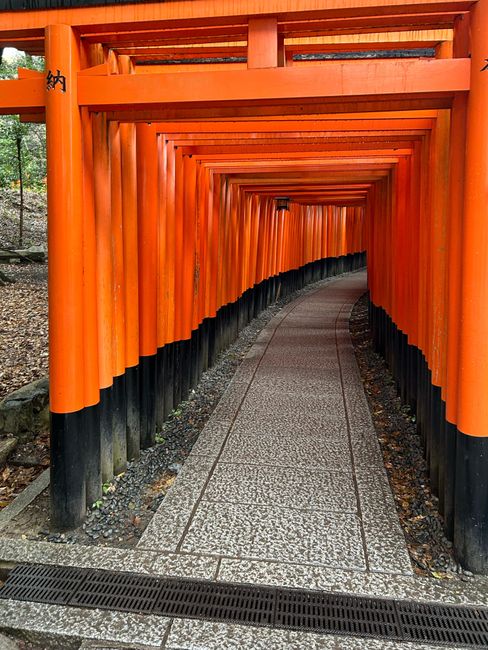
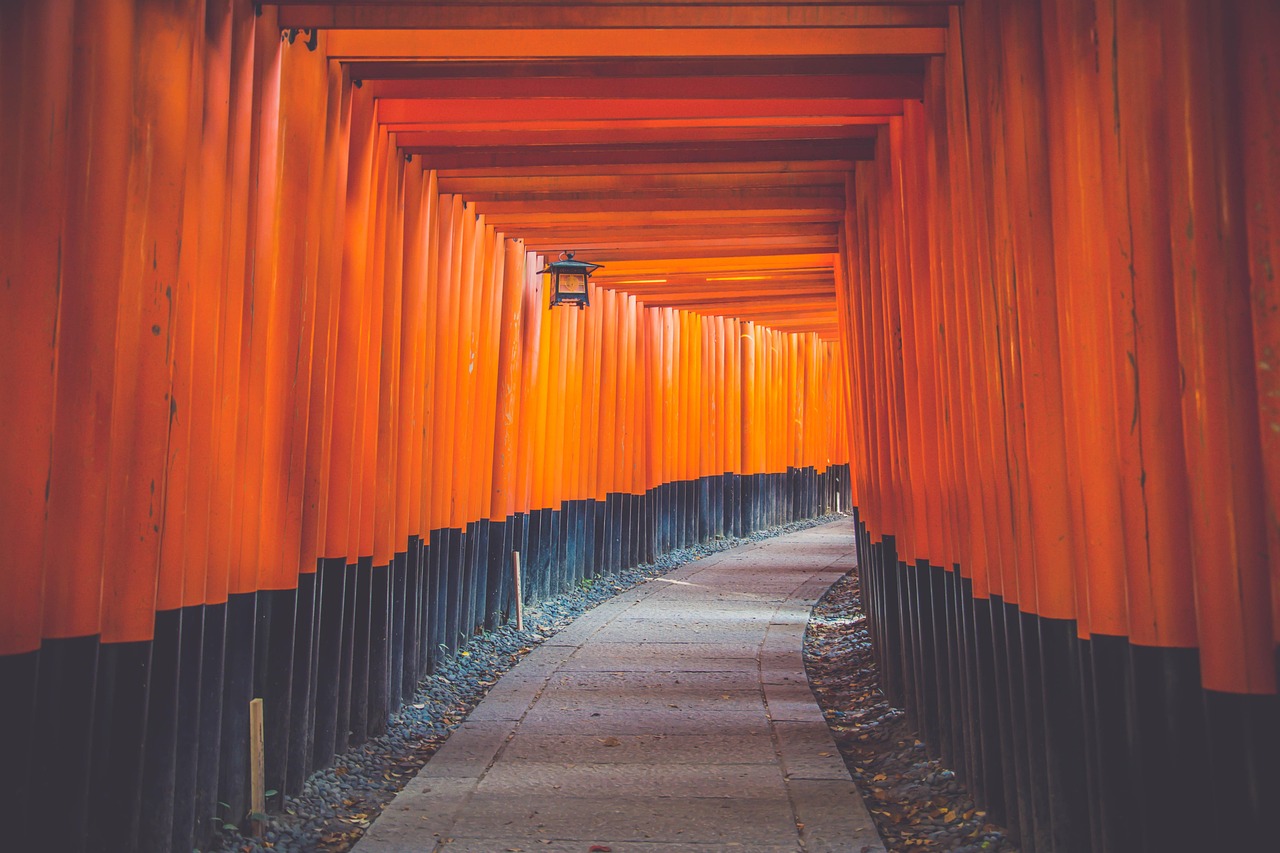
| Fushimi Inari Taisha torii gates, Kyoto | Free |
More free and cheap ideas: walk Tokyo’s neighborhoods and parks, browse food halls and markets, hike the trails above Kamakura, or spend a day wandering the old streets of Takayama and Kanazawa. Note that Himeji Castle now charges ¥2,500 to adult visitors, up from ¥1,000, and that a ¥100 visitor tax is added to the ferry fare to Miyajima.
Tax-free shopping: new rules from 1 November 2026
Visitors can shop without Japan’s consumption tax at registered tax-free stores, but the system changes this autumn, according to the Japan Tourism Agency:
- Until 31 October 2026: the tax is taken off at the till when you show your passport.
- From 1 November 2026: you pay the full price including tax, then get the tax back after customs confirms that you are taking the goods out of Japan. You must leave Japan within 90 days of purchase, show your passport and, if asked, the goods to customs at the airport or port, and do it before you check in your bags. The refund then comes from the shop or its refund agent.
- Minimum spend: ¥5,000 or more (before tax) per shop per day, unchanged. The old ¥500,000 cap on consumables such as cosmetics and food and the special sealed packaging are dropped.
Leave extra time at the airport for the customs check, and keep tax-free items in your carry-on until it is done.
The departure tax
Japan’s International Tourist Tax is ¥3,000 per person each time you leave the country, up from ¥1,000. The old ¥1,000 rate still applies if your ticket was issued on or before 30 June 2026. Children under 2 and travelers leaving within 24 hours of arrival are exempt. Airlines and cruise lines collect it, normally as part of your ticket price, so you do not pay it separately at the airport.
Money-saving tips for Japan
- Price your route before buying a JR Pass. Add up single fares for the trains you will actually take; for one Tokyo–Kyoto round trip, single tickets cost about half as much as the 7-day pass.
- Look at regional passes. A Kansai or Kansai-Hiroshima pass often beats the national pass for a western Japan trip.
- Avoid the priciest weeks. Kyoto’s hotels averaged nearly ¥31,300 a night in April 2026 against about ¥17,700 in January and July.
- Use day tickets on busy sightseeing days, and an IC card the rest of the time.
- Mix free and paid sights. Pair a paid temple with free shrines, gardens and city viewpoints.
- Plan shopping for one store. Tax-free needs ¥5,000 or more in one shop on one day, so group purchases.
- Consider smaller cities. Places such as Fukuoka, Sapporo and Nagoya are great bases outside the busiest tourist weeks.
To compare Japan with other countries, see Travel costs by country.
Plan your trip: our free trip planner can build a day-by-day plan for Japan from our guides, including Tokyo, Kyoto, Osaka, Hakone and Hiroshima. Then use the Money exchange tool to turn yen into your own currency, and the Destination weather tool to pick your dates.
Frequently asked questions
How much money do I need for a week in Japan?
Using the example days above, seven days on the ground cost roughly ¥56,000–63,000 (about $355–400) per person on a tight budget, ¥112,000–175,000 (about $710–1,110) mid-range, and from about ¥196,000–231,000 (about $1,240–1,460) in comfort, before long-distance trains, flights and shopping. Add ¥50,000 if you buy a 7-day Japan Rail Pass.
Is the Japan Rail Pass worth it?
Only if you travel far within the pass period. A 7-day pass costs ¥50,000, while a Tokyo–Kyoto Nozomi round trip costs ¥27,940 and a Tokyo–Kyoto–Hiroshima–Tokyo loop ¥45,270 with single tickets. Regional passes such as JR West’s Kansai-Hiroshima Area Pass (¥17,000 for 5 days) are often better value.
Do I need cash in Japan?
Carry some. Cards and IC cards such as Welcome Suica work widely, but some temples and shrines take cash only; Itsukushima Shrine on Miyajima, for example, does not accept credit cards. Small restaurants and rural buses may also prefer cash.
Is the departure tax included in my plane ticket?
Normally yes. Airlines collect Japan’s ¥3,000 International Tourist Tax with the fare. Tickets issued on or before 30 June 2026 keep the old ¥1,000 rate, and children under 2 are exempt.
How does tax-free shopping work in Japan now?
Until 31 October 2026 the 10% tax is removed at the till. For purchases from 1 November 2026 you pay the full price and get the tax refunded after customs checks your passport and goods at departure, within 90 days and before you check your bags. You need to spend at least ¥5,000 before tax in one shop on one day.
When is the cheapest time to visit Japan?
Hotel prices follow demand. In Kyoto’s hotel survey, average room rates in January and July 2026 were about ¥17,700, while April, at cherry blossom time, reached a record ¥31,296. Avoiding spring blossom and autumn leaf peaks is the simplest way to save on rooms.