Short answer: On the ground in Sri Lanka, plan on roughly LKR 5,000–15,000 (about $15–45) per person per day on a guesthouse-and-rice-and-curry budget, LKR 15,000–40,000 (about $45–120) in a mid-range hotel shared by two with a big temple or ancient site most days, and about LKR 31,000–58,000 ($95–175) for boutique hotels, restaurant dining and the top-priced sights. A week therefore costs roughly $105–320, $320–845 or $665–1,235 per person, before flights. For a reality check, a 2025 survey by the Sri Lanka Tourism Development Authority found that tourists spend an average of $148 per day.
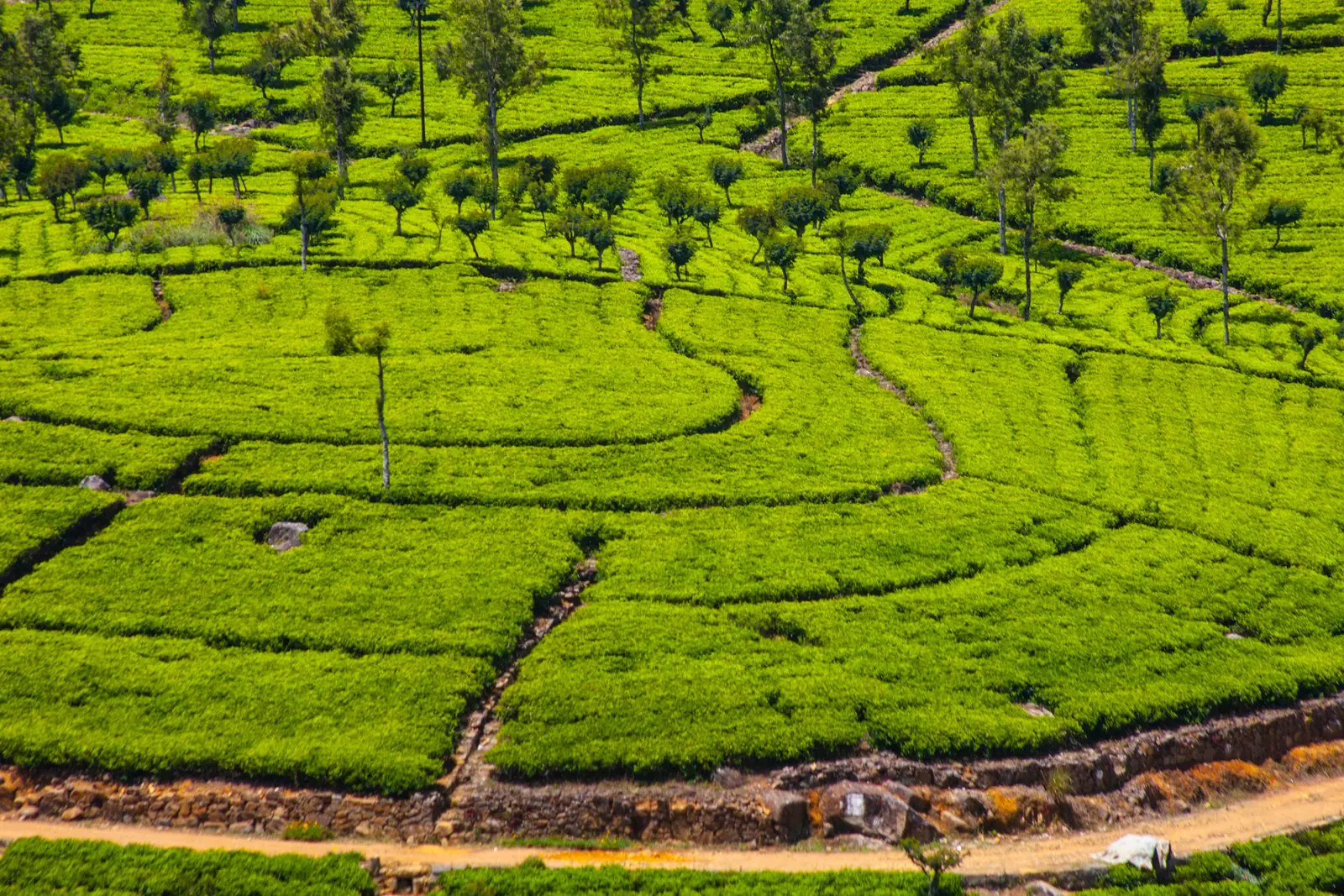
Sri Lanka gives you beaches, rainforest, tea hills, wildlife and 2,000-year-old cities on an island you can cross in a day, at prices well below most beach destinations. Rice and curry costs a couple of dollars, a scenic train ride a few more, and family-run guesthouses are friendly and good value. The bigger costs are the foreign-visitor tickets at the Cultural Triangle sites (Sigiriya alone is $35), safaris, a private driver, and boutique hotels in places like Galle Fort. This guide breaks it all down with figures from official sources where they exist, so you can build a realistic budget for your trip to Sri Lanka. The Central Bank of Sri Lanka’s rates were about LKR 330 to the US dollar in early October 2026; dollar figures here are rounded at that rate, and our Money exchange tool has today’s rate.
Sri Lanka daily costs at a glance
These example days are built from the prices further down this page: one person, one sightseeing day in the hill country or on the south coast, in places like Kandy, Ella or Galle. They leave out flights, intercity travel, a private driver and safaris.
| Per person, per day | Budget | Mid-range | Comfort |
|---|---|---|---|
| Bed | Half of a guesthouse double at LKR 6,000–15,000: LKR 3,000–7,500 | Half of a mid-range hotel double at LKR 15,000–35,000: LKR 7,500–17,500 | Half of a boutique hotel double at LKR 25,000–60,000: LKR 12,500–30,000 |
| Food | Rice and curry twice plus kottu: LKR 1,700–3,600 | Rice and curry lunch plus a mid-range dinner: LKR 3,600–7,700 | Two mid-range restaurant meals: LKR 6,000–13,000 |
| Local transport | One tuk-tuk ride or local buses: LKR 300–1,000 | Three tuk-tuk rides: LKR 900–3,000 | Three tuk-tuk rides across town: LKR 1,200–3,600 |
| Sights | Free ramparts, beaches and tea-factory visits, or the Temple of the Tooth: LKR 0–3,000 | From the Temple of the Tooth (LKR 3,000) to Sigiriya (LKR 11,690) | A major site such as Sigiriya: LKR 11,690 |
| Total | About LKR 5,000–15,000 ($15–45) | About LKR 15,000–40,000 ($45–120) | About LKR 31,000–58,000 ($95–175) |
Ticket prices are the official prices of the Central Cultural Fund and the Temple of the Sacred Tooth Relic; room, meal and tuk-tuk figures are the typical ranges used in our Sri Lanka guides. Treat them as typical ranges, not quotes.
What visitors actually spend in Sri Lanka
Sri Lanka welcomed a record 2,362,521 tourists in 2025, up 15.1% on 2024, and earned about $3.22 billion from tourism, according to the Ministry of Tourism and the Central Bank. A 12-month survey of about 10,000 departing tourists by the Sri Lanka Tourism Development Authority (SLTDA) put average spending at $148 per tourist per day, lower than the $171 the authorities had long assumed. Most visitors stay more than a week: in January to July 2024, the average stay reported for SLTDA’s figures was about 8.5 days.
On our Travel costs by country scale, which compares hotel, restaurant and transport prices with the United States (US = 100), Sri Lanka scores 24. In plain words, typical travel prices are about a quarter of US levels, on a par with India (25) and below Thailand (28), and far below the resort islands of the Maldives (49) a short flight away.
Accommodation costs
Family guesthouses and homestays are Sri Lanka’s great value, often with a home-cooked breakfast or rice-and-curry dinner on offer. As the typical ranges in our city guides:
| Double room, per night | Typical price |
|---|---|
| Guesthouse in Ella | LKR 6,000–15,000 ($18–45) |
| Guesthouse inside Galle Fort | LKR 12,000–25,000 ($36–76) |
| Mid-range hotel, around the country | LKR 15,000–35,000 ($45–105) |
| Mid-range hotel, Colombo | LKR 18,000–40,000 ($55–120) |
| Boutique hotel, Ella | LKR 25,000–60,000 ($76–180) |
| Boutique hotel inside Galle Fort | LKR 40,000–100,000 ($120–300) |
Rates follow the monsoons. December to March is peak season on the south and west coasts, busiest around Christmas and New Year, while May, June, September and October are low season there, when hotel rates drop. The east coast has the opposite pattern, with its season in the summer months. Many hotels and restaurants add a 10% service charge to the bill, so check whether a quoted price includes it.
Food and drink costs
Rice and curry, a plate of rice with several small curries, is the national lunch and the best-value meal on the island: about LKR 600–1,200 ($1.80–3.60) in a local restaurant. Kottu (chopped flatbread stir-fried with vegetables or meat) or isso wade (prawn fritters) from a street stall costs about LKR 500–1,200. A dinner in a mid-range restaurant runs about LKR 3,000–6,500 ($9–20) per person, a café meal in Ella about LKR 1,500–3,500, and a crab curry dinner in a well-known Colombo restaurant about LKR 10,000–25,000 ($30–75) per person. A bottle of Lion beer in a bar costs about LKR 900–1,500. These are the typical ranges in our guides.
Getting around: trains, tuk-tuks and drivers
| Trip | Typical price |
|---|---|
| Reserved train seat, Colombo to Kandy | LKR 1,000–3,000 ($3–9) |
| Reserved train seat, Nanu Oya to Ella | LKR 500–2,000 ($1.50–6) |
| Reserved train seat, Colombo to Galle | LKR 1,000–2,500 ($3–7.50) |
| Tuk-tuk ride across town | LKR 300–1,000 ($0.90–3) |
| PickMe or Uber car, airport to Colombo | LKR 6,000–9,000 ($18–27) |
The trains are one of the great bargains of a Sri Lankan trip. Note that the famous hill-country line was badly damaged by Cyclone Ditwah in late 2025: the most scenic Nanu Oya–Ella–Badulla section reopened on 20 June 2026, but in October 2026 trains from Colombo stopped at Peradeniya, just outside Kandy, and the Hatton–Nanu Oya section was still under repair, so many travelers go by road from Kandy to Nuwara Eliya and take the train from Nanu Oya. Many visitors also hire a car and driver for part or all of a trip, which costs more than trains and buses but saves time; agree the price, the route and what is included before you set off.
Sightseeing fees, safaris and free things to do
Foreign visitors pay dollar-based prices at the Cultural Triangle sites run by the Central Cultural Fund (tickets at the sites or through its eTicket service, valid on the day of issue only, and including 18% VAT). These are the big tickets in a Sri Lanka budget:
| Sight | Foreign adult |
|---|---|
| Sigiriya Lion Rock | $35 (LKR 11,690) |
| Polonnaruwa ancient city | $30 |
| Anuradhapura sacred city | $30 |
| Temple of the Sacred Tooth Relic, Kandy (with its museums) | LKR 3,000 ($9) |
| Galle National Museum | $6 (LKR 2,004) |
| Shipwreck diving tours, Galle (Central Cultural Fund) | $48–89 |
National park safaris are the other big extra. At Yala, a half-day jeep safari including park fees typically costs about LKR 30,000–50,000 ($90–150) per jeep, shared by the group; the park’s foreign-adult entry fee, plus vehicle and service charges and VAT, was reported to total about $40–50. Whale-watching boats leave from Mirissa, where the Sri Lanka Navy’s south-coast whale-watching season runs from November to April. In the hills, Horton Plains National Park near Nuwara Eliya, with its World’s End viewpoint, charges a foreign-visitor fee that our guide estimates at about $40–50 with charges; and in Colombo, the Lotus Tower observation deck costs foreign visitors about $20. Smaller Central Cultural Fund sites are cheap: the Sigiriya museum and the forest monastery at Ritigala cost $6 each.
Plenty of the best of Sri Lanka is free or almost free: a sunset walk on the ramparts of Galle Fort, the beaches of the south coast, watching a train cross the Nine Arches Bridge near Ella (a tuk-tuk there costs about LKR 600–1,000), tea-factory tours in the hills (free to about LKR 1,000), and an evening on Colombo’s Galle Face Green.
The ETA: free for many visitors
Every foreign visitor needs an Electronic Travel Authorization (ETA) before arrival, applied for through the Department of Immigration and Emigration’s official site. Since 25 May 2026, the 30-day tourist ETA has been free for citizens of 40 countries, including the United States, the United Kingdom, Canada, Australia, New Zealand, Germany, France and Japan. For other nationalities, it costs $50 online or $60 on arrival ($20 and $25 for SAARC countries), and children under 12 are free for stays of up to 30 days.
Tipping and paying
Beyond the 10% service charge that many hotels and restaurants add, tipping is customary for drivers, guides, safari jeep drivers and trackers, and small change is welcome for porters and temple shoe-keepers. Our tip calculator does the math. Visa and Mastercard are accepted in hotels, larger restaurants and shops, and ATMs are common in towns, though not all accept foreign cards; carry cash for tuk-tuks, small guesthouses, temple donations and park gates.
Money-saving tips for Sri Lanka
- Travel in the shoulder months. May, June, September and October are low season on the south and west coasts, with lower hotel rates; see the best time to visit Sri Lanka.
- Choose your Cultural Triangle sites. Sigiriya ($35), Polonnaruwa ($30) and Anuradhapura ($30) add up to $95; pick the ones that matter most to you.
- Take the train where the line is running. A reserved seat costs a few dollars.
- Stay in guesthouses and eat rice and curry at lunch; both are excellent value.
- Share safari jeeps. Jeeps are priced per vehicle, so the per-person cost falls when you fill the seats.
- Use PickMe or Uber in Colombo and agree tuk-tuk fares before you set off elsewhere.
For a route around the island, see our Sri Lanka itinerary, and for inspiration, our top places to visit in Sri Lanka.
Plan your trip: our free trip planner can build a day-by-day plan for Sri Lanka from our guides, including Sigiriya, Kandy, Nuwara Eliya, Ella, Mirissa and Galle. Then use the Money exchange tool to turn rupees into your own currency, and the Destination weather tool to check the monsoons for your dates.
Frequently asked questions
How much money do I need for a week in Sri Lanka?
Using the example days above, seven days on the ground cost roughly LKR 35,000–106,000 (about $105–320) per person on a tight budget, LKR 105,000–280,000 (about $320–845) mid-range, and LKR 220,000–408,000 (about $665–1,235) in comfort, before flights, a private driver and safaris. The SLTDA’s survey average of $148 a day works out at about $1,036 for a week.
Is Sri Lanka expensive?
No. On our travel cost scale Sri Lanka scores 24 against 100 for the US, and food, trains and guesthouses are cheap. The main expenses are the dollar-priced Cultural Triangle tickets ($30–35 each), safaris and boutique hotels.
How much does it cost to climb Sigiriya?
The Central Cultural Fund’s foreign-adult ticket is $35 (LKR 11,690), including VAT, bought at the site or online and valid only on the day of issue.
Do I need cash in Sri Lanka?
Yes. Cards work in hotels, larger restaurants and shops, but tuk-tuks, small guesthouses, street food, temple donations and park gates need cash, and not every ATM accepts foreign cards.
Do I have to pay for the Sri Lanka ETA?
Not if you are a citizen of one of the 40 countries on the free list, which includes the US, the UK, Canada and Australia, since 25 May 2026; you still have to apply before you travel. Other nationalities pay $50 online.
What is the cheapest time to visit Sri Lanka?
For the south and west coasts, May, June, September and October, when it is low season and hotel rates drop. Christmas and New Year are the busiest weeks of the year.