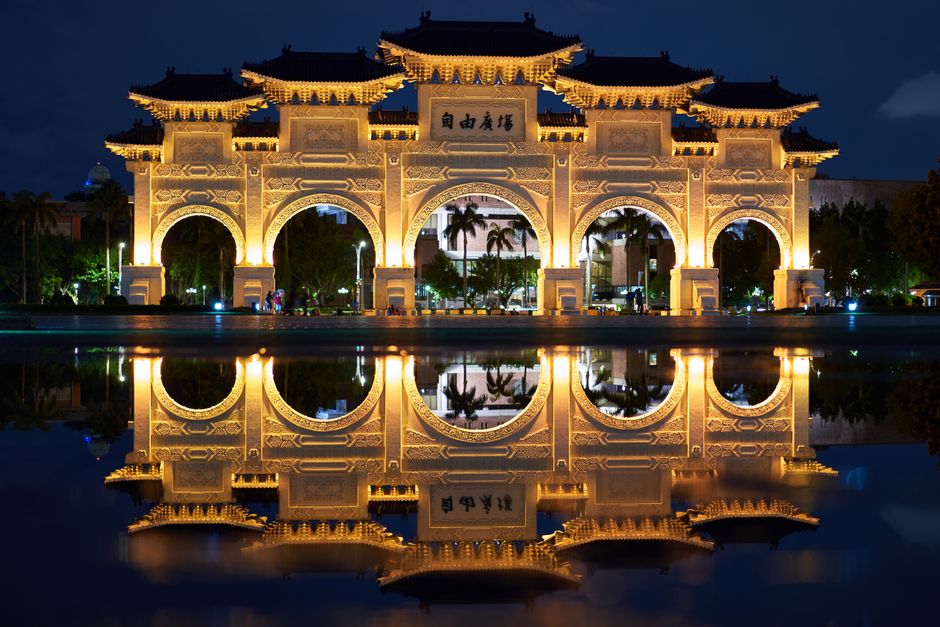
Taiwan is a mountainous, subtropical island about 180 km (110 miles) off the southeast coast of mainland Asia, roughly the size of Maryland and Delaware combined, with a steep spine of peaks running down its middle and almost all of its cities on the flat western plain. For travelers it packs an extraordinary amount into a small space: Taipei, a friendly, safe capital of night markets, temples, museums and hot springs; the marble walls of Taroko Gorge on the east coast; the misty cypress forests and mountain railway of Alishan; the blue water of Sun Moon Lake; the old capital of Tainan, famous for its temples and food; the port city of Kaohsiung; and the tropical beaches of Kenting at the southern tip. A high-speed railway runs the length of the west coast, so Taipei to Kaohsiung takes well under two hours, and public transportation, convenience stores and contactless cards make independent travel easy even without Mandarin. A few things are worth planning ahead: Taiwan’s own visa-exemption rules and its online arrival card, the summer typhoon season, trail closures in Taroko that date from the 2024 earthquake, and train and railway tickets that sell out on holiday weekends.
Right now in Taiwan
- Wed 22–26°C 71–78°F Partly cloudy
- Thu 21–27°C 70–81°F 1 mm Partly cloudy
- Fri 22–28°C 72–82°F 2 mm Cloudy
Weather: MET Norway (CC BY 4.0) · Air quality: OpenAQ
Multi-day tours of Taiwan
Multi-day tours from local operators. You check dates and book on Viator, our partner; we may earn a commission at no extra cost to you. How we earn money
Taiwan at a glance
Taiwan covers about 36,000 km² (14,000 sq miles), including the Penghu islands in the Taiwan Strait and smaller islands such as Green Island, Orchid Island, Kinmen and Matsu. It is home to about 23 million people, most of them in the cities of the west coast: Taipei and New Taipei in the north, Taoyuan, Taichung, Tainan and Kaohsiung. More than two-thirds of the main island is mountainous or hilly, and the Central Mountain Range rises to Yushan (Jade Mountain), at 3,952 m (12,966 ft) the highest peak in Northeast Asia. The Tropic of Cancer crosses the island near Chiayi, so the north is subtropical and the south tropical.
The main language is Mandarin Chinese, written in traditional characters; Taiwanese Hokkien is widely spoken, especially in the south, along with Hakka and the languages of Taiwan’s 16 officially recognized Indigenous peoples. English is common on signs, in the metro and at stations, hotels and tourist sights, and younger people often speak some; outside the cities, a translation app helps. Taiwan uses National Standard Time (UTC+8) all year, with no daylight saving time. Electricity is 110 V, 60 Hz, with the same flat two-pin sockets as the United States and Canada. The currency is the New Taiwan dollar (NT$, TWD). Traffic drives on the right.
Taiwan’s regions
- Northern Taiwan: Taipei and New Taipei, with Beitou’s hot springs, Yangmingshan’s volcanic hills, the old mining towns of Jiufen and Jinguashi, the sky lanterns of Pingxi, the port of Keelung and the rocky northeast coast.
- Central Taiwan: Taichung, a relaxed big city with good museums, plus Sun Moon Lake, Lugang’s old temples and the high mountains of Hehuanshan and Alishan.
- Southern Taiwan: Tainan, the oldest city; Chiayi, the gateway to Alishan; Kaohsiung, the big southern port; and the Hengchun Peninsula with Kenting National Park.
- Eastern Taiwan: Yilan, Hualien and Taitung, a long, lightly populated coast of cliffs, rice fields and hot springs, with Taroko Gorge, the East Rift Valley and Indigenous communities.
- The outlying islands: Penghu’s basalt islets and summer fireworks, Green Island’s coral and saltwater hot spring, Orchid Island’s Tao culture, and Kinmen and Matsu close to the mainland coast.
Regions
Where to go: Taipei, the high-speed west and the wild east
A first trip of 10 days to two weeks usually starts in Taipei, takes the high-speed rail south to Tainan and Kaohsiung, with side trips to Sun Moon Lake and Alishan, and returns up the east coast through Hualien and Taroko by train. See our guides to each of these places:
- Taipei: the capital, with Taipei 101, the National Palace Museum’s treasures, temples such as Longshan, night markets on every corner, the Beitou hot springs and easy day trips to Jiufen and the north coast.
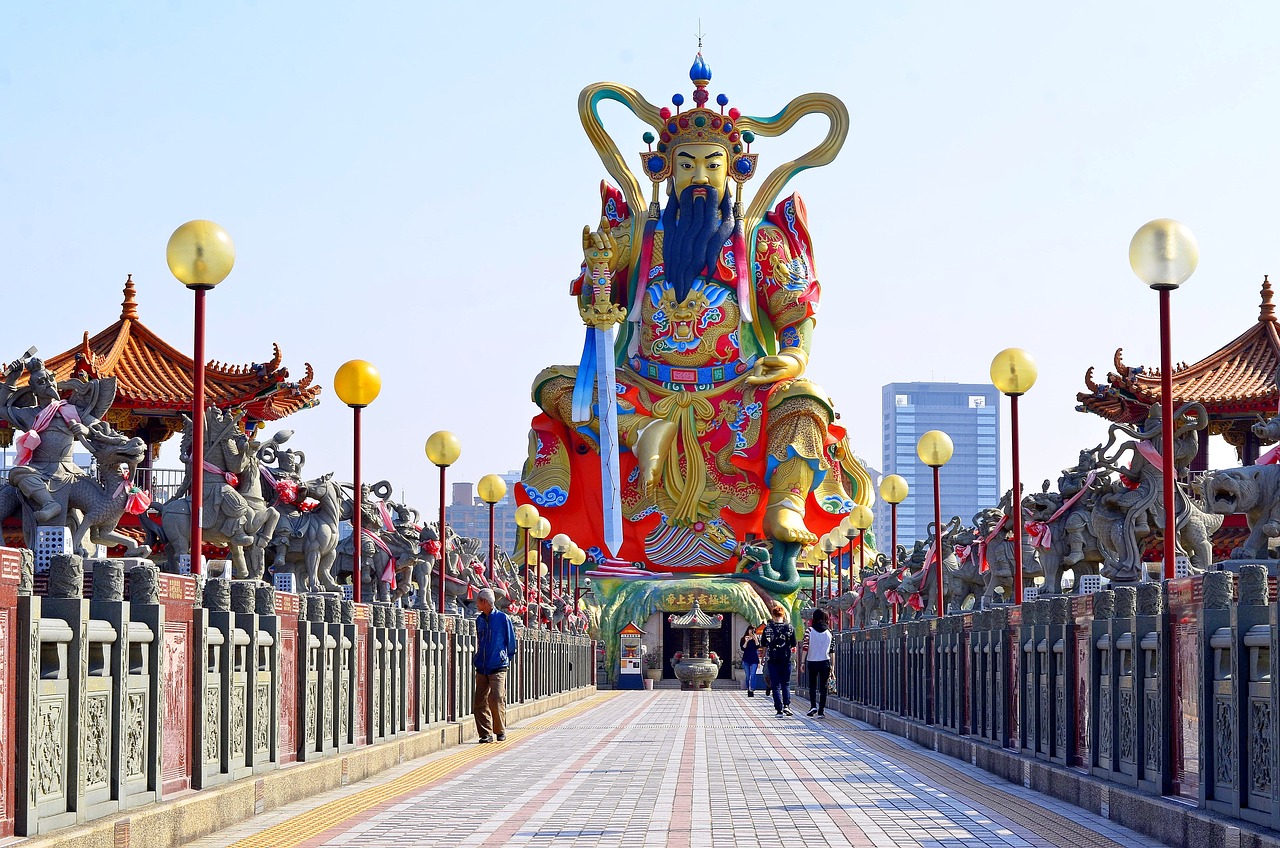
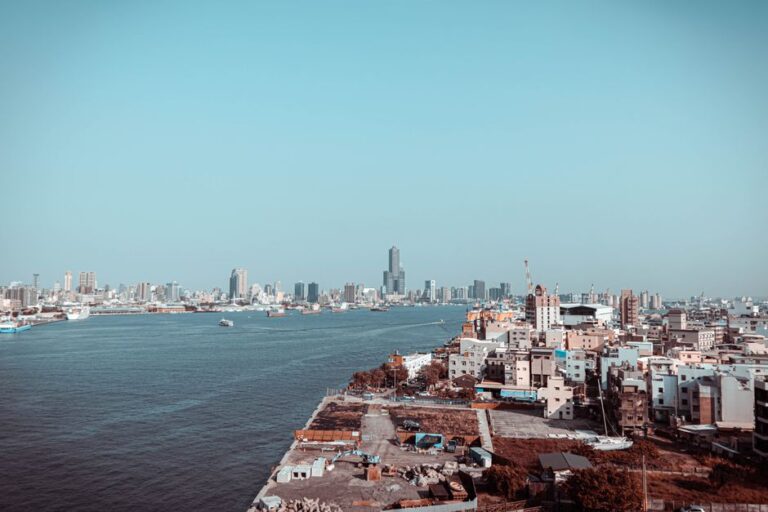
- Kaohsiung: Taiwan’s big southern port, with the Pier-2 Art Center, the Lotus Pond’s pagodas, Cijin Island’s beach and seafood, a light rail around the harbor and the Buddha Museum outside the city.
- Tainan: the old capital and Taiwan’s food capital, with Dutch-era forts, hundreds of temples, the Anping old town and the snack stalls and night markets that define Taiwanese street food.
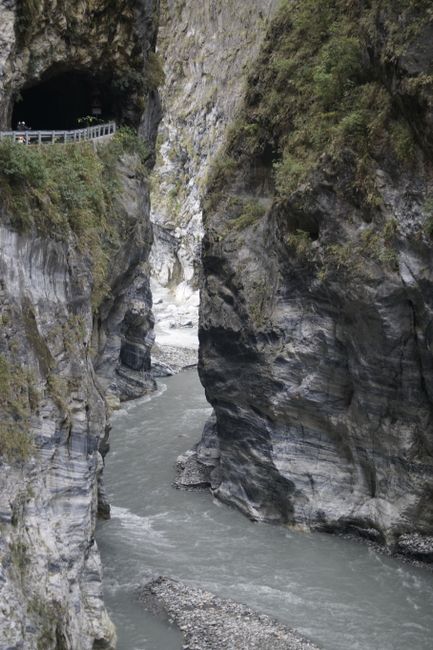
- Taroko National Park: a marble gorge carved by the Liwu River near Hualien; the park was badly damaged by the April 2024 earthquake, and many trails are still being rebuilt.
- Sun Moon Lake: Taiwan’s largest lake, in the green hills of Nantou, with a cycle path, boat crossings between the piers, a ropeway, temples and the culture of the Thao people.
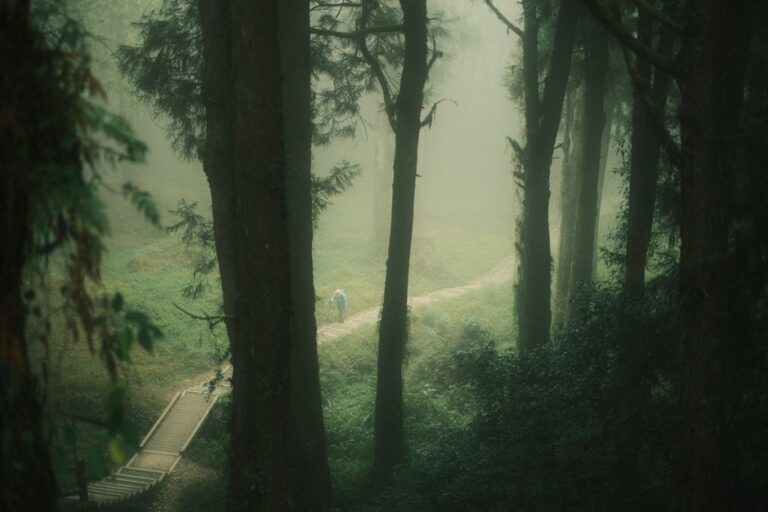
- Alishan: a mountain area of giant red cypress trees, tea plantations and sunrise over a sea of clouds, reached by the historic Alishan Forest Railway from Chiayi.
- Kenting National Park: Taiwan’s tropical south, with beaches, coral coasts, the Eluanbi lighthouse, forest trails and a lively night market on Kenting Street.
Other favorites include Jiufen and Pingxi near Taipei, Taichung’s Rainbow Village and museums, Lugang, the hot springs of Jiaoxi in Yilan, Hehuanshan’s high road, the East Rift Valley and Taitung’s coast, Penghu and Green Island.
Alishan Travel Guide
Plan a trip to Alishan: Alishan Forest Railway status, timetable, fares and online booking, the Zhushan sunrise train, the Giant Trees Trail, Sister Ponds…
Kaohsiung Travel Guide
Plan a trip to Kaohsiung: Pier-2, the Love River, Zuoying and Hamasen and where to stay, the Pier-2 Art Center, Lotus Pond's Dragon and…
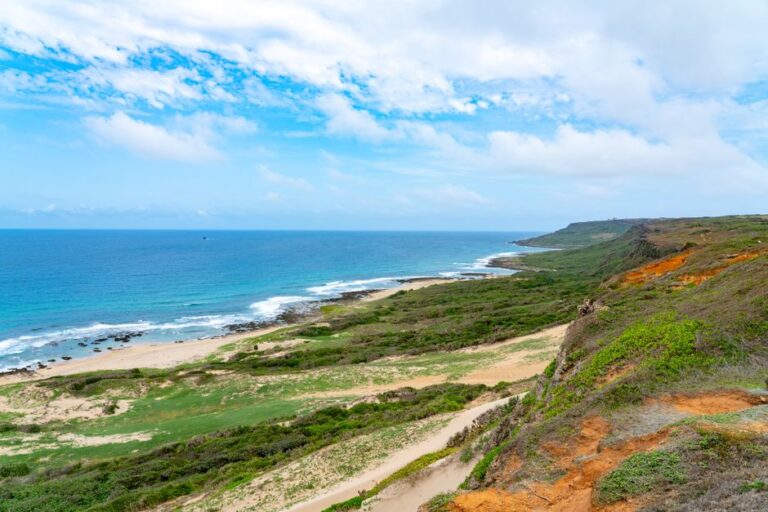
Kenting National Park Travel Guide
Plan a trip to Kenting National Park: Kenting town, Nanwan, Hengchun and Baisha and where to stay, the Eluanbi Lighthouse, Longpan Park, Sheding Nature…
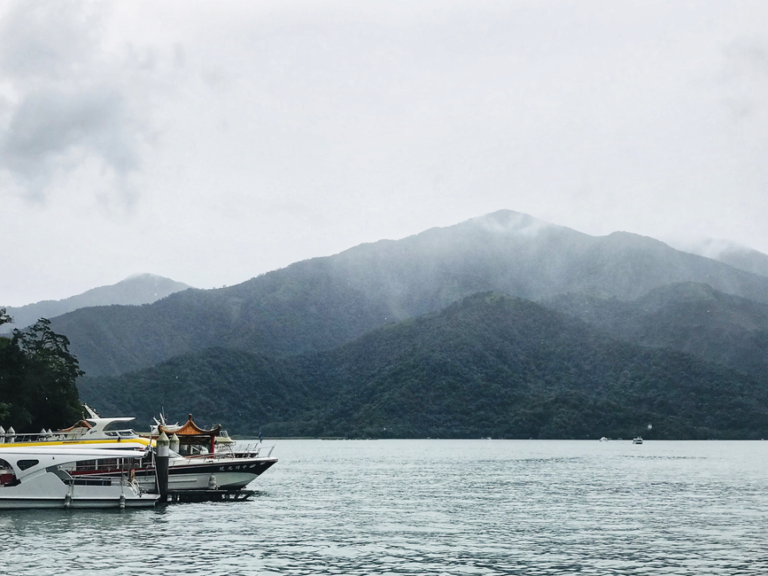
Sun Moon Lake Travel Guide
Plan a trip to Sun Moon Lake: Shuishe and Ita Thau and where to stay, the ferries between the three piers, the Sun Moon…
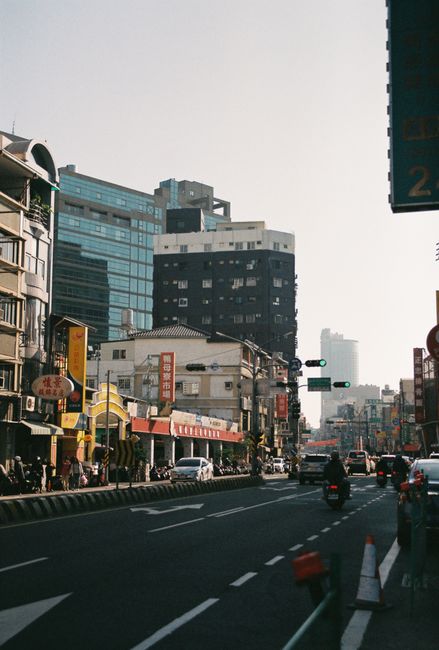
Tainan Travel Guide
Plan a trip to Tainan: West Central, Anping and the Confucius Temple area and where to stay, Fort Zeelandia, the Anping Tree House, Chihkan…
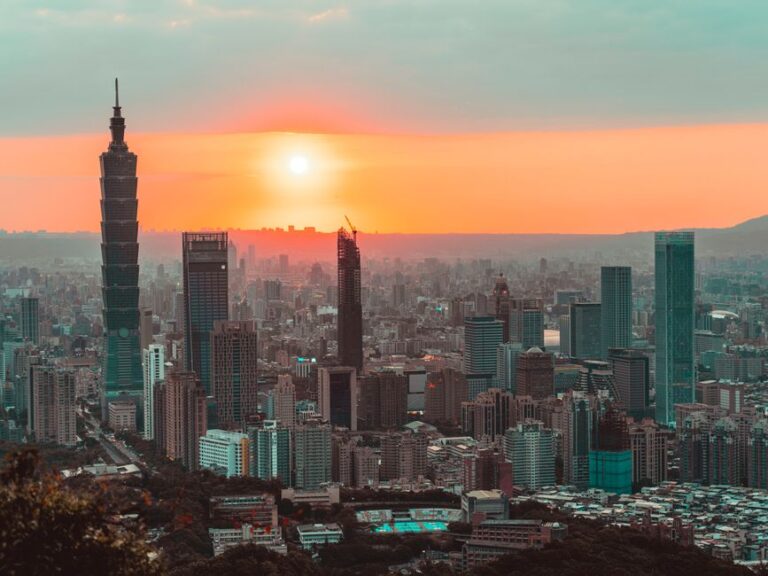
Taipei Travel Guide
Plan a trip to Taipei: Zhongzheng, Ximending, Da'an, Xinyi, Dadaocheng and Beitou and where to stay, Taipei 101, the National Palace Museum, Longshan Temple,…
Taroko National Park Travel Guide
Plan a visit to Taroko National Park: what has reopened since the April 2024 earthquake, closed trails and repair timelines, Highway 8 release times…
Best time to visit Taiwan
Taiwan is warm for most of the year, but the climate changes a lot from north to south and with altitude. The north, including Taipei, is mild and often gray and drizzly in winter, when the northeast monsoon brings cool, damp air, and hot and humid in summer, with afternoon thunderstorms and the risk of typhoons. The south, from Tainan to Kenting, is sunny and dry from November to April and wet from May to September. The east coast around Hualien gets rain in most months and its heaviest rain in the fall. In the mountains, it is much cooler: Alishan’s average winter lows are only a few degrees above freezing.
In general, October to early December and March to May are the most comfortable months for a trip around the island. Summer, from June to September, is hot and humid, with the “plum rain” season in May and June and typhoons mainly from July to October, but it is also the season for beaches, festivals and high-mountain hiking. Winter is a good time for the south and for hot springs.
The table shows the 1991–2020 normals of Taiwan’s Central Weather Administration (CWA) for one station in each main travel area. Rain days count days with at least 0.1 mm of rain.
| Area (CWA station) | January high / low | July high / low | Rain a year | Wettest months |
|---|---|---|---|---|
| Taipei | 19 °C (67 °F) / 14 °C (58 °F) | 35 °C (95 °F) / 27 °C (80 °F) | about 2,330 mm (92 in) | June, August and September |
| Tainan | 23 °C (73 °F) / 15 °C (58 °F) | 33 °C (91 °F) / 27 °C (80 °F) | about 1,760 mm (69 in) | June to August |
| Kaohsiung | 24 °C (76 °F) / 16 °C (61 °F) | 33 °C (91 °F) / 27 °C (80 °F) | about 1,970 mm (77 in) | June to August |
| Hualien (for Taroko) | 21 °C (71 °F) / 16 °C (60 °F) | 32 °C (90 °F) / 26 °C (78 °F) | about 2,030 mm (80 in) | September and October |
| Sun Moon Lake | 19 °C (67 °F) / 11 °C (52 °F) | 28 °C (83 °F) / 20 °C (68 °F) | about 2,340 mm (92 in) | May to August |
| Alishan | 11 °C (52 °F) / 3 °C (38 °F) | 19 °C (67 °F) / 12 °C (53 °F) | about 3,940 mm (155 in) | May to August |
| Hengchun (for Kenting) | 24 °C (76 °F) / 19 °C (65 °F) | 32 °C (90 °F) / 26 °C (79 °F) | about 2,050 mm (81 in) | June to September |
Taiwan month by month
| Month | Weather | Highlights | Crowds and prices |
|---|---|---|---|
| January | Coolest month; damp and gray in the north, sunny in the south | Hot springs; plum blossoms in the hills | Busy before Lunar New Year |
| February | Cool; first cherry blossoms in the mountains | Lunar New Year, usually in late January or February; Lantern Festival two weeks later, with sky lanterns in Pingxi | Very busy around the holiday; many shops close for a few days |
| March | Mild and changeable | Cherry blossoms at Alishan and around Sun Moon Lake | Moderate; weekends busy |
| April | Warm; spring showers | Alishan’s cherry blossoms; Tomb Sweeping Day holiday; spring music festivals in Kenting | Busy on long weekends |
| May | Warm and humid; plum rains begin | Fireflies in the mountain forests; Mazu pilgrimages | Moderate |
| June | Hot; plum rains, heavy downpours | Dragon Boat Festival races | Moderate |
| July | Hot and humid; typhoon season | Beaches, island trips and high-mountain hikes | Summer holidays; busy |
| August | Hottest and wettest in the south; typhoons | Ghost Month festivals; Penghu fireworks | Busy |
| September | Hot; typhoons still possible | Moon Festival (Mid-Autumn) barbecues | Moderate |
| October | Warm, drier in the west and south | National Day holiday on October 10; good hiking weather | Moderate; busy long weekend |
| November | Pleasant; cooler in the north | Fall colors in the high mountains; cycling events | Moderate |
| December | Cool in the north, sunny in the south | Christmas lights in Taipei; New Year’s Eve fireworks at Taipei 101 | Busy around New Year |
Typhoons, plum rains and the northeast monsoon
Taiwan lies on the main track of western Pacific typhoons, which affect the island mostly from July to October. When one approaches, the CWA issues sea and land typhoon warnings, flights and ferries are canceled, mountain roads close, and local governments may announce a “typhoon day” off work and school. Allow flexibility in a summer itinerary and follow the CWA’s warnings and the local news. The plum rains (meiyu), a stalled front that brings days of heavy rain, usually come in May and June. In winter, the northeast monsoon keeps Taipei, Keelung and Yilan cool and wet, while the south stays dry and bright.
Festivals and holidays
- Lunar New Year: the biggest holiday, usually in late January or February, with family reunions, temple visits and red decorations. Transportation sells out days ahead, and many small restaurants close for several days.
- Lantern Festival: on the 15th day of the lunar year, with the Taiwan Lantern Festival in a different city each year, sky lanterns in Pingxi and fireworks in Yanshui, near Tainan.
- Mazu pilgrimages: processions for the sea goddess, mainly in spring, when tens of thousands of pilgrims walk between temples in central Taiwan.
- Dragon Boat Festival: boat races on rivers and harbors in June.
- Ghost Month: the seventh lunar month, usually August, with offerings and temple ceremonies.
- Mid-Autumn Festival: mooncakes and outdoor barbecues, usually in September.
- National Day: October 10, with fireworks and a long weekend.
How long to stay: sample itineraries
- 5 days: Taipei (3 nights) with day trips to Jiufen and Beitou, then the high-speed rail to Tainan (2 nights).
- 7 days: Taipei (3), Sun Moon Lake (1) via the high-speed rail to Taichung, Tainan (2) and Kaohsiung (1), flying home from Kaohsiung or riding the train back north.
- 10 days: Taipei (3), Sun Moon Lake (1), Alishan (1) via Chiayi, Tainan (2), Kaohsiung (1) and Kenting (2).
- Two weeks: the 10-day loop plus the east: the train from Kaohsiung or Taitung up the coast to Hualien (2) for Taroko Gorge and the Qingshui Cliffs, then back to Taipei.
Entry, money and costs
Visa-free entry and visas (last reviewed October 2026)
Taiwan sets its own entry rules, published by the Bureau of Consular Affairs of its foreign ministry. Citizens of the United States, Canada, the United Kingdom (British citizens), Ireland, Australia, New Zealand, Japan, South Korea and almost all European countries, among others, can visit visa-free for up to 90 days. Citizens of Malaysia and Singapore get up to 30 days, and citizens of Thailand, Brunei and the Philippines up to 14 days under a trial program that runs until July 31, 2027. The stay starts the day after arrival and cannot be extended, except that Canadian and UK passport holders can apply to extend to up to 180 days.
You need a passport valid for at least six months from the date of entry (US and Japanese citizens only need one valid for the length of the stay), a confirmed return or onward ticket and, for Thai, Bruneian and Philippine visitors, proof of accommodation and funds. Visa-free entry is for tourism, visiting friends, business meetings and similar purposes; work, study and other activities need the right permits. Citizens of other countries should check the Bureau of Consular Affairs website for eVisas, landing visas and visitor visas.
The Taiwan Arrival Card (TWAC)
Since October 1, 2025, Taiwan has used only an online arrival card, the Taiwan Arrival Card (TWAC), on the National Immigration Agency’s official website, twac.immigration.gov.tw. It is free and mandatory for foreign visitors entering visa-free or with a visitor visa. Submit it within seven days before your arrival (including the day of arrival); you can upload a photo of your passport to fill in the details, and one person can submit cards for a family or group. There is nothing to print: when the officer scans your passport, the system finds your card. Each card covers one entry, so fill in a new one for every trip. Use only the official website; the immigration agency warns that look-alike sites charge fees.
Customs
Taiwan has strict rules on meat, fruit and plant products: travelers caught bringing in pork products, including sandwiches and instant noodles with meat, face heavy fines because of African swine fever controls. Declare cash above the customs limit, and check the customs agency’s allowances for alcohol and tobacco before you fly. Drugs carry severe penalties.
Money and cards
The currency is the New Taiwan dollar (NT$). In early October 2026, the central bank’s closing rate was about NT$31.8 to the US dollar. Credit cards are accepted in hotels, department stores, chain restaurants and on high-speed rail tickets, but cash is still king at night markets, small restaurants, temples and in the countryside. ATMs in convenience stores (7-Eleven, FamilyMart and others) work with foreign cards and are open around the clock; banks and the airport change major currencies.
The EasyCard (Youyouka) is the stored-value card everyone uses. Buy one at a metro station or convenience store and top it up with cash: it pays for the metro, buses, many local trains, YouBike shared bicycles, ferries, taxis that display the logo, and purchases in convenience stores, supermarkets and many attractions. The rival iPASS card, from Kaohsiung, works on the same transportation systems. Many travelers simply keep a card topped up with a few hundred dollars.
Tipping
Tipping is not expected. Mid-range and upscale restaurants and hotels add a 10% service charge, and taxi drivers don’t expect more than rounding up. Tip tour guides and drivers on private tours if you were happy with the service.
What a trip costs
Prices are approximate, for October 2026, converted at about NT$31.8 to the US dollar.
| Item | Typical cost |
|---|---|
| High-speed rail, Taipei to Zuoying (Kaohsiung), standard reserved seat | NT$1,490 (about US$47) |
| High-speed rail, Taipei to Taichung, standard reserved seat | NT$700 (about US$22) |
| Alishan Forest Railway, Chiayi to Alishan, full fare | NT$600 (about US$19) |
| Sun Moon Lake Ropeway, round trip | NT$420 (about US$13) |
| Taipei Metro ride | NT$20–65 (about US$0.60–2) |
| Bowl of beef noodle soup | NT$150–300 (about US$4.70–9.40) |
| Night market snack or bubble tea | NT$50–120 (about US$1.60–3.80) |
| Dinner in a mid-range restaurant, per person | NT$400–900 (about US$13–28) |
| Hostel dorm bed, per night | NT$600–1,000 (about US$19–31) |
| Mid-range hotel double in Taipei, per night | NT$3,000–5,500 (about US$94–175) |
A comfortable mid-range trip costs roughly NT$4,000–6,000 (about US$125–190) per person per day, including a shared double room, meals, local transportation and some sights; budget travelers in hostels eating at night markets can manage on about NT$2,000 (about US$63). The high-speed rail and private drivers in the mountains add most to a budget.
Getting there and getting around
Airports and arrival
Most international flights land at Taiwan Taoyuan International Airport (TPE), about 40 km (25 miles) west of Taipei. The Taoyuan Airport MRT runs from both terminals to Taipei Main Station in about 35–40 minutes on express trains, and buses go to central Taipei and other cities; the high-speed rail’s Taoyuan station is a short ride away on the airport MRT. Taipei Songshan Airport (TSA), inside the city on the metro, has flights to Tokyo Haneda, Seoul Gimpo and Shanghai, plus domestic flights to the east coast and islands. Kaohsiung International Airport (KHH), on the Kaohsiung MRT, has flights to Japan, Korea, Hong Kong, Macau and Southeast Asia, and Taichung has some regional flights. Taiwan is about 1.5 hours by air from Hong Kong and about 3–4 hours from Tokyo and Seoul; see our Hong Kong, Japan and South Korea guides if you are combining destinations.
Taiwan High Speed Rail (THSR)
The high-speed rail runs about 350 km (220 miles) down the west coast from Nangang and Taipei to Zuoying in Kaohsiung, with stations including Banqiao, Taoyuan, Hsinchu, Taichung, Chiayi and Tainan. The fastest trains reach Zuoying from Taipei in about 1 hour 35 minutes. Tickets for reserved seats can be booked online or in the T Express app up to four weeks ahead (with early-bird discounts on selected trains), at stations or in convenience stores; non-reserved cars are cheaper and available on the day. Many high-speed stations are outside the city centers (Taichung, Chiayi and Tainan especially), linked by local trains, metro or shuttle buses. THSR also sells a THSR Pass for foreign visitors, with three consecutive days or two flexible days of unlimited travel.
Taiwan Railway (TRA)
The conventional railway, run by the state-owned Taiwan Railway Corporation, circles the whole island. Express trains such as the Tze-Chiang, Puyuma and Taroko link Taipei with Hualien in about 2–2.5 hours along the east coast, the only practical rail route to Taroko and the east, and continue to Taitung and around the south to Kaohsiung. Local trains stop everywhere and accept EasyCards. Seats on east-coast express trains sell out on weekends and holidays: book on the railway’s website or app as soon as booking opens, usually 28 days ahead.
Metro systems, buses and bikes
Taipei and New Taipei have an extensive, spotless metro (MRT); Kaohsiung has two MRT lines and a circular light rail; Taichung has a metro line and a dense bus network. City buses everywhere accept EasyCards. The Taiwan Tourist Shuttle buses, promoted by the Tourism Administration, link high-speed and railway stations with sights such as Sun Moon Lake, Alishan and Kenting, and YouBike shared bicycles are available in most cities. Long-distance buses are cheaper than trains and run through the night between the big cities.
Taxis, ride-hailing and driving
Taxis are yellow, metered and inexpensive; Uber operates in the larger cities. You can drive in Taiwan with an International Driving Permit for a short stay; mountain roads are narrow and winding, and some, such as the Central Cross-Island Highway through Taroko, have time restrictions. Scooters are everywhere, but traffic is dense and rules are strictly enforced; you need a valid motorcycle license with an international permit to rent one legally.
National parks, mountains and scenic areas
Taiwan has nine national parks, managed by the National Park Service, plus national scenic areas and forest recreation areas run by other agencies. Most are free to enter, but some trails need permits, and parking, ropeways and some forest areas charge fees.
- Taroko National Park: the magnitude 7.2 earthquake of April 3, 2024 caused landslides throughout the gorge. The visitor center, the Taroko Terrace, the Tianxiang recreation area and several trails have reopened in stages since late 2024, but the most famous trails, including Shakadang, Swallow Grotto and Baiyang, remained closed in 2026, with repairs planned to take several more years, and the Changchun Shrine was not expected to reopen before 2029. Provincial Highway 8 through the gorge was open in 2026 only at set release times, with a night closure. See our Taroko guide for details.
- Alishan National Scenic Area: the Alishan Forest Railway’s main line from Chiayi was in normal operation in October 2026, with one through train a day in each direction, plus the sunrise train to Zhushan. See our Alishan guide.
- Sun Moon Lake National Scenic Area: ferries link the three main piers from 9 a.m. to 5 p.m., and the ropeway to the Formosan Aboriginal Culture Village closes for maintenance on the first Wednesday of most months. See our Sun Moon Lake guide.
- Kenting National Park: beaches, coral coasts and forest trails at the southern tip; most of the park is free to visit. See our Kenting guide.
- Yangmingshan and Yushan: Yangmingshan, on Taipei’s doorstep, has volcanic vents, hot springs and spring flowers; Yushan’s main peak trail needs a national park entry permit and a mountain hut booking, applied for well in advance.
Culture, food and everyday etiquette
Food and night markets
Taiwan is one of Asia’s great food destinations, and eating is a major reason to come. Try beef noodle soup, xiaolongbao (soup dumplings), lu rou fan (braised pork over rice), gua bao (pork belly buns), oyster omelets, stinky tofu (better than it sounds), scallion pancakes, salt-and-pepper fried chicken, and shaved ice piled with mango in summer. Bubble tea was invented here, and Taiwan’s oolong teas from Alishan and other mountain areas are superb. Every city has night markets, from Taipei’s Shilin, Raohe and Ningxia to Tainan’s Garden Night Market and Kaohsiung’s Ruifeng. Vegetarian restaurants are common, thanks to Buddhist traditions. Breakfast shops serve soy milk, egg crepes and fried dough sticks. Tap water is treated, but most locals boil it or drink filtered water; refill stations are common.
Temples and etiquette
Folk temples, honoring gods such as Mazu, Guanyin and the City God, are busy, colorful and open to visitors: enter by the right-hand door and leave by the left, don’t step on the raised threshold, and don’t photograph worshippers up close. Taiwanese are polite and orderly: stand on the right on escalators, queue for the metro, don’t eat or drink inside metro stations and trains (it is fined), keep your voice down on public transportation, and leave priority seats free. Sort your trash; public bins are rare, and garbage trucks play music when they collect.
Hot springs
Taiwan’s volcanic and mountain geology gives it more than 100 hot-spring areas, a bathing culture shaped by the Japanese era. Beitou and Yangmingshan in Taipei, Jiaoxi in Yilan, Guanziling’s rare mud springs near Tainan, Sichongxi near Kenting, Ruisui and Zhiben in the east, and the saltwater spring on Green Island are the best known. Public pools usually require swimwear and a cap; private rooms and hotel baths allow bathing without. Shower before entering, tie up long hair, and limit soaks to 15 minutes at a time, especially in the hottest pools. Winter, from December to February, is the peak season.
Indigenous Taiwan
Taiwan’s Indigenous peoples, Austronesian peoples whose languages are related to those of the Philippines, Indonesia and the Pacific, make up about 2.5% of the population. The Amis, Atayal, Paiwan, Bunun, Truku, Tsou and Thao, among others, have their own languages, crafts, music and festivals, such as the Amis harvest festivals in July and August along the east coast. Many communities welcome visitors through tours, homestays and cultural centers; ask before photographing people and ceremonies.
Safety, health, accessibility and connectivity
Taiwan is one of the safest places in Asia to travel, with low crime and helpful people. The main risks come from nature, the mountains and traffic.
- Typhoons: mainly from July to October. Follow CWA warnings, avoid the coast and mountains during a storm, and expect canceled flights, ferries and trains.
- Earthquakes: Taiwan is very seismically active, and small earthquakes are felt often. Buildings are designed for them; during a strong quake, drop, cover and hold on, and stay away from cliffs, gorges and steep slopes, where rockfalls are common afterward. Mobile phones receive official alerts.
- Taroko and other mountain areas: since the April 2024 earthquake, many Taroko trails remain closed, and the reopened areas can close again after heavy rain, typhoons or aftershocks; obey closures and time restrictions, and wear a helmet where the park asks you to. In the high mountains, weather changes fast, and altitude sickness is possible above 3,000 m (9,800 ft).
- The sea: strong currents and sudden waves affect many beaches, especially on the east coast and during typhoon swells. Swim only at beaches with lifeguards during the swimming season.
- Traffic: scooters swarm the streets, and drivers don’t always yield to pedestrians; look both ways even on a green light.
- Health: dengue fever occurs in the south, mainly in summer and fall, so use repellent. Hospitals are excellent, but visitors pay full price; buy travel insurance.
- Emergencies: call 110 for the police and 119 for fire and ambulance; both have English-speaking help. The Tourism Administration runs a 24-hour travel information hotline at 0800-011-765.
Accessibility: the metro, high-speed rail and new buildings are step-free with elevators, but older streets, night markets, temples and many trails are difficult for wheelchair users. Connectivity: 4G and 5G coverage is excellent; buy a tourist SIM card at the airport or an eSIM before you go, and look for free public Wi-Fi in stations and government buildings.
Things to do: hiking, beaches, cycling and city sights
- Hiking: from Taipei’s Elephant Mountain to Yangmingshan, Alishan’s forest trails and the high peaks of Yushan and Hehuanshan. See our hiking guide.
- Cycling: the Sun Moon Lake path, the East Rift Valley and the round-island route, Cycling Route No. 1. See our cycling guide.
- Beaches, snorkeling and diving: Kenting, Penghu, Green Island and Orchid Island. See our guides to beaches, snorkeling and diving.
- Surfing: Yilan’s Wai’ao and Taitung’s Donghe and Jinzun beaches. See our surfing guide.
- Boat trips: Sun Moon Lake’s ferries and Kaohsiung’s harbor boats. See our boat trips guide.
- City sightseeing: temples, museums, old streets and night markets in Taipei, Tainan and Kaohsiung. See our guide to city sightseeing.
Taiwan travel FAQ
Do I need a visa to visit Taiwan?
Not if you are from the United States, Canada, the UK, Ireland, Australia, New Zealand, Japan, South Korea or most European countries: you can stay up to 90 days visa-free. Malaysian and Singaporean citizens get 30 days, and Thai, Bruneian and Philippine citizens 14 days. Others should check the Bureau of Consular Affairs website.
Do I need to fill in an arrival card for Taiwan?
Yes. Since October 1, 2025, foreign visitors must submit the free online Taiwan Arrival Card at twac.immigration.gov.tw within seven days before arrival. There is no paper card.
How long can I stay in Taiwan without a visa?
Up to 90 days for most Western and East Asian passports, counted from the day after arrival, and it cannot be extended, except for Canadian and UK citizens, who can apply for up to 180 days.
What is the best time to visit Taiwan?
October to early December and March to May bring the most comfortable weather across the island. Summer is hot, with plum rains in May and June and typhoons from July to October; winter is cool and damp in Taipei but sunny in the south.
When is typhoon season in Taiwan?
Typhoons can reach Taiwan from about June to November, most often from July to October. The Central Weather Administration issues warnings, and transportation may stop for a day or two.
What currency is used in Taiwan?
The New Taiwan dollar (NT$), at about NT$31.8 to the US dollar in early October 2026. Carry cash for night markets and small restaurants; convenience-store ATMs accept foreign cards.
What is the EasyCard?
A rechargeable smart card that pays for metros, buses, many trains, YouBikes and purchases in convenience stores. Buy it at metro stations or convenience stores and top it up with cash.
How fast is the high-speed rail from Taipei to Kaohsiung?
The fastest trains take about 1 hour 35 minutes from Taipei to Zuoying station in Kaohsiung, and a standard reserved seat costs NT$1,490 (about US$47).
Is Taroko Gorge open after the earthquake?
Partly. The visitor center, the Taroko Terrace, Tianxiang and several trails have reopened in stages, and Highway 8 runs at set times, but Shakadang, Swallow Grotto, Baiyang and other trails were still closed in 2026. Check the park’s announcements before you go.
Is the Alishan Forest Railway running?
Yes. The main line from Chiayi to Alishan was in normal operation in October 2026, with one through train a day each way; tickets can be booked online up to about two weeks ahead.
How many days do I need in Taiwan?
Five days covers Taipei and one southern city; 10 days lets you add Sun Moon Lake, Alishan, Kaohsiung and Kenting; two weeks adds the east coast and Taroko.
Is Taiwan safe for tourists?
Yes, it is one of the safest destinations in Asia. Plan around typhoons and earthquakes, obey trail closures in the mountains, and take care crossing the road. Call 110 for the police and 119 for an ambulance.
What plugs and voltage does Taiwan use?
110 V and flat two-pin plugs, the same as in the United States and Canada; visitors from elsewhere need an adapter.
Sources and last review
Researched and last reviewed on 4 October 2026. Visa-free entry, lengths of stay, passport and ticket requirements: the Bureau of Consular Affairs of Taiwan’s Ministry of Foreign Affairs; the Taiwan Arrival Card: the National Immigration Agency and the official TWAC website; climate normals (1991–2020): the Central Weather Administration; exchange rate: the Central Bank (NT$/US$ closing rate); high-speed rail fares and the THSR Pass: Taiwan High Speed Rail; Alishan Forest Railway status, timetable and fares: the Alishan Forest Railway and Cultural Heritage Office; Sun Moon Lake ferries and ropeway: the Sun Moon Lake National Scenic Area and the Sun Moon Lake Ropeway; Taroko’s Highway 8 traffic controls: the National Park Service; the EasyCard: EasyCard Corporation. The status of Taroko’s trails comes from park officials as reported in the press in 2026, because the park’s own website could not be read here. Area, population, travel times, airport transfers, metro and taxi fares, customs details, festival dates and typical prices are general references or estimates, flagged for checking. Rules change, so check the official sites before you go.
Plan your trip
Partner links: TravelerCenter may earn a commission if you book, at no extra cost to you.
🇨🇳 Useful Mandarin Chinese phrases for Taiwan
All 38 Mandarin Chinese phrases: restaurant, hotel, emergencies, romance (printable) →