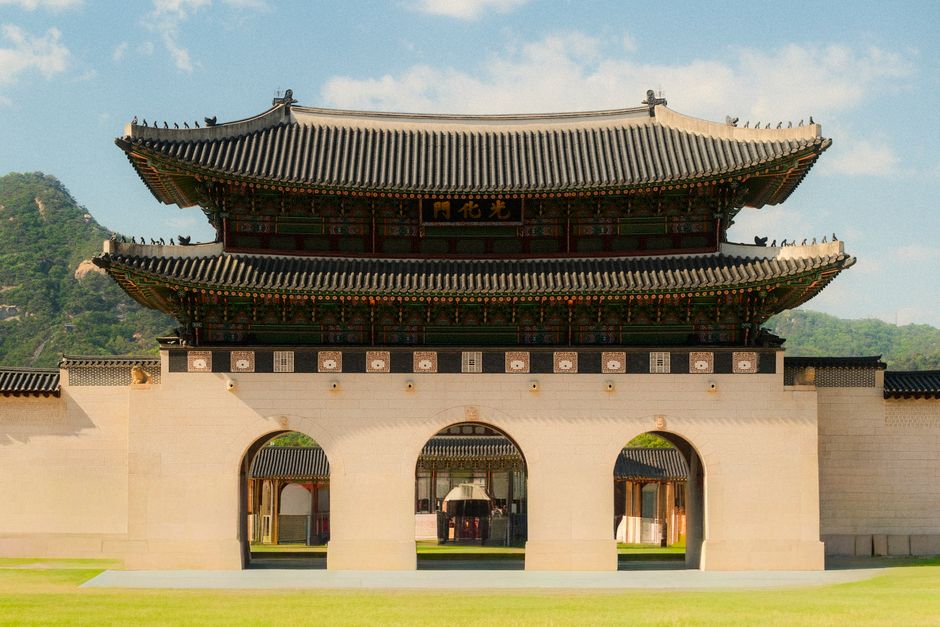
South Korea packs an extraordinary amount into a small peninsula: royal palaces and Buddhist temples more than a thousand years old, the neon energy and street food of Seoul, granite mountains laced with hiking trails, volcanic Jeju Island, beach cities on three seas and one of the world’s most distinctive cuisines. A first trip usually combines Seoul with Busan, the old Silla capital of Gyeongju and Jeju, linked by fast, punctual KTX trains and cheap domestic flights; return visitors head for Seoraksan’s peaks, the hanok houses and bibimbap of Jeonju, the east-coast beaches and coffee shops of Gangneung, or the island-dotted south coast around Yeosu. Travel is easy and safe, public transportation is superb and cards are accepted almost everywhere. A few things work differently from elsewhere, though: most visa-exempt visitors need a K-ETA travel authorization (with a temporary exemption for 22 countries until December 31, 2026), Google Maps is of limited use, so you will rely on Korean map apps, and the summer monsoon, known as jangma, and the typhoon season shape the best months to go.
Right now in South Korea
- Wed 9–21°C 48–70°F Clear
- Thu 9–23°C 48–74°F Clear
- Fri 11–24°C 51–74°F Partly cloudy
- Fri 9 Oct Hangul Day (한글날)
Weather: MET Norway (CC BY 4.0) · Air quality: OpenAQ · Rates: ECB · Holidays: Nager.Date
Key facts
| Currency | South Korean won (KRW, ₩); about 1,365 won to the US dollar in late September 2026Source: federalreserve.gov · Last reviewed 5 Oct 2026 |
|---|---|
| Languages | Korean (hangul); signs in Korean and English; 1330 travel helpline in EnglishSource: wikidata.org · Last reviewed 5 Oct 2026 |
| Plugs and voltage | Types C/F round two-pin plugs, 220 V, 60 HzSource: english.visitkorea.or.kr · Last reviewed 5 Oct 2026 |
| Emergency number | 112 police; 119 fire and ambulance (English on request); 1330 travel helplineSource: english.visitkorea.or.kr · Last reviewed 5 Oct 2026 |
| Driving side | On the right; International Driving Permit needed; use Naver or Kakao Map for driving directionsSource: wikidata.org · Last reviewed 5 Oct 2026 |
| Tap water | Safe to drink; free water in restaurantsSource: english.seoul.go.kr · Last reviewed 5 Oct 2026 |
| Tipping | No tipping; prices include tax and serviceSource: english.visitkorea.or.kr · Last reviewed 5 Oct 2026 |
| Payments | Cards and phone payments almost everywhere, taxis included; cash for markets and street food; 'Global' ATMs take foreign cardsSource: english.visitkorea.or.kr · Last reviewed 5 Oct 2026 |
| Calling code | +82 (dial 001 for international calls)Source: wikidata.org · Last reviewed 5 Oct 2026 |
| Time zones | UTC+9 all year; no summer timeSource: data.iana.org · Last reviewed 5 Oct 2026 |
| Entry summary | Visa-free (90 days for most; 6 months for Canada); K-ETA needed, but 22 countries incl. US, UK, Canada, Australia exempt until 31 Dec 2026; e-Arrival card otherwiseSource: k-eta.go.kr · Last reviewed 5 Oct 2026 |
| SIM and eSIM | USIM at airport roaming centres or convenience stores, or an eSIM online; excellent 5G coverageSource: english.visitkorea.or.kr · Last reviewed 5 Oct 2026 |
Multi-day tours of South Korea
Multi-day tours from local operators. You check dates and book on Viator, our partner; we may earn a commission at no extra cost to you. How we earn money
South Korea at a glance
The Republic of Korea occupies the southern half of the Korean Peninsula in East Asia, bordered by North Korea across the Demilitarized Zone (DMZ) and surrounded by the Yellow Sea to the west, the Korea Strait to the south and the East Sea to the east. It covers about 100,400 km² (38,750 sq miles), a little larger than Indiana, and has about 51 million people, roughly half of them living in Seoul and the surrounding capital area. Mountains cover most of the land, and there are more than 3,000 islands, the largest of which is Jeju.
The language is Korean, written in the hangul alphabet, which is easy to learn to read in an afternoon. Signs in subways, stations, airports and major sights are in Korean and English, and younger people in the cities often speak some English. South Korea uses a single time zone, Korea Standard Time (UTC+9), with no daylight saving time. Electricity is 220 V with round two-pin sockets (types C and F, as in much of Europe). The currency is the won.
South Korea’s regions
- Seoul and the capital area: the capital, the port city of Incheon with the main international airport, and Gyeonggi Province, with Suwon’s fortress and the DMZ near Paju.
- Gangwon: the mountainous northeast, with Seoraksan National Park, ski resorts around Pyeongchang, and East Sea beach towns such as Gangneung and Sokcho.
- Chungcheong: the center, with the old Baekje capitals of Gongju and Buyeo.
- Gyeongsang: the southeast, with Busan, Daegu, Gyeongju, the hahoe mask village of Andong and the temple of Haeinsa.
- Jeolla: the fertile southwest, famous for its food, with Jeonju, Gwangju, Yeosu, Suncheon Bay and hundreds of islands. Since July 1, 2026, South Jeolla and Gwangju have been joined in a single region, the Jeonnam-Gwangju Special Metropolitan City.
- Jeju: the volcanic island off the south coast, a self-governing province with its own entry rules.
Regions
- Daegu
- Daejeon
- Gangwon Province
- Gyeonggi Province
- Jeju Province
- North Chungcheong
- North Gyeongsang
- North Jeolla
- Sejong
- South Chungcheong
- South Gyeongsang
- Ulsan
Where to go: cities, temples, mountains and islands
A ten-day first trip usually combines Seoul, Busan and Gyeongju, with Jeju as an add-on by plane; with two weeks you can add Jeonju, Seoraksan or the east coast. See our guides to each of these places:
- Seoul: five royal palaces, hanok alleys in Bukchon, markets and street food, K-pop and K-beauty shopping, the Han River parks and some of Asia’s best nightlife.
- Busan: Korea’s second city and biggest port, with Haeundae and Gwangalli beaches, the Jagalchi fish market, cliffside temples and the colorful Gamcheon Culture Village.
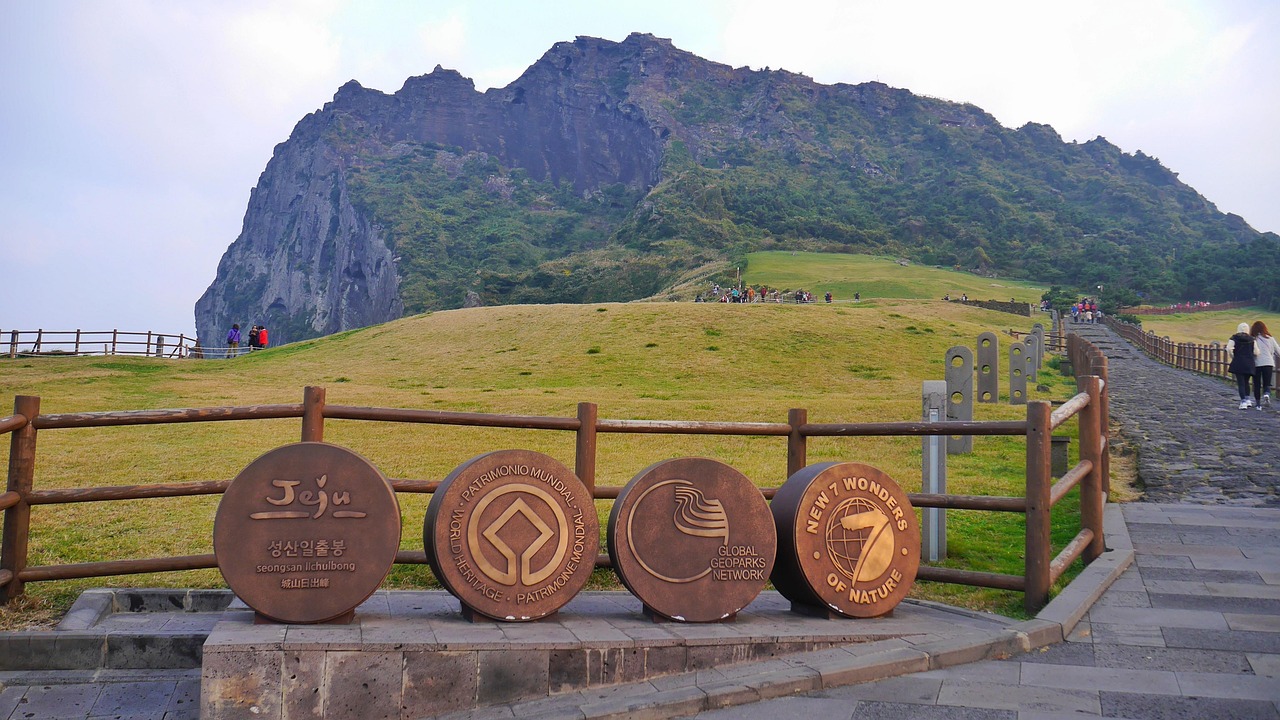
- Jeju Island: a UNESCO-listed volcanic island with Hallasan, Korea’s highest mountain, lava tubes, the Seongsan Ilchulbong crater, waterfalls, beaches and the Jeju Olle walking trails.
- Gyeongju: the capital of the Silla kingdom for nearly a thousand years, with royal tombs, Bulguksa temple and the Seokguram grotto, all UNESCO World Heritage sites.
- Incheon: the airport city, with Chinatown, the open-port district, the futuristic Songdo district and ferries to the West Sea islands.
- Seoraksan National Park: Korea’s most dramatic mountain park, with granite ridges, Ulsanbawi rock, a cable car and the country’s finest fall colors.
- Jeonju: Korea’s largest hanok village, the birthplace of bibimbap, and a city of food, crafts and traditional paper.
- Gangneung: the east coast’s main city, with Gyeongpo and Jeongdongjin beaches, a famous coffee street and the 2018 Winter Olympic venues nearby.
- Yeosu: a south-coast port of islands, night views and seafood, with a maritime cable car, Odongdo island and the 2026 World Island Exhibition.
Other favorites include Suwon’s Hwaseong Fortress, Andong’s Hahoe Folk Village, the temple of Haeinsa, Suncheon Bay, Tongyeong and Geoje, Jirisan National Park, Sokcho and the remote volcanic island of Ulleungdo.
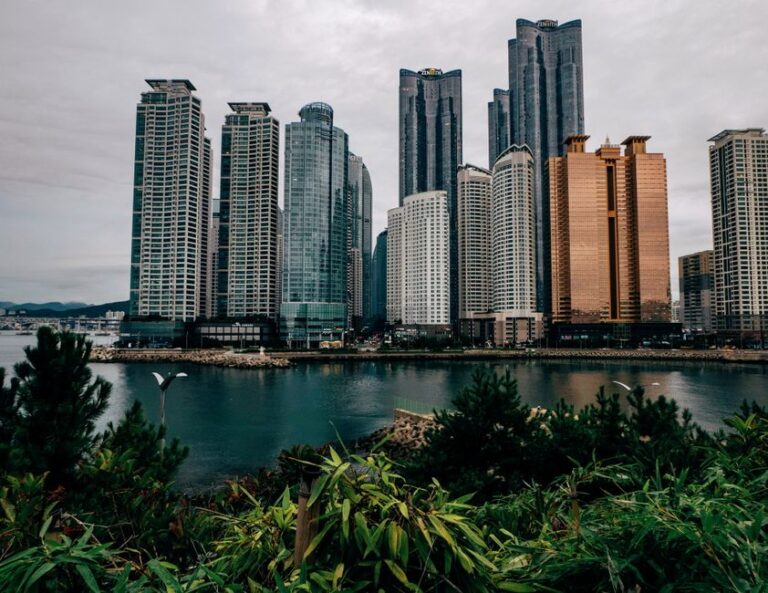
Busan Travel Guide
Plan a trip to Busan: Haeundae, Gwangalli, Nampo and Seomyeon and where to stay, Haedong Yonggungsa, Gamcheon Culture Village and its visiting hours, Jagalchi…
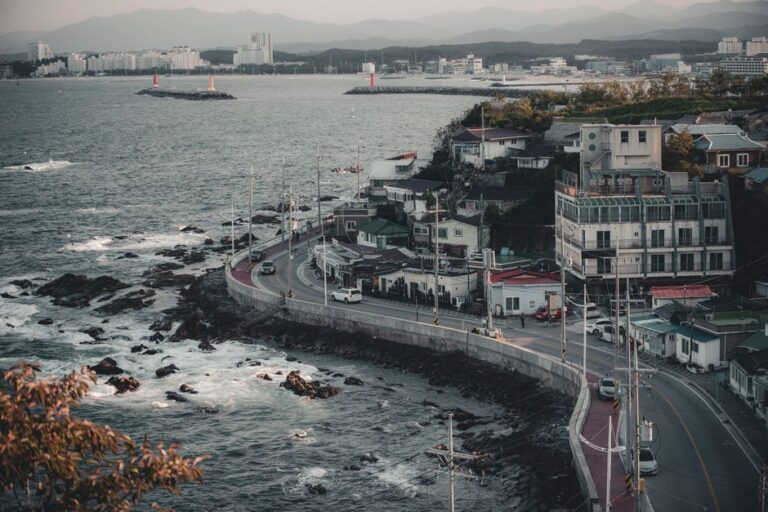
Gangneung Travel Guide
Plan a trip to Gangneung: Gyeongpo, Anmok, downtown, Jumunjin and Jeongdongjin and where to stay, Gyeongpo Beach and lake, the coffee street, Ojukheon and…
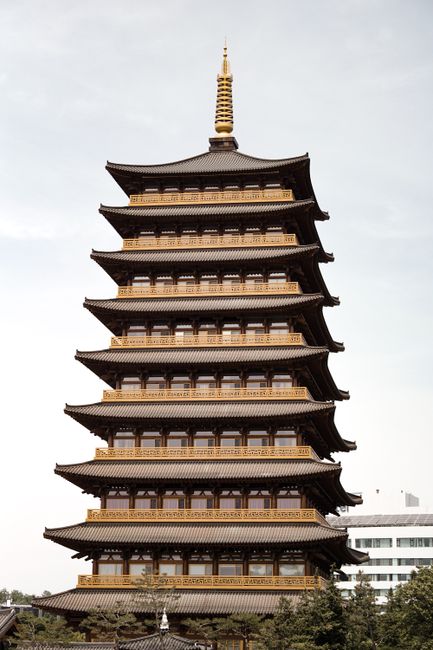
Gyeongju Travel Guide
Plan a trip to Gyeongju: the historic center, Hwangnidan-gil, Bomun Lake and Bulguksa and where to stay, Bulguksa and Seokguram (free since May 2023)…
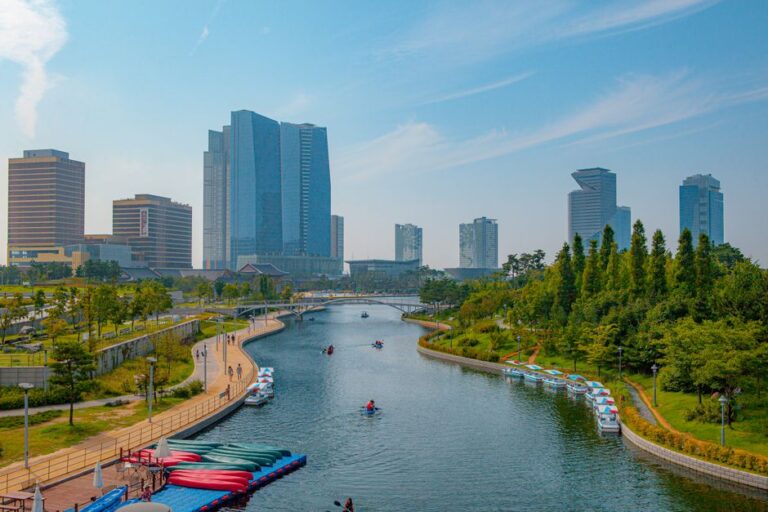
Incheon Travel Guide
Plan a trip to Incheon: the old port, Songdo, Yeongjong Island and Bupyeong and where to stay, Chinatown and the Jajangmyeon Museum, the Open…
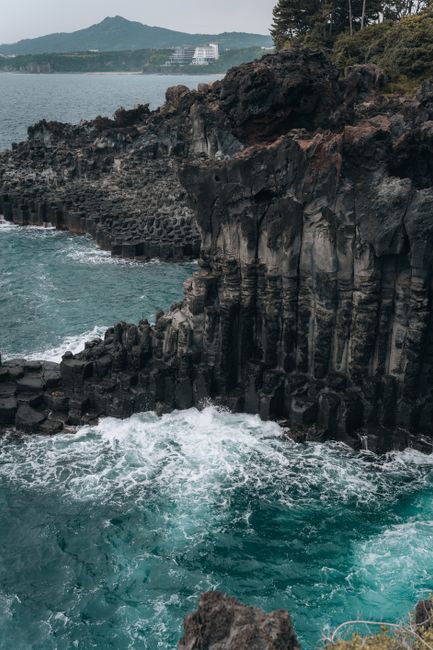
Jeju Island Travel Guide
Plan a trip to Jeju Island: Jeju City, Aewol and the west, Seogwipo and Jungmun, Seongsan and Udo and where to stay, Hallasan trails…
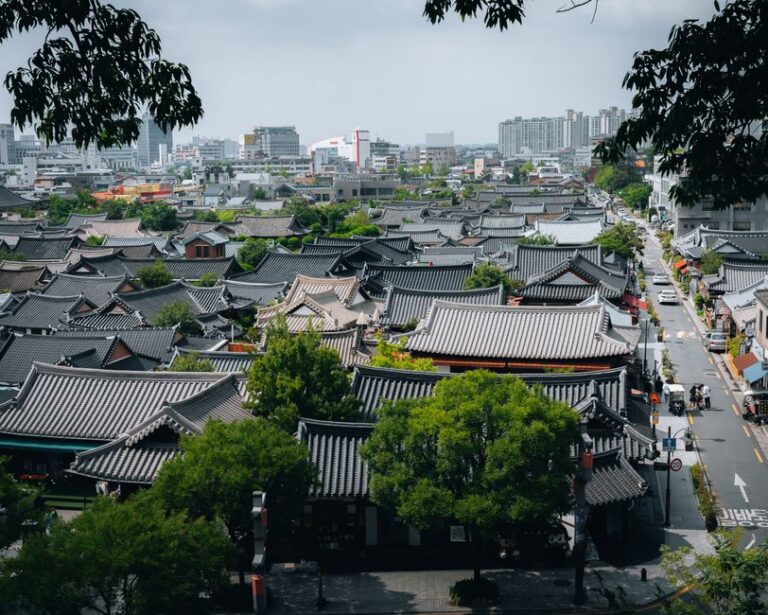
Jeonju Travel Guide
Plan a trip to Jeonju: the Hanok Village, the old town and Nambu Market and where to stay, Gyeonggijeon hours and fees, Jeondong Cathedral,…
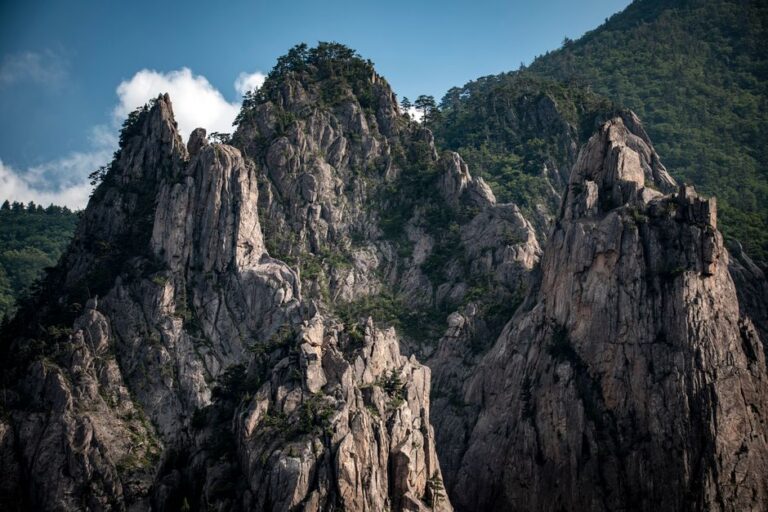
Seoraksan National Park Travel Guide
Plan a visit to Seoraksan National Park: free entry, KNPS trail entry times, shelter and Heullimgol reservations, the spring and fall fire-season closures, Ulsanbawi,…
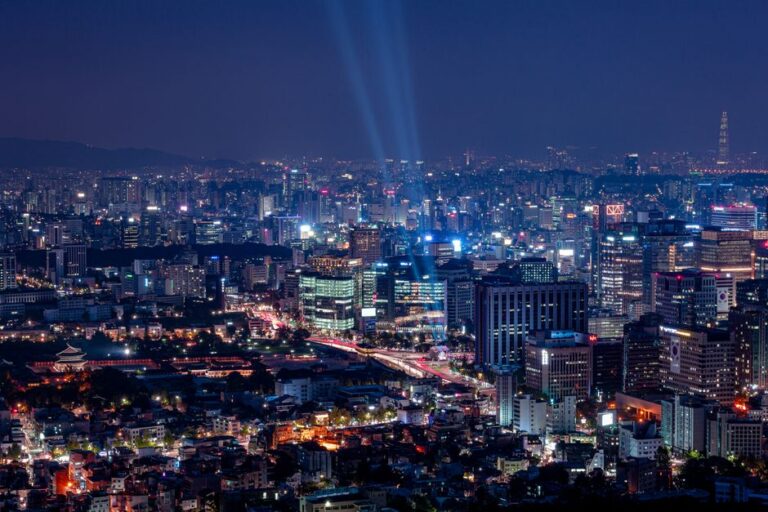
Seoul Travel Guide
Plan a trip to Seoul: Jongno, Myeong-dong, Hongdae, Gangnam and Seongsu and where to stay, Gyeongbokgung, Changdeokgung and the Secret Garden, palace fees and…
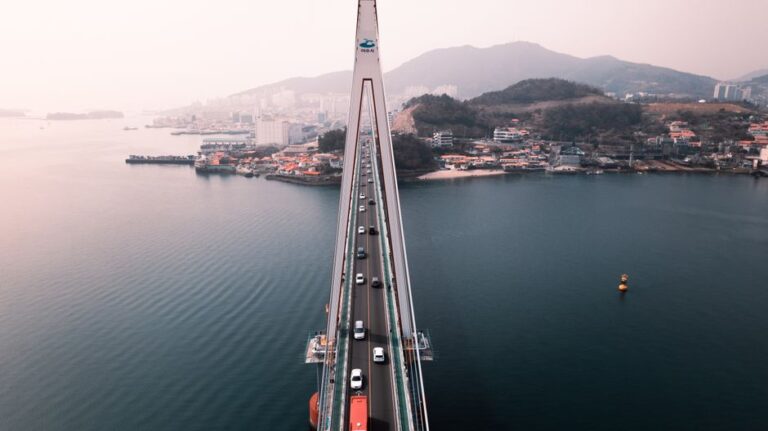
Yeosu Travel Guide
Plan a trip to Yeosu: the Expo area, the old port, Dolsan and Soho and where to stay, the night sea and maritime cable…
Best time to visit South Korea
South Korea has four distinct seasons. Spring (April to May) and fall (late September to November) are the best times to visit, with clear skies, mild temperatures, cherry blossoms in early April and spectacular fall colors in October and November. Summer (June to August) is hot and humid, with the jangma rains from late June to late July, but it is beach season. Winter (December to February) is cold and dry, especially in Seoul and the mountains; Busan and Jeju stay milder.
The table shows rounded averages from the 1991–2020 climate normals of the Korea Meteorological Administration (KMA), as submitted to the World Meteorological Organization (WMO), for one station in each main travel area.
| Area (KMA station) | January high / low | August high / low | Rain a year | Wettest months |
|---|---|---|---|---|
| Seoul | 2 °C (36 °F) / −6 °C (22 °F) | 30 °C (86 °F) / 23 °C (73 °F) | about 1,420 mm (56 in) | July and August |
| Busan | 8 °C (47 °F) / 0 °C (32 °F) | 30 °C (85 °F) / 24 °C (75 °F) | about 1,580 mm (62 in) | July and August |
| Jeju (Jeju City) | 9 °C (47 °F) / 4 °C (39 °F) | 30 °C (86 °F) / 25 °C (77 °F) | about 1,500 mm (59 in) | August and September |
| Gyeongju | 6 °C (43 °F) / −5 °C (24 °F) | 31 °C (89 °F) / 22 °C (71 °F) | about 1,120 mm (44 in) | July to September |
| Gangwon coast (Gangneung) | 5 °C (42 °F) / −3 °C (27 °F) | 29 °C (83 °F) / 22 °C (71 °F) | about 1,440 mm (57 in) | August |
| South coast (Yeosu) | 7 °C (44 °F) / 0 °C (31 °F) | 29 °C (84 °F) / 24 °C (75 °F) | about 1,450 mm (57 in) | July and August |
South Korea month by month
| Month | Weather | Highlights | Crowds and prices |
|---|---|---|---|
| January | Cold and dry; below freezing at night in Seoul | Skiing in Gangwon; ice-fishing festivals; winter sales | Low, except around Lunar New Year (Seollal) |
| February | Cold, getting brighter | Seollal (Lunar New Year) falls in January or February; plum blossoms in the south at the end of the month | Low |
| March | Cool and dry; fine dust days possible | Cherry blossoms reach Jeju and Busan in the last week | Rising |
| April | Mild and sunny | Cherry blossoms in Gyeongju, Jeonju, Gangneung and Seoul in the first half of the month | High |
| May | Warm, the most pleasant month | Buddha’s Birthday lantern festivals; green tea fields; azaleas on the mountains | High; busy around early-May holidays |
| June | Warm and humid; jangma starts in Jeju around June 19 | Hydrangeas on Jeju; first beach days | Moderate |
| July | Hot and very wet during jangma | Beaches open in early July; Boryeong Mud Festival | Busy on the coasts from late July |
| August | The hottest month; typhoons possible | Beach season peaks; summer holidays | Very busy on the coasts |
| September | Warm, drier later; typhoons possible | Chuseok (harvest festival) in September or October | Very busy over Chuseok |
| October | Clear, cool and dry | Fall colors start on Seoraksan; Busan International Film Festival; Yeosu World Island Exhibition in 2026 | High, the peak season for hiking |
| November | Cool to cold; first frosts | Fall colors in Seoul, Gyeongju, Jeonju and on Hallasan until mid-month | High early in the month, then falling |
| December | Cold and dry | Christmas lights in Seoul; skiing begins; sunrise festivals on December 31 | Low, except at New Year |
Weather month by month
Averages from KMA normals 1991–2020, Seoul · Last reviewed 5 Oct 2026
The rainy season (jangma) and typhoons
Most of the year’s rain falls in summer. According to the KMA, the summer monsoon, jangma, normally begins on Jeju around June 19, reaches the southern regions around June 23 and the central regions, including Seoul, around June 25, and lasts about a month: some 32 days on Jeju and about 31 days on the mainland. In Seoul, July averages about 414 mm (16.3 in) of rain, nearly a third of the annual total, often in violent downpours that flood riverside roads and close hiking trails.
Typhoons form in the North Pacific all year, about 25 in an average year, and according to the KMA about 3 or 4 of them affect South Korea directly or indirectly, mostly from July to September. They hit Jeju and the south coast hardest; ferries and flights may be canceled and trails and beaches closed, so keep your plans flexible.
Cherry blossoms and fall colors
Cherry blossoms move north in about two weeks. In 2026, according to the Korea Tourism Organization (KTO), quoting the private forecaster Weather i, the first blossoms were expected on Jeju and in Busan around March 25, in Jeonju and Gyeongju around March 28, in Gangneung around April 1, in Seoul around April 3 and in Incheon around April 7, with full bloom about a week after the first flowers. Jinhae, near Changwon, holds Korea’s biggest cherry blossom festival.
Fall colors start on the high peaks and move south and down. The 2026 forecast published by the KTO, again from Weather i, put the first colors on Seoraksan on October 3, with the peak around October 25; on Bukhansan, in Seoul, colors start around October 23 and peak around November 4; Jirisan peaks around November 5, Naejangsan around November 11 and Hallasan on Jeju around November 13. City parks peak in late October and early November, when the ginkgo trees turn yellow.
Festivals and holidays
- Seollal (Lunar New Year) and Chuseok (the harvest festival): the two biggest holidays, each lasting about three days, when Koreans travel to their home towns. Trains and buses sell out weeks ahead, highways are jammed, and some restaurants and shops close, but palaces and museums often hold free events.
- Buddha’s Birthday: on the eighth day of the fourth lunar month (April or May), with the lantern parade of the Lotus Lantern Festival in Seoul the weekend before.
- Busan International Film Festival: Asia’s biggest film festival, held in early October.
- 2026 World Island Exhibition Yeosu: from September 5 to November 4, 2026, according to the KTO, the first exhibition dedicated to islands, at Yeosu and on Gaedo and Geumodo islands.
How long to stay: sample itineraries
- 7 days: Seoul (4 nights) with a day trip to the DMZ or Suwon, then the KTX to Busan (3 nights) with a day trip to Gyeongju.
- 10 days: Seoul (4), Gyeongju (2), Busan (2) and a flight to Jeju (2), or Seoul (3), Jeonju (1), Busan (3) and Jeju (3).
- 14 days: Seoul (4), Gangneung or Sokcho for Seoraksan (2), the KTX-Eum down the east coast to Gyeongju (2), Busan (3) and Jeju (3).
- Food and culture fortnight: Seoul, Jeonju, Yeosu and Suncheon Bay, Busan and Gyeongju.
Entry, money and costs
Visas and the K-ETA (last reviewed October 2026)
Citizens of more than 100 countries and territories, including the United States, Canada, the United Kingdom, Ireland, Australia, New Zealand and all European Union countries, can visit South Korea for tourism without a visa. How long you can stay depends on your passport: according to the Ministry of Justice’s K-ETA website, it is 90 days for the United States, the United Kingdom, Australia and most of Europe, and up to six months for Canadians. Everyone else needs a visa from a Korean embassy or the Korea Visa Portal.
Visa-exempt visitors must normally hold a K-ETA (Korea Electronic Travel Authorization) before they board a plane or ship to Korea. You apply on the official website, k-eta.go.kr, or the K-ETA app. The fee is 10,000 won (about US$7.30) plus an online payment charge of about 3%; approval usually takes up to 72 hours, and the authorization is valid for multiple trips for three years (or until your passport expires). Use only the official site. Travelers aged 17 or under or 65 or over are exempt, as are transit passengers who don’t pass through immigration.
The temporary K-ETA exemption still runs: the Ministry of Justice extended it on December 23, 2025, so that until December 31, 2026, citizens of 22 countries and territories don’t need a K-ETA: the United States (including Guam), Canada, the United Kingdom, Germany, France, Italy, the Netherlands, Spain, Poland, Sweden, Finland, Norway, Belgium, Denmark, Austria, Australia, New Zealand, Japan, Taiwan, Hong Kong, Singapore and Macao. They may still apply for one, which spares them the arrival card. Check the K-ETA website before booking a trip for 2027, when the exemption may end.
The e-Arrival card
Visitors who enter without a K-ETA, including those on the temporary exemption list, under 17s and over 65s, and anyone with a visa, must fill in an arrival card. Since 2025 you can do this online with the free e-Arrival card on the Ministry of Justice’s website, e-arrivalcard.go.kr, within three days before arrival (Korean time). You get an issue number by email but show nothing at immigration; each submission covers one entry. Paper cards are still available on planes. At immigration, visitors aged 17 and over have both index fingerprints and a photo taken.
Jeju’s entry rules
Jeju has its own visa-free program. Citizens of the visa-exempt countries need a K-ETA (or the temporary exemption) to fly to Jeju from abroad, just as for the mainland; the Ministry of Justice extended the K-ETA to Jeju on September 1, 2022. Travelers from most other countries can enter Jeju without a visa for up to 30 days if they fly or sail there directly from abroad, but they must stay on the island and cannot continue to the mainland; a few nationalities are excluded. In 2026, Jeju Air restarted a limited Incheon–Jeju route, so some arrivals at Incheon can connect without going to Gimpo.
Customs
According to the KTO, each visitor may bring in duty-free goods worth up to US$800, plus up to 2 bottles of alcohol (2 liters in total, worth up to US$400), 200 cigarettes and 100 ml of perfume; travelers aged 19 and under get no alcohol or tobacco allowance. Declare anything above these limits, and large amounts of cash. Fresh fruit, meat and plants are strictly controlled; carry prescription medicines in their original packaging.
Money and cards
The currency is the won (KRW, ₩); in late September 2026 the US Federal Reserve’s rate was about 1,365 won to the US dollar. South Korea is one of the most cashless countries in the world: international Visa and Mastercard cards and contactless phone payments are accepted almost everywhere, including taxis, convenience stores and most restaurants, but keep some cash for traditional markets, street food stalls and small guesthouses. ATMs marked “Global” or “Foreign card” accept overseas cards. Some online booking sites and machines accept only Korean-issued cards, so many visitors also carry a prepaid card such as WOWPASS or T-money.
Tax refunds
Shops with a “Tax Free” or “Tax Refund” sign refund the 10% VAT to visitors staying less than six months. According to the KTO, each receipt must be for at least 15,000 won, the goods must be new and unused, and you must leave Korea within three months of buying them. Many shops deduct the tax on the spot (immediate refund) for single purchases of 15,000 won up to less than 1,000,000 won, up to a total of 5,000,000 won per trip; show your passport when paying. Otherwise, claim at a downtown refund booth or at the airport, where you show the goods and receipts to customs before checking your bags.
Tipping
Tipping is not part of Korean culture. Prices include tax and service; taxi drivers, waiters and hotel staff don’t expect tips. Some upscale hotels add a service charge, and tour guides on private tours appreciate a gratuity.
What a trip costs
Prices are approximate, for October 2026, converted at about 1,365 won to the US dollar.
| Item | Typical cost |
|---|---|
| Subway or bus ride in Seoul or Busan | 1,500–1,800 won (about US$1.10–1.30) |
| AREX express train, Incheon Airport to Seoul Station | 13,000 won (about US$9.50) |
| KTX, Seoul to Busan, standard class | about 60,000 won (about US$44) |
| Bowl of bibimbap or noodles | 9,000–14,000 won (about US$6.60–10) |
| Korean barbecue dinner, per person | 20,000–40,000 won (about US$15–29) |
| Coffee in a café | 4,500–7,000 won (about US$3.30–5) |
| Gyeongbokgung Palace entry | 3,000 won (about US$2.20) |
| Mid-range hotel double, per night | 100,000–200,000 won (about US$73–147) |
| Hanok guesthouse double, per night | 80,000–180,000 won (about US$59–130) |
| Luxury hotel in Seoul or Busan | 300,000 won and up (about US$220 and up) |
A comfortable mid-range trip costs roughly 150,000–250,000 won (about US$110–183) per person per day, including a shared double room; backpackers using hostels, markets and public transportation can manage on about half.
Getting there and getting around
Airports and the AREX train
Most international flights land at Incheon International Airport (ICN), on Yeongjong Island west of Seoul; Korean Air, Asiana and their partners use Terminal 2, and most other airlines Terminal 1. Seoul’s Gimpo Airport (GMP) handles domestic flights and short hops to Tokyo, Osaka, Shanghai and Taipei. Busan’s Gimhae (PUS), Jeju (CJU), Daegu, Cheongju and Yangyang (for Seoraksan and the east coast) also have international flights.
The AREX Airport Railroad links Incheon Airport with Seoul Station. According to AREX, the nonstop express train takes 43 minutes from Terminal 1 and 51 minutes from Terminal 2, with reserved seats, for 13,000 won for adults; the all-stop train, which you pay for with a transportation card, takes about an hour, stops at Gimpo Airport, Digital Media City and Hongik University (Hongdae), and costs 4,750 won from Terminal 1 or 5,350 won from Terminal 2 to Seoul Station. Airport limousine buses run to hotels across Seoul and to other cities.
Trains: KTX, SRT and the Korail Pass
South Korea’s high-speed trains are fast, frequent and spotless. KTX trains, run by Korail at up to 330 km/h (205 mph), leave Seoul Station and Yongsan for Busan (about 2.5 hours), Gyeongju (Singyeongju Station), Pohang, Gwangju, Mokpo and Yeosu, and leave Cheongnyangni and Seoul Station for Gangneung on the east coast. The SRT, run by a separate company, leaves from Suseo Station in Gangnam for Busan and Mokpo. Since December 30, 2025, the KTX-Eum on the Donghae Line has run along the east coast from Gangneung to Busan’s Bujeon Station in about 3 hours 50 minutes, via Pohang and Gyeongju.
Book tickets on the Korail website or the Korail Talk app, at station kiosks and ticket offices, or through Naver; tickets go on sale a month ahead at 7 a.m., and weekend and holiday trains sell out early. Foreign visitors can buy the Korail Pass, a flexible pass for 2, 3, 4 or 5 days within a 10-day period that covers standard seats on KTX and other Korail trains (not the SRT, subways or some tourist trains) with up to two seat reservations a day.
Buses, domestic flights and ferries
Express and intercity buses link every town, often more directly than trains; Seoul’s main terminals are the Express Bus Terminal (Gangnam) and Dong Seoul. Domestic flights are cheap and quick, especially Seoul (Gimpo) to Jeju, one of the busiest air routes in the world, with flights every few minutes, and Busan to Jeju. Overnight and day ferries sail to Jeju from Mokpo, Wando, Jindo, Goheung (Nokdong) and Incheon, and ferries link Busan with Fukuoka and other ports in Japan; see our Fukuoka and Japan guides.
Subways, T-money and the Climate Card
Seoul, Busan, Daegu, Gwangju, Daejeon and Incheon have subways, and every city has a dense bus network. Pay with a rechargeable transportation card: T-money cards (3,000–5,000 won) are sold and topped up with cash at convenience stores and subway machines, work on subways, buses, many taxis and some trains across the country, and give transfer discounts between bus and subway. WOWPASS cards for foreigners add currency exchange and shopping payments. In Seoul, the city government’s Climate Card short-term pass gives unlimited subway and bus rides for 1 day (5,000 won), 2 days (8,000 won), 3 days (10,000 won), 5 days (15,000 won) or 7 days (20,000 won), plus 3,000 won for the card itself. According to the KTO, from October 1, 2026 the Climate Card is valid only within Seoul, the 30-day version has been discontinued, and cards can be bought and loaded only with cash or Korean-issued cards. Seoul’s tourist Mpass covers up to 20 rides a day on Seoul’s subways, buses and the all-stop AREX.
Taxis and ride-hailing apps
Taxis are plentiful and reasonably priced. According to the KTO, the base fare for a regular taxi is 4,800 won in Seoul, Busan and Incheon, 4,600 won in Gangwon and 4,300 won on Jeju, covering the first 2 km (1.2 miles); a late-night surcharge applies from 10 p.m. to 4 a.m. Black deluxe taxis cost more. Drivers rarely speak English, so show the address in Korean. The easiest way to book is k.ride, Kakao Mobility’s app for foreign visitors, which accepts overseas cards and translates messages; Uber also works in Seoul and some other cities for regular taxis. Ride-sharing in private cars is not allowed.
Maps: Naver Map and Kakao Map
Because of Korea’s restrictions on exporting map data, Google Maps is of limited use in South Korea: it shows public transportation, but walking directions are patchy and driving directions are not available. Download Naver Map (recommended by the KTO, with English menus, walking, cycling, driving and transit routes, real-time subway information and ferry routes) or Kakao Map. The KTO’s 1330 Korea Travel Helpline (+82-2-1330), available by phone and chat in English and other languages, helps with directions and bookings.
Driving
Koreans drive on the right. To rent a car you need an International Driving Permit plus your license. Driving is easy on Jeju and the east coast, but city traffic is heavy; speed cameras are everywhere, and the blood alcohol limit is 0.03%.
National parks and hiking
South Korea has 24 national parks, the newest being Geumjeongsan in Busan, from rugged mountains to marine parks, and hiking is a national passion: on fall weekends popular trails are crowded. National parks charge no entry fee; the cultural heritage fees that some temples inside the parks used to charge were abolished on May 4, 2023. Parking, shelters and campsites have fees. Things to know:
- Entry times: the Korea National Park Service (KNPS) sets the latest time you may start each trail, earlier in winter. On Seoraksan, for example, the trail from Osaek to Daecheongbong, the summit, opens at 3 a.m. and closes to new hikers at noon from April to October (4 a.m. to 11 a.m. from November to March). Trails close in heavy rain, snow and storm warnings.
- Fire-season closures: to prevent forest fires, many high-altitude trails close every spring and fall. On Seoraksan, the high trails were closed from March 4 to May 15 in 2026; the fall closure usually runs from November 15 to December 15. Lower trails stay open.
- Reservations: mountain shelters, campsites and some trails, such as Seoraksan’s Heullimgol valley in October and November and the summit sections of Hallasan on Jeju, require booking. Book KNPS facilities at reservation.knps.or.kr and Hallasan through Jeju’s own reservation website.
- Rules: fires, cooking, alcohol and camping outside campsites are banned, and you must stay on marked trails; fines apply.
See our hiking guide.
The DMZ and Panmunjom
The Demilitarized Zone, a 4 km-wide (2.5-mile) buffer strip along the border with North Korea, is one of South Korea’s most visited sights. Most sites lie beyond the Civilian Control Line, so you need to join an organized tour or an official shuttle tour from the Imjingak area near Paju, about an hour north of Seoul. Typical tours visit Imjingak, the Third Infiltration Tunnel and Dora Observatory. Rules are strict and practical:
- Carry your passport: it is checked at military checkpoints, and you cannot enter without it.
- Photography is restricted at many points; follow your guide and the soldiers’ instructions.
- Stay with your group and on marked paths, and don’t gesture toward the North or cross barriers.
- Tours may be canceled at short notice for military reasons.
- Panmunjom and the Joint Security Area (JSA), where the two Koreas meet face to face, are closed to civilian tours: visits have been suspended since July 18, 2023, and the official Panmunjom tour website says a reopening date will be announced after consultation with the United Nations Command.
You can visit some border observatories on your own, such as Odusan near Paju (free) and Goseong on the east coast north of Sokcho (3,000 won, about US$2.20), where you register and watch a short safety video before driving in a convoy.
Culture, food and everyday etiquette
Food
Korean food is built around rice, soups and stews and an array of shared side dishes (banchan), with kimchi at every meal. Don’t miss Korean barbecue (samgyeopsal pork belly and marinated beef bulgogi or galbi, grilled at the table), bibimbap (rice with vegetables, chili paste and egg, a specialty of Jeonju), naengmyeon (cold buckwheat noodles), fried chicken with beer (chimaek), tteokbokki rice cakes and other street food, and the seafood of Busan, Jeju and the south coast, including hoe (raw fish) and Jeju’s black pork. Vegetarians should look for temple food restaurants. Tap water is safe to drink, and free water is served in restaurants.
Etiquette
- Respect for age: elders are served and greet first; pour drinks for others, not yourself, and accept a glass with two hands.
- Shoes: take them off in homes, temples, hanok guesthouses and restaurants with floor seating.
- Temples: dress modestly, speak quietly and don’t photograph monks or worshippers without permission.
- Public transportation: leave the pink seats for pregnant women and the priority seats for the elderly; keep phone calls quiet.
Safety, health, accessibility and connectivity
South Korea is one of the safest countries in the world for visitors, with very low crime. The practical risks are the weather, traffic and the mountains.
- Monsoon and typhoons: heavy jangma rains in late June and July and typhoons from July to September can cause floods and landslides; stay out of riverside parks and valleys when warnings are issued, and follow the emergency text alerts Korean phone networks send in English.
- Heat: late July and August heat waves can be intense; drink water and rest in the shade.
- Fine dust: on some days, mostly in spring, fine dust (PM2.5) and yellow dust from the continent reduce air quality; check the forecast and wear a KF94 mask if needed.
- Mountains: trails are steep and rocky; start early, respect the KNPS entry times, and carry water and a rain jacket.
- Beaches: lifeguards work only in the official summer season; swim between the flags.
- Drones: according to the KTO, drones over 2 kg (4.4 lb) must be registered, and flying needs approval within 9.3 km (5.8 miles) of airports, over parts of central Seoul, near the DMZ and military sites, and above 150 m; night flights and filming have their own rules.
- Emergencies: call 112 for the police and 119 for fire and ambulance (say “English, please” for an interpreter), 1330 for the Korea Travel Helpline and 1345 for the Immigration Contact Center.
Health: medical care is excellent, and big city hospitals have international clinics; buy travel insurance. Accessibility: subways, trains, airports and new buildings have elevators and accessible toilets, but palaces, hanok villages and hiking trails are often steep or stepped. Connectivity: mobile coverage, including 5G, is excellent, and free Wi-Fi is available on subways, buses and in public spaces; buy a tourist SIM or eSIM at the airport or online.
Things to do: palaces, temples, hiking, beaches and food
- City sightseeing: Seoul’s palaces and markets, Busan’s coast and Gyeongju’s tombs. See our guide to city sightseeing.
- Hiking: Seoraksan, Bukhansan in Seoul, Jirisan and Hallasan, plus the Jeju Olle and Haeparang coastal trails. See our hiking guide.
- Beaches and surfing: Haeundae and Gwangalli in Busan, Gyeongpo and Yangyang on the east coast, and Jeju’s beaches. See our guides to beaches and surfing.
- Snorkeling, diving and boat trips: Jeju’s Seogwipo marine park for soft corals, island cruises in Yeosu and Tongyeong. See our guides to diving and boat trips.
- Temple stays, hanok and markets: spend a night in a Buddhist temple, sleep in a traditional hanok house, and eat your way through Gwangjang, Jagalchi and Jeonju’s Nambu markets.
South Korea travel FAQ
Do I need a visa to visit South Korea?
Not if you hold a passport from one of the more than 100 visa-exempt countries and territories, including the US, Canada, the UK, Australia, New Zealand and all EU countries. Stays of up to 90 days are allowed for most of them, and up to six months for Canadians.
Do I need a K-ETA in 2026?
Most visa-exempt visitors do, but citizens of 22 countries and territories, including the US, Canada, the UK, Australia, New Zealand, Japan, Germany, France, Italy, Spain and the Netherlands, are exempt until December 31, 2026. Visitors aged 17 or under or 65 or over never need one.
How much does a K-ETA cost and how long is it valid?
10,000 won (about US$7.30) plus a small card fee, on the official website k-eta.go.kr only. It is usually approved within 72 hours and is valid for three years or until your passport expires.
What is Korea’s e-Arrival card?
A free online version of the arrival card at e-arrivalcard.go.kr, which you can submit within three days before arrival. You don’t need it if you hold a K-ETA; otherwise, fill in either the e-Arrival card or a paper card.
Can I fly straight to Jeju without a visa?
Yes, if you are visa-exempt (with a K-ETA or the temporary exemption). Citizens of most other countries can also visit Jeju visa-free for up to 30 days if they arrive there directly from abroad and stay on the island.
What is the best time to visit South Korea?
April to May and late September to November, for mild weather, cherry blossoms in early April and fall colors from mid-October to mid-November.
When is the rainy season in Korea?
Jangma normally starts on Jeju around June 19 and in Seoul around June 25, and lasts about a month; typhoons are possible from July to September.
When do the cherry blossoms bloom in Korea?
Usually in the last week of March on Jeju and in Busan, and in the first half of April in Seoul. In 2026, the forecast put Seoul’s first blossoms on April 3.
Does Google Maps work in South Korea?
Only partly: it shows public transportation but not driving directions, and walking directions are limited. Use Naver Map or Kakao Map instead.
What is the best transportation card for Seoul?
A T-money card for pay-as-you-go travel anywhere in Korea, or Seoul’s Climate Card short-term pass (from 5,000 won a day) for unlimited subway and bus rides within Seoul.
How do I get a tax refund in South Korea?
Shop where you see “Tax Free” signs, spend at least 15,000 won per receipt and show your passport. Many shops refund the tax immediately; otherwise claim at the airport before checking your bags.
Can I visit the DMZ and the JSA?
You can visit the DMZ on organized tours from Seoul or Paju with your passport, but civilian tours to Panmunjom and the Joint Security Area have been suspended since July 2023.
Is South Korea safe for tourists?
Yes. Crime is very low; the main things to plan for are summer rain and typhoons, heat, fine dust in spring and steep mountain trails. Call 112 for the police and 119 for an ambulance.
Sources
- Natural Earth · Public domain · fetched 5 Oct 2026
- © OpenStreetMap contributors · ODbL · fetched 5 Oct 2026
- Wikidata · CC0 · fetched 5 Oct 2026
Sources and last review
Researched and last reviewed on 4 October 2026. K-ETA rules, fee, validity, lengths of stay, the temporary exemption to December 31, 2026 and K-ETA on Jeju: the Ministry of Justice’s K-ETA website; the e-Arrival card: the Ministry of Justice’s e-Arrival card website; the exempt-country list, customs allowances, tax refunds, transportation cards, trains, airport transportation, taxis, apps, the Incheon–Jeju flights, the World Island Exhibition, drone rules, DMZ sites and the 2026 cherry blossom and fall foliage forecasts (from Weather i): the Korea Tourism Organization (KTO); AREX fares and times: the Airport Railroad; Panmunjom tours: the official Panmunjom tour website; national park entry times and closures: the Korea National Park Service (KNPS); Hallasan reservations: the Hallasan National Park office; palace fees: the Korea Heritage Service; temple fees: Bulguksa and Seokguram; climate normals, jangma and typhoon statistics: the Korea Meteorological Administration, including its 1991–2020 normals via the World Meteorological Organization; the regional merger: the KMA and KTO; exchange rate: the US Federal Reserve. Population, the Jeju visa-free details, Google Maps limits, KTX fares and times, rail-pass prices, driving rules and typical prices are general references or estimates, flagged for checking. Rules and prices change, so check the official sites before you go.
Plan your trip
Partner links: TravelerCenter may earn a commission if you book, at no extra cost to you.
🇰🇷 Useful Korean phrases for South Korea
All 38 Korean phrases: restaurant, hotel, emergencies, romance (printable) →