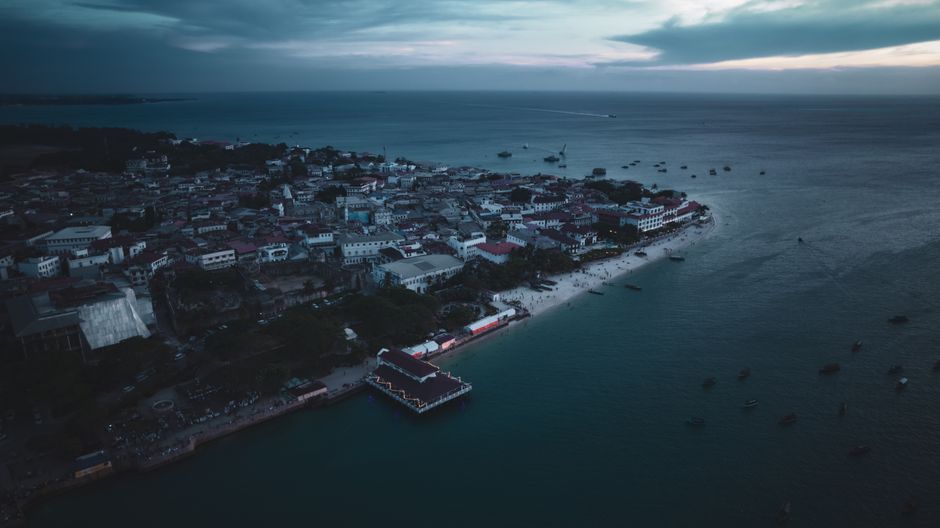
Zanzibar, the “Spice Islands” off the coast of Tanzania, combines turquoise lagoons, palm-fringed white beaches and coral reefs with one of the most atmospheric old towns in Africa. The archipelago is made up of two main islands, Unguja, which most people simply call Zanzibar, and Pemba to the north, plus dozens of islets. It’s a semi-autonomous part of Tanzania with its own government, and it has a culture all its own, shaped by more than a thousand years of trade across the Indian Ocean with Arabia, Persia and India, by the Omani sultans who ruled here in the 19th century, and by the dark history of the slave trade. Stone Town, the old quarter of Zanzibar City, is a UNESCO World Heritage Site (since 2000), a labyrinth of narrow alleys, carved wooden doors, mosques, churches, palaces and bustling markets. Beyond it, the island’s beaches range from the lively north at Nungwi and Kendwa to the kitesurfing lagoons of Paje and Jambiani on the east coast. You can snorkel at Mnemba Atoll, see the rare red colobus monkeys in Jozani Forest, tour clove and vanilla farms, and meet giant tortoises on Prison Island. Zanzibar is the classic beach finish to a Tanzanian safari, just a short flight or a two-hour ferry from the mainland.
Right now in zanzibar (Zanzibar Town)
- Wed 25–29°C 76–85°F 3 mm Showers
- Thu 24–30°C 75–86°F 4 mm Showers
- Fri 24–29°C 76–84°F 16 mm Rain
Weather: MET Norway (CC BY 4.0) · Sea temperature: NOAA CoastWatch
Top tours in zanzibar
See all tours for zanzibar →
From local operators, with prices and reviews; you check availability and book on Viator, our partner. We may earn a commission at no extra cost to you. How we earn money
Zanzibar at a glance
- Best for: beaches, Stone Town’s history, snorkeling and diving, kitesurfing, spice tours and a beach stay after safari.
- How long: 5–7 nights, with 1–2 in Stone Town.
- Best time: June to October and December to February; March to May is the long rainy season.
- Getting there: fly to Abeid Amani Karume International Airport (ZNZ), or take the fast ferry from Dar es Salaam in about 2 hours.
- Entry: your Tanzanian visa covers Zanzibar; if Zanzibar is your first point of entry, you must buy its mandatory inbound travel insurance (US$44 per adult).
- Good to know: dress modestly away from the beach, and plan around big tides on the east coast.
- Before you go: the visa, money and general safety are in our Tanzania travel guide.
Mandatory travel insurance and entry
Since 2024, Zanzibar has required all foreign visitors to buy mandatory inbound travel insurance from the Zanzibar Insurance Corporation (ZIC), the state insurer. According to ZIC, the cover is compulsory for all visitors entering, even if you already have travel or medical insurance, and costs US$44 per adult, US$22 per child and US$22 for travelers from SADC and EAC member states. It covers medical emergencies, accidents and other incidents during your stay, and fees and coverage can change. Buy it online through the official Visit Zanzibar platform before you travel. Mainland Tanzania now has its own mandatory inbound insurance too, and you only need to buy a policy for your first point of entry: if you land in Zanzibar first, you buy the ZIC policy, valid for up to 92 days; if you enter the mainland first and then take the ferry or a flight to Zanzibar, the mainland policy covers you. Your Tanzanian visa (the e-visa or visa on arrival) is valid for both the mainland and Zanzibar, and Tanzanian immigration asks you to choose your first destination on the e-visa form. Neither insurance replaces a full travel insurance policy with medical evacuation, which you should still have.
Zanzibar’s areas: which one to choose
Stone Town
The historic heart of Zanzibar City, on the west coast, is the place for culture, food and atmosphere, with boutique hotels in restored merchants’ houses, rooftop restaurants and the ferry port. The town beach is not for swimming. Stay one or two nights.
Nungwi and Kendwa (north)
At the northern tip, Nungwi has a lively beach, dhow builders, sunset cruises, hotels from backpacker to luxury and nightlife; next door, Kendwa has a long beach with less tidal variation, so you can swim at almost any time of day, and full-moon beach parties. Both have the island’s best sunsets.
Matemwe, Kiwengwa and Pongwe (northeast)
The northeast coast has long, quiet beaches and large resorts, with Mnemba Atoll offshore from Matemwe. Tides are significant.
Paje, Jambiani and Bwejuu (east and southeast)
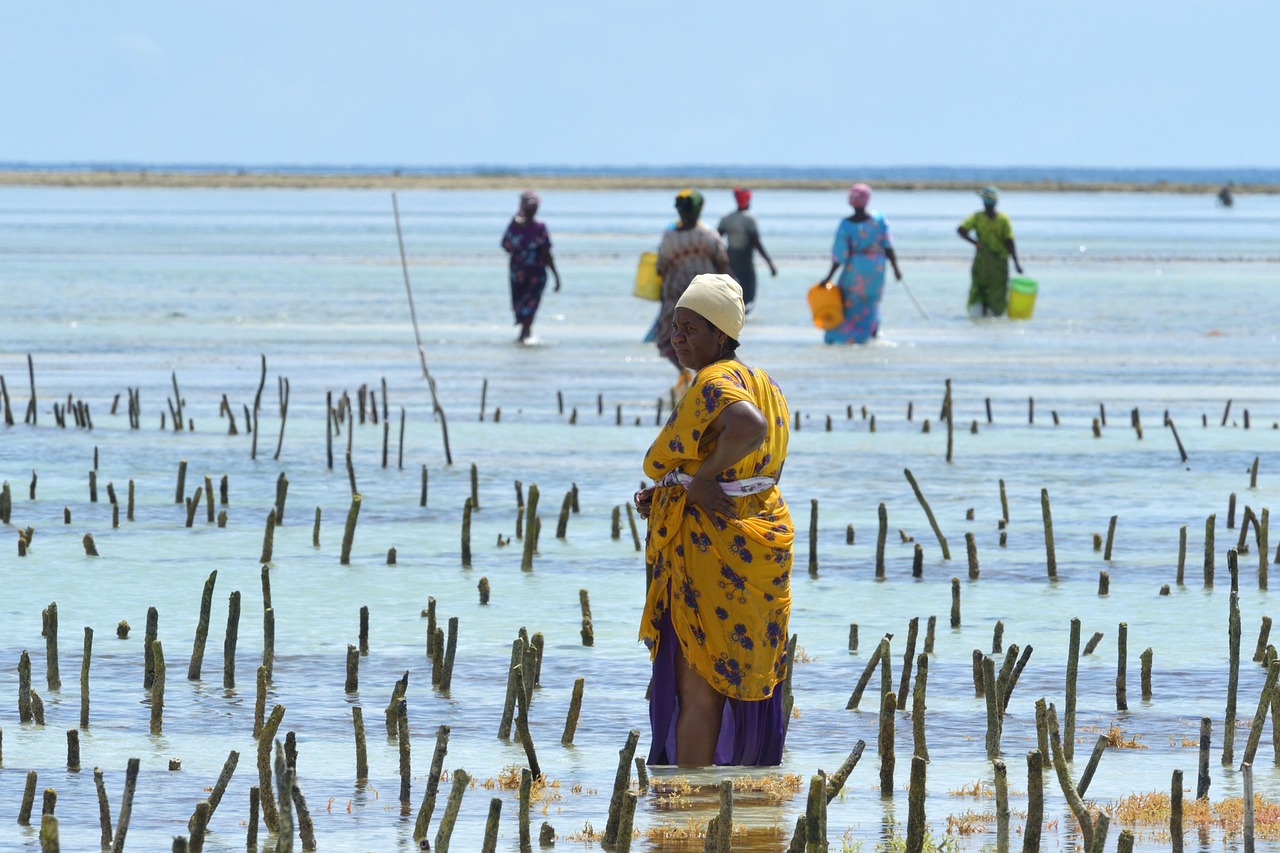
The east coast villages have powder-white beaches and a wide, shallow lagoon that empties at low tide, revealing seaweed farms. Paje is the kitesurfing capital, with a young, sporty crowd; Jambiani and Bwejuu are quieter and more local, and Michamvi has sunsets over Chwaka Bay.
The south and Fumba
Kizimkazi in the south is known for dolphin trips, and the Fumba peninsula and Menai Bay in the southwest have sandbanks, mangroves and boat excursions.
Pemba
The greener, hillier island of Pemba, to the north, is far less developed, with clove plantations, mangroves, excellent wall diving and a handful of lodges; reach it by a short flight or ferry.
Where to stay in Zanzibar
- Stone Town: 1–2 nights for history and food.
- Nungwi and Kendwa: swimming at all tides, sunsets, nightlife.
- Paje and Jambiani: kitesurfing and a relaxed vibe; big tides.
- Matemwe and the northeast: quiet resorts near Mnemba.
Top things to see on Zanzibar
Stone Town
Lose yourself in the alleys of Stone Town, where Swahili, Arab, Indian and European architecture mix. Highlights include more than 500 ornately carved doors, the Old Fort (Ngome Kongwe), built by the Omanis, the Palace Museum, the Hamamni Persian Baths, the Old Dispensary and the waterfront. The House of Wonders, the sultan’s ceremonial palace and once the tallest building in East Africa, has been under restoration since part of it collapsed. Hire a licensed guide for a walking tour, then wander at dusk to Forodhani Gardens, where the evening food market sells grilled seafood and Zanzibar “pizza”. See our city sightseeing guide.
The slave market memorial and Christ Church
On the site of Zanzibar’s last open slave market, closed in 1873, stands the Anglican Christ Church Cathedral, with a moving memorial of chained figures in a pit and an exhibition on the East African slave trade. It’s an essential, sobering visit.
Darajani Market
Stone Town’s main market, Darajani, is a riot of spices, fruit, fish, meat and household goods; go in the morning and watch your belongings.
Jozani Forest
Jozani Chwaka Bay National Park, in the center of the island, protects the endemic Zanzibar red colobus, a monkey found nowhere else, along with forest trails and a mangrove boardwalk. Guided visits take 1–2 hours.
Mnemba Atoll
Off the northeast coast, the coral reefs around Mnemba Atoll are Zanzibar’s best-known snorkeling and diving site, with turtles, reef fish and often dolphins. Boats leave from Matemwe and Nungwi. See our snorkeling and diving guides.
Prison Island
A short boat ride from Stone Town, Changuu (Prison Island) has a colony of giant Aldabra tortoises, some more than a century old, plus a small beach and snorkeling.
Spice farms
Zanzibar’s fame was built on cloves, and plantations near Stone Town offer spice tours where you taste cloves, nutmeg, cinnamon, vanilla, black pepper, lemongrass and tropical fruits.
Beaches, snorkeling and diving
Zanzibar’s beaches are made of fine, white coral sand. On the east and northeast coasts, the tide goes out a long way (often a kilometer or more), so swimming is best at high tide; low tide is for walks across the lagoon, rock pools and seaweed farms. In the north, at Nungwi and Kendwa, the tides affect the beach far less. The best diving is around Mnemba, Leven Bank off Nungwi and the walls of Pemba, with good visibility from about October to March. Dolphin trips from Kizimkazi are popular, but choose operators who don’t chase the animals. See our beaches guide.
Other things to do on Zanzibar
Kitesurfing
Paje is one of East Africa’s top kitesurfing spots, with the steady kaskazi wind from about December to February and the stronger kusi from about June to September, and a flat, shallow lagoon at low tide. Schools offer courses for all levels. See our surfing guide.
Dhow cruises and sandbanks
Sunset dhow cruises sail from Stone Town and Nungwi, and full-day trips in Menai Bay visit sandbanks, mangroves and snorkeling spots with a seafood lunch. See our boat trips guide.
Food and drink
Zanzibar’s Swahili cuisine is fragrant with spices: try pilau, biryani, urojo (Zanzibar mix, a tangy soup with fritters), octopus curry, coconut fish, mishkaki skewers, and the street-food Zanzibar pizza, a stuffed, griddled pancake. Fresh juices, spiced coffee from street vendors’ brass pots and sugarcane juice are everywhere. Many local restaurants don’t serve alcohol, but hotels and tourist restaurants do. During Ramadan, many local eateries close by day.
Culture and etiquette
Zanzibar is about 99% Muslim and conservative. Cover shoulders and knees in Stone Town and villages; swimwear is for beaches and pools. The UK government notes that the Zanzibari authorities can fine visitors US$700 or more for clothing they consider inappropriate in public, and guides or tour operators at least US$1,000. Ask before photographing people, avoid public displays of affection, and during Ramadan don’t eat or drink in public by day.
Day trips from Zanzibar
- Dar es Salaam: about 2 hours by ferry. See our Dar es Salaam guide.
- Pemba: a short flight for diving and unspoiled nature.
- Safari: day-trip flights to Nyerere National Park or Mikumi, or longer flights to the Serengeti. See our Serengeti National Park guide.
- Kilimanjaro: flights connect Zanzibar with Kilimanjaro airport for climbers. See our Kilimanjaro National Park guide.
Nearby destinations
- Dar es Salaam73 km
- Diani Beach209 km
- Mombasa241 km
Getting there and getting around
By air
Abeid Amani Karume International Airport (ZNZ), a few kilometers south of Stone Town, has direct international flights from Europe (many seasonal), the Middle East, including Doha, Dubai and Muscat, and Africa, plus domestic flights from Dar es Salaam (about 20–30 minutes), Arusha, Kilimanjaro and the Serengeti. Have your insurance confirmation, visa and onward ticket ready.
By ferry from Dar es Salaam
Fast catamarans run several times a day from Dar es Salaam’s central ferry terminal to the port in Stone Town, taking about 2 hours. Azam Marine (Kilimanjaro Fast Ferries) lists non-resident fares of US$35 in economy, US$40 in business, US$60 in VIP and US$100 in royal class; children are 5 to 11, and adults 12 and over. The luggage allowance is 25 kg (55 lb), and the operator restricts alcohol on board. Book online or at the official office, not through touts, and be ready for passport and insurance checks on arrival. Seas can be rough, especially from June to September.
Getting around
Taxis and private transfers are the easiest way between Stone Town and the beaches: about 1–1.5 hours to Nungwi or Paje. Dala dalas (shared minibuses) are cheap and leave from Darajani. Scooters and cars can be rented, but you’ll need a Zanzibar driving permit, arranged through the rental company, along with your license; police checkpoints are common. In Stone Town, walk.
When to go and how long to stay
Zanzibar is warm year-round, with highs of about 29–33 °C (84–91 °F). The best months are June to October, when it’s dry, sunny and breezy, and December to February, which are hotter and calmer. The long rains from about March to May are heavy, especially in April, and many east coast hotels close or offer discounts; the short rains in November bring showers. The table uses Tanzania Meteorological Authority (TMA) climate normals for 1991–2020 for the Zanzibar airport station, as published by the World Meteorological Organization (WMO): average daily highs and lows, total precipitation and days with at least 1 mm of rain.
| Month | Average high / low | Rain (days with 1 mm or more) | What to expect |
|---|---|---|---|
| January | 33 °C (91 °F) / 24 °C (76 °F) | 74 mm (2.9 in), 6 days | Hot and sunny; calm seas; peak season |
| February | 33 °C (92 °F) / 24 °C (76 °F) | 51 mm (2.0 in), 4 days | Hottest month; kaskazi winds |
| March | 32 °C (90 °F) / 24 °C (76 °F) | 177 mm (7.0 in), 11 days | Very hot and humid; rains begin |
| April | 31 °C (87 °F) / 24 °C (76 °F) | 408 mm (16.1 in), 18 days | Wettest month; some hotels close |
| May | 30 °C (85 °F) / 24 °C (75 °F) | 298 mm (11.7 in), 14 days | Heavy rain easing; low season |
| June | 29 °C (85 °F) / 23 °C (73 °F) | 52 mm (2.0 in), 5 days | Dry and breezy; kusi winds |
| July | 29 °C (84 °F) / 22 °C (72 °F) | 31 mm (1.2 in), 4 days | Coolest month; sunny; busy |
| August | 29 °C (85 °F) / 21 °C (70 °F) | 38 mm (1.5 in), 6 days | Dry and sunny; peak season |
| September | 30 °C (87 °F) / 21 °C (70 °F) | 37 mm (1.4 in), 5 days | Dry; excellent; good diving |
| October | 31 °C (88 °F) / 22 °C (72 °F) | 116 mm (4.6 in), 7 days | Warm and calm; very good |
| November | 31 °C (88 °F) / 23 °C (74 °F) | 201 mm (7.9 in), 14 days | Short rains; brief showers |
| December | 32 °C (89 °F) / 24 °C (75 °F) | 168 mm (6.6 in), 12 days | Hot; busy over the holidays |
5 nights on Zanzibar
Spend one night in Stone Town for a walking tour, the slave market memorial and Forodhani; then four nights on the beach at Nungwi or Kendwa (for swimming at all tides) or Paje (for kitesurfing), with a Mnemba snorkeling trip and Jozani Forest on the way.
A week or more
Add a spice tour, Prison Island, a Menai Bay dhow trip, a dive course, or a few nights on Pemba.
What a trip to Zanzibar costs
Prices are approximate, for October 2026, converted at about TZS 2,637 to the US dollar (Bank of Tanzania).
| Item | Typical cost |
|---|---|
| Mandatory inbound insurance, adult / child | US$44 / 22 (about TZS 116,000 / 58,000) |
| Fast ferry Dar–Zanzibar, economy / business | US$35 / 40 (about TZS 92,300 / 105,500) |
| Taxi Stone Town to Nungwi or Paje | about US$35–60 |
| Stone Town walking tour with a guide | about US$15–30 |
| Mnemba snorkeling trip | about US$40–80 |
| Street food at Forodhani | TZS 5,000–15,000 (about US$1.9–5.7) |
| Mid-range beach hotel double, per night | about US$90–220 |
Practical tips for Zanzibar
- Buy your insurance in advance: through the official Visit Zanzibar platform if Zanzibar is your first point of entry.
- Check tide tables: they determine when you can swim on the east coast.
- Carry cash: ATMs are in Stone Town and some beach villages; small places prefer shillings or US dollars.
- Use licensed guides: in Stone Town, a licensed guide avoids hassle from touts.
- Respect the dress code: carry a wrap or long trousers for town.
- No plastic bags: they’re banned in Tanzania, including Zanzibar.
Safety
Zanzibar is generally relaxed, but take precautions. Theft happens in Stone Town and on beaches: keep valuables in your hotel safe, carry little cash, and avoid walking alone at night in quiet alleys or on dark beaches. Bag snatching from motorbikes occurs. At sea, choose established boat operators with life jackets, don’t board an overloaded boat or ferry, and avoid boat trips in bad weather. Wear water shoes on the reef for sea urchins and stonefish, and don’t swim far out at low tide when the tide turns quickly. Malaria and dengue are present, so use repellent and nets and ask a travel-health professional about antimalarials. Tanzania requires a yellow fever certificate if you arrive from a country with yellow fever risk, including Kenya. Avoid demonstrations, especially around elections, and follow local news. Drug laws are strict, and same-sex relationships are illegal in Tanzania, including Zanzibar. In an emergency, call 112.
What to pack for Zanzibar
Light, loose clothes that cover shoulders and knees for Stone Town and villages, swimwear and a cover-up, a sun hat, sunglasses, reef-safe high-factor sunscreen, insect repellent, sandals and water shoes, a rash vest for snorkeling, a light rain jacket from March to May, a dry bag for boat trips, and a power adapter: Tanzania uses 230 V with type D and G sockets. See our wetsuits, water shoes and travel adapters guides.
Zanzibar travel FAQ
Is travel insurance mandatory for Zanzibar?
Yes. If Zanzibar is your first point of entry into Tanzania, you must buy the Zanzibar Insurance Corporation’s inbound policy, US$44 per adult and US$22 per child, even if you have other insurance.
Do I need a separate visa for Zanzibar?
No. A Tanzanian visa covers both the mainland and Zanzibar; you show your passport on arrival in Zanzibar.
How do I get from Dar es Salaam to Zanzibar?
By fast ferry in about 2 hours (from US$35 in economy with Azam Marine), or by a 20–30 minute flight.
Which part of Zanzibar is best for swimming?
Nungwi and Kendwa in the north, where the tides affect the beach least; the east coast is best at high tide.
What is the best time to visit Zanzibar?
June to October and December to February; the heaviest rains fall from March to May, especially in April.
What should I wear in Stone Town?
Cover your shoulders and knees; swimwear is only for beaches and pools, and the authorities can fine visitors for inappropriate dress in public.
How many days do I need in Zanzibar?
Five to seven nights, with one or two in Stone Town and the rest on the beach.
Is Zanzibar good for kitesurfing?
Yes, especially Paje, with the kaskazi wind from about December to February and the kusi from about June to September.
Is there malaria in Zanzibar?
Yes. Malaria occurs in Tanzania below 1,800 m, including Zanzibar; take precautions against mosquito bites.
Can I see dolphins in Zanzibar?
Yes, often at Kizimkazi and Mnemba; choose responsible operators who don’t chase the dolphins.
Sources and last review
Researched and last reviewed on 5 October 2026. Mandatory inbound insurance (who needs it, cost and cover): the Zanzibar Insurance Corporation; the e-visa covering mainland and Zanzibar and the first-destination rule: Tanzania Immigration Services; ferry fares, child ages, luggage and alcohol rules: Azam Marine; the first-port-of-entry rule, 92-day cover, mainland insurance, dress-code fines, Zanzibar driving permits, ferry safety and touts, crime precautions, laws and emergency numbers: the UK government’s factual entry and safety pages, used for practical facts only; Stone Town’s UNESCO listing: the UNESCO World Heritage List (via Wikidata); malaria, dengue and yellow fever: the US CDC; climate normals: the Tanzania Meteorological Authority via the World Meteorological Organization’s 1991–2020 normals (Zanzibar station); the exchange rate: the Bank of Tanzania. The 2024 start date of the insurance requirement, Stone Town sights and history, the House of Wonders restoration, Jozani, Mnemba, Prison Island, tides, wind seasons, flight and transfer times and typical prices are general references or estimates, flagged for checking. Prices and rules change, so check locally before you go. For the visa, money and general safety, see our Tanzania travel guide.
Plan your trip
Partner links: TravelerCenter may earn a commission if you book, at no extra cost to you.
🇹🇿 Useful Swahili phrases for zanzibar
All 38 Swahili phrases: restaurant, hotel, emergencies, romance (printable) →