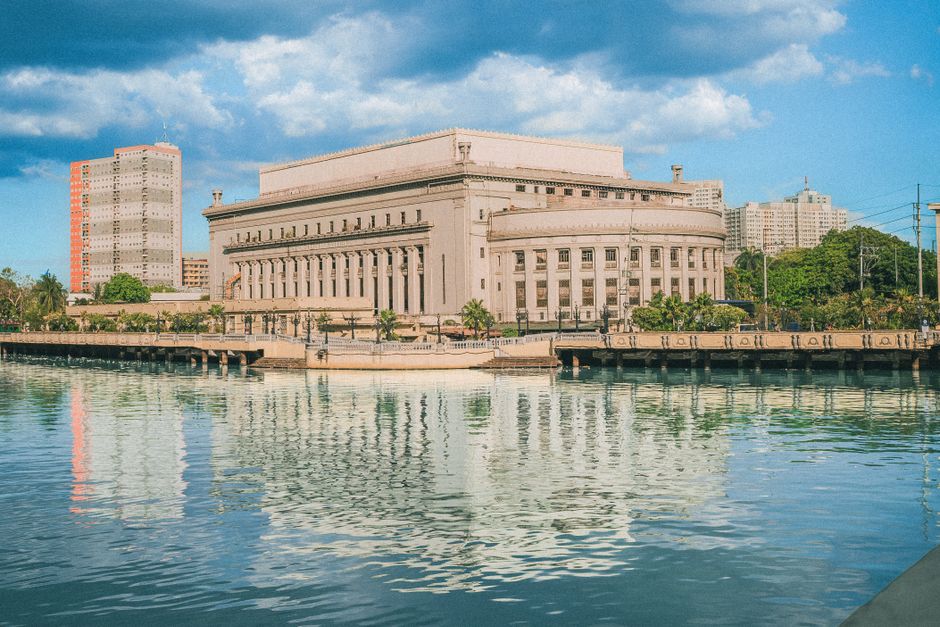
The Philippines is an archipelago of more than 7,600 islands strung across the western Pacific, between Taiwan to the north and Borneo to the south, and it has some of the most spectacular coastline in Asia: the limestone lagoons of El Nido and Coron in Palawan, the powdery sand of Boracay, the surf breaks of Siargao, the coral walls and whale sharks of the Visayas, and hundreds of quieter islands in between. Inland, the 2,000-year-old rice terraces of the Ifugao people climb the Cordillera mountains, Spanish-era stone churches and the colonial streets of Vigan recall more than three centuries of Spanish rule, and Manila mixes walled Intramuros with megamalls, street food and some of the warmest hospitality anywhere. English is an official language and widely spoken, which makes independent travel easier than in much of the region. A few things need planning, though: every arriving traveler must register on the free eTravel system within 72 hours before arrival, most visitors get 30 days without a visa but need an onward ticket, distances between islands mean domestic flights and ferries, and the typhoon season from about June to November can cancel boats and flights at short notice.
Right now in Philippines
- Wed 25–31°C 77–89°F 7 mm Heavy showers
- Thu 25–31°C 77–87°F 17 mm Heavy showers
- Fri 24–29°C 76–84°F 3 mm Light rain
Weather: MET Norway (CC BY 4.0)
Multi-day tours of Philippines
Multi-day tours from local operators. You check dates and book on Viator, our partner; we may earn a commission at no extra cost to you. How we earn money
The Philippines at a glance
The Republic of the Philippines lies in Southeast Asia, bounded by the Philippine Sea and the Pacific Ocean to the east, the South China Sea (called the West Philippine Sea in the Philippines) to the west, the Luzon Strait and Taiwan to the north, and the Celebes Sea and Indonesia and Malaysia to the south. It covers about 300,000 km² (115,800 sq miles), a little larger than Arizona, and according to the 2024 census of the Philippine Statistics Authority it had about 112.7 million people. The country is divided into 18 regions and 82 provinces; Manila is the capital, and the wider National Capital Region, Metro Manila, is a sprawling urban area of 16 cities and one municipality, home to more than 13 million people.
Filipino (based on Tagalog) and English are the official languages, and more than 100 other languages are spoken, including Cebuano, Ilocano and Hiligaynon. About eight in ten Filipinos are Roman Catholic, the legacy of more than 300 years of Spanish rule, with a Muslim minority concentrated in western Mindanao and the Sulu Archipelago. After Spain came nearly half a century of American rule, Japanese occupation in World War II and independence in 1946. The country uses one time zone, Philippine Standard Time (UTC+8), with no daylight saving time. Electricity is 220 V, 60 Hz, and most sockets take flat two-pin US-style plugs (types A and B). The currency is the Philippine peso (₱).
The Philippines’ regions
- Luzon: the largest island, with Metro Manila, the Cordillera mountains of Baguio, Sagada and the Ifugao rice terraces, the Ilocos coast and Vigan, the volcanoes of Taal and Mayon, and the beaches of Batangas, La Union and Zambales.
- Palawan and Mindoro: the long western island of Palawan, with Puerto Princesa and its underground river, El Nido and Coron, plus Mindoro’s dive sites at Puerto Galera.
- The Visayas: the central islands, including Cebu, Bohol, Panay with Boracay off its northern tip, Negros, Siquijor, Leyte and Samar, with the densest network of ferries.
- Mindanao: the large southern island and its satellites, with Davao, Cagayan de Oro, the surf island of Siargao off the northeast coast, and Camiguin; the Sulu Archipelago stretches southwest toward Borneo.
Where to go: islands, cities and mountains
A two-week first trip often combines Manila with Palawan (El Nido, Coron or both) and a stop in the Visayas, such as Bohol or Cebu, or swaps one of them for Boracay or Siargao. Travelers who prefer culture and cooler air can head north to Baguio, the rice terraces and Vigan. See our guides to each place:
- Manila: the walled city of Intramuros, the National Museum, Binondo’s Chinatown, sunset over Manila Bay, and the country’s main airport.
- El Nido: the limestone islands and lagoons of Bacuit Bay in northern Palawan, explored on island-hopping tours A to D.
- Coron: Kayangan and Barracuda lakes, World War II shipwrecks for divers, and the island-dotted Calamian group.
- Puerto Princesa: Palawan’s capital and the gateway to the UNESCO-listed Puerto Princesa Underground River and Honda Bay.
- Boracay: a small island with one of Asia’s most famous beaches, White Beach, plus sailing, kitesurfing and sunsets.
- Cebu City: the oldest Spanish city in the country, with Magellan’s Cross and the Basilica del Santo Niño, plus resorts on Mactan and day trips to waterfalls and whale sharks.
- Bohol: the Chocolate Hills, tarsiers, old stone churches, the Loboc River and the beaches and reefs of Panglao.
- Siargao: the surfing capital of the Philippines, with Cloud 9, palm-lined roads, lagoons and island-hopping.
- Baguio: the pine-covered mountain city, cool all year, with markets, parks and the Panagbenga flower festival.
- Vigan: a UNESCO-listed Spanish colonial town of cobblestone streets, ancestral houses and horse-drawn kalesas.
- Banaue: the base for the Ifugao rice terraces, including the amphitheater of Batad, part of a UNESCO World Heritage Site.
Other favorites include Sagada in Mountain Province, Moalboal and Malapascua in Cebu, Siquijor, Dumaguete and Apo Island, Camiguin, Iloilo, Puerto Galera, the Batanes islands in the far north, La Union for surfing, and Davao for Mount Apo.
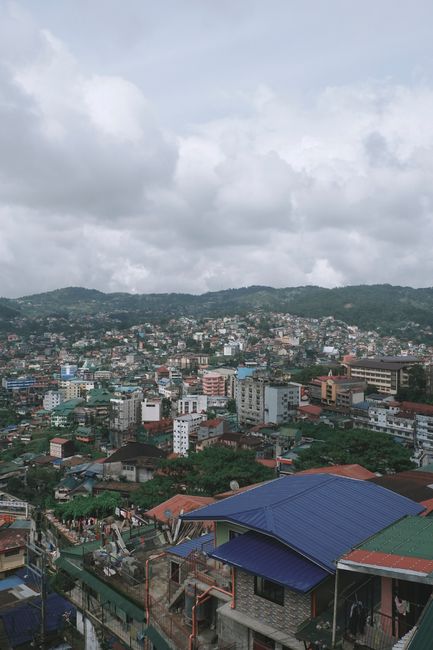
Baguio Travel Guide
Plan a trip to Baguio: Session Road, Burnham Park, Camp John Hay and La Trinidad and where to stay, the cathedral, public market, BenCab…
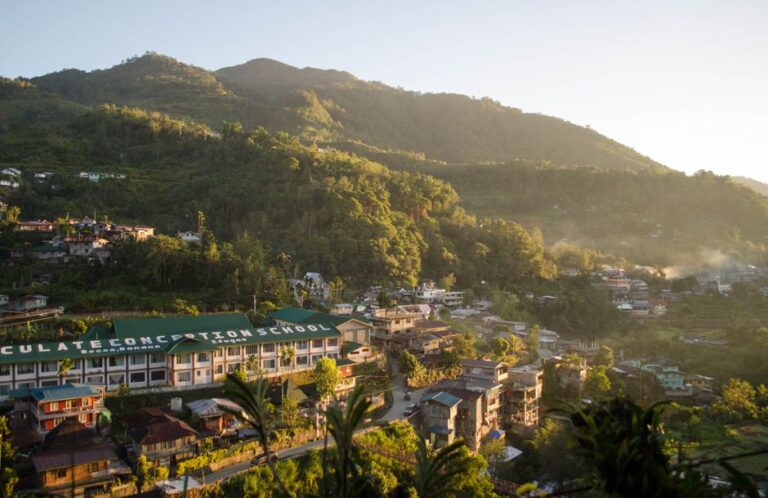
Banaue Travel Guide
Plan a trip to Banaue: the town, the viewpoints, Batad and Bangaan and where to stay, the Ifugao rice terraces and their UNESCO clusters,…
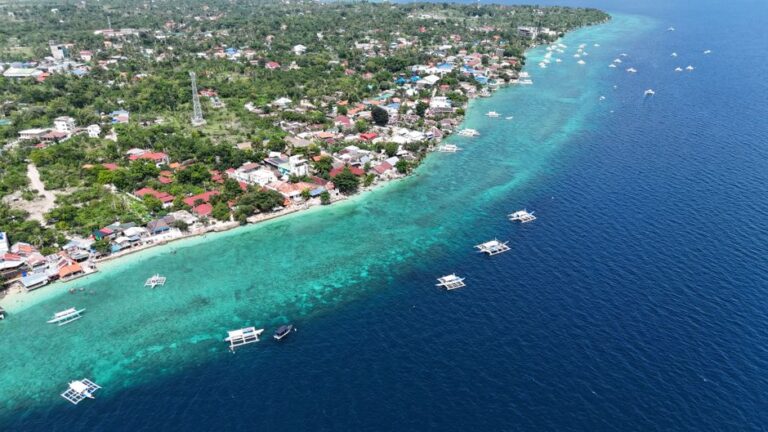
Bohol Travel Guide
Plan a trip to Bohol: Panglao and Alona Beach, Tagbilaran, the Loboc and Carmen countryside and Anda and where to stay, the Chocolate Hills…
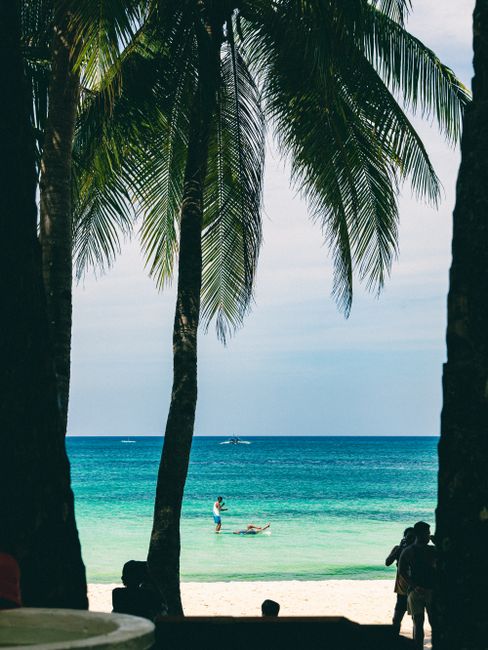
Boracay Travel Guide
Plan a trip to Boracay: White Beach Stations 1, 2 and 3, Bulabog, Puka Beach and the north and where to stay, paraw sunset…
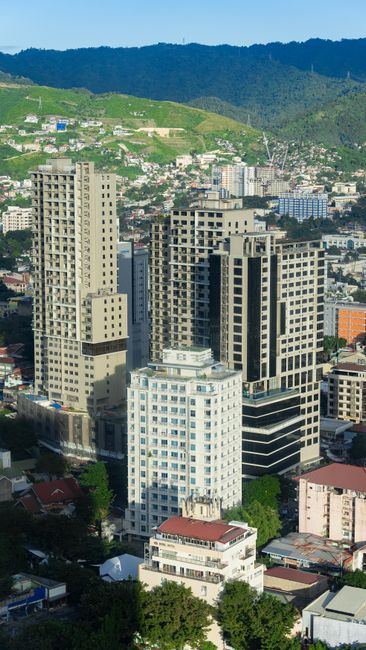
Cebu City Travel Guide
Plan a trip to Cebu City: downtown and the heritage district, IT Park, Cebu Business Park and Mactan and where to stay, the Basilica…
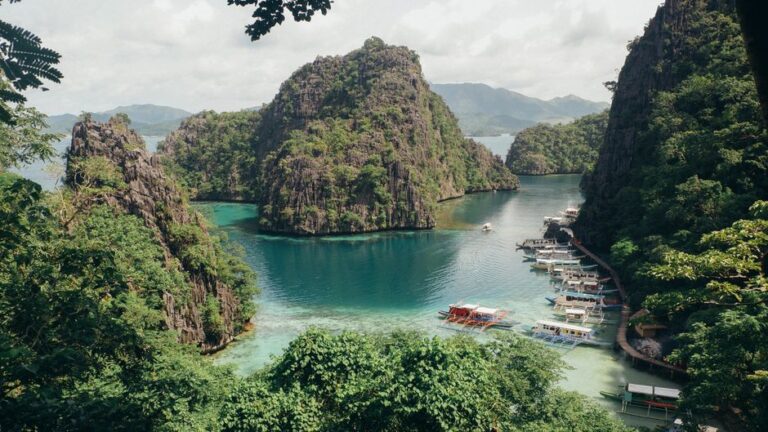
Coron Travel Guide
Plan a trip to Coron: Coron town, the waterfront and island resorts and where to stay, Kayangan Lake, Barracuda Lake, Twin Lagoon, the World…
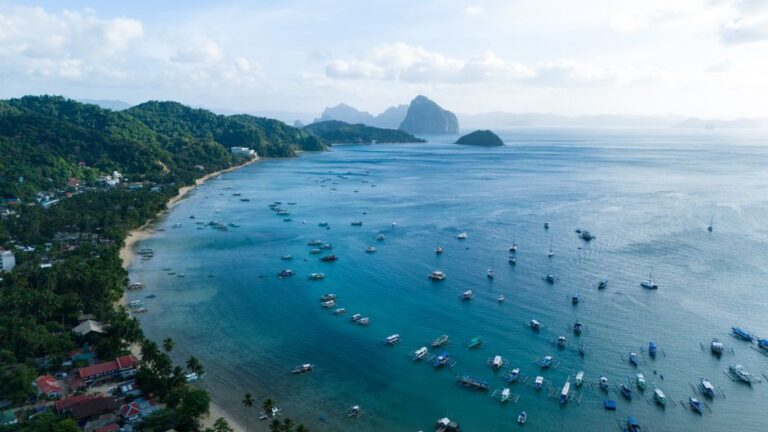
El Nido Travel Guide
Plan a trip to El Nido: the town, Corong-Corong, Las Cabanas, Nacpan and the island resorts and where to stay, Bacuit Bay island-hopping tours…
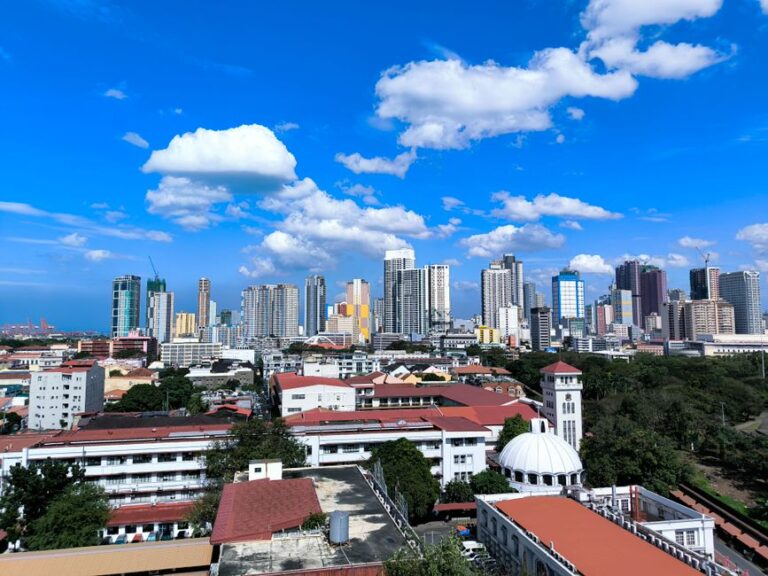
Manila Travel Guide
Plan a trip to Manila: Intramuros, Malate, Binondo, Makati, BGC and the Bay Area and where to stay, Fort Santiago hours and fees, San…
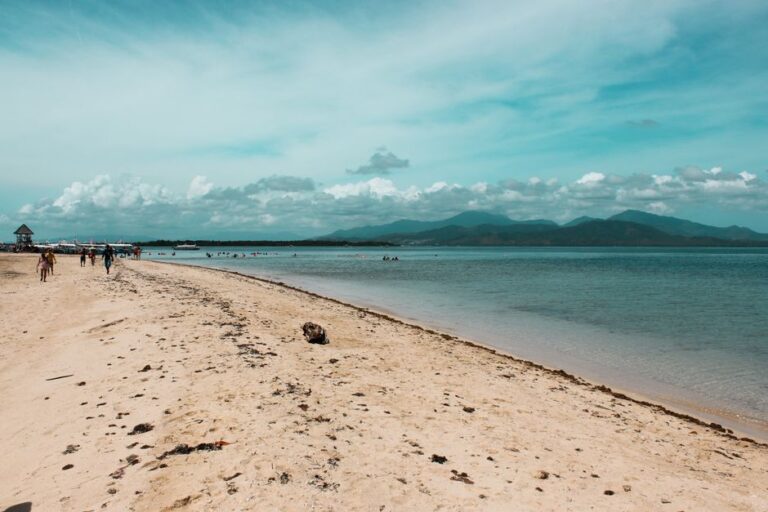
Puerto Princesa Travel Guide
Plan a trip to Puerto Princesa: the city center, bayfront, Sabang and Honda Bay and where to stay, the Puerto Princesa Underground River with…
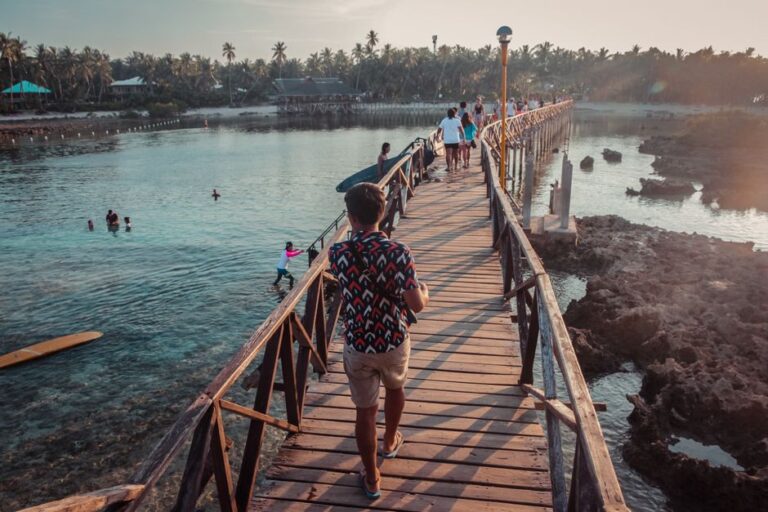
Siargao Travel Guide
Plan a trip to Siargao: General Luna, Cloud 9, Pacifico and the north and where to stay, surfing for all levels and the International…
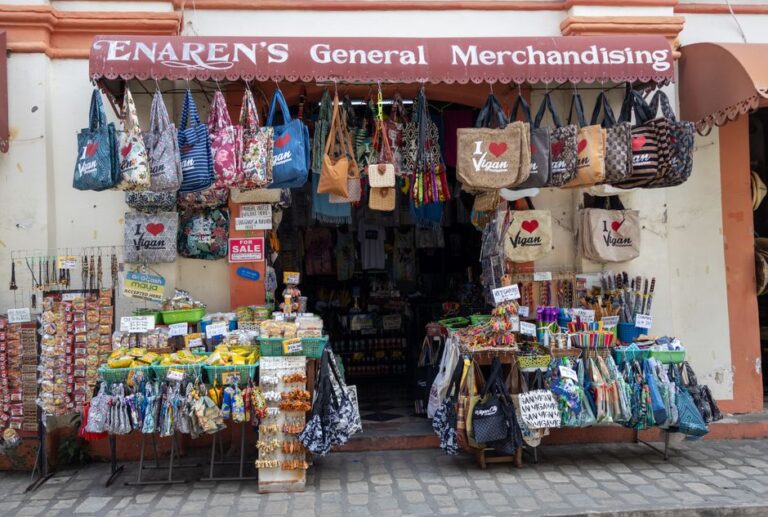
Vigan Travel Guide
Plan a trip to Vigan: the Mestizo District, Calle Crisologo and the plazas and where to stay, kalesa rides, St. Paul Cathedral, the Plaza…
Best time to visit the Philippines
The Philippines is tropical and humid all year, with lowland highs of about 30–34 °C (86–93 °F) and nights rarely below 23 °C (73 °F); only the mountains, such as Baguio at 1,500 m (4,900 ft), are cool. According to PAGASA, the national weather agency, the year divides into a rainy season from June to November and a dry season from December to May, which it splits into the cool dry season (December to February) and the hot dry season (March to May). The national mean temperature is 26.6 °C (79.9 °F), with January the coolest month and May the warmest. In 2026, PAGASA declared the start of the rainy season on June 4.
Rain is driven by two monsoons. The southwest monsoon (habagat), from about June to September, brings heavy rain to the western side of the country, including Manila, Palawan, Boracay and the Ilocos coast. The northeast monsoon (amihan), from about November to February, brings cooler winds and rain to the eastern seaboard, such as Siargao, Samar and eastern Mindanao, while the west stays dry. Typhoons can strike anywhere except far southern Mindanao, with July to October the peak.
The table shows rounded averages from PAGASA’s 1991–2020 climate normals, as submitted to the World Meteorological Organization (WMO), for one station in each main travel area.
| Area (PAGASA station) | January high / low | July high / low | Rain a year | Wettest months |
|---|---|---|---|---|
| Manila (Port Area) | 30 °C (86 °F) / 24 °C (75 °F) | 32 °C (89 °F) / 26 °C (79 °F) | about 2,260 mm (89 in) | July to September |
| Baguio (Baguio City) | 23 °C (74 °F) / 13 °C (55 °F) | 23 °C (74 °F) / 16 °C (61 °F) | about 3,840 mm (151 in) | July and August |
| Cebu and Bohol (Mactan) | 30 °C (85 °F) / 24 °C (75 °F) | 32 °C (89 °F) / 25 °C (77 °F) | about 1,690 mm (66 in) | July and October |
| Palawan (Puerto Princesa) | 31 °C (88 °F) / 24 °C (75 °F) | 32 °C (89 °F) / 24 °C (76 °F) | about 1,560 mm (61 in) | October and November |
| Panay and Boracay area (Roxas City) | 29 °C (84 °F) / 25 °C (77 °F) | 31 °C (89 °F) / 25 °C (77 °F) | about 2,140 mm (84 in) | June and October |
| Siargao area (Surigao City) | 29 °C (85 °F) / 23 °C (74 °F) | 32 °C (90 °F) / 24 °C (76 °F) | about 3,760 mm (148 in) | December and January |
The Philippines month by month
| Month | Weather | Highlights | Crowds and prices |
|---|---|---|---|
| January | Cool dry season in the west; northeast monsoon rains in Siargao and the east | Sinulog in Cebu and Ati-Atihan in Kalibo (third weekend); Feast of the Black Nazarene in Manila (January 9) | High around New Year and the festivals |
| February | Dry and breezy; the most pleasant month in many places | Panagbenga flower festival in Baguio; Chinese New Year in Binondo | High in Baguio and on the beaches |
| March | Hot dry season begins; calm seas | Good island-hopping in Palawan and Boracay | High; Holy Week in some years |
| April | Hot and dry; the hottest month in Manila | Holy Week processions; best beach weather | Very high around Holy Week, when Filipinos travel |
| May | Hottest month nationally; first storms late in the month | Flores de Mayo fiestas; Pahiyas in Lucban | High until school starts |
| June | Rainy season begins in the west | Independence Day (June 12); green rice terraces | Low; rainy-season discounts |
| July | Southwest monsoon; typhoons possible | Rice terraces at their greenest | Low |
| August | Often the wettest month in Manila and Baguio | Kadayawan festival in Davao | Low |
| September | Wet; typhoon peak | Surf season building in Siargao; Siargao surfing cup | Low; Siargao busier |
| October | Rain easing in the west; typhoons still possible | MassKara festival in Bacolod; Siargao surf season | Moderate |
| November | Transition; northeast monsoon starts, typhoons still possible | All Saints’ Day (November 1); start of the dry season in the west | Moderate |
| December | Cool dry season begins in the west; wet in the east | Christmas, the country’s biggest celebration, with lanterns and Simbang Gabi dawn masses | Very high from mid-December to New Year |
Typhoons and the 2026 El Niño
According to PAGASA, an average of about 20 tropical cyclones enter the Philippine Area of Responsibility each year, and eight or nine of them cross the country; July to October is the peak, when nearly 70% of typhoons develop. PAGASA warns of approaching storms with Tropical Cyclone Wind Signals from 1 to 5, raised for specific provinces and municipalities: Signal No. 1 means winds of 39–61 km/h (24–38 mph) are expected within 36 hours, Signal No. 3 means 89–117 km/h (55–73 mph) within 18 hours, and Signal No. 5 means 185 km/h (115 mph) or more within 12 hours. When signals are raised, the Philippine Coast Guard suspends sea trips in the affected waters, flights are canceled and schools close; build spare days into any island itinerary between June and December.
In September 2026, PAGASA said a strong El Niño was under way in the Pacific and expected to become very strong between September and December 2026, lasting into the first half of 2027. El Niño usually brings warmer temperatures and below-normal rainfall to most of the country, with a risk of dry spells and water shortages, though the southwest monsoon and tropical cyclones can still bring heavy local rain to the west.
Festivals and holidays
- Sinulog and Ati-Atihan: street-dancing festivals in honor of the Santo Niño in Cebu City and Kalibo, Aklan, on the third weekend of January; flights and hotels sell out.
- Holy Week: the week before Easter, in March or April, when much of the country travels home or to the beach; Maundy Thursday and Good Friday are holidays, with processions and, in some Pampanga villages, real crucifixions.
- Panagbenga: Baguio’s month-long flower festival in February, with parades of flower floats.
- Independence Day: June 12.
- All Saints’ Day: November 1, when families gather at cemeteries.
- Christmas: the season begins in September, the “ber” months, and peaks from December 16 to New Year, with dawn masses and parol lanterns.
How long to stay: sample itineraries
- 7 days: Manila (1 night), then El Nido (4) and Coron (2), linked by a boat across the Linapacan Strait; or Manila, Cebu (2) and Bohol (3).
- 10 days: Manila (2), Puerto Princesa (2) for the underground river, El Nido (4) and Coron (2).
- 14 days: Manila (2), El Nido (4), Coron (3), then a flight via Manila or Cebu to Bohol (3) and Cebu (2); or swap Bohol and Cebu for Boracay (4) or Siargao (5).
- The north, any time from November to May: Manila, Baguio (2), Sagada or Banaue and Batad (3), and Vigan (2), returning to Manila by bus or from Laoag by air.
Entry, money and costs
Visas (last reviewed October 2026)
Citizens of many countries, including the United States, Canada, the United Kingdom, Ireland, Australia, New Zealand, Japan, South Korea and all European Union countries, can enter the Philippines without a visa for tourism. According to the Bureau of Immigration, these visitors are admitted for an initial stay of 30 days, which can be extended in the country by 29 days to 59 days in total, and then in further steps up to a maximum of 36 months; apply at a Bureau of Immigration office or through its online e-services at least seven days before your stay expires. Holders of some passports, such as those of Hong Kong and Macau, are admitted for shorter periods, and citizens of several countries, including China, need a visa in advance; Indian citizens have a separate, shorter visa-free arrangement. According to the UK government’s entry requirements for the Philippines, your passport must be valid for at least six months after the date you arrive, and visitors are expected to show proof of return or onward travel; airlines commonly check this at check-in, so have a ticket out of the country booked. Visitors who stay six months or more must obtain an Emigration Clearance Certificate (ECC) before leaving.
eTravel registration
According to the official eTravel system, all arriving passengers and crew, Filipino or foreign, must register on eTravel (etravel.gov.ph), the single online platform the Philippines uses for border control, health surveillance and customs. You can register up to 72 hours (three days) before arrival, on the website or the eGovPH app, and it includes the arrival health declaration and the Philippine customs declaration. Registration is free: the official site warns of fake websites that charge fees and asks travelers to report them. After registering, save or print your QR code, because airlines ask to see it before boarding; a green code lets you go straight to immigration, while a red code means a check by the Bureau of Quarantine first. If you have registered before, you can update your existing record for each trip. Diplomats and holders of official passports are exempt; departing foreign visitors do not need to register.
Customs and currency
According to the eTravel customs declaration, you need authorization from the Bangko Sentral ng Pilipinas (the central bank) to carry more than ₱50,000 in pesos into or out of the country, and foreign currency over the equivalent of US$10,000 must be declared. Penalties for drug offenses are severe, with long mandatory prison terms even for small amounts; never carry anything for anyone else.
Money and cards
The currency is the Philippine peso (PHP, ₱). Using the European Central Bank’s reference rates of October 2, 2026, one US dollar was worth about ₱62.6. Visa and Mastercard are accepted in hotels, malls, chain restaurants and many resorts, and e-wallets such as GCash and Maya are everywhere, but cash rules at small eateries, jeepneys, tricycles, markets and on many islands. ATMs are common in cities and tourist towns, though they can run dry on weekends and holidays in places like El Nido, Coron and Siargao, and most charge a fee per withdrawal for foreign cards, so withdraw what you need before heading to remote islands. Money changers in malls usually give better rates than banks and hotels. When a card machine offers to charge you in your home currency, choose pesos.
Tipping and taxes
Prices in shops include 12% VAT. Many hotels and restaurants add a 10% service charge, in which case extra tips are optional; elsewhere, leaving ₱50–100 or rounding up is appreciated, and tour guides, boat crews, drivers and porters are commonly tipped. Hotels in some destinations collect local environmental or tourism fees on top of the room rate.
What a trip costs
Prices are approximate, for October 2026, converted at about ₱62.6 to the US dollar.
| Item | Typical cost |
|---|---|
| Meal at a carinderia (local eatery) or food court | ₱100–250 (about US$1.60–4) |
| Dinner in a mid-range restaurant | ₱600–1,200 (about US$10–19) per person |
| Local beer in a bar | ₱80–180 (about US$1.30–2.90) |
| Jeepney ride | from about ₱13 (about US$0.20) |
| Grab from NAIA to Makati | ₱350–700 (about US$5.60–11) |
| Domestic flight, Manila to Cebu or Puerto Princesa, booked ahead | ₱2,000–5,000 (about US$32–80) |
| Shared island-hopping tour in El Nido or Coron, before fees | ₱1,400–2,200 (about US$22–35) |
| Fort Santiago entry, Intramuros | ₱75 (about US$1.20) |
| Mid-range hotel double, per night | ₱3,000–6,000 (about US$48–96) |
A comfortable mid-range trip costs roughly ₱4,000–7,000 (about US$64–112) per person per day, including a shared double room and tours; backpackers using hostels, local food and buses can manage on ₱1,800–2,800 (about US$29–45). Beach islands such as Boracay, El Nido and Siargao cost more than cities, and domestic flights add up quickly.
Getting there and getting around
Airports and NAIA terminals
Most international flights land at Ninoy Aquino International Airport (NAIA, MNL) in Pasay and Parañaque, about 10 km (6 miles) south of central Manila, which is now run by the New NAIA Infra Corp. It has three passenger terminals that are not connected airside, so check your terminal before you leave. According to the operator’s airline list, in October 2026 Philippine Airlines uses Terminal 1 for international flights and Terminal 2 for domestic flights (as does PAL Express); Cebu Pacific uses Terminal 3 for all its flights; AirAsia Philippines is listed at Terminals 1 and 2; and foreign airlines are split between Terminal 1 (for example Korean Air, EVA Air, China Airlines, Malaysia Airlines, VietJet and Air India) and Terminal 3 (for example Singapore Airlines, Cathay Pacific, Emirates, Qatar Airways, Japan Airlines, ANA, KLM, United and Turkish Airlines). A free shuttle runs between the terminals every hour, 24 hours a day, for passengers with connecting flights. Other international gateways include Mactan-Cebu (CEB), Clark (CRK) north of Manila, Bohol-Panglao, Davao, Iloilo, Kalibo and Puerto Princesa, mostly with flights from elsewhere in Asia.
From NAIA into the city, the airport lists coupon taxis with fixed fares by destination, yellow metered airport taxis (from ₱75 for the first 500 m), regular metered taxis, Grab, including fixed-fare “Airport to Anywhere” cars, point-to-point buses such as UBE Express from Terminal 3, and a ₱40 Airport Loop bus to the Pasay MRT station. Traffic in Metro Manila is notoriously heavy, so allow at least an hour to Makati or Manila at busy times.
Domestic flights
Flying is the only practical way to cover long distances. Philippine Airlines (with PAL Express) and Cebu Pacific (with its regional arm Cebgo) are the two main domestic airlines, flying from Manila, Cebu and Clark to dozens of airports, with AirAsia Philippines on some trunk routes and smaller carriers such as AirSWIFT serving El Nido. Key airports for travelers are Puerto Princesa, Busuanga (for Coron), El Nido (Lio), Caticlan and Kalibo (for Boracay), Bohol-Panglao, Siargao (Sayak) and Laoag (for Vigan). Fares are cheap when booked ahead and rise sharply around Holy Week, Christmas and school holidays. Turboprops on short island routes have tight baggage limits, so check allowances, and allow a buffer day before international flights during the typhoon season.
Ferries and fast craft
Ferries link almost every inhabited island. Fast craft such as OceanJet connect Cebu with Bohol (Tagbilaran), Leyte and Siquijor, Batangas with Calapan in Mindoro, and Iloilo with Bacolod; check in at least 30 minutes before departure with a valid ID matching the name on your ticket. Larger ships, including 2GO’s, sail overnight from Manila and Batangas to destinations such as Coron and Caticlan, and roll-on/roll-off ferries carry vehicles on shorter crossings. Outrigger bancas handle island-hopping and many short hops. Port terminals often charge a small terminal fee. Sailings are suspended whenever the Coast Guard stops sea travel for storms, so allow flexibility.
City transportation and Grab
In Metro Manila, the elevated LRT-1, LRT-2 and MRT-3 lines are cheap but crowded at rush hour, and jeepneys, buses and tricycles fill the gaps. Grab is the easiest way to get around: according to Grab, its car service covers Metro Manila, nearby Cavite, Rizal and Pampanga, Baguio and Naga in Luzon, Cebu, Bacolod and Iloilo in the Visayas, and Davao, Cagayan de Oro and Zamboanga in Mindanao, with a motorcycle taxi option in some cities. It does not list island destinations such as Boracay, Palawan, Bohol or Siargao, where tricycles, vans and rented scooters are the norm. Agree on tricycle fares before setting off.
Buses and driving
Comfortable air-conditioned buses run from Manila to Baguio, Vigan, Banaue and other parts of Luzon, many overnight; in Manila, the Parañaque Integrated Terminal Exchange (PITX) and the bus terminals in Cubao and Pasay are the main hubs. Filipinos drive on the right. Visitors can drive on a valid foreign license for up to 90 days after arrival (an International Driving Permit helps), but city traffic is chaotic, and many travelers prefer a car with driver. Scooters are widely rented on the islands; wear a helmet.
Islands, diving and nature
The Philippines sits in the Coral Triangle, the global center of marine biodiversity, and diving and snorkeling are superb and inexpensive.
- Palawan: the lagoons of El Nido, the lakes and Japanese World War II wrecks of Coron Bay, and the Puerto Princesa Underground River, one of six UNESCO World Heritage Sites in the Philippines along with Tubbataha Reefs, the Rice Terraces of the Philippine Cordilleras, the Historic City of Vigan, the Baroque Churches of the Philippines and Mount Hamiguitan in Mindanao.
- The Visayas: sardine runs and turtles at Moalboal, thresher sharks at Malapascua, reefs at Panglao and Balicasag, and Apo Island’s marine sanctuary.
- Whale sharks: seasonal encounters at Donsol in Sorsogon and controversial feeding sites at Oslob in Cebu.
- Volcanoes and mountains: Mayon’s near-perfect cone in Albay, Taal’s lake-within-a-volcano south of Manila, Mount Pulag’s sea of clouds in Benguet and Mount Apo, the country’s highest peak, in Mindanao.
- Surfing: Siargao’s Cloud 9, La Union, Baler and Catanduanes.
Many protected areas and municipalities charge environmental or ecotourism fees, and some limit visitor numbers, such as the Puerto Princesa Underground River’s cap of 900 visitors a day. See our diving, snorkeling, beaches, surfing and boat trips guides.
Culture, food and everyday etiquette
Food
Filipino food mixes Malay, Spanish, Chinese and American influences, with a love of sour, salty and sweet flavors. Try adobo, meat braised in vinegar, soy sauce and garlic; sinigang, a sour tamarind soup; lechon, spit-roasted pig, best in Cebu; sisig, sizzling chopped pork from Pampanga; kare-kare, oxtail in peanut sauce; kinilaw, raw fish cured in vinegar; pancit noodles; and halo-halo, shaved ice with fruit, beans and ube (purple yam). Breakfast is often a “silog,” garlic rice and egg with tapa, longganisa or tocino. Regional cooking is worth seeking out, from Ilocano bagnet and Vigan empanada to Bicol Express in the south of Luzon. Eat at carinderias, food courts and night markets for the cheapest meals, and look for local beer, rum and calamansi juice. Jollibee, the national fast-food chain, is part of the culture.
Etiquette
Filipinos are famously friendly and hospitable. Address older people with respect (po and opo are polite particles), dress modestly in churches and mosques, and remove your shoes when entering homes. Pointing with the lips is common; beckon with the palm facing down. Public displays of anger cause loss of face and are best avoided, and patience helps with delays, known locally as “Filipino time.” Smoking and vaping are banned in public places in many cities; use designated areas. Sunday mass and family time are important, and Christmas and Holy Week shape the travel calendar.
Safety, health and connectivity
The Philippines is welcoming, and most visits are trouble-free. These are the main things to know:
- Typhoons and floods: follow PAGASA’s tropical cyclone bulletins and wind signals; heavy rain floods Manila streets and can trigger landslides in the mountains, closing roads to Baguio, Sagada and Banaue.
- Sea travel: the Philippine Coast Guard suspends sailings when wind signals or gale warnings are in force, and ferries and island-hopping tours can be canceled at short notice. Choose established operators, check that boats carry life jackets, and avoid overcrowded vessels.
- Volcanoes: PHIVOLCS, the national volcano institute, sets alert levels from 0 to 5. In early October 2026, it kept Taal (Batangas) at Alert Level 1, with entry to Taal Volcano Island, its Permanent Danger Zone, and boating on Taal Lake not allowed; Mayon (Albay) at Alert Level 2, with entry into its 6 km (3.7-mile) Permanent Danger Zone not allowed; Kanlaon on Negros at Alert Level 2, with its 4 km (2.5-mile) Permanent Danger Zone closed; and Bulusan at Alert Level 1. Flying aircraft, including drones, close to these volcanoes is not allowed. Check PHIVOLCS bulletins before visiting.
- Earthquakes: the country lies on the Pacific Ring of Fire, and strong earthquakes occur; Bohol’s 2013 earthquake damaged many historic churches. Learn the exits in your hotel.
- Western Mindanao and the Sulu Archipelago: armed groups have carried out kidnappings and bombings in parts of western and central Mindanao and in the Sulu Archipelago (Sulu, Basilan and Tawi-Tawi), where the military and police maintain a heavy presence, with checkpoints and, in some places, curfews. Tourist destinations such as Siargao, Camiguin and Davao City are far from these areas; many travel insurance policies exclude the affected provinces, so check your cover.
- Crime and scams: pickpocketing and bag snatching occur in crowded parts of Manila and on public transportation; use Grab or official taxis rather than hailing cars in the street, and be wary of strangers offering drinks or friendly invitations, which are sometimes used to drug and rob visitors.
- Health: dengue fever, spread by day-biting mosquitoes, occurs throughout the country, so use repellent; drink bottled or filtered water; and take care in the sun and the heat. Private hospitals in Manila and Cebu are good but expensive, and remote islands have only basic clinics, so have travel insurance that covers evacuation.
- Emergencies: call 911 for police, fire and ambulance.
Mobile coverage is good in cities and on most tourist islands, though patchy at sea and in the mountains. Prepaid SIM cards and eSIMs from Globe, Smart and DITO are sold at airports and require registration with your passport; Wi-Fi in island resorts can be slow.
Things to do: islands, diving, food and festivals
Island-hop through El Nido’s lagoons, dive Coron’s wrecks, surf Cloud 9, watch the sunset from Boracay’s White Beach, see the Chocolate Hills and tarsiers on Bohol, walk the cobbled streets of Vigan, hike the rice terraces of Batad and eat your way through Manila’s Binondo. See our city sightseeing and hiking guides.
Philippines travel FAQ
Do I need a visa to visit the Philippines?
Citizens of many countries, including the United States, Canada, the United Kingdom, Australia, New Zealand and the European Union, do not need a visa for a tourist stay of up to 30 days. Citizens of some countries, including China, need a visa in advance, and some other passports have different rules; check with a Philippine embassy for your nationality.
How long can I stay in the Philippines without a visa?
Visa-free visitors are admitted for 30 days, according to the Bureau of Immigration. You can extend by 29 days to 59 days in total at an immigration office or online, and in further steps up to 36 months.
What is eTravel?
eTravel is the free online arrival registration that all passengers arriving in the Philippines must complete, at etravel.gov.ph or on the eGovPH app, within 72 hours before arrival. It includes the health and customs declarations; airlines check the QR code before boarding.
Is eTravel free?
Yes. The official system charges nothing and warns about fake websites that ask for payment; use only etravel.gov.ph or the eGovPH app.
Do I need a return or onward ticket to enter the Philippines?
Yes, in practice. Visitors are expected to show proof of return or onward travel, and airlines often ask for it at check-in before letting you board a flight to the Philippines.
Which NAIA terminal does my flight use?
In October 2026, Philippine Airlines uses Terminal 1 for international flights and Terminal 2 for domestic flights, Cebu Pacific uses Terminal 3 for all flights, and foreign airlines use Terminals 1 or 3. Check your booking, as terminals change.
What is the best time to visit the Philippines?
The dry season from December to May is best for most of the country, with December to February the coolest. Siargao and the east coast are drier from about April to October, and the north’s rice terraces are greenest from June to August.
When is typhoon season in the Philippines?
Tropical cyclones can occur in any month, but most come between June and December, and PAGASA says July to October is the peak. About 20 enter Philippine waters each year, and eight or nine cross the country.
How do I get between islands in the Philippines?
By domestic flights with Philippine Airlines, Cebu Pacific and smaller carriers, and by ferries and fast craft such as OceanJet and 2GO. Fast craft are best for short crossings like Cebu to Bohol; flights save time on longer routes.
Is there Grab in the Philippines?
Yes, in Metro Manila, Baguio, Cebu, Iloilo, Bacolod, Davao and several other cities. On islands such as Boracay, Palawan, Bohol and Siargao, use tricycles, vans and hotel transfers instead.
How much money do I need per day in the Philippines?
About ₱4,000–7,000 (US$64–112) per person per day for a mid-range trip with tours, or ₱1,800–2,800 (US$29–45) on a backpacker budget. Beach islands cost more than cities.
Is the Philippines safe for tourists?
Yes, the main tourist areas are generally safe. Watch for pickpockets in Manila, follow PAGASA and Coast Guard warnings in the typhoon season, respect volcano danger zones, and note the security restrictions in parts of western Mindanao and the Sulu Archipelago.
What plugs are used in the Philippines?
Mostly flat two-pin US-style plugs (types A and B), with 220 V electricity. Check that your devices accept 220 V; see our travel adapters guide.
Sources and last review
Researched and last reviewed on 4 October 2026. eTravel rules, timing, fees and customs declaration: the official eTravel system; 30-day initial stays and extensions: the Bureau of Immigration; passport validity, onward ticket and currency limits: the UK government’s entry requirements page; NAIA terminal assignments, the inter-terminal shuttle and airport transport: the New NAIA Infra Corp; seasons, temperatures, tropical cyclone statistics, wind signals, the rainy-season onset and the El Niño outlook: PAGASA, with climate normals via the World Meteorological Organization; volcano alert levels: PHIVOLCS; World Heritage Sites: UNESCO; Grab coverage: Grab Philippines; fast-craft rules: OceanJet; Fort Santiago fees: the Intramuros Administration; underground river visitor cap: the Puerto Princesa Subterranean River National Park; exchange rate: the European Central Bank; population: the Philippine Statistics Authority’s 2024 census. Visa rules for other nationalities, Coast Guard suspension rules, the security situation in Mindanao, driving rules, festival dates, health and connectivity information and typical prices are general references or estimates, flagged for checking. Rules and prices change, so check the official sites before you go.
Plugs and power in Philippines
Philippines uses 220 V, 60 Hz and these plugs (left) and wall sockets (right):
US-style sockets but 220 V; check your device's voltage.
All plug types and voltages by country → · Check what you need to pack →
Plan your trip
Partner links: TravelerCenter may earn a commission if you book, at no extra cost to you.
🇵🇭 Useful Filipino phrases for Philippines
All 38 Filipino phrases: restaurant, hotel, emergencies, romance (printable) →