Short answer: For beach weather from January to March 2027, go to Barbados, Cartagena or Puerto Vallarta in the Americas, Ko Lanta or El Nido in Southeast Asia, the Maldives, Sri Lanka’s south coast or Goa in the Indian Ocean, Zanzibar in East Africa, or Perth in Australia. All ten are in or near their driest months, with warm sea water and plenty of sunshine.
The grayest months of the northern winter are the best months for some of the world’s finest beaches. The trick is picking places where January to March is the dry season, because the tropics do not all follow the same calendar.
For each beach you get why these months work, the typical air temperature, sea temperature and rainfall, the best beaches, and one thing to do away from the sand. The weather figures are long-term averages (the 1991–2020 climate normals from each country’s weather service, and NOAA’s 1991–2020 sea surface temperature averages), so they describe what is normal, not what will happen on your dates. For December, see where to go in December.
The Caribbean and the Americas
1. Barbados
Why January to March: February and March are the driest months of the year in Barbados, and the Atlantic hurricane season (1 June to 30 November) is long over.
Typical weather: highs around 84–85°F (29–30°C) and lows around 73°F (23°C). Rainfall drops from about 2.4 inches (61 mm) in January to about 1.5 inches (38 mm) in March, with 260–270 hours of sunshine in January and March. The sea stays around 80–81°F (27°C).
Best beaches: the sheltered west coast, from Paynes Bay to Holetown and Speightstown, has calm Caribbean water, and Carlisle Bay, beside Bridgetown, is known for snorkeling over shipwrecks. For wilder scenery, try the cliff-backed Atlantic beaches of the southeast, such as Crane Beach.
Beyond the beach: walk around Historic Bridgetown and its Garrison, a UNESCO World Heritage Site since 2011, with its old street plan and the Garrison Savannah just south of town.
Practical note: visitors fill in the free online immigration and customs form, which opens 72 hours before arrival. See our Barbados travel guide.
2. Cartagena, Colombia
Why January to March: this is Cartagena’s dry season. At the city’s airport, January and February average well under 1 mm of rain each, and March only about 3 mm (0.1 inches), so a washed-out beach day is rare.
Typical weather: hot and steady, with highs around 88°F (31°C) and lows around 75–77°F (24–25°C). The sea is about 81°F (27°C).
Best beaches: the city beach at Bocagrande is handy but busy, so most visitors take a boat. The Rosario Islands, about an hour by speedboat, are part of the Corales del Rosario y San Bernardo National Natural Park, with clear water for swimming and snorkeling. Playa Blanca on the Barú peninsula is the other classic day out.
Beyond the beach: the walled old city, a UNESCO World Heritage Site since 1984, is enclosed by about 5 miles (8 km) of walls built between 1586 and 1796. Walk them at sunset, then eat in Getsemaní.
Practical note: Colombia’s national parks service has been checking that visitors to the Rosario Islands park carry the required accident insurance, so ask your boat operator whether it is included. See our Cartagena travel guide and Colombia travel guide.
3. Puerto Vallarta, Mexico
Why January to March: Puerto Vallarta’s winter is dry and sunny, and these are the months humpback whales gather in the Bay of Banderas. In 2025–26 the official whale-watching season, set each year by Mexico’s environment ministry, ran from 8 December to 23 March; the 2026–27 dates are published each fall.
Typical weather: sunny days with highs around 80–81°F (27°C), and cooler nights than most places on this list, around 57°F (14°C). Rain is light: about 1.2 inches (31 mm) in January, falling to about half an inch (12 mm) in March. The sea is cooler too, around 75–77°F (24–25°C).
Best beaches: Playa Los Muertos, in the Zona Romántica, is the town’s liveliest beach, with its sail-shaped pier. For a surf-town feel, head north along the bay to Sayulita, or take a water taxi to the small coves south of town.
Beyond the beach: a whale-watching trip with a permitted operator. Boats also visit Islas Marietas National Park (open Tuesday to Sunday).
Practical note: bring a light layer for evenings and early boat trips. See our Puerto Vallarta travel guide and Mexico travel guide.
Southeast Asia
4. Ko Lanta, Thailand
Why January to March: on Thailand’s Andaman coast, January and February are the driest months of the year. Ko Lanta gets only about 1 inch (24–31 mm) of rain in each, on two or three days, against more than 13 inches (342 mm) in August. The sea is calm and clear for boat trips.
Typical weather: hot, with highs of 91–93°F (33–34°C) and lows around 75–76°F (24–25°C). March is a little wetter, at about 2.7 inches (69 mm). The sea is bath-warm, about 83–85°F (28–29°C).
Best beaches: the long west-coast beaches all face the sunset. Khlong Dao is popular with families, and Long Beach (Phra Ae), a few kilometers south, has more cafés, bars and beach bungalows. The coast gets quieter toward the national park at the island’s southern tip.
Beyond the beach: a day trip to Ko Rok in Mu Ko Lanta National Park for snorkeling. Ko Rok closes every year from 1 June to 30 September, so January to March falls in the open season.
Practical note: Ko Lanta’s long beaches and gentle slopes make it a good pick for families. See our Ko Lanta travel guide and Thailand travel guide.
5. El Nido, Palawan, Philippines
Why January to March: the Philippines’ rainy season runs from June to November, and northern Palawan is very dry in the first months of the year. At Coron, the nearest weather station with rainfall normals, January to March averages under 1 inch (18–25 mm) of rain a month, on about two days, compared with more than 21 inches (540 mm) in July.
Typical weather: highs around 87–89°F (31–32°C) and lows around 74–76°F (24°C). The sea is about 81–82°F (27–28°C).
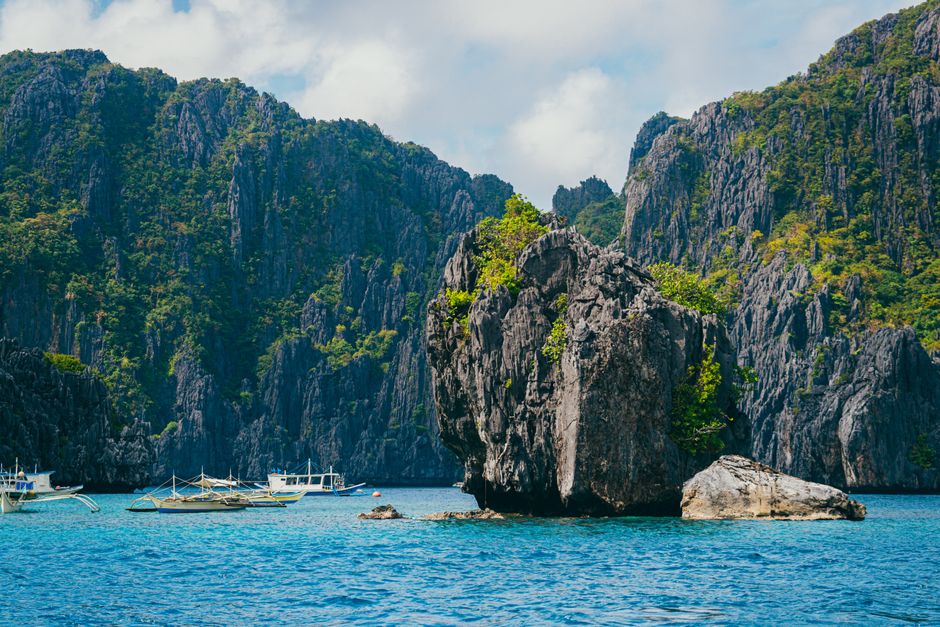
Best beaches: Nacpan Beach, a 2.5-mile (4 km) stretch of sand about 12 miles (20 km) north of town, and the coves and lagoons of Bacuit Bay, which you reach by boat.
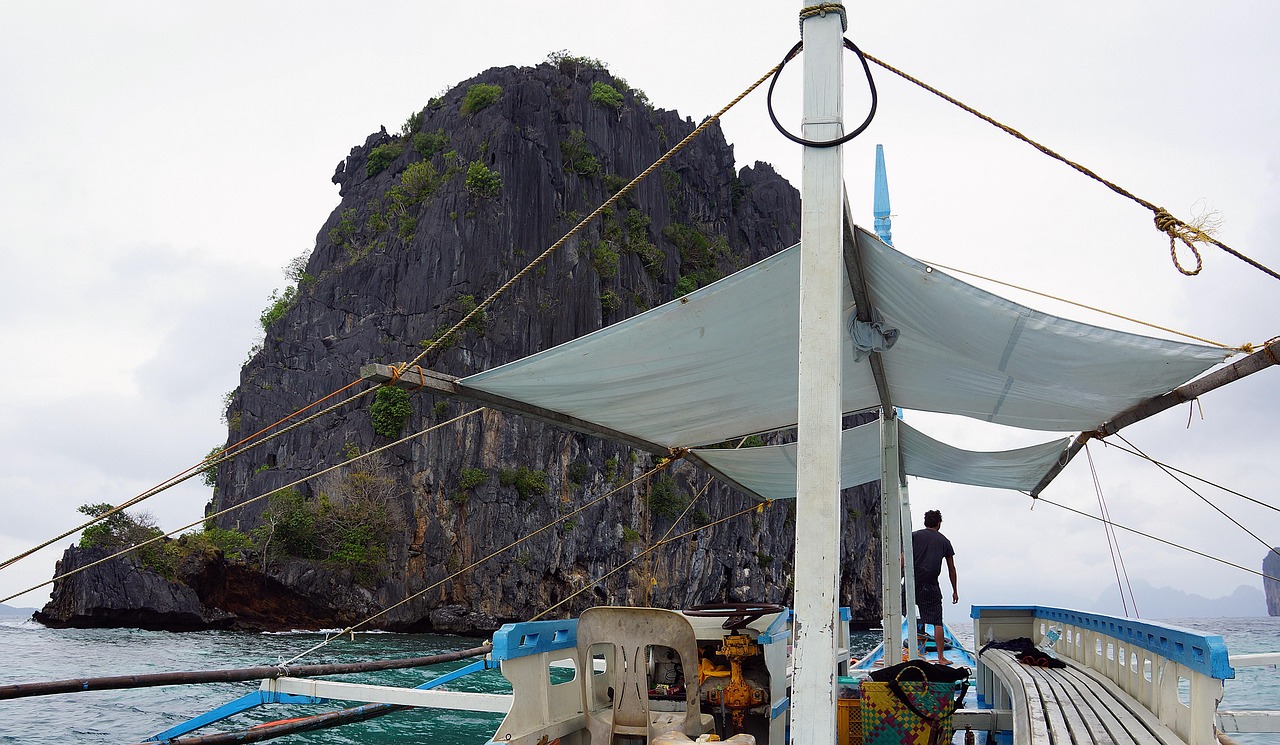
Beyond the beach: an island-hopping day in Bacuit Bay, where limestone islands rise straight out of the water. Stops can include the Small and Big Lagoons and Matinloc Island.
Practical note: Grab’s ride-hailing service does not cover Palawan, so plan on tricycles, vans and boats. See our El Nido travel guide, Coron travel guide and Philippines travel guide.
The Indian Ocean
6. The Maldives
Why January to March: this is the driest, sunniest stretch of the year around Malé. February is the driest month, at about 1.5 inches (38 mm) of rain, and March has the most sunshine, about 288 hours. From May, the rain returns in earnest.
Typical weather: highs around 87–89°F (31–32°C) and warm nights around 79–80°F (26–27°C). January is wetter, at about 3.4 inches (87 mm). The sea is about 83–85°F (28–29°C).
Best beaches: resort islands in Kaafu (North and South Malé) Atoll are the shortest boat ride from the airport, and Ari Atoll, farther west, is known for its reefs. On a budget, guesthouses on inhabited islands, allowed since 2009, cost a fraction of a resort and organize the same boat trips.
Beyond the beach: snorkel or dive the reefs. South Ari Atoll is known for its whale sharks.
Practical note: every traveler, including children, completes the free Traveller Declaration online within 96 hours before arrival. See our Maldives travel guide, Kaafu Atoll travel guide and Ari Atoll travel guide.
7. Galle and Mirissa, Sri Lanka
Why January to March: Sri Lanka’s south coast is at its calmest in these months. Galle gets about 2.8–3.5 inches (71–90 mm) of rain a month, mostly on six or seven days, which is low for a coast that averages more than 92 inches (2,348 mm) a year.
Typical weather: highs around 86–89°F (30–32°C) and lows around 74–76°F (23–25°C). The sea is about 82–84°F (28–29°C).
Best beaches: Mirissa, a crescent of golden sand backed by palm trees about 22 miles (35 km) east of Galle, and the smaller coves along the coast either side of Galle.
Beyond the beach: two easy choices. Go whale watching from Mirissa, where blue whales and dolphins are among the sightings, or walk the ramparts of Galle Fort, the Old Town of Galle and its Fortifications, a UNESCO World Heritage Site since 1988.
Practical note: the Sri Lanka Navy runs its own whale-watching cruises from Galle from November to April. The coastal railway from Colombo runs along this coast to Matara. See our Galle travel guide, Mirissa travel guide and Sri Lanka travel guide.
8. Goa, India
Why January to March: Goa gets almost all of its rain, nearly 118 inches (2,984 mm) a year, during the summer monsoon. From January to March, the long-term average at Panaji is practically zero, so you can count on sunshine.
Typical weather: highs around 90°F (32–33°C), and lows from about 68°F (20°C) in January to 74°F (23°C) in March. The sea is about 82–83°F (28°C).
Best beaches: for a lively scene, the strip from Candolim through Calangute to Baga in the north. For calm, swimmable coves, the south: Agonda, Palolem and Patnem, framed by forested headlands.
Beyond the beach: visit Old Goa, the former capital of the Portuguese Indies, whose Churches and Convents of Goa are a UNESCO World Heritage Site. The Basilica of Bom Jesus holds the tomb of St. Francis Xavier.
Practical note: Goa’s tourism department says beaches are open for swimming from 7 a.m. to sunset, with lifeguards on duty; swim between the red-and-yellow flags. See our Goa travel guide and India travel guide.
Africa and Australia
9. Zanzibar, Tanzania
Why January to March: January and February fall between Zanzibar’s two rainy seasons, with about 2.9 inches (74 mm) and 2 inches (51 mm) of rain. The long rains then build: March averages about 7 inches (177 mm), and April, the wettest month, about 16 inches (409 mm). So go in January or February, or early March at the latest.
Typical weather: hot, with highs around 91°F (33°C) and lows around 76°F (24–25°C). The sea is about 83–85°F (28–29°C).
Best beaches: Nungwi and Kendwa at the northern tip have the island’s best sunsets, and Kendwa’s beach has less tidal range, so you can swim at almost any time of day. The long northeast and east-coast beaches are quieter, but the tide goes out a long way there.
Beyond the beach: spend a day or two in Stone Town, a UNESCO World Heritage Site since 2000 and a fine example of the Swahili trading towns of the East African coast, with carved doors, markets and rooftop restaurants.
Practical note: all foreign visitors to Zanzibar must buy its inbound travel insurance, even if they already have cover; the state insurer lists it at US$44 for adults. See our Zanzibar travel guide and Tanzania travel guide.
10. Perth, Australia
Why January to March: it is late summer in Western Australia, and Perth gets about 357 hours of sunshine in January, among the most of any month. Rain is rare, about 0.6–0.7 inches (16–18 mm) a month, falling on only one to three days.
Typical weather: highs around 90°F (32°C) in January and February and 86°F (30°C) in March, with lows around 61–64°F (16–18°C). The Indian Ocean here is cooler than the tropics on this list, at about 71–72°F (22°C), which many swimmers find refreshing on hot days.
Best beaches: Cottesloe, near the train line, has a calm swimming beach and sunset views; Scarborough, farther north, has surf and a beachfront pool.
Beyond the beach: take the ferry to Rottnest Island, about 30 minutes from Fremantle. The island is car-free, so you get around by bike, and it is home to the quokka, a small wallaby found only in Western Australia. It has 63 beaches and 20 bays, with snorkel trails at Parker Point and Little Salmon Bay.
Practical note: Transperth buses and trains are free on Sundays when you tap on with a SmartRider or contactless card. See our Perth travel guide, Margaret River travel guide and Australia travel guide.
How to choose
- Driest of all: Cartagena and Goa average almost no rain from January to March, and Perth and El Nido are close behind.
- Warmest sea: Ko Lanta, the Maldives and Zanzibar, at about 83–85°F (28–29°C).
- Not too hot: Puerto Vallarta and Barbados, with highs in the low to mid-80s°F (27–30°C).
- Wildlife: humpback whales in Puerto Vallarta, whales and dolphins off Mirissa, whale sharks in the Maldives, quokkas on Rottnest Island.
- Timing: Zanzibar is best in January and February; Barbados and the Maldives get drier as the season goes on, so February and March are the safest bets there.
Plan your winter sun trip
Once you have picked a beach, our free trip planner builds a day-by-day plan for your dates, travelers and budget from our guides. To see what the weather is usually like on your exact dates, or the real forecast once you are within about nine days of the trip, open the Destination weather tool, and use the packing list so the reef shoes and sunscreen make it into the bag.
Frequently asked questions
Where is the best beach weather in January?
Cartagena, Goa, Ko Lanta, El Nido, Perth and Zanzibar all combine highs in the upper 80s to low 90s°F (31–33°C) with little rain in January. Barbados and the Maldives are also warm, but January is a little wetter there than February and March.
Which winter sun destination has the warmest sea?
Of the ten on this list, Ko Lanta, the Maldives and Zanzibar have the warmest water from January to March, about 83–85°F (28–29°C) on average. Perth is the coolest, at about 71–72°F (22°C).
Is March a good time to visit Zanzibar?
Early March can still be good, but the long rains are starting. March averages about 7 inches (177 mm) of rain at Zanzibar’s weather station, against about 2 inches (51 mm) in February, and April is the wettest month of the year. January and February are the safer choice.
When is whale season in Puerto Vallarta?
Mexico’s environment ministry sets the official whale-watching season each year. In 2025–26 it ran from 8 December 2025 to 23 March 2026 in the Bay of Banderas. The 2026–27 dates are published in the fall, so check before you book a trip late in the season.
Is it summer in Australia from January to March?
Yes. January and February are the height of summer in Perth, with typical highs around 90°F (32°C), and March is still warm, at around 86°F (30°C). Rain is rare in all three months.