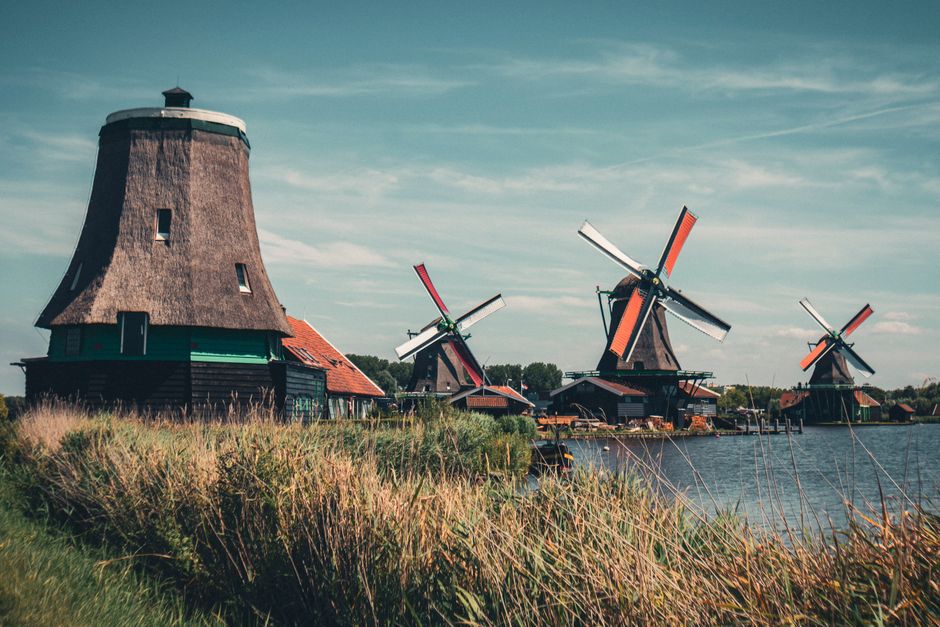
The Netherlands packs a lot into a small, flat country: Amsterdam’s canals and great museums, Rotterdam’s bold architecture, royal The Hague and its beach, medieval Utrecht and hilly, Burgundian Maastricht, plus windmills, tulip fields, water villages such as Giethoorn and the sandy beaches and storm barriers of Zeeland. Fast, frequent trains link the cities in an hour or two, you can pay for every train, tram and bus by tapping a bank card, and almost everyone speaks English. It is the world’s most bike-friendly country, so try at least one ride on its red cycle paths. April and May bring the tulips and King’s Day, and June to September the longest, warmest days; the weather is mild and changeable all year. Give it a week for a first trip, ten days to two weeks to add the south, the north or the islands.
Right now in Netherlands
- Wed 13–20°C 55–69°F 2 mm Cloudy
- Thu 11–14°C 52–57°F 5 mm Showers
- Fri 10–15°C 50–58°F 10 mm Rain
Weather: MET Norway (CC BY 4.0) · Air quality: OpenAQ · Rates: ECB
Key facts
| Currency | Euro (EUR, €); debit cards and contactless almost everywhere, some places card-only, credit cards not always acceptedSource: holland.com · Last reviewed 4 Oct 2026 |
|---|---|
| Languages | Dutch; Frisian is also official in Friesland; English is very widely spokenSource: rijksoverheid.nl · Last reviewed 4 Oct 2026 |
| Plugs and voltage | Type C and F · 230 V, 50 HzSource: wikidata.org · Last reviewed 4 Oct 2026 |
| Emergency number | 112 (police, fire, ambulance); 0900 8844 police non-emergencySource: iamsterdam.com · Last reviewed 4 Oct 2026 |
| Driving side | On the right; motorways mostly 100 km/h by day (06:00-19:00), up to 130 km/h at night where signed; 50 in towns, 80 outsideSource: rijksoverheid.nl · Last reviewed 4 Oct 2026 |
| Tap water | Safe to drink everywhere (99.84% of measurements met the standards in 2024)Source: ilent.nl · Last reviewed 4 Oct 2026 |
| Tipping | Not required; about 5-10% in restaurants for good serviceSource: holland.com · Last reviewed 4 Oct 2026 |
| Calling code | +31 (dial 00 for international calls)Source: wikidata.org · Last reviewed 4 Oct 2026 |
| Time zones | CET (UTC+1), summer time CEST (UTC+2) from the last Sunday in March to the last Sunday in OctoberSource: transport.ec.europa.eu · Last reviewed 4 Oct 2026 |
| Entry summary | Schengen and EU. Most visitors from outside the EU stay visa-free for up to 90 days in 180 and register in the EU Entry/Exit System at the border; ETIAS is not yet in operation.Source: home-affairs.ec.europa.eu · Last reviewed 4 Oct 2026 |
Multi-day tours of Netherlands
Multi-day tours from local operators. You check dates and book on Viator, our partner; we may earn a commission at no extra cost to you. How we earn money
The Netherlands at a glance: Holland, provinces and the kingdom
The Netherlands is a country of 12 provinces in north-west Europe, between Belgium, Germany and the North Sea. “Holland” strictly means only two of those provinces, North and South Holland, home to Amsterdam, Haarlem, Leiden, The Hague, Delft and Rotterdam; the Dutch tourism board now promotes the whole country as “the Netherlands”. About a quarter of the land lies below sea level, protected by dunes, dykes and pumps, and much of it was reclaimed from the water. The national statistics office, CBS, counted about 18.15 million inhabitants in mid-2026, making it one of the most densely populated countries in Europe.
Amsterdam is the capital, but the government, parliament and the King’s working palace are in The Hague. The country is part of the Kingdom of the Netherlands, which also includes Aruba, Curaçao and Sint Maarten in the Caribbean, as well as the Caribbean islands of Bonaire, Sint Eustatius and Saba, which are Dutch special municipalities. These Caribbean parts are outside the Schengen area and the EU’s border systems and have their own entry rules.
Time zone: the Netherlands uses Central European Time (UTC+1) in winter and Central European Summer Time (UTC+2) from the last Sunday in March to the last Sunday in October, the same as Belgium, France and Germany and one hour ahead of the UK.
The regions at a glance
- North and South Holland (the Randstad): the urban west: Amsterdam, Haarlem, Zaanse Schans’s windmills, Volendam and Edam, the bulb fields and Keukenhof, Leiden, The Hague and Scheveningen, Delft, Rotterdam and Kinderdijk, with North Sea beaches all along the coast.
- Utrecht and the centre: the city of Utrecht with its Dom Tower and canal wharves, castles and country estates, and to the east the woods and heaths of the Veluwe, with the Hoge Veluwe National Park and the Kröller-Müller Museum.
- The south: Zeeland’s beaches and Delta Works; North Brabant with Den Bosch, Eindhoven and the Efteling theme park; and Limburg, with Maastricht, the only hills in the country, vineyards and caves.
- The north and east: Giethoorn and the Weerribben-Wieden wetlands in Overijssel, Friesland’s lakes and its own language, the lively student city of Groningen, and the Wadden Islands, such as Texel and Terschelling, off the UNESCO-listed Wadden Sea.
Regions
Where to go: cities, villages, flowers and coast
Most first trips start in Amsterdam and add day trips by train. With a week, base yourself in two or three cities; with more time, head south to Zeeland and Maastricht or north to Giethoorn, Groningen and the islands.
Amsterdam
The 17th-century Canal Ring, the Rijksmuseum’s Rembrandts and Vermeers, the Van Gogh Museum, the Anne Frank House, brown cafés, markets and a cycling culture that sweeps you along. The big museums sell timed tickets, and Anne Frank House tickets are released online six weeks ahead. Read our Amsterdam guide for neighbourhoods, 2026 prices, red-light district rules, GVB tickets and the tourist tax.
Rotterdam and Kinderdijk
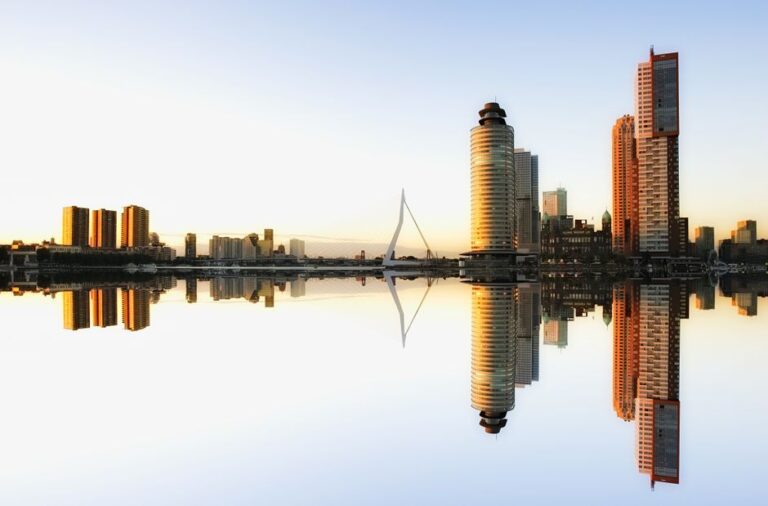
Rotterdam, rebuilt after the bombing of 1940, is the country’s laboratory of modern architecture: the Markthal, the Cube Houses, the Erasmus Bridge and Depot Boijmans, plus Europe’s largest port. A Waterbus ride away, the 19 windmills of Kinderdijk are a UNESCO World Heritage Site.
The Hague, Delft and Leiden
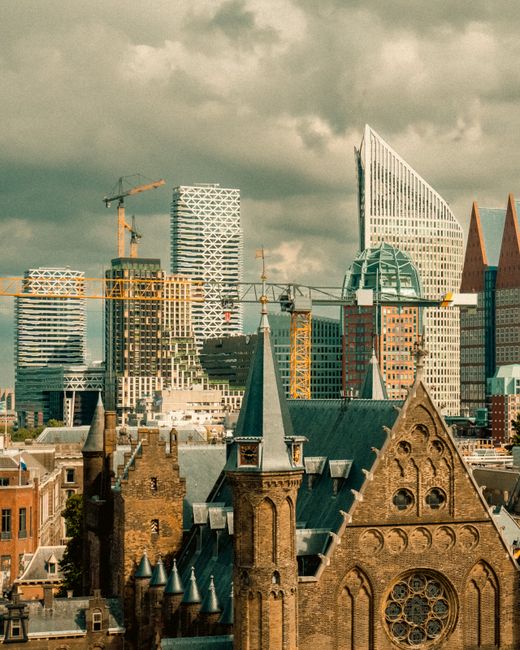
The Hague has Vermeer’s Girl with a Pearl Earring at the Mauritshuis, the Peace Palace and the beach and surf of Scheveningen. Delft, the town of Delft Blue pottery and Vermeer, and Leiden, a university town of canals and museums, are each a short train ride away.
Utrecht
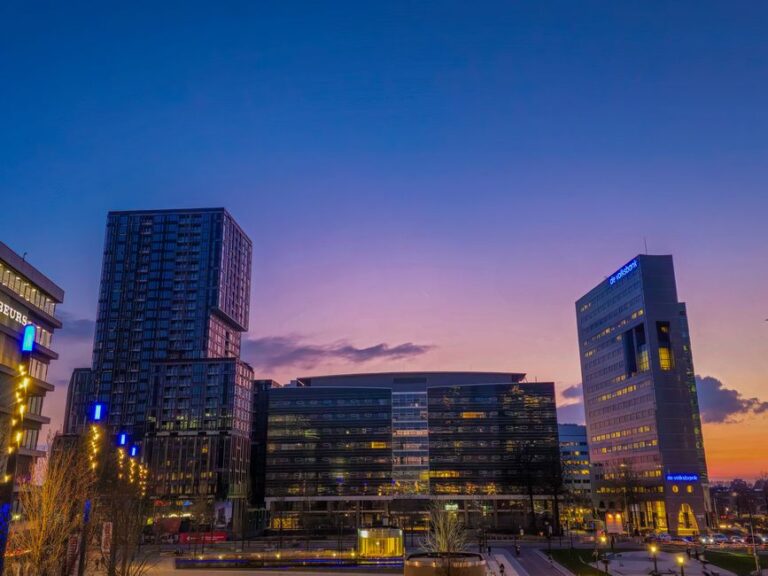
Utrecht, under half an hour from Amsterdam, has the country’s tallest church tower, the Dom, freshly restored, and the Oudegracht, a canal with wharves and cellar cafés at water level. It is a relaxed, young city and an ideal base for day trips.
Keukenhof and the bulb fields
From late March to early May, the fields between Haarlem and Leiden bloom with tulips, daffodils and hyacinths, and Keukenhof, the world-famous spring garden, opens for about eight weeks (18 March to 9 May in 2027). Cycle through the fields, but never walk into them.
Giethoorn
Giethoorn is a village of thatched farmhouses, canals and footbridges with no roads through its centre, best explored by quiet electric boat or canoe, with a national park of reed beds around it. Come early or late to avoid the crowds.
Zeeland
Zeeland, in the south-west, has the country’s best beaches, from Domburg to Cadzand-Bad, the historic towns of Middelburg, Veere and Zierikzee, mussels and oysters, and the dams and storm barriers of the Delta Works, built after the flood of 1953.
Maastricht
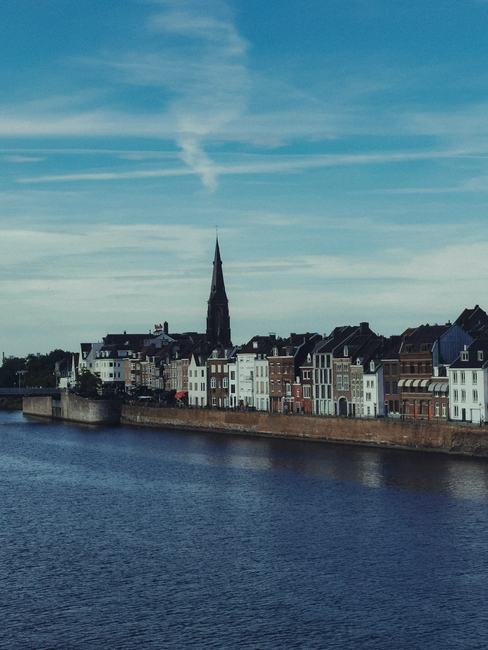
At the southern tip, Maastricht mixes Roman and medieval history with a Burgundian love of food: café terraces on the Vrijthof, a bookshop in a Gothic church, guided tours of the caves under the Sint Pietersberg, and vineyards and hills nearby.
A few more worth your time
Haarlem, a handsome old town 15 minutes from Amsterdam; Zaanse Schans’s working windmills; the cheese markets of Alkmaar and Gouda in summer; Den Bosch with its cathedral and Bosch-inspired canals; the Hoge Veluwe National Park and the Kröller-Müller Museum, with free white bikes and a great Van Gogh collection; Groningen in the north; the Afsluitdijk, the 32-km dam that closed off the old Zuiderzee; and the Wadden Islands, reached by ferry, for dunes, seals and wide, empty beaches.
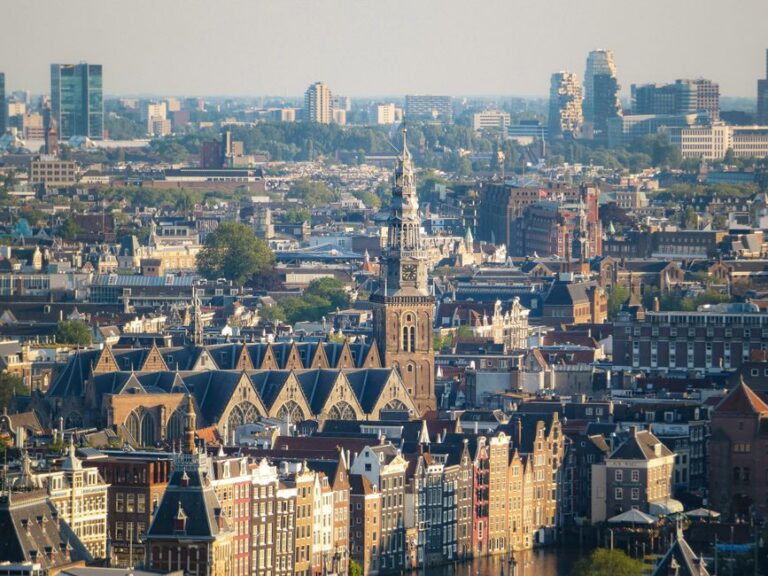
Amsterdam Travel Guide
Plan a trip to Amsterdam: neighbourhoods compared, Rijksmuseum, Van Gogh Museum and Anne Frank House timed tickets with October 2026 prices and release rules,…
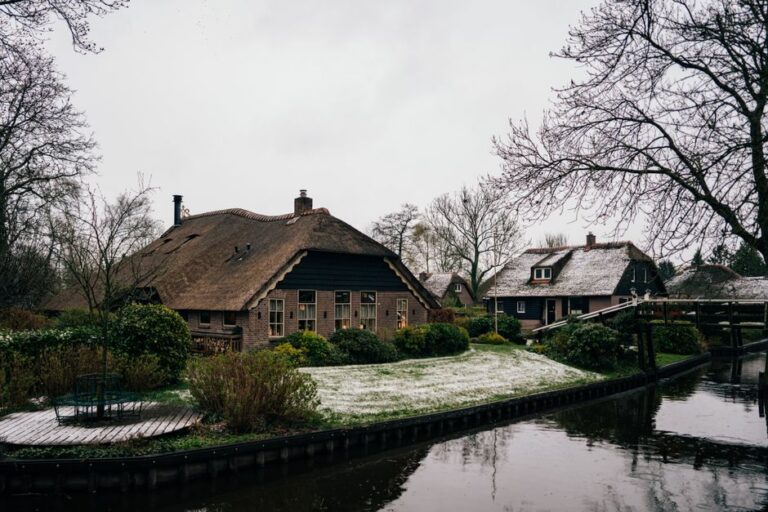
Giethoorn Travel Guide
Plan a trip to Giethoorn: how the water village came to be, renting an electric whisper boat, canal tours and punts, walking the village…
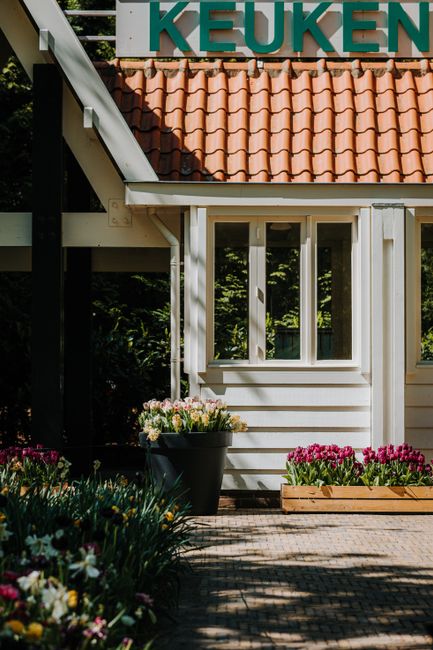
Keukenhof Travel Guide
Plan a visit to Keukenhof and the Bollenstreek bulb fields: the 2027 season (18 March to 9 May) and opening hours, ticket prices online…
Maastricht Travel Guide
Plan a trip to Maastricht: the city area by area, the Vrijthof and its churches, Boekhandel Dominicanen, guided tours of the Sint Pietersberg caves…
Rotterdam Travel Guide
Plan a trip to Rotterdam: neighbourhoods compared, the Markthal and Cube Houses, the Erasmus Bridge, Depot Boijmans and Fenix with October 2026 prices, the…
The Hague Travel Guide
Plan a trip to The Hague: the city area by area, the Mauritshuis with October 2026 prices and the return of Girl with a…
Utrecht Travel Guide
Plan a trip to Utrecht: the city area by area, climbing the restored Dom Tower with October 2026 prices and rules, the two-level Oudegracht…
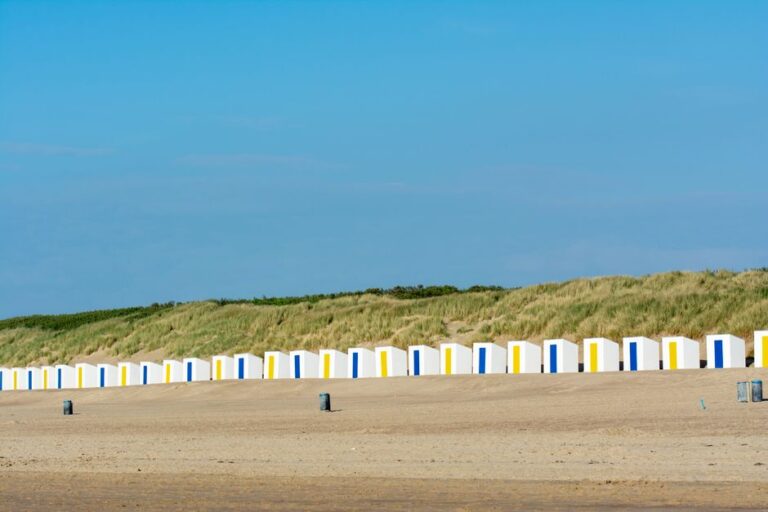
Zeeland Travel Guide
Plan a trip to Zeeland: the islands compared, the best beaches from Domburg to Cadzand-Bad with safety and dog rules, the Delta Works with…
Best time to visit the Netherlands
The Netherlands has a mild sea climate: cool summers, mild winters, wind, and rain spread through the year, often in short showers rather than all-day downpours. Differences across the country are small: the coast is breezier with milder nights, the south-east around Maastricht is a little warmer in summer, and the north-east is a little colder in winter. The table shows rounded average daily highs from the WMO 1991–2020 climate normals at one station per region, and the number of days a year with at least 1 mm of rain.
| Region (station) | Spring highs (Mar–May) | Summer highs (Jun–Aug) | Autumn highs (Sep–Nov) | Winter highs (Dec–Feb) | Rainy days a year |
|---|---|---|---|---|---|
| Amsterdam (Schiphol) | 10–18 °C | 20–22 °C | 19 °C falling to 10 °C | 6–7 °C | about 133 |
| Rotterdam and The Hague (Rotterdam The Hague Airport) | 10–18 °C | 21–23 °C | 19 °C falling to 10 °C | 6–7 °C | about 134 |
| Utrecht and the centre (De Bilt) | 11–18 °C | 21–23 °C | 20 °C falling to 10 °C | 6–7 °C | about 132 |
| Zeeland (Vlissingen) | 10–17 °C | 20–22 °C | 19 °C falling to 10 °C | 6–7 °C | about 127 |
| Maastricht and Limburg (Maastricht Aachen Airport) | 11–19 °C | 22–24 °C | 20 °C falling to 10 °C | 6–7 °C | about 126 |
| The north (Groningen Airport Eelde) | 10–18 °C | 20–23 °C | 19 °C falling to 9 °C | 5–6 °C | about 136 |
| North coast and Texel (De Kooy, Den Helder) | 9–16 °C | 19–21 °C | 18 °C falling to 10 °C | 6–7 °C | about 129 |
Annual rainfall is about 750–880 mm. April is the driest month almost everywhere, and May is usually the sunniest, with about 210–240 hours of sunshine; the wettest months are August to December. Summer days are long, light until about 22:00 in June, while in December it is dark by about 16:30. Expect wind, especially on the coast, and pack a rain jacket in any season. Recent summers have brought more heatwaves than these long-term averages suggest.
Crowds and prices through the year
- Mid-March to mid-May: tulip season and King’s Day bring peak demand to Amsterdam and the bulb region; book hotels and Keukenhof early, especially for Easter weekend and 26–27 April.
- June to August: the warmest weather and the busiest beaches, especially in Zeeland and on the islands during the Dutch, German and Belgian school holidays; city hotels stay expensive.
- September and early October: often settled, mild weather, fewer people and lower prices outside big events, such as the Amsterdam Dance Event in October.
- November to February: short, grey days, the cheapest hotels outside Christmas and New Year, cosy cafés, Christmas markets and light festivals; some rural attractions and boat rentals close.
King’s Day and other festivals
King’s Day (Koningsdag), 27 April, celebrates King Willem-Alexander’s birthday and is the country’s biggest party; when the 27th falls on a Sunday it moves to the 26th. In 2027 it is on a Tuesday, with King’s Night parties on the evening of Monday 26 April. The whole country dresses in orange; there are street parties, live music and the vrijmarkt, a nationwide flea market where anyone may sell second-hand goods on the street. Amsterdam’s canals fill with boats, with extra rules for boaters, and trains are packed. Shops in many places open later or not at all, while museums are busy.
- Winter: Sinterklaas arrives by boat in mid-November, with gifts on the evening of 5 December; light festivals in Amsterdam and Eindhoven; carnival in the south (Maastricht, Den Bosch and Limburg) on 7–9 February 2027.
- Spring: Keukenhof and the tulips; the Bloemencorso flower parade in the bulb region; King’s Day; Remembrance Day on 4 May, with two minutes’ national silence at 20:00, and Liberation Day festivals on 5 May.
- Summer: the North Sea Jazz Festival in Rotterdam in July; Amsterdam Pride with its canal parade in early August; open-air festivals and beach parties across the country.
- Autumn: Prinsjesdag in The Hague (third Tuesday of September), Dutch Design Week in Eindhoven and the Amsterdam Dance Event in October.
Public holidays
On national holidays, offices and many shops close or open shorter hours, and trains run a Saturday or Sunday timetable; holiday weekends are busy on the roads and at the coast.
| Holiday | Date |
|---|---|
| Christmas and Boxing Day | 25 and 26 December 2026 |
| New Year’s Day | 1 January 2027 |
| Good Friday (many businesses stay open) | 26 March 2027 |
| Easter Sunday and Monday | 28 and 29 March 2027 |
| King’s Day | Tuesday 27 April 2027 |
| Liberation Day (a day off for everyone only every five years; next in 2030) | 5 May 2027 |
| Ascension Day | 6 May 2027 |
| Whit Sunday and Monday | 16 and 17 May 2027 |
Weather month by month
Averages from KNMI normals 1991–2020, De Bilt · Last reviewed 4 Oct 2026
How long to stay: sample itineraries
Distances are short: from Amsterdam, Rotterdam is about 40 minutes by fast train, Utrecht under 30 minutes, The Hague about 50 minutes and Maastricht about 2 hours 30 minutes. You do not need a car except for the islands, rural Zeeland or exploring the countryside freely.
4–5 days: Amsterdam and day trips
Three days in Amsterdam for the museums, canals and Jordaan, plus a day trip to Zaanse Schans and Haarlem, or to Keukenhof in spring, and a day in Utrecht or The Hague.
7 days: the Randstad cities
Three nights in Amsterdam, then two in The Hague or Delft (with Leiden and Scheveningen) and two in Rotterdam (with Kinderdijk). Finish in Utrecht on the way back to Schiphol, or take the Eurostar onward from Rotterdam to Brussels and Paris.
10 days: add the south
Follow the seven-day route, then two or three days in Zeeland for the beaches and Delta Works, or in Maastricht for food, caves and hills, perhaps continuing to Belgium or Germany.
14 days: the whole country
Amsterdam, Haarlem, the bulb fields in season, The Hague, Rotterdam, Zeeland, Maastricht, Utrecht, the Hoge Veluwe, Giethoorn and a night or two on Texel or another Wadden island. The Netherlands links easily with its neighbours: Eurostar trains run from Amsterdam and Rotterdam to Brussels, Paris and London, and short flights connect Schiphol with Spain, Portugal, Italy and Greece.
Entry, money and costs
Entry, Schengen, EES and ETIAS (last reviewed October 2026)
The European part of the Netherlands is in the European Union and the Schengen area. EU, EEA and Swiss citizens can travel with a valid passport or national ID card. Americans, Canadians, Britons, Australians, New Zealanders and many others can visit visa-free for up to 90 days in any 180-day period across the whole Schengen area; others need a Schengen visa.
- Entry/Exit System (EES): the EU’s digital border system has been fully running at all Schengen external borders, including Schiphol and the ports, since 10 April 2026. Non-EU visitors on short stays have their passport details, a photo and fingerprints recorded on their first entry instead of getting passport stamps; children under 12 are not fingerprinted. Registration is free, and the record lasts three years. Allow extra time at passport control, and Eurostar passengers from London go through these checks before departure at St Pancras.
- ETIAS: the EU’s planned online travel authorisation (fee €20) is not in operation as of October 2026. In April 2026 the European Commission said it was scheduled for the last quarter of 2026, with the exact date to be announced in advance; no date has been published, and press reports point to 2027. Until the EU confirms a date, you don’t need one. Ignore websites selling “ETIAS applications” before then.
- Passports: for non-EU visitors, your passport should have been issued less than 10 years before you arrive and be valid for at least 3 months after the day you plan to leave the Schengen area. Border officers may ask for a return ticket, proof of accommodation and proof of funds.
- The Caribbean Netherlands: Aruba, Curaçao, Sint Maarten, Bonaire, Sint Eustatius and Saba are not in the Schengen area and have their own entry rules; check before you book.
Rules change, so check the official pages before you travel: the European Commission’s EES and ETIAS pages, the Dutch government’s visa information and your own government’s travel information.
Language
Dutch is the national language, and Frisian is also official in the province of Friesland. Most Dutch people speak excellent English, and menus, signs and train announcements in the big cities are often in English too. A few words are still appreciated: hallo (hello), dank je wel (thank you), alsjeblieft (please, or “here you are”), proost (cheers) and gezellig, the untranslatable word for cosy, friendly good times. People are famously direct; it is honesty, not rudeness.
Money: cards, card-only places and cash
The currency is the euro (€). The Netherlands is one of Europe’s most card-friendly countries: contactless debit and credit cards and phone wallets work in shops, cafés, museums, taxis and on all public transport, which does not take cash on board. Some places accept cards only: in the Dutch central bank’s 2025 survey, about 4% of shops showed a “PIN only” sign, rising to about one in eleven (9%) in cities of more than 175,000 people, especially car parks, cinemas and some cafés and museums. Smaller shops, market stalls and rural cafés sometimes prefer cash or Dutch debit cards, so carry a little cash and a backup card. When a card machine offers to charge you in your home currency, choose euros; it is usually the better rate.
Tipping
Service is included in Dutch prices, and staff are paid a proper wage, so tipping is a thank-you, not an obligation. In restaurants, people round up or leave 5–10% for good service; in cafés and bars, rounding up or leaving small change is enough. Taxi drivers do not expect a tip, though rounding up is common. Card machines often suggest a tip; you can choose zero.
VAT refunds and tourist taxes
Prices include VAT (BTW): 21% on most goods and 9% on food and some services. Visitors who live outside the EU can reclaim VAT on goods taken home unused if they spend at least €50 in one shop on one day; since 1 January 2026 the process at Schiphol and other exits is digital, through the Dutch customs VAT app and participating refund companies. Ask the shop for tax-free paperwork when you pay.
Hotels became more expensive in 2026: VAT on overnight stays rose from 9% to 21% on 1 January 2026. Most municipalities also charge a tourist tax, either a fixed amount per person per night or a percentage. Amsterdam charges 12.5% of the room price in 2026, one of the highest in Europe, and its 2027 budget proposes 16% from 2027, still awaiting council approval as of October 2026; cruise passengers on a day stop in Amsterdam pay a €15 day tax. Check whether your booking price includes these taxes.
Typical travel costs
The Netherlands is one of the more expensive countries in Europe, especially Amsterdam; the rest of the country is cheaper. Rough prices in 2026:
| Item | Typical price |
|---|---|
| Coffee in a café | €3–4.50 |
| Lunch (sandwich or soup) | €10–16 |
| Dinner main course in a mid-range restaurant | €20–30 |
| Beer in a bar | €4–7 |
| Major museum (Rijksmuseum, Van Gogh Museum) | €25 (under-18s free) |
| Train Schiphol–Amsterdam Centraal | €5.50 |
| Bike rental per day | €12–20 |
| Mid-range double room, Amsterdam | €180–300+ (less in other cities) |
Plan on roughly €150–250 a day per person for a mid-range trip in Amsterdam and less elsewhere. Supermarkets, lunchtime set menus, a GVB or day travel ticket and free sights such as the canals, parks and beaches keep costs down.
Getting there and getting around
Arrival: Schiphol, other airports, trains and ferries
Amsterdam Schiphol is one of Europe’s biggest airports, with a railway station directly under the terminal: trains reach Amsterdam Centraal in about 15 minutes (€5.50 second class in October 2026), and run direct to Rotterdam, The Hague, Leiden, Utrecht and beyond. Eindhoven Airport handles many low-cost flights, and Rotterdam The Hague, Groningen and Maastricht Aachen airports are smaller.
By train: Eurostar links Amsterdam and Rotterdam with Brussels, Paris and London; German ICE trains run to Utrecht and Amsterdam; and night trains connect Amsterdam with cities such as Vienna, Berlin and Prague. By ferry from the UK: overnight and day ferries sail from Harwich to Hook of Holland, Hull to Rotterdam and Newcastle to IJmuiden near Amsterdam.
NS trains and OVpay contactless
Dutch Railways (NS) runs frequent Intercity and stopping (Sprinter) trains: on main routes there are several trains an hour, there are no seat reservations, and first class is quieter. Some regional lines are run by other companies (such as Arriva), but tickets and payments work the same way.
- Tap your bank card (OVpay): the easiest option for visitors. Hold your contactless debit card, credit card or phone to the card reader at the gate or on the platform pole to check in, and check out at the end of your journey with the same card or phone. Nothing needs to be activated, and you pay the standard second-class fare, charged to your account the next day. The same works on trams, buses and metros across the country.
- Always check out: if you forget, you are charged a high fixed amount; refunds are possible but time-consuming. If you tap in and out with different cards or devices, the journey is not matched.
- Tickets: single and day-return e-tickets are sold in the NS app and at yellow ticket machines, useful for first class or for children (the Railrunner ticket for ages 4–11). The old anonymous OV-chipkaart is being phased out in favour of OVpay.
- Intercity Direct: the fast high-speed trains between Amsterdam, Schiphol, Rotterdam and Breda need a small supplement between Schiphol and Rotterdam.
- Night trains: trains run through the night between Utrecht, Amsterdam, Schiphol, Leiden, The Hague and Rotterdam.
As of October 2026, second-class singles cost about €10 from Amsterdam to Utrecht, €15 to The Hague, €20 to Rotterdam and €33 to Maastricht or Vlissingen. City day tickets, such as Amsterdam’s GVB day ticket (€10 in 2026), can be better value for many short trips in one city.
Cycling: rules and tips
The Netherlands has more bikes than people and tens of thousands of kilometres of cycle paths, including the numbered “knooppunten” (junction) network that lets you plan routes from one numbered sign to the next. Renting a bike is easy in every town, and e-bikes help against the wind. A few rules:
- Use the cycle paths (red asphalt or signed with a white bike on blue), ride on the right, and signal turns with your arm.
- No phone in your hand: holding a phone or other device while cycling has been illegal since 2019, with fines of well over €100; a handlebar mount is allowed.
- Lights after dark are compulsory. Helmets are not required, and most Dutch cyclists do not wear them, but you are free to.
- Give way to traffic from the right at unmarked junctions, and watch for “shark’s teeth” road markings, which mean you must give way.
- Lock it twice: bike theft is common in cities; lock the frame to a fixed rack and use the guarded bike garages at stations.
- Bikes on trains: you need a bike day ticket, and full-size bikes are not allowed on weekdays in the rush hours (6:30–9:00 and 16:00–18:30), except in July and August; folding bikes travel free when folded.
See our cycling guide for routes and tips.
Driving
Traffic drives on the right. The motorway limit is 100 km/h from 6:00 to 19:00, and up to 130 km/h in the evening and at night where signs allow; watch for speed cameras and average-speed checks. Many cities have environmental zones that ban older diesel vehicles, and city-centre parking is expensive and often app-based, so use Park + Ride (P+R) sites with cheap public transport into the centre. Watch out for cyclists, who often have priority, especially when you turn right.
Ferries and islands
Ferries cross to the Wadden Islands from Den Helder (to Texel), Harlingen (to Vlieland and Terschelling), Holwerd (to Ameland) and Lauwersoog (to Schiermonnikoog); cars are not allowed on Vlieland and Schiermonnikoog. Free GVB ferries cross the IJ behind Amsterdam Centraal, and a foot and bike ferry links Vlissingen and Breskens in Zeeland.
Coffeeshops: the rules for visitors
Cannabis is not legal in the Netherlands, but under the long-standing toleration policy, licensed coffeeshops may sell small amounts to adults. What visitors need to know:
- 18 and over, with ID: coffeeshops check age, and sell no more than 5 grams per person per day. They do not sell alcohol.
- Not every city serves tourists: municipalities can apply a “residents criterion”. Amsterdam’s coffeeshops are open to visitors, but in Maastricht and some other southern border towns coffeeshops only serve people who live in the Netherlands.
- Where you can smoke: in Amsterdam, smoking cannabis in the street is banned in the red-light district, Nieuwmarkt and around Dam Square, with a €100 fine; most bars and clubs do not allow it, and Dutch indoor smoking bans apply.
- Never buy on the street, never drive after using cannabis, and never take it across a border: it is illegal in neighbouring countries and on flights.
Culture, food and etiquette
The Dutch are informal, direct and punctual: arrive on time, expect frank answers, and do not be surprised if someone tells you exactly what they think. Lunch is often a simple sandwich, and dinner is early, typically 18:00–19:30; book popular restaurants, especially at weekends. Shops in big cities open on Sundays, usually from noon, but smaller towns may be quieter.
Try raw herring with onions from a fish stall (best from June, when the new season’s “Hollandse Nieuwe” arrives), kibbeling (battered fish), bitterballen and croquettes with mustard, cheese from Gouda and Edam, warm stroopwafels, poffertjes (tiny pancakes), Dutch apple pie, pea soup in winter, and Indonesian rijsttafel, a feast of many small dishes. Drink a local beer or a glass of jenever, the Dutch gin. In Zeeland, eat mussels; in Limburg, a slice of vlaai.
Safety, health, accessibility and connectivity
Safety
The Netherlands is a safe country. The main risks for visitors are pickpockets in busy places such as Amsterdam Centraal, trams and the red-light district, bike theft, and traffic: stay off the cycle lanes when walking, and look both ways for bikes as well as cars and trams. Never buy drugs on the street. Canals are cold and deep; take care near the unfenced edges at night. The emergency number is 112.
Health
Healthcare is excellent. EU visitors should carry their European Health Insurance Card (UK visitors a GHIC), and everyone should have travel insurance. For minor problems, a pharmacy (apotheek) dispenses medicines, while a drogist sells basic remedies. For urgent but non-life-threatening problems out of hours, call the local GP out-of-hours service (huisartsenpost). Tap water is safe and good to drink.
Accessibility
The country is flat, and modern museums, trains and trams are generally accessible; NS offers free travel assistance at many stations if you book ahead. Old canal houses, many small hotels and historic towers have very steep, narrow stairs and no lifts, and cobbled streets can be bumpy, so check before you book.
Connectivity and power
Mobile coverage is excellent, and EU phone plans roam at no extra charge; free Wi-Fi is common in hotels, cafés and on many trains. Plugs are the European type C and F, at 230 V and 50 Hz, so visitors from the UK, the US and elsewhere need an adapter.
Things to do: cycling, boat trips, beaches and city breaks
The Netherlands is made for cycling, from city rides to long routes along dykes and dunes. Take boat trips on Amsterdam’s and Utrecht’s canals, around Rotterdam’s harbour, through Giethoorn and to the seal banks of Zeeland. Spend summer days on the beaches of Zeeland, Scheveningen and the islands, try surfing at Scheveningen or Domburg, and go diving or snorkelling in the Oosterschelde. Walk the dunes, the Veluwe heaths and the hills of South Limburg on our hiking pages, visit Limburg’s vineyards with our wine tasting guide, and explore the cities with our city sightseeing tips.
What to pack
A waterproof jacket with a hood (umbrellas and wind do not mix), layers for changeable weather, comfortable flat shoes for cobbles and bridges, a contactless bank card or phone wallet for transport, a plug adapter, and, in summer, swimwear and sun cream for the beaches. If you plan to cycle a lot, add gloves and a light windproof layer.
Netherlands travel FAQ
When is the best time to visit the Netherlands?
Mid-April to mid-May for the tulips and King’s Day, and June to September for long, warm days and the beaches. September is a sweet spot with fewer crowds. Winter is cheaper and cosy, with short days.
How many days do you need in the Netherlands?
Four or five days covers Amsterdam and a couple of day trips; a week lets you add The Hague, Rotterdam and Utrecht; ten days to two weeks adds Zeeland, Maastricht, Giethoorn or the islands.
Is the Netherlands the same as Holland?
Not exactly. Holland means only the provinces of North and South Holland, home to Amsterdam, Rotterdam and The Hague. The country as a whole is the Netherlands.
Do I need ETIAS to visit the Netherlands?
Not as of October 2026: ETIAS is not running yet, and no start date has been published. Non-EU visitors are registered in the EU’s Entry/Exit System (fingerprints and photo) at the border, which has been fully in operation since 10 April 2026.
Can I pay for trains with a contactless card?
Yes. Tap your contactless bank card or phone at the gate or card reader when you start and finish, using the same card (OVpay). You pay the standard second-class fare, and it works on trams, buses and metros too.
Do I need cash in the Netherlands?
Very little. Cards and phone wallets are accepted almost everywhere, and some places, especially in big cities, are card-only. Carry a small amount of cash for markets and small rural cafés.
Should I tip in the Netherlands?
It is not required, as service is included. Round up or leave 5–10% in restaurants for good service, and small change in cafés.
When is King’s Day?
On 27 April, the King’s birthday, or 26 April if the 27th is a Sunday. In 2027 it falls on Tuesday 27 April, with King’s Night parties the evening before. Expect orange clothes, street markets and huge crowds in Amsterdam.
Can tourists visit coffeeshops?
In Amsterdam and many other cities, yes, if you are 18 or over with ID; the limit is 5 grams per person per day. Maastricht and some southern border towns admit only residents of the Netherlands.
Is it safe to cycle in the Netherlands as a visitor?
Yes. Cycle paths are separate and well signed. Ride on the right, signal, use lights at night, never hold your phone, and start on quieter routes before tackling Amsterdam’s rush hour.
How do I get from Schiphol to Amsterdam?
By train from the station under the arrivals hall to Amsterdam Centraal, about 15 minutes and €5.50 second class in October 2026. Tap your contactless card in and out at the gates.
Is the Netherlands expensive?
Amsterdam is, especially for hotels, which also pay 21% VAT and the city’s tourist tax. Other cities are cheaper, and trains, museums and food are similar to neighbouring countries. Plan on about €150–250 a day for a mid-range trip.
Can I get a VAT refund in the Netherlands?
Yes, if you live outside the EU and spend at least €50 in one shop on one day on goods you take home unused. Since January 2026 the validation is digital, through the Dutch customs VAT app.
What is the weather like in the Netherlands?
Mild and changeable: summer highs of about 20–24 °C, winter highs of about 5–7 °C, wind and rain on about 125–135 days a year. April is the driest month and May the sunniest.
What plugs are used in the Netherlands?
European type C and F plugs, at 230 V. Bring an adapter if your devices use UK, US or other plugs.
Sources
- Natural Earth · Public domain · fetched 4 Oct 2026
- © OpenStreetMap contributors · ODbL · fetched 4 Oct 2026
- Wikidata · CC0 · fetched 4 Oct 2026
Sources and last review
Researched and last reviewed on 4 October 2026. Population: Statistics Netherlands (CBS); EES and ETIAS: the European Commission; card and cash acceptance: De Nederlandsche Bank; contactless travel: NS and GVB; coffeeshop and street rules in Amsterdam: I amsterdam; tulip field etiquette: Holland.com, the Netherlands Board of Tourism & Conventions; Keukenhof dates: Keukenhof; train fares: NS tariffs; climate: WMO 1991–2020 climate normals from the Royal Netherlands Meteorological Institute (KNMI) stations named in the table. Prices, timetables and rules change, so check the official links before you go. Start planning with our Amsterdam guide, and for a neighbouring trip, see our France travel guide or United Kingdom travel guide.
Plan your trip
Partner links: TravelerCenter may earn a commission if you book, at no extra cost to you.
🇳🇱 Useful Dutch phrases for Netherlands
All 38 Dutch phrases: restaurant, hotel, emergencies, romance (printable) →