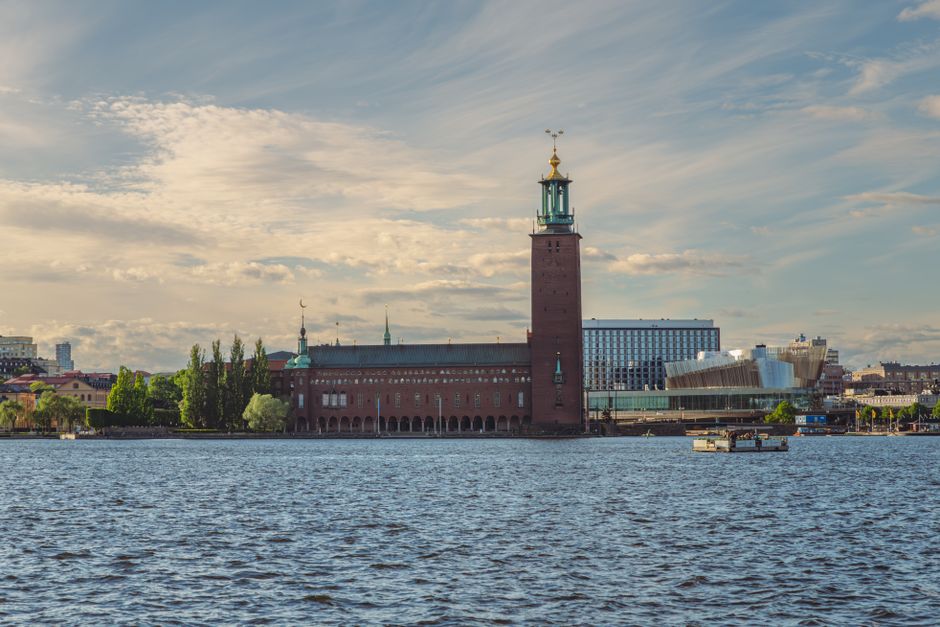
Sweden stretches almost 1,600 km from the beaches of Skåne to the reindeer country north of the Arctic Circle, and it changes completely with the seasons. Summer brings Stockholm and its archipelago, the granite fishing villages of the West Coast, medieval Visby on Gotland, Dalarna’s lakes and nights that hardly get dark; winter brings the northern lights, dog sledding and the Icehotel in Swedish Lapland, and candlelit Christmas markets in the south. Trains link the cities, cards work everywhere, nearly everyone speaks English, and the Right of Public Access lets you roam the countryside. Come June to August for the south and the coasts, December to March for the snowy north. Give it a week for Stockholm and one other region, two weeks to add the far north.
Right now in Sweden
- Wed 2–11°C 35–53°F Clear
- Thu 3–5°C 38–42°F 14 mm Rain
- Fri 1–5°C 34–41°F 2 mm Partly cloudy
Weather: MET Norway (CC BY 4.0) · Rates: ECB
Key facts
| Currency | Swedish krona (SEK, kr), not the euro; largely cashless, many places card-onlySource: visitsweden.com · Last reviewed 4 Oct 2026 |
|---|---|
| Languages | Swedish; Sámi, Finnish and Meänkieli have official status in parts of the north, including Swedish Lapland; most Swedes speak EnglishSource: riksdagen.se · Last reviewed 4 Oct 2026 |
| Plugs and voltage | Type C and F · 230 V, 50 HzSource: wikidata.org · Last reviewed 4 Oct 2026 |
| Emergency number | 112 (police, fire, ambulance); 114 14 police non-emergency; 1177 healthcare adviceSource: polisen.se · Last reviewed 4 Oct 2026 |
| Driving side | On the right; headlights on at all times; speed limits as signed (50 in towns, 70 outside unless signed, up to 120 on motorways); alcohol limit 0.2 per mille; winter tyres 1 Dec-31 Mar in winter conditionsSource: visitsweden.com · Last reviewed 4 Oct 2026 |
| Tap water | Safe to drink everywhere (drink cold tap water, not hot)Source: svensktvatten.se · Last reviewed 4 Oct 2026 |
| Tipping | Not expected; round up or about 10% in restaurants for good serviceSource: visitsweden.com · Last reviewed 4 Oct 2026 |
| Calling code | +46 (dial 00 for international calls)Source: wikidata.org · Last reviewed 4 Oct 2026 |
| Time zones | CET (UTC+1), summer time CEST (UTC+2) from the last Sunday in March to the last Sunday in OctoberSource: visitsweden.com · Last reviewed 4 Oct 2026 |
| Entry summary | Schengen and EU. Most visitors from outside the EU stay visa-free for up to 90 days in 180 and register in the EU Entry/Exit System at the border; ETIAS is not yet in operation. Sweden checks its internal borders until 11 November 2026: carry a passport or ID card.Source: home-affairs.ec.europa.eu · Last reviewed 4 Oct 2026 |
Multi-day tours of Sweden
Multi-day tours from local operators. You check dates and book on Viator, our partner; we may earn a commission at no extra cost to you. How we earn money
Sweden at a glance: regions, people and the basics
Sweden is the largest country in Scandinavia, about the size of Spain, and one of the least crowded: Statistics Sweden (SCB) counted 10,613,531 inhabitants in July 2026, most of them in the southern third of the country, around Stockholm, Gothenburg and Malmö. The rest is forest, lakes, rivers, mountains along the Norwegian border and a long Baltic coastline. Swedes divide their country into Götaland in the south, Svealand in the middle, with Stockholm, and Norrland, the vast, thinly populated north that covers more than half the country.
Sweden is a constitutional monarchy and a member of the European Union, but it keeps its own currency, the krona. In the far north live the Sámi, Europe’s only recognised Indigenous people, whose homeland, Sápmi, spans northern Sweden, Norway, Finland and Russia’s Kola Peninsula; reindeer herding is still a living tradition there.
Time zone: Sweden uses Central European Time (UTC+1) in winter and Central European Summer Time (UTC+2) from the last Sunday in March to the last Sunday in October, the same as Denmark, Norway and Germany, one hour ahead of the UK and one hour behind Finland.
The regions at a glance
- Stockholm and the Mälaren valley: the capital on its islands, the Stockholm archipelago, the university city of Uppsala, and royal palaces, castles and Viking sites around Lake Mälaren.
- The West Coast: Gothenburg, Sweden’s friendly second city, and the rocky Bohuslän coast to the north, with fishing villages, islands and the best seafood in the country; sandy beaches run south along the Halland coast.
- Skåne, the far south: Malmö and its bridge to Copenhagen, the old university town of Lund, castles, farmland, beaches and the rolling, apple-growing Österlen corner around Ystad.
- Småland, Kalmar and Öland: forests, lakes and the glassworks of the “Kingdom of Crystal”, Astrid Lindgren’s childhood country around Vimmerby, Kalmar’s castle and the long, windmill-dotted island of Öland.
- Gotland: Sweden’s largest island, in the middle of the Baltic, with the walled medieval town of Visby, sandy beaches and limestone sea stacks.
- Central Sweden: Dalarna, with Lake Siljan, red wooden villages, Dala horses and the most traditional Midsummer celebrations; Värmland’s lakes and rivers; and the ski resorts of Sälen and, further north in Jämtland, Åre.
- Norrland and the High Coast: the UNESCO-listed High Coast (Höga kusten), where steep forested hills drop into the Gulf of Bothnia, and long rivers, forests and coastal towns such as Umeå and Luleå.
- Swedish Lapland: the Arctic north: Kiruna, Abisko National Park, Jukkasjärvi and the Icehotel, Kebnekaise, Sweden’s highest mountain, and the Sámi culture of Jokkmokk; midnight sun in summer, polar night and northern lights in winter.
Regions
- Blekinge County
- Dalarna County
- Gotland County
- Gävleborg County
- Halland County
- Jämtland County
- Jönköping County
- Kalmar County
- Kronoberg County
- Norrbotten County
- Skåne County
- Stockholm County
- Swedish Lapland
- Södermanland County
- Uppsala County
- Värmland County
- Västerbotten County
- Västernorrland County
- Västmanland County
- Västra Götaland County
- Örebro County
- Östergötland County
Where to go: cities, islands, lakes and the Arctic
Most first trips start in Stockholm. With a week, add Gothenburg and the West Coast or Gotland in summer; with more time, travel up to Swedish Lapland, by night train or a short flight. Distances in Sweden are big, so pick two or three regions rather than trying to see everything.
Stockholm
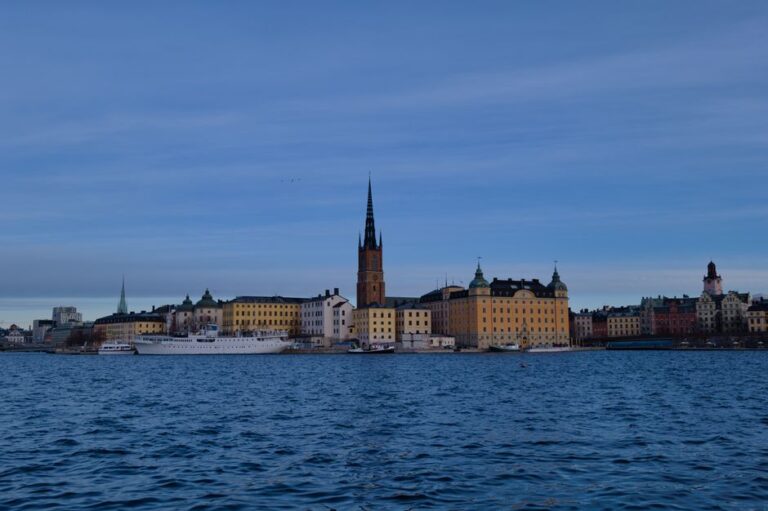
Built on 14 islands where Lake Mälaren meets the Baltic, Stockholm is one of Europe’s most beautiful capitals. Wander the ochre-coloured lanes of Gamla stan, the old town, past the Royal Palace and the Nobel Prize Museum; see the 17th-century warship at the Vasa Museum and the open-air museum of Skansen on the green island of Djurgården; and add ABBA The Museum, Fotografiska, Moderna Museet and the City Hall, where the Nobel banquet is held each December. Ferries are part of everyday life, many metro stations are decorated as art galleries, and Södermalm is the place for cafés, vintage shops and clifftop views. Allow at least three days.
The Stockholm archipelago
East of the city, around 30,000 islands, islets and rocks scatter towards the open Baltic. Archipelago boats run from the city centre all year, far more often in summer, to Vaxholm with its fortress (about an hour), Grinda for swimming and walks, sailing-mad Sandhamn and car-free Utö. Stay a night if you can; outside June to August, timetables thin out and many island cafés close.
Uppsala
Under an hour north of Stockholm by train and close to Arlanda Airport, Uppsala is Sweden’s oldest university town, with Scandinavia’s tallest cathedral, the Gustavianum museum, Linnaeus’s gardens and, just outside town, the royal burial mounds of Gamla Uppsala. It is liveliest on 30 April, Walpurgis Night, when the students celebrate spring.
Gothenburg
Gothenburg (Göteborg) is relaxed, green and known for its friendly people and excellent seafood. Ride the trams, stroll the canals and the wooden houses of Haga, buy shrimp at the Fish Church (Feskekôrka) market, and spend an evening at Liseberg, Scandinavia’s biggest amusement park, which also hosts a huge Christmas market. Public-transport ferries run out to the car-free islands of the southern archipelago. Gothenburg is about three hours from Stockholm by fast train.
The West Coast and Bohuslän
North of Gothenburg, the Bohuslän coast is a jumble of smooth pink granite, islands and fishing villages: Marstrand with its fortress, Käringön, Smögen with its harbour boardwalk, Fjällbacka and the marine national park of the Koster Islands. Summer brings swimming from the rocks, kayaking and sailing; autumn brings the lobster season, which opens in late September, and “seafood safaris” for lobster, crab, mussels and oysters. South of Gothenburg, the Halland coast has long sandy beaches.
Malmö and Skåne
Malmö, Sweden’s third city, sits at the end of the Øresund Bridge, about 35–40 minutes by train from Copenhagen. It is young and international, with the twisting Turning Torso tower, the seaside Western Harbour, Ribersborg beach and its old cold-bath house, Malmöhus castle and the cafés of Lilla Torg. Medieval Lund, with its Romanesque cathedral, is 10 minutes away by train, and further east Österlen offers apple orchards, fishing villages, the stone ship of Ales stenar and cobbled Ystad.
Gotland and Visby
Gotland, about three hours by fast ferry from Nynäshamn or Oskarshamn, is Sweden’s favourite summer island. Visby, a UNESCO World Heritage Site, is wrapped in an almost complete 3.4 km medieval wall and full of church ruins and rose-covered lanes; around the island are sandy beaches, some 90 medieval country churches and, on Fårö, limestone sea stacks. Almedalen Week runs from 28 June to 2 July 2027, and Medieval Week fills Visby in early August; book well ahead for both.
Kalmar and Öland
Kalmar has one of Sweden’s best-preserved Renaissance castles and a pretty old town. A 6 km bridge leads to Öland, a long, flat island of windmills, Iron Age forts, the ruined castle of Borgholm, sandy beaches and the open limestone plain of Stora Alvaret, a UNESCO World Heritage Site loved by birdwatchers. Inland, the glassworks of the Kingdom of Crystal and Astrid Lindgren’s World at Vimmerby are family favourites.
Dalarna and Lake Siljan
Dalarna is Sweden at its most traditional: red cottages, maypoles and folk music around Lake Siljan, in Rättvik, Tällberg and Mora, where the Vasaloppet ski race finishes each March. Watch Dala horses being carved and painted in Nusnäs, and visit Carl Larsson’s home in Sundborn and the UNESCO-listed copper mine in Falun. Midsummer here is the classic Swedish experience.
The High Coast
On the Gulf of Bothnia, the High Coast (Höga kusten) is a UNESCO World Heritage Site because the land is still rising after the weight of the Ice Age ice sheet was lifted: more than 280 metres so far, the highest such rise known. The result is a dramatic coast of steep forested hills, islands and red fishing huts. Hike the Höga kusten trail or the gorge of Slåttdalsskrevan in Skuleskogen National Park, and take a boat to the island of Ulvön.
Swedish Lapland: Kiruna, Abisko and the Icehotel
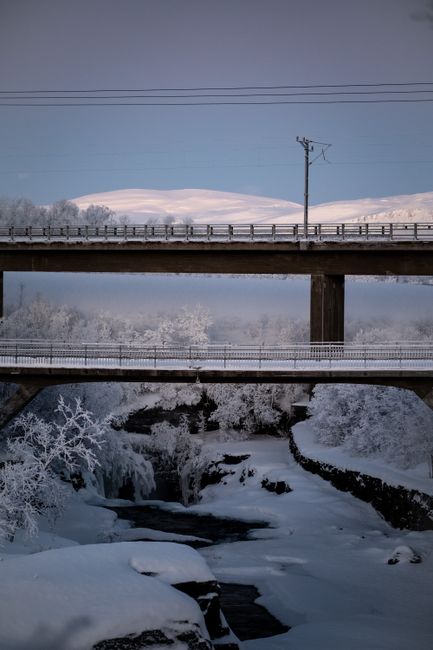
Swedish Lapland is a land of mountains, birch forest, frozen rivers and reindeer. Kiruna, an iron-mining town, is being moved to a new centre a few kilometres east because the mine is undermining the old one; even its wooden church has been moved. In nearby Jukkasjärvi, the Icehotel is rebuilt every winter from the ice of the Torne River, while a smaller part stays open all year. About an hour north-west, Abisko National Park has some of Scandinavia’s clearest skies and is famous for the northern lights, with the Aurora Sky Station reached by chairlift. Winter brings dog sledding, snowmobiling and Sámi reindeer experiences; summer brings the midnight sun and hiking. Jokkmokk’s Sámi winter market has been held every February for more than 400 years.
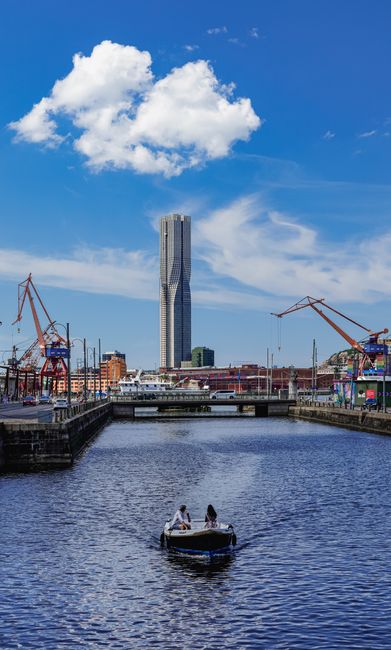
Gothenburg Travel Guide
Plan a trip to Gothenburg: the city area by area, Liseberg seasons and Christmas at Liseberg 2026 dates and prices, Haga and Skansen Kronan,…
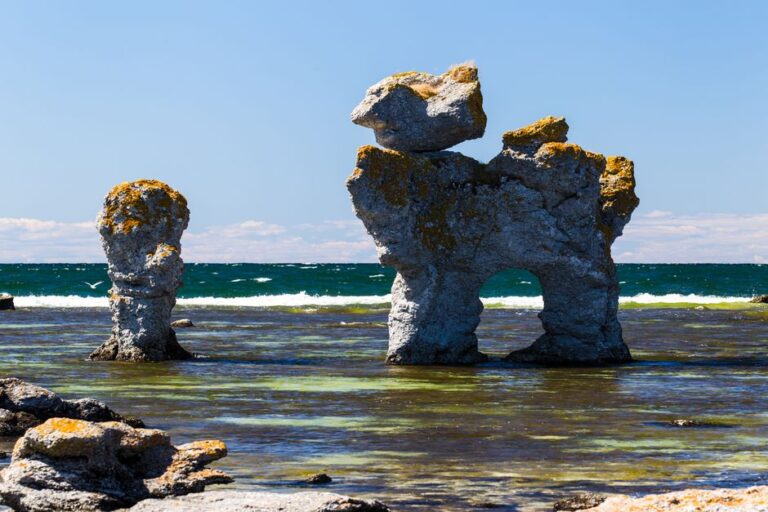
Gotland Travel Guide
Plan a trip to Gotland: Visby's UNESCO ring wall, church ruins and Gotlands Museum (2026 prices), Fårö's sea stacks and the free ferry, Tofta…
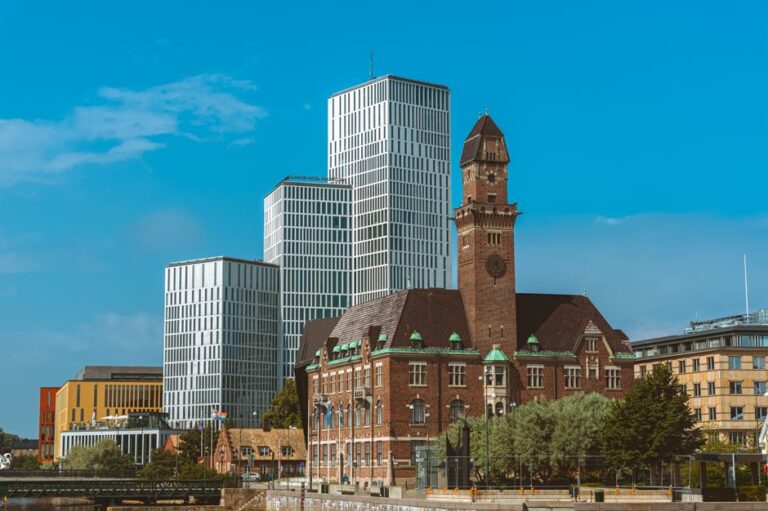
Malmö Travel Guide
Plan a trip to Malmö: the old town squares and St Peter's Church, Malmöhus Castle and Malmö Museum 2026 prices, the Turning Torso and…
Stockholm Travel Guide
Plan a trip to Stockholm: Vasa Museum, Skansen, Royal Palace and ABBA The Museum prices and hours for 2026, Gamla stan and the Nobel…
Swedish Lapland Travel Guide
Plan a trip to Swedish Lapland: Kiruna and its town move, the moved Kiruna Church and the LKAB mine tour (2026 prices), the Icehotel…
Best time to visit Sweden
The south and the coasts have a mild climate with cool summers and damp winters around freezing; inland and in the north, winters are long, cold and snowy, and summers short and bright. The table shows rounded average daily highs and winter lows calculated from SMHI’s official station records for 1991–2020 (Stockholm’s temperatures from 1996–2020 at the current Observatoriekullen station), and average annual precipitation.
| Region (SMHI station) | Spring highs (Mar–May) | Summer highs (Jun–Aug) | Autumn highs (Sep–Nov) | Winter highs (Dec–Feb) | Winter lows (Dec–Feb) | Rain and snow a year |
|---|---|---|---|---|---|---|
| Malmö and Skåne (Malmö A) | 7–17 °C | 20–23 °C | 18 °C falling to 8 °C | 3–5 °C | about −1 to 0 °C | about 650 mm |
| Gothenburg and the West Coast (Göteborg A) | 6–17 °C | 20–23 °C | 18 °C falling to 7 °C | 3–4 °C | about −2 to 0 °C | about 920 mm |
| Stockholm (Observatoriekullen) | 5–17 °C | 21–24 °C | 17 °C falling to 6 °C | 1–3 °C | about −3 to −1 °C | about 550 mm |
| Gotland (Visby Airport) | 4–15 °C | 19–22 °C | 17 °C falling to 6 °C | 2–4 °C | about −3 to 0 °C | about 530 mm |
| Jämtland and the central mountains (Östersund-Frösön) | 1–12 °C | 17–19 °C | 13 °C falling to 1 °C | −3 to −1 °C | about −9 to −7 °C | about 510 mm |
| Kiruna (Kiruna Airport) | −3 °C rising to 9 °C | 15–18 °C | 10 °C falling to −3 °C | −7 to −5 °C | about −16 to −14 °C | about 560 mm |
| Abisko | −3 °C rising to 8 °C | 13–17 °C | 10 °C falling to −1 °C | −6 to −3 °C | about −15 to −11 °C | about 350 mm |
July is the warmest month and, in much of Sweden, the wettest, usually in showers; spring is the driest season. The West Coast is the rainiest region, while Abisko, in the rain shadow of the Norwegian mountains, is one of the driest places in the country, one reason for its clear northern-light skies. In the north, snow usually lies from October or November until May. Recent summers have brought more heatwaves than these averages suggest.
Daylight, midnight sun and polar night
Around Midsummer the sun is up for about 18½ hours in Stockholm and it never gets fully dark; in late December, Stockholm gets about 6 hours of daylight. North of the Arctic Circle the sun does not set for weeks: by our calculation the midnight sun lasts from about 28 May to 17 July in Kiruna and 26 May to 20 July in Abisko. In winter the sun does not rise in Kiruna from about 12 December to early January, though there are a few hours of blue twilight around midday.
Northern lights
The aurora borealis can be seen in Swedish Lapland whenever the sky is dark and clear, roughly from early September to late March; in the bright summer nights you cannot see it. Abisko, Kiruna, Jukkasjärvi and Jokkmokk are the best bases. Allow three or four nights for cloud, get away from street lights, watch from about 21:00 to 02:00 and check aurora and cloud forecasts. Dress for real cold: standing still at −20 °C is very different from walking.
Crowds and prices through the year
- Late June to mid-August: long, warm days and the busiest time on the coasts, Gotland and the archipelago, during Swedish school holidays; July is the national holiday month, when city hotels can be cheaper but some restaurants close.
- May, early June and late August to September: often the best value, with long days, fewer people and autumn colours in the mountains by early September; some seasonal boats, cafés and island hotels run shorter hours.
- October to November: dark, wet and quiet in the south, with the cheapest hotels outside events; the first snow and northern lights arrive in the north.
- December to March: Christmas markets, Lucia and cosy city breaks in the south; peak season in Swedish Lapland, especially at Christmas, New Year and February to March, so book the Icehotel and tours early. Ski resorts are busiest in the February and early-March school sports holidays (sportlov).
Midsummer, Lucia and other festivals
Midsummer Eve, always on the Friday between 19 and 25 June, is Sweden’s favourite celebration; in 2027 it falls on Friday 25 June. People head to the countryside, raise a flower-decked maypole, dance around it, wear flower crowns and eat pickled herring, new potatoes and strawberries. Visitors are welcome at public celebrations, for example at Skansen and around Lake Siljan. Shops, offices and many city restaurants close that day.
- Winter: Christmas markets, including Skansen’s historic market in Stockholm (Fridays to Sundays, 27 November to 20 December 2026) and Liseberg in Gothenburg; Nobel Day on 10 December, with the prize ceremony and banquet in Stockholm; Lucia on 13 December, when candlelit processions of white-robed singers appear in churches, schools and squares; the Jokkmokk winter market in early February; and cream-filled semla buns on Shrove Tuesday, 9 February 2027.
- Spring: the Vasaloppet ski race from Sälen to Mora in early March; Easter, with children dressed as Easter witches; and Walpurgis Night on 30 April, with bonfires and choirs welcoming spring, biggest in the university towns of Uppsala and Lund.
- Summer: the Stockholm Marathon on 29 May 2027; National Day on 6 June; Midsummer; Almedalen Week in Visby (28 June to 2 July 2027); Medieval Week on Gotland in early August; Gothenburg’s free Culture Festival (Kulturkalaset) in August; and crayfish parties under paper lanterns in late summer.
- Autumn: lobster season on the West Coast from late September, mushroom and berry picking in the forests, Cinnamon Bun Day on 4 October and All Saints’ weekend, when cemeteries glow with candles.
Public holidays
On public holidays, offices and many shops close or open shorter hours, Systembolaget is closed, and public transport runs a Sunday timetable. Christmas Eve, New Year’s Eve and Midsummer Eve are not official holidays, but in practice most of Sweden stops on those days, and the day before a holiday often has shortened hours too.
| Holiday | Date |
|---|---|
| All Saints’ Day | Saturday 31 October 2026 |
| Christmas Eve (not official, but most things close) | 24 December 2026 |
| Christmas Day and Boxing Day | 25 and 26 December 2026 |
| New Year’s Eve (not official) and New Year’s Day | 31 December 2026 and 1 January 2027 |
| Epiphany | Wednesday 6 January 2027 |
| Good Friday, Easter Sunday and Easter Monday | 26, 28 and 29 March 2027 |
| May Day | Saturday 1 May 2027 |
| Ascension Day | Thursday 6 May 2027 |
| Whit Sunday | 16 May 2027 |
| National Day | Sunday 6 June 2027 |
| Midsummer Eve (not official, but most things close) and Midsummer Day | Friday 25 and Saturday 26 June 2027 |
Weather month by month
Averages from SMHI normals 1991–2020, Stockholm-Observatoriekullen; sunshine Stockholm Sol · Last reviewed 4 Oct 2026
How long to stay: sample itineraries
From Stockholm, fast trains take about three hours to Gothenburg and about four and a half hours to Malmö, while Kiruna is a night train or a 90-minute flight away. Within the cities you do not need a car; for the West Coast villages, Öland, Dalarna or the High Coast, a car makes life much easier.
4–5 days: Stockholm and the archipelago
Three days in Stockholm for Gamla stan, Djurgården’s museums, Södermalm and a boat trip, then a day or night in the archipelago (Vaxholm, Grinda or Sandhamn) and a half day in Uppsala on the way to or from Arlanda.
7 days: Stockholm, Gothenburg and Malmö
Three nights in Stockholm, two in Gothenburg with a day on the islands or the Bohuslän coast, and two in Malmö with Lund, before crossing the bridge to Copenhagen. Trains link all three cities, and the route works in either direction.
10 days in summer: add Gotland or the West Coast
Follow the seven-day route, adding either three nights on Gotland (ferry from Nynäshamn after Stockholm) or a slow drive up the Bohuslän coast from Gothenburg, with nights in Smögen or Fjällbacka. Alternatively, swap Malmö for Dalarna and Lake Siljan at Midsummer.
5 days in winter: Swedish Lapland
Fly or take the night train from Stockholm to Kiruna. Spend a night or two at or near the Icehotel in Jukkasjärvi, with dog sledding and a Sámi reindeer visit, then two or three nights in Abisko for northern-light hunting, snowshoeing and the Aurora Sky Station. Add a day or two in Stockholm at either end.
14 days: south to north
Malmö and Lund, Gothenburg and Bohuslän, Kalmar and Öland, Stockholm and the archipelago, then north via Dalarna or the High Coast to Lapland. Trains cross the bridge to Copenhagen and on to Hamburg and Berlin, and overnight ferries sail from Stockholm to Helsinki and Tallinn.
Entry, money and costs
Entry, Schengen, EES and ETIAS (last reviewed October 2026)
Sweden is in the European Union and the Schengen area. EU, EEA and Swiss citizens can travel with a valid passport or national ID card. Americans, Canadians, Britons, Australians, New Zealanders and many others can visit visa-free for up to 90 days in any 180-day period across the whole Schengen area; others need a Schengen visa.
- Entry/Exit System (EES): the EU’s digital border system has been fully running at all Schengen external borders, including Stockholm Arlanda, Gothenburg Landvetter and the ferry ports, since 10 April 2026. Non-EU visitors on short stays have their passport details, a photo and fingerprints recorded on their first entry instead of getting passport stamps; children under 12 are not fingerprinted. Registration is free, and the record lasts three years. Allow extra time at passport control, especially on flights from outside Schengen.
- ETIAS: the EU’s planned online travel authorisation (fee €20) is not in operation as of October 2026. In April 2026 the European Commission said it was scheduled for the last quarter of 2026, with the exact date to be announced in advance; no date has been published, and press reports point to 2027. Until the EU confirms a date, you don’t need one. Ignore websites selling “ETIAS applications” before then.
- Passports: for non-EU visitors, your passport should have been issued less than 10 years before you arrive and be valid for at least 3 months after the day you plan to leave the Schengen area. Border officers may ask for a return ticket, proof of accommodation and proof of funds.
- Checks at Sweden’s internal borders: Sweden has run temporary police checks at its borders with other Schengen countries, on and off, since 2015. According to the European Commission’s list, the current period runs from 12 May to 11 November 2026 and covers all internal borders, in particular the land border with Denmark; it has been renewed every six months for years. Travellers arriving over the Øresund Bridge are often checked at Hyllie, the first station in Sweden. Always carry your passport or ID card, even on a day trip from Copenhagen.
Rules change, so check the official pages before you travel: the European Commission’s EES and ETIAS pages, the Swedish Police and Migration Agency, and your own government’s travel information.
Language
Swedish is the national language, and Swedes speak excellent English. A few words are still appreciated: hej (hello), tack (thank you), hej då (goodbye), skål (cheers) and fika, the cherished coffee-and-cake break. The word lagom, “just the right amount”, sums up much of the national character.
Money: the krona and a nearly cashless society
The currency is the Swedish krona (SEK, written “kr”); euros are rarely accepted. Sweden is one of the most cashless countries in the world. In the Riksbank’s latest payment survey (autumn 2025), only 5% of people paid cash for their last purchase in a shop, down from 40% fifteen years earlier, while cards and phone wallets accounted for about 92%. Many cafés, museums, buses and market stalls take cards only (look for “kontantfritt”). Bring two contactless cards from different networks and a phone wallet; ATMs are increasingly scarce. The government has proposed requiring grocery shops and pharmacies to accept cash, but do not rely on it. If a card machine offers to charge you in your home currency, choose kronor.
Swish, the mobile payment app that 91% of Swedes used in the past month according to the Riksbank, is how Swedes pay each other, small sellers, flea markets and some sports clubs and churches. It requires a Swedish bank account and BankID, so visitors cannot use it; if a stall says “Swish only”, politely ask whether a card is possible.
Tipping
Service is included in Swedish prices, so tipping is a small thank-you rather than an obligation. In restaurants, people round up or add about 5–10% for good table service, usually on the card terminal; at counter-service cafés and bars nothing is expected, and taxi drivers do not expect a tip. Taxi fares are not fixed nationally, so use a big company or app that shows the price in advance.
VAT and tax-free shopping
Prices include VAT (moms): 25% on most things, 12% on hotels and restaurant meals, and 6% on books, public transport and cultural events. From 1 April 2026, VAT on groceries and takeaway food was temporarily cut from 12% to 6%; food eaten in restaurants stays at 12%. Non-EU residents can reclaim VAT on goods taken home unused: ask for tax-free paperwork and have it validated when you leave the EU. Sweden has no tourist tax on hotel stays.
Alcohol and Systembolaget
Wine, spirits and beer stronger than 3.5% are sold only at Systembolaget, the state-owned alcohol shop. You must be 20 or older, and staff ask for ID from anyone who looks under 25. Shops typically open about 10:00–19:00 on weekdays and 10:00–15:00 on Saturdays, and close on Sundays, public holidays and Christmas, Easter and Midsummer Eves, so plan ahead. Supermarkets sell beer and cider only up to 3.5%. In bars and restaurants the drinking age is 18, and prices are high.
Typical travel costs
Sweden is expensive by European standards, especially for alcohol, restaurant dinners and hotels in Stockholm and Lapland in high season, but lunch deals, supermarkets and the free outdoors help. Rough prices as of October 2026 (our estimates; check current prices locally):
| Item | Typical price |
|---|---|
| Coffee and a cinnamon bun (fika) | SEK 60–90 |
| Dish-of-the-day lunch (dagens lunch, weekdays, with salad, bread and coffee) | SEK 125–175 |
| Dinner main course in a mid-range restaurant | SEK 250–380 |
| Beer (0.4–0.5 litre) in a bar | SEK 75–100 |
| Major museum in Stockholm | SEK 150–250 (many free for under-18s or under-19s) |
| Mid-range double room, Stockholm | SEK 1,400–2,500 (more for Lapland winter packages) |
Plan on roughly SEK 1,500–2,500 a day per person for a mid-range trip, more for Lapland winter tours, which often cost several thousand kronor each. The weekday lunch deal is the best-value meal in Sweden.
Getting there and getting around
Arrival: airports, trains and ferries
Stockholm Arlanda, about 40 km north of the city, is the main airport: the Arlanda Express reaches Stockholm Central in 18 minutes non-stop, with commuter trains and coaches as cheaper options. Coaches link Gothenburg Landvetter with the city. For Malmö and the south, Copenhagen Airport is often best: trains cross the bridge to Malmö in about 20 minutes. Domestic flights serve Visby, Kiruna, Luleå, Umeå and Östersund.
By train: trains run from Copenhagen to Malmö, Gothenburg and Stockholm, and from Hamburg to Copenhagen; SJ’s EuroNight sleeper has also linked Stockholm with Hamburg and Berlin (check current dates). By ferry: Stena Line sails from Kiel and from Frederikshavn in Denmark to Gothenburg; ferries cross from Germany and Poland to Trelleborg, Ystad, Karlskrona and Nynäshamn; a 20-minute ferry links Helsingør and Helsingborg; and overnight ferries link Stockholm with Helsinki, Turku, the Åland Islands and Tallinn.
Trains
SJ, the state-owned rail company, runs most long-distance trains, with private operators such as MTRX and Snälltåget on some routes and regional companies running local trains. Book early on the operators’ websites or apps; fares rise as trains fill. Interrail and Eurail passes are valid on SJ, with a seat reservation.
- Journey times: Stockholm–Gothenburg about 3 hours, Stockholm–Malmö about 4½ hours, Stockholm–Uppsala about 40 minutes, Gothenburg–Malmö about 2½–3 hours. Delays are not unusual because of track work, especially on weekends; check the operator’s app on the day.
- Öresund trains (Öresundståg): regional trains every 20 minutes or so between Copenhagen, Copenhagen Airport and Malmö, continuing to Lund, Helsingborg, Gothenburg, Kalmar and Karlskrona. There are no seat reservations; buy your ticket before boarding in the Skånetrafiken or Öresundståg apps or at machines. Carry ID for the border checks.
- Night trains to Lapland: night trains run every night from Stockholm to Luleå, Kiruna, Abisko and Narvik in Norway, with seats, couchettes and sleeping compartments; Kiruna is most of a day and a night away. Vy has run the Narvik route until now; from December 2026, SJ takes over under a contract with the Swedish Transport Administration that guarantees at least one daily return trip Stockholm–Narvik and one Stockholm–Umeå until December 2028. Another night train runs to Åre and Duved in Jämtland. Book sleepers early for Christmas, February and March.
Local transport
Each region runs its own public transport and app: SL in Stockholm (metro, buses, commuter trains, trams and some ferries), Västtrafik in Gothenburg and Skånetrafiken in Skåne. Buses rarely take cash, so buy tickets in the app or at machines, or in Stockholm tap a contactless bank card or phone at the gates. SL’s 24-hour and 72-hour tickets are good value and include some ferries, such as the Djurgården ferry.
Driving
Traffic drives on the right. Speed limits are usually 30–50 km/h in towns, 70–90 km/h on country roads and up to 110–120 km/h on motorways, with many speed cameras. A few rules that catch visitors out:
- Headlights on, always: you must drive with dipped headlights or daytime running lights at all times, day and night, all year.
- Winter tyres: from 1 December to 31 March, cars and light vans, including foreign-registered ones, must have winter tyres (alpine-symbol or studded, at least 3 mm tread) whenever there is snow, ice, slush or frost on the road. In the north that is the norm, and rental cars come equipped.
- Congestion tax in Stockholm and Gothenburg: cars entering or leaving central Stockholm and Gothenburg on weekdays between 06:00 and 18:29 pay per passage, recorded by cameras. As of October 2026, Stockholm charges SEK 11–45 per passage, up to SEK 135 a day in the peak season (1 March to the day before Midsummer Eve, and 15 August to 30 November) and SEK 105 otherwise; Gothenburg charges SEK 9–22, up to SEK 60 a day. There is no charge on public holidays, most days before them, or in July (in Stockholm, apart from its first five weekdays). Foreign-registered cars pay too, invoiced through EPASS24; rental companies pass the charge on, often with a fee.
- Bridges: the Øresund Bridge between Copenhagen and Malmö has a toll; the Öland and High Coast bridges are free.
- Drink-driving: the limit is just 0.2 grams per litre of blood, far lower than in many countries; in practice, do not drink at all if you are driving.
- Wildlife: moose, deer and reindeer on the road are a real danger, especially at dawn and dusk.
Ferries and islands
Destination Gotland’s fast ferries run from Nynäshamn and Oskarshamn to Visby in about three hours. In the Stockholm archipelago, Waxholmsbolaget’s public boats and private operators serve the islands from Strömkajen and Strandvägen in central Stockholm. On the West Coast, many of the free road ferries are part of the national road network, and Västtrafik’s passenger ferries serve the Gothenburg islands and the Bohuslän coast.
The Right of Public Access: hiking, camping and swimming
Sweden’s allemansrätten, the Right of Public Access, is one of the great joys of travelling here: it lets everyone, visitors included, walk, cycle, ski, swim, paddle and pick berries and mushrooms in the countryside, even on private land, as long as you take care of nature and respect landowners and wildlife. The Swedish Environmental Protection Agency sums it up as “don’t disturb, don’t destroy”. In practice:
- Camping: you may pitch a tent for a night or two in the countryside, away from houses and out of sight of homes, but not on farmland or in gardens; for longer stays, or with a larger group, ask the landowner. Campervans and caravans are not covered and should use campsites or designated parking.
- Walking and swimming: you can cross land and swim from shores that are not part of someone’s private garden (the zone around a house), and moor a boat for a short time.
- Fire: be very careful with campfires, use existing fireplaces, and check for fire bans, which are common in dry summers; never light a fire directly on rock, which can crack.
- Exceptions: national parks and nature reserves have their own rules (some ban camping or fires), and you may not cut trees, disturb nesting birds or drive off-road. Take all your rubbish home.
Sweden has excellent marked trails, from short nature walks to the 440 km Kungsleden (“King’s Trail”) between Abisko and Hemavan, with mountain huts run by the Swedish Tourist Association (STF). Mountain weather changes fast, even in summer: carry warm, waterproof clothing, a map and food, and tell someone your plans. See our hiking guide for gear and tips.
Culture, food and etiquette
Swedes are reserved at first, polite and very punctual, and they value equality, quiet and personal space, but they are warm and helpful when asked. Take your shoes off in someone’s home, and in pharmacies, bakeries and many shops take a queue ticket (nummerlapp). Lunch is early, around 11:30–13:00, and dinner from about 18:00. City shops open on Sundays, with shorter hours.
Fika, the coffee break with something sweet, is a daily ritual: try a cinnamon bun (kanelbulle), a cardamom bun, green princess cake, or a semla in late winter. Beyond meatballs with lingonberries, look for pickled herring, gravlax, shrimp sandwiches (räksmörgås), crayfish in August, West Coast lobster and oysters in autumn, and reindeer and Arctic char in Lapland. A Christmas julbord buffet with mulled glögg is an experience in itself. Stockholm and Gothenburg have excellent restaurants; for a cheaper taste, try food halls such as Östermalms saluhall.
Sámi culture is not a costume show: in Lapland, choose experiences run by Sámi hosts, ask before photographing people or reindeer, and do not wear Sámi dress (gákti) as a souvenir.
Safety, health, accessibility and connectivity
Safety
Sweden is a safe country for travellers. Gang-related violence in some big-city suburbs rarely affects visitors, but check your government’s current advice. The everyday risks are pickpockets in crowded places such as Stockholm Central and Gamla stan; out of town, the bigger hazards are cold water, sudden weather changes in the mountains, thin ice and long distances between services in the north. The emergency number is 112; for non-urgent police matters, call 114 14.
Health
Healthcare is excellent. EU visitors should carry their European Health Insurance Card (UK visitors a GHIC), and everyone should have travel insurance. For medical advice day or night, call 1177, the national healthcare advice line, which can also tell you where to go; non-prescription medicines are sold at pharmacies (apotek) and some supermarkets. Tap water is safe and excellent to drink.
Ticks are common in grass and woods in southern and central Sweden, usually from March to November, and can carry Lyme disease and TBE (tick-borne encephalitis). According to 1177, TBE is most common along the coasts of the Stockholm, Södermanland and Uppsala regions and around Lake Mälaren, including the Stockholm archipelago. Wear long trousers, check yourself after walks, and ask your doctor about the TBE vaccine if you will spend a lot of time outdoors. In Lapland in June and July, bring mosquito repellent and a head net.
Accessibility
Modern trains, metros, museums and hotels are generally step-free. Gamla stan and Visby have cobbles and steep lanes, archipelago boats can be tricky, and winter pavements are icy. Rail operators offer assistance if you book ahead.
Connectivity and power
Mobile coverage is excellent in towns and along main roads, patchy in the mountains; EU phone plans roam at no extra charge, and Wi-Fi is common. Many services, from parking to public transport, work best through apps, so have mobile data. Plugs are type C and F, at 230 V and 50 Hz; visitors from the UK and the US need an adapter.
Things to do: hiking, boat trips, cycling and city breaks
Sweden is made for the outdoors. Go hiking in Abisko, on the High Coast and along the Kungsleden; take boat trips through the Stockholm archipelago, along the Bohuslän coast and the Göta Canal; and try cycling on Gotland, Öland, in Skåne or along the Kattegattleden coastal route. In summer, swim from the West Coast rocks or the sandy beaches of Halland, Skåne, Gotland and Öland (the water is usually about 17–20 °C in July and August). Varberg and Torö are Sweden’s best surfing spots when autumn storms bring waves, and the clear West Coast suits diving and snorkelling. See our city sightseeing tips for the cities, and in winter add dog sledding, skiing and northern-light tours.
What to pack
In summer: layers and a light waterproof, windproof jacket; swimwear, sunglasses and sun cream; an eye mask for the light nights; insect repellent for the north; and comfortable shoes for cobbles. For hiking, add boots, warm layers and rain trousers, even in July. In winter in Lapland: thermal base layers, an insulated jacket and trousers, hat, neck warmer, mittens and warm, waterproof boots with grip (many tour companies lend snowsuits). In any season, bring a contactless card plus a backup, a plug adapter and your passport or ID card.
Sweden travel FAQ
When is the best time to visit Sweden?
June to August for Stockholm, the archipelago, the West Coast and Gotland, with long, light days and summer highs of about 20–24 °C in the south. May and September are quieter and good value. For the northern lights, snow and the Icehotel, go to Swedish Lapland between December and March.
How many days do you need in Sweden?
Four or five days covers Stockholm and the archipelago; a week adds Gothenburg and Malmö; ten days to two weeks lets you add Gotland, the West Coast, Dalarna or a trip to Swedish Lapland.
When can you see the northern lights in Sweden?
From about early September to late March in Swedish Lapland, on dark, clear nights. Abisko, Kiruna and Jukkasjärvi are the best bases; allow three or four nights and look up between about 21:00 and 02:00.
When is the midnight sun in Sweden?
North of the Arctic Circle, from late May to mid-July: in Kiruna roughly 28 May to 17 July, in Abisko slightly longer. In Stockholm the sun sets around Midsummer, but it never gets fully dark.
Do I need cash in Sweden?
Hardly ever. Sweden is close to cashless: cards and phone wallets are accepted almost everywhere, and many places, including buses, cafés and museums, take cards only. Bring two contactless cards; a little cash is only a backup.
Can tourists use Swish?
Usually not. Swish, the Swedish mobile payment app, needs a Swedish bank account and BankID. Visitors pay by card instead; ask small sellers who show a Swish sign whether they also take cards.
Do I need ETIAS to visit Sweden?
Not as of October 2026: ETIAS is not running yet, and no start date has been published. Non-EU visitors are registered in the EU’s Entry/Exit System (fingerprints and photo) at the border, which has been fully in operation since 10 April 2026.
Are there border checks between Denmark and Sweden?
Yes. Sweden runs temporary checks at its internal borders, notified to the EU until 11 November 2026 and renewed regularly. Travellers arriving from Copenhagen by train are often checked at Hyllie station, so always carry a passport or ID card.
Should I tip in Sweden?
It is not required, as service is included. Round up or add 5–10% for good table service in restaurants; nothing is expected at counter-service cafés or in taxis.
Where can I buy alcohol in Sweden?
Only at Systembolaget, the state alcohol shop, if you are 20 or older; it is closed on Sundays and holidays. Supermarkets sell beer and cider only up to 3.5%. Bars and restaurants serve anyone aged 18 or over.
Can you camp anywhere in Sweden?
Almost. Under the Right of Public Access you can pitch a tent for a night or two in the countryside, away from homes and off farmland, if you leave no trace. National parks and nature reserves may have their own rules, and campervans must use campsites or designated areas.
How do I get from Stockholm to Swedish Lapland?
Fly to Kiruna in about 90 minutes, or take the night train from Stockholm to Kiruna and Abisko, with couchettes and sleeping compartments. From December 2026, SJ runs the daily night train between Stockholm and Narvik; book early for winter.
When is Midsummer in Sweden in 2027?
Midsummer Eve, the big day of celebration, is Friday 25 June 2027, and Midsummer Day is Saturday 26 June. Expect maypoles, herring and strawberries, and closed shops and offices on the Eve.
Is Sweden expensive?
Yes, especially for alcohol, restaurant dinners and hotels in Stockholm and in Lapland in winter. Weekday lunch deals, supermarkets, public transport passes and the free outdoors keep costs down; plan on roughly SEK 1,500–2,500 a day for a mid-range trip.
Sources
- Natural Earth · Public domain · fetched 4 Oct 2026
- © OpenStreetMap contributors · ODbL · fetched 4 Oct 2026
- Wikidata · CC0 · fetched 4 Oct 2026
Sources and last review
Researched and last reviewed on 4 October 2026. Population: Statistics Sweden (SCB); EES and ETIAS: the European Commission; internal border checks: the European Commission’s list of notified border controls and Öresundståg; payment habits, cash and Swish: Sveriges Riksbank, Payments Report 2026; VAT: the Swedish Tax Agency (Skatteverket); public holidays: the Public Holidays Act (SFS 1989:253); congestion taxes and winter tyres: the Swedish Transport Agency (Transportstyrelsen); night trains: the Swedish Transport Administration (Trafikverket); ticks and TBE: 1177; Skansen Christmas market: Skansen; Stockholm Marathon: the organisers; Gotland events: as on our Gotland research; climate: our averages from SMHI’s official station records for the stations named in the table (1991–2020); midnight sun and polar night dates: our astronomical calculation. Prices, timetables and rules change, so check the official links before you go. For a neighbouring trip, see our Germany travel guide or Netherlands travel guide.
Plan your trip
Partner links: TravelerCenter may earn a commission if you book, at no extra cost to you.
🇸🇪 Useful Swedish phrases for Sweden
All 38 Swedish phrases: restaurant, hotel, emergencies, romance (printable) →