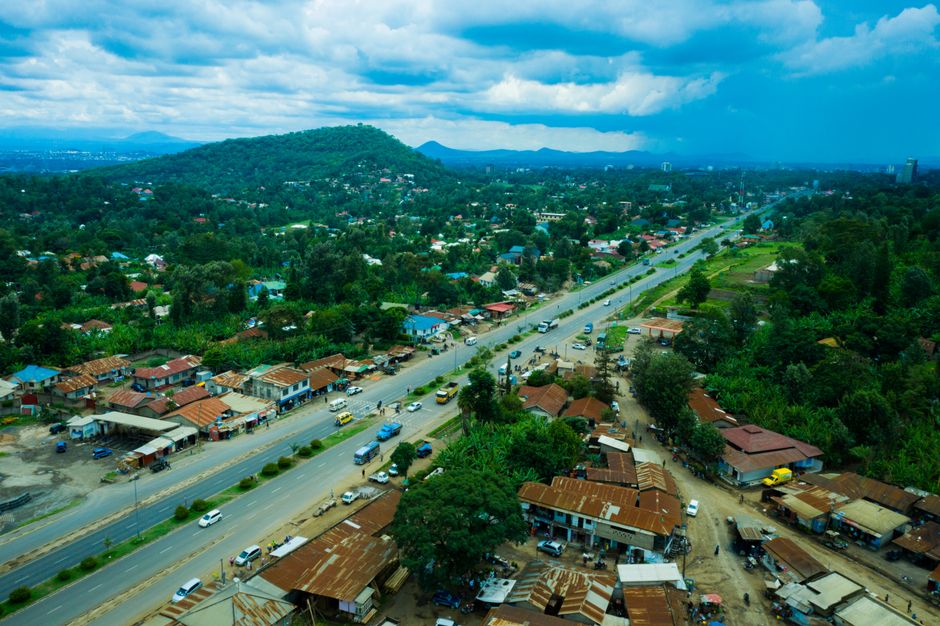
Arusha, at the foot of Mount Meru in northern Tanzania, is the country’s safari capital: almost every trip to the Serengeti, the Ngorongoro Crater, Tarangire and Lake Manyara starts or ends here, and the headquarters of Tanzania National Parks (TANAPA) is in town. At about 1,400 m (4,600 ft), Arusha has a pleasant highland climate, with green coffee and banana farms on the lower slopes of Meru, a 4,566 m (14,980 ft) volcano that dominates the northern skyline. The city itself is busy, friendly and fast-growing, with markets, craft shops, coffee houses, a lively food scene and a handful of museums telling the story of modern Tanzania. Many travelers spend just one night here before or after a safari, but it’s worth staying longer to explore Arusha National Park, a small, beautiful park on the slopes of Meru where you can see giraffes, buffalo, colobus monkeys and flamingos, canoe on a lake and even walk with an armed ranger. Nearby are the crater lake of Duluti, coffee farm tours, cultural tourism programs in Maasai and Meru villages, and the mountain itself, a superb three- or four-day climb. Arusha is also the gateway to Kilimanjaro International Airport, about an hour east, and the starting point for Kilimanjaro climbs on its western routes.
Right now in Arusha
- Wed16–25°C61–77°F4 mm rain
- Thu16–24°C61–76°F2 mm rain
- Fri16–21°C60–70°F10 mm rain
Top tours in Arusha
See all tours for Arusha →
From local operators, with prices and reviews; you check availability and book on Viator, our partner. We may earn a commission at no extra cost to you. How we earn money
Arusha at a glance
- Best for: starting a safari, Arusha National Park, Mount Meru, coffee tours, markets and cultural tourism.
- How long: 1–2 nights, or 4 nights with a Meru climb.
- Best time: June to October and January to February are driest; it’s mild all year.
- Getting there: fly to Kilimanjaro International Airport (JRO) or Arusha Airport (ARK); shuttle buses from Nairobi via Namanga.
- Getting around: taxis, bajaji (tuk-tuks) and ride-hailing apps; dala dala minibuses for the adventurous.
- Good to know: book safaris only with licensed operators, never with street touts.
- Before you go: the visa, insurance, money and general safety are in our Tanzania travel guide.
Arusha’s areas and where to stay
The city center
The center, around the Clock Tower roundabout, Boma Road and the Central Market, has banks, shops, restaurants, the museums and budget and mid-range hotels. It’s convenient but busy and noisy.
Njiro and the southeast
Njiro, a residential suburb southeast of the center, has quieter guesthouses, restaurants and the Njiro shopping area.
Sakina, Kijenge and the west
West and north of the center, leafy areas around Kijenge, Sakina and the Moshi–Arusha road’s western end have boutique hotels and cafés, and many safari operators’ offices.
Usa River and Tengeru
East of the city, toward Kilimanjaro airport, Usa River and Tengeru have garden lodges and coffee-farm hotels set among plantations, closer to Arusha National Park and Lake Duluti; they’re ideal for the first or last night of a safari.
Where to stay in Arusha
- City center: budget and business hotels close to markets and restaurants.
- Garden suburbs: boutique hotels and quiet guesthouses.
- Coffee farms and lodges east of town: peaceful, scenic and close to the airport and Arusha National Park.
A short history
Arusha grew from a German military post built in the 1890s among the farms of the Arusha and Meru peoples, and became a colonial trading and coffee town under British rule. Since independence, it has become a diplomatic city: the East African Community has its headquarters here, and the Arusha International Conference Centre hosted major peace negotiations. Today it’s one of Tanzania’s fastest-growing cities, driven by tourism, farming, flowers and gems.
Top things to see in Arusha
Arusha National Park
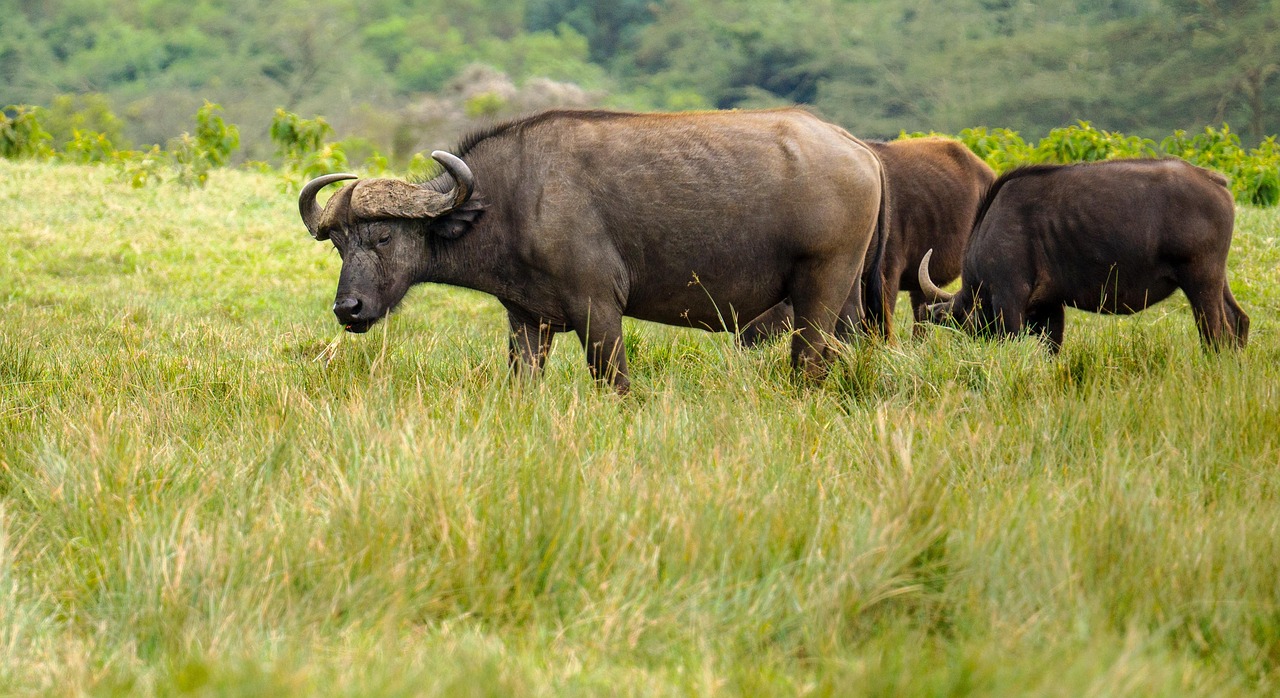
TANAPA describes Arusha National Park as featuring Mount Meru, the Momella Lakes and diverse habitats, from montane forest with black-and-white colobus monkeys to the Ngurdoto Crater (a “mini Ngorongoro” viewed from the rim) and the alkaline Momella Lakes, where flamingos feed. Giraffes, buffalo, zebras, warthogs, bushbuck and baboons are common; there are no lions. Unusually, you can do walking safaris with an armed ranger and canoe on Small Momella Lake. In TANAPA’s 2026/27 tariff, the non-resident adult entry fee is TZS 127,750 (about US$48) per 24 hours, canoeing is TZS 51,100, and short walks are TZS 51,100. The park is about 40 minutes from town and makes a perfect half-day or full-day trip.
Mount Meru
Tanzania’s second-highest mountain, inside Arusha National Park, is a classic 3- or 4-day climb with an armed ranger, staying in huts (TZS 76,650 per adult per night in TANAPA’s tariff), with dramatic views of its collapsed crater and of Kilimanjaro at sunrise. It’s also excellent acclimatization before Kilimanjaro. See our hiking guide.
The Arusha Declaration Museum and the Natural History Museum
The Arusha Declaration Museum tells the story of Tanzania’s independence and President Julius Nyerere’s 1967 Arusha Declaration on socialism and self-reliance. The Natural History Museum, in the old German boma (fort) on Boma Road, has displays on human evolution, including finds from Olduvai Gorge, and on wildlife.
The Clock Tower and the city
The Clock Tower roundabout is Arusha’s landmark, popularly said to stand halfway between Cairo and Cape Town. Walk from here to the Central Market, full of spices, fruit, vegetables and fabrics, and the Maasai Market (curio market) for crafts.
The Cultural Heritage Centre
On the road west toward the Serengeti, the Cultural Heritage Centre is a vast gallery and shop selling Tanzanian art, tanzanite jewelry, carvings and crafts from across Africa, with a striking modern building. Prices are fixed and high, but quality is good.
Lake Duluti
The small crater lake of Duluti, near Tengeru, is surrounded by forest, with a walking trail, canoeing and birds such as fish eagles and kingfishers.
Other things to do in Arusha
Coffee farm tours
The slopes of Meru and Kilimanjaro produce excellent arabica. Coffee tours with farmers in villages around Arusha and on estates near Usa River show the whole process, from picking cherries to roasting and brewing a cup. See our city sightseeing guide.
Cultural tourism programs
Village-run cultural tourism programs around Arusha, for example at Ng’iresi, Mulala and Longido, offer walks, farm visits, waterfalls, home-cooked meals and Maasai culture, with fees going to community projects.
Tanzanite
Tanzanite, a violet-blue gem found only in the Merelani Hills near Kilimanjaro airport, is sold all over town. Buy only from reputable dealers, get a certificate, and know that prices vary widely.
Planning a safari from Arusha
Arusha has hundreds of safari companies, from budget camping operators to luxury specialists. A typical northern circuit safari of 4–7 days combines Tarangire, the Ngorongoro Crater and the Serengeti, sometimes with Lake Manyara. You’ll travel in a pop-top 4×4 with a driver-guide; prices depend on whether you camp or stay in lodges, share a vehicle or go private, and the season. A good quote lists the park and conservation fees (which change each July for TANAPA parks), accommodation, meals, drinking water, transfers and the guide’s costs, and states clearly what’s excluded, such as tips, drinks and balloon flights. Read recent reviews and check that the company is licensed.
Food and drink
Arusha has a good mix of local and international food. Try nyama choma (grilled meat) with ndizi (plantain) or chips, mshikaki skewers, ugali with stew, chipsi mayai (an omelet with fries), pilau, and Indian and Swahili dishes; the city’s cafés serve excellent local coffee. Local beers include Kilimanjaro and Safari, and there are rooftop bars and garden restaurants in the suburbs.
Day trips from Arusha
- Arusha National Park: about 40 minutes; game drives, walks and canoeing.
- Tarangire National Park: about 2.5–3 hours; elephants and baobabs, an easy day trip. See our Tarangire National Park guide.
- Lake Manyara and Mto wa Mbu: about 2 hours; a forest park below the Rift Valley escarpment (TZS 127,750 for non-resident adults, TANAPA 2026/27) and a lively village with cultural tours.
- Ngorongoro Crater: a long day trip is possible but tiring; better with a night on the rim or in Karatu. See our Ngorongoro guide.
- Longido: a Maasai cultural tourism program about 1.5 hours north toward the Kenyan border, with guided walks up Longido Mountain, camel safaris and views over the plains to Kilimanjaro.
- Lake Natron and Ol Doinyo Lengai: a long, rough drive northwest to a soda lake where flamingos breed, below the Maasai’s sacred active volcano; better as an overnight trip.
- Moshi and Kilimanjaro: about 1.5 hours east; waterfalls, coffee farms and the starting point for most climbs. See our Kilimanjaro National Park guide.
Nearby destinations
- Kilimanjaro National Park83 km
- Amboseli National Park102 km
- Tarangire National Park105 km
- Ngorongoro Conservation Area137 km
- Nairobi232 km
- Tsavo East National Park241 km
- Serengeti National Park255 km
- Maasai Mara National Reserve270 km
Getting there and getting around
By air
Kilimanjaro International Airport (JRO), about 50 km (31 miles) east of Arusha, has international flights from Europe and the Middle East, including via Doha and Dubai, and regional flights from Nairobi, Dar es Salaam and Zanzibar. TANAPA names JRO and Arusha Airport (ARK) as the main gateways for climbers. Transfers from JRO to Arusha take about an hour. Arusha Airport, about 8 km (5 miles) west of town, handles domestic and safari flights to the Serengeti, Zanzibar and other airstrips.
By road
Shuttle buses link Nairobi and Arusha via the Namanga border post in about 5–6 hours, and continue to Moshi; you’ll need your visa, insurance and yellow fever certificate if coming from Kenya. Buses also run to Dar es Salaam (about 9–10 hours) and Moshi (about 1.5 hours).
Getting around
Taxis and bajaji (three-wheelers) are easy to find; agree the fare first or use a ride-hailing app where available. Dala dalas (minibuses) are cheap but crowded, and boda bodas (motorbike taxis) are risky. Walking around the center by day is fine; take a taxi at night.
When to go and how long to stay
Arusha has a mild highland climate, with warm days and cool nights. The long rains fall from about March to May and the short rains in November and December; June to August is the coolest time, often overcast in the morning, and January and February are warm and fairly dry. The table uses Tanzania Meteorological Authority (TMA) climate normals for 1991–2020 for Kilimanjaro International Airport, the nearest station with published normals, at 891 m (2,923 ft), about 50 km (31 miles) east, as published by the World Meteorological Organization (WMO): average daily highs and lows, total precipitation and days with at least 1 mm of rain. Arusha, about 500 m (1,600 ft) higher, is usually around 3 °C (5 °F) cooler and wetter (estimate).
| Month | Average high / low | Rain (days with 1 mm or more) | What to expect |
|---|---|---|---|
| January | 33 °C (92 °F) / 19 °C (66 °F) | 43 mm (1.7 in), 4 days | Warm and fairly dry; good safari month |
| February | 34 °C (93 °F) / 19 °C (66 °F) | 39 mm (1.5 in), 3 days | Warm; calving season in the Serengeti |
| March | 33 °C (91 °F) / 20 °C (68 °F) | 94 mm (3.7 in), 6 days | Long rains begin; green hills |
| April | 30 °C (86 °F) / 20 °C (68 °F) | 132 mm (5.2 in), 12 days | Wettest month; low season |
| May | 27 °C (81 °F) / 19 °C (66 °F) | 73 mm (2.9 in), 9 days | Rain easing; quiet and green |
| June | 26 °C (80 °F) / 16 °C (61 °F) | 9 mm (0.4 in), 2 days | Dry season begins; cool mornings |
| July | 26 °C (79 °F) / 15 °C (59 °F) | 4 mm (0.1 in), 1 day | Coolest month; peak safari season |
| August | 27 °C (81 °F) / 15 °C (60 °F) | 6 mm (0.2 in), 1 day | Dry and cool; busy |
| September | 30 °C (85 °F) / 16 °C (61 °F) | 5 mm (0.2 in), 1 day | Dry and sunny; excellent |
| October | 31 °C (88 °F) / 18 °C (64 °F) | 24 mm (1.0 in), 3 days | Warm; good for safaris and climbs |
| November | 32 °C (89 °F) / 19 °C (66 °F) | 51 mm (2.0 in), 5 days | Short rains; brief showers |
| December | 32 °C (90 °F) / 19 °C (66 °F) | 44 mm (1.8 in), 4 days | Showers; festive season |
One or two days in Arusha
With one day, visit Arusha National Park for a morning game drive or walk and canoe, then the Cultural Heritage Centre and dinner in town. With a second day, take a coffee farm tour on Meru’s slopes, see the Natural History Museum and the Arusha Declaration Museum, browse the Central Market, and walk around Lake Duluti in the afternoon.
What a trip to Arusha costs
Prices are approximate, for October 2026, converted at about TZS 2,637 to the US dollar (Bank of Tanzania). Park fees are TANAPA’s 2026/27 non-resident rates.
| Item | Typical cost |
|---|---|
| Arusha National Park entry, non-resident adult, per 24 hours | TZS 127,750 (about US$48) |
| Canoeing in Arusha National Park | TZS 51,100 (about US$19) |
| Mount Meru hut, adult per night | TZS 76,650 (about US$29) |
| Taxi across town | TZS 10,000–20,000 (about US$3.8–7.6) |
| Local lunch (pilau or nyama choma) | TZS 8,000–20,000 (about US$3–7.6) |
| Coffee farm tour | about US$20–50 |
| Shuttle bus Arusha–Nairobi | about US$30–40 |
| Mid-range hotel or lodge, double per night | about US$80–200 |
Practical tips for Arusha
- Choose a licensed operator: the Tanzania Association of Tour Operators (TATO) keeps a list of licensed companies; don’t buy safaris from street touts (“flycatchers”).
- Get cash in town: ATMs are plentiful in Arusha but scarce in the parks; carry shillings and small US dollar notes for tips.
- Plan an airport night: if you land late at JRO, stay in Usa River or near the airport.
- Check your fees: TANAPA’s tariffs change each July, so make sure quotes use the current year’s fees.
- Bring layers: evenings are cool, especially from June to August.
- No plastic bags: they’re banned in Tanzania and collected on arrival.
Safety
Arusha is generally welcoming, but take city precautions. Bag snatching, sometimes from passing motorbikes, and pickpocketing happen in busy areas, so carry bags away from the road, keep phones out of sight and don’t carry large amounts of cash. Don’t walk after dark; take a taxi from your hotel. Touts offering cheap safaris, climbs and taxis can be persistent: book through your hotel or a licensed operator, ask to see the driver’s ID, and don’t accept rides from strangers. Avoid crowds and demonstrations, and don’t photograph police, the military or public gatherings; taking or sharing images of protests is illegal. Road travel is risky at night, and boda bodas and dala dalas have poor safety records. Malaria is present in Tanzania below 1,800 m (5,900 ft), including Arusha, so use repellent and nets and ask a travel-health professional about antimalarials. In an emergency, call 112.
What to pack for Arusha
Layers for warm days and cool evenings, a fleece or light jacket (especially from June to August), a rain jacket for the rains, comfortable walking shoes, neutral-colored safari clothes, a sun hat, sunglasses, sunscreen, insect repellent, a money belt or crossbody bag, and a power adapter: Tanzania uses 230 V with type D and G sockets. See our travel adapters, rain jackets and hiking shoes guides.
Arusha travel FAQ
Is Arusha worth visiting, or just a safari stop?
It’s worth a day or two: Arusha National Park, coffee tours, markets, museums and Mount Meru make a good start or end to a safari.
How far is Arusha from Kilimanjaro airport?
About 50 km (31 miles), roughly an hour by road.
How much is Arusha National Park?
In TANAPA’s 2026/27 tariff, TZS 127,750 (about US$48) per non-resident adult per 24 hours.
Can you climb Mount Meru?
Yes, in 3–4 days with an armed ranger and a guide, staying in huts; it’s a great acclimatization climb before Kilimanjaro.
How do I get from Nairobi to Arusha?
By shuttle bus via the Namanga border in about 5–6 hours, or by a short flight.
Do I need a yellow fever certificate if I come from Kenya?
Yes. Tanzania requires a certificate if you arrive from a country with yellow fever risk, which includes Kenya.
Is Arusha safe for tourists?
Most visits are trouble-free if you take normal city precautions: don’t walk at night, watch your bags, and use licensed operators and taxis.
Where should I stay in Arusha?
In the center for convenience, or at a garden or coffee-farm lodge east of town for peace and quiet before a safari.
What is tanzanite?
A violet-blue gem found only near Arusha in the Merelani Hills; buy from reputable dealers with a certificate.
Is there malaria in Arusha?
Yes, Arusha is below 1,800 m, where malaria occurs in Tanzania; take precautions against mosquito bites.
Plan your trip
Partner links: TravelerCenter may earn a commission if you book, at no extra cost to you.
🇹🇿 Useful Swahili phrases for Arusha
All 38 Swahili phrases: restaurant, hotel, emergencies, romance (printable) →
Sources · last reviewed 5 October 2026
Researched and last reviewed on 5 October 2026. Arusha National Park features, entry, canoeing, walking and hut fees, the Lake Manyara fee, and JRO and Arusha Airport as climbers’ gateways: Tanzania National Parks (TANAPA) and its 2026/27 tariff data; licensed operators (TATO), touts, crime precautions, protests and photography, transport risks, plastic bags and emergency numbers: the UK government’s factual entry and safety pages, used for practical facts only; malaria and yellow fever: the US CDC; climate normals: the Tanzania Meteorological Authority via the World Meteorological Organization’s 1991–2020 normals (Kilimanjaro International Airport station); the exchange rate: the Bank of Tanzania. Altitudes of Arusha and Meru, the temperature adjustment, neighborhoods, museums, the Clock Tower story, cultural tourism villages, tanzanite, distances, journey times and typical prices are general references or estimates, flagged for checking. Prices and rules change, so check locally before you go. For the visa, insurance, money and general safety, see our Tanzania travel guide.
Data: Weather: MET Norway (CC BY 4.0) · Rates: ECB · Costs: World Bank ICP and price levels · Wikidata (CC0)