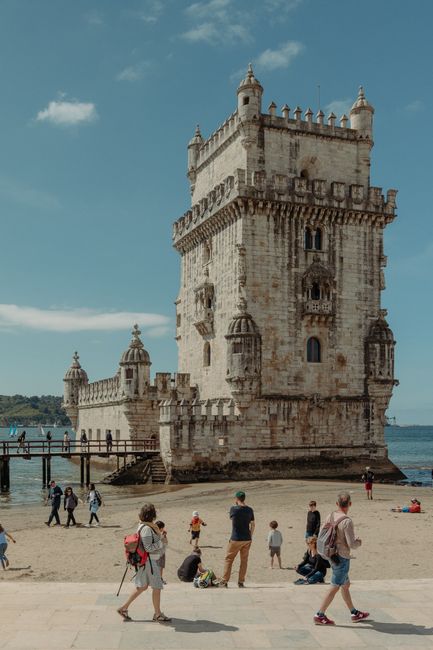
Portugal packs a lot into a small country: tram rides and sunset viewpoints in Lisbon, port lodges and river light in Porto, warm Algarve beaches, vineyard terraces along the Douro, and two Atlantic island groups, Madeira and the Azores, made for hiking and whale watching. Spring and early autumn are the sweet spots. Give it 7 to 10 days for the mainland, 14 if you add an island.
Right now in Portugal
- Wed 17–25°C 62–76°F 1 mm Light showers
- Thu 17–28°C 62–83°F Clear
- Fri 18–24°C 64–76°F Clear
Weather: MET Norway (CC BY 4.0) · Rates: ECB
Key facts
| Currency | Euro (EUR, €)Source: visitportugal.com · Last reviewed 3 Oct 2026 |
|---|---|
| Languages | Portuguese; Mirandese is also recognisedSource: parlamento.pt · Last reviewed 3 Oct 2026 |
| Plugs and voltage | Type C and F · 230 V, 50 HzSource: visitportugal.com · Last reviewed 3 Oct 2026 |
| Emergency number | 112 (police, ambulance, fire)Source: visitportugal.com · Last reviewed 3 Oct 2026 |
| Driving side | On the rightSource: visitportugal.com · Last reviewed 3 Oct 2026 |
| Tap water | Safe to drink (98.86% of tests met standards in 2024)Source: rea.apambiente.pt · Last reviewed 3 Oct 2026 |
| Tipping | Not required. Restaurants: service is normally included; leaving about 5-10% is customary for good serviceSource: visitportugal.com · Last reviewed 3 Oct 2026 |
| Calling code | +351 (dial 00 for international calls)Source: visitportugal.com · Last reviewed 3 Oct 2026 |
| Time zones | Mainland Portugal and Madeira: WET (UTC+0), summer WEST (UTC+1); Azores: UTC-1, summer UTC+0Source: visitportugal.com · Last reviewed 3 Oct 2026 |
| Entry summary | Schengen area · EU member. See the entry section for rules by passport.Source: travel-europe.europa.eu · Last reviewed 3 Oct 2026 |
Multi-day tours of Portugal
Multi-day tours from local operators. You check dates and book on Viator, our partner; we may earn a commission at no extra cost to you. How we earn money
Portugal at a glance: overview and geography
Portugal sits on the western edge of mainland Europe, with Spain to the north and east and the Atlantic on its long western and southern coasts. Out at sea it also includes two self-governing island regions: the Madeira archipelago, off the coast of Africa, and the nine islands of the Azores, in the middle of the Atlantic. Statistics Portugal (INE) estimated the resident population at about 11.4 million at the end of 2025.
The mainland changes a lot from north to south: a green, rainy north of granite villages and vineyards; a centre of mountains (Serra da Estrela is the mainland’s highest range), university towns and big surf; Lisbon on the wide Tagus estuary; the quiet cork-oak plains of the Alentejo; and the warm, dry Algarve coast.
Time zones catch people out: the mainland and Madeira run on Western European Time (UTC+0, UTC+1 in summer), while the Azores are an hour behind (UTC-1, UTC+0 in summer).
INE’s preliminary figures for 2025 counted 32.5 million guests and 82.1 million nights in tourist accommodation, a record, with visitors from abroad making up about 69% of those nights. The United Kingdom was the biggest foreign market, followed by Germany, North America, Spain and France.
The main regions
- Porto and the North: Porto, the Douro Valley wine country, Braga, Guimarães and the green Minho, plus the Peneda-Gerês National Park.
- Centre: Coimbra and its old university, the surf towns of Nazaré and Peniche, the lagoon town of Aveiro, the pilgrimage town of Fátima and the Serra da Estrela mountains.
- Lisbon region: the capital, plus Sintra, Cascais and Ericeira to the west and the Setúbal peninsula with Arrábida’s beaches to the south.
- Alentejo: Évora, hilltop Monsaraz and Marvão, wine estates and a long, wild Atlantic coast.
- Algarve: around 150 km of south coast, from the sea cliffs and coves around Lagos to the sandy barrier islands of the Ria Formosa near Faro and Tavira.
- Madeira: a steep, subtropical volcanic island with levada (irrigation channel) walks, plus little Porto Santo with its long sandy beach.
- Azores: nine volcanic islands with crater lakes, hot springs, whale watching and hiking; São Miguel is the largest and busiest.
Regions
- Algarve
- Aveiro
- Azores
- Beja
- Braga
- Bragança
- Castelo Branco
- Coimbra
- Douro Valley
- Faro
- Guarda
- Leiria
- Lisbon
- Madeira
- Portalegre
- Porto
- Santarém
- Setúbal
- Viana do Castelo
- Vila Real
- Viseu
- Évora
Where to go: cities, destinations and top attractions
Most first trips combine Lisbon and Porto, then add the Algarve for beaches or an island for nature.
Lisbon
The capital spreads over steep hills above the Tagus, so a lot of the fun is getting around: riding the old yellow trams, climbing to miradouros (viewpoints) such as Senhora do Monte and Santa Luzia at sunset, and getting lost in the lanes of Alfama, where you can hear fado in small taverns. Belém, by the river, has the Jerónimos Monastery and Belém Tower (together a UNESCO World Heritage Site) and the bakery-lined streets where you try your first warm pastel de nata.
Porto
Porto is smaller and moodier than Lisbon, in a good way. Walk down through the UNESCO-listed historic centre to the Ribeira waterfront, cross the double-deck Dom Luís I bridge to the port wine cellars in Vila Nova de Gaia, and look up at the blue-and-white tiles of São Bento station. Eat a francesinha (a very filling meat sandwich in beer sauce) and head out to Foz, where the river meets the ocean.
The Algarve
The south coast is Portugal’s beach holiday country. The western half (Lagos, Sagres, Carvoeiro) has golden cliffs, sea caves and small coves, best explored by kayak or boat; the area around Benagil is the famous one. The eastern half, towards Tavira and the Spanish border, has long, calm sandbar beaches in the Ria Formosa lagoon, reached by little ferries. The Algarve had the largest share of all tourist nights in Portugal in 2025, so expect it to be lively in summer.
Sintra
A short train ride from Lisbon, Sintra’s wooded hills hide fairy-tale palaces and gardens: the bright Pena Palace, the Moorish Castle, the mystical wells of Quinta da Regaleira and the town palace. The whole area is a UNESCO cultural landscape. Book Pena tickets for a timed slot in advance, and leave the car behind: private cars cannot drive up to Pena from the historic centre.
Douro Valley
East of Porto, the Douro River winds through steep terraced vineyards where port and some of Portugal’s best table wines come from; the Alto Douro Wine Region is on the UNESCO list. Base yourself in Pinhão or Peso da Régua for quinta (wine estate) tastings, river cruises and the scenic Douro line train. The grape harvest usually runs from mid-September into early October.
Évora and the Alentejo
Évora, about an hour and a half from Lisbon by train, is a walled UNESCO-listed town with a Roman temple, a Gothic cathedral and the slightly spooky Chapel of Bones. It is a lovely base for Alentejo wine estates, stone circles and hilltop villages like Monsaraz; avoid the inland heat of high summer.
Madeira
Madeira is a green, dramatic island where mountains rise straight out of the sea. Funchal, the capital, has gardens, a fruit market and a cable car up to Monte. Most visitors come to walk: the levadas follow old water channels through laurel forest (the Laurisilva is a UNESCO natural site), and the ridge walk between Pico do Arieiro and Pico Ruivo is unforgettable on a clear morning. Its mild climate makes it a year-round destination.
The Azores
The Azores feel like a different world: hydrangea hedges, crater lakes like Sete Cidades and Lagoa do Fogo on São Miguel, hot springs at Furnas, and tea plantations. Pico has Portugal’s highest mountain and UNESCO-listed vineyards growing between black lava walls; Terceira has the UNESCO-listed town of Angra do Heroísmo. Whale and dolphin watching runs most of the year, with spring the classic season for passing great whales.
A few more worth your time
Coimbra for its historic university and student traditions; Cascais for an easy beach day from Lisbon; Nazaré for the giant winter waves at Praia do Norte; Aveiro for its canals; Óbidos for its walled village; Guimarães and Braga for history and churches in the north; and the Peneda-Gerês National Park for hiking and river swimming.
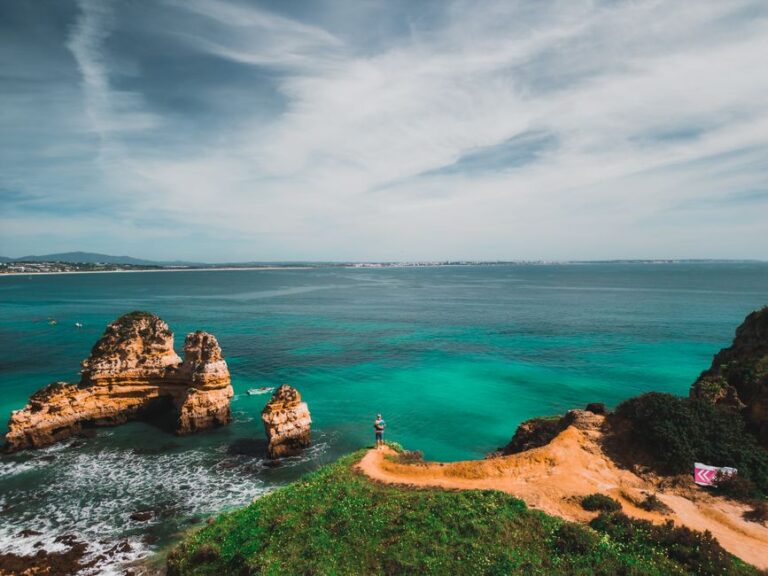
Algarve Travel Guide
Plan an Algarve trip: the four parts of the coast and who each suits, the best beaches by type, Benagil cave rules as of…
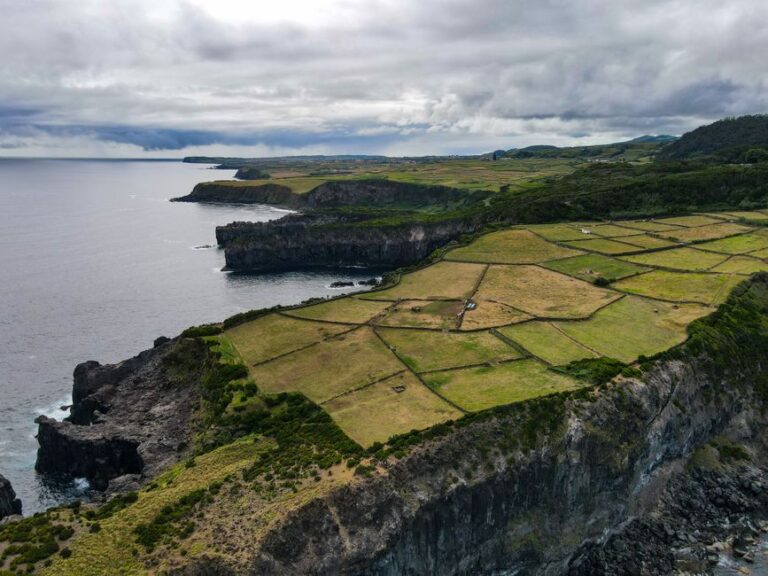
Azores Travel Guide
Plan a trip to the Azores: the nine islands and how to combine them, whale and dolphin watching seasons and rules, free hiking trails…
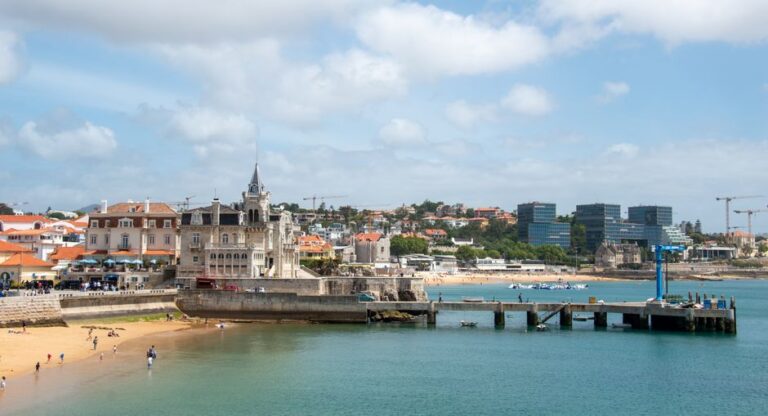
Cascais Travel Guide
Plan a trip to Cascais: the train from Lisbon with 2026 fares and times, the bay beaches, the Paula Rego museum and Museum Quarter…
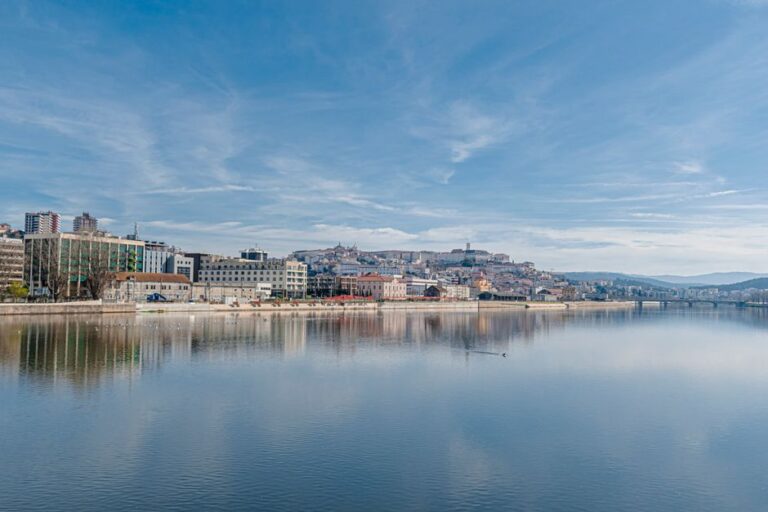
Coimbra Travel Guide
Plan a trip to Coimbra: University of Coimbra and Joanina Library tickets and time slots with 2026 prices, the Old Cathedral and Santa Cruz…
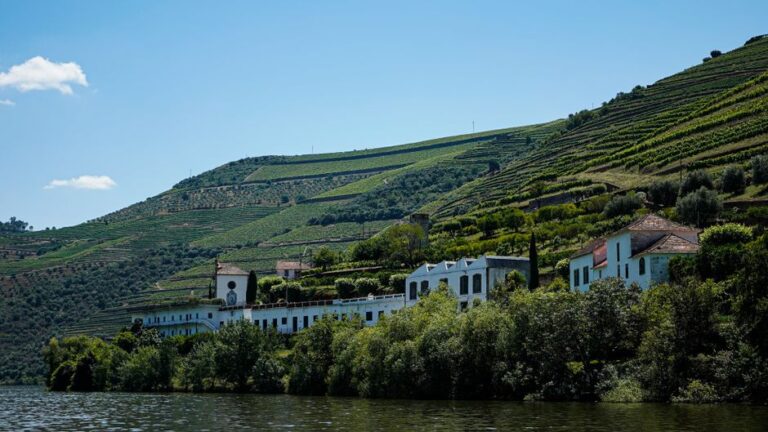
Douro Valley Travel Guide
Plan a trip to the Douro Valley: Régua, Pinhão and the Douro Superior, quinta wine tastings, river cruises, the Douro line and the historic…
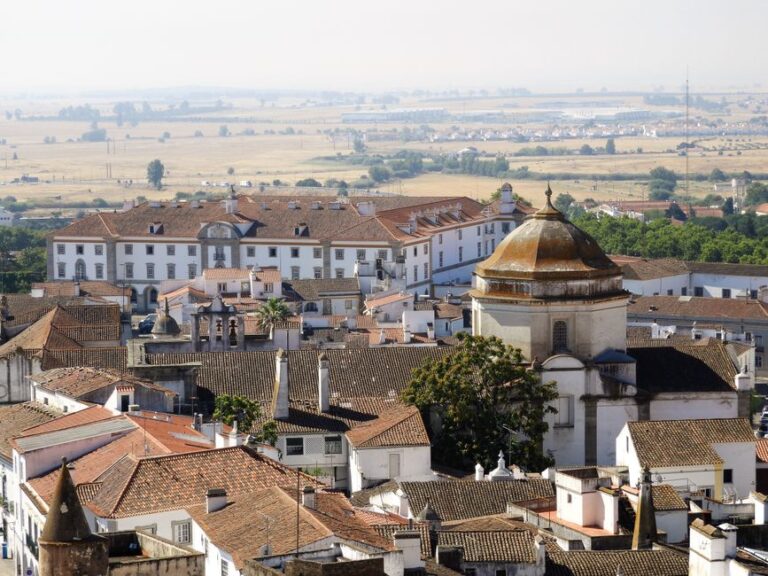
Évora Travel Guide
Plan a trip to Évora: the Roman temple, cathedral rooftop and Chapel of Bones, Alentejo wine and the Almendres stone circle, day trips to…
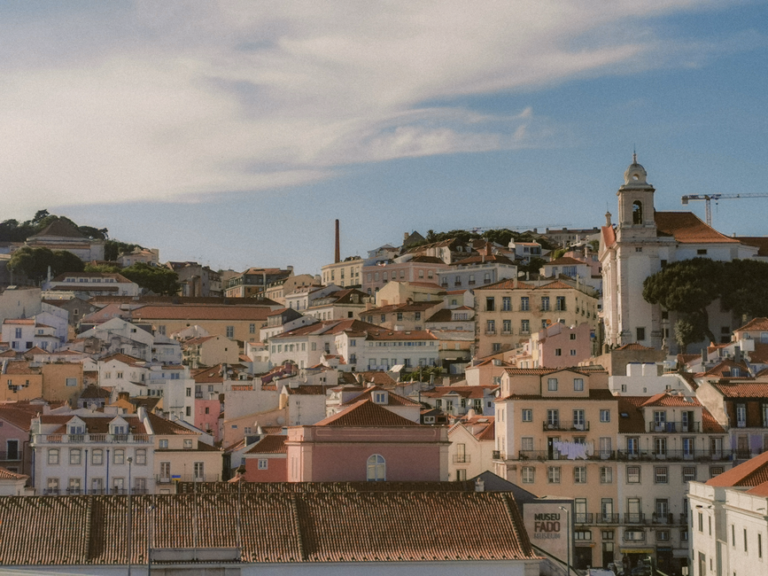
Lisbon Travel Guide
Plan a trip to Lisbon: the neighbourhoods, Jerónimos, Belém Tower, the castle and Tram 28 with 2026 prices and hours, day trips to Sintra,…
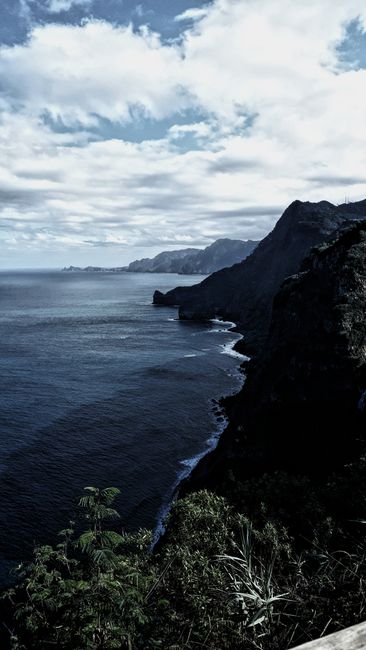
Madeira Travel Guide
Plan a trip to Madeira: Funchal and the island's areas, the best levada and mountain walks with 2026 trail fees and SIMplifica booking, PR1…
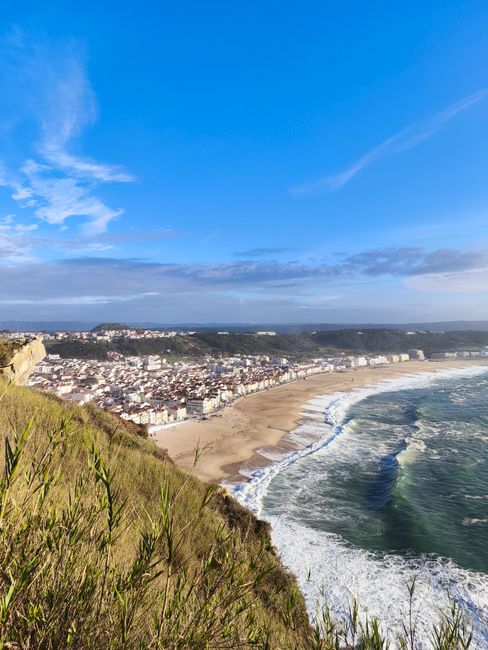
Nazaré Travel Guide
Plan a trip to Nazaré: the town beach and fishing traditions, the funicular to Sítio and the Suberco viewpoint, the Fort of São Miguel…
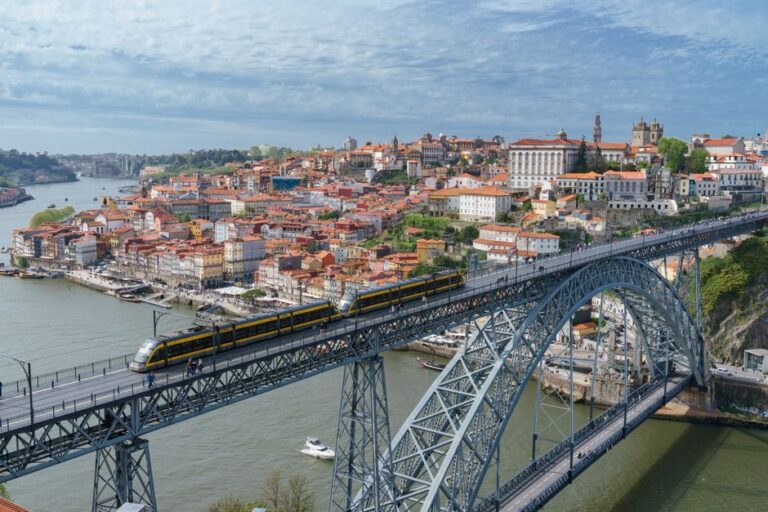
Porto Travel Guide
Plan a trip to Porto: Ribeira, the Dom Luís I bridge and the Gaia port cellars, the best neighbourhoods, things to do, Douro Valley…
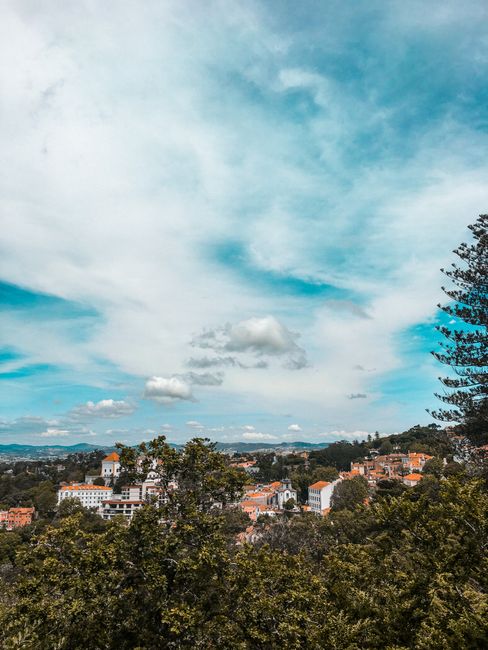
Sintra Travel Guide
Plan Sintra from Lisbon: Pena Palace timed tickets, the Moorish Castle, Quinta da Regaleira, Monserrate and Cabo da Roca with 2026 prices and hours,…
Best time to visit Portugal
There is no bad time to go, but each season suits a different trip. The table below uses the official 1991–2020 climate normals from IPMA, Portugal’s weather institute (average daily highs and the number of days with at least 1 mm of rain, per month). Crowd and price notes use Statistics Portugal’s monthly hotel figures: the average room rate across Portugal was about €159 a night in August 2025, €100 in December 2025 and €131 in May 2026.
| Season | Average daytime highs (Lisbon / Porto / Faro / Funchal / Ponta Delgada) | Rainy days per month | Crowds and prices | Good for |
|---|---|---|---|---|
| Spring (Mar–May) | 19–23 / 17–20 / 19–24 / 21–22 / 18–20 °C | Lisbon 6–8, Porto 9–10, Azores 9–12 | Moderate; prices rising towards June | City breaks, hiking, Madeira Flower Festival, Azores whale season |
| Summer (Jun–Aug) | 26–29 / 23–25 / 27–29 / 24–27 / 22–26 °C | Lisbon, Faro and Funchal 0–2; Porto 3–5; Azores 5–7 | Busiest and most expensive, especially August and the Algarve | Beaches, June city festivals, island swimming |
| Autumn (Sep–Nov) | 18–27 / 17–24 / 20–26 / 23–27 / 20–25 °C | Mainland and Madeira: 2–6 in September rising to 7–13 in November; Azores 9–14 | Busy in September, then calmer and cheaper | Warm sea, Douro harvest, wine, hiking, start of Nazaré big waves |
| Winter (Dec–Feb) | 15–16 / 14–15 / 16–17 / 20–21 / 17–18 °C | Lisbon 8–10, Porto 10–13, Faro 5–7, Funchal 6–9, Azores 11–15 | Quietest and cheapest | City breaks, Madeira sunshine, big-wave watching, low prices |
Inland areas such as the Alentejo and the Douro get much hotter than the coast in July and August, and the west-coast Atlantic stays cool even in summer. Portugal’s wildfire season usually runs through the hot, dry months; the UK government warns of higher risk from April to October.
Festivals and events through the year
- February or March: Carnival, with parades in towns like Torres Vedras, Loulé and Funchal.
- Late April–May: Madeira Flower Festival, with flower carpets and parades in Funchal (it ran from 30 April to 31 May in 2026).
- June: the Santos Populares street parties. Lisbon’s peak night for Santo António is 12–13 June, with grilled sardines and neighbourhood parades; Porto’s São João on 23–24 June brings fireworks over the Douro and playful hammer-tapping on the streets.
- September–October: the Douro grape harvest (vindima), with foot-treading at some estates.
- October–March: big-wave season at Nazaré, best usually from November to February.
- 31 December: New Year’s Eve fireworks over Funchal’s bay.
Weather month by month
Averages from IPMA normals 1991–2020, Lisboa / Instituto Geofísico · Last reviewed 3 Oct 2026
How long to stay: sample itineraries
Trains make the mainland easy without a car; the islands need a flight from Lisbon or Porto.
5 days: Lisbon and Sintra
Days 1–3 in Lisbon: Alfama and the castle, a tram ride and miradouros, Belém, an evening of fado. Day 4: Sintra’s palaces by train (go early). Day 5: Cascais and the coast, or a day trip to Évora.
7 days: Lisbon, Sintra and Porto
Three days in Lisbon with a Sintra day trip, then the train to Porto (about three hours). Spend three days in Porto, one of them on a Douro Valley day out by train, car or boat.
10 days: the classic loop
Three days in Lisbon and Sintra, one night in Évora, three days in the Algarve (Lagos for cliffs and boat trips, or Tavira for calm beaches), then train back north for three days in Porto and the Douro. Or swap the Algarve for four days in Madeira.
14 days: mainland plus an island
Lisbon and Sintra (4 days), Porto and the Douro (4 days, with a night in the valley), then fly to Madeira or São Miguel in the Azores for 5–6 days of hiking, swimming and viewpoints. Beach lovers can do the Algarve instead and add Coimbra on the way north.
Entry, money and costs
Entry and visas (last reviewed October 2026)
Portugal is in the Schengen area. Citizens of EU and EEA countries and Switzerland can enter with a national ID card or passport. Visitors from many other countries, including the United States, Canada, the UK, Australia and Brazil, can visit without a visa for up to 90 days in any 180-day period. Others need a Schengen visa from a Portuguese consulate; the Foreign Ministry’s visa portal lists who needs one.
- Entry/Exit System (EES): since 10 April 2026 the EU’s digital EES is fully running at Portuguese borders. Non-EU visitors on short stays have their passport details, a photo and fingerprints recorded on first entry, instead of getting passport stamps. Allow extra time at the border, especially on your first trip after the change; queues at Lisbon, Faro and Funchal were long in the spring of 2026.
- ETIAS: the EU’s planned online travel authorisation is not in operation as of October 2026, and no start date has been fixed. The EU says it will announce the date several months in advance. Ignore websites selling “ETIAS applications” before then.
- Passports: for non-EU visitors, the UK government advises that your passport must have been issued less than 10 years before the day you arrive and be valid for at least 3 months after the day you plan to leave the Schengen area. Border officers may also ask for a return or onward ticket and proof of enough money for your stay.
Rules change, so check the official pages before you book: the EU’s Travel to Europe site (EES and ETIAS), Portugal’s visa portal (vistos.mne.gov.pt) and your own government’s travel information.
Languages
Portuguese is the national language. English is widely spoken in tourist areas and by younger people; elsewhere a few words help: olá (hello), obrigado or obrigada (thank you, said by a man or a woman), por favor (please) and a conta, por favor (the bill, please).
Currency and payments
Portugal uses the euro (€). Cards and phone payments work almost everywhere in cities, but carry some cash for small cafés, markets and village shops. Cash machines are called Multibanco; when a machine or card terminal offers to charge you in your home currency, choose euros, which usually gives a better rate. MB Way, the phone payment app locals use for everything, needs a Portuguese bank account, so most visitors use cards, Apple Pay or Google Pay instead.
Tipping is not expected the way it is in the US. Locals round up or leave small change in cafés; in restaurants, 5–10% for good service is appreciated but optional. Bread, olives and other starters (the couvert) placed on your table are usually charged if you eat them, so send them back if you don’t want them.
Lisbon and Porto both charge a municipal tourist tax on top of your room rate: €4 per person per night in Lisbon (from age 13) and €3 in Porto (from age 13), each up to 7 nights.
Typical travel costs
Portugal is good value by Western European standards, though Lisbon and the Algarve in summer are not cheap. These are estimates, as of October 2026, to help you plan, per person per day:
| Style | Estimated cost per day | What that looks like |
|---|---|---|
| Budget | about €65–75 | Hostel bed or simple guesthouse, bakery breakfasts, a set-menu lunch, public transport, free viewpoints and beaches |
| Mid-range | about €160–170 | Comfortable hotel room shared by two, sit-down meals, a couple of paid sights, trains between cities |
| High-end | about €380+ | Boutique or luxury hotel, fine dining, private tours, car hire |
The daily figures come from BudgetYourTrip’s traveller-reported averages for Portugal (about €67, €165 and €387 per day). Some real prices from Lisbon, from Numbeo’s crowd-sourced data updated 2 October 2026: a meal at an inexpensive restaurant about €15, dinner for two at a mid-range restaurant about €55, a cappuccino about €2.70. Lisbon’s buses and trams cost €2.30 if you pay on board (€3.30 on the historic trams), and a 24-hour Carris and Metro ticket is €7.25 (2026 fares). Hotels swing the most with the season (see the best-time table above).
Getting there and getting around
Arrival airports
Portugal’s main airports are run by ANA (VINCI Airports), which handled about 72.5 million passengers in 2025.
- Lisbon (LIS): the main hub and home of TAP Air Portugal, with about 36.1 million passengers in 2025. The Metro red line runs into the city.
- Porto (OPO): about 16.9 million passengers in 2025,. Metro line E runs straight into the city.
- Faro (FAO): the Algarve’s airport, about 10.4 million passengers in 2025. Local buses run to Faro’s centre.
- Madeira (FNC): Funchal’s airport, about 5.7 million passengers across Madeira and Porto Santo in 2025.
- Ponta Delgada (PDL): the busiest airport in the Azores, on São Miguel; the Azores’ ANA airports (Ponta Delgada, Horta, Santa Maria and Flores) handled about 3.4 million passengers in 2025.
Getting around the mainland
- Trains: CP (Comboios de Portugal) runs the fast Alfa Pendular and Intercidades trains between Braga, Porto, Coimbra, Lisbon and the Algarve. Lisbon to Porto takes about three hours on the fastest trains, and Lisbon to Faro about three to three and a half. Regional and suburban trains reach Sintra (about 40 minutes from Lisbon’s Rossio station), Cascais and the Douro line from Porto to Pinhão and Régua. Book long-distance tickets on cp.pt or the CP app.
- Buses: Rede Expressos and FlixBus link almost every town, often cheaper than the train and sometimes faster, for example Lisbon to Faro in roughly three and a quarter hours.
- City transport: Lisbon has a metro, buses, trams, funiculars and river ferries; Porto has a metro and buses. Reloadable cards (navegante in Lisbon, Andante in Porto) are cheaper than paying on board.
- Driving: a car is the easiest way to explore the Douro, the Alentejo, the western Algarve and the islands, but skip it in Lisbon, Porto and Sintra, where parking is hard and Sintra’s centre is restricted. Portugal drives on the right. Many motorways have tolls, and some have electronic-only gantries with no booths. Most rental cars come with a Via Verde transponder (ask, and check the daily fee); if yours doesn’t, you can pay electronic tolls afterwards at a CTT post office or Payshop agent, from 48 hours after you pass and within 15 working days. Drivers of foreign-registered cars must set up a payment method (such as EasyToll) before using electronic-only motorways. The drink-drive limit is 0.5 g/l, and 0.2 g/l for drivers with less than three years’ experience.
Getting to and around the islands
Madeira and the Azores are reached by plane: Lisbon to Funchal takes a little under two hours, and Lisbon to Ponta Delgada about two and a half, with flights from Porto too. Between Azores islands you fly with SATA Air Açores or, in the central group, take Atlânticoline ferries; the Faial–Pico route runs all year, while longer inter-island lines run in summer only. From Madeira, the Lobo Marinho ferry sails to Porto Santo in roughly two and a quarter hours.
Culture, customs, food and etiquette
Portuguese life is relaxed but polite. A friendly “bom dia” (good morning) or “boa tarde” (good afternoon) when you walk into a shop or café goes a long way. Dress is casual, but cover your shoulders and knees when visiting churches, and save swimwear for the beach. Lunch is a proper meal, usually from around 12:30, and dinner starts later than in northern Europe or North America, often from 19:30 or 20:00.
Coffee culture is everywhere. Order um café for an espresso (a bica in Lisbon, cimbalino in Porto) or a galão for a milky coffee in a glass, and pair it with a pastry standing at the counter. Food is generous and built on fish and seafood: grilled sardines in summer, bacalhau (salt cod) in endless ways, octopus, clams and seafood rice. Look for the prato do dia (dish of the day) at lunch for good value. Each region has its own classics: the francesinha in Porto, cataplana stews in the Algarve, black pork and bread soups in the Alentejo, espetada (beef skewers) and bolo do caco bread in Madeira, and cozido das Furnas in the Azores, a stew slow-cooked in volcanic ground.
Wine is part of every meal and great value: vinho verde from the Minho, reds from the Douro and Alentejo, port in Porto and Madeira wine in Funchal. Fado, the soulful sung music of Lisbon and Coimbra, is on UNESCO’s intangible heritage list; in a fado house, stay quiet while the singer performs.
Safety, health, accessibility and connectivity
Safety
Portugal is generally a safe, easygoing country to travel in. The main thing to watch for is pickpockets and bag thieves, who often work in teams with distraction tricks, on public transport, at crowded tram and bus stops and in busy tourist spots; packed trams in Lisbon are a classic place to lose a wallet. Keep valuables zipped away and watch your drink at night. The emergency number is 112 (police, ambulance and fire).
The sea is the bigger risk. Swim at beaches with lifeguards and follow the flags: red means no swimming, yellow means you may paddle but not swim. Watch for strong currents and rip tides, and stay back from cliff edges and wave-washed rocks. In summer, protect yourself from strong sun and heat, carry water on hikes, and follow local alerts during wildfires; starting a fire, even by accident, can lead to fines or prison.
Health
Tap water is safe to drink across the country: the water regulator ERSAR reports that about 99% of tap water meets quality standards. EU travellers can use state healthcare with a European Health Insurance Card (EHIC) and UK travellers with a GHIC, but neither replaces travel insurance. Pharmacies (farmácias, with a green cross sign) are well stocked and pharmacists give good advice; each area has a farmácia de serviço open at night, listed on every pharmacy’s door. For non-emergency medical advice, call the SNS 24 line on 808 24 24 24 on the mainland.
Accessibility
Lisbon and Porto are hilly cities with cobbled streets, steep stairs and narrow pavements, which can be tough with a wheelchair, stroller or limited mobility. Metro lines, newer trams, main train stations and airports are generally accessible, and beaches are getting easier: in the 2026 season the national “Praia Acessível, Praia para Todos!” programme covered 239 beaches (216 on the mainland, 17 in the Azores and 6 in Madeira), most with adapted bathing equipment such as amphibious wheelchairs. Ask hotels about step-free access before you book.
Connectivity
If your phone plan is from an EU or EEA country, the EU’s “roam like at home” rules let you use it in Portugal at domestic prices within fair-use limits. Visitors from the UK, US and elsewhere should check their plan’s roaming fees; an eSIM or a local prepaid SIM is usually cheaper for data. Free Wi-Fi is common in hotels and cafés.
Things to do: surfing, hiking, beaches, boat trips and wine
- Surfing: Portugal’s Atlantic coast gets surf all year. Ericeira, Peniche, Carcavelos near Lisbon and the west Algarve are great for lessons and all levels. Winter swells are for experienced surfers and big-wave spectators at Nazaré.
- Hiking: Madeira’s levadas and peaks, the Azores’ crater rims, the Rota Vicentina coastal trails in the Alentejo and western Algarve, and Peneda-Gerês in the north. In Madeira, most official PR trails now need a booking and fee through the regional SIMplifica portal (€4.50 per person on most routes and €10.50 on PR1 for the general public, as of October 2026).
- Beaches: the Algarve for warm water and cliffs, Comporta and the Alentejo coast for long empty sand, Cascais and Arrábida near Lisbon, and Porto Santo’s golden beach off Madeira.
- Boat trips: sea cave tours from Lagos and Benagil, dolphin trips from the Algarve and Sesimbra, whale watching in the Azores and Madeira, sunset sails on the Tagus, and Douro river cruises among the vineyards.
- Wine and food: port lodges in Gaia, quinta stays in the Douro, Alentejo wine routes around Évora, and Madeira wine tastings in Funchal.
What to pack
Comfortable shoes with good grip are a must everywhere: the polished limestone pavements of Lisbon and Porto get slippery, and hills are steep. In summer, bring sunscreen, a hat, sunglasses and a reusable water bottle; evenings on the coast can be breezy, so pack a light layer. In winter, spring and autumn, add a waterproof jacket and warm layers, especially for Porto, the north and the Azores, where rain is frequent. Hikers in Madeira and the Azores need proper walking shoes, a rain shell, a head torch for levada tunnels and layers for cool, misty summits. Bring a European (C/F) plug adapter if your devices use another type.
Portugal travel FAQ
When is the best time to visit Portugal?
April to June and September to October: warm, mostly dry weather and fewer crowds and lower prices than July and August. Summer is best for a pure beach holiday; winter suits city breaks and Madeira.
How many days do you need in Portugal?
A week is enough for Lisbon, Sintra and Porto. Ten days lets you add the Algarve or the Douro Valley, and two weeks lets you combine the mainland with Madeira or the Azores without rushing.
Is Portugal expensive to visit?
It is mid-priced for Western Europe. Traveller-reported averages suggest about €65–75 a day on a tight budget and about €160–170 mid-range, per person. Hotels cost most in August and in Lisbon and the Algarve.
Do I need a visa or ETIAS to visit Portugal?
EU citizens don’t. Americans, Canadians, Britons, Australians and many others can visit visa-free for up to 90 days in 180. As of October 2026, ETIAS is not yet running, so you don’t need one; you will, however, be registered in the EU’s Entry/Exit System (fingerprints and photo) at the border.
Is Portugal safe for tourists?
Yes, Portugal is generally safe. The main issues are pickpockets in crowded tourist spots and on trams, and dangerous sea conditions on some beaches. Call 112 in an emergency.
Lisbon or Porto: which should I choose?
Do both if you can; they are about three hours apart by train. Lisbon is bigger and livelier, with beaches and Sintra nearby. Porto is more compact, with port cellars and the Douro Valley close by.
Madeira or the Azores: which island group is better?
Madeira is warmer, easier to reach and great all year, with mountain hikes and levada walks. The Azores are wilder and greener, with crater lakes, hot springs and whale watching, but cooler, rainier weather and more island hopping.
Do I need a car in Portugal?
Not for the cities: trains and buses link Lisbon, Porto, the Algarve, Coimbra and Évora well. A car helps for the Douro, the Alentejo, the western Algarve, Madeira and the Azores.
How do tolls work in a rental car?
Some motorways have electronic-only toll gantries. Most rental companies offer a Via Verde transponder that pays tolls automatically; if you don’t take one, you can pay at a CTT post office or Payshop agent from 48 hours after you pass, within 15 working days.
How do I get from Lisbon to Porto?
The fastest way is the train: CP’s Alfa Pendular and Intercidades trains take about three hours. Buses are cheaper but slower.
Should I tip in Portugal?
Tipping is optional. Rounding up in cafés and leaving 5–10% in restaurants for good service is normal and appreciated, but never required.
Is the sea warm enough to swim in?
The Algarve’s sheltered south coast is the most comfortable place to swim on the mainland, especially in late summer and early autumn. The west coast is cooler even in summer, which is why surfers wear wetsuits. Madeira’s sea is mild for much of the year.
What should I pack for Portugal?
Shoes with grip for cobbles and hills, sun protection in summer, and a rain jacket and warm layer from October to April, especially for Porto, the north and the Azores.
Do I need to book Sintra and Madeira hikes in advance?
For Pena Palace in Sintra, yes: tickets are for a specific date and time slot, and summer slots sell out. In Madeira, most official PR trails need an online booking and fee through the SIMplifica portal, and rangers check QR codes at the trailhead.
What is the tourist tax in Lisbon and Porto?
Lisbon charges €4 per person per night from age 13 and Porto €3, each up to 7 nights.
Sources
- Natural Earth · Public domain · fetched 3 Oct 2026
- © OpenStreetMap contributors · ODbL · fetched 3 Oct 2026
- Wikidata · CC0 · fetched 3 Oct 2026
Sources and last review
Researched and last reviewed on 3 October 2026. Entry rules come from the European Commission, Portugal’s visa portal, GOV.UK foreign travel information and the US State Department’s country information; climate figures from IPMA’s 1991–2020 normals; visitor, hotel-rate and population figures from Statistics Portugal (INE); airport traffic from VINCI Airports; fares from Carris; tolls from Infraestruturas de Portugal. Daily costs from BudgetYourTrip and Numbeo are estimates. Prices, timetables and entry rules change, so check the official links before you travel.
Plugs and power in Portugal
Portugal uses 230 V, 50 Hz and these plugs (left) and wall sockets (right):
All plug types and voltages by country → · Check what you need to pack →
Plan your trip
Partner links: TravelerCenter may earn a commission if you book, at no extra cost to you.
🇵🇹 Useful Portuguese phrases for Portugal
All 38 Portuguese phrases: restaurant, hotel, emergencies, romance (printable) →