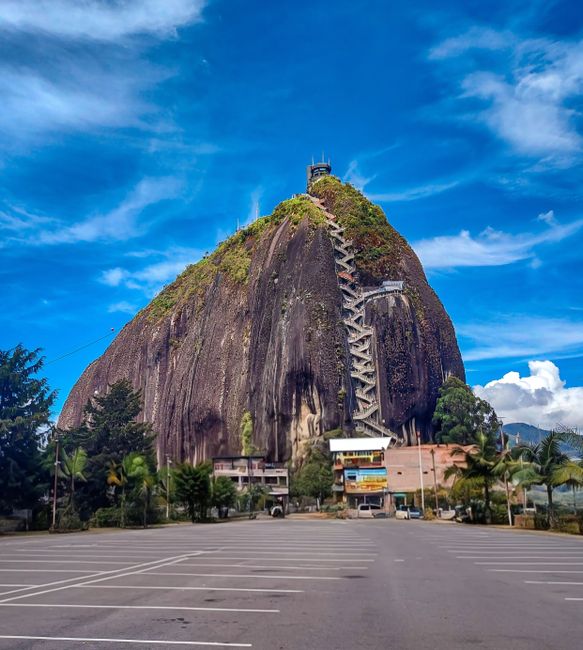
Colombia is one of the most varied countries in the Americas, and one of the most rewarding to travel. In a single trip you can walk the walls of Cartagena, a Caribbean port of flower-draped balconies and colonial churches; ride a cable car above Medellín, the city of eternal spring; sip coffee on a farm in the green hills around Salento, where the world’s tallest palm trees rise out of the Cocora Valley; and swim from jungle-backed beaches in Tayrona National Natural Park below the snowy peaks of the Sierra Nevada de Santa Marta. Bogotá, the capital, sits high in the Andes with world-class museums, while the islands of San Andrés float in a “sea of seven colors” far out in the Caribbean. Colombia’s climate depends on altitude rather than season, so you can pack for beaches and mountains in the same week.
Right now in Colombia
- Tue 11–21°C 52–70°F 12 mm Heavy showers
- Wed 11–19°C 52–67°F 4 mm Rain
- Thu 12–20°C 53–69°F 4 mm Partly cloudy
- Mon 12 Oct Columbus Day (Día de la Raza)
Weather: MET Norway (CC BY 4.0) · Holidays: Nager.Date
Multi-day tours of Colombia
Multi-day tours from local operators. You check dates and book on Viator, our partner; we may earn a commission at no extra cost to you. How we earn money
Colombia at a glance: two coasts, three mountain ranges and the Amazon
Colombia is a republic of about 53 million people in the northwest corner of South America, the only South American country with coasts on both the Caribbean Sea and the Pacific Ocean. It borders Panama to the northwest, Venezuela and Brazil to the east, and Peru and Ecuador to the south. The Andes split into three ranges (cordilleras) that run the length of the country, with the big cities in the valleys and plateaus between them; to the east are the plains of the Llanos and the Amazon rainforest. Spanish is the official language, and English is widely spoken on San Andrés. Colombia uses UTC−5 all year with no daylight saving time, the same as US Eastern Standard Time in winter.
Colombia’s regions
- The Caribbean coast: Cartagena, Santa Marta, Tayrona National Natural Park, the Lost City trek in the Sierra Nevada, Barranquilla’s carnival and the desert peninsula of La Guajira.
- The Andes: Bogotá on its high plateau, Medellín in the Aburrá Valley, colonial towns such as Villa de Leyva, and the hills of Boyacá and Santander.
- The coffee region (Eje Cafetero): Salento, Filandia, Armenia, Pereira and Manizales, coffee farms and the wax palms of the Cocora Valley.
- The islands: San Andrés, Providencia and Santa Catalina, a Caribbean archipelago much closer to Nicaragua than to mainland Colombia.
- The Pacific coast: remote rainforest and whale-watching towns such as Nuquí and Bahía Solano, reached by air.
- The Amazon and the Llanos: Leticia on the Amazon River, and the plains and rivers of the east, including Caño Cristales.
Where to go: Cartagena, Bogotá, Medellín and the Caribbean
Most first trips combine one or two Andean cities with the Caribbean coast. Distances are long and mountain roads slow, so most travelers fly between regions: Bogotá to Cartagena or Santa Marta takes about an hour and a half by air.
Cartagena
Colombia’s most visited city is a Caribbean port whose historic center is enclosed by an eight-kilometer (five-mile) wall built in stages between 1586 and 1796, and is a UNESCO World Heritage Site, according to ProColombia, the country’s official tourism promoter. Inside the walls are pastel houses, churches and plazas; outside are the Castillo de San Felipe fortress, the lively Getsemaní neighborhood and boat trips to the Rosario Islands. See our Cartagena travel guide.
Bogotá
The capital sits on a high Andean plateau at about 2,600 m (8,500 ft), according to ProColombia, with the colonial La Candelaria district, the Gold Museum, Monserrate’s hilltop sanctuary and some of the best restaurants in Latin America. See our Bogotá travel guide.
Medellín
Colombia’s second city fills a green valley with a mild climate of about 19 °C (66 °F) all year, according to ProColombia. Visitors come for its Metro and cable cars, Botero sculptures, lively El Poblado and Laureles neighborhoods, and the Flower Fair in August. See our Medellín travel guide.
Salento and the coffee region
Salento is the oldest town of the coffee region, with colorful houses, coffee farms nearby and the Cocora Valley, home to Colombia’s national tree, the towering wax palm, according to ProColombia. See our Salento travel guide.
Santa Marta and Tayrona
Santa Marta, on a bay below the Sierra Nevada, is the base for Tayrona National Natural Park, with its beaches, rainforest trails and Indigenous sacred sites, and for the multi-day trek to the Lost City (Ciudad Perdida). See our Santa Marta travel guide and our Tayrona National Natural Park travel guide.
San Andrés
A small coral island in the western Caribbean, about 750 km (465 miles) north of the Colombian mainland and part of the Seaflower Biosphere Reserve, according to ProColombia. It is known for its turquoise water, snorkeling and diving, and an Afro-Caribbean Creole culture. See our San Andrés travel guide.
More places worth the trip
- The Lost City (Ciudad Perdida): a Tayrona city built around the year 700 deep in the Sierra Nevada, reached on a four- to six-day guided trek from Santa Marta.
- Villa de Leyva: a whitewashed colonial town with one of the largest plazas in the Americas, about three to four hours from Bogotá.
- Guatapé: a painted lakeside town and the giant El Peñol rock, a popular day trip from Medellín.
- Barranquilla: home to one of the world’s biggest carnivals, held in the days before Lent.
- The Amazon: Leticia, at the border with Brazil and Peru, for river trips and jungle lodges.
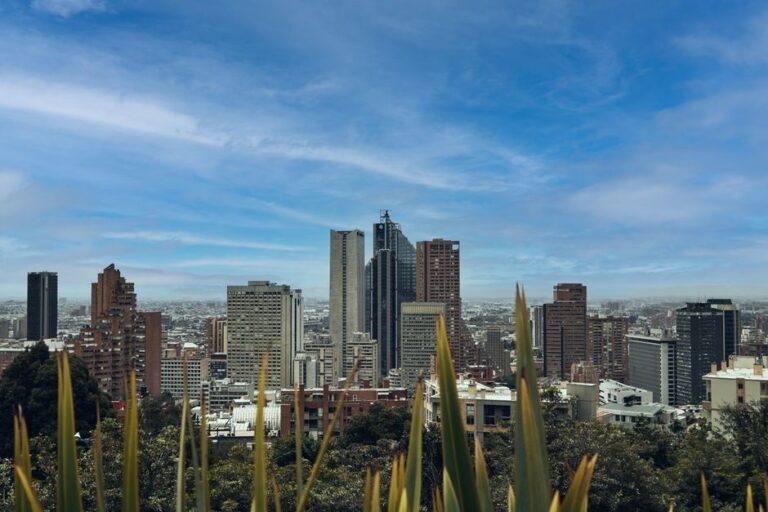
Bogotá Travel Guide
Plan a trip to Bogotá: La Candelaria and Plaza de Bolívar, the Gold Museum and the Botero Museum, Monserrate, Usaquén's Sunday market, the Ciclovía,…
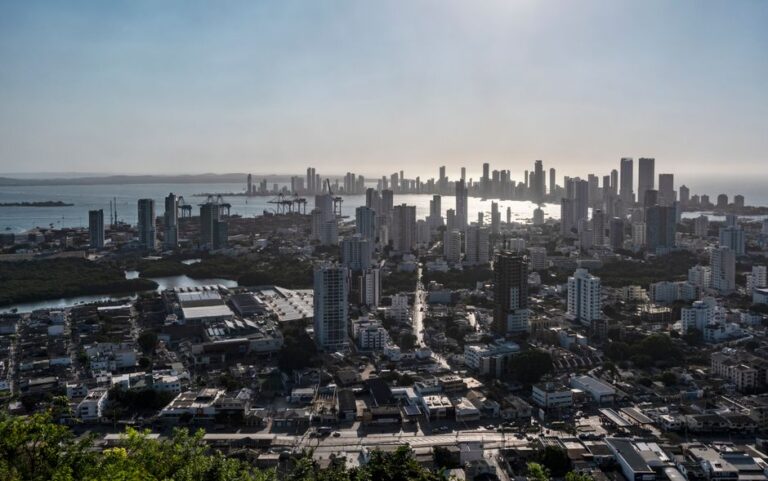
Cartagena Travel Guide
Plan a trip to Cartagena, Colombia: the walled city and its UNESCO-listed historic center, the Clock Tower, the Cathedral and Plaza de Bolívar, Getsemaní's…
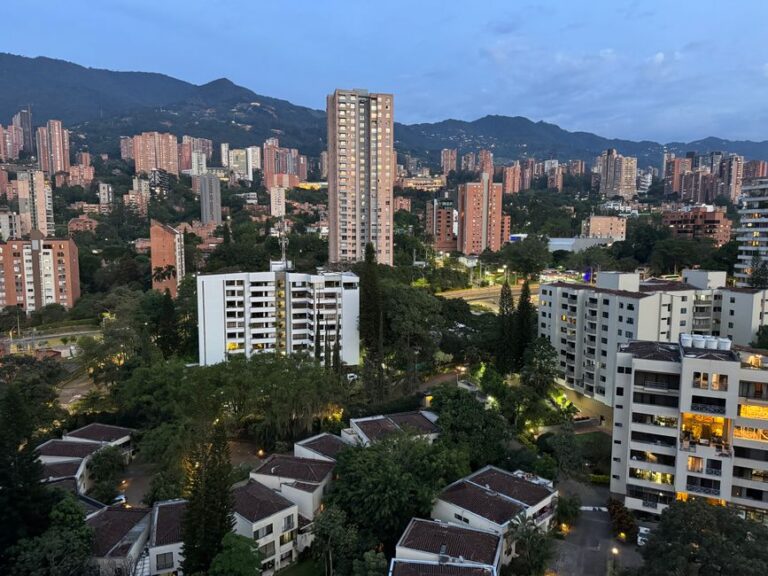
Medellín Travel Guide
Plan a trip to Medellín: the Metro and Metrocable, Plaza Botero and the Museum of Antioquia, Comuna 13's escalators and street art, the botanical…
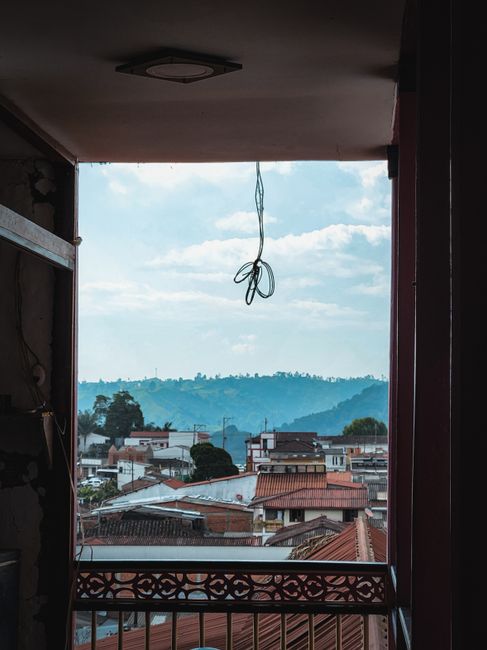
Salento Travel Guide
Plan a trip to Salento in Colombia's coffee region: Calle Real and the Alto de la Cruz viewpoint, the Cocora Valley and its wax…
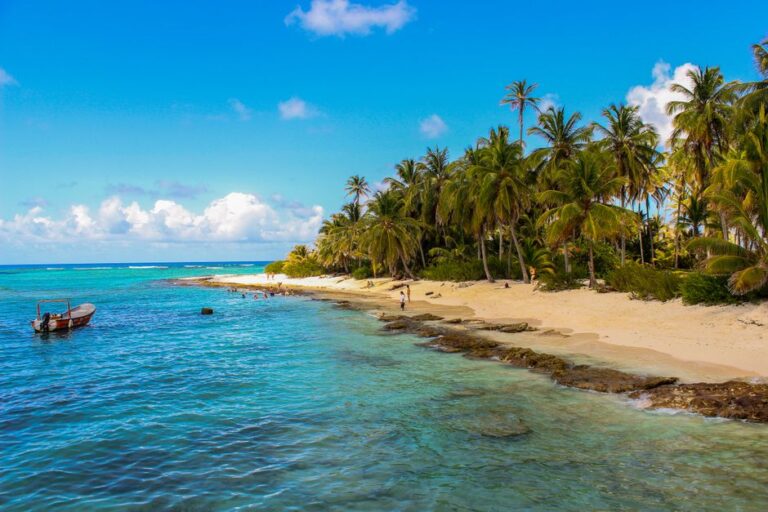
San Andrés Travel Guide
Plan a trip to San Andrés, Colombia's Caribbean island: the 2026 tourist card and how to buy it, Spratt Bight and Cocoplum beaches, the…
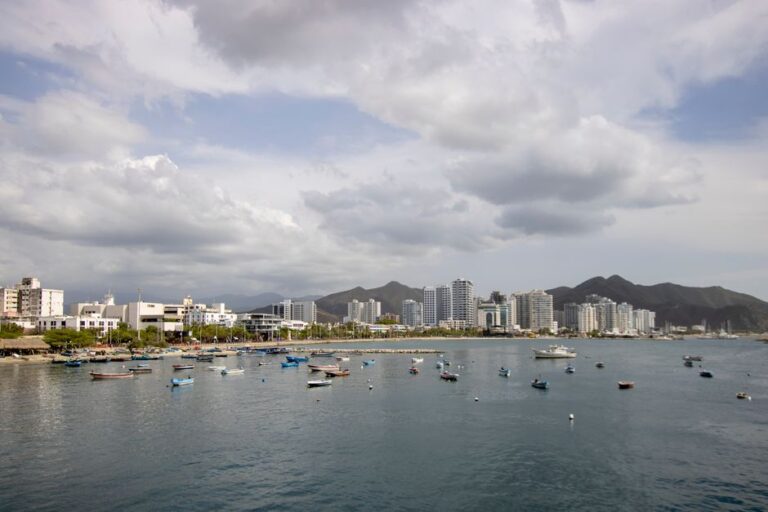
Santa Marta Travel Guide
Plan a trip to Santa Marta, Colombia: the historic center and Gold Museum, the Quinta de San Pedro Alejandrino where Bolívar died, Taganga, Rodadero…
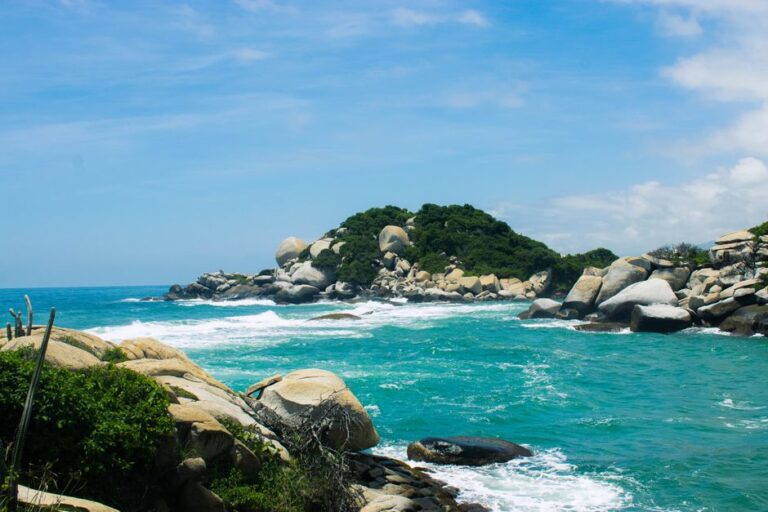
Tayrona National Natural Park Travel Guide
Plan a visit to Tayrona National Natural Park in Colombia: the 2026 entrance fees for foreigners, high and low season, the mandatory accident insurance,…
Best time to visit Colombia: dry and rainy seasons
Colombia sits just north of the equator, so it has no summer or winter: temperature depends on altitude. ProColombia describes “thermal floors”: the Caribbean coast is hot, around 27–32 °C (81–90 °F); Medellín and the coffee region are spring-like; and Bogotá is cool, often 10–17 °C (50–63 °F). In general, the drier months are December to March and July to August, and the rainiest are April to May and October to November, according to ProColombia. The Andes have two rainy seasons a year, while the Caribbean has a longer dry season and a wetter second half of the year.
| Region | Drier months | Wetter months | Temperatures |
|---|---|---|---|
| Caribbean coast (Cartagena, Santa Marta, Tayrona) | December to April | May to November, wettest September to November | Hot and humid, about 27–32 °C (81–90 °F) |
| Bogotá | December to March, July to August | April to May, October to November | Cool, about 10–19 °C (50–66 °F); chilly nights |
| Medellín and the coffee region | December to February, July to August | April to May, October to November | Mild, about 18–24 °C (64–75 °F) |
| San Andrés | January to April | June to November, wettest October and November | Warm, about 27–30 °C (81–86 °F) |
Hurricanes: the Atlantic hurricane season runs from June 1 to November 30, according to NOAA’s National Hurricane Center. Hurricanes are uncommon on the Colombian mainland, but tropical storms can affect the Caribbean coast and the San Andrés archipelago, according to the UK government; Hurricane Iota caused severe damage on Providencia in November 2020. Check forecasts from Colombia’s weather institute, IDEAM, if you travel in the autumn.
Rain and landslides: heavy rain can cause floods and landslides, especially on Andean roads, so allow extra time for overland travel in the wet months.
Crowds, prices and events through the year
- December to mid-January: Colombian vacation season, the busiest and most expensive time on the Caribbean coast and in Salento; Medellín’s Christmas lights are famous.
- February: Barranquilla’s carnival (February 6–9, 2027) and the Cartagena music festival season.
- Holy Week: March 21–28, 2027, a major domestic travel week; beaches and Tayrona fill up.
- Mid-June to July: school vacations and another busy season; Tayrona counts June 1 to July 31 as high season.
- Early August: Medellín’s Flower Fair (Feria de las Flores), held since 1957, according to ProColombia.
- November 11: Cartagena’s independence festivities.
Public holidays
Colombia moves many holidays to the following Monday, creating long weekends (“puentes”) when Colombians travel and prices rise. The next ones, from October 2026:
| Holiday | Date | Good to know |
|---|---|---|
| Columbus Day (Día de la Raza) | Monday, October 12, 2026 | Long weekend |
| All Saints’ Day | Monday, November 2, 2026 | Long weekend |
| Independence of Cartagena | Monday, November 16, 2026 | Festivities in Cartagena around November 11 |
| Immaculate Conception | Tuesday, December 8, 2026 | Candle night on December 7 |
| Christmas Day | Friday, December 25, 2026 | Nationwide |
| New Year’s Day | Friday, January 1, 2027 | Nationwide |
| Epiphany | Monday, January 11, 2027 | End of the holiday season |
| St. Joseph’s Day | Monday, March 22, 2027 | Long weekend |
| Holy Thursday and Good Friday | March 25–26, 2027 | Peak travel |
| Labor Day | Saturday, May 1, 2027 | Nationwide |
How long to stay: sample itineraries
Colombia is big. Flights between regions are short and often cheap, while buses through the mountains are slow, so plan on flying for any leg over about six hours.
7 days: Bogotá or Medellín and Cartagena
Two or three nights in Bogotá or Medellín, then fly to Cartagena for four nights, with a boat day to the Rosario Islands.
10 days: cities, coffee and the Caribbean
Two nights in Bogotá, two in Medellín, three in Salento for coffee farms and the Cocora Valley (fly from Medellín or Bogotá to Pereira or Armenia), then three in Cartagena.
2 weeks: from the Andes to Tayrona
Add Santa Marta and Tayrona, or the Lost City trek, after Cartagena, or a few days of beach and diving on San Andrés. Travelers heading on to Ecuador can fly from Bogotá to Quito in about an hour and a half.
Entry, money and costs
Entry requirements (last reviewed October 2026)
Citizens of the United States, Canada, the UK and the European Union need no visa for a tourist stay of up to 90 days, at the discretion of the immigration officer, according to the UK and Canadian governments. You can extend once in Colombia, up to a maximum of 180 days in a 12-month period. What you need:
- A valid passport. Colombia only requires it to be valid on entry, but Colombian immigration recommends at least six months’ validity, according to the UK government.
- Proof of onward or return travel within the 90 days, and possibly proof of funds.
- The Check-Mig form (see below), before you fly in or out.
- An entry stamp if you arrive by land, sea or river; without it you can be fined when you leave.
- A yellow fever certificate if you arrive from a country with a risk of yellow fever transmission; carry it with you, as you may also be asked for it in high-risk areas of Colombia, according to the UK government.
Check-Mig: Colombia’s online migration form
Colombia’s migration agency, Migración Colombia, asks travelers to complete the free online Check-Mig form between 72 hours and one hour before a flight into or out of the country, with your passport details, flight and the address where you will stay. You receive a confirmation by email; keep it on your phone. Migración Colombia says the form is not required when you enter or leave through a land border post. Fill it in only on Migración Colombia’s own website; it is free.
Canadian citizens also pay a reciprocity entry fee, updated each year, on arrival or online in advance, according to the Canadian government; it does not apply to visitors flying straight to San Andrés.
Customs, cash and departure tax
The airport departure tax is usually included in your ticket, according to the UK government. You can bring up to US$10,000 in cash or the equivalent; declare anything above that amount. Colombian airports use strict anti-narcotics screening: pack your own bags and never carry anything for anyone else.
Money: the Colombian peso
Colombia’s currency is the peso (COP), written with a “$” sign and with dots for thousands, so $10.000 means ten thousand pesos. The official reference rate (TRM) on October 3–5, 2026, was COP 3,273 to US$1, according to Colombia’s financial regulator, so COP 10,000 is about US$3. ATMs are everywhere in cities; use machines inside banks or shopping centers during the day. Cards are widely accepted in hotels, restaurants and shops, but markets, small shops, buses and rural areas want cash, preferably small notes of 2,000 to 20,000 pesos, according to ProColombia. Exchange money only at banks or authorized exchange houses, never on the street.
Taxes and tipping
Prices include Colombia’s 19% value-added tax (IVA). Foreign tourists are generally exempt from IVA on hotel rooms when they show the passport stamp or migration record of their entry; ask the hotel. Restaurants usually suggest a 10% tip (“propina voluntaria”) on the bill: it is voluntary, and you can ask for it to be removed or changed.
Typical travel costs
These per-person, per-day estimates are a planning guide as of October 2026:
| Style | Estimated cost per day | What that looks like |
|---|---|---|
| Budget | about COP 200,000–300,000 (US$60–90) | Hostel bed, set-menu lunches (menú del día), buses and the Metro |
| Mid-range | about COP 500,000–900,000 (US$150–275) | Boutique hotel room shared by two, restaurant meals, taxis, a tour or museum most days |
| High-end | about COP 1,600,000+ (US$500+) | Luxury hotels in Cartagena’s walled city, private transfers, island boat charters and domestic flights |
The figures are our estimates, not official statistics. Cartagena and San Andrés are the most expensive places; the coffee region and smaller towns are the cheapest.
Colombia’s parks and islands: the rules to know (October 2026)
San Andrés tourist card
Every non-resident visitor to San Andrés and Providencia, Colombian or foreign, must buy a tourist card (tarjeta de turismo) from the archipelago’s governorship. It is sold at the departure airport when you check in for your flight to the island, and you must keep it until you leave; you do not need one if you stay less than 24 hours, according to the UK government. The 2026 price was reported at COP 153,000 (about US$47) after the annual adjustment; children under seven are exempt. See our San Andrés travel guide.
Tayrona National Natural Park: closures and fees
Tayrona closes completely three times a year so the ecosystems can recover and the Indigenous peoples of the Sierra Nevada can hold ceremonies, under a plan called “Respira Tayrona”, according to Parques Nacionales Naturales de Colombia, the national parks service. In 2026 the park closed from February 1 to 15 and from June 1 to 15; the third closure falls between October and November (in 2025 it ran from October 19 to November 2), so check the dates before you book. The park was also closed for security reasons from February 17 to March 5, 2026.
Entrance fees for non-resident foreign visitors are COP 81,000 (about US$25) in low season and COP 96,500 (about US$29) in high season, or COP 43,500 (about US$13) all year for the Bahía Concha sector, according to the parks service. Tickets are sold daily at the park’s ticket offices, with no advance reservations, and every visitor must also buy the mandatory accident insurance from an approved insurer. See our Tayrona National Natural Park travel guide for sectors, hours and the high-season dates.
Getting there and getting around
Arrival airports
- El Dorado International (BOG), Bogotá: the main hub, with nonstop flights from US cities such as Miami, Fort Lauderdale, Orlando, Houston, Atlanta and New York.
- José María Córdova International (MDE), Medellín (Rionegro): nonstop flights from Florida and other US hubs.
- Rafael Núñez International (CTG), Cartagena: close to the old city, with direct flights from Florida and New York.
- Simón Bolívar (SMR), Santa Marta and Gustavo Rojas Pinilla (ADZ), San Andrés: mostly domestic flights from Bogotá and Medellín.
Copa Airlines connects many Colombian cities with its hub in Panama City; see our Panama travel guide. If you are connecting in the US, see our United States travel guide.
Domestic flights
Domestic flights link all the main cities, often for less than the price of a long bus ride. Bogotá to Cartagena or Santa Marta takes about an hour and a half; Medellín to Cartagena about an hour and a quarter. Book early for December, January, Holy Week and June to July.
Buses
Long-distance buses run between all the cities from central terminals, from basic to first-class coaches with reclining seats. Travel by day where you can: there have been armed robberies on some buses, according to the UK government, and roads through the Andes are slow and winding. Medellín to Salento takes about six to seven hours; Santa Marta to Cartagena about four to five.
Getting around cities
Do not hail taxis in the street. Use ride-hailing or taxi apps, or have your hotel or restaurant call a taxi; express kidnappings and robberies have been reported in unlicensed taxis, according to the UK government. At Bogotá’s El Dorado airport, only authorized yellow taxis with white license plates can pick up passengers. Medellín has a clean, safe Metro with cable cars into the hillside neighborhoods; Bogotá has the TransMilenio bus network, which is often crowded.
Driving and borders
Visitors can drive with their home license, but rental companies often ask for an International Driving Permit; avoid driving at night, according to the UK government. There is no road between Colombia and Panama across the Darién Gap. The main land crossing to Ecuador is the Rumichaca bridge near Ipiales; travelers continuing to Ecuador overland should note that Ecuador asks for an apostilled criminal record certificate at land borders, or a check of its migration system.
Culture, food and everyday etiquette
Colombia’s culture mixes Indigenous, Spanish and African roots, with strong regional identities: the paisas of Antioquia, the costeños of the Caribbean, the cachacos of Bogotá and the Raizal people of San Andrés. Music is everywhere, from vallenato and cumbia on the coast to salsa in Cali and reggaeton in Medellín. Food to try: ajiaco (Bogotá’s chicken and potato soup), bandeja paisa (a huge plate of beans, rice, pork, egg and plantain), arepas, fried fish with coconut rice and patacones on the coast, and an endless variety of tropical fruit juices. Colombian coffee is world-famous, and the coffee region’s farms welcome visitors.
Etiquette: greet people with “buenos días” before asking anything, and use “usted” with strangers. Drinking alcohol in public spaces is illegal, according to the UK government. Carry a color copy of your passport photo page and entry stamp, and keep the original in a safe place. Ask before photographing people, especially Indigenous people in the Sierra Nevada.
Safety, health, accessibility and connectivity
Safety
Most visits to the main tourist areas pass without trouble, but street crime is common in the big cities, including Bogotá, Medellín, Cali and the Caribbean coast, according to the UK government. Do not carry much cash or wear expensive jewelry, keep your phone out of sight on the street, use ATMs inside banks or malls during the day, and don’t resist if robbed. Criminals sometimes use drugs such as scopolamine to rob victims, including through dating apps: don’t accept drinks or food from strangers, never leave drinks unattended, and don’t invite strangers to your room. Criminals posing as police operate in Bogotá; ask to go to the nearest police station (CAI) if approached.
Armed groups remain active in some rural and border areas, especially near the borders with Venezuela, Panama and Ecuador and along parts of the Pacific coast; tourist areas such as Cartagena, the coffee region, Bogotá and Medellín are away from these zones. In September 2026, Santa Marta was under heightened security measures after an operation against armed groups, with disruption to transport on the main road (Route 90, the Troncal del Caribe) toward Tayrona, Palomino and Riohacha, according to the UK government; the national parks service said on September 25, 2026, that Tayrona remained open and operating normally. Check local news before traveling on that road. Demonstrations and road blockades happen at short notice, so allow extra time.
Altitude: Bogotá sits at about 2,600 m (8,500 ft), where altitude sickness is a risk, according to the UK government. Take your first day slowly, drink water, go easy on alcohol, and see a doctor before travel if you have heart or lung conditions. The Andes also bring strong sun at any temperature.
Earthquakes and volcanoes: Colombia has a high earthquake risk and 25 active, monitored volcanoes, according to the UK government; follow instructions from local authorities. In an emergency, call 123 for police and ambulance.
Health and insurance
Big cities have good private clinics, but public hospitals and rural care are limited, so buy travel insurance that covers medical evacuation. Dengue, Zika, chikungunya and malaria occur in lowland areas, and yellow fever vaccination is recommended for some regions; see a travel clinic before you go. Tap water is safe to drink only in Bogotá, according to the UK government; elsewhere drink bottled or filtered water.
Accessibility
Cartagena’s old city and Bogotá’s La Candelaria have narrow, uneven sidewalks and high curbs, and beaches and parks such as Tayrona have sandy trails without step-free access. Medellín’s Metro is one of the most accessible transport systems in the country. Newer hotels in the big cities often have adapted rooms; ask in advance.
Connectivity and power
Mobile coverage is good in cities and along main roads but patchy in rural areas and parks. Prepaid SIM cards and eSIMs from Claro, Movistar and Tigo are sold at airports and shops; bring your passport. Colombia uses 110 V and US-style plugs, so visitors from the United States and Canada need no adapter.
Things to do: beaches, hiking, diving and cities
- Beaches: the Rosario Islands and Barú near Cartagena, Tayrona’s coves, Palomino, and San Andrés.
- Hiking: the Cocora Valley, the Lost City trek, Tayrona’s coastal trails and the páramo in Los Nevados National Natural Park.
- Diving and snorkeling: San Andrés and Providencia’s reefs, Taganga and Tayrona near Santa Marta.
- City sightseeing: Cartagena’s walled city, Bogotá’s museums and Medellín’s transformed neighborhoods.
- Boat trips: island hopping from Cartagena, and the Aquarium cay and mangroves on San Andrés.
- Cycling: Bogotá’s Sunday Ciclovía, when main roads close to cars, and mountain roads beloved by Colombia’s road cyclists.
What to pack
Pack for two climates: light, breathable clothes, a swimsuit, sunscreen and insect repellent for the coast, and a warm layer, a light rain jacket and closed shoes for Bogotá and the coffee region. Bring sturdy hiking shoes for Tayrona and the Cocora Valley, a reusable water bottle with a filter, small peso notes, a color copy of your passport, and a dry bag for boat trips. Plugs are the same as in the US.
Colombia travel FAQ
When is the best time to visit Colombia?
December to March is the driest period in most of the country, and July and August are also fairly dry. Late December, January and Holy Week are the busiest and most expensive weeks.
Do I need a visa for Colombia?
Not if you are from the US, Canada, the UK or the EU. You can stay up to 90 days, extendable to 180 days a year. Your passport should be valid for your stay; six months is recommended.
What is the Check-Mig form?
A free online form from Migración Colombia that you fill in between 72 hours and one hour before flying into or out of Colombia. Keep the confirmation email; it is not needed at land border posts.
Do I need a tourist card for San Andrés?
Yes. Every non-resident visitor buys one at the departure airport before flying to the island; the 2026 price was reported at COP 153,000 (about US$47). Stays under 24 hours are exempt.
When is Tayrona National Natural Park closed?
Three times a year for about two weeks: in 2026, February 1–15, June 1–15, and a third closure between October and November. Check the national parks service’s announcements before you go.
How much does it cost to enter Tayrona?
For non-resident foreigners, COP 81,000 (about US$25) in low season and COP 96,500 (about US$29) in high season, plus mandatory accident insurance, according to the national parks service.
What currency does Colombia use?
The Colombian peso. The rate was about COP 3,273 to US$1 in early October 2026. Cards are widely accepted in cities; carry cash in small notes elsewhere.
Is altitude a problem in Bogotá?
It can be. Bogotá is at about 2,600 m (8,500 ft), and some visitors get headaches or shortness of breath. Rest on the first day, drink water and limit alcohol.
Can I drink the tap water in Colombia?
Only in Bogotá, according to the UK government. Elsewhere, drink bottled or filtered water.
Is Colombia safe for tourists?
Most visits to Cartagena, Bogotá, Medellín, the coffee region and the Caribbean coast pass without problems. Use app-based or called taxis, keep valuables out of sight, and never accept drinks from strangers.
Sources and last review
Researched and last reviewed on 4 October 2026. Check-Mig timing and the land-border exception: Migración Colombia; Tayrona’s closure periods, the 2026 security closure, fees, ticket sales and mandatory insurance, and its status in September 2026: Parques Nacionales Naturales de Colombia; the peso’s reference rate: Colombia’s financial regulator (Superintendencia Financiera) via the national open-data portal; the walls and UNESCO listing of Cartagena, Bogotá’s altitude, Medellín’s climate, the Flower Fair, San Andrés’ location and the seasons: ProColombia; visa-free stays, the San Andrés card rule, departure tax, safety in Santa Marta, altitude, tap water and emergency numbers: the UK government; the reciprocity fee for Canadians: the Canadian government; the hurricane season: NOAA’s National Hurricane Center. The 2026 San Andrés card price comes from press reports of the governorship’s decree; hotel tax rules, holiday dates, flight times, costs and some distances come from secondary sources or general knowledge and are flagged for checking. Prices and rules change, so check before you go.
Plugs and power in Colombia
Colombia uses 120 V, 60 Hz and these plugs (left) and wall sockets (right):
All plug types and voltages by country → · Check what you need to pack →
Plan your trip
Partner links: TravelerCenter may earn a commission if you book, at no extra cost to you.
🇪🇸 Useful Spanish phrases for Colombia
All 38 Spanish phrases: restaurant, hotel, emergencies, romance (printable) →