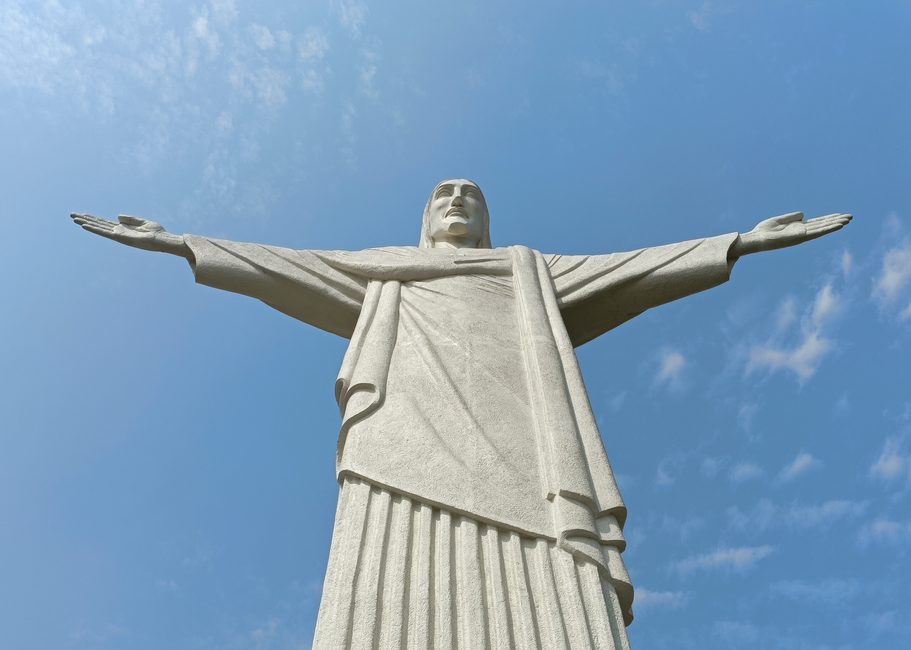
Brazil is a country on the scale of a continent: the beaches, mountains and samba of Rio de Janeiro; São Paulo, the biggest city in the Southern Hemisphere and one of the great food cities of the Americas; the thundering Iguaçu Falls on the Argentine border; the Afro-Brazilian culture and colonial streets of Salvador; the rainforest and rivers of the Amazon around Manaus; the Pantanal, the world’s largest tropical wetland and the best place on the continent to see jaguars; the white dunes and rain-filled lagoons of Lençóis Maranhenses; and the clear-water islands of Fernando de Noronha. US, Canadian and Australian citizens need an e-visa, bought online before the trip; most Europeans don’t. Plan around the seasons, which run opposite to North America’s, the long distances, best covered by domestic flights, and Carnival, which in 2027 falls in the second week of February. Give a first trip two weeks for two or three regions.
Right now in Brazil
- Tue 18–27°C 65–81°F 1 mm Partly cloudy
- Wed 19–29°C 65–85°F Partly cloudy
- Thu 19–31°C 67–87°F Clear
- Mon 12 Oct Our Lady of Aparecida (Nossa Senhora Aparecida)
Weather: MET Norway (CC BY 4.0) · Holidays: Nager.Date
Multi-day tours of Brazil
Multi-day tours from local operators. You check dates and book on Viator, our partner; we may earn a commission at no extra cost to you. How we earn money
Brazil at a glance: 26 states and a federal district
Brazil is a federal republic of 26 states plus the Federal District, home to the capital, Brasília. It covers about 8.5 million sq km (3.3 million sq miles), nearly half of South America, and borders every country on the continent except Chile and Ecuador. About 203 million people lived here at the 2022 census, according to the national statistics institute, IBGE. The language is Portuguese, not Spanish, although many people in the tourist trade understand Spanish, and English is spoken in big hotels and by younger people in the cities, less so elsewhere.
Distances are huge. Rio de Janeiro to Manaus is about 2,850 km (1,770 miles) in a straight line, a four-hour flight, and Fortaleza to Florianópolis is farther than New York to Miami. Most of the population lives within a few hundred kilometers of the Atlantic coast, which runs for more than 7,000 km (4,350 miles) from the Equator to the border with Uruguay.
Time zones: Brazil has four, and has not used daylight saving time since it was abolished by decree in 2019. Most of the country, including Rio de Janeiro, São Paulo, Brasília, Salvador, Recife, Fortaleza, Florianópolis, Foz do Iguaçu and Gramado, uses Brasília time (UTC−3), two hours ahead of New York in the northern winter and one hour ahead in summer. Mato Grosso, Mato Grosso do Sul (Bonito and the Pantanal) and most of Amazonas (Manaus) are an hour behind (UTC−4); Acre is UTC−5; and the Fernando de Noronha islands are an hour ahead (UTC−2).
Brazil’s regions
- The Southeast: Rio de Janeiro and its coast, from Paraty to Búzios; São Paulo; Minas Gerais, with the gold-rush towns of Ouro Preto and Tiradentes; and Espírito Santo.
- The South: Foz do Iguaçu and the falls in Paraná; the beaches of Florianópolis in Santa Catarina; and Rio Grande do Sul, with the German- and Italian-flavored mountain towns of Gramado and Canela, gaúcho ranch culture and wine country.
- The Northeast: the sunniest coast, from Salvador and Bahia to Recife, Olinda and Porto de Galinhas, Natal, Fortaleza, Jericoacoara and the dunes of Lençóis Maranhenses, plus the offshore islands of Fernando de Noronha.
- The Center-West: Brasília, the modernist capital; the Pantanal wetlands of Mato Grosso and Mato Grosso do Sul; the clear rivers of Bonito; and the plateaus and waterfalls of Chapada dos Veadeiros and Chapada dos Guimarães.
- The North: the Amazon, with Manaus and Belém as the gateways, jungle lodges and river boats, and very few roads.
Regions
Where to go: cities, beaches, falls and wildlife
Most first trips combine Rio de Janeiro with Iguaçu Falls, then add a beach in the Northeast, Salvador’s culture or the wildlife of the Pantanal or the Amazon. Long-distance buses exist, but a 2,000-km (1,240-mile) bus ride eats two days, so most visitors fly between regions; see our separate guides to each of the places below.
Rio de Janeiro
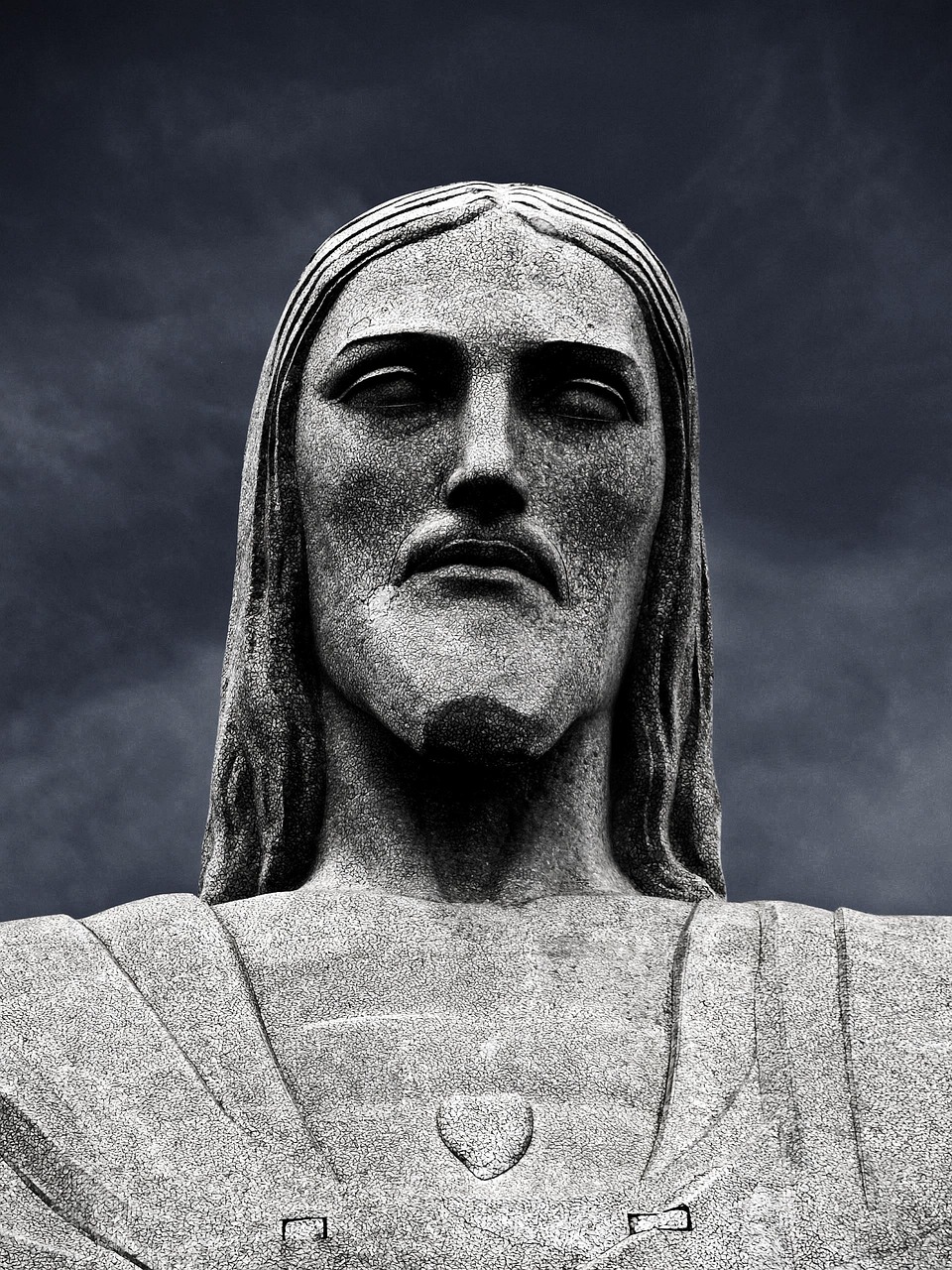
Rio is one of the world’s most beautifully set cities, squeezed between granite peaks, forest and the sea. Ride the train or official van up Corcovado to Christ the Redeemer and the cable car to Sugarloaf Mountain, walk the beaches of Copacabana and Ipanema, explore the steps and bars of Santa Teresa and Lapa, and catch a soccer match at the Maracanã. Its mountain and sea landscapes are a UNESCO World Heritage Site. Give it four or five days; see our Rio de Janeiro travel guide.
Iguaçu Falls
On the border with Argentina, the Iguaçu River drops over about 275 waterfalls in a horseshoe nearly 3 km (2 miles) wide. The Brazilian side, reached from the city of Foz do Iguaçu, gives the panoramic view and a walkway out over the river below the Devil’s Throat; the Argentine side, Iguazú National Park, has longer trails right over the falls (our Iguazú guide is coming soon). Allow two full days to see both.
São Paulo
São Paulo is Brazil’s economic engine, a sprawling city of about 11.5 million people with world-class museums such as MASP and the Pinacoteca, Avenida Paulista, Ibirapuera Park, Japanese food in Liberdade, and some of the best restaurants and nightlife in Latin America. Most long-haul flights from the United States and Europe land here.
Salvador and the Northeast coast
Salvador, Brazil’s first capital, is the heart of Afro-Brazilian culture, with the painted colonial houses and gilded churches of the Pelourinho, capoeira, candomblé and a huge Carnival. Farther north, Recife and neighboring Olinda have their own Carnival and the reef pools of Porto de Galinhas nearby; Fortaleza is the gateway to the dunes and kitesurfing of Jericoacoara; and the Lençóis Maranhenses fill with blue lagoons between the dunes after the rains.
Fernando de Noronha
A volcanic archipelago 545 km (339 miles) off Recife, Fernando de Noronha is mostly a marine national park, with spinner dolphins, turtles, reef sharks and some of Brazil’s most beautiful beaches. Visitors pay a daily environmental fee and a park ticket, and the natural pools have daily visitor limits.
The Amazon
Manaus, a city of about 2 million in the middle of the rainforest, is the main base for jungle lodges, river cruises, the Meeting of the Waters and the islands of Anavilhanas National Park. It has an extraordinary opera house built in the rubber boom.
The Pantanal and Bonito
The Pantanal, a seasonally flooded plain about the size of Washington State spread across Mato Grosso, Mato Grosso do Sul and into Bolivia and Paraguay, is the place for jaguars, giant otters, caimans, capybaras and hyacinth macaws. Just south, Bonito is famous for snorkeling in rivers so clear the fish seem to float in air, under a strict voucher system.
The south: Florianópolis and Gramado
Florianópolis, on Santa Catarina Island, has more than 40 beaches, surf, lagoons and whale watching in winter. Inland in the hills of Rio Grande do Sul, Gramado is a chalet-style resort town known for chocolate, fondue and its huge Christmas festival.
Búzios and Paraty
Two classic escapes from Rio: Búzios, a peninsula of small beaches and boutique hotels about three hours east, and Paraty, a colonial port of whitewashed houses and cobblestones about four hours west, with boat trips to islands and waterfalls in the forest.
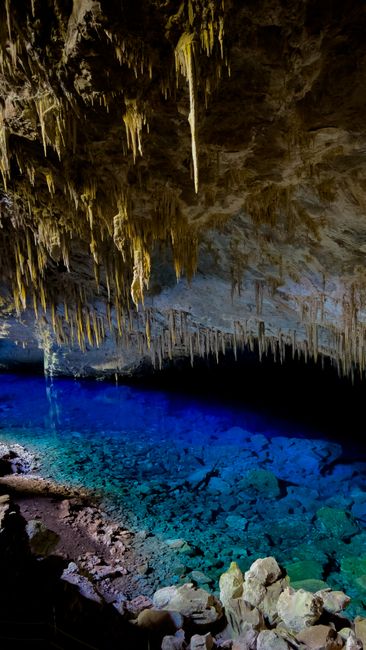
Bonito Travel Guide
Plan a trip to Bonito in Mato Grosso do Sul: how the voucher único and licensed agencies work, the R$15-a-day Environmental Conservation Fee (TCA)…
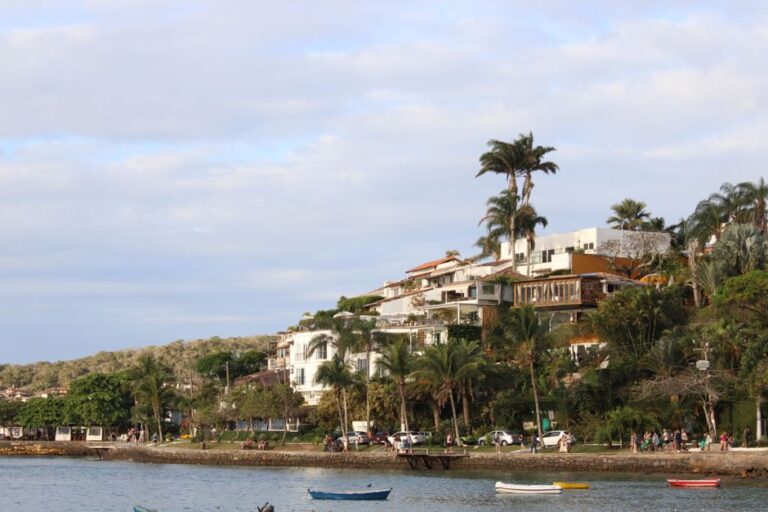
Búzios Travel Guide
Plan a trip to Armação dos Búzios: the town's 23 beaches from João Fernandes and Ferradura to Geribá and Manguinhos, Rua das Pedras and…
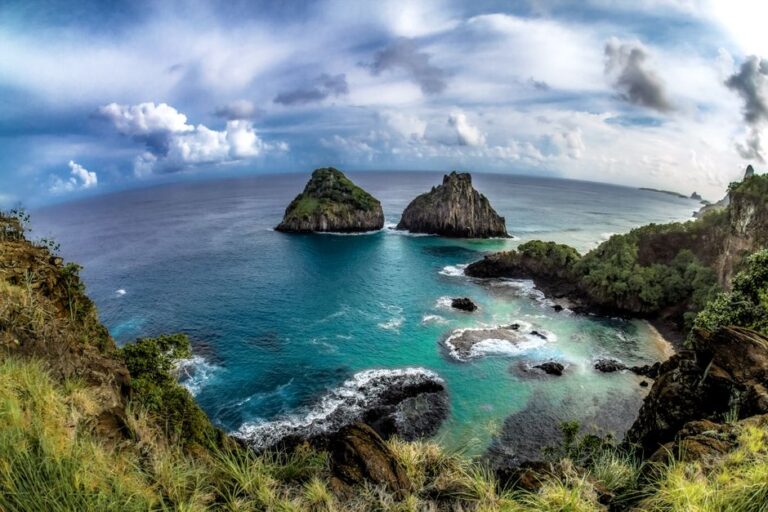
Fernando de Noronha Travel Guide
Plan a trip to Fernando de Noronha: the 2026 TPA environmental fee table and the national park ticket, how to pay with a foreign…
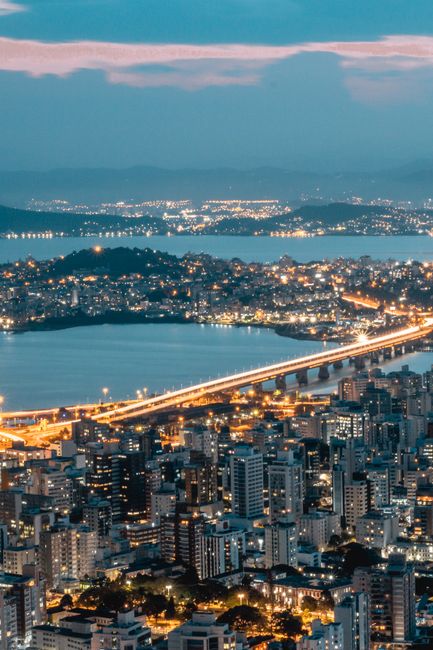
Florianópolis Travel Guide
Plan a trip to Florianópolis: the northern bay beaches, Lagoa da Conceição, Joaquina dunes and the surf beaches of the east and south, Campeche…
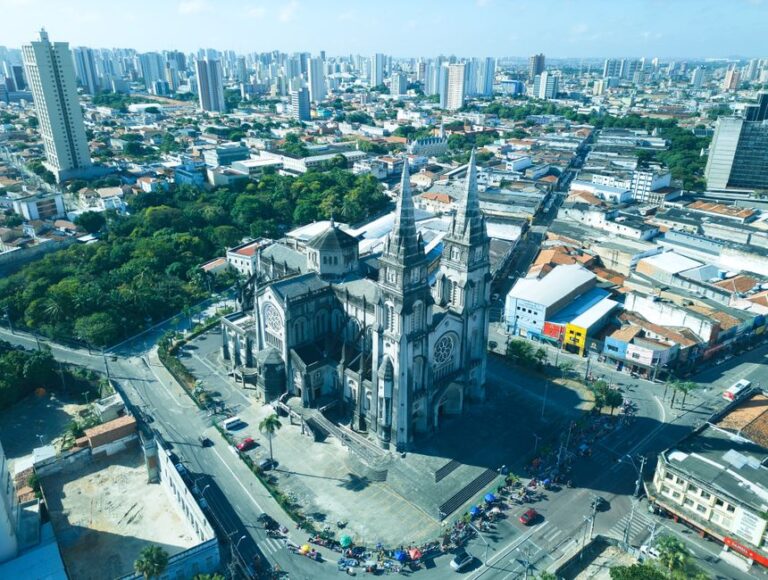
Fortaleza Travel Guide
Plan a trip to Fortaleza: the Avenida Beira-Mar and its craft fair, Praia de Iracema and the Dragão do Mar center, Mercado Central and…
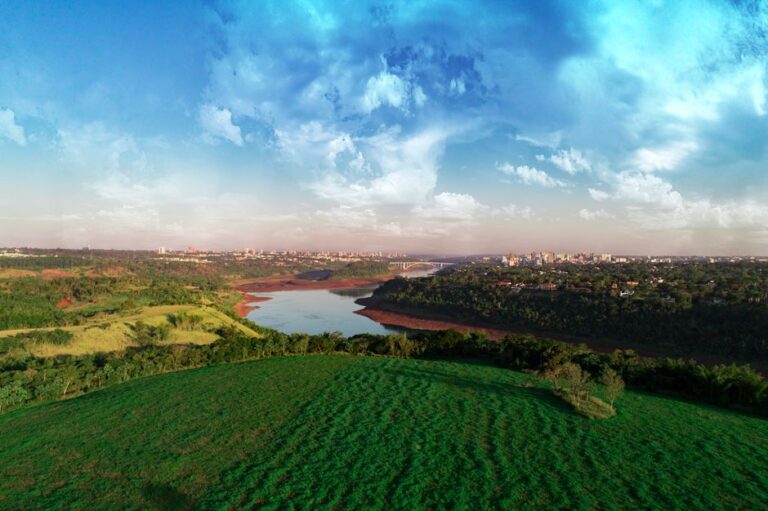
Foz do Iguaçu Travel Guide
Plan a trip to Foz do Iguaçu: the Brazilian side of Iguaçu Falls with 2026 park fees, hours and time-slot tickets, the Devil's Throat…
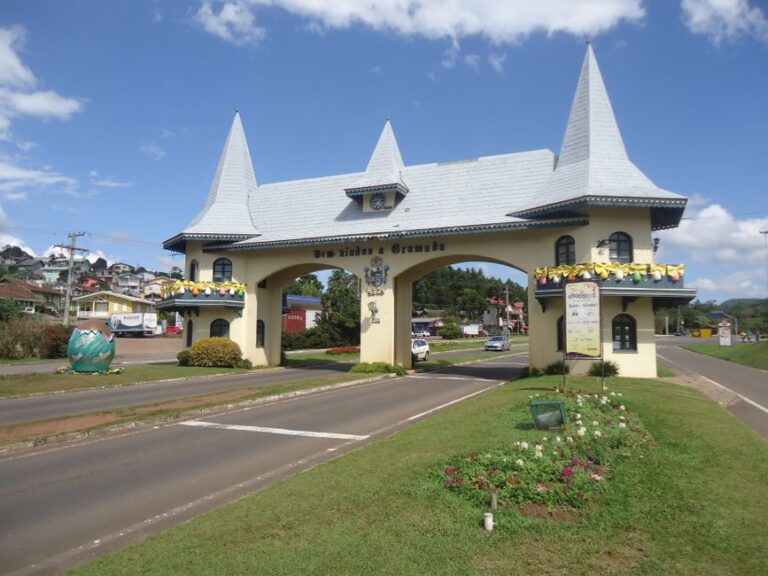
Gramado Travel Guide
Plan a trip to Gramado in Brazil's Serra Gaúcha: Natal Luz 2026/27 dates, Lago Negro, Rua Coberta and the center, Mini Mundo, fondue, chocolate…
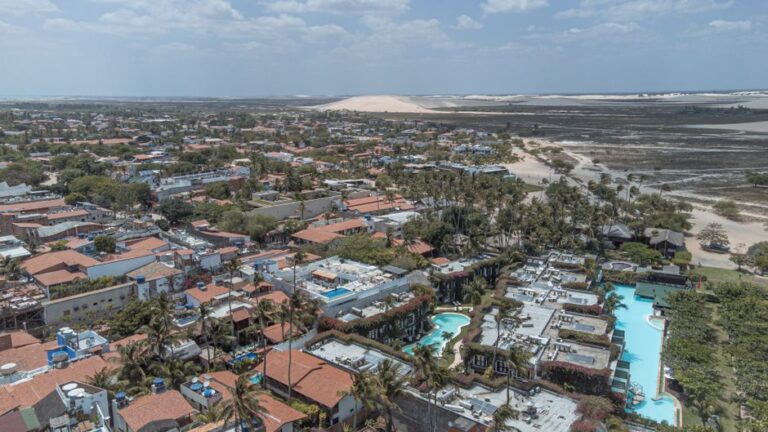
Jericoacoara Travel Guide
Plan a trip to Jericoacoara: the sand-street village in Jericoacoara National Park, the Sunset Dune, Pedra Furada, Lagoa do Paraíso and Lagoa Azul, buggy…
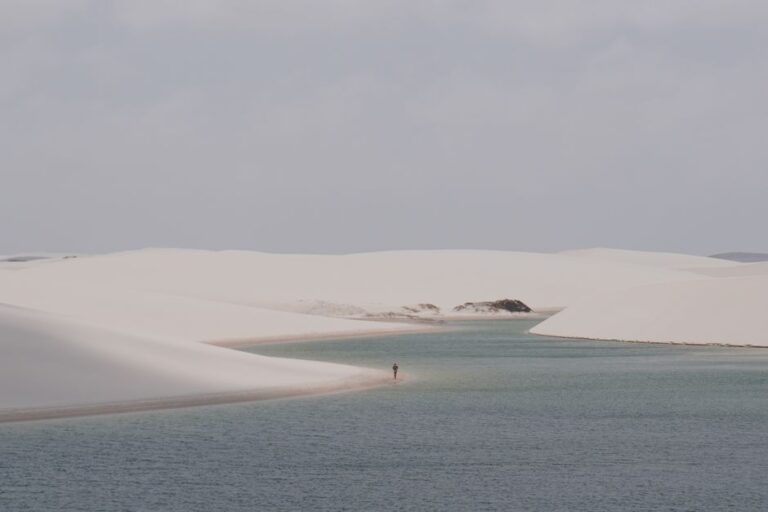
Lençóis Maranhenses National Park Travel Guide
Plan a visit to Lençóis Maranhenses National Park: when the lagoons are full, ICMBio's no-fee entry and licensed 4×4 and guide rules, the Lagoa…
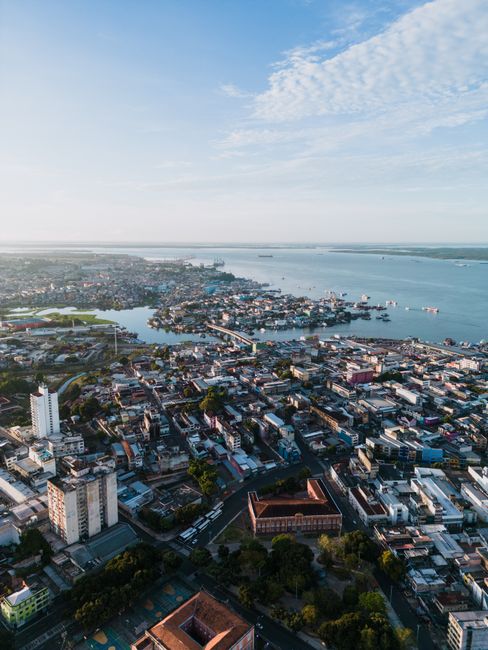
Manaus Travel Guide
Plan a trip to Manaus and the Amazon: the Teatro Amazonas with 2026 tour prices and hours, the Meeting of the Waters, Anavilhanas National…
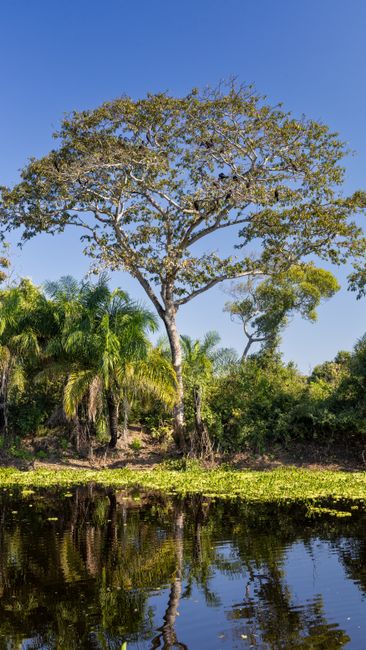
Pantanal Travel Guide
Plan a trip to the Pantanal: flood and dry seasons from INMET rainfall normals, the best months for jaguars and other wildlife, the northern…
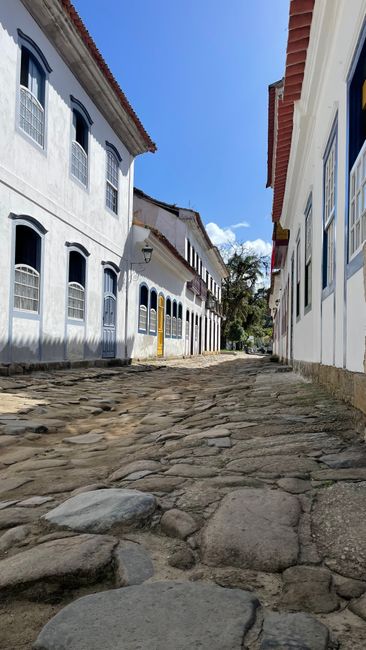
Paraty Travel Guide
Plan a trip to Paraty on Brazil's Costa Verde: the car-free colonial center and its churches, why the streets flood at spring tides, schooner…
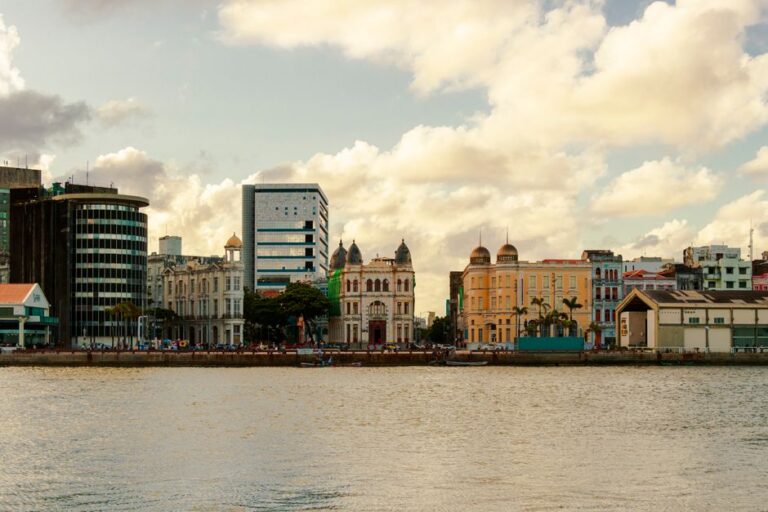
Recife Travel Guide
Plan a trip to Recife and Olinda: Recife Antigo, Marco Zero and the oldest synagogue in the Americas, the Paço do Frevo, the Brennand…
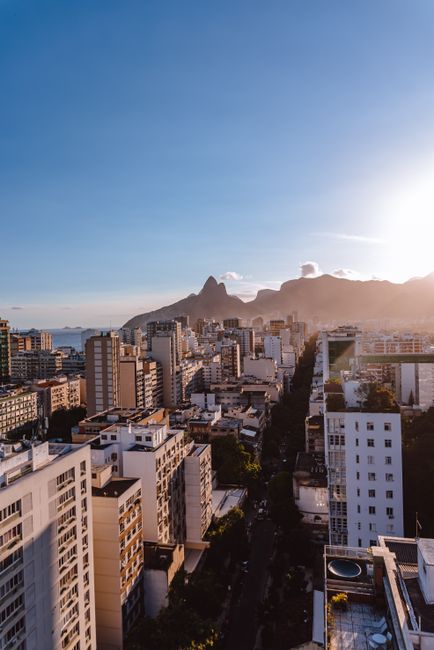
Rio de Janeiro Travel Guide
Plan a trip to Rio de Janeiro: Copacabana, Ipanema and the South Zone, Christ the Redeemer by train or official van with 2026 fares,…
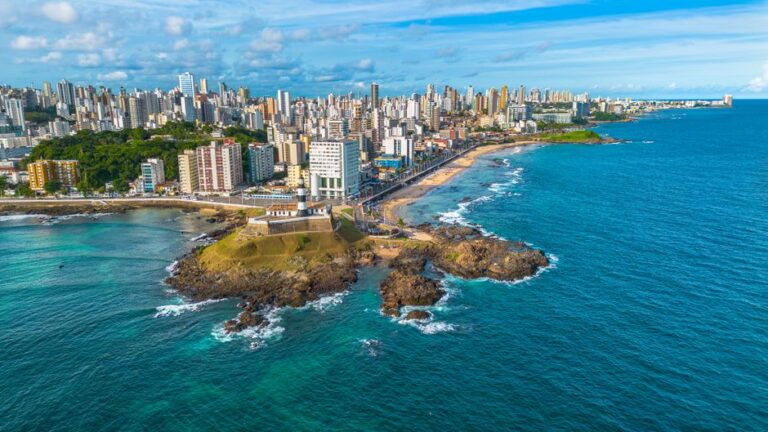
Salvador Travel Guide
Plan a trip to Salvador da Bahia: the UNESCO-listed Pelourinho, São Francisco Church, the Lacerda Elevator and Mercado Modelo, Bonfim, Barra lighthouse and beaches,…
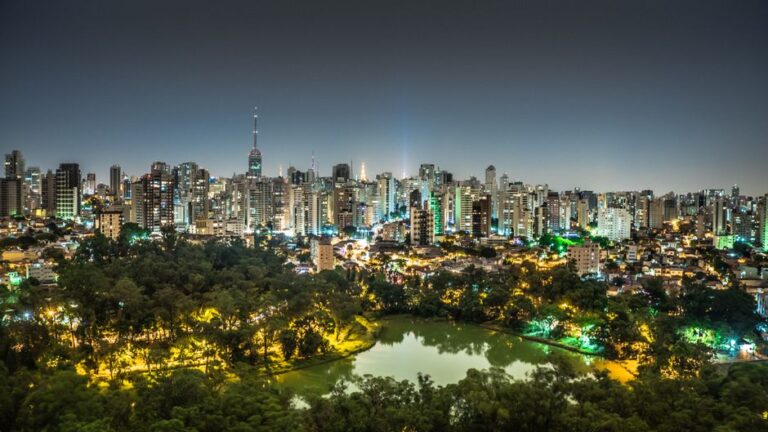
São Paulo Travel Guide
Plan a trip to São Paulo: the historic center, Avenida Paulista, Jardins, Pinheiros, Vila Madalena and Liberdade, MASP with 2026 prices and free Tuesdays,…
Best time to visit Brazil, region by region
Brazil lies almost entirely in the tropics and the Southern Hemisphere, so its seasons run opposite to North America’s: summer is December to March and winter June to August. Much of the country has a wet season and a dry season rather than four seasons, and the timing differs by region. The South and Southeast are hot and humid in summer, with heavy afternoon storms, and mild and drier in winter; the Northeast coast is warm all year, with most rain from about April to July; the interior (Brasília, the Pantanal) is dry from about May to September; and the Amazon is wet from about December to May. The table shows rounded average daily highs and yearly rainfall at one station per region, from the 1991–2020 climate normals of Brazil’s National Institute of Meteorology (INMET).
| Region (INMET station) | Summer highs (Dec–Feb) | Fall highs (Mar–May) | Winter highs (Jun–Aug) | Spring highs (Sep–Nov) | Rain a year |
|---|---|---|---|---|---|
| Rio de Janeiro (Alto da Boa Vista, a forest station at about 350 m, cooler than the beaches) | 29–31 °C (84–87 °F) | 29 °C falling to 25 °C (84 to 77 °F) | 24–25 °C (76–77 °F) | 25–27 °C (77–80 °F) | about 2,410 mm (95 in) |
| São Paulo (Mirante de Santana) | 28–29 °C (83–84 °F) | 28 °C falling to 23 °C (82 to 74 °F) | 23–25 °C (73–76 °F) | 25–27 °C (77–80 °F) | about 1,660 mm (65 in) |
| Salvador and Bahia (Ondina) | 31 °C (87–88 °F) | 31 °C falling to 28 °C (88 to 83 °F) | 27 °C (80–81 °F) | 28–30 °C (82–86 °F) | about 1,830 mm (72 in) |
| Fortaleza and the north-east coast (Fortaleza) | 31–32 °C (88–89 °F) | 31 °C (87–88 °F) | 31 °C (87–88 °F) | 31–32 °C (88–89 °F) | about 1,580 mm (62 in) |
| The Amazon (Manaus) | 31–32 °C (88–90 °F) | 31–32 °C (88–89 °F) | 32–34 °C (89–92 °F) | 33–34 °C (91–93 °F) | about 2,360 mm (93 in) |
| The Pantanal (Cuiabá) | 33 °C (91–92 °F) | 33 °C falling to 32 °C (92 to 89 °F) | 32–35 °C (89–94 °F) | 34–36 °C (93–96 °F) | about 1,520 mm (60 in) |
| The South (Florianópolis) | 28–30 °C (83–85 °F) | 29 °C falling to 24 °C (84 to 75 °F) | 21–22 °C (70–72 °F) | 22–26 °C (72–79 °F) | about 1,770 mm (70 in) |
The South can be cold in winter: in the mountains of Rio Grande do Sul and Santa Catarina, nights drop close to freezing in June and July, and frost is common. Salvador and Recife get most of their rain from April to July, while Fortaleza’s wettest months are March to May and its driest, August to December. In Cuiabá, the gateway to the northern Pantanal, almost no rain falls from June to August, and September and October are the hottest months, often with smoke from wildfires.
Wildlife and nature seasons
- The Pantanal: the dry season, from about July to October, is best for wildlife, when animals gather at the shrinking rivers and pools and the Transpantaneira road is passable; it is also the main season for jaguar boat trips. The plain floods from about December to March, when many roads close and lodges are reached by boat. Wildfires can break out in the late dry season.
- The Amazon: the rivers around Manaus rise during the rains and usually peak around June, when canoes can glide through the flooded forest; they fall from about July and are lowest around October and November, when sandy beaches appear and some channels close. Lodges operate all year.
- Lençóis Maranhenses: the lagoons between the dunes fill with the rains from about January to May and are usually fullest and bluest from about June to September, shrinking by the end of the year.
- Iguaçu Falls: the falls flow all year; the volume is highest after heavy rains upstream, which can come in any season, and lowest in some dry spells.
- Whales: humpback whales calve off Bahia, especially around the Abrolhos archipelago, from about July to November, and southern right whales come close to the shore of Santa Catarina in winter and spring.
Crowds and prices through the year
- Late December to Carnival: the high season. Brazilian schools break from mid-December to early February, New Year’s Eve fills Copacabana and every beach town, and Carnival brings the year’s highest prices. Book flights and beach hotels months ahead.
- March to June: quieter and cheaper, apart from Easter week; a good time for Rio, São Paulo and the Northeast’s drier spells.
- July: the mid-year school holidays bring Brazilian families to the Northeast, Gramado, Bonito and the Pantanal.
- August to November: dry season in the interior, the best months for the Pantanal and the lagoons of Lençóis Maranhenses, and pleasant spring weather in the South.
Carnival 2027 and festivals
Carnival is held in the days before Ash Wednesday, so its dates move with Easter. In 2027 Easter is March 28, so Carnival runs from Saturday, February 6 to Ash Wednesday, February 10, 2027, with street parties in many cities starting the weekend before. Rio’s top samba schools parade through the Sambódromo on the nights of February 7, 8 and 9, 2027, according to their league, LIESA, which sells grandstand seats on its official site. Salvador’s Carnival fills the streets with music trucks (trios elétricos), Recife and Olinda dance to frevo and maracatu, and Recife’s Galo da Madrugada parade takes over the city on Carnival Saturday.
- June: the Festas Juninas, harvest festivals with bonfires, forró music and country costumes, biggest in the Northeast, above all in Campina Grande and Caruaru.
- Late October to mid-January: Gramado’s Natal Luz Christmas festival runs from October 22, 2026 to January 17, 2027, according to the organizers.
- December 31: New Year’s Eve on Copacabana beach, with fireworks and millions of people dressed in white.
Public holidays
Brazil’s national holidays are set by federal law. Banks and government offices close; most shops, restaurants and sights stay open, but flights, buses and beach hotels fill on long weekends. Carnival Monday and Tuesday and Corpus Christi are optional days off (“pontos facultativos”) for federal employees, but most of the country stops for Carnival. Cities and states add their own holidays. The next ones, from October 2026:
| Holiday | Date | Good to know |
|---|---|---|
| Our Lady of Aparecida (Children’s Day) | Monday, October 12, 2026 | A long weekend |
| All Souls’ Day (Finados) | Monday, November 2, 2026 | A long weekend |
| Proclamation of the Republic | Sunday, November 15, 2026 | Nationwide |
| Black Awareness Day (Zumbi dos Palmares) | Friday, November 20, 2026 | National holiday since 2024; a long weekend |
| Christmas Day | Friday, December 25, 2026 | Peak beach season begins around it |
| New Year’s Day | Friday, January 1, 2027 | Nationwide |
| Carnival | Monday and Tuesday, February 8–9, 2027 | Optional days off, but most businesses close or slow down |
| Good Friday | Friday, March 26, 2027 | Easter weekend is busy |
| Tiradentes Day | Wednesday, April 21, 2027 | Nationwide |
| Labor Day | Saturday, May 1, 2027 | Nationwide |
| Independence Day | Tuesday, September 7, 2027 | Parades in the morning |
How long to stay: sample itineraries
Brazil rewards focus. Choose two or three regions, fly between them, and allow for early flights and the odd delay.
7 days: Rio and Iguaçu Falls
Four days in Rio de Janeiro for Christ the Redeemer, Sugarloaf, the beaches, Santa Teresa and the botanical garden, then fly to Foz do Iguaçu for two days: the Brazilian side of the falls, the Argentine side and the bird park.
10–14 days: Rio, Iguaçu and Salvador or the Northeast
Add four or five days in Salvador for the Pelourinho, the beaches of Barra and a day trip to the islands of the Bay of All Saints, or a beach week around Recife and Porto de Galinhas, or Fortaleza and Jericoacoara.
2 weeks: cities, falls and wildlife
Rio, Iguaçu Falls, then four days in the Pantanal from Cuiabá or Campo Grande (with Bonito added from the south) or four days at a lodge near Manaus.
3 weeks: the classic loop
Rio and Paraty or Búzios, Iguaçu Falls, the Pantanal and Bonito, Salvador, and a few days of beach in the Northeast or on Fernando de Noronha.
Entry, money and costs
Entry: visas and the e-visa (last reviewed October 2026)
- US, Canadian and Australian citizens need a visa. Since April 10, 2025, citizens of the United States, Canada and Australia must have a visitor visa to enter Brazil, according to Brazil’s consulates in New York and Sydney. Apply online for the electronic visa (e-visa) through the official platform named by the consulates, brazil.vfsevisa.com; there is no visa on arrival. As of October 2026 it costs US$80.90, takes about 10 business days on average, allows multiple entries and stays of up to 90 days a year, and, according to the consulate in Sydney, is valid for five years. Apply well ahead: the consulates don’t issue emergency visas. Holders of a valid traditional Brazilian visa don’t need an e-visa.
- Most Europeans, including British citizens: no visa is needed for tourist visits of up to 90 days, according to the UK government; Brazil grants visa waivers on a reciprocal basis to about 90 countries. Check the Brazilian consulate’s site for your nationality.
- Passport: it must be valid for your whole stay; Brazil sets no extra minimum validity, according to the consulate in Sydney.
- Children: minors traveling without both parents may need a notarized consent letter; consulates list the documents.
- Staying longer: the 90-day limit can only be extended by the Federal Police (Polícia Federal) in Brazil, before it runs out; overstays are fined per day.
Arriving: customs
Brazil’s customs (Receita Federal) lets visitors bring personal belongings duty-free, plus a duty-free allowance for new goods. Declare cash worth more than the equivalent of US$10,000, and don’t bring fresh fruit, meat or plants. Carry prescription medicines in their original packaging with a copy of the prescription.
Money, cards and Pix
The currency is the Brazilian real (BRL, plural reais), written R$; on October 2, 2026, the Central Bank of Brazil’s reference rate (PTAX) was about R$5.22 to the US dollar. Visa and Mastercard credit and debit cards, including contactless and phone wallets, are accepted almost everywhere, from hotels and restaurants to beach kiosks, markets and taxis, and many places now prefer them to cash. When a card machine asks “crédito ou débito?”, foreign cards usually work as “crédito”. Use ATMs inside banks, shopping centers or airports, in daylight, and choose reais when a machine offers to charge you in your home currency.
Pix, Brazil’s instant payment system, created and run by the Central Bank, is how Brazilians pay for almost everything: more than 170 million people use it, about 80% of the population, according to the Central Bank, scanning a QR code or typing a “Pix key” to send money between bank accounts in seconds, 24 hours a day. It works from accounts at Brazilian banks and payment institutions, so most visitors can’t use it directly and pay by card instead; some international payment apps now let visitors pay Pix QR codes, but check fees. Small vendors may ask for Pix or cash, so carry some reais for beach vendors, tips and rural areas.
Tipping
- Restaurants and bars: a 10% service charge (“serviço” or “taxa de serviço”) is usually added to the bill; it is optional, and most Brazilians pay it. Nothing more is expected.
- Hotels: a few reais for porters; leave something for housekeeping if you like the service.
- Guides and drivers: about 10% for a good private tour is appreciated, less on group trips.
- Taxis and ride-hailing: no tip expected; round up if you like.
Taxes and fees
Brazilian prices on shelves and menus include taxes. Hotels may add a service charge and, in some municipalities, a tourism fee; check what a quoted rate includes. A few protected places charge visitors environmental fees: Fernando de Noronha’s daily Environmental Preservation Fee (TPA), Bonito’s Environmental Conservation Fee, and similar charges in some beach towns. Our destination guides list them.
Typical travel costs
Brazil is more expensive than its neighbors and prices vary a lot: Fernando de Noronha, Rio’s beach districts and São Paulo’s smart neighborhoods are the priciest, the Northeast and small towns the cheapest. These estimates, per person per day, are a planning guide as of October 2026:
| Style | Estimated cost per day | What that looks like |
|---|---|---|
| Budget | about R$250–400 (US$50–75) | Hostel bed or simple pousada, lunch buffets by weight (comida a quilo), metro and buses, free beaches and parks |
| Mid-range | about R$700–1,200 (US$135–230) | Comfortable hotel room shared by two, restaurant meals, a tour or entry fee each day, ride-hailing, domestic flights booked early |
| High-end | about R$2,500+ (US$480+) | Boutique hotel or jungle lodge, fine dining, private guides and transfers, Fernando de Noronha or a Pantanal lodge |
Expect much higher prices from Christmas to Carnival and in July. The figures are our estimates, not official statistics.
Getting there and getting around
Arrival airports
- São Paulo Guarulhos (GRU): Brazil’s main international hub, about 25 km (16 miles) from the city center, with the most flights from the United States, Canada, Mexico, Europe and the rest of South America.
- Rio de Janeiro Galeão (GIG): the main international airport for Rio, on Ilha do Governador; Santos Dumont (SDU), right by downtown, handles domestic flights.
- Other international gateways: Brasília (BSB), Salvador (SSA), Recife (REC), Fortaleza (FOR), Manaus (MAO), Florianópolis (FLN), Foz do Iguaçu (IGU) and Porto Alegre (POA), with flights from Miami, Lisbon and nearby countries; see our Miami and Lisbon guides if you are connecting.
Domestic flights
Flying is the practical way to cover Brazil’s distances. Three airlines, LATAM, Gol and Azul, fly almost everywhere, with hubs in São Paulo (Guarulhos, Congonhas and Campinas), Brasília, Rio and Recife. Fares are lowest when booked weeks ahead. Under the rules of Brazil’s civil aviation agency, ANAC, you may carry up to 10 kg (22 lb) of hand baggage free plus a small personal item, but airlines can sell fares without checked baggage, so compare total prices. Carry your passport: foreigners need it to board domestic flights. Allow time for connections: many routes between regions connect in São Paulo or Brasília, and a domestic-to-international change at Guarulhos involves a terminal change and security.
Long-distance buses
Comfortable long-distance buses link every city, with reclining seats (semi-leito) or near-flat beds (leito) on overnight routes, leaving from city bus stations (rodoviárias). They are a good choice for trips of up to six or eight hours, such as Rio to Paraty or Búzios, or Fortaleza to Jericoacoara; buy tickets online or at the station, with your passport.
Taxis, ride-hailing and city transport
Ride-hailing apps such as Uber and 99 are cheap and widely used in big cities; at airports, use the official taxi desks or the app pick-up points. Rio, São Paulo, Salvador, Recife, Fortaleza and Brasília have metro or light-rail lines, and buses go everywhere; our city guides explain them.
Driving
A car is useful in the South, around Bonito, on the Transpantaneira and on the coast between Rio and Paraty, but city traffic is heavy and driving at night on rural roads is best avoided. Brazilians drive on the right, distances are in kilometers and speed limits in km/h, enforced by many cameras; the legal blood alcohol limit is effectively zero. Carry your home license and an International Driving Permit. Toll roads are common and are paid in cash, by card or by electronic tag at the booths. In the Pantanal and on many beach roads you need a high-clearance or four-wheel-drive vehicle; in Lençóis Maranhenses and Jericoacoara’s national parks, private vehicles are restricted and visitors use licensed 4×4 transfers.
National parks: what you pay
Brazil’s federal parks are run by the Chico Mendes Institute (ICMBio), and some are operated by private concession companies that sell the tickets. As of October 2026:
- Iguaçu National Park (Brazilian side): R$134 (about US$26) for foreign adults, including a voluntary R$3 contribution to a local tourism fund, bought online with a time slot.
- Tijuca National Park, Christ the Redeemer: the train from Cosme Velho costs R$134 (about US$26) round trip with entry, or take the official vans, whose prices vary by day and boarding point.
- Fernando de Noronha Marine National Park: R$384 (about US$74) for foreigners, valid for 10 days, plus the state’s daily TPA.
- Lençóis Maranhenses National Park: no entry fee; you pay licensed operators for the 4×4 transfers and guides.
Culture, food and everyday etiquette
Brazilian food varies hugely by region. Try feijoada, the black bean and pork stew traditionally eaten on Wednesdays and Saturdays, and churrasco in a rodízio steakhouse, where waiters bring skewers of grilled meat until you say stop; in Bahia, moqueca fish stew with coconut and palm oil and acarajé fritters; in the Amazon, river fish such as tambaqui and pirarucu and fruits such as açaí and cupuaçu; and in Minas Gerais, pão de queijo cheese bread. Lunch is the main meal, often at a buffet priced by weight (comida a quilo), and dinner is late, from about 8 p.m. The national drink is the caipirinha, made with cachaça, sugarcane spirit.
Water and alcohol: drink bottled or filtered water rather than tap water. The legal drinking age is 18. In 2025 there were deaths and serious illness in Brazil from spirits contaminated with methanol, according to the UK government; buy drinks from reputable bars and shops, and stick to sealed bottles.
Laws to know
Possessing or trafficking drugs is a serious crime, with long prison sentences for smuggling. Carry a copy of your passport and entry stamp, and keep the original safe. Smoking, including e-cigarettes, is banned in enclosed public places; the health regulator, Anvisa, bans the sale and import of e-cigarettes. Racism and homophobia are crimes under Brazilian law.
Everyday etiquette
Brazilians are warm and informal: friends greet with a kiss on the cheek (one in Rio, two in São Paulo, it varies), and first names are used quickly. A few words of Portuguese, “bom dia”, “obrigado” (or “obrigada” if you are a woman) and “tudo bem?”, go a long way; Spanish is understood but is not the same language. Beachwear is for the beach: cover up in shops, restaurants and churches. The “OK” hand sign is rude in Brazil; use a thumbs-up instead. Social life runs late and relaxed, but flights and tours leave on time.
Safety, health, accessibility and connectivity
Safety
Millions of visitors travel in Brazil every year, and most trips are trouble-free, but street crime is a fact of life in the big cities and you should plan around it. Practical precautions:
- Keep phones out of sight in the street, on buses and at the beach; thieves on foot and on bikes target them, especially in the late afternoon and evening.
- Take only what you need to the beach, and don’t stay on city beaches after dark; groups of thieves occasionally run through crowded beaches grabbing bags (arrastões).
- Use ride-hailing apps or official taxis, especially at night, and check that your GPS route doesn’t take you into a favela; favela visits are only with established local operators, if at all.
- Use ATMs inside banks or malls, keep your card in sight, and check the amount on the card machine before you pay.
- Watch your drink, and be careful with people met on dating apps, whom criminals have used to target foreigners.
- If someone threatens you, hand over your valuables without resisting.
Nature is a risk too: strong currents on many surf beaches (swim where lifeguards are posted and follow the flags), sunburn and heat, flash floods in canyons and rivers, and, in the dry season, wildfires in the Pantanal and the Cerrado. For emergencies, dial 190 for police, 192 for an ambulance (SAMU) and 193 for the fire department.
Health and insurance
- Yellow fever: Brazil does not require a yellow fever certificate to enter, but the US Centers for Disease Control and Prevention (CDC) recommends the vaccine for travelers aged 9 months or older going to most of the country, including the cities of Rio de Janeiro and São Paulo and their islands, Brasília, the Amazon, the Pantanal states, the South and Iguaçu Falls; it is not recommended for trips limited to areas outside that list, such as the cities of Fortaleza and Recife and Fernando de Noronha. Brazil’s Ministry of Health offers the vaccine to its whole population and uses a single lifetime dose. Get vaccinated at least 10 days before you travel, and ask your doctor whether it suits you.
- Malaria: the CDC lists transmission in all areas of Amazonas and other northern states, so ask a travel doctor about prevention for jungle trips; there is none in Rio, São Paulo, Brasília or at Iguaçu Falls.
- Mosquito-borne viruses: dengue, chikungunya and Zika are common, especially in the rainy season; use repellent and cover up.
- Routine vaccines: be up to date, including measles.
Private hospitals in the big cities are very good but expensive; buy travel insurance with medical cover and evacuation. Pharmacies (farmácias) are everywhere and open late.
Accessibility
New airports, metro systems, museums and big hotels are generally accessible, and Iguaçu National Park lends wheelchairs and has accessible transport and viewpoints. Historic centers such as Salvador’s Pelourinho, Olinda and Paraty have steep, uneven cobblestones, and beaches, boats and 4×4 transfers are hard going. Ask hotels and tour operators for details before you book.
Connectivity and power
Wi-Fi is free in most hotels, cafés and restaurants. For mobile data, check your plan’s roaming, buy an eSIM, or buy a prepaid SIM from Vivo, Claro or TIM, registered with your passport. Brazilians live on WhatsApp, which hotels, guides and restaurants use for bookings. Brazil’s plugs are type N, with two or three round pins (type C two-pin European plugs also fit most sockets); the voltage is 127 V in some states and 220 V in others, including some hotels with both, so check before plugging in hair dryers. Visitors from North America and the UK need an adapter.
Things to do: beaches, snorkeling, diving, hiking, city sightseeing and boat trips
- Beaches: Copacabana and Ipanema in Rio, Búzios and Paraty, the island beaches of Florianópolis, Bahia’s coast, Porto de Galinhas, Jericoacoara and Fernando de Noronha.
- Snorkeling and diving: the clear rivers of Bonito, Fernando de Noronha’s marine park, the reef pools of Porto de Galinhas and Maragogi, and the Abrolhos archipelago off Bahia.
- City sightseeing: Rio’s landmarks, São Paulo’s museums, Salvador’s Pelourinho, Olinda, Recife and Brasília’s modernist architecture.
- Boat trips: Amazon river cruises from Manaus, Pantanal river safaris, the islands of Paraty and Angra dos Reis, schooners in Búzios, and dolphin trips off Fernando de Noronha.
- Hiking: the trails of Tijuca National Park and Pedra da Gávea in Rio, the trek across Lençóis Maranhenses, Chapada Diamantina in Bahia and Chapada dos Veadeiros near Brasília.
- Surfing and kitesurfing: Florianópolis, Itacaré and Saquarema for surfing; Jericoacoara and the coast of Ceará for kitesurfing from July to December.
What to pack
Pack light, breathable clothes, swimwear, a hat, sunglasses and high-factor sunscreen, plus a light rain jacket for summer storms and the Amazon. Add insect repellent with DEET or picaridin, long sleeves and trousers for the jungle and the Pantanal, and water shoes or sandals for river and reef trips; Bonito and some reefs ban sunscreen and repellent in the water. For the South in winter and the mountains, bring a warm jacket. Carry a copy of your passport and e-visa, your yellow fever certificate if vaccinated, a plug adapter and travel insurance documents.
Brazil travel FAQ
Do US citizens need a visa for Brazil?
Yes. Since April 10, 2025, US, Canadian and Australian citizens need a visa. Apply online for the e-visa at brazil.vfsevisa.com; as of October 2026 it costs US$80.90 and takes about 10 business days.
How long is the Brazil e-visa valid?
According to Brazil’s consulate in Sydney, five years, with multiple entries and stays of up to 90 days a year.
Do British and EU citizens need a visa for Brazil?
No, not for tourist visits of up to 90 days. Your passport must be valid for your whole stay.
When is Carnival in 2027?
From Saturday, February 6 to Ash Wednesday, February 10, 2027. Rio’s top samba schools parade in the Sambódromo on February 7, 8 and 9.
When is the best time to visit Brazil?
It depends on the region: September to November and March to May suit most trips, July to October is best for the Pantanal, June to September for the lagoons of Lençóis Maranhenses, and December to March for southern beaches.
Do I need a yellow fever vaccine for Brazil?
It isn’t required for entry, but the CDC recommends it for most of the country, including Rio, São Paulo, Iguaçu, the Amazon and the Pantanal. It isn’t recommended for Fortaleza, Recife or Fernando de Noronha alone.
Can tourists use Pix in Brazil?
Pix runs between Brazilian bank and payment accounts, so most visitors pay by card instead, which is accepted almost everywhere. Some international apps now pay Pix QR codes.
What currency does Brazil use?
The Brazilian real (R$). In early October 2026 one US dollar bought about R$5.22.
How do I get around Brazil?
Fly between regions with LATAM, Gol or Azul, and use buses, ride-hailing and metros within regions. Hand baggage up to 10 kg is free on domestic flights.
Is tap water safe to drink in Brazil?
Drink bottled or filtered water. Hotels and restaurants serve filtered water, and ice is normally made from it.
How much should I tip in Brazil?
A 10% service charge is normally added in restaurants; it’s optional but usually paid. Tip guides about 10% on private tours.
Is Brazil safe for tourists?
Most visits are trouble-free, but street crime is common in big cities. Keep phones and valuables out of sight, avoid empty beaches and streets at night, and use ride-hailing apps or official taxis.
What plug adapter do I need for Brazil?
Brazil uses type N sockets (two or three round pins), and voltage is 127 V or 220 V depending on the state. Visitors from North America and the UK need an adapter.
Sources and last review
Researched and last reviewed on 4 October 2026. The e-visa for US, Canadian and Australian citizens: the Consulate-General of Brazil in New York (notice updated August 26, 2026) and in Sydney; visa reciprocity and the visit visa: Brazil’s Ministry of Foreign Affairs (Itamaraty) consular portal; visa-free entry for British citizens: the UK government’s Brazil entry page; population and city figures: IBGE’s 2022 census; exchange rate: the Central Bank of Brazil’s PTAX rate; Pix: the Central Bank of Brazil; climate: INMET’s 1991–2020 climate normals; Carnival parade nights: LIESA; Gramado’s Natal Luz dates: the festival’s official site; domestic flight baggage rules: ANAC; Iguaçu fees: Urbia+Cataratas, the park concessionaire, under ICMBio approval; the Corcovado train fare: Trem do Corcovado; Fernando de Noronha fees: ICMBio and the Fernando de Noronha district administration; Lençóis Maranhenses: ICMBio; Bonito’s fee: the municipality of Bonito; yellow fever, malaria and other health risks: the US CDC and Brazil’s Ministry of Health; crime patterns, methanol and favelas: the UK government’s Brazil pages. Carnival 2027 dates are calculated from the date of Easter; the Pantanal, Amazon, lagoon, falls and whale seasons, tipping, daily costs, driving rules, plugs and voltages, customs limits, Pix for visitors and some airport details come from secondary sources or general knowledge and are flagged for checking; daily costs are our estimates. Prices and entry rules change, so check the official sites before you travel. If you are flying from North America, see our United States and Mexico travel guides.
Plugs and power in Brazil
Brazil uses 127 V, 60 Hz and these plugs (left) and wall sockets (right):
220 V in Brasília and many states; check before plugging in.
All plug types and voltages by country → · Check what you need to pack →
Plan your trip
Partner links: TravelerCenter may earn a commission if you book, at no extra cost to you.
🇵🇹 Useful Portuguese phrases for Brazil
All 38 Portuguese phrases: restaurant, hotel, emergencies, romance (printable) →