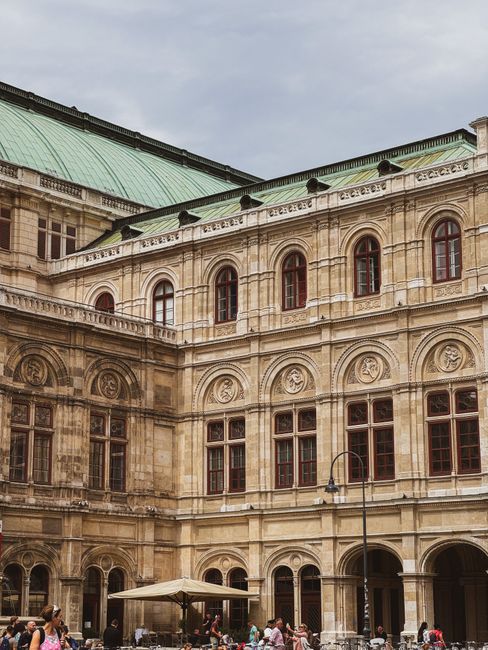
Austria packs an empire’s worth of palaces, coffee houses and concert halls into a small, mountainous country at the heart of Europe. Vienna has Schönbrunn, the Hofburg, Klimt and the State Opera; Salzburg has Mozart, its fortress and The Sound of Music; Hallstatt and the Salzkammergut lakes look like a painting; and two-thirds of the country is Alps, with world-famous ski resorts such as St Anton, Kitzbühel and the Zillertal in winter, and high meadows, mountain huts, glacier roads and swimmable lakes in summer. Trains are fast, punctual and scenic, and everything works. Give it a week for Vienna, Salzburg and a lake or a mountain valley, or two weeks to add Tyrol, Graz and the Danube.
Right now in Austria
- Wed 7–21°C 45–70°F Mostly clear
- Thu 9–19°C 47–66°F 8 mm Rain
- Fri 8–12°C 46–53°F Partly cloudy
Weather: MET Norway (CC BY 4.0) · Air quality: OpenAQ · Rates: ECB
Key facts
| Currency | Euro (EUR, €); cards are widely taken but not everywhere, so keep some cash for small purchasesSource: austria.info · Last reviewed 4 Oct 2026 |
|---|---|
| Languages | German (Austrian German); Croatian and Hungarian in parts of Burgenland and Slovene in southern Carinthia are protected minority languagesSource: bundeskanzleramt.gv.at · Last reviewed 4 Oct 2026 |
| Plugs and voltage | Type C and F · 230 V, 50 HzSource: wikidata.org · Last reviewed 4 Oct 2026 |
| Emergency number | 112 (Europe-wide); 133 police, 122 fire, 144 ambulance, 140 mountain rescueSource: austria.info · Last reviewed 4 Oct 2026 |
| Driving side | On the right; 50 km/h in towns, 100 outside, 130 on motorways; alcohol limit 0.5‰ (0.1‰ for new drivers); a vignette is required on all motorways and expressways (2026 cars: 10 days €12.80, 2 months €32, 1 year €106.80; online 2-month and annual vignettes valid only from day 18), plus separate tolls for the Brenner, Tauern, Arlberg, Karawanken and Pyhrn tunnel routesSource: oesterreich.gv.at · Last reviewed 4 Oct 2026 |
| Tap water | Safe to drink everywhere (almost all of it is spring and groundwater)Source: austria.info · Last reviewed 4 Oct 2026 |
| Tipping | Usual but not required: 5-10% in restaurants and taxis; check the bill first in case service is includedSource: wien.info · Last reviewed 4 Oct 2026 |
| Calling code | +43 (dial 00 for international calls)Source: wikidata.org · Last reviewed 4 Oct 2026 |
| Time zones | Central European Time (UTC+1); summer time (UTC+2) from the last Sunday in March to the last Sunday in October (clocks go back 25 October 2026)Source: wien.info · Last reviewed 4 Oct 2026 |
| Entry summary | Schengen and EU. Visa-free visitors (USA, UK, Canada, Australia…) may stay 90 days in 180; fingerprints and a photo are taken at the first Schengen entry (EES). ETIAS has not started. Austria checks its borders with Slovakia, Czechia, Hungary and Slovenia until 15 March 2027: carry your passport.Source: home-affairs.ec.europa.eu · Last reviewed 4 Oct 2026 |
Multi-day tours of Austria
Multi-day tours from local operators. You check dates and book on Viator, our partner; we may earn a commission at no extra cost to you. How we earn money
Austria at a glance: nine states, one Alpine republic
Austria is a federal republic of nine states (Bundesländer), each with its own capital, character and, often, its own dialect. It stretches about 575 km from Lake Constance in the west to the Hungarian plain in the east, bordering Germany, the Czech Republic, Slovakia, Hungary, Slovenia, Italy, Switzerland and Liechtenstein. Statistik Austria counted about 9.22 million people on 1 January 2026 (preliminary figure), a little over two million of them in Vienna, the capital. The highest mountain is the Grossglockner, at 3,798 m.
For centuries Vienna was the seat of the Habsburgs, who ruled a multinational empire until 1918, and you feel it everywhere: in the palaces and imperial collections, in a food culture borrowed from Bohemia, Hungary and Italy, and in the formal politeness of a Viennese waiter. Austria joined the European Union in 1995 and uses the euro. It is one of the safest and best-organised countries in Europe to travel in.
Time zone: Central European Time (UTC+1) in winter and Central European Summer Time (UTC+2) from the last Sunday in March to the last Sunday in October, the same as Germany and Italy.
The nine states and what each is known for
- Vienna (Wien): the capital, a city and a state of its own: imperial palaces, world-class museums, opera and classical music, coffee houses and wine taverns (Heurigen) on the city’s own vineyards.
- Lower Austria (Niederösterreich): the big state around Vienna, with the Wachau valley on the Danube, Melk Abbey, the Vienna Woods and the Semmering mountain railway, a UNESCO World Heritage Site.
- Upper Austria (Oberösterreich): Linz, on the Danube, and its share of the Salzkammergut, including Hallstatt, the Dachstein caves and the lakes of Traunsee and Attersee.
- Salzburg (Salzburger Land): the baroque city of Mozart and the Salzburg Festival, the lakes of Wolfgangsee and Fuschlsee, and the mountains of the south: Zell am See–Kaprun, Gastein, Saalbach and the Hohe Tauern National Park.
- Tyrol (Tirol): the Alpine heartland, with Innsbruck, Kitzbühel, St Anton, Ischgl, Sölden, the Zillertal and the Ötztal, glaciers, high passes and most of Austria’s famous ski resorts.
- Vorarlberg: the far west, on Lake Constance, with the Bregenz Festival on its floating lake stage, the cheese villages of the Bregenzerwald, modern timber architecture and the ski resorts of Lech and Zürs on the Arlberg.
- Styria (Steiermark): the “green heart” of Austria, with Graz, its UNESCO old town and lively food scene, the vineyards of southern Styria, spa towns and the Dachstein–Schladming ski area.
- Carinthia (Kärnten): the sunny south, with warm swimming lakes such as the Wörthersee, Millstätter See and Weissensee, Klagenfurt and the southern end of the Grossglockner High Alpine Road.
- Burgenland: the flat east, with Lake Neusiedl, a shallow steppe lake loved by birdwatchers, cyclists and kitesurfers, red wines and the Esterházy palace in Eisenstadt, where Haydn worked.
Regions
- Burgenland
- Carinthia
- Lower Austria
- State of Salzburg
- Styria
- Tyrol
- Upper Austria
- Vorarlberg
- Wachau
- Zell am See-Kaprun
- Zillertal
Where to go: cities, lakes and mountains
Most first trips follow the main railway line west from Vienna to Salzburg, with a detour to Hallstatt, then continue into Tyrol and Innsbruck. With more time, add the Danube and the Wachau, Graz in the south, a mountain resort or the Grossglockner road, or a lake in Carinthia.
Vienna
One of Europe’s great capitals and regularly voted one of the world’s most liveable cities: Schönbrunn Palace and its gardens, the Hofburg with the Sisi Museum, Klimt’s The Kiss at the Belvedere, the Kunsthistorisches Museum, St Stephen’s Cathedral, the Prater’s Giant Ferris Wheel, standing-room tickets at the State Opera for a few euros, coffee houses that are part of Austria’s intangible heritage, and wine taverns among the vineyards on the city’s edge. Read our Vienna guide for timed tickets, 2026 prices, public transport fares and the Christmas markets.
Salzburg, Hallstatt and the Salzkammergut
Salzburg is a compact baroque city under the white walls of the Hohensalzburg Fortress, the birthplace of Mozart and the home of the summer Salzburg Festival, with Sound of Music locations all around. East of the city, the Salzkammergut is a landscape of deep lakes and limestone mountains: Hallstatt, the lakeside village with 7,000 years of salt mining, the Dachstein ice caves, St Wolfgang, Bad Ischl and Gosau. Hallstatt now limits coach visits and asks day-trippers to respect residents; our guide explains how to visit well.
Innsbruck and Tyrol
Innsbruck is the rare city where a cable car from the centre takes you to 2,256 m in under half an hour: the Nordkette rises straight above the Golden Roof and the colourful houses on the Inn. Around it, Tyrol has the big-name ski resorts: St Anton am Arlberg, the cradle of Alpine skiing and the heart of Austria’s biggest connected ski area; Kitzbühel, with its medieval town centre and the Hahnenkamm downhill race; and the Zillertal, with the Hintertux Glacier, skiing almost all year, and a steam train in summer.
Zell am See–Kaprun and the Hohe Tauern
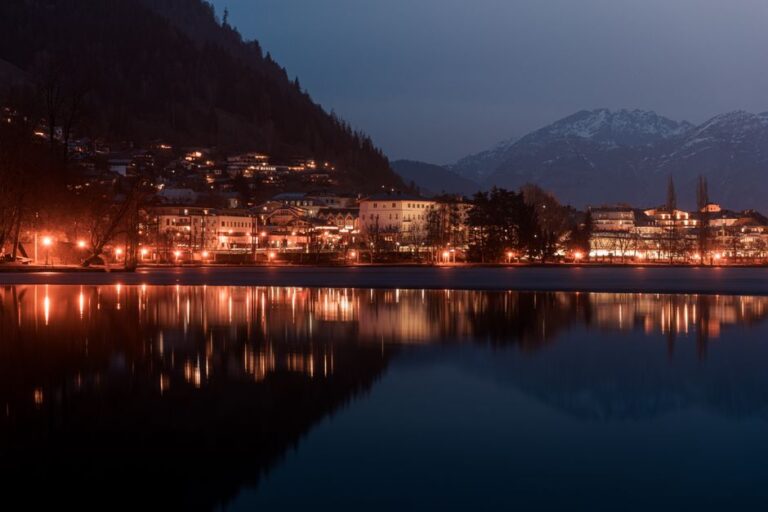
Zell am See–Kaprun pairs a lake town with a glacier: swim or take a boat on Lake Zell in summer, and ride up to the Kitzsteinhorn, the “Top of Salzburg” at 3,029 m, where the ski season starts in the autumn. It is the base for the Grossglockner High Alpine Road, one of the great mountain drives of Europe, open from late spring to the autumn, and for the Krimml Waterfalls in the Hohe Tauern National Park, Austria’s largest.
Graz and Styria
Austria’s second city is relaxed, young and full of students: Graz has a red-roofed UNESCO old town, the Clock Tower on the Schlossberg, the bubble-shaped Kunsthaus, the world’s largest historic armoury and Eggenberg Palace. It is also the gateway to the vineyards of southern Styria, nicknamed “Austria’s Tuscany”, the thermal spas of eastern Styria and, since the Koralm railway opened, a fast train ride from Carinthia’s lakes.
The Danube and the Wachau
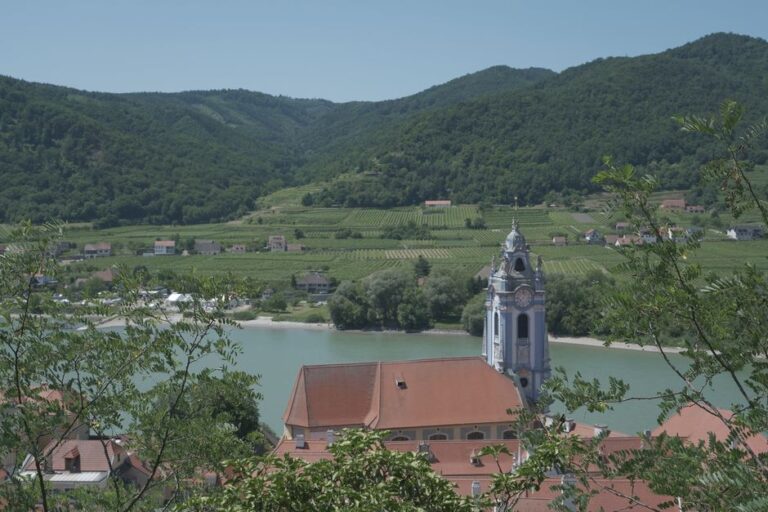
The Danube crosses Austria from Passau to Bratislava. Its loveliest stretch is the Wachau, between Melk and Krems, about an hour from Vienna: terraced vineyards, apricot orchards, castle ruins, the baroque Melk Abbey and the blue tower of Dürnstein, best seen from a river boat or by bike on the Danube Cycle Path. It is a UNESCO World Heritage Site and home to some of Austria’s finest white wines.
A few more worth your time
Linz, with the Ars Electronica Center and its Danube-side culture mile; the Carinthian lakes Wörthersee, Millstätter See and Weissensee for warm-water swimming in summer; Lake Neusiedl for cycling and birdlife; Bad Gastein’s belle-époque spa town under a waterfall; Lech and Zürs on the Arlberg; the Bregenzerwald and the Bregenz Festival on Lake Constance (see our Lake Constance guide for the German shore); the Ötztal, with Sölden and Obergurgl; Ischgl, for big-name skiing and après-ski; and the Semmering railway, a 19th-century engineering marvel over the mountains south of Vienna.
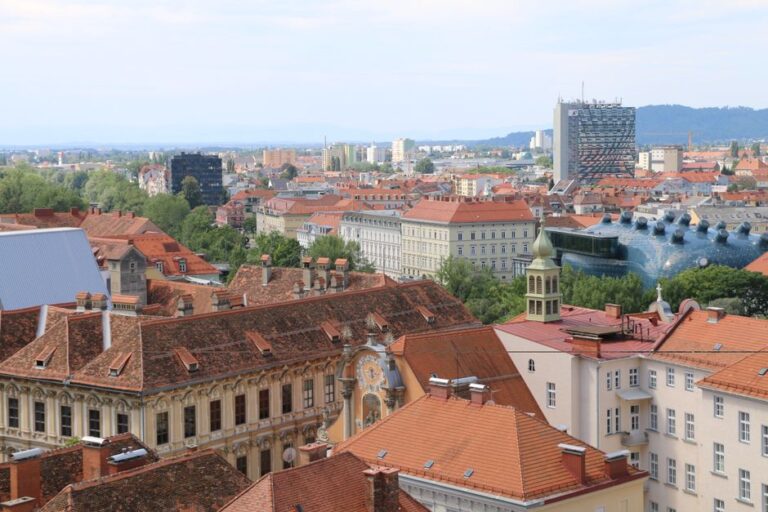
Graz Travel Guide
Plan a trip to Graz: the UNESCO old town and Eggenberg Palace, the Schlossberg funicular, lift and slide with 2026 prices, the Clock Tower,…
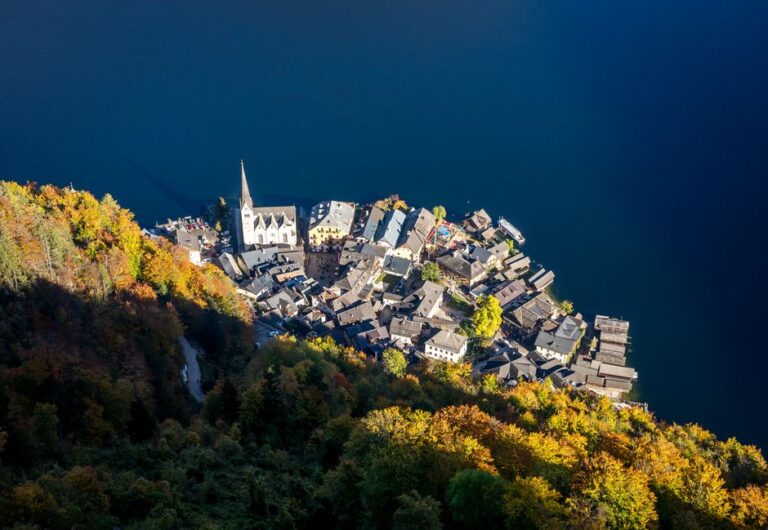
Hallstatt Travel Guide
Plan a visit to Hallstatt the right way: 2026 overtourism measures (coach slots, car parks, the photo spot, drones), the new Salzbergbahn funicular, salt…
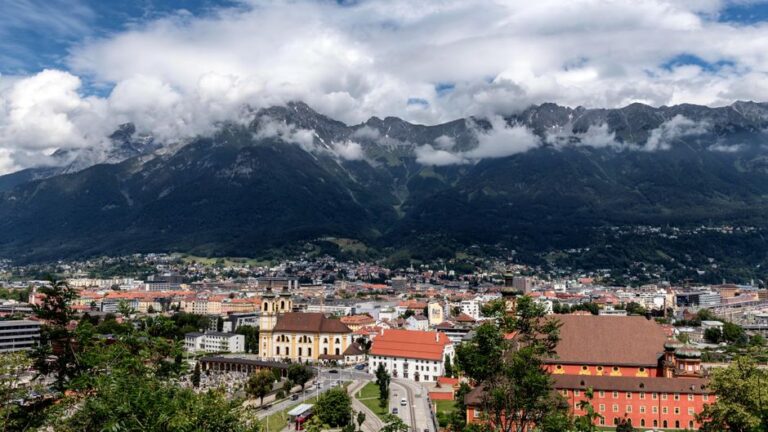
Innsbruck Travel Guide
Plan a trip to Innsbruck: the Golden Roof, Nordkette cable car fares to Hafelekar, the Hofburg and Court Church, Ambras Castle, the Bergisel ski…
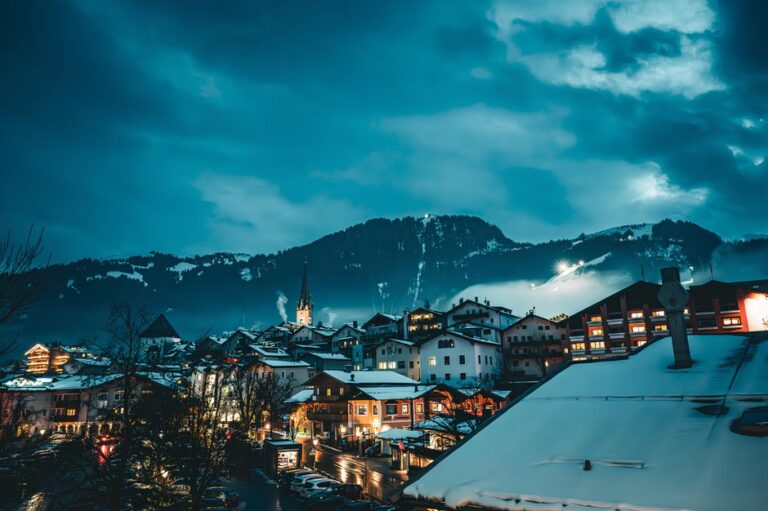
Kitzbühel Travel Guide
Plan a trip to Kitzbühel: the medieval old town, the Hahnenkamm races and the Streif with 2027 dates, the KitzSki 2026/27 season dates and…
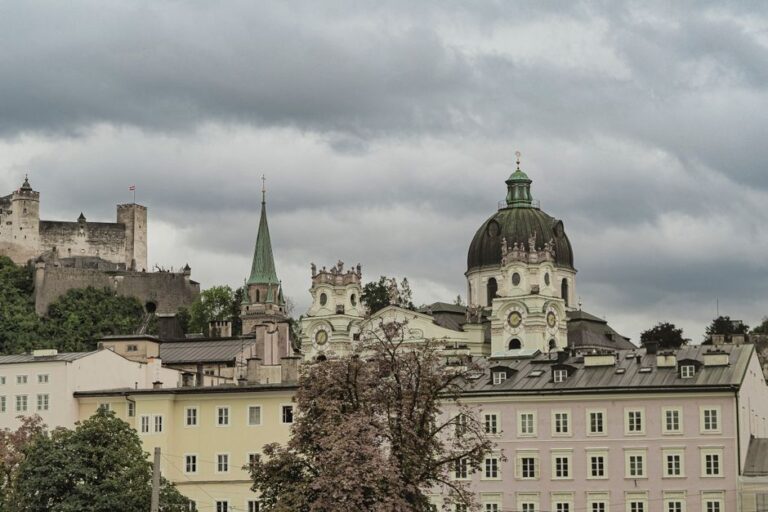
Salzburg Travel Guide
Plan a trip to Salzburg: Hohensalzburg Fortress tickets and the 2026/27 funicular closures, Mozart's Birthplace and Residence, the Mirabell Gardens, the cathedral and DomQuartier,…
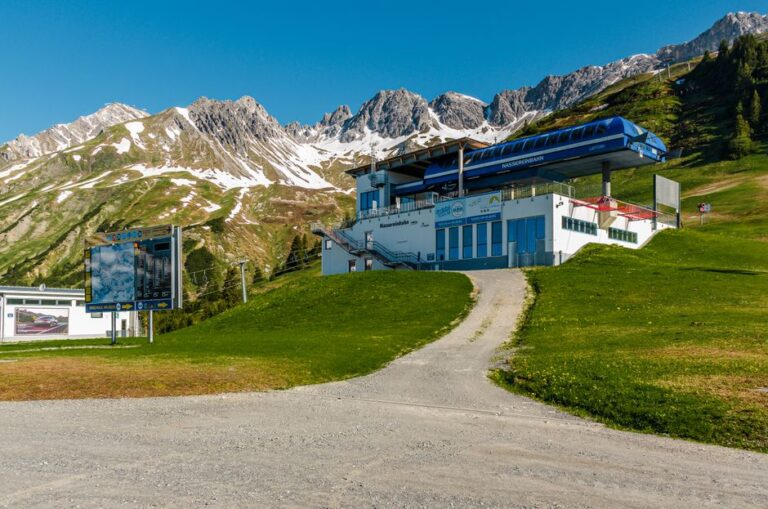
St Anton am Arlberg Travel Guide
Plan a trip to St Anton am Arlberg: Ski Arlberg's 2026/27 season dates, size and day-pass price, the birthplace of the Arlberg ski school,…
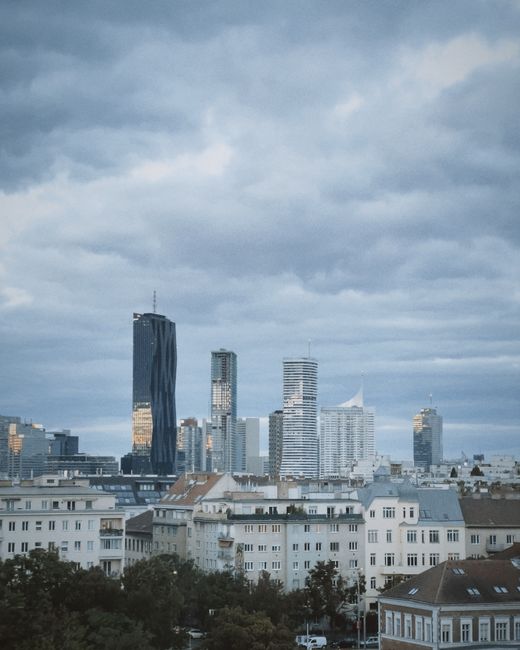
Vienna Travel Guide
Plan a trip to Vienna: districts compared, Schönbrunn's new timed tickets and 2026 prices, the Sisi Museum and Treasury, Klimt at the Belvedere, St…
Wachau Travel Guide
Plan a trip to the Wachau: the villages from Melk to Krems, Melk Abbey 2026 tickets and hours, Dürnstein and Richard the Lionheart's castle…
Zell am See–Kaprun Travel Guide
Plan a trip to Zell am See–Kaprun: the Kitzsteinhorn and Top of Salzburg with 2026 prices, glacier skiing from October and 2026/27 ski passes,…
Zillertal Travel Guide
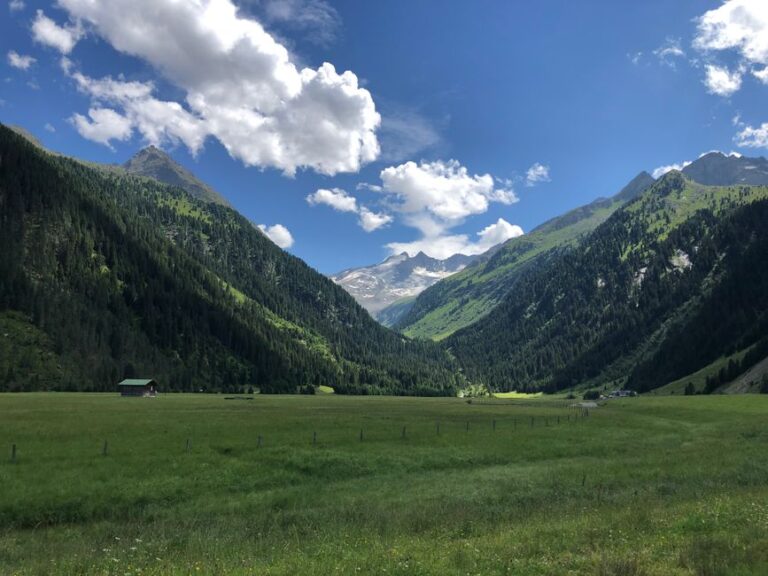
Plan a trip to the Zillertal: the villages from Fügen to Mayrhofen, the Hintertux Glacier open 365 days with 2026/27 prices and Nature's Ice…
Best time to visit Austria: ski season or summer?
Austria has two high seasons. Winter (December to April) is ski season in the Alps and Christmas-market season in the cities. Summer (late June to mid-September) is for hiking, lakes, mountain lifts, festivals and the Grossglockner road. The east, around Vienna, Graz and the Wachau, is drier and warmer, with a continental climate of hot summers and cold, grey winters; the Alps are cooler and much wetter, with afternoon thunderstorms in summer and heavy snow in winter. The table shows rounded average daily highs from GeoSphere Austria’s official 1991–2020 climate normals at one station per region, plus total annual precipitation.
| Region (GeoSphere station) | Spring highs (Mar–May) | Summer highs (Jun–Aug) | Autumn highs (Sep–Nov) | Winter highs (Dec–Feb) | Rain and snow a year |
|---|---|---|---|---|---|
| Vienna (Innere Stadt, 177 m) | 11–21 °C | 26–27 °C | 22 °C falling to 10 °C | 4–7 °C | about 670 mm |
| Salzburg (Airport, 430 m) | 10–19 °C | 23–24 °C | 20 °C falling to 9 °C | 3–6 °C | about 1,490 mm (Freisaal station) |
| Innsbruck (University, 578 m) | 13–21 °C | 25–26 °C | 21 °C falling to 10 °C | 4–8 °C | about 915 mm |
| Graz (University, 367 m) | 12–21 °C | 25–26 °C | 21 °C falling to 9 °C | 4–8 °C | about 855 mm |
| Zell am See (754 m) | 9–19 °C | 23 °C | 19 °C falling to 7 °C | 0–4 °C | about 1,180 mm |
| St Anton am Arlberg (1,304 m) | 7–15 °C | 20–21 °C | 17 °C falling to 6 °C | 1–3 °C | about 1,060 mm |
| Klagenfurt and the Carinthian lakes (450 m) | 11–21 °C | 25–26 °C | 21 °C falling to 8 °C | 1–6 °C | about 945 mm |
Rain falls mostly in summer, as thunderstorms over the mountains, so July and August are both the warmest and the wettest months in the Alps; Salzburg is famous for its “Schnürlregen”, a steady string-like drizzle. Vienna and Graz get about 2,000 hours of sunshine a year, Salzburg about 1,760. Valleys can trap cold, foggy air in winter while the slopes above bask in sunshine. Up high, it is always colder: temperatures drop by roughly 6 °C for every 1,000 m you climb, and snow can fall on the passes in any month.
The ski season
Glacier ski areas open first: the Hintertux Glacier in the Zillertal skis almost all year, and the Pitztal, Sölden and Kaunertal glaciers and the Kitzsteinhorn above Kaprun open between late September and mid-October. Most big resorts open from late November to early December 2026 (Kitzbühel usually starts in early November with a few runs), and the main season runs until Easter, with high-altitude areas such as St Anton, Obergurgl and Ischgl continuing into late April or early May. Peak weeks are Christmas to New Year, the February school holidays (when Austrian, German and Dutch families all head to the mountains) and Easter. January and March are the best value, with good snow and fewer crowds. For the snowiest, most reliable skiing, choose a resort with most of its slopes above 1,800 m.
The summer season
Mountain lifts and huts generally open from late May or June to mid-October, with the fullest timetables from July to mid-September. That is the time for hiking, mountain biking, via ferratas, lake swimming (the Carinthian lakes reach 24–28 °C in high summer), rafting and canyoning. The Grossglockner High Alpine Road usually opens in early May and closes in early November. Late June and September are the sweet spots: green meadows or golden larches, warm days and far fewer people than in July and August.
Crowds and prices through the year
- July and August: peak summer season in the mountains and lakes, the Salzburg and Bregenz festivals and Austria’s school holidays (from early July to early or mid-September 2027). Vienna is hot and quieter, with many concert halls on their summer break.
- Late November to December: Christmas markets, Advent concerts and the start of the ski season; city hotels fill up on Advent weekends.
- Late December to March: peak ski season; book mountain hotels early for Christmas, New Year and the February school holiday weeks.
- April to June, and September to October: the best months for cities, the Wachau and the lakes, with blossom in spring and the wine harvest in autumn. Many mountain resorts close between seasons, from mid-April to May and from mid-October to late November, so check that your hotel and lifts are open.
Festivals and events through the year
- January to March: the New Year’s Concert of the Vienna Philharmonic; Vienna’s ball season, led by the Opera Ball in February; the Hahnenkamm ski races in Kitzbühel in January; Mozart Week in Salzburg; Fasching (carnival).
- April to June: the Salzburg Easter Festival; apricot blossom in the Wachau; Whitsun Festival in Salzburg; the Danube Island Festival in Vienna in June, a huge free open-air music festival; Corpus Christi processions, some on boats on the lakes of the Salzkammergut.
- July and August: the Salzburg Festival (late July to the end of August); the Bregenz Festival on Lake Constance; open-air cinema at Vienna’s Rathausplatz; summer festivals and village fêtes in every valley.
- September and October: the cattle drives down from the Alpine pastures (Almabtrieb), with cows wearing flower headdresses; the wine harvest and new wine (Sturm); Vienna’s Long Night of the Museums in early October.
- November and December: St Martin’s goose dinners around 11 November; Christmas markets from mid-November; Krampus runs in early December, when men dressed as horned demons parade through Alpine towns; Silent Night, first sung in Oberndorf near Salzburg in 1818.
Public holidays and Sunday closing
Austria has 13 national public holidays, the same in every state. On these days, and on every Sunday, almost all shops close, including supermarkets. The dates from October 2026 to August 2027 are:
| Holiday | Date |
|---|---|
| National Day | Monday 26 October 2026 |
| All Saints’ Day | Sunday 1 November 2026 |
| Immaculate Conception | Tuesday 8 December 2026 (many shops may open) |
| Christmas Day and St Stephen’s Day | 25 and 26 December 2026 |
| New Year’s Day | 1 January 2027 |
| Epiphany | 6 January 2027 |
| Easter Monday | 29 March 2027 |
| Labour Day | 1 May 2027 |
| Ascension Day | 6 May 2027 |
| Whit Monday | 17 May 2027 |
| Corpus Christi | 27 May 2027 |
| Assumption Day | 15 August 2027 |
Shops may open from 06:00 to 21:00 on weekdays and until 18:00 on Saturdays; many small shops close earlier, and in villages some close for lunch. On Sundays you can still buy food and essentials at supermarkets in big railway stations and airports (Vienna’s main stations have some of the busiest), at petrol station shops and in some designated tourist areas, and bakeries often open on Sunday mornings. Restaurants, cafés, museums, lifts and attractions open as normal. Plan a Saturday shop if you are self-catering. Christmas Eve (24 December) and New Year’s Eve are not official holidays, but shops close early in the afternoon.
Weather month by month
Averages from GeoSphere Austria normals 1991–2020, Wien Hohe Warte · Last reviewed 4 Oct 2026
How long to stay: sample itineraries
Austria’s main railway, the Westbahn, links Vienna, Linz, Salzburg and Innsbruck in a straight line, with fast trains every half hour to hour on the busiest sections. Plan along that axis, and hire a car only for the Grossglockner road, remote valleys or a lake-hopping tour.
5 days: Vienna and Salzburg
Three days in Vienna for the palaces, museums, a concert or opera and a wine tavern; then the train to Salzburg (about 2 hours 30 minutes) for two days, with a half-day trip to Hallstatt or the Salzkammergut lakes.
7 days: Vienna, the Wachau, Hallstatt and Salzburg
Three days in Vienna; a day in the Wachau with Melk Abbey and a Danube boat; a night in or near Hallstatt; then two days in Salzburg. Fly home from Salzburg or Munich, or take the train back to Vienna.
10 days: add Innsbruck and the mountains
Follow the 7-day plan, then continue to Innsbruck for two or three days: the Nordkette, the old town, Swarovski Crystal Worlds and a day in the Zillertal or Kitzbühel. In summer, swap a city day for Zell am See and the Grossglockner road.
14 days: the grand tour
Vienna, the Wachau, Graz and southern Styria, a Carinthian lake, the Grossglockner road to Zell am See, Hallstatt, Salzburg, Innsbruck and a few days hiking in Tyrol. Austria connects easily with its neighbours: Munich is about 1 hour 40 minutes from Salzburg by train (see our Munich guide and Bavarian Alps guide), Innsbruck is a short drive or train ride over the Brenner Pass from the Dolomites and Verona, and Bratislava and Budapest are a short hop from Vienna.
Entry, money and costs
Entry: Schengen, EES and ETIAS (last reviewed October 2026)
Austria is part of the European Union and the Schengen area. Citizens of the EU, the European Economic Area and Switzerland can enter with a valid passport or national ID card and stay without limit. Visitors from many other countries, including the United States, Canada, the UK, Australia and New Zealand, can visit without a visa for up to 90 days in any 180-day period across the whole Schengen area; others need a Schengen visa before travelling.
- Entry/Exit System (EES): the EU’s digital border system has been fully running at all Schengen borders since 10 April 2026. The first time you enter, non-EU visitors give fingerprints and a facial photo at a kiosk or border desk instead of getting a passport stamp; children under 12 are not fingerprinted. Registration is free. Allow extra time at passport control at Vienna airport, and at Munich if you fly in there.
- ETIAS: the EU’s planned online travel authorisation is not in operation as of October 2026, and no start date has been officially announced. The EU has said it will give several months’ notice. You don’t need one yet. Ignore websites selling “ETIAS applications” before then.
- Passport validity: non-EU passports must have been issued within the last 10 years and be valid for at least three months after the day you plan to leave the Schengen area.
- Border checks: Germany runs temporary police checks at its land borders, including the one with Austria, until at least 15 March 2027, so trains and cars between Salzburg or Innsbruck and Bavaria can be stopped. Always carry your passport or ID card, even on a day trip.
Rules change, so check the official pages before you travel: the European Commission’s EES and ETIAS pages, the Austrian Foreign Ministry (bmeia.gv.at) and your own government’s travel information.
Language
German is the official language, spoken with Austrian words and strong regional dialects, especially in Tyrol and Vorarlberg. English is widely spoken in hotels, cities and ski resorts, and by younger people. A few words help: Grüß Gott or Servus (hello; “Servus” is informal), Danke (thank you), Bitte (please), Zahlen, bitte (the bill, please) and Prost! (cheers). Austrian German has its own food words: Erdäpfel (potatoes), Paradeiser (tomatoes), Marillen (apricots), Schlagobers (whipped cream) and Topfen (quark). Titles matter: Austrians like to be addressed as Herr Doktor or Frau Magister, and the formal Sie is normal with strangers, except on the mountain, where hikers and skiers say du.
Cash or card?
The currency is the euro (€). Austrians love cash: according to the Austrian National Bank, cash is still the most popular way to pay, used for about 55% of payments in shops. Cards and phone wallets work in supermarkets, hotels, ticket machines, most restaurants and lift ticket offices, but many mountain huts, wine taverns, market stalls, small cafés and village guesthouses take cash only, or only Austrian debit cards. Ask before you order (“Kann ich mit Karte zahlen?“) and carry €50–100 in cash, more if you are hiking from hut to hut. Cash machines are called Bankomat; use those belonging to banks, which rarely charge, rather than the private machines in tourist areas, which often add hefty fees. When a terminal offers to charge you in your home currency, choose euros.
Tipping
Service is included in prices, but people round up or add about 5–10% for good service in restaurants and cafés. Tip as you pay, not by leaving money on the table: when the waiter tells you the total, say the amount you want to pay, for example “dreißig, bitte” (thirty, please) on a bill of €27.40, or “Stimmt so” (keep the change). Round up taxi fares, leave a euro or two for hotel staff, and tip ski instructors and mountain guides if they were good.
Tourist tax
Every Austrian state lets towns charge a local tax on overnight stays (Ortstaxe, Nächtigungsabgabe or Kurtaxe), usually a few euros per person per night in the mountains and lakes, added to your hotel bill. In return you often get a guest card with free buses, lifts or museum discounts, so ask for it. Vienna raised its tax to 5% of the room price (excluding VAT and breakfast) from 1 July 2026, and plans to raise it to 8% from 1 July 2027.
Typical travel costs
Austria is among the more expensive countries in the EU, a little dearer than Germany, with ski resorts in high season among the priciest places in Europe. As a rough guide in 2026: a coffee and cake in a Viennese coffee house about €8–12; a main course in a traditional restaurant €16–28; a beer or a glass of wine €4.50–7; a mid-range double hotel room €130–220 in Vienna or Salzburg, and much more in Kitzbühel or St Anton in peak winter weeks; a museum ticket €15–25; a one-day ski pass at a big resort around €70–80. Picnics, mountain huts and the lunch menus (Mittagsmenü) at inns are the best ways to save. These are estimates, not official prices.
Getting there and getting around
Airports
- Vienna (VIE): the main international airport and the hub of Austrian Airlines. As of October 2026 the airport railway line is closed for rebuilding: since 7 September 2026 the City Airport Train (CAT) runs as a coach to Wien Mitte (about 21 minutes, €14.90 one way, cheaper online), and the S7 runs only between the airport and Wien St. Marx; this is expected to last until 31 October 2027. Details are in our Vienna guide.
- Salzburg (SZG): 15 to 25 minutes by bus from the city centre or main station; also busy with ski charter flights in winter.
- Innsbruck (INN) and Graz (GRZ): smaller airports with European flights, close to their city centres.
- Munich (MUC): often the most convenient long-haul airport for Salzburg, Tyrol and Kitzbühel, with trains and transfer buses over the border. Zürich serves the Arlberg and Vorarlberg, and Venice and Ljubljana the south.
Trains: ÖBB, Railjets and Nightjets
Austria’s national railway, ÖBB, is one of the best in Europe. Its red Railjet trains run up to 230 km/h on the main routes (Vienna to Salzburg takes about 2 hours 30 minutes, Vienna to Innsbruck about 4 hours 30 minutes), and connect to Munich, Zürich, Venice, Prague, Budapest and Bratislava. The private WESTbahn competes between Vienna, Salzburg and Innsbruck. Regional trains and buses, including the yellow Postbus, reach almost every valley, and local narrow-gauge lines such as the Zillertalbahn and the Pinzgauer Lokalbahn are attractions in themselves. ÖBB’s Nightjet sleeper trains link Vienna, Salzburg and Innsbruck with cities across Europe; tickets for 2027 are on sale.
- Buying tickets: on oebb.at or the ÖBB app. Cheaper “Sparschiene” fares are sold for specific trains in advance and sell out; standard tickets are flexible. Seat reservations are optional but worth it on busy Railjets on Fridays, Sundays and holidays.
- Vorteilscard: ÖBB’s discount card gives 50% off standard tickets for a year. As of October 2026 the Classic card cost €73, the Jugend (under 26) card €21, the Senior (65+) card €31 and the Family card €21. It pays for itself after one or two long journeys.
- KlimaTicket Ö: one annual ticket for all scheduled public transport in Austria: ÖBB and WESTbahn trains, regional trains, Postbuses and city transport. Since 1 January 2026 it costs €1,400 (€1,050 for under-26s and over-65s). It only makes sense for long stays or residents. Each state also sells a cheaper regional KlimaTicket.
Driving: the vignette and tolls
To drive on Austria’s motorways (Autobahn) and expressways (Schnellstraße), you need a vignette, a toll pass, from the moment you cross the border. There is no toll booth: cameras check number plates, and driving without one costs a substitute toll on the spot or a fine of €300 to €3,000. As of October 2026, the 2026 prices are:
| Vignette (2026) | Car (up to 3.5 t) | Motorbike |
|---|---|---|
| 1 day | €9.60 | €3.80 |
| 10 days | €12.80 | €5.10 |
| 2 months | €32.00 | €12.80 |
| Annual (1 December 2025 to 31 January 2027) | €106.80 | €42.70 |
- Digital or sticker: the digital vignette is linked to your number plate. Buy it in the ASFINAG app or webshop, or at petrol stations, tobacconists (Trafik), ÖAMTC and ARBÖ motoring club offices and border sales points. 2026 is the last year of the sticker: from 1 December 2026 the vignette is sold only in digital form. Prices for 2027 had not been announced at the start of October 2026.
- The 18-day rule: by EU consumer law, an annual or two-month digital vignette bought online by a private customer is valid only from the 18th day after purchase. One-day and 10-day vignettes, and any vignette bought at a physical sales point, are valid straight away. Buy early or buy at the border.
- Section tolls: some tunnels and mountain motorways charge an extra toll on top of the vignette. As of 2026, single car trips cost €12.50 on the Brenner motorway (A13), €15 on the Tauern motorway (A10), €13 through the Arlberg road tunnel (S16), €9 through the Karawanken tunnel to Slovenia and €19 for the whole Pyhrn motorway (A9). You can pay at the toll station or buy a digital section-toll ticket in advance.
- Mountain roads: scenic toll roads such as the Grossglockner High Alpine Road, the Zillertal High Road and the Silvretta High Alpine Road charge their own tolls and close in winter.
- Rules of the road: speed limits are 50 km/h in towns, 100 km/h on other roads and 130 km/h on motorways, with lower air-quality limits (signposted “IG-L”) on stretches of the Inn valley motorway in Tyrol and around Salzburg and Vienna. The drink-drive limit is 0.5 g/l (0.1 for new and professional drivers). You must carry a hi-vis vest, a warning triangle and a first-aid kit, and phones may be used only hands-free.
- Winter tyres: from 1 November to 15 April, cars must have winter tyres (marked M+S, at least 4 mm of tread) whenever roads are wintry: snow, slush or ice. Hire cars in Austria come with them in winter; cars hired in Italy or Germany may not, so check. Carry snow chains for mountain passes.
- Parking in Vienna: the whole city is a short-stay zone on weekdays from 09:00 to 22:00, with a maximum of two hours and a fee of €1.70 per 30 minutes as of 2026. Leave the car at a park-and-ride on the edge of the city.
Culture, food and etiquette
Coffee houses are Vienna’s living rooms, and Viennese coffee house culture is listed in Austria’s national inventory of UNESCO intangible cultural heritage. Order a Melange (similar to a cappuccino), an Einspänner (black coffee with whipped cream) or a kleiner Brauner, and stay as long as you like; your coffee comes with a glass of water, refilled without asking. Cake is serious business: Sachertorte, apple strudel, Topfenstrudel, and Kaiserschmarrn, shredded sweet pancake with plum compote, a favourite after a morning on the slopes.
Classic dishes include Wiener Schnitzel (a thin breaded veal escalope, or pork “vom Schwein“), Tafelspitz (boiled beef with apple-horseradish and chive sauce), goulash, Backhendl (fried chicken), Käsespätzle (cheese noodles) in Tyrol and Vorarlberg, Kaspressknödel (cheese dumplings) and Styrian salads dressed with dark green pumpkin seed oil. Vienna’s sausage stands (Würstelstand) are an institution late at night.
Wine is mostly white and very good: Grüner Veltliner and Riesling from the Wachau and Kamptal, Sauvignon Blanc from southern Styria, and reds such as Blaufränkisch and Zweigelt from Burgenland. Drink it in a Heuriger, a winemaker’s tavern serving its own new wine and a cold buffet, marked by a bunch of pine branches over the door. Beer is mostly lager (Märzen), and schnapps made from apricots, pears or gentian ends a mountain meal.
- Greetings: say Grüß Gott when you enter a shop or a small restaurant, and greet other hikers on the trail.
- Restaurants: in traditional places you can sit at any free table, unless it has a “reserved” sign or a Stammtisch (regulars’ table) sign. Waiters won’t bring the bill until you ask.
- Quiet Sundays: Sundays and public holidays are for rest; avoid noisy jobs such as mowing or drilling if you rent an apartment.
- Saunas: in most Austrian spas and hotel saunas, people go in naked, often in mixed areas; swimwear is not allowed in the sauna itself. Sit on a towel, and look for “textile” areas if you prefer swimwear.
- Smoking: banned inside all restaurants, bars and cafés.
Safety, mountain safety, health and connectivity
Safety
Austria has low crime rates. Watch for pickpockets on Vienna’s busy metro lines, at the Christmas markets and in crowded tourist spots, and keep an eye on skis and snowboards at lift stations and outside huts. The emergency numbers are 112 (Europe-wide, works on any phone), 144 for an ambulance, 133 for the police, 122 for the fire brigade and 140 for mountain rescue (Bergrettung).
Mountain safety
Every year, many visitors need rescuing in the Austrian Alps, usually because of slips, sudden weather changes, exhaustion or avalanches. A few rules keep you out of trouble:
- Check the weather and start early: summer thunderstorms build in the afternoon, and fog, wind and snow can arrive quickly even in August. Turn back if the weather turns.
- Pick routes for your fitness: Austrian trails are marked by difficulty, with blue for easy, red for medium and black for difficult mountain paths. Red and black routes need sturdy boots and a head for heights.
- Avalanches: in winter and spring, stay on marked and open pistes unless you are trained, equipped (transceiver, shovel and probe) and with a guide. Each region publishes a daily avalanche bulletin; for Tyrol it is avalanche.report, on a danger scale from 1 (low) to 5 (very high). Most fatal avalanches happen at level 3, “considerable”.
- Rescue is not free: mountain and helicopter rescue after a leisure accident is normally billed to the person rescued, and a helicopter mission averages around €5,000 according to the Austrian Alpine Club. Check that your travel insurance covers hiking, skiing and rescue; joining the Austrian Alpine Club (Alpenverein) includes rescue insurance.
- Respect cows: on Alpine pastures, keep your distance from cattle, especially cows with calves, keep dogs on a short lead, and let go of the lead if cows charge.
Health
Healthcare is excellent. EU visitors should bring their European Health Insurance Card (EHIC); everyone else needs travel insurance. Pharmacies (Apotheke) are marked by a red “A”, with a rota for night and Sunday service. Tap water is excellent and comes from mountain springs in Vienna. Ticks in woods and meadows can carry tick-borne encephalitis (TBE), so many Austrians are vaccinated; if you plan a lot of summer hiking, ask your doctor. The health advice line is 1450.
Accessibility
Vienna’s metro and trams are largely step-free, with low-floor trams and lifts at nearly every U-Bahn station, and ÖBB offers free assistance at stations if you book in advance. Many modern cable cars are accessible to wheelchair users, and several mountain resorts have barrier-free panorama paths. Old town centres have cobbles and steep lanes.
Connectivity and power
Mobile coverage is good, even on many mountains, though some deep valleys have gaps. EU and EEA mobile plans roam at no extra cost; others should check their plan or buy an eSIM. Plugs are Type C and F (two round pins), at 230 V, so travellers from the UK, the US and Australia need an adapter. Free Wi-Fi is common in hotels, cafés and on Railjet trains.
Things to do: skiing, hiking, cycling, lakes and city breaks
- Skiing and snowboarding: from the glaciers of the Zillertal and Kaprun to the vast circuits of Ski Arlberg, Ski Amadé, Saalbach and the SkiWelt, Austria has more than 400 ski areas, famous ski schools and a lively après-ski culture. Our guides to St Anton, Kitzbühel, the Zillertal and Zell am See–Kaprun cover passes and seasons.
- Hiking: marked trails from gentle lakeshore walks to multi-day hut-to-hut treks such as the Eagle Walk (Adlerweg) across Tyrol and the Berliner Höhenweg in the Zillertal. Mountain huts (Hütten) serve hot food and offer simple beds from June to September.
- Cycling: the Danube Cycle Path, Europe’s most popular long-distance bike route, is flat and well signed from Passau to Vienna; there are also lake circuits around Lake Neusiedl and Lake Constance, the Tauern Cycle Path and endless mountain-bike trails.
- Lake swimming: Austria has no sea, but its lakes have lidos (Strandbad) with lawns, jetties and cafés; the Carinthian lakes are the warmest, the Salzkammergut lakes the most dramatic.
- Boat trips: Danube cruises through the Wachau, paddle steamers on the Wolfgangsee and Traunsee, the ferry across the Hallstätter See and boats on Lake Zell and Lake Constance.
- Wine tasting: the Wachau, Kamptal and Kremstal on the Danube, southern Styria’s wine roads, Burgenland, and Vienna’s own vineyards and Heurigen.
- City sightseeing: Vienna, Salzburg, Innsbruck and Graz are compact and walkable, with excellent museums, palaces and concerts all year.
What to pack
Layers in any season: even in a warm summer, a fleece and a waterproof jacket are essential in the mountains, along with sturdy walking shoes or boots, sun cream and sunglasses for the strong Alpine sun, and a swimsuit for the lakes and spas. In winter, bring a warm coat, hat, gloves and shoes with good grip for icy pavements; ski gear can be hired in every resort. Pack something smart if you plan to go to the opera or a concert, and a plug adapter for Type C/F sockets.
Austria travel FAQ
When is the best time to visit Austria?
May, June and September for cities, lakes and hiking with fewer crowds; July and August for high mountains, festivals and lake swimming; late November and December for Christmas markets; and January to March for skiing.
How many days do you need in Austria?
Five days covers Vienna and Salzburg; seven adds the Wachau and Hallstatt; ten to fourteen days lets you add Innsbruck, the mountains, Graz or the Grossglockner road.
Do I need a visa or ETIAS to visit Austria?
EU citizens don’t. Americans, Canadians, Britons, Australians and many others can visit visa-free for up to 90 days in any 180. As of October 2026, ETIAS is not running yet, so you don’t need one, but non-EU visitors are registered in the EU’s Entry/Exit System (fingerprints and photo) at the border.
How much is the Austrian motorway vignette in 2026?
For cars: €9.60 for one day, €12.80 for 10 days, €32 for two months and €106.80 for the year. A digital annual or two-month vignette bought online is valid only from the 18th day after purchase. From December 2026 the vignette is digital only.
Do I need a vignette if I only drive through Austria?
Yes, if you use any motorway or expressway, even for a few kilometres. A one-day or 10-day vignette is enough for a transit trip; the Brenner, Tauern and Arlberg tunnel routes charge an extra section toll.
Is the KlimaTicket worth it for tourists?
Rarely. The KlimaTicket Ö costs €1,400 a year (from January 2026) and only pays off for long stays. For a holiday, buy advance Sparschiene train tickets or an ÖBB Vorteilscard (€73 for 50% off a year of standard fares).
Can I pay by card everywhere in Austria?
Not everywhere. Cards work in most hotels, shops and restaurants, but mountain huts, wine taverns, market stalls and small cafés often take cash only. Carry €50–100 in cash.
How much should I tip in Austria?
Round up or add about 5–10% in restaurants and cafés, by telling the waiter the total you want to pay. Round up taxi fares.
Are shops open on Sundays in Austria?
No, almost all shops and supermarkets close on Sundays and public holidays. Supermarkets in big railway stations and airports, petrol station shops and some bakeries open; restaurants, museums and lifts open as usual.
When does the ski season start in Austria?
Glacier areas such as Hintertux and the Kitzsteinhorn open in the autumn (Hintertux skis almost all year). Most resorts open from late November to early December and close around Easter; high resorts stay open into late April or May.
Is mountain rescue free in Austria?
No. After a leisure accident, rescue and helicopter costs are normally billed to you, and a helicopter mission averages around €5,000. Make sure your insurance covers hiking, skiing and mountain rescue. Call 140 or 112 in an emergency.
Do I need winter tyres in Austria?
Yes, from 1 November to 15 April whenever roads are snowy, slushy or icy. Hire cars in Austria have them in winter; carry snow chains for mountain roads.
Is there a tourist tax in Austria?
Yes. Every region charges a local tax on overnight stays, usually a few euros per person per night. Vienna charges 5% of the room price from July 2026, rising to a planned 8% from July 2027. Guest cards that come with it often include free buses or discounts.
What plugs are used in Austria?
Type C and F, with two round pins, at 230 V. Visitors from the UK, the US and Australia need an adapter.
Can I combine Austria with Germany or Italy?
Easily. Salzburg is about 1 hour 40 minutes from Munich by train, and Innsbruck is close to the Brenner Pass and the Dolomites. See our Munich guide and Italy guide to plan the next leg.
Sources
- Natural Earth · Public domain · fetched 4 Oct 2026
- © OpenStreetMap contributors · ODbL · fetched 4 Oct 2026
- Wikidata · CC0 · fetched 4 Oct 2026
Sources and last review
Researched and last reviewed on 4 October 2026. Vignette prices, validity and the 18-day rule come from the Austrian government’s oesterreich.gv.at and the transport ministry; the digital-only vignette from the ministry and the Austria Tourist Board; public holidays from the Austrian Economic Chamber; school holidays from the Federal Ministry of Education; population from Statistik Austria; climate from GeoSphere Austria’s 1991–2020 climate normals; KlimaTicket and Vorteilscard prices from klimaticket.at and ÖBB; the airport rail closure from Vienna Airport and the City Airport Train; Vienna’s accommodation tax and parking from the City of Vienna; emergency numbers from oesterreich.gv.at; driving rules from the Foreign Ministry and the transport ministry; helicopter rescue costs from the Austrian Alpine Club; cash use from the Austrian National Bank. Section tolls, ski opening dates and shop hours come partly from motoring clubs, press reports or legal summaries and are flagged for checking; travel costs are estimates. Prices, timetables and entry rules change, so check the official links before you travel.
Plugs and power in Austria
Austria uses 230 V, 50 Hz and these plugs (left) and wall sockets (right):
All plug types and voltages by country → · Check what you need to pack →
Plan your trip
Partner links: TravelerCenter may earn a commission if you book, at no extra cost to you.
🇩🇪 Useful German phrases for Austria
All 38 German phrases: restaurant, hotel, emergencies, romance (printable) →