Short answer: The ten experiences most travelers remember for life are a sunrise from a famous viewpoint, a food market, a boat trip through dramatic scenery, a night under truly dark skies, a great festival, snorkeling a coral reef, a scenic train ride, a local cooking class, a responsible wildlife encounter and a great walk. Below you get two or three of the best places in the world for each one, when to go and a practical tip.
Some trips leave you with one morning, one meal or one view you still talk about years later. This list is about those moments, with places that are famous for good reason, the best season, and the one thing that tends to catch first-timers out.
Many of these, from sunrise trips and boat cruises to cooking classes and guided walks, can be booked as tours straight from our destination guides.
1. Watch the sunrise from a famous viewpoint
Being up before dawn as a famous place slowly lights up costs nothing but sleep, and it is often the calmest hour of the day.
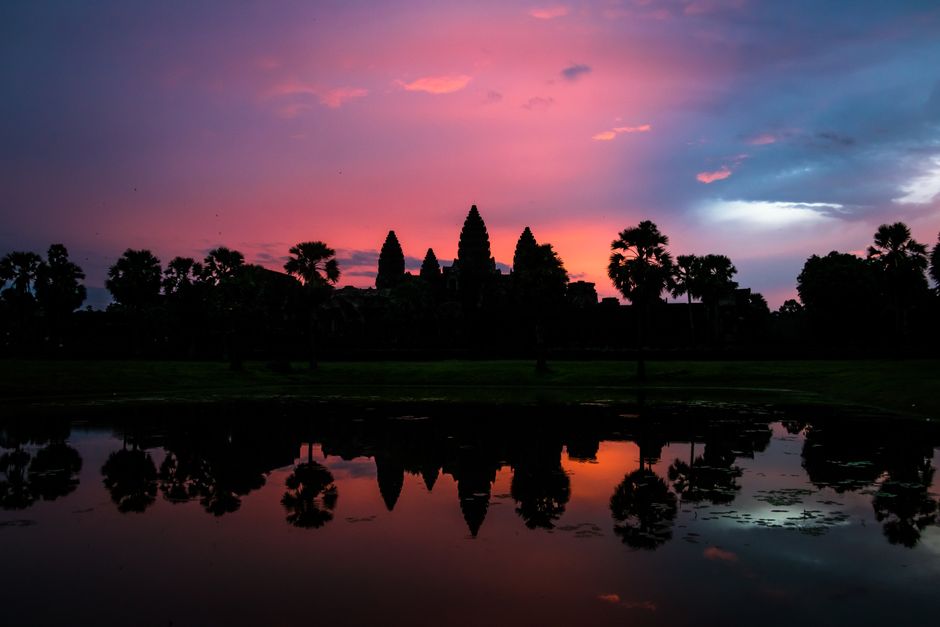
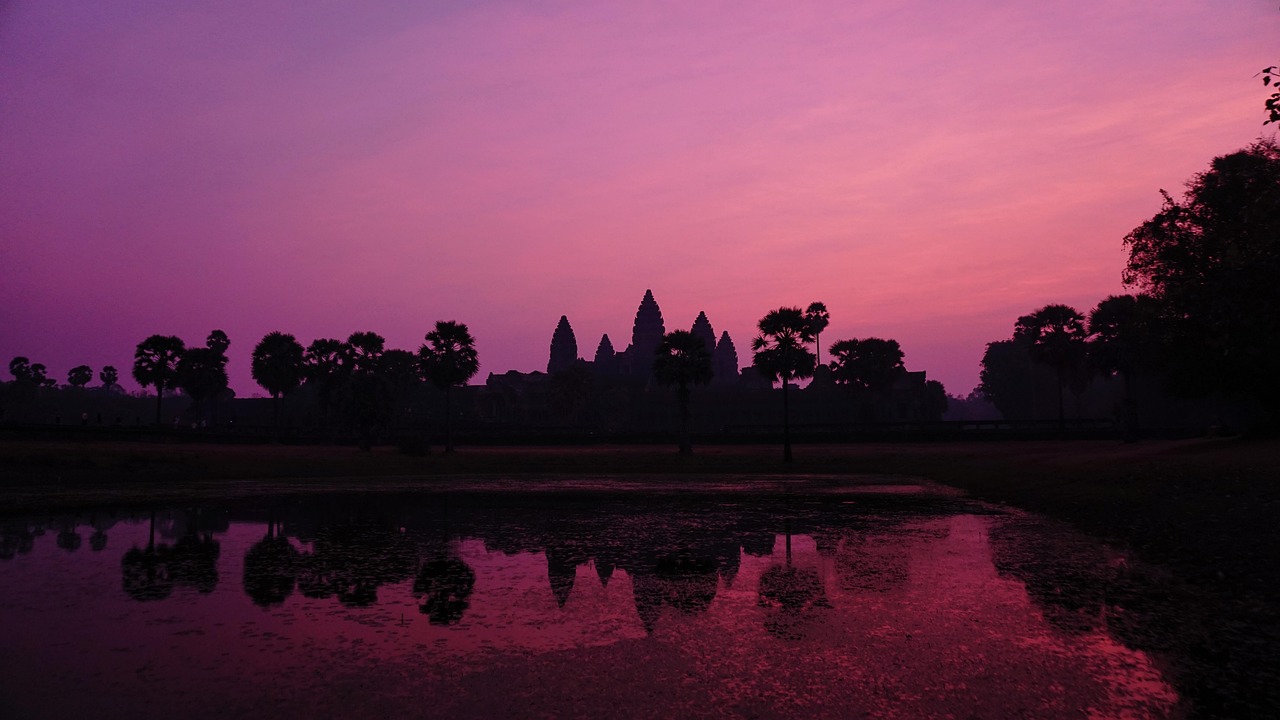
- Angkor Wat, Cambodia: the temple’s towers appear in silhouette against the sky, reflected in the pools in front. The Angkor complex opens at 5:00 a.m., early enough for sunrise. See our Siem Reap travel guide.
- Haleakalā, Maui, United States: you watch the sun rise above the clouds from the summit of a volcano. A sunrise reservation is required for vehicles entering between 3:00 and 7:00 a.m.; they open up to 60 days ahead, with some released two days before. See our Maui travel guide.
- Cappadocia, Turkey: dozens of hot-air balloons lift off at first light over valleys of rock chimneys. See our Cappadocia travel guide.
When to go: at Angkor, December to February is the sweet spot: the driest months of the year, with cooler nights around 68–70°F (20–21°C). Haleakalā and Cappadocia work all year, weather permitting.
Practical tip: at Angkor, a ticket bought after 4:45 p.m. lets you in for that evening’s sunset and is valid the next day, so buy it the evening before. In Cappadocia, balloons cannot fly passengers in strong wind, so book your first morning and keep a backup. Haleakalā’s summit is cold before dawn; bring a warm jacket.
2. Eat your way through a food market
A good market shows you what people cook, what grows nearby and how they like to eat. Go hungry.
- La Boqueria, Barcelona, Spain: the city’s best-known market, just off La Rambla, with fruit, ham, seafood and tapas counters. It opens Monday to Saturday, 8:00 a.m. to 8:30 p.m., and is closed on Sundays. See our Barcelona travel guide.
- Tsukiji Outer Market, Tokyo, Japan: narrow lanes of stalls selling sushi, grilled seafood, tamagoyaki (sweet omelet) and kitchen knives. See our Tokyo travel guide.
- Jemaa el-Fna, Marrakech, Morocco: more than a market, this square fills each evening with food stalls, musicians and storytellers. UNESCO lists its cultural space as Intangible Cultural Heritage. See our Marrakech travel guide.
When to go: morning for Barcelona and Tokyo, when stalls are fully stocked and the crowds are thinner; evening for Jemaa el-Fna, when the food stalls set up.
Practical tip: in Tokyo, many Tsukiji shops close on Sundays, national holidays and some Wednesdays, so check the market calendar before you go.
3. Take a boat trip through dramatic scenery
Some landscapes are best seen from the water, with cliffs, islands and waterfalls you could never reach on foot.
- Ha Long Bay, Vietnam: a UNESCO World Heritage Site of limestone islands rising from emerald water. Day and overnight cruises leave from Ha Long. See our Ha Long Bay travel guide.
- Milford Sound, New Zealand: a fiord in Fiordland National Park, with sheer walls and waterfalls. It is one of the wettest places in the country, and rain makes the waterfalls even more spectacular. See our Fiordland National Park travel guide.
- Geirangerfjord, Norway: part of the West Norwegian Fjords UNESCO site, with the Seven Sisters waterfall and steep farms clinging to the slopes. See our Geiranger travel guide.
When to go: Ha Long Bay is drier from about October to April; the summer months bring the heaviest rain and the storm season. Milford Sound cruises run all year. Geirangerfjord is busiest in summer, and from November to May there is a winter day cruise from Ålesund.
Practical tip: in winter the Milford Road crosses an avalanche zone and chains may be needed, so check conditions or join a coach tour. For Europe’s best whale watching and sea caves, see our boat trips guide.
4. Spend a night under truly dark skies
Most of us never see the Milky Way from home. In a protected dark-sky area, the stars come out by the thousand.
- Aoraki Mackenzie, New Zealand: an International Dark Sky Reserve since 2012, covering Aoraki/Mount Cook National Park and the Mackenzie Basin around Lake Tekapo. See our Aoraki/Mount Cook National Park travel guide.
- Atacama Desert, Chile: high, dry and far from city lights, the Atacama is one of the world’s great astronomy regions; the ALMA observatory’s antennas stand at 5,000 m (16,400 ft) on the Chajnantor plateau. Stargazing tours run from San Pedro. See our San Pedro de Atacama travel guide.
- La Palma, Canary Islands, Spain: a certified Starlight Reserve and home to the Roque de los Muchachos Observatory. Daytime visits inside the telescopes are run only by official Starlight guides and must be booked in advance. See our La Palma travel guide.
When to go: plan around the new moon, when the sky is darkest. In the Southern Hemisphere, the long winter nights from June to August give you the most hours of darkness.
Practical tip: keep phone screens off so your eyes can adjust, use a red light, and dress warmly: deserts and mountains cool fast after sunset.
5. Join a great festival
A festival shows you a place at full volume: music, costumes, food and local pride.
- Carnival, Rio de Janeiro, Brazil: the samba schools’ main parades in the Sambadrome take place on 7, 8 and 9 February 2027, with street parties (blocos) all over the city. See our Rio de Janeiro travel guide.
- Las Fallas, Valencia, Spain: from 15 to 19 March, giant satirical sculptures fill the streets and are burned on the final night. Every day from 1 to 19 March, a thundering firecracker show, the mascletà, starts at 2:00 p.m. in the Plaza del Ayuntamiento. UNESCO lists Las Fallas as Intangible Cultural Heritage. See our Valencia travel guide.
- Oktoberfest, Munich, Germany: the world’s most famous beer festival runs from 18 September to 3 October 2027 on the Theresienwiese. See our Munich travel guide.
Practical tip: book your room first, as rooms fill months ahead, and stay for the final night: in Valencia, the burning on 19 March is the highlight.
6. Snorkel a coral reef
Over a healthy reef a whole new world opens up, and you need no license, just a mask, a snorkel and a calm day.
- Great Barrier Reef, Australia: a UNESCO World Heritage Site reached by day boats from Cairns and Port Douglas. See our Great Barrier Reef travel guide and Cairns travel guide.
- Hol Chan Marine Reserve, Belize: Belize’s first marine protected area, created in 1987, about 4 miles south of San Pedro. Its Shark Ray Alley zone is known for nurse sharks and rays. See our Ambergris Caye travel guide.
- Raja Ampat, Indonesia: a remote archipelago in Indonesia’s Southwest Papua province, famous among divers and snorkelers for its marine life. Every visitor needs the Marine Park Fee, sold online by the park authority. See our Raja Ampat travel guide.
When to go: around Cairns, June to September is the driest stretch of the year. In Belize, February to April is the driest period, and the Atlantic hurricane season runs from 1 June to 30 November.
Practical tip: along the Queensland coast, marine stingers are present from about November to May, and wearing a full-body stinger suit in the water is strongly recommended. Never stand on or touch coral. For the best snorkeling spots in Europe, see our snorkeling guide.
7. Ride a scenic train
On a great train ride, the journey is the destination: you sit back and the window does the work.
- Flåm Railway, Norway: in about an hour it drops from Myrdal, at 867 m (2,844 ft), to Flåm on the fjord, almost at sea level, through 20 tunnels and past the Kjosfossen waterfall. It runs every day of the year. See our Flåm travel guide.
- Bernina Express, Switzerland: from St. Moritz over the Alps to Tirano in Italy in about 2 hours 15 minutes, crossing 196 bridges and passing through 55 tunnels on a line that is a UNESCO World Heritage Site. See our St. Moritz travel guide.
- West Highland Line, Scotland, United Kingdom: from Glasgow to Fort William and Mallaig, through moors and lochs. In summer the Jacobite steam train crosses the 21-arch Glenfinnan Viaduct. See our Scottish Highlands travel guide.
When to go: the Flåm Railway and the Bernina line run all year, and snow makes winter rides especially pretty. The Jacobite runs in summer and early fall; its 2026 season ran from 1 June to 23 October, and 2027 dates had not been announced at the time of writing.
Practical tip: Flåm Railway tickets go on sale up to 120 days ahead, and summer departures can sell out, so book once your dates are set. On the Flåm line seating is free, so board early for a window seat.
8. Take a local cooking class
A cooking class is the souvenir that lasts: you go home able to make the dishes you loved.
- Chiang Mai, Thailand: classes often start with a market visit to choose herbs and chilies, then teach curry pastes, stir-fries and soups. See our Chiang Mai travel guide.
- Hoi An, Vietnam: a UNESCO-listed old town with a strong food culture and plenty of classes, some held in the countryside. See our Hoi An travel guide.
- Bologna, Italy: a city famous for fresh egg pasta, and a fine place to learn to roll a sheet of dough by hand. See our Bologna travel guide.
When to go: Chiang Mai’s cool season runs from November to February, with very little rain from December to February. In Hoi An, February to April is the drier window; September to December brings the heaviest rain. Bologna works all year.
Practical tip: choose a small class that includes a market visit, and mention allergies or dietary needs when you book, not on the day.
9. See wildlife in the wild, responsibly
The best wildlife encounters follow simple rules: keep your distance, go with a licensed guide, and let the animals decide how close they come.
- The Great Migration, Tanzania and Kenya: huge herds of wildebeest and zebra circle between the Serengeti and the Maasai Mara. Calving takes place on the Ndutu plains from December to April, and the herds are usually in the Mara from about July to October. See our Serengeti National Park travel guide and Maasai Mara travel guide.
- Galápagos Islands, Ecuador: sea lions, giant tortoises and marine iguanas that show little fear of people. The park’s visitor code asks you to stay 2 m (6 ft) from wildlife, never touch or feed animals, and use accredited guides. See our Galápagos Islands travel guide.
- Mountain gorillas, Volcanoes National Park, Rwanda: small groups spend one hour with a habituated gorilla family. You must be at least 15 years old, keep 7 m (23 ft) away, and a permit is required. See our Volcanoes National Park travel guide.
When to go: match the month to the area for the migration. Galápagos visits and gorilla trekking run all year.
Practical tip: gorilla permits are limited to eight visitors per family each day, so book well ahead. Gorillas can catch human illnesses, and sick visitors may be turned away.
10. Walk a great trail
There is no better way to know a landscape than to cross it on foot.
- The Inca Trail to Machu Picchu, Peru: a multi-day trek on stone paths through cloud forest, ending at the Sun Gate above the ruins. Permits are limited, it can only be walked with a licensed operator, and the trail closes every February for maintenance. See our Machu Picchu travel guide and Cusco travel guide.
- Tour du Mont Blanc, France, Italy and Switzerland: about 170 km (105 miles) around the Mont Blanc massif, usually walked in 7 to 12 days, staying in mountain huts and villages. Many people start in Chamonix. See our Chamonix travel guide.
- Camino de Santiago, Spain: the old pilgrim routes end at the cathedral in Santiago de Compostela. To receive the Compostela certificate, you must walk at least 100 km (or cycle 200 km) and collect stamps on a pilgrim credential. See our Santiago de Compostela travel guide.
When to go: around Cusco, May to August are the driest months, with sunny days and nights near freezing. The Tour du Mont Blanc season runs from about mid-June to mid-September. The Camino can be walked all year.
Practical tip: book early: Inca Trail permits and summer huts on the Tour du Mont Blanc often sell out months in advance. For more European routes, see our hiking guide.
Plan your trip
Once you have picked an experience, our free trip planner builds a day-by-day plan around it for your dates, travelers and budget, using our guides. To see what the weather is usually like on your dates, open the Destination weather tool, and use the packing list tool.
Frequently asked questions
What are the best experiences to have on vacation?
A famous sunrise, a food market, a boat trip, dark skies, a festival, a reef, a scenic train, a cooking class, responsible wildlife watching and a great walk. Many can be booked as tours from our destination guides.
Which bucket-list experiences need to be booked furthest ahead?
Those with limited permits or fixed dates: Inca Trail permits, mountain gorilla permits in Rwanda, summer huts on the Tour du Mont Blanc, sunrise reservations at Haleakalā (released up to 60 days ahead) and rooms for big festivals such as Rio Carnival or Oktoberfest.
When is Rio Carnival in 2027?
The samba schools’ main parades in the Sambadrome take place on Sunday 7, Monday 8 and Tuesday 9 February 2027,.
How can I make a wildlife encounter responsible?
Go with licensed guides, keep your distance (2 m in the Galápagos, 7 m from gorillas in Rwanda), never touch or feed animals, and stay away if you are ill.
Can I snorkel on the Great Barrier Reef all year?
Yes, reef trips run all year. From about November to May, marine stingers are present along the Queensland coast, so wear the full-body stinger suit that tour boats provide. Around Cairns, June to September is the driest part of the year.