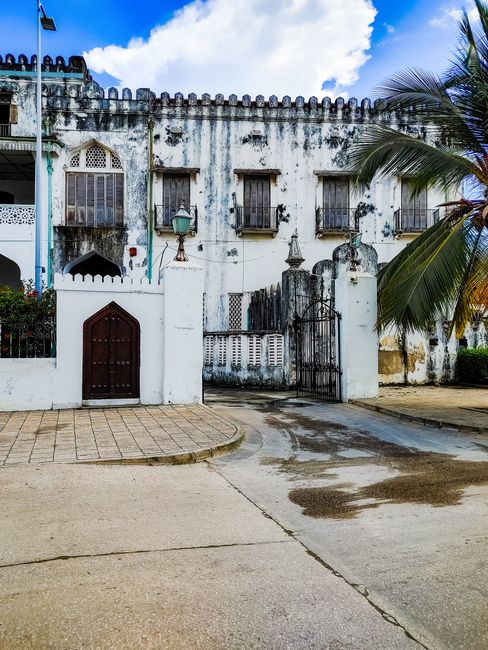
Tanzania is Africa at its most spectacular. Within one country you’ll find the endless plains of the Serengeti and the Great Migration, the wildlife-packed bowl of the Ngorongoro Crater, the elephants and baobabs of Tarangire, the snowy summit of Mount Kilimanjaro, Africa’s highest mountain, and the spice-scented alleys and white-sand beaches of Zanzibar. Further afield lie the wild southern parks of Nyerere and Ruaha, chimpanzees on the shores of Lake Tanganyika, and the islands of Mafia and Pemba. Most first-time visitors follow the northern safari circuit from Arusha, combining the Serengeti, Ngorongoro and Tarangire with a climb up Kilimanjaro or a week on the beach in Zanzibar; others start in Dar es Salaam, the largest city, and head south or across to the islands. Tanzania’s tourism is built around protected areas: national parks managed by Tanzania National Parks (TANAPA), the Ngorongoro Conservation Area, and game reserves, together covering a large share of the country. Plan ahead for a few things: the e-visa and the new mandatory inbound travel insurance, park fees that are charged per 24 hours and set each July, a yellow fever certificate if you arrive from Kenya or another risk country, malaria in most of the country, and the long drives between parks.
Right now in Tanzania
- Wed 18–31°C 65–87°F Partly cloudy
- Thu 17–31°C 63–88°F Mostly clear
- Fri 20–30°C 67–85°F 1 mm Partly cloudy
Weather: MET Norway (CC BY 4.0)
Multi-day tours of Tanzania
Multi-day tours from local operators. You check dates and book on Viator, our partner; we may earn a commission at no extra cost to you. How we earn money
Tanzania at a glance
Tanzania is East Africa’s largest country, covering about 945,000 km² (365,000 square miles), more than twice the size of California. It stretches from the Indian Ocean to the great lakes of Victoria, Tanganyika and Nyasa (Malawi), which it shares with its neighbors. Its landscapes range from the coastal plains and coral islands through the dry central plateau to the volcanic highlands of the north, where Kilimanjaro rises to 5,895 m (19,341 ft), according to TANAPA, and the Great Rift Valley. The 2022 census by the National Bureau of Statistics counted about 61.7 million people. Dodoma is the official capital, while Dar es Salaam is the largest city and commercial hub. Tanzania is a union of mainland Tanganyika and Zanzibar, which is semi-autonomous with its own government.
The official languages are Swahili (Kiswahili), spoken by almost everyone, and English, used in higher education, business and tourism. Tanzania has more than 120 ethnic groups, including the Sukuma, Chagga, Haya, Maasai and Hadzabe. The population is roughly divided between Christians and Muslims, with Zanzibar and the coast mainly Muslim. Tanzania is on East Africa Time (UTC+3) all year. Electricity is 230 V, with type D and G sockets.
A short history
Olduvai Gorge, in the Ngorongoro Conservation Area, has yielded some of the most important evidence of early humans. For centuries, the coast and Zanzibar were part of the Swahili trading world, ruled in the 19th century by the sultans of Oman, who moved their capital to Zanzibar and built a trade in cloves, ivory and enslaved people. Mainland Tanganyika became a German colony and then a British mandate, and won independence in 1961 under Julius Nyerere; Zanzibar followed in 1963, and the two united in 1964 to form the United Republic of Tanzania. Nyerere’s promotion of Swahili as a national language helped make Tanzania one of Africa’s most united countries.
Tanzania’s regions for travelers
- The northern circuit: Arusha, Arusha National Park, Tarangire, Lake Manyara, the Ngorongoro Conservation Area and the Serengeti.
- Kilimanjaro and the northeast: Moshi, Kilimanjaro National Park, the Usambara Mountains and Mkomazi.
- Dar es Salaam and the coast: the city, Bagamoyo, Saadani National Park and the beaches south to Mafia Island and Kilwa.
- Zanzibar: Unguja, with Stone Town and the beaches, and Pemba.
- The southern circuit: Nyerere (formerly Selous), Mikumi, Ruaha and Udzungwa.
- The west: Lake Victoria, Lake Tanganyika, the chimpanzees of Gombe and Mahale, and remote Katavi.
Regions
Where to go: safari parks, mountains and islands
A classic first trip spends 5–7 days on the northern circuit, then flies to Zanzibar for a week on the beach; adventurous travelers add a Kilimanjaro climb. See our guides to these places:
- Serengeti National Park: the Great Migration and Africa’s most famous plains.
- Ngorongoro: the crater’s Big Five, Olduvai Gorge and the calving season at Ndutu.
- Tarangire National Park: elephant herds and ancient baobabs.
- Kilimanjaro National Park: Africa’s highest mountain, climbed in 6–9 days.
- Arusha: the safari capital, with Arusha National Park and Mount Meru.
- Zanzibar: Stone Town, beaches, spice farms and reefs.
- Dar es Salaam: the largest city, gateway to Zanzibar and the southern parks.
Other favorites include Lake Manyara, below the Rift Valley escarpment; Nyerere National Park, Africa’s largest, with boat safaris on the Rufiji River; Ruaha, a remote park with big lion prides; the chimpanzee forests of Mahale and Gombe; Mafia Island, for diving and whale sharks; and the Usambara Mountains, for hiking.
Climbing Kilimanjaro
Kilimanjaro needs no technical climbing, but it’s a serious high-altitude trek of 6 to 9 days. TANAPA names the main starting gates as Marangu, Machame, Lemosho (via Londorossi) and Rongai, with most descents ending at Mweka; the Marangu route is the only one with huts, at Mandara, Horombo and Kibo. All climbs must be led by a licensed operator, and park fees for a typical week on the mountain add up to roughly US$720–850 per person. Longer routes such as Lemosho and the Northern Circuit give the best acclimatization. See our Kilimanjaro National Park guide.
Zanzibar in brief
Zanzibar’s main island, Unguja, is a 20–30 minute flight or a 2-hour ferry from Dar es Salaam. Spend a night or two in Stone Town, a UNESCO World Heritage Site since 2000, for its alleys, carved doors, the slave market memorial and the Forodhani night food market, then head to the beaches: Nungwi and Kendwa in the north for swimming at any tide, or Paje and Jambiani on the east coast for kitesurfing and wide lagoons. Remember the mandatory Zanzibar insurance if you arrive there first. See our Zanzibar guide.
Lake Manyara and the Rift Valley
Between Arusha and the Ngorongoro highlands, the Rift Valley escarpment drops to Lake Manyara, a soda lake fringed by groundwater forest. TANAPA describes the national park as known for its tree-climbing lions and flamingo-lined alkaline lake, and it’s often visited for a half day on the way to Ngorongoro. North of it, Lake Natron and the volcano Ol Doinyo Lengai are a remote, dramatic side trip.
The southern circuit
Southern Tanzania is wilder and quieter than the north. Nyerere National Park, formerly part of the Selous Game Reserve, offers boat safaris and walks along the Rufiji River and its lakes; Ruaha has big lion prides, elephants and baobabs in a dramatic, remote landscape; and Mikumi, about 4–5 hours by road from Dar es Salaam, is the most accessible. Most visitors fly in from Dar es Salaam or Zanzibar, and many camps close during the long rains.
Tanzania’s wildlife
Tanzania has the Big Five and an extraordinary concentration of wildlife: more than 1.5 million wildebeest in the Serengeti, according to TANAPA, the dense populations of the Ngorongoro Crater, Africa’s largest elephant herds in the south, chimpanzees in the west, and more than 1,000 bird species. The coast and islands have coral reefs, dolphins, turtles and seasonal whale sharks.
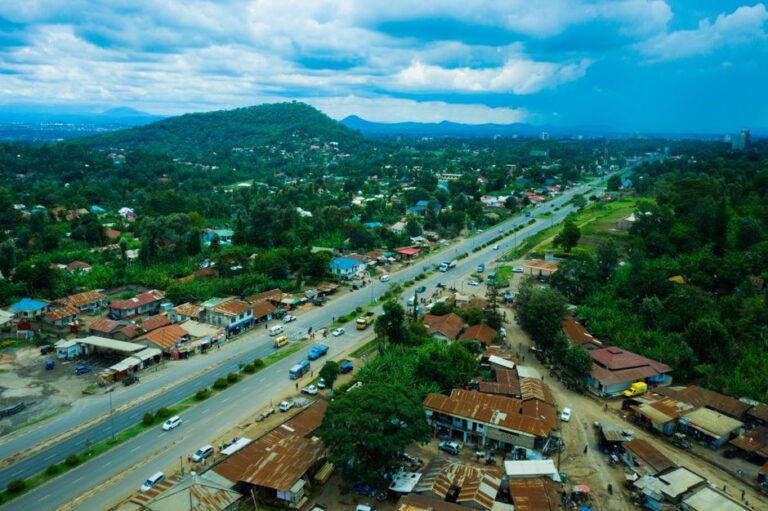
Arusha Travel Guide
Plan a trip to Arusha, Tanzania's safari capital: Arusha National Park with TANAPA 2026/27 fees, canoeing and walking, Mount Meru climbs, museums, markets and…
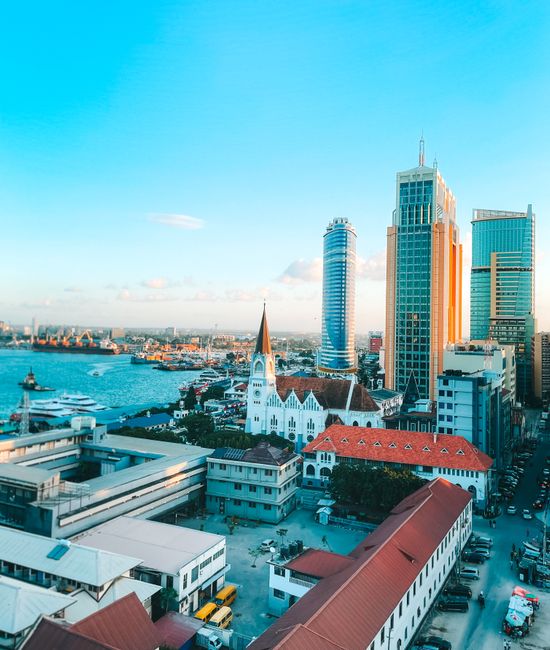
Dar es Salaam Travel Guide
Plan a trip to Dar es Salaam: the National Museum, Kariakoo Market, the Kivukoni fish market, colonial churches and the Askari Monument, Tingatinga art,…
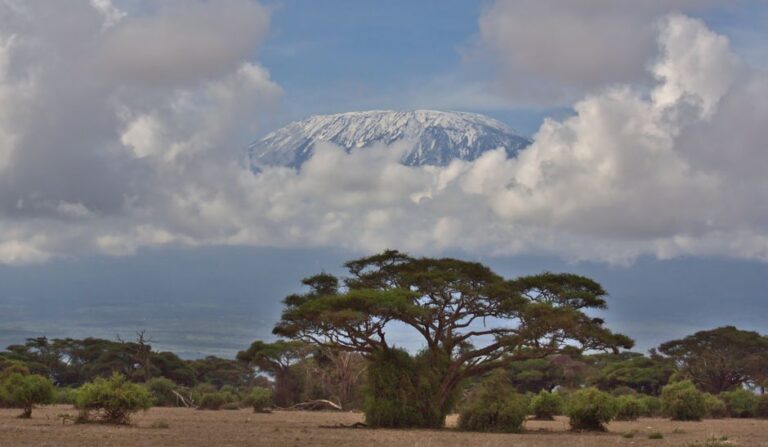
Kilimanjaro National Park Travel Guide
Plan a Kilimanjaro climb: TANAPA 2026/27 entry, camping, hut and rescue fees, the licensed-operator rule, the Marangu, Machame, Lemosho, Rongai and Northern Circuit routes,…
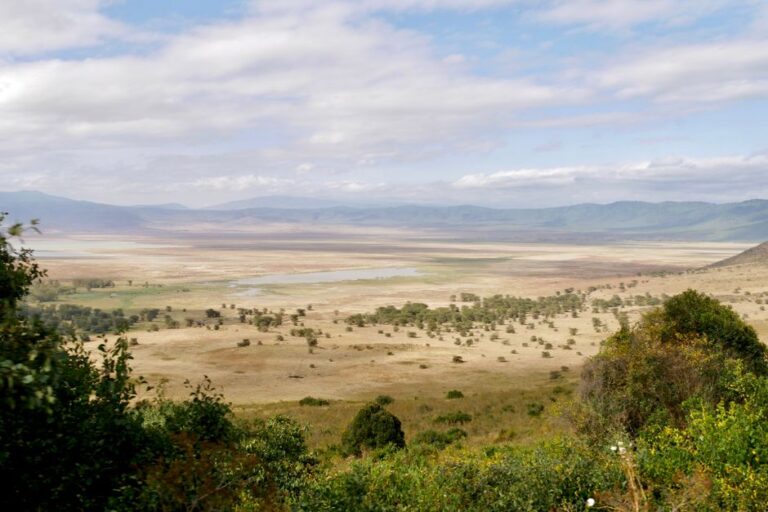
Ngorongoro Travel Guide
Plan a visit to the Ngorongoro Conservation Area: NCAA entry fees and the US$295 crater service fee, single-entry permits, crater rules and opening hours,…
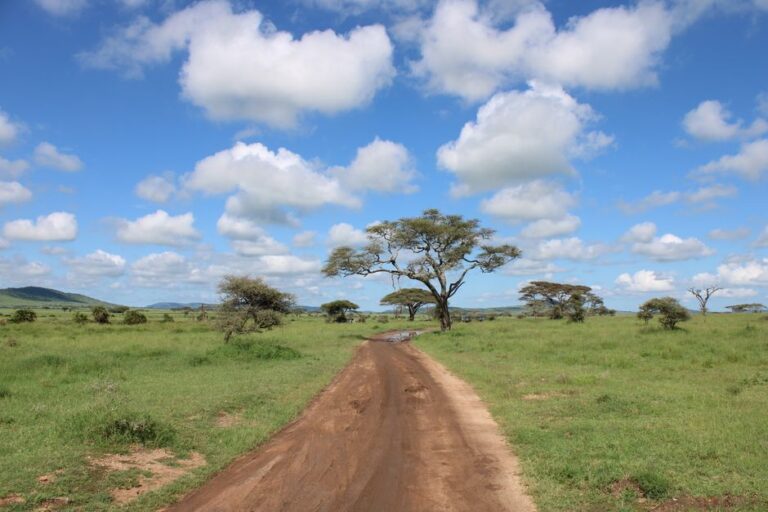
Serengeti National Park Travel Guide
Plan a visit to Serengeti National Park: TANAPA 2026/27 entry, concession, camping and walking fees and their 24-hour validity, the Great Migration month by…
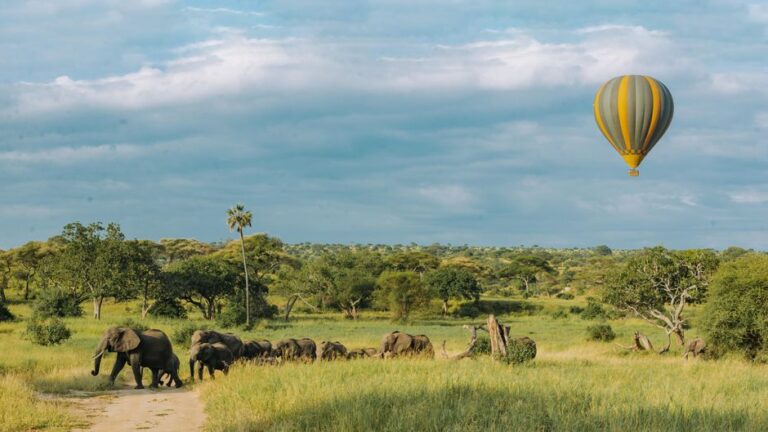
Tarangire National Park Travel Guide
Plan a visit to Tarangire National Park: TANAPA 2026/27 entry, night drive, walking, canoeing, concession and camping fees, elephant herds and baobabs, the dry-season…
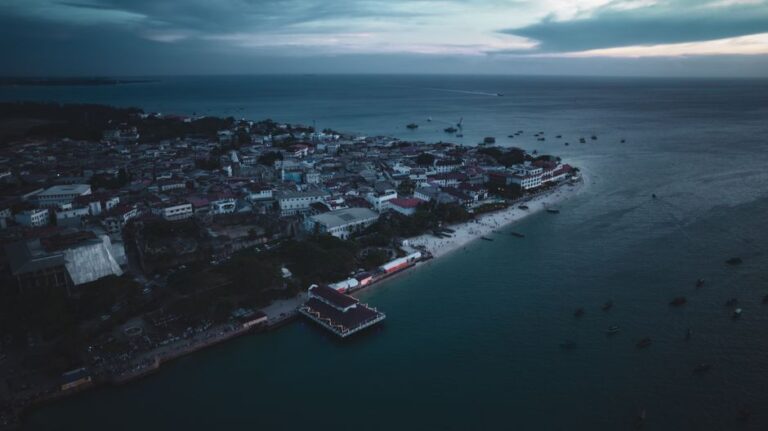
Zanzibar Travel Guide
Plan a trip to Zanzibar: the mandatory US$44 inbound insurance and first-port-of-entry rule, Stone Town's alleys, carved doors and the slave market memorial, Nungwi,…
Best time to visit Tanzania
Tanzania is a year-round destination, but the seasons matter. The long dry season from June to October is the best time for most safaris, with animals gathered near water, the migration in the northern Serengeti and clear skies, and it’s the busiest time. January and February bring a short dry spell and the calving season in the southern Serengeti. The long rains from about March to May make roads muddy, and many camps on the coast and in the south close, though the north stays open and green. The short rains in November and December are lighter. Highland areas such as Arusha and the Ngorongoro rim are cool, especially from June to August, while the coast and Zanzibar are hot and humid all year. The table shows rounded average daily highs and lows and annual rainfall from the Tanzania Meteorological Authority’s (TMA) 1991–2020 climate normals, as published by the World Meteorological Organization (WMO).
| Region (TMA station) | January high / low | July high / low | Rain a year |
|---|---|---|---|
| Northern circuit lowlands and Kilimanjaro foothills (Kilimanjaro International Airport, 891 m) | 33 °C (92 °F) / 19 °C (66 °F) | 26 °C (79 °F) / 15 °C (59 °F) | about 520 mm (21 in) |
| Lake Victoria and the western Serengeti (Musoma) | 28 °C (83 °F) / 18 °C (65 °F) | 29 °C (84 °F) / 17 °C (62 °F) | about 900 mm (36 in) |
| Central plateau (Dodoma) | 30 °C (85 °F) / 19 °C (67 °F) | 27 °C (80 °F) / 14 °C (58 °F) | about 590 mm (23 in) |
| Coast (Dar es Salaam) | 32 °C (90 °F) / 25 °C (77 °F) | 30 °C (85 °F) / 19 °C (67 °F) | about 1,120 mm (44 in) |
| Zanzibar (Zanzibar) | 33 °C (91 °F) / 24 °C (76 °F) | 29 °C (84 °F) / 22 °C (72 °F) | about 1,650 mm (65 in) |
Tanzania month by month
| Month | Weather | Highlights | Crowds and prices |
|---|---|---|---|
| January | Hot; short dry spell | Calving season around Ndutu; good climbing | Busy early in the month |
| February | Hot and fairly dry | Peak calving; beach season on Zanzibar | Moderate to high |
| March | Long rains begin | Green landscapes; birding | Quieter |
| April | Wettest month | Low-season discounts; some camps close | Low season |
| May | Rains easing | Herds move west in the Serengeti | Low season |
| June | Dry season begins; cool in the highlands | Western Corridor and Grumeti crossings | Rising |
| July | Dry; coolest month | Herds reach the northern Serengeti; Kilimanjaro season | High season |
| August | Dry and clear | Mara River crossings; Zanzibar peak | Peak season |
| September | Dry and warm | Crossings in the north; excellent everywhere | Very high |
| October | Warm; short rains may start | Good value at the end of the dry season | High |
| November | Short rains | Herds move south; green season | Quieter |
| December | Showers; hot on the coast | Herds back on the southern plains; holidays | Very busy over Christmas |
The Great Migration in Tanzania
The migration is a year-round cycle of more than 1.5 million wildebeest, with zebras and gazelles, across the Serengeti and into Kenya’s Maasai Mara. The Ngorongoro Conservation Area Authority (NCAA) says the herds arrive on the Ndutu plains at the end of December and stay until about April, with thousands of calves born there. In a typical year, they then move north and west through the Western Corridor (crossing the Grumeti River around May to July), reach the northern Serengeti and the Mara River from about July to October, many crossing into Kenya, and return south through the eastern Serengeti in November. The rains decide the exact timing each year.
Ramadan and public holidays
Tanzania’s holidays include New Year’s Day, Zanzibar Revolution Day (January 12), Karume Day (April 7), Good Friday and Easter Monday, Union Day (April 26), Workers’ Day (May 1), Saba Saba (July 7), Nane Nane (August 8), Nyerere Day (October 14), Independence Day (December 9) and Christmas, plus the Muslim festivals of Eid al-Fitr and Eid al-Adha, which follow the moon. During Ramadan, many restaurants in Zanzibar and on the coast close by day, and you should avoid eating or drinking in public in daylight.
How long to stay: sample itineraries
- 5 days: a northern-circuit safari from Arusha: Tarangire (1 night), Ngorongoro (1 night) and the Serengeti (2 nights), flying back to Arusha.
- 7 days: Tarangire, Lake Manyara, Ngorongoro and 3 nights in the Serengeti, timed to the migration.
- 10 days: a 6-day safari followed by 4 nights on Zanzibar.
- 14 days: Kilimanjaro (7 days) and a 4-day safari, or a safari plus a week on Zanzibar.
- Southern Tanzania: Dar es Salaam, Nyerere and Ruaha by light aircraft, with Zanzibar or Mafia at the end.
- With Kenya: the Maasai Mara and the Serengeti on one trip, connected by flights; see our Kenya travel guide.
Entry, money and costs
Visas and the e-visa (last reviewed October 2026)
Tanzania Immigration Services says visitors should apply for an e-visa through the official portal, visa.immigration.go.tz, and only there, not through other websites. The ordinary (single-entry) visa costs US$50 and is valid for up to 90 days; citizens of the United States must apply for a multiple-entry visa, which costs US$100 and is valid for 12 months, with stays of up to 90 days at a time. Online applications are processed within ten days, fees are paid by Visa or Mastercard, and you must wait for the visa grant notice before traveling. Your passport needs at least six months’ validity and one unused page, and you must show a return ticket on arrival. One visa covers both the mainland and Zanzibar; select your first destination on the form. Holders of an ordinary visa who visit other East African countries can re-enter Tanzania on the same visa while it’s still valid.
Nationals of many countries, including the US, Canada, the UK, EU countries, Australia, New Zealand and Japan, can also get a single-entry visa on arrival at the main entry points, but the immigration service recommends applying online. Citizens of East African Community countries, SADC countries (except Comoros) and most Commonwealth countries (except the UK, Canada, Nigeria, India, Pakistan, Australia and New Zealand) don’t need a visa. Note that the East African Tourist Visa does not cover Tanzania: it is valid only for Kenya, Uganda and Rwanda.
Mandatory inbound travel insurance
Tanzania now requires all non-resident visitors to buy mandatory inbound travel insurance. If Zanzibar is your first point of entry, you buy it from the Zanzibar Insurance Corporation through the official Visit Zanzibar platform: US$44 per adult and US$22 per child, even if you already have travel insurance, according to the insurer. If you enter mainland Tanzania first, you buy the policy from the National Insurance Corporation (NIC) through its official inbound-insurance portal. You only need one policy, for your first port of entry, covering stays of up to 92 days, and it can be bought online or on arrival; you may be refused entry without it. These basic policies don’t replace full travel insurance with medical evacuation, which you should still have, especially for safaris and Kilimanjaro.
Health requirements
Tanzania requires a yellow fever vaccination certificate from travelers aged one year and over arriving from a country with yellow fever risk, including Kenya, and from those who spent more than 12 hours in transit at an airport in such a country, according to the US CDC. Travelers arriving directly from the US or Europe don’t need it, and the CDC doesn’t generally recommend the vaccine for Tanzania itself. Health screening at entry points, including temperature checks, may be in place.
Customs and the plastic bag ban
Plastic bags are banned in Tanzania, and arriving air passengers are asked to hand them over; ziplock bags for airline security are allowed. Don’t bring animal-skin accessories, and don’t take wildlife products, including horns and seashells, out of the country without an export permit from the Ministry of Natural Resources and Tourism; people have been detained and fined for this. Drug laws are strict.
Money, cards and cash
The currency is the Tanzanian shilling (TZS). On October 5, 2026, the Bank of Tanzania’s indicative rate was about TZS 2,624 (buying) to 2,650 (selling) to the US dollar, or about TZS 2,637 in the middle. Safaris, lodges and climbs are usually priced in US dollars, and dollars are widely accepted in tourist areas, but use shillings for everyday purchases. ATMs in towns accept foreign cards; use those inside banks. Cards work in larger hotels and for park fees, which TANAPA collects through the government’s electronic payment system by card or mobile money. Bring clean, recent US dollar notes for tips and visas on arrival.
Park fees
Park fees are the biggest fixed cost of a safari and change each July 1, when TANAPA’s new financial year begins. Fees are per person per 24 hours. As of October 2026, the official non-resident adult rates are:
| Park or area | Non-resident adult fee |
|---|---|
| Serengeti, Kilimanjaro and Nyerere national parks | TZS 178,850 (about US$68) per 24 hours (TANAPA 2026/27) |
| Tarangire, Lake Manyara and Arusha national parks | TZS 127,750 (about US$48) per 24 hours (TANAPA 2026/27) |
| Ruaha, Mikumi, Saadani, Katavi and other parks | TZS 76,650 (about US$29) per 24 hours (TANAPA 2026/27) |
| Ngorongoro Conservation Area, entry | US$70.80 per entry (NCAA) |
| Ngorongoro Crater service fee | US$295 per vehicle per descent (NCAA) |
| Zanzibar inbound insurance, adult | US$44 (ZIC) |
In TANAPA’s tariff, children aged 5 to 15 pay less and under-5s enter free. Lodges and camps inside the parks also charge a concession fee per night, and vehicles pay daily fees; your operator includes all of these in the price, but check whether 18% VAT is included.
Taxes and tipping
Prices in shops include 18% VAT. Tipping is expected on safari and on Kilimanjaro: budget for your driver-guide, camp staff and the mountain crew (cook, porters and guides); your operator will give current guidelines. Leave about 10% in restaurants if service isn’t included.
What a trip costs
Prices are approximate, for October 2026, converted at about TZS 2,637 to the US dollar.
| Item | Typical cost |
|---|---|
| E-visa, single entry / US multiple entry | US$50 / US$100 |
| Fast ferry Dar es Salaam–Zanzibar, economy | US$35 (about TZS 92,300) |
| Local lunch (pilau, ugali, soda) | TZS 8,000–20,000 (about US$3–7.6) |
| Mid-range restaurant dinner | TZS 30,000–60,000 (about US$11–23) |
| Mid-range 5-day northern-circuit safari, per person | about US$1,600–3,000 |
| Kilimanjaro climb, 7 days, mid-range operator | about US$2,200–3,500 |
| Mid-range beach hotel on Zanzibar, double per night | about US$90–220 |
Getting there and getting around
Airports
Tanzania has three main international airports: Kilimanjaro International (JRO), between Arusha and Moshi, for the northern parks and Kilimanjaro; Julius Nyerere International (DAR) in Dar es Salaam; and Abeid Amani Karume International (ZNZ) on Zanzibar. Many travelers connect through Doha, Dubai, Muscat, Nairobi or Addis Ababa. Arusha Airport (ARK) handles domestic and safari flights.
Safari flights
Light aircraft link Arusha, Kilimanjaro, Dar es Salaam and Zanzibar with airstrips in the Serengeti (including Seronera, according to TANAPA), Lake Manyara, Tarangire, Ruaha, Nyerere and the west. They save long drives, but baggage is usually limited to about 15 kg (33 lb) in soft bags.
Ferries to Zanzibar
Fast ferries run several times a day between Dar es Salaam and Stone Town in about 2 hours. Azam Marine (Kilimanjaro Fast Ferries) lists non-resident fares from US$35 in economy to US$100 in royal class. Buy tickets online or at the official office, ignore touts at the port, and never board a boat that looks overloaded.
Trains
The electric standard gauge railway (SGR) run by Tanzania Railways Corporation links Dar es Salaam with Morogoro and Dodoma and is being extended toward Tabora and Mwanza; it’s a fast way to reach the Mikumi area.
Roads and driving
Tanzania drives on the left. Main roads between Arusha, Moshi and Dar es Salaam are paved, but park roads are gravel or dirt and can become impassable after heavy rain, so a 4×4 is essential in many parks. There are no roadside breakdown services and few fuel stations in remote areas. Police checkpoints are frequent: if you’re fined, you should receive a government control number for payment, not pay cash on the spot. On Zanzibar, you need a local driving permit, arranged through your rental company. Most visitors travel with a licensed safari operator and driver-guide; buses and dala dalas have poor safety records.
Crossing to Kenya
The main border posts with Kenya are Namanga (Arusha–Nairobi), Holili–Taveta, Sirari–Isebania and Horohoro–Lunga Lunga. There’s no tourist crossing inside the Serengeti and Maasai Mara. Kenya requires most visitors to have an eTA; see our Kenya travel guide.
Culture, food and everyday etiquette
Food
Tanzanian food is simple and filling. Ugali (stiff maize porridge) is the staple, served with beans, greens, fish or meat stews; wali (rice) and pilau (spiced rice) are everywhere; and nyama choma (grilled meat) and mishkaki skewers are favorites. In the north, the Chagga cook ndizi (banana) stews; on the coast and Zanzibar, coconut curries, octopus, biryani, urojo soup and the stuffed street-food Zanzibar pizza. Chipsi mayai (an omelet with fries) is the classic street snack, and mandazi and chai are breakfast staples. Tanzania grows excellent coffee around Kilimanjaro and Mbeya. Local beers include Kilimanjaro and Safari.
Lodges, tented camps and campsites
Safari accommodation ranges from public campsites and budget lodges outside the parks to large lodges and luxury tented camps inside them, including mobile camps that follow the migration. In the northern circuit, many budget and mid-range safaris stay in Karatu or Mto wa Mbu, outside the parks, to save on concession fees.
Communities and conservation
Many of Tanzania’s protected areas border the lands of pastoralist and farming communities, and in the Ngorongoro Conservation Area the Maasai live alongside the wildlife. Community-run cultural tourism programs around Arusha, Mto wa Mbu and Lake Eyasi, village walks, and lodges that employ and buy locally are good ways to make your visit benefit local people. Always use licensed guides, agree fees for cultural visits in advance, and ask before taking photos.
Etiquette
- Greetings: greetings matter; “jambo”, “habari” and the respectful “shikamoo” (to elders) are appreciated, and “asante” means thank you.
- Dress: dress modestly, especially in Zanzibar and on the coast; the Zanzibari authorities can fine visitors for clothing they consider inappropriate.
- Photos: ask before photographing people, and never photograph police, military sites, government buildings or demonstrations.
- Right hand: eat, greet and pass things with your right hand.
- ID: carry copies of your passport and visa; officials may ask to see them.
Safety, health and connectivity
Tanzania receives millions of visitors, and most trips are trouble-free. Take precautions for the main practical risks:
- Wildlife: follow your guide and park rules, stay in the vehicle except at designated points, and don’t walk around unfenced camps at night without an escort. Some parks are very remote, so make sure your insurance covers evacuation.
- Malaria and health: malaria occurs in all areas below 1,800 m (5,900 ft), which includes most of the country, the parks and Zanzibar, according to the US CDC; ask a travel-health professional about antimalarials. Dengue and cholera also occur. Drink bottled or treated water. Medical facilities are limited outside Dar es Salaam.
- Altitude: on Kilimanjaro and Mount Meru, choose a longer itinerary, ascend slowly and descend if symptoms become severe. Climbs must be led by licensed guides.
- Roads: accidents are common; avoid driving outside towns at night, and use reputable operators.
- Ferries and boats: use established operators, check for life jackets, and don’t board overloaded boats.
- City crime: bag snatching, sometimes from motorbikes, and robbery occur in Dar es Salaam, Arusha and Stone Town; don’t walk at night, use registered taxis, and keep valuables out of sight.
- Demonstrations: protests can occur around elections and public holidays; avoid crowds, follow local news, and keep important phone numbers written down in case internet access is limited. Taking or sharing photos of protests is illegal.
- Areas off the tourist routes: the destinations in this guide are far from the Mozambique border area in the far south and the Burundi border region in the west, where security restrictions apply; check before traveling to remote areas.
- Laws: drug laws are strict, and same-sex sexual activity is illegal, including in Zanzibar.
- Emergencies: call 112 (answered by the police), 115 for an ambulance and 114 for the fire service.
Connectivity: buy a prepaid SIM from Vodacom, Airtel, Tigo (Yas) or Halotel with your passport, or use an eSIM. Coverage is good in towns and patchy in remote parks; many camps offer Wi-Fi.
Things to do: safaris, mountains, beaches and reefs
- Safaris: game drives in the Serengeti, Ngorongoro, Tarangire and Lake Manyara; boat safaris in Nyerere; walking safaris with TANAPA rangers.
- Climbing and hiking: Kilimanjaro, Mount Meru, the Ngorongoro highlands and the Usambara Mountains. See our hiking guide.
- Beaches: Zanzibar’s Nungwi, Kendwa and Paje, Pemba, Mafia and the mainland coast. See our beaches guide.
- Snorkeling and diving: Mnemba Atoll, Pemba’s walls and Mafia Island. See our snorkeling and diving guides.
- Boat trips: dhow cruises on Zanzibar and in Dar es Salaam. See our boat trips guide.
- Kitesurfing: Paje on Zanzibar. See our surfing guide.
- Culture: Stone Town, the slave market memorial, Olduvai Gorge, Bagamoyo and Maasai and Hadzabe communities. See our city sightseeing guide.
What to pack for Tanzania
Neutral-colored safari clothes (avoid dark blue and black in tsetse areas), warm layers for early game drives and the Ngorongoro rim, a rain jacket for the rains, a wide-brimmed hat, sunglasses, high-factor sunscreen, insect repellent, binoculars, a camera with a zoom lens, soft luggage for light aircraft, modest clothes for Zanzibar and the coast, swimwear and water shoes, a reusable water bottle and fabric bags (plastic bags are banned), your yellow fever certificate if needed, printed copies of your visa and insurance, and a power adapter for type D and G sockets. For Kilimanjaro, bring proper trekking gear. See our travel adapters, rain jackets, hiking shoes and water shoes guides.
Tanzania travel FAQ
Do I need a visa for Tanzania?
Most visitors do. Apply online for the e-visa at visa.immigration.go.tz: US$50 for a single-entry ordinary visa, or US$100 for US citizens, who must get a multiple-entry visa. Many nationalities can also get a visa on arrival.
How long does the Tanzania e-visa take?
Tanzania Immigration Services says online applications are processed within ten days; wait for the grant notice before you travel.
Is travel insurance mandatory in Tanzania?
Yes. Visitors must buy mandatory inbound insurance for their first point of entry: from the Zanzibar Insurance Corporation (US$44 per adult) if arriving in Zanzibar, or from the National Insurance Corporation if arriving on the mainland.
Is Tanzania part of the East African Tourist Visa?
No. The East African Tourist Visa covers only Kenya, Uganda and Rwanda; Tanzania requires its own visa.
Do I need a yellow fever certificate for Tanzania?
Only if you arrive from a country with yellow fever risk, such as Kenya, or after more than 12 hours in transit in one.
What is the best time to visit Tanzania?
June to October for most safaris and Kilimanjaro; January to February for the calving season; June to October and December to February for Zanzibar.
How much are Tanzania’s park fees?
In TANAPA’s 2026/27 tariff, the Serengeti and Kilimanjaro cost TZS 178,850 (about US$68) per non-resident adult per 24 hours, and Tarangire TZS 127,750 (about US$48); Ngorongoro charges US$70.80 per entry plus US$295 per vehicle for the crater.
Can I climb Kilimanjaro without a guide?
No. TANAPA requires all climbs to be led by a licensed operator; solo trekking isn’t permitted.
When is the Great Migration in Tanzania?
The herds calve around Ndutu from about December to April, move west from May to July, and reach the northern Serengeti and the Mara River from about July to October.
How do I get to Zanzibar?
Fly to Zanzibar’s international airport, or take a fast ferry from Dar es Salaam in about 2 hours (from US$35 in economy with Azam Marine).
Is Tanzania safe for tourists?
Most visits are trouble-free. The main risks are road accidents, petty crime in cities, malaria, altitude on Kilimanjaro and wildlife; take sensible precautions and use licensed operators.
Should I bring US dollars to Tanzania?
Yes, for tips and some payments, but use shillings for everyday purchases; ATMs and cards work in towns, and park fees are paid electronically.
How many days do I need in Tanzania?
A week for a northern-circuit safari; 10–14 days to add Zanzibar or Kilimanjaro.
Sources and last review
Researched and last reviewed on 5 October 2026. The e-visa, fees, validity, processing time, visa on arrival, exemptions and mainland–Zanzibar coverage: Tanzania Immigration Services (visa.immigration.go.tz guidelines); Zanzibar’s inbound insurance: the Zanzibar Insurance Corporation; mainland inbound insurance: the National Insurance Corporation’s inbound portal; the East African Tourist Visa: Uganda’s National Citizenship and Immigration Control; park fees, child ages, the July–June financial year, payment and 24-hour validity: Tanzania National Parks (TANAPA) 2026/27 tariff data; Kilimanjaro’s height, the licensed-guide rule and Serengeti facts: TANAPA; Ngorongoro fees, Ndutu and the calving season: the Ngorongoro Conservation Area Authority; ferry fares: Azam Marine; the SGR: Tanzania Railways Corporation; yellow fever and malaria: the US CDC; the first-port-of-entry insurance rule, 92-day cover, plastic bags, wildlife products, Zanzibar dress fines and driving permits, police fines, ferry safety, crime precautions, demonstrations, regional restrictions, laws and emergency numbers: the UK government’s factual entry and safety pages, used for practical facts only; climate normals: the Tanzania Meteorological Authority via the World Meteorological Organization’s 1991–2020 normals; the exchange rate: the Bank of Tanzania. Area, population, history, holidays, VAT, tipping, mobile networks, border posts, flights and typical prices are general references or estimates, flagged for checking. Rules and prices change, so check the official sites before you go.
Plugs and power in Tanzania
Tanzania uses 230 V, 50 Hz and these plugs (left) and wall sockets (right):
All plug types and voltages by country → · Check what you need to pack →
Plan your trip
Partner links: TravelerCenter may earn a commission if you book, at no extra cost to you.
🇹🇿 Useful Swahili phrases for Tanzania
All 38 Swahili phrases: restaurant, hotel, emergencies, romance (printable) →