Short answer: For a party, go to Rio de Janeiro, Venice or New Orleans for Carnival, which peaks on 9 February 2027, or to Hong Kong for Lunar New Year on 6 February. For snow, go to Quebec City’s Winter Carnival or the Sapporo Snow Festival. For the year’s first cherry blossoms, go to Okinawa, and for dry, sunny weather, go to Jaipur, the Serengeti or Oaxaca.
February is short, but in 2027 it is packed. Easter falls on 28 March, so Carnival lands early: Shrove Tuesday, the last big day before Lent, is 9 February. Lunar New Year arrives just before it, on 6 February. Add the snowiest weeks of the northern winter, the first pink blossoms in southern Japan and the heart of the dry season across much of the tropics, and you have one of the most varied months of the year to travel.
For each of the ten places below you get why February works, typical February weather, one or two things to do, and a practical note. The weather figures are long-term averages from each country’s weather service, so they describe what is normal, not what will happen on your dates. Each section links to our full guide.
Carnival and festivals
1. Rio de Janeiro, Brazil
Why February: Rio’s Carnival is the most famous party on earth, and in 2027 it falls squarely in February. The samba schools of the top league compete in the Sambadrome over three nights, on Sunday 7, Monday 8 and Tuesday 9 February 2027, according to LIESA, the league that organizes the parades. The wider Carnival holiday runs from Saturday 6 February to Ash Wednesday, 10 February, with street parties all over the city.
Typical weather: it is high summer. Expect hot, humid days around 88°F (31°C), warm nights around 70°F (21°C), and about 7 inches (178 mm) of rain in the month, usually in heavy afternoon showers.
Best things to do: watch at least one night of parades in the Sambadrome, then join a neighborhood street party by day. Between the festivities, ride the cog train up Corcovado to the statue of Christ the Redeemer and spend a morning on Ipanema or Copacabana beach.
Practical note: Carnival is the busiest week of Rio’s year, so book your room and Sambadrome tickets as early as you can. The Corcovado train’s standard fare is R$134 for adults and includes entry to the monument. If you prefer a different flavor of Carnival, Salvador celebrates on the same dates. See our Rio de Janeiro travel guide and Brazil travel guide.
2. Venice, Italy
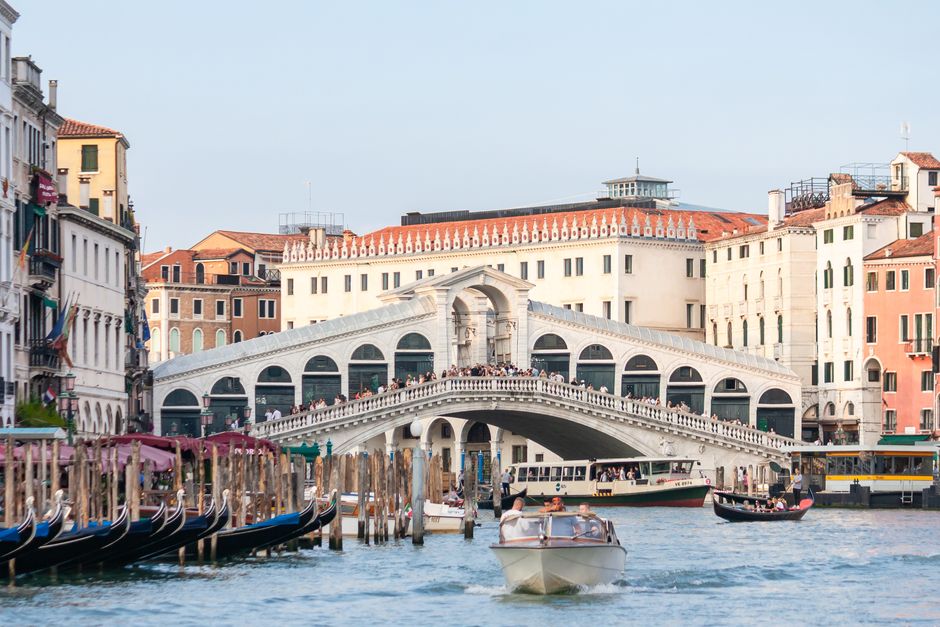
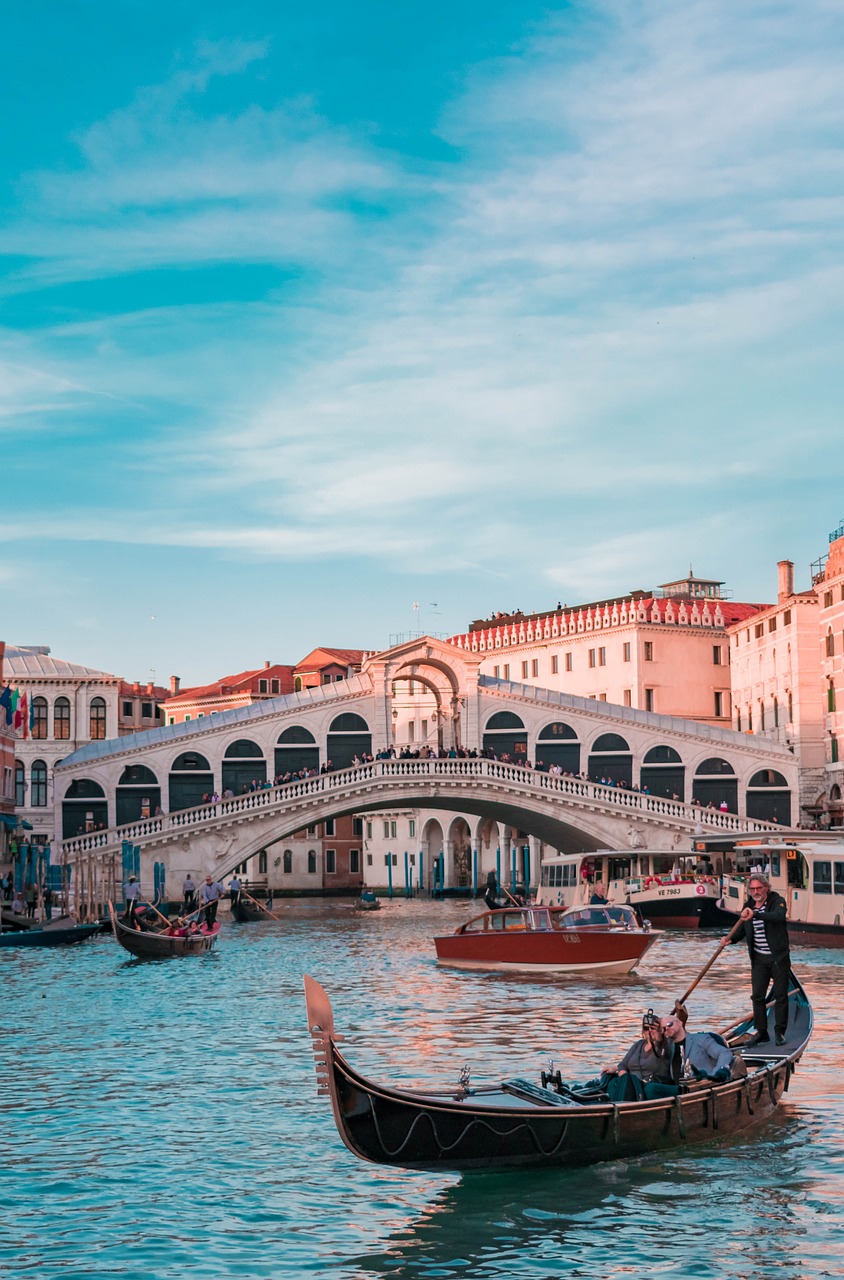
Why February: the Carnival of Venice is Europe’s most elegant: masks, costumes and candlelit palaces instead of samba. The official dates for 2027 are 23 January to 9 February, so the last and liveliest days fall in early February.
Typical weather: cold and often damp, with highs around 47°F (9°C), nights near freezing at about 33°F (1°C), and about 1.9 inches (48 mm) of rain on five or so days. Fog over the lagoon is common.
Best things to do: wander the lanes in the early morning, when masked figures pose by the canals, then see St. Mark’s Basilica and the Doge’s Palace. On a clear day, take a vaporetto out to the colorful houses of Burano.
Practical note: the Carnival weekends draw big crowds to St. Mark’s Square, while weekdays are calmer and cheaper. Pack waterproof shoes: winter high tides can flood the lowest streets. See our Venice travel guide and Italy travel guide.
3. New Orleans, United States
Why February: Mardi Gras. Carnival season in New Orleans begins on Twelfth Night, 6 January, and ends on Fat Tuesday, which in 2027 is 9 February. Parades roll most heavily in the last two weeks, when dozens of krewes take to the streets with floats, marching bands and beads.
Typical weather: mild, with highs around 66°F (19°C) and lows around 50°F (10°C). February brings about 4.1 inches (105 mm) of rain, falling on roughly six days.
Best things to do: watch the parades along St. Charles Avenue, where the crowd is more relaxed and family-friendly than in the French Quarter, and eat your way through king cake, gumbo and beignets. Ride the streetcar through the Garden District on a non-parade day.
Practical note: check the official parade schedule from New Orleans & Company before you plan your days, since streets close along the routes. Some attractions close on Mardi Gras Day itself, including the National WWII Museum. See our New Orleans travel guide and United States travel guide.
4. Hong Kong
Why February: Lunar New Year, the biggest celebration of the Chinese calendar, starts on 6 February 2027. Hong Kong’s general holidays for it fall on 6, 8 and 9 February, and the city traditionally marks the new year with flower markets, a night parade and fireworks over Victoria Harbour.
Typical weather: mild and often gray, with highs around 67°F (19°C) and lows around 60°F (15°C). It is one of the drier months, with about 1.5 inches (39 mm) of rain on four or so days.
Best things to do: browse a Lunar New Year flower market in the days before the holiday, cross the harbor on the Star Ferry, and ride the Peak Tram up to Victoria Peak for the skyline. Cool, dry days are also ideal for hiking trails such as Dragon’s Back.
Practical note: many family-run shops and restaurants close for the first days of the new year, while big malls and attractions stay open and get busy. The Hong Kong Tourism Board announces parade and fireworks details closer to the date. See our Hong Kong travel guide.
Snow, ice and winter sports
5. Quebec City, Canada
Why February: the Carnaval de Québec, which calls itself the world’s largest winter carnival, runs from 5 to 14 February 2027. For ten days the old walled city fills with ice and snow sculptures, Bonhomme’s Ice Palace, two night parades and outdoor music, and teams race canoes across the icy St. Lawrence River.
Typical weather: properly cold. Highs average around 22°F (−6°C) and lows around 4°F (−16°C), with about 25 inches (64 cm) of snow in the month.
Best things to do: walk the snowy streets of Old Quebec below the Château Frontenac, watch the ice canoe race, and warm up with maple taffy rolled on snow. To add a few days of skiing, look at Mont-Tremblant.
Practical note: dress in layers with a warm hat, mittens and insulated boots, since wind makes it feel colder. Carnival weekends fill the old town’s hotels early. See our Quebec City travel guide, Montreal travel guide and Canada travel guide.
6. Sapporo and Hokkaido, Japan
Why February: the Sapporo Snow Festival, one of Japan’s biggest winter events, runs from 4 to 11 February 2027 for its 77th edition. Giant snow sculptures line Odori Park, ice sculptures glitter in Susukino, and the Tsudome site has snow slides and play areas for families. February is also the heart of Hokkaido’s famous powder-snow ski season.
Typical weather: highs around 33°F (0°C) and lows around 21°F (−6°C), with about 3.6 inches (92 mm) of precipitation, mostly snow, on around 16 days.
Best things to do: see the sculptures at Odori Park after dark when they are lit, then take a day trip to the canal town of Otaru. Skiers can add a few days in the deep powder of Niseko.
Practical note: hotels in Sapporo fill up and raise their prices during festival week, so book early. Wear boots with good grip; sidewalks are often packed snow and ice. See our Sapporo travel guide and Japan travel guide.
The first cherry blossoms
7. Okinawa Island, Japan
Why February: while most of Japan waits until late March or April, Okinawa’s deep-pink hikanzakura cherries bloom in winter. In Naha, the Japan Meteorological Agency’s normal date for the first flowers is 16 January and for full bloom 4 February, so early February is the peak.
Typical weather: mild, with highs around 68°F (20°C) and lows around 59°F (15°C), and about 4.5 inches (114 mm) of rain on around ten days. It is too cool for most swimmers, but pleasant for sightseeing.
Best things to do: drive north to the cherry trees around the ruins of Nakijin Castle and Mount Yaedake, then visit the Okinawa Churaumi Aquarium. Winter is also humpback whale season around the Kerama Islands, a short ferry ride from Naha.
Practical note: from 1 February 2027, Okinawa Prefecture charges a new accommodation tax of 2% of the room rate per person per night, capped at ¥2,000. A rental car makes the north of the island much easier to reach. See our Okinawa Island travel guide, Ishigaki Island travel guide and Japan travel guide.
Dry-season sunshine
8. Jaipur and Rajasthan, India
Why February: it is one of the best months for India’s desert state. The winter chill is fading, the fierce heat of April and May has not yet arrived, and rain is rare, which makes long days of fort and palace visits comfortable.
Typical weather: warm, sunny days around 79°F (26°C) and cool nights around 54°F (12°C), with only about 0.4 inches (10 mm) of rain, typically on a single day.
Best things to do: climb up to Amber Fort above Maota Lake in the morning, then explore the Pink City’s bazaars, the honeycomb facade of the Hawa Mahal and the giant astronomical instruments of Jantar Mantar. With more time, continue to the lake palaces of Udaipur or the blue city of Jodhpur.
Practical note: Amber Fort opens at 9:00 a.m., and arriving early beats both the tour groups and the midday sun. Bring a warm layer for evenings and early starts. See our Jaipur travel guide, Agra travel guide and India travel guide.
9. The Serengeti and Ndutu, Tanzania
Why February: it is calving season. From the end of December to April, the Great Migration’s wildebeest and zebra herds gather on the short-grass Ndutu plains on the southern edge of the Serengeti, and thousands of calves are born there, according to the Ngorongoro Conservation Area Authority. February is the middle of that window, and the predators are never far away.
Typical weather: warm days around 85°F (29°C) and nights around 66°F (19°C), measured at Musoma, the nearest major weather station, with about 2.3 inches (58 mm) of rain on six or so days. Showers tend to be short, and the plains are green.
Best things to do: spend at least two full days on game drives around Ndutu and the southern Serengeti, and combine them with a day in the Ngorongoro Crater. A sunrise balloon flight over the plains is a once-in-a-lifetime splurge.
Practical note: Serengeti entry costs about US$70 per adult per day for non-residents, and the Ndutu area, which lies inside the Ngorongoro Conservation Area, has its own fees. Most visitors start in Arusha and travel with a licensed guide. See our Serengeti National Park travel guide and Tanzania travel guide.
10. Oaxaca, Mexico
Why February: it is the heart of central and southern Mexico’s dry season. Oaxaca, a colonial city in a highland valley, gets almost no rain in February, and its markets, mezcal bars and ancient Zapotec cities are at their most comfortable to explore.
Typical weather: warm, sunny days around 88°F (31°C) and cool nights around 53°F (12°C), with about 0.2 inches (5 mm) of rain on roughly one day in the month.
Best things to do: visit the hilltop ruins of Monte Albán, which UNESCO lists together with the historic city, then spend an afternoon in the Benito Juárez and 20 de Noviembre markets tasting mole, tlayudas and hot chocolate. A day trip east reaches the carved stone walls of Mitla.
Practical note: Monte Albán is open daily from 8:00 a.m. to 5:00 p.m. (last entry at 4:00 p.m.), and entry for foreign visitors costs MXN 210. If you are flying in via Mexico City, February is a good time there too: dry, with highs around 76°F (24°C). See our Oaxaca travel guide and Mexico travel guide.
How to choose
- The biggest party: Rio de Janeiro, with the Sambadrome parades on 7–9 February.
- Carnival with history and costumes: Venice, until 9 February.
- Carnival without a long flight from the US: New Orleans, with Mardi Gras on 9 February.
- Lunar New Year: Hong Kong, from 6 February.
- Snow and winter festivals: Quebec City (5–14 February) and Sapporo (4–11 February), with skiing nearby.
- Early cherry blossoms: Okinawa, with full bloom in early February.
- Dry, sunny sightseeing: Jaipur and Oaxaca.
- Wildlife: the Serengeti and Ndutu for the calving season.
One timing tip: the first two weeks of February 2027 are unusually crowded, because Carnival, Lunar New Year and both snow festivals all fall between 4 and 14 February. If you are going to one of those places, book early; if you just want sun or snow, the second half of the month is usually calmer.
Plan your February trip
Once you have picked a place, our free trip planner builds a day-by-day plan for your dates, travelers and budget from our guides. To see what the weather is usually like on your exact February dates, open the Destination weather tool, and use the packing list tool to pack for anything from a Canadian snowstorm to a Brazilian heat wave.
Frequently asked questions
When is Carnival in 2027?
Shrove Tuesday, the final day of Carnival, is 9 February 2027. Rio’s Sambadrome parades run on 7, 8 and 9 February, the Carnival of Venice runs from 23 January to 9 February, and in New Orleans the Carnival season runs from 6 January to Mardi Gras Day on 9 February.
When is Lunar New Year in 2027?
Lunar New Year’s Day is 6 February 2027. In Hong Kong, the general holidays are 6, 8 and 9 February. Expect busy transport and some closed shops around those days across East and Southeast Asia.
Where can I see cherry blossoms in February?
Okinawa, in Japan’s far south. Its hikanzakura cherries usually start flowering in mid-January, and the normal date for full bloom in Naha is 4 February. On Japan’s main islands, the main cherry blossom season usually comes later, in late March and April.
When is the Sapporo Snow Festival 2027?
The 77th Sapporo Snow Festival runs from 4 to 11 February 2027 at three sites: Odori Park, Susukino and Tsudome. Quebec City’s Winter Carnival overlaps with it, from 5 to 14 February 2027.
Where is warm and dry in February?
Jaipur and Oaxaca are both in their dry season, with typical highs of about 79°F (26°C) and 88°F (31°C) and almost no rain. Rio de Janeiro and the Serengeti are warm too, though both get showers. For a mild city break without the heat, Hong Kong and New Orleans have highs in the mid- to high 60s°F (around 19°C).