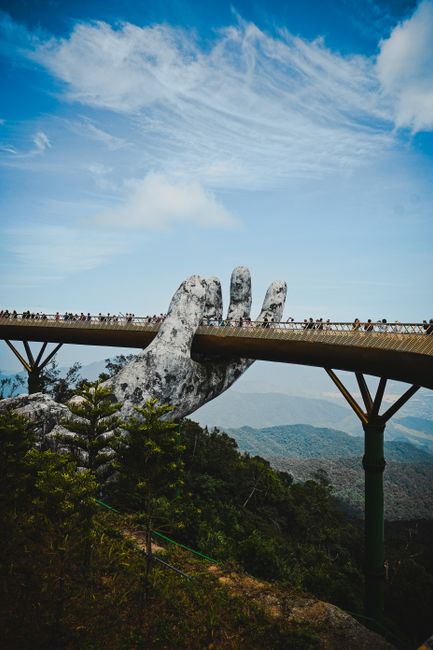
Vietnam stretches for more than 1,600 km (1,000 miles) down the eastern edge of mainland Southeast Asia, from the cool, terraced mountains on the Chinese border to the steamy rice bowl of the Mekong Delta, with a long coastline of beaches, bays and islands facing the South China Sea and the Gulf of Thailand in between. Few countries pack so much variety into a single trip: the thousand-year-old capital of Hanoi and the energy of Ho Chi Minh City, the limestone seascapes of Ha Long Bay and the river caves of Ninh Binh, the imperial city of Hue and the lantern-lit old town of Hoi An, trekking in Sa Pa, and beaches in Da Nang, Nha Trang and Phu Quoc. Its food is one of the great cuisines of Asia, travel is inexpensive, and trains, buses and cheap domestic flights link the main sights. A few things need planning: most visitors need an e-visa, though citizens of 22 European countries, Japan and South Korea can stay 45 days visa-free; the weather follows different seasons in the north, center and south; typhoons and floods hit the central coast from September to December; and the traffic, above all the motorbikes, takes getting used to. Vietnam welcomed an estimated 21.5 million foreign visitors in 2025, a record, and is aiming for 25 million in 2026.
Right now in Vietnam
- Wed 20–29°C 67–83°F Clear
- Thu 21–29°C 69–84°F Clear
- Fri 23–30°C 73–86°F Mostly clear
Weather: MET Norway (CC BY 4.0)
Multi-day tours of Vietnam
Multi-day tours from local operators. You check dates and book on Viator, our partner; we may earn a commission at no extra cost to you. How we earn money
Vietnam at a glance
Vietnam is a socialist republic in Southeast Asia, bordered by China to the north and Laos and Cambodia to the west, with a coastline on the Gulf of Tonkin, the South China Sea (called the East Sea in Vietnam) and the Gulf of Thailand. It covers about 331,000 km² (128,000 sq miles), slightly larger than New Mexico, and according to the National Statistics Office had about 102.3 million people in 2025. Hanoi is the capital; Ho Chi Minh City, still widely called Saigon, is the largest city and economic center. In 2025, Vietnam merged its 63 provinces into 34 provincial-level units and abolished the district level of local government; with Dong Nai, Quang Ninh and Bac Ninh becoming cities in 2026, the country now has nine centrally governed cities, Hanoi, Ho Chi Minh City, Hai Phong, Da Nang, Can Tho, Hue, Dong Nai, Quang Ninh and Bac Ninh, and 25 provinces. Many familiar names, such as Hoi An and Nha Trang, are now groups of wards rather than separate cities.
The official language is Vietnamese, written in the Latin alphabet with many accents; English is spoken in hotels and tourist areas, less elsewhere. Most people follow a blend of Buddhism, Confucianism, Taoism and ancestor worship, with significant Catholic, Cao Dai and Hoa Hao communities. Vietnam uses one time zone, Indochina Time (UTC+7), with no daylight saving time. Electricity is 220 V, with sockets for flat (type A) and round (type C) two-pin plugs. The currency is the dong (VND).
Vietnam’s regions
- The north: Hanoi, Ha Long Bay and the Gulf of Tonkin, Ninh Binh in the Red River Delta, and the mountains of the northwest (Sa Pa) and far north (Ha Giang, now part of Tuyen Quang province), home to many ethnic minority groups.
- The center: the narrow coastal strip from Phong Nha–Ke Bang’s caves (now in Quang Tri province) through Hue, Da Nang and Hoi An to Quy Nhon, with the Truong Son mountains along the Laos border.
- The south-central coast and highlands: Nha Trang, the beaches and dunes of Mui Ne and Phan Rang, and the cool Central Highlands, with Dalat and the coffee country around Buon Ma Thuot.
- The south: Ho Chi Minh City, the Mekong Delta with Can Tho and its floating markets, and the islands of Phu Quoc and Con Dao.
Regions
Where to go: cities, bays, mountains and beaches
A classic two-week first trip runs the length of the country, from Hanoi with Ha Long Bay and Ninh Binh, through Hue and Hoi An, to Ho Chi Minh City and the Mekong Delta, with a beach at the end. See our guides to each place:
- Hanoi: the capital’s Old Quarter and lakes, the Temple of Literature, the Imperial Citadel, and the best pho and bun cha in the country.
- Ho Chi Minh City: Saigon’s colonial landmarks, war history at the Independence Palace and the War Remnants Museum, street food, rooftop bars and the gateway to the Mekong Delta.
- Da Nang: a modern beach city with the Marble Mountains, Ba Na Hills and the central coast’s main airport.
- Ha Long Bay: the UNESCO bay of limestone islands, best seen on an overnight cruise.
- Hoi An: the lantern-lit UNESCO old town, tailors, rice-field cycling and nearby My Son.
- Nha Trang: the classic beach city, with island trips, diving and the Cham towers of Po Nagar.
- Phu Quoc: Vietnam’s largest island, with white-sand beaches, sunsets and its own 30-day visa exemption.
- Hue: the Nguyen dynasty’s Imperial City, royal tombs, the Perfume River and the DMZ.
- Sa Pa: rice terraces, trekking and homestays, and the cable car up Fansipan, the highest peak in Indochina.
- Ninh Binh: boat trips through the karsts and caves of Trang An and Tam Coc, two hours from Hanoi.
Other favorites include the caves of Phong Nha–Ke Bang National Park, among them Son Doong, the largest known cave in the world; the motorbike loop through the mountains of Ha Giang; the highland city of Dalat; the dunes and kitesurfing of Mui Ne; Can Tho and the Mekong Delta; the islands of Con Dao; and Quy Nhon’s quiet beaches.
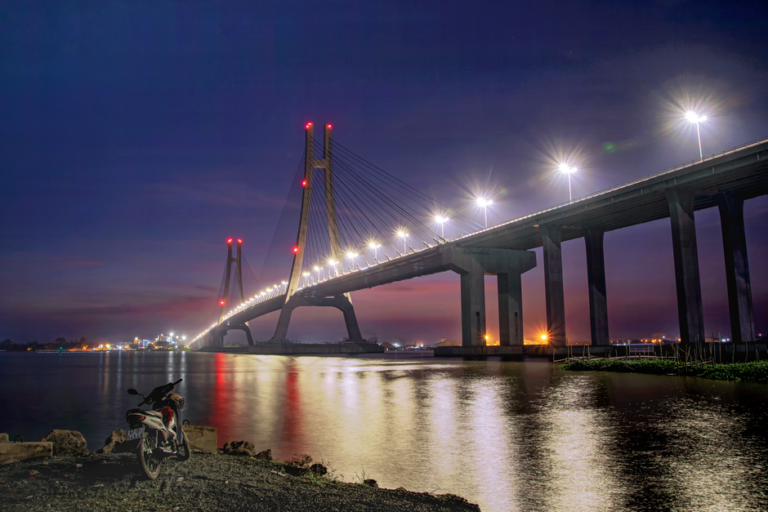
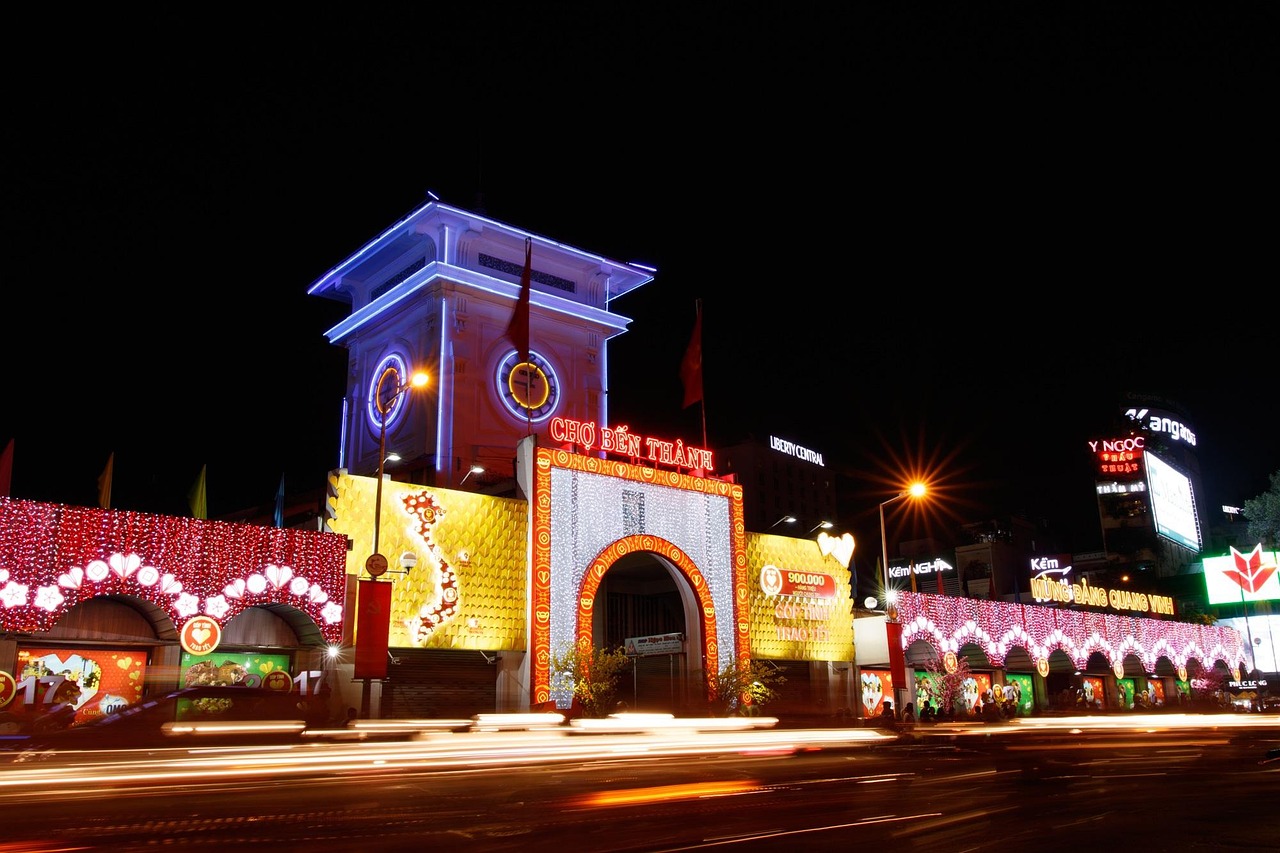
Can Tho Travel Guide
Plan a trip to Can Tho: Ninh Kieu, Cai Rang and Phong Dien and where to stay, the Cai Rang Floating Market hours and…
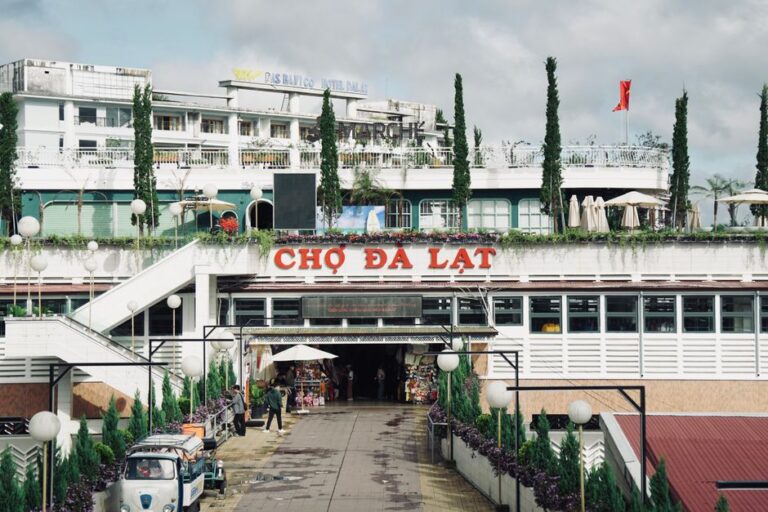
Da Lat Travel Guide
Plan a trip to Da Lat: the market area, Xuan Huong Lake, the villa quarter and Tuyen Lam Lake and where to stay, the…
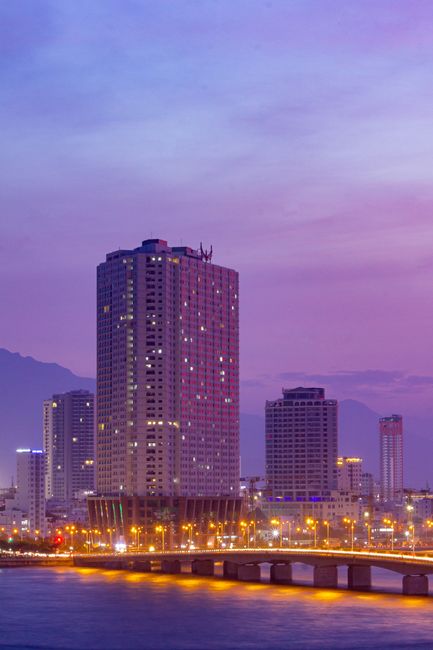
Da Nang Travel Guide
Plan a trip to Da Nang: the city center, My Khe beachfront, Son Tra and Non Nuoc and where to stay, the Marble Mountains,…
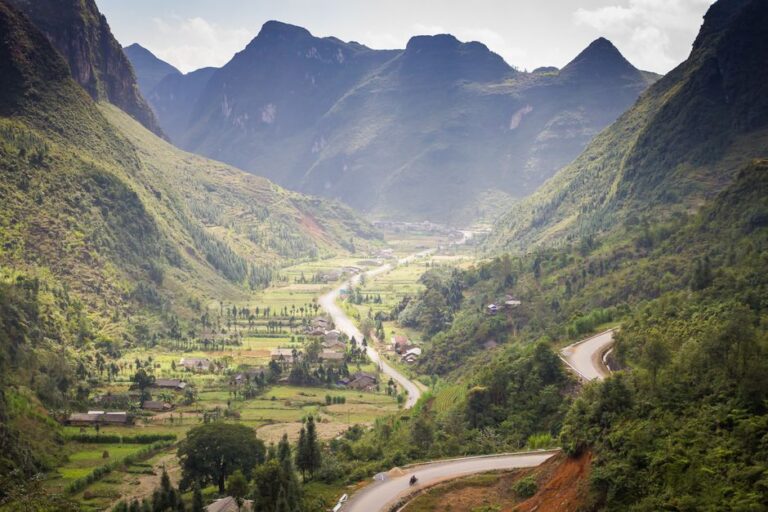
Ha Giang Travel Guide
Plan a trip to Ha Giang: the Ha Giang Loop route, Quan Ba Heaven Gate, Yen Minh, Lung Cu, Dong Van, the Ma Pi…
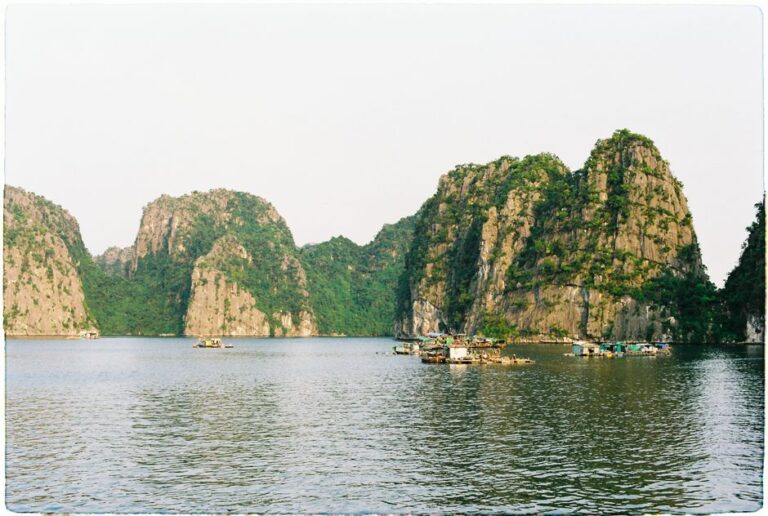
Ha Long Bay Travel Guide
Plan a trip to Ha Long Bay: Bai Chay, Tuan Chau, Hong Gai, Bai Tu Long and Lan Ha bays and where to stay,…
Hanoi Travel Guide
Plan a trip to Hanoi: the Old Quarter, Hoan Kiem Lake, the French Quarter, Ba Dinh and West Lake and where to stay, the…
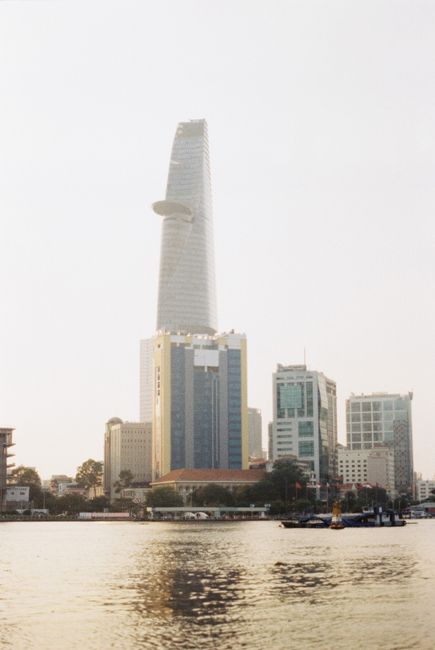
Ho Chi Minh City Travel Guide
Plan a trip to Ho Chi Minh City (Saigon): District 1, Pham Ngu Lao, District 3, Cho Lon and Thao Dien and where to…
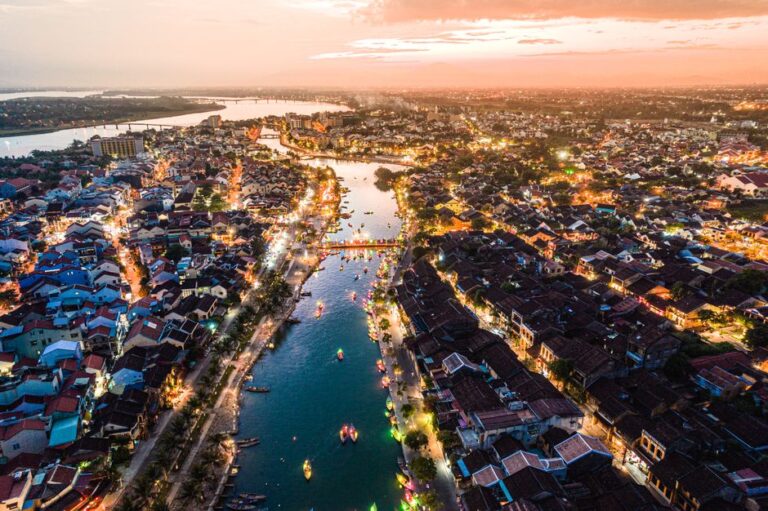
Hoi An Travel Guide
Plan a trip to Hoi An: the Ancient Town, An Hoi, Cam Nam, the rice-field villages and An Bang beach and where to stay,…
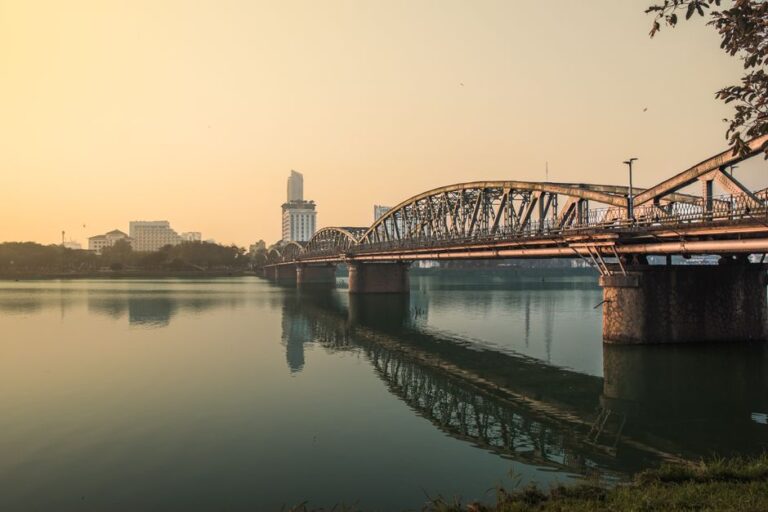
Hue Travel Guide
Plan a trip to Hue: the citadel, the south bank, the tombs countryside and the lagoon and where to stay, the Imperial City and…
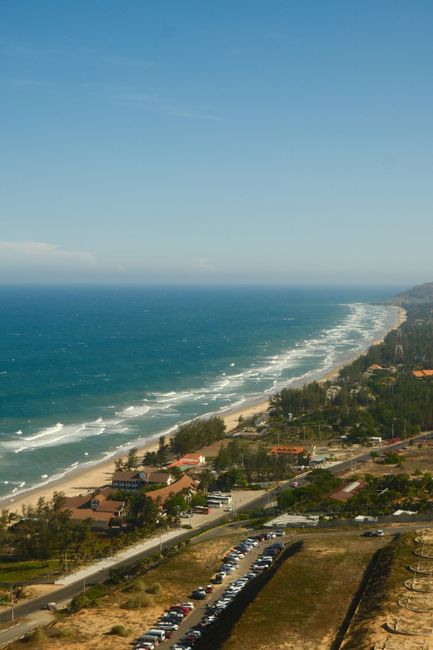
Mui Ne Travel Guide
Plan a trip to Mui Ne: the resort strip, the fishing village and Phan Thiet and where to stay, the White and Red Sand…
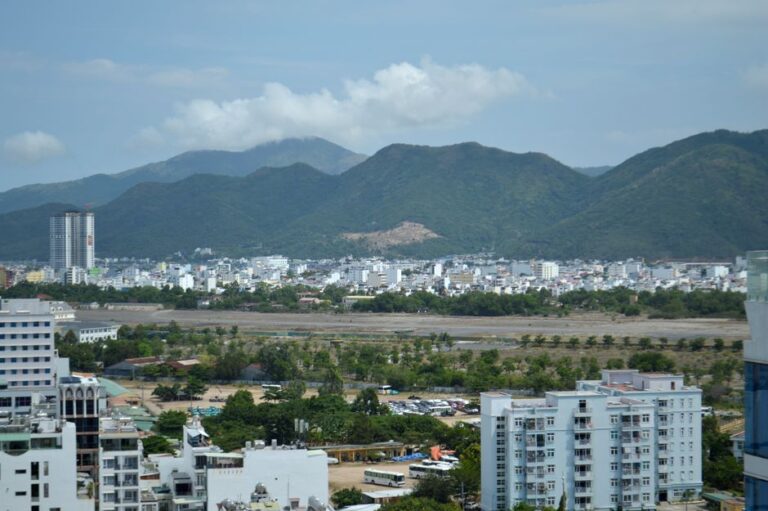
Nha Trang Travel Guide
Plan a trip to Nha Trang: the Tran Phu beachfront, the tourist quarter, the north and the bays of Bai Dai, Ninh Van and…
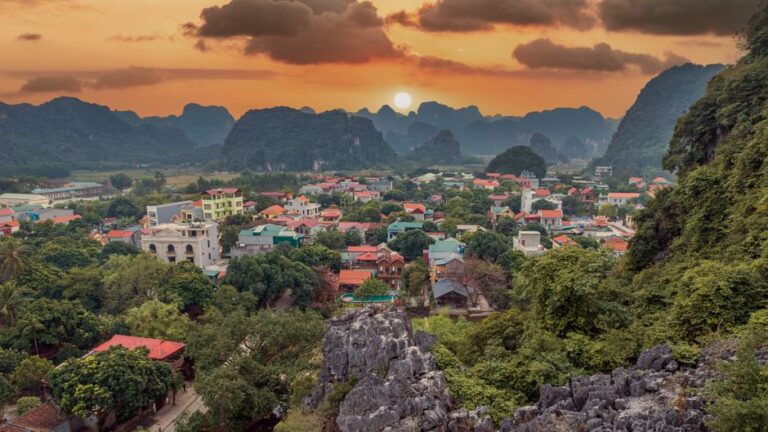
Ninh Binh Travel Guide
Plan a trip to Ninh Binh: Tam Coc, Trang An, Hoa Lu, the old city and Van Long and where to stay, the Trang…

Phong Nha–Ke Bang National Park Travel Guide
Plan a visit to Phong Nha–Ke Bang National Park: show cave tickets, Phong Nha Cave by boat, Paradise Cave and the Dark Cave, Son…
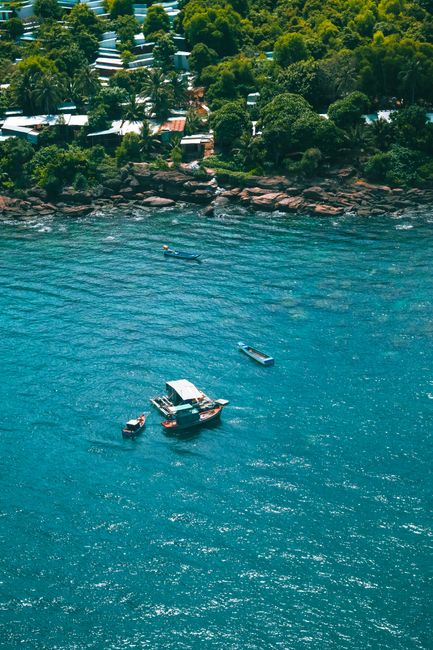
Phu Quoc Travel Guide
Plan a trip to Phu Quoc: Duong Dong, Long Beach, the north, the south and the east coast and where to stay, the 30-day…
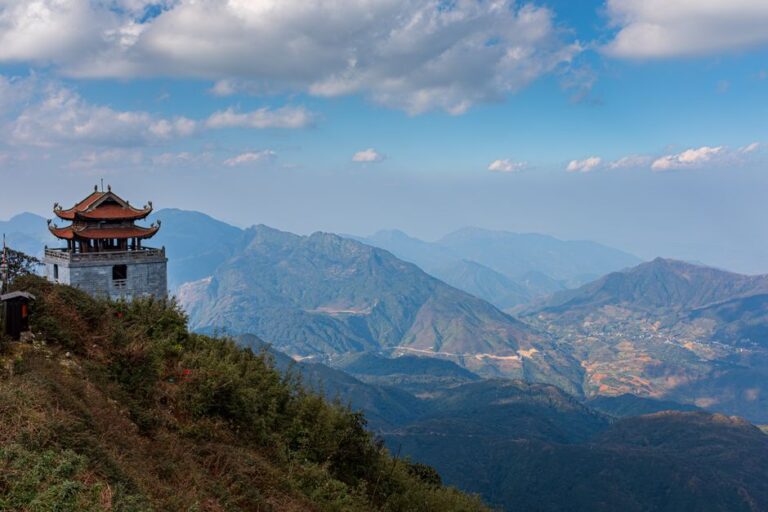
Sa Pa Travel Guide
Plan a trip to Sa Pa: the town, the Muong Hoa Valley, Cat Cat, Ta Van, Lao Chai and Ta Phin and where to…
Best time to visit Vietnam
Vietnam is long and narrow, so its weather varies more by region than by season, and there is always somewhere with good weather. The north, from Hanoi to Ha Long Bay and Sa Pa, has four seasons: a hot, humid and wet summer from May to September, a cool, often gray winter from December to February, and pleasant spring and autumn months. The central coast, from Hue to Hoi An, has a dry, hot season from about February to August and a rainy season from September to December, when typhoons and floods are most likely. The south-central coast around Nha Trang is dry for most of the year, with rain concentrated from September to December. The south, from Ho Chi Minh City to the Mekong Delta and Phu Quoc, is hot all year, with a dry season from December to April and a wet season, with short, heavy storms, from May to November. The highlands, such as Sa Pa and Dalat, are much cooler.
In practice, March to April and October to November are good months for a north-to-south trip, though central Vietnam is often wet in October and November; December to March is the best time for the south and Phu Quoc; and February to August is the best time for the central beaches.
The table shows rounded averages from the 1991–2020 climate normals of Vietnam’s National Center for Hydro-Meteorological Forecasting (NCHMF), as published by the World Meteorological Organization (WMO), for one station in each main travel area.
| Area (station) | January high / low | July high / low | Rain a year | Wettest months |
|---|---|---|---|---|
| North: Hanoi | 20 °C (68 °F) / 15 °C (58 °F) | 33 °C (92 °F) / 27 °C (80 °F) | about 1,630 mm (64 in) | July and August |
| Gulf of Tonkin: Hai Phong (for Ha Long Bay) | 20 °C (68 °F) / 15 °C (58 °F) | 32 °C (90 °F) / 26 °C (79 °F) | about 1,630 mm (64 in) | August |
| Central coast: Da Nang (for Hoi An and Hue) | 25 °C (77 °F) / 20 °C (67 °F) | 34 °C (94 °F) / 26 °C (79 °F) | about 2,400 mm (94 in) | October and November |
| South-central coast: Nha Trang | 27 °C (81 °F) / 22 °C (71 °F) | 33 °C (91 °F) / 26 °C (79 °F) | about 1,500 mm (59 in) | October and November |
| Central Highlands: Buon Ma Thuot | 27 °C (81 °F) / 18 °C (65 °F) | 30 °C (85 °F) / 22 °C (71 °F) | about 1,830 mm (72 in) | August and September |
| South: Ho Chi Minh City | 32 °C (90 °F) / 23 °C (74 °F) | 33 °C (91 °F) / 25 °C (77 °F) | about 1,650 mm (65 in) | September |
Vietnam month by month
| Month | Weather | Highlights | Crowds and prices |
|---|---|---|---|
| January | Cool and gray in the north; dry in the south; drizzly in the center | Dry season in the south and Phu Quoc; Tet travel begins late in the month in 2027 | High in the south and on Phu Quoc |
| February | Cool and misty in the north; drying in the center; dry in the south | Tet on February 6, 2027; flower markets and festivals | Very high around Tet; many businesses close |
| March | Mild in the north; warm and dry in the center and south | Spring festivals in Ninh Binh and the north; good north-to-south weather | Moderate |
| April | Warm across the country; the south’s hottest month | Hung Kings Commemoration Day; Reunification Day (April 30) | High over the April 30–May 1 holiday |
| May | Hot; rains start in the north and south | Water-filled terraces in Sa Pa; golden rice in Ninh Binh | Moderate |
| June | Hot, humid and wet in the north and south; dry in the center | Beach season in Da Nang and Hoi An | High on the central coast during school holidays |
| July | Hot and wet in the north and south; storms in the Gulf of Tonkin | Central beaches at their best | High at the beaches |
| August | The north’s wettest month; hot in the center | Ha Long cruises may be suspended by storms | High at the beaches |
| September | Rains easing in the north; rainy season begins in the center | National Day (September 2); golden terraces in Sa Pa; Mid-Autumn Festival (September or October) | Busy around National Day |
| October | Dry and pleasant in the north; very wet in the center | One of the best months for Hanoi, Ha Long and Sa Pa | Moderate |
| November | Cool and dry in the north; floods possible in the center; drying in the south | Vietnam Culture Day (November 24); dry season returns to Phu Quoc | Moderate |
| December | Cool in the north; wet in the center early in the month; dry in the south | Christmas in Saigon and Hanoi; peak season on Phu Quoc | High in the south |
Typhoons and floods
Tropical storms and typhoons from the South China Sea affect Vietnam’s eastern coast mainly from about May to November, and the central coast most often from September to December, together with prolonged heavy rain that floods rivers, towns and heritage sites. Between October 25 and 30, 2025, two rounds of flooding inundated parts of Hue’s Imperial City and left 24 people dead or missing across central Vietnam, according to the government. In the north, storms reach the Gulf of Tonkin mainly from July to September; in August 2026, heavy rain from Storm No. 4 suspended the international train between Hanoi and Nanning. During storms, the authorities can close airports, roads, mountain passes and Ha Long Bay to boats at short notice. Follow forecasts from the National Center for Hydro-Meteorological Forecasting (nchmf.gov.vn) and the instructions of local authorities, and build flexibility into a trip to the center in the rainy season.
Tet and other holidays
- Tet (Lunar New Year): Vietnam’s biggest festival, when families gather and much of the country shuts down for a week or more. Lunar New Year’s Day falls on February 6, 2027, and the Government Office has announced that civil servants will be off from February 2 to 10. Trains, buses and flights sell out weeks ahead; Vietnam Railways began selling tickets for the Tet travel period, from January 23 to February 25, 2027, on September 5, 2026. Many restaurants and shops close for several days, while temples, flower markets and public celebrations are lively.
- Hung Kings Commemoration Day: the 10th day of the third lunar month, in April.
- Reunification Day and May Day: April 30 and May 1, a long holiday when domestic travel peaks.
- National Day: September 2; in 2027, the break will run from September 2 to 5.
- Vietnam Culture Day: November 24, the newest of the country’s 12 paid public holidays.
- Mid-Autumn Festival: on the 15th day of the eighth lunar month, with lanterns and mooncakes, especially in Hanoi and Hoi An.
How long to stay: sample itineraries
- 7 days: Hanoi (2 nights), a Ha Long Bay cruise (1), Ninh Binh (1), then fly to Da Nang for Hoi An (2); or Ho Chi Minh City (2), the Mekong Delta (1) and Phu Quoc (3).
- 10 days: Hanoi (2), Ha Long Bay (1), Ninh Binh (1), fly to Hue (2), Hoi An (3), fly out from Da Nang.
- 14 days: Hanoi (2), Sa Pa (2), Ha Long Bay (1), Ninh Binh (1), Hue (2), Hoi An (3), Ho Chi Minh City (2) and the Mekong Delta (1).
- Three weeks: add Phong Nha’s caves between Ninh Binh and Hue, Nha Trang or Dalat between Hoi An and Ho Chi Minh City, and four days on Phu Quoc at the end.
Entry, money and costs
Visas and the e-visa (last reviewed October 2026)
According to the Government of Vietnam, citizens of all countries and territories can apply for an e-visa, valid for up to 90 days for single or multiple entries; the fee is US$25 for a single-entry and US$50 for a multiple-entry e-visa, paid online and not refunded if the visa is refused. Apply only through the Immigration Department’s official portal, evisa.gov.vn; many lookalike sites charge extra fees. E-visa holders can enter and leave through designated airports, land borders and seaports, which the government expanded to 83 border gates in December 2025, including all the main international airports. E-visas are the route for visitors from countries such as the United States, Canada, Australia, New Zealand, India, Ireland, Austria and Portugal, which are not on Vietnam’s visa-exemption lists.
Visa-free stays
- 45 days, until March 14, 2028: citizens of Germany, France, Italy, Spain, the United Kingdom, Russia, Japan, South Korea, Denmark, Sweden, Norway and Finland, according to the government.
- 45 days, from August 15, 2025, to August 14, 2028: citizens of Belgium, Bulgaria, Croatia, the Czech Republic, Hungary, Luxembourg, the Netherlands, Poland, Romania, Slovakia, Slovenia and Switzerland.
- Under agreements with Vietnam: citizens of the other ASEAN countries and some other countries, including Chile and Panama, are visa-exempt for stays that depend on the agreement, commonly 30 days for most of Vietnam’s ASEAN neighbors and shorter for some; where an agreement sets no period, the government grants 30 days.
On arrival, check the date stamped in your passport. Your passport should be valid for at least six months from arrival and be undamaged, and you must enter and leave on the same passport, according to the UK government’s entry page. Overstaying leads to fines and can lead to deportation.
Phu Quoc’s 30-day visa exemption
Under a special policy, foreign tourists can stay on Phu Quoc island for up to 30 days without a visa, as long as they remain on the island, according to the government. It is ideal for a beach break flown in directly from abroad; if you want to see the mainland as well, apply for the e-visa. See our Phu Quoc guide.
Arrival forms and health declarations
According to the UK government’s entry page, since April 15, 2026, foreign nationals arriving at Tan Son Nhat airport in Ho Chi Minh City have been encouraged, but not required, to complete an online digital arrival card before arrival, and this may be extended. Vietnam’s Ministry of Health has said that a health declaration under a 2026 decree is not required routinely for all travelers from July 1, 2026, and will be activated only in the event of an infectious disease outbreak.
Customs
According to the UK government’s entry page, you must declare cash over US$5,000 (or the equivalent) or 15 million dong when entering or leaving Vietnam. Vapes and vaping products are banned. Drug offenses carry very heavy penalties, including the death penalty for serious trafficking. Carry prescription medicines in their original packaging with the prescription; psychotropic and addictive medicines are limited to seven days’ supply without a doctor’s letter.
Money and cards
The currency is the dong (VND); notes run from 1,000 to 500,000 dong, and the higher-value polymer notes look alike, so check carefully. On October 3, 2026, Vietcombank’s transfer rate was about 25,790 dong to the US dollar; prices on this site use about 26,000. Cash is still king at street stalls, markets, small hotels and in rural areas, but Vietnam’s bank QR payments are everywhere, Visa and Mastercard are accepted in hotels, malls, chain restaurants and many tourist businesses, and ATMs are common in towns. Change money only at banks or licensed exchange counters. When a card machine offers to charge in your home currency, choose dong.
Tipping
Tipping is not traditional in Vietnam, but it is welcome in the tourism industry. Round up taxi fares, leave small change in local restaurants, and tip guides, drivers, boat rowers and cruise crews if you are happy with their service; some upscale hotels and restaurants add a service charge.
What a trip costs
Prices are approximate, for October 2026, converted at about 26,000 dong to the US dollar.
| Item | Typical cost |
|---|---|
| Bowl of pho or plate of com tam at a street stall | 30,000–70,000 VND (about US$1.15–2.70) |
| Dinner in a mid-range restaurant | 200,000–450,000 VND (about US$7.70–17) per person |
| Iced coffee at a local café | 20,000–45,000 VND (about US$0.75–1.75) |
| Grab car across a city center | 50,000–150,000 VND (about US$1.90–5.80) |
| Sleeper train berth, Hanoi to Hue | 900,000–1,500,000 VND (about US$35–58) |
| Domestic flight, Hanoi to Ho Chi Minh City, booked ahead | 1,200,000–2,800,000 VND (about US$46–108) |
| Overnight Ha Long Bay cruise, mid-range, per person | 3,000,000–6,000,000 VND (about US$115–230) |
| Entry to a major heritage site | 70,000–300,000 VND (about US$2.70–11.50) |
| Mid-range hotel double, per night | 700,000–2,000,000 VND (about US$27–77) |
A comfortable mid-range trip costs roughly 1,500,000–2,500,000 VND (about US$58–96) per person per day, sharing a double room; backpackers using hostels, street food and buses can manage on 700,000–1,000,000 VND (about US$27–38).
Getting there and getting around
Airports
Most international flights arrive at Noi Bai (HAN) in Hanoi and Tan Son Nhat (SGN) in Ho Chi Minh City, with direct flights from across Asia, Australia, the Middle East, Europe and the United States. Da Nang (DAD), Cam Ranh (CXR) for Nha Trang and Phu Quoc (PQC) have many regional international flights. The government has set the last quarter of 2026 as the target for the first commercial flights at the new Long Thanh International Airport, east of Ho Chi Minh City; until it opens, Tan Son Nhat handles the city’s flights. From Thailand, Malaysia, Singapore, Hong Kong, South Korea, Japan and Taiwan, there are frequent direct flights; see our Thailand, Malaysia, Singapore, Hong Kong, South Korea, Japan and Taiwan guides.
Land borders
Vietnam has land crossings with China (including Lao Cai–Hekou and Huu Nghi near Lang Son), Laos (including Lao Bao, Cau Treo and Tay Trang) and Cambodia (including Moc Bai–Bavet on the Ho Chi Minh City–Phnom Penh road, Tinh Bien and Ha Tien, and the Mekong River crossing at Vinh Xuong for boats from Phnom Penh). Check that the crossing you plan to use is open to e-visa holders, and get any visa you need for Cambodia, Laos or China in advance. An international passenger train links Hanoi’s Gia Lam station with Nanning in China.
Trains: the Reunification Express
Vietnam Railways (VNR) runs the single-track north–south railway, known as the Reunification Express, between Hanoi and Saigon Station in Ho Chi Minh City, via Ninh Binh, Hue, Da Nang and Nha Trang. The full journey takes well over a day, but the sections between Hanoi and Hue overnight, Hue and Da Nang along the coast, and Nha Trang and Ho Chi Minh City overnight are popular with visitors. Trains have soft seats and four-berth soft sleeper and six-berth hard sleeper compartments; book on the official site, dsvn.vn, or at stations, and book early for Tet and holidays. Overnight trains also run from Hanoi to Lao Cai for Sa Pa. Since August 28, 2026, a tourist train with swiveling seats has run between Hue and Dong Hoi for Phong Nha, and in September 2026 VNR trialed a premium tourist train between Hanoi and Ninh Binh. The government plans to start building a 1,541 km (958-mile) North–South high-speed railway in December 2027, cutting the Hanoi–Ho Chi Minh City journey to about 5.5 hours once complete.
Domestic flights
Domestic flights are cheap, frequent and the fastest way to cover long distances: Hanoi to Ho Chi Minh City takes about 2 hours 10 minutes. The main airlines are Vietnam Airlines, Vietjet Air, Bamboo Airways and Vietravel Airlines, and Phu Quoc, Da Nang, Nha Trang, Hue, Dalat, Quy Nhon, Dong Hoi, Con Dao and many other cities have airports. Fares rise sharply around Tet and summer holidays.
Buses, limousine vans and Grab
Long-distance sleeper buses, with reclining berths, and more comfortable limousine vans link all towns, often with hotel pickup; “open-tour” buses let backpackers hop between the main tourist towns. In cities, Grab, the regional ride-hailing app, and Xanh SM, a fleet of electric taxis and motorbike taxis, are the easiest and safest way to get around, with prices shown in advance; metered taxis from large companies are also reliable. Hanoi and Ho Chi Minh City have growing metro networks, including Ho Chi Minh City’s Metro Line 1, inaugurated in 2025.
Driving and motorbikes
Vietnamese drive on the right. To drive a car or ride a motorbike, you need a license valid in Vietnam: Vietnam recognizes international driving permits issued under the 1968 Vienna Convention, carried with your home license; permits under the 1949 convention, such as those issued in the United States, are not accepted. Helmets are compulsory for motorbike drivers and passengers, drink-driving rules allow no alcohol, and you need third-party insurance. Most visitors use buses, Grab or a car with driver.
National parks, caves and World Heritage Sites
Vietnam has nine UNESCO World Heritage Sites:
- Ha Long Bay – Cat Ba Archipelago: the limestone seascape off Quang Ninh and Hai Phong. See our Ha Long Bay guide.
- Phong Nha–Ke Bang National Park: a karst landscape with hundreds of caves, among them Son Doong, the largest known cave in the world, which can be visited only on a limited number of expensive multi-day expeditions; shorter adventure caving trips visit other caves.
- Trang An Landscape Complex: Vietnam’s mixed cultural and natural site, in Ninh Binh. See our Ninh Binh guide.
- Complex of Hue Monuments, Hoi An Ancient Town and My Son Sanctuary: the cultural treasures of the central coast.
- Imperial Citadel of Thang Long in Hanoi and the Citadel of the Ho Dynasty in Thanh Hoa.
- Yen Tu–Vinh Nghiem–Con Son, Kiep Bac: a complex of Buddhist monuments and landscapes in the northeast.
Other natural highlights include Cuc Phuong and Cat Tien national parks, the Hoang Lien mountains and Fansipan, the Mekong Delta’s mangroves and the reefs of Nha Trang, Con Dao and Phu Quoc. See our hiking, diving, snorkeling and boat trips guides.
Culture, food and everyday etiquette
Food
Vietnamese food is fresh, herb-laden and balanced between sweet, sour, salty and spicy, and every region has its own specialties. Essentials include pho, the beef or chicken noodle soup born in the north; bun cha, Hanoi’s grilled pork with noodles; banh mi, the baguette sandwich; goi cuon, fresh spring rolls; bun bo Hue, the spicy noodle soup of Hue; cao lau and mi Quang on the central coast; com tam, broken rice with grilled pork, in Saigon; and Mekong Delta fruit, fish and banh xeo pancakes. Meals are seasoned with nuoc mam, fish sauce, the best of it from Phu Quoc. Vietnamese coffee, strong and often iced with condensed milk, is a national obsession, and fresh bia hoi draft beer is sold cheaply in the north. Street food is generally safe at busy stalls where food is cooked fresh.
Etiquette
Vietnamese people are friendly, curious and hospitable. Dress modestly away from the beach, and cover shoulders and knees in pagodas, temples and at the Ho Chi Minh Mausoleum; remove your shoes when entering homes and some temples. Use both hands, or your right hand, to give and receive things, and wait for the eldest to start eating. Avoid public displays of anger; losing face is taken seriously, and a calm smile solves more problems than raised voices. Ask before photographing people, especially members of ethnic minority communities. Bargain politely in markets, but not in shops with fixed prices. Carry photo identification or a copy of your passport and visa at all times, as the authorities may ask for it. Photography near military sites is not allowed, and some border areas require permits.
Safety, health and connectivity
Vietnam is generally safe for visitors, and violent crime is rare. These are the main things to know:
- Traffic and motorbikes: road accidents are the biggest risk. Cross streets at a slow, steady pace; use Grab or licensed taxis; and ride a motorbike only if you are experienced, licensed (with a 1968-convention international driving permit and your home license) and wearing a helmet, which is compulsory. If you are involved in an accident, the police may prevent you from leaving the country until the case is settled.
- Mountain roads: the roads of the far north, including the Ha Giang Loop and the passes around Sa Pa, are steep, winding and often wet or foggy, with trucks and landslides after heavy rain; many visitors ride as passengers with experienced local drivers.
- Typhoons and floods: the central coast is at greatest risk from September to December; follow NCHMF forecasts and local instructions, and expect closures.
- Unexploded ordnance: according to Vietnam’s National Mine Action Center, about 6.1 million hectares, or 18.71% of the country, are contaminated or suspected of contamination by bombs, mines and explosives left from past wars, and central provinces, including the former DMZ around Quang Tri, have had the most casualties. Stay on marked paths and roads at battlefield sites, never pick up metal objects, and visit with a guide.
- Boats: standards vary. In February 2026, a cruise boat caught fire on Ha Long Bay, with all passengers evacuated, and in July 2026, a tourist boat capsized in bad weather off Phu Quoc with heavy casualties, according to the government. Use licensed operators, check the weather and wear a life jacket on small boats.
- Petty crime and scams: phone and bag snatching by thieves on motorbikes is common in Ho Chi Minh City and Hanoi, especially around Tet and Christmas; carry bags away from the road. Overcharging by unlicensed taxis and some cyclo drivers is the most common scam.
- Alcohol: methanol-contaminated spirits have caused deaths; drink sealed, branded bottles.
- Health: dengue fever occurs throughout Vietnam, so use insect repellent; drink bottled or filtered water; air pollution is often high in Hanoi in winter; and some medicines sold locally are counterfeit. Private international clinics in the big cities are good but expensive; have travel insurance.
- Emergencies: call 113 for police, 114 for fire and 115 for an ambulance.
Mobile coverage is good in cities and along main routes, and patchy in remote mountains. Prepaid SIM cards and eSIMs from Vietnamese networks are sold at airports and shops and must be registered with your passport; free Wi-Fi is nearly universal in hotels and cafés.
Things to do: food, cruises, treks and beaches
Eat your way through Hanoi and Saigon, cruise Ha Long Bay, row through the caves of Ninh Binh, trek between rice terraces in Sa Pa, cycle around Hoi An, explore Hue’s tombs, ride the Reunification Express along the central coast, snorkel off Nha Trang and Phu Quoc, and drink coffee in the Central Highlands. See our city sightseeing, beaches, cycling and surfing guides.
Vietnam travel FAQ
Do I need a visa to visit Vietnam?
It depends on your passport. Citizens of 22 European countries, Japan and South Korea can stay 45 days without a visa, and ASEAN citizens and a few others are exempt under agreements. Everyone else, including visitors from the United States, Canada, Australia, New Zealand and India, needs an e-visa.
How long is the Vietnam e-visa valid?
Up to 90 days, for single or multiple entries. The fee is US$25 for a single-entry and US$50 for a multiple-entry e-visa, paid online at evisa.gov.vn.
Which countries can visit Vietnam visa-free for 45 days?
Germany, France, Italy, Spain, the United Kingdom, Russia, Japan, South Korea, Denmark, Sweden, Norway and Finland (until March 14, 2028), and Belgium, Bulgaria, Croatia, the Czech Republic, Hungary, Luxembourg, the Netherlands, Poland, Romania, Slovakia, Slovenia and Switzerland (until August 14, 2028).
Can I visit Phu Quoc without a visa?
Yes. Foreign tourists can stay up to 30 days on Phu Quoc without a visa if they stay on the island. To visit the mainland too, you need an e-visa.
When is Tet in 2027?
Lunar New Year’s Day is February 6, 2027. Civil servants will be off from February 2 to 10, and transportation is booked solid around those dates.
What is the best time to visit Vietnam?
For a north-to-south trip, March to April. The north is best in October to November and March to April, the central coast from February to August, and the south from December to April.
When is typhoon season in Vietnam?
Storms can affect the eastern coast from about May to November, and the central coast is most at risk from September to December, with floods in October and November.
How do I travel from Hanoi to Ho Chi Minh City?
By domestic flight in about 2 hours 10 minutes, or by Reunification Express train in well over a day, often broken into sections with stops in Hue, Da Nang or Nha Trang.
Can I use Grab in Vietnam?
Yes. Grab works in all major cities and tourist areas for cars, motorbike taxis and food delivery; Xanh SM electric taxis are a widely used alternative.
Can I ride a motorbike in Vietnam?
Only with a license valid in Vietnam, such as an international driving permit issued under the 1968 Convention together with your home license, and always with a helmet. US-issued permits are not valid.
How much money do I need per day in Vietnam?
About 1,500,000–2,500,000 VND (US$58–96) per person for a comfortable mid-range trip, or 700,000–1,000,000 VND (US$27–38) on a budget.
Is Vietnam safe for tourists?
Yes, generally. The main risks are traffic, petty theft in the big cities, typhoons and floods in the center from September to December, and unexploded ordnance at old battlefields.
Is the Long Thanh airport open?
Not yet. The government aims to start commercial flights in the last quarter of 2026; until then, Ho Chi Minh City’s flights use Tan Son Nhat.
Sources and last review
Researched and last reviewed on 4 October 2026. E-visa validity, fees and border gates, visa-free countries and dates, the Phu Quoc exemption, the 30-day default for treaty exemptions, the health declaration, Tet 2027 holiday dates, the 2027 National Day break and paid holidays, population, visitor numbers and targets, the 2025 provincial mergers and the 2026 centrally governed cities, Long Thanh airport, Ho Chi Minh City’s metro, the October 2025 floods, the Ha Long Bay boat fire, the Phu Quoc boat accident and the North–South high-speed railway: the Government of Vietnam’s news portal (en.baochinhphu.vn); the 2023 e-visa and exemption policy summary: the Vietnam National Administration of Tourism; Tet train tickets, the Hanoi–Nanning train suspension and tourist trains: Vietnam Railways; climate normals: Vietnam’s National Center for Hydro-Meteorological Forecasting (NCHMF), via the World Meteorological Organization’s World Weather Information Service; unexploded ordnance: Vietnam National Mine Action Center; exchange rate: Vietcombank. The digital arrival card, passport validity, cash declaration limits, vape ban, medicine rules, the 1968-convention driving permit, helmet and accident rules, and storm-season dates are from the UK government’s factual entry and safety pages. Stay lengths under bilateral agreements, the country’s area, the number of World Heritage Sites, airline names, border crossings, train classes and journey times, and typical prices are general references or estimates, flagged for checking. Rules and prices change, so check the official sites before you go.
Plugs and power in Vietnam
Vietnam uses 220 V, 50 Hz and these plugs (left) and wall sockets (right):
Most sockets take both flat (A) and round (C) pins.
All plug types and voltages by country → · Check what you need to pack →
Plan your trip
Partner links: TravelerCenter may earn a commission if you book, at no extra cost to you.
🇻🇳 Useful Vietnamese phrases for Vietnam
All 38 Vietnamese phrases: restaurant, hotel, emergencies, romance (printable) →