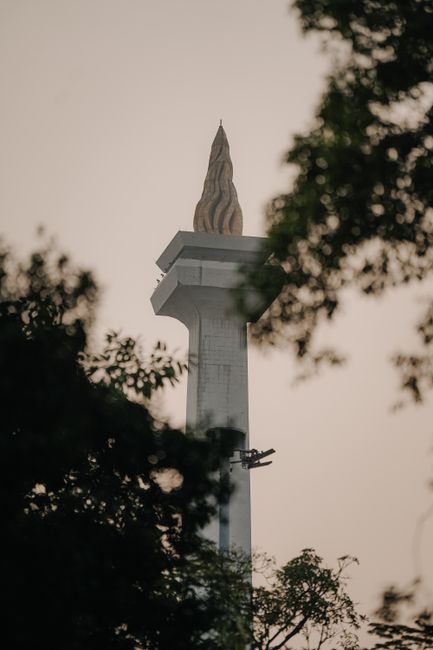
Indonesia is the world’s largest archipelago, a chain of more than 17,000 islands strung for over 5,000 km (3,100 miles) along the equator between mainland Asia and Australia. It holds an astonishing range of places: the Hindu temples, rice terraces and surf beaches of Bali, the volcanoes and royal courts of Java, the great Buddhist monument of Borobudur, the dragons and coral reefs of Komodo, the car-free Gili Islands and the crater lake of Mount Rinjani on Lombok, plus a sprawling, energetic capital in Jakarta. A first trip usually centers on Bali, often combined with Lombok and the Gilis, Nusa Penida, or a flight east to Labuan Bajo for Komodo National Park; a second trip adds Java, with Yogyakarta’s temples and Jakarta’s museums and food. Travel is affordable, people are welcoming and the food is superb. A few things need planning, though: most visitors buy a visa on arrival or an e-VOA, everyone must file the All Indonesia arrival card, Bali charges every foreign visitor a tourist levy, Komodo and Rinjani have their own tickets and rules, and the year divides into a dry season and a rainy season that shape the best time to go.
Right now in Indonesia
- Wed 24–34°C 75–94°F 17 mm Showers
- Thu 25–32°C 76–89°F 3 mm Showers
- Fri 26–31°C 79–88°F 1 mm Clear
Weather: MET Norway (CC BY 4.0)
Multi-day tours of Indonesia
Multi-day tours from local operators. You check dates and book on Viator, our partner; we may earn a commission at no extra cost to you. How we earn money
Indonesia at a glance
The Republic of Indonesia stretches across Southeast Asia and Oceania, from Sumatra in the west to Papua in the east, and shares land borders with Malaysia (on Borneo), Timor-Leste (on Timor) and Papua New Guinea (on New Guinea). It covers about 1.9 million km² (735,000 sq miles) of land, nearly three times the size of Texas, and has more than 280 million people, the fourth-largest population in the world; more than half live on Java. Most Indonesians are Muslim, but Bali is overwhelmingly Hindu, and there are large Christian communities in the east and north.
The national language is Indonesian (Bahasa Indonesia), written in the Latin alphabet and easy to pick up for basic phrases; hundreds of regional languages, from Javanese to Balinese and Sasak, are spoken at home. English is widely spoken in Bali’s tourist areas, on the Gilis and in Labuan Bajo, and less so elsewhere. Indonesia has three time zones, with no daylight saving time: Western Indonesia Time (WIB, UTC+7) on Sumatra and Java, including Jakarta and Yogyakarta; Central Indonesia Time (WITA, UTC+8) on Bali, Lombok, the Gilis, Flores and Labuan Bajo; and Eastern Indonesia Time (WIT, UTC+9) in Maluku and Papua. Electricity is 230 V with round two-pin sockets (types C and F). The currency is the rupiah. Indonesians drive on the left.
Indonesia’s regions
- Sumatra: the big western island, with Lake Toba, the orangutans of Bukit Lawang, Aceh’s beaches and the Mentawai surf islands.
- Java: the crowded heartland, with Jakarta, Bandung, Yogyakarta and Solo, the temples of Borobudur and Prambanan, and volcanoes such as Bromo and Ijen in the east.
- Bali and Nusa Tenggara (the Lesser Sunda Islands): Bali and the Nusa islands, then east to Lombok, the Gilis, Sumbawa, Komodo, Flores, Sumba and Timor.
- Kalimantan: the Indonesian part of Borneo, with rainforest rivers, orangutans in Tanjung Puting and the site of Nusantara, the planned new capital.
- Sulawesi: the orchid-shaped island of Toraja’s highland villages and the reefs of Bunaken and Wakatobi.
- Maluku and Papua: the old Spice Islands, and Raja Ampat’s world-class diving in Southwest Papua.
Where to go: Bali, Java, Lombok and Komodo
A two-week first trip usually combines Bali (with Ubud and a beach area) with either Lombok and the Gilis or a few days in Labuan Bajo for Komodo National Park; with three weeks you can add Java. See our guides to each of these places:
- Bali: the “Island of the Gods,” with Hindu temples, daily offerings and ceremonies, rice terraces, volcanoes, surf beaches, diving and the widest choice of places to stay in Indonesia.
- Ubud: Bali’s cultural center in the green hills, with the Sacred Monkey Forest, rice-terrace walks, art museums, nightly dance performances, yoga and spas.
- Kuta: Bali’s original beach resort near the airport, with Legian and Seminyak, a long sand beach, beginner surf, shopping and nightlife.
- Canggu: a surf coast of black-sand beaches, cafés, beach clubs and rice fields north of Seminyak, popular with surfers and remote workers.
- Nusa Penida: a rugged island off Bali’s southeast coast with Kelingking Beach’s famous cliff, manta rays and wild coastal viewpoints, plus its quieter neighbors Nusa Lembongan and Ceningan.
- Lombok: Bali’s larger, quieter neighbor, with Mount Rinjani, Indonesia’s second-highest volcano, waterfalls, Sasak villages and the surf beaches around Kuta Lombok and Mandalika.
- Gili Islands: three small coral islands off Lombok, Gili Trawangan, Gili Meno and Gili Air, with no cars or motorbikes, turtles on the reefs and sunset views of Bali’s Mount Agung.
- Labuan Bajo: the harbor town on Flores that is the gateway to Komodo National Park, its dragons, Padar’s viewpoint, pink beaches and manta-ray dives.
- Yogyakarta: Java’s cultural capital, a city of sultans, batik and gamelan, and the base for Borobudur, Prambanan and Mount Merapi.
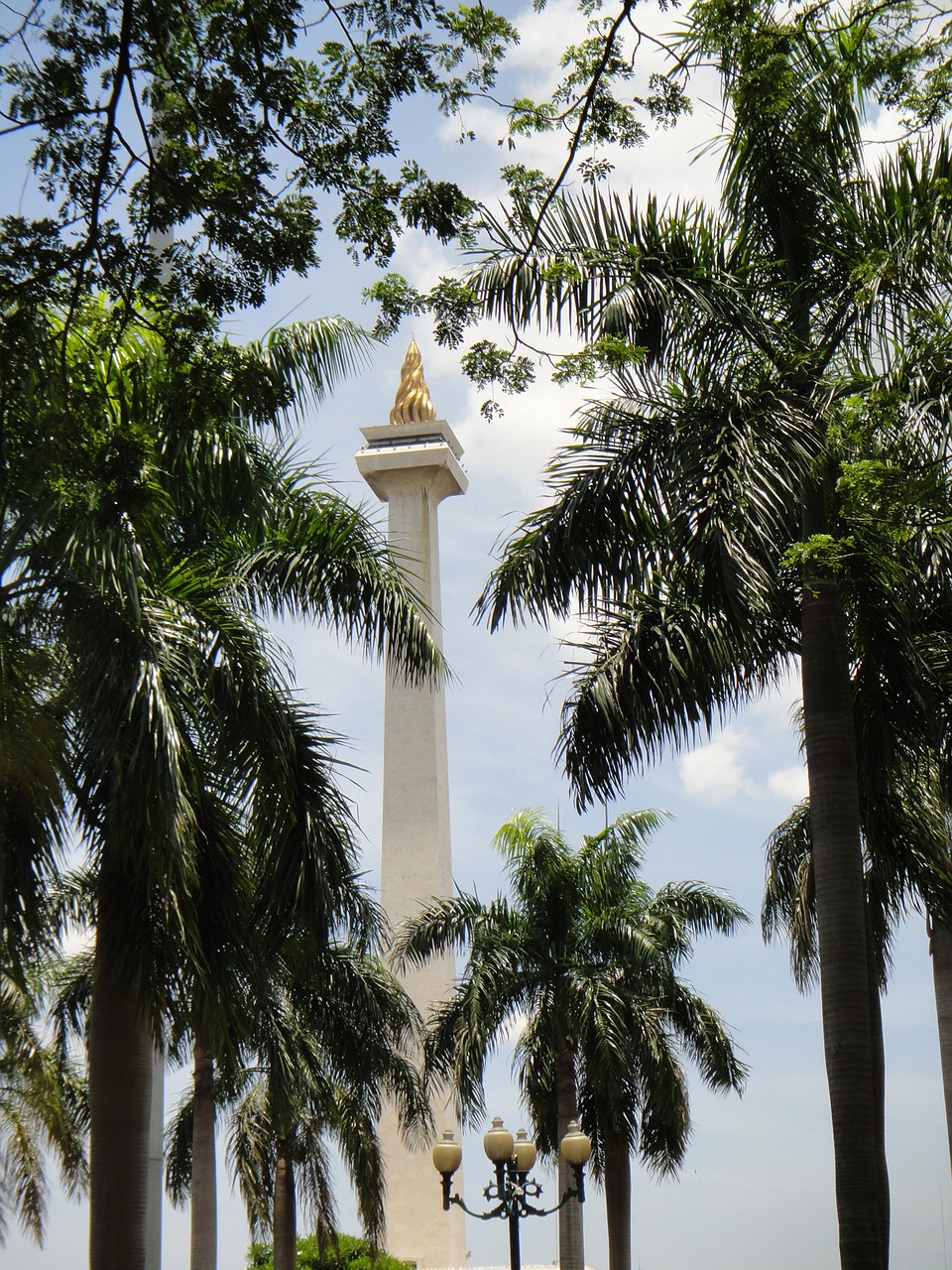
- Jakarta: the vast capital, with the old Dutch quarter of Kota Tua, the National Monument, the Istiqlal Mosque, excellent food, a new MRT and the Whoosh high-speed train to Bandung.
Other favorites include Mount Bromo and the Ijen crater in East Java, Lake Toba in North Sumatra, the orangutans of Bukit Lawang and Tanjung Puting, Toraja on Sulawesi, the reefs of Raja Ampat, Sumba’s traditional villages, and Sanur on Bali.
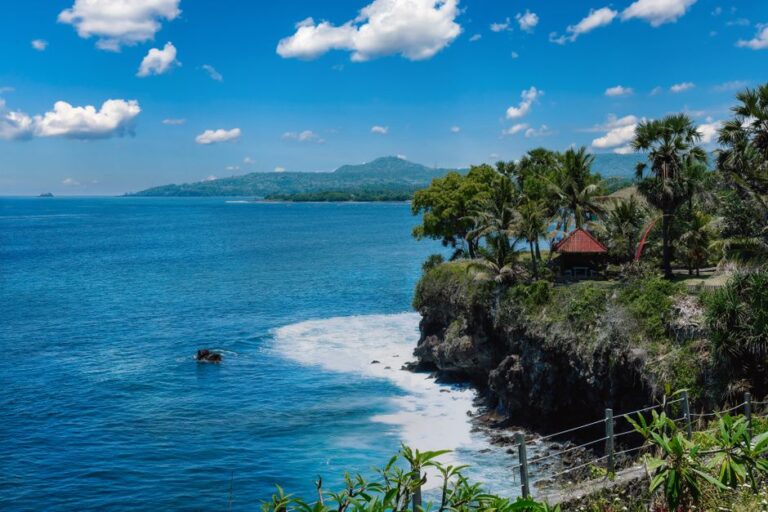
Bali Travel Guide
Plan a trip to Bali: Kuta and Seminyak, Canggu, Uluwatu and the Bukit, Sanur, Ubud and the east and north, Uluwatu and Tanah Lot…
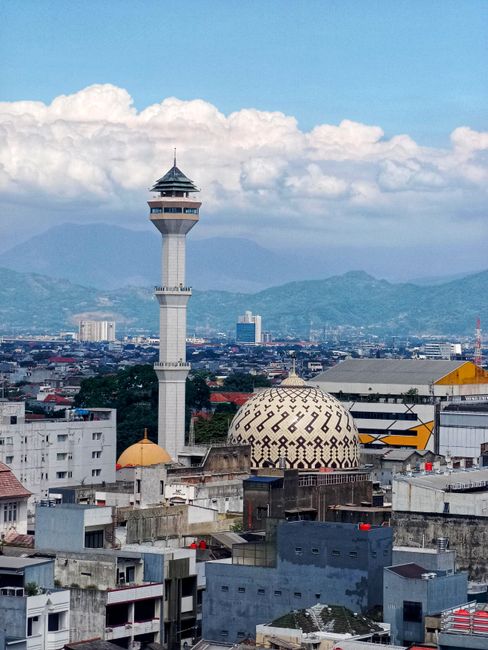
Bandung Travel Guide
Plan a trip to Bandung: Braga, Dago, the civic center and Lembang and where to stay, Gedung Sate, the Asian-African Conference Museum, art deco…
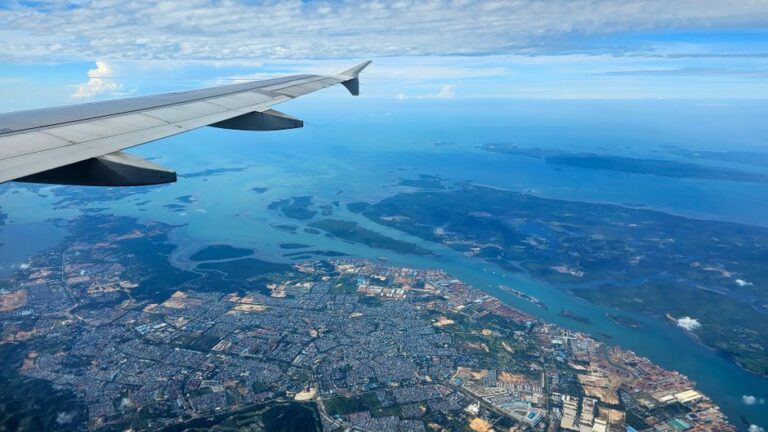
Batam Travel Guide
Plan a trip to Batam: Nagoya, Batam Centre, Harbour Bay, Nongsa and Barelang and where to stay, the Barelang Bridges, the Galang refugee camp,…
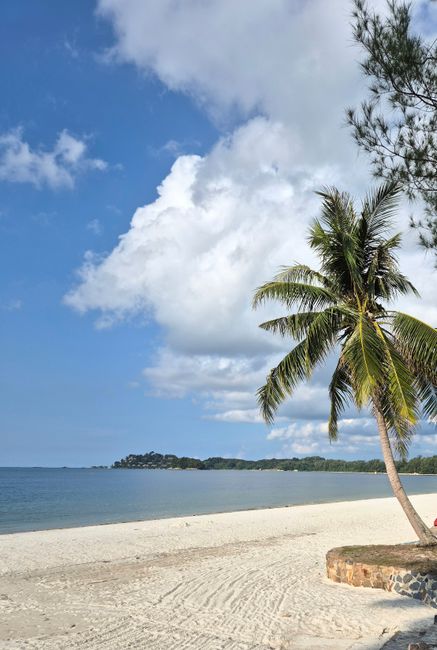
Bintan Travel Guide
Plan a trip to Bintan: Lagoi, Trikora and Tanjung Pinang and where to stay, beaches and resorts, Penyengat Island's royal mosque, Senggarang, mangrove and…
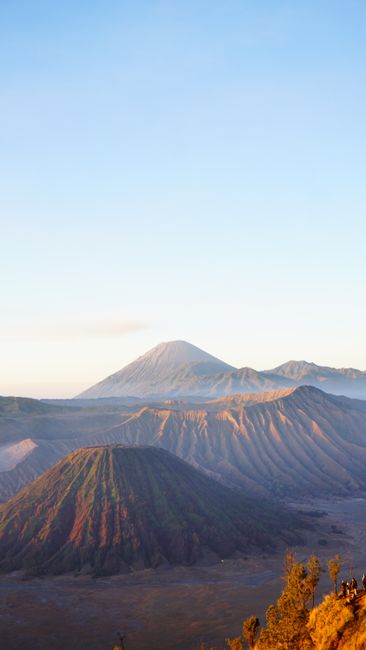
Bromo Tengger Semeru National Park Travel Guide
Plan a visit to Bromo Tengger Semeru National Park: tickets (255,000 rupiah for foreigners) and online-only booking, closures and ceremonies, Bromo and Semeru alert…
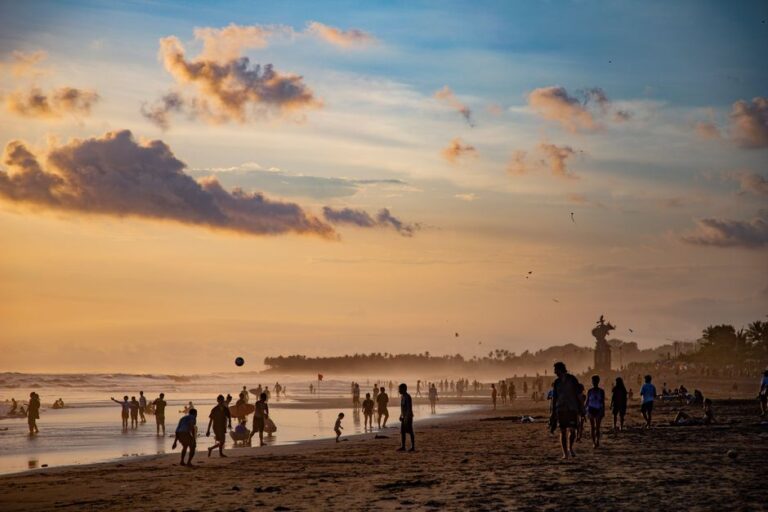
Canggu Travel Guide
Plan a trip to Canggu: Berawa, Batu Bolong, Echo Beach, Pererenan and Seseh and where to stay, surfing for every level, Tanah Lot, rice…
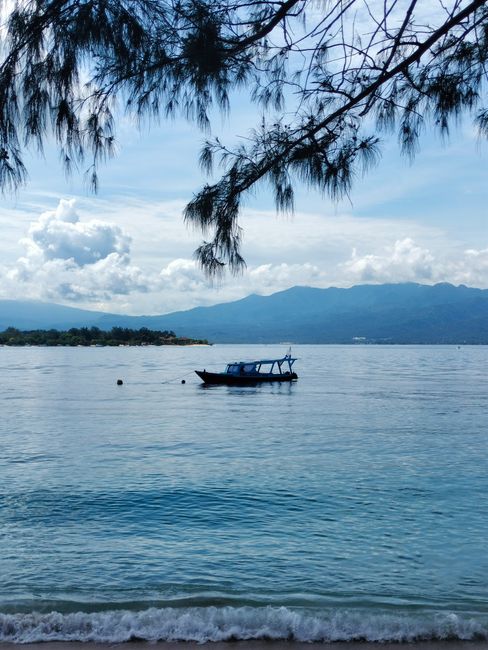
Gili Islands Travel Guide
Plan a trip to the Gili Islands: Gili Trawangan, Gili Meno and Gili Air and which to choose, snorkeling with turtles, diving, the Nest…
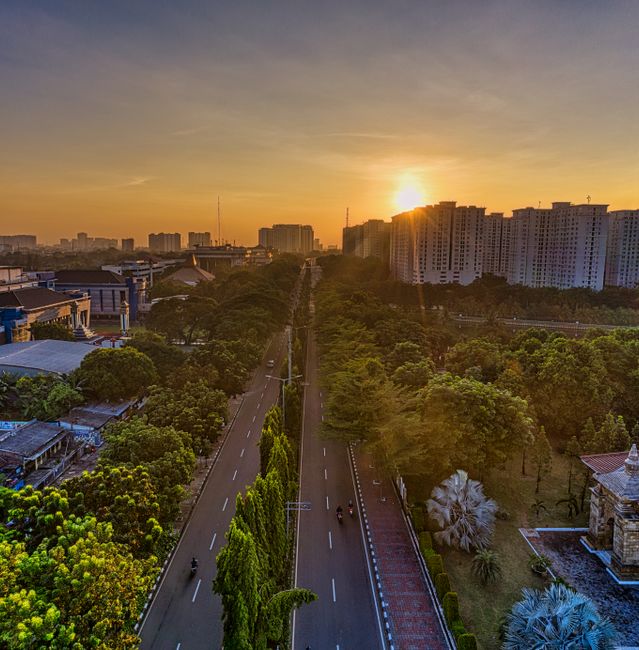
Jakarta Travel Guide
Plan a trip to Jakarta: Kota Tua, Menteng, Sudirman and Blok M and where to stay, Fatahillah Square and Sunda Kelapa, Monas, Istiqlal Mosque…
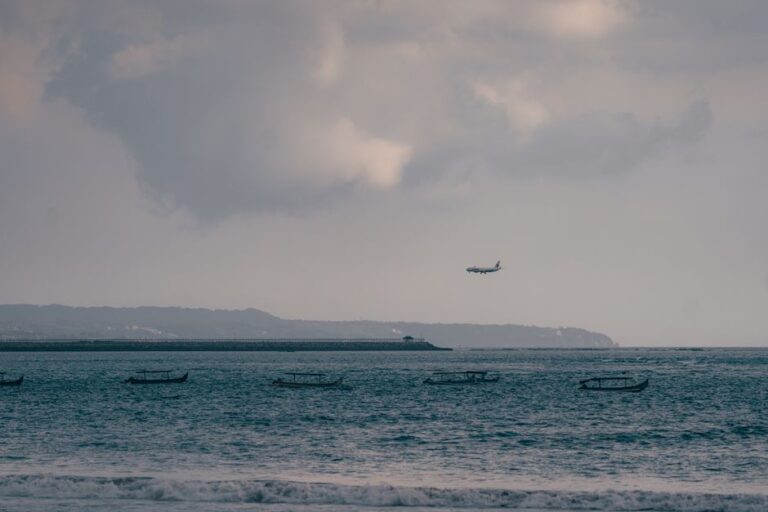
Kuta Travel Guide
Plan a trip to Kuta: Tuban, central Kuta, Legian and Seminyak and where to stay, Kuta Beach and its sunsets, learning to surf, the…
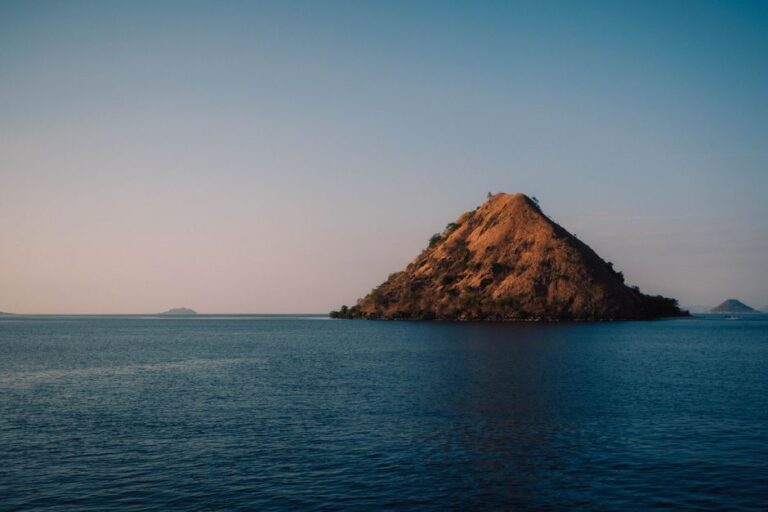
Labuan Bajo Travel Guide
Plan a trip to Labuan Bajo and Komodo: where to stay, Komodo dragons on Rinca and Komodo, Padar viewpoint, Pink Beach, Manta Point and…
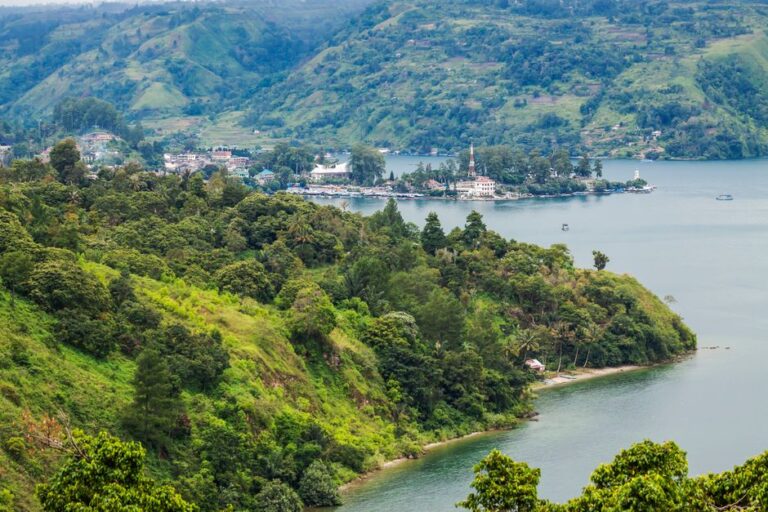
Lake Toba Travel Guide
Plan a trip to Lake Toba: Tuk Tuk, Parapat, Pangururan and Balige and where to stay, Samosir's Batak villages, Tomok, Ambarita and Simanindo, hot…
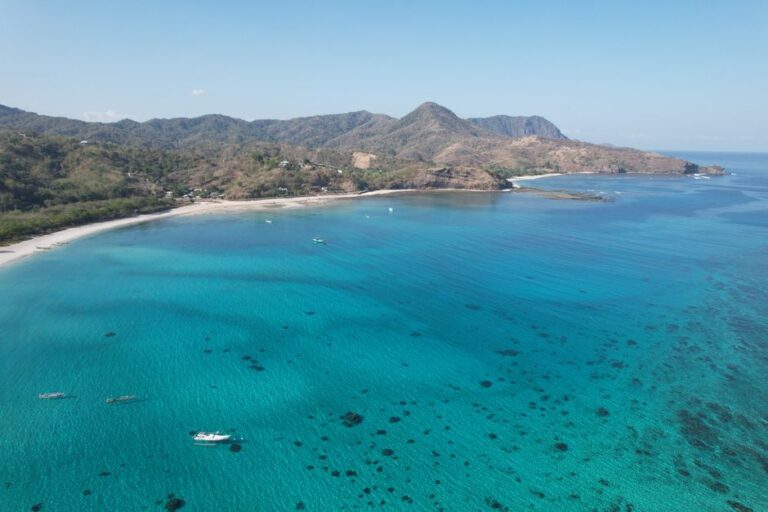
Lombok Travel Guide
Plan a trip to Lombok: Kuta Lombok and the south coast, Senggigi, Mataram, Senaru and Sembalun and where to stay, Mount Rinjani permits, eRinjani,…
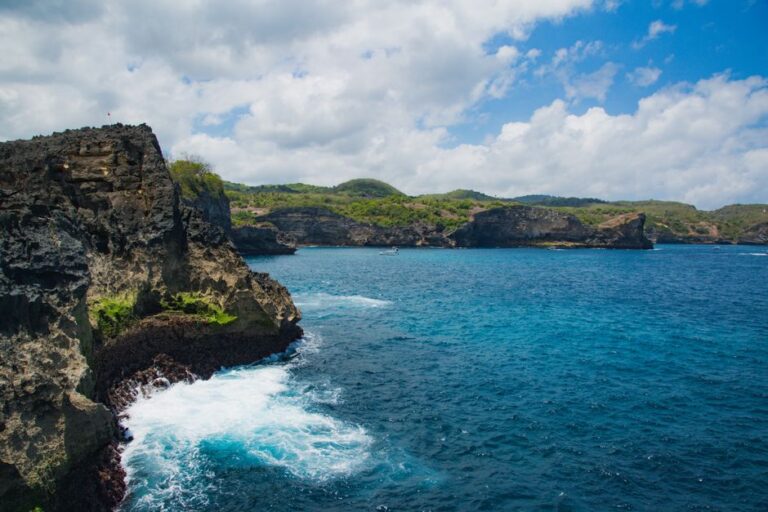
Nusa Penida Travel Guide
Plan a trip to Nusa Penida: Toyapakeh, Sampalan, the east coast and Nusa Lembongan and where to stay, Kelingking Beach, Broken Beach and Angel's…
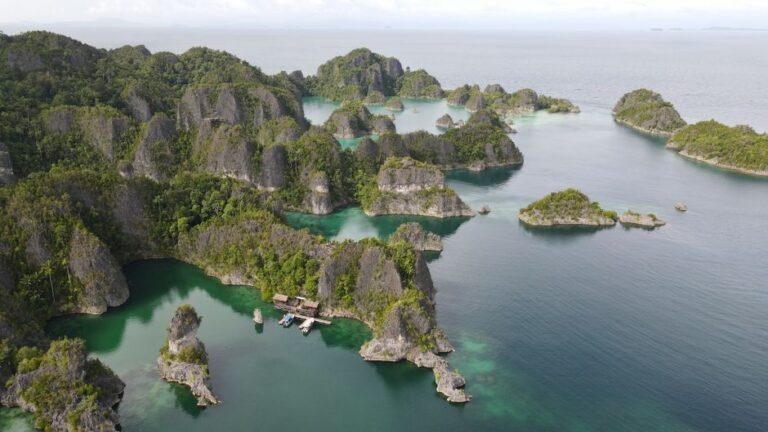
Raja Ampat Travel Guide
Plan a trip to Raja Ampat: the 2026 regency tourism levy and the Marine Park Fee (formerly the PIN or tag), flights to Sorong…
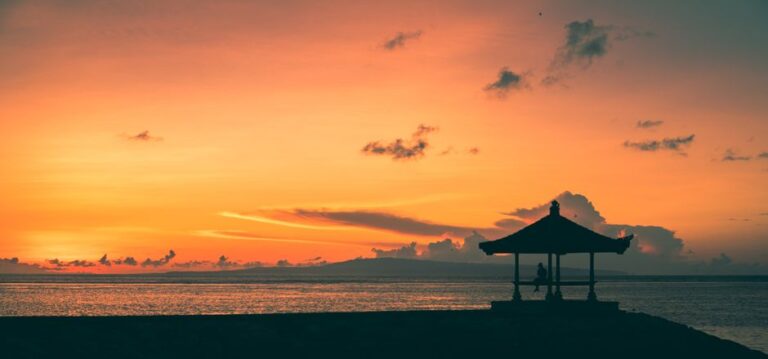
Sanur Travel Guide
Plan a trip to Sanur: north, central and south Sanur and where to stay, the beach path, calm reef-protected beaches, the Le Mayeur Museum…
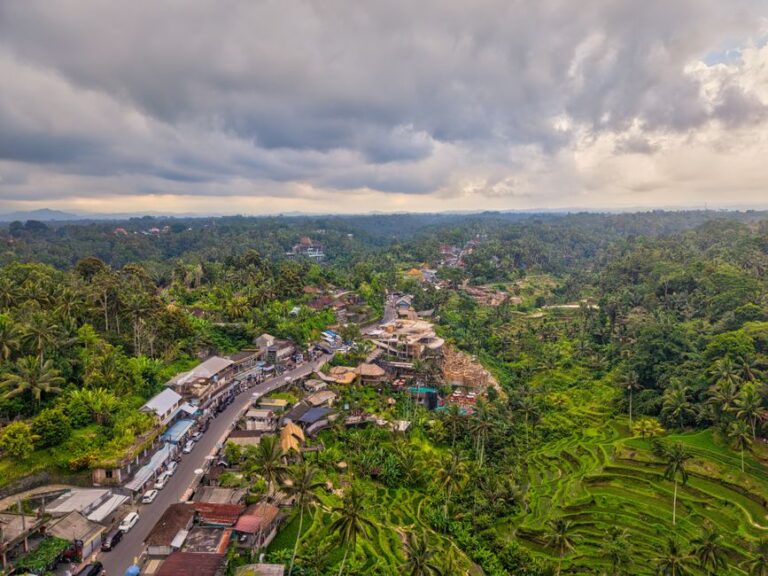
Ubud Travel Guide
Plan a trip to Ubud: central Ubud, Penestanan, Sayan and Tegallalang and where to stay, the Sacred Monkey Forest, Ubud Palace and market, Tegallalang…
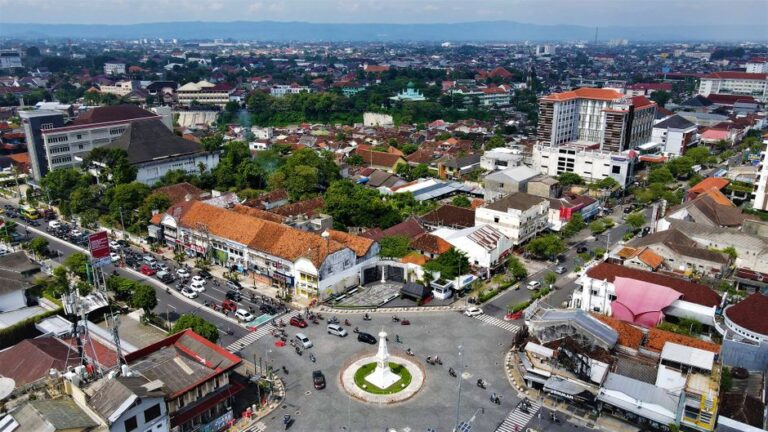
Yogyakarta Travel Guide
Plan a trip to Yogyakarta: Malioboro, the kraton, Prawirotaman, Kotagede and Borobudur village and where to stay, Borobudur structure tickets and sunrise, Prambanan and…
Best time to visit Indonesia
Indonesia lies on the equator, so it is warm all year, and seasons are about rain, not temperature. Across Java, Bali and Nusa Tenggara, the dry season runs roughly from April or May to October, when the southeast monsoon blows dry air from Australia, and the rainy season from November to March, when the northwest monsoon brings heavy afternoon and evening downpours. The further east and south you go, the shorter and more intense the rainy season: Labuan Bajo, Sumbawa and Lombok’s south are among the driest places in the country, while western Java and Sumatra get rain in every month. July and August are the peak months for international visitors, and the shoulder months of May, June and September are often the best balance of weather, prices and crowds.
The table shows long-term averages for one point in each main travel area. Jakarta uses the 1991–2020 normals of Indonesia’s meteorological agency, BMKG, as submitted to the World Meteorological Organization (WMO); because BMKG’s published WMO normals for Bali, Lombok, Yogyakarta and Flores do not include temperature or rainfall, the other rows combine BMKG observations and long-term averages from other official datasets, as explained in each destination guide.
| Area (station or source) | January high / low | August high / low | Rain a year | Wettest months |
|---|---|---|---|---|
| Jakarta (BMKG Kemayoran, WMO 1991–2020) | 31 °C (88 °F) / 25 °C (77 °F) | 33 °C (91 °F) / 25 °C (78 °F) | about 1,930 mm (76 in) | January and February |
| Bali, south coast (Ngurah Rai; rain: BMKG Denpasar) | 31 °C (88 °F) / 25 °C (77 °F) | 29 °C (85 °F) / 24 °C (74 °F) | about 1,730 mm (68 in) | December to February |
| Lombok (Lombok International Airport; rain: BMKG Lombok) | 31 °C (88 °F) / 24 °C (75 °F) | 31 °C (87 °F) / 21 °C (69 °F) | about 1,510 mm (60 in) | December and January |
| Yogyakarta (NASA satellite averages) | 28 °C (82 °F) / 24 °C (75 °F) | 28 °C (83 °F) / 21 °C (70 °F) | about 2,160 mm (85 in) | January and February |
| Komodo area (Bima station, Sumbawa) | 33 °C (91 °F) / 24 °C (76 °F) | 33 °C (91 °F) / 21 °C (69 °F) | short, intense rainy season | December to March |
Indonesia month by month
| Month | Weather (Java, Bali, Nusa Tenggara) | Highlights | Crowds and prices |
|---|---|---|---|
| January | Rainy season peak; heavy downpours, rough seas at times | New Year in Bali; Rinjani’s trails closed (January 1 to March 31 in 2026) | Busy over New Year, then low |
| February | Very wet in Jakarta and Bali | Chinese New Year in Jakarta’s Glodok and other Chinatowns; Ramadan expected to begin around February 8 in 2027 | Low |
| March | Rain easing; humid | Nyepi, Bali’s Day of Silence, usually in March; Idul Fitri expected around March 10 in 2027 | Very busy around Idul Fitri as Indonesians travel home |
| April | Transition; more sunny days | Rinjani’s trails reopen after the annual closure | Moderate |
| May | Dry season begins; green landscapes | Vesak at Borobudur (the date follows the lunar calendar); good diving and hiking | Moderate |
| June | Dry and pleasant; cool nights in the mountains | Bali Arts Festival in Denpasar, usually from June to July | Rising; school holidays begin |
| July | Dry, breezy; the coolest month in the south | Peak surf on Bali’s west coast; Komodo’s best sailing season | Very high |
| August | Driest month in most of the south | Independence Day on August 17, with flags and village games everywhere | Very high |
| September | Dry, warm; Rinjani and volcano treks at their best | Calm seas for the Gilis and Komodo; fewer crowds | Moderate |
| October | End of the dry season; first storms possible | Ubud Writers and Readers Festival; good diving | Moderate |
| November | Rainy season starts, often later in El Niño years | Lush rice fields; quieter beaches | Low |
| December | Wet; afternoon storms | Christmas and New Year, especially in Bali | Very busy from mid-December |
The dry season, the rainy season and the 2026–27 outlook
BMKG defines the start of the rainy season in each of its seasonal zones by rainfall totals in ten-day periods, so the start date varies by place and by year. In its outlook for the 2026–27 rainy season, published in September 2026, BMKG reported a very strong El Niño, expected to last into early 2027, and forecast that most of Indonesia would enter the rainy season in November or December 2026, starting in northern Sumatra and moving east. Compared with the 1991–2020 normal, BMKG expects the rains to start later than usual across Jakarta, Yogyakarta, Bali and West Nusa Tenggara, to peak mostly from December 2026 to February 2027 (January for central Bali and western Lombok, February for much of Java, Bali and East Nusa Tenggara), and to be shorter than normal in most of the south. Rainfall totals for the season are forecast to be near normal in most areas, but wetter than normal in northern Bali, much of West Nusa Tenggara and western Yogyakarta.
In practice, a late or weak start to the rains means a long, dry, hot end to 2026, with a higher risk of forest and grass fires on the volcanoes; this is why some mountain trails, including Rinjani’s, have been only partly open since September 2026. Heavy rain, flash floods and landslides are most likely from December to February, when Jakarta also faces regular flooding.
Festivals and holidays
- Nyepi: Bali’s Hindu New Year is a day of complete silence, usually in March. For 24 hours from 6 a.m., no one may go out on the streets, lights stay off, and Bali’s airport and harbors close; the night before, villages parade giant ogoh-ogoh monsters.
- Galungan and Kuningan: Bali’s biggest Hindu festivals, every 210 days, when streets are lined with tall bamboo penjor poles.
- Ramadan and Idul Fitri (Lebaran): during the Muslim fasting month, many restaurants outside Bali close in daylight; at Idul Fitri tens of millions of Indonesians travel home, so trains, ferries and flights sell out and prices rise.
- Vesak: Buddhist pilgrims walk from Mendut to Borobudur, usually in May or June.
- Independence Day: August 17, with parades, flags and village games across the country.
How long to stay: sample itineraries
- 7 days: Bali only: Ubud (3 nights) for temples and rice terraces, then a beach base in Seminyak, Canggu, Uluwatu or Sanur (4 nights), with a day trip to Nusa Penida.
- 10 days: Ubud (3), the Gili Islands by fast boat (3) and south Bali (4); or Bali (6) plus a flight to Labuan Bajo for a two-day Komodo boat trip (3).
- 14 days: Yogyakarta (3) for Borobudur and Prambanan, a flight to Bali for Ubud (3), the Gilis and Lombok (4) and Labuan Bajo (3), returning to Bali or Jakarta.
- Three weeks: Jakarta (2), the train to Yogyakarta (3), East Java for Bromo and Ijen (3), the ferry across to Bali (6), Lombok and the Gilis (4) and Komodo (3).
Entry, money and costs
Visas, the visa on arrival and the e-VOA (last reviewed October 2026)
Indonesia’s Directorate General of Immigration lists three main ways to enter as a tourist. Citizens of 19 countries and territories are visa-exempt for tourism: the ASEAN countries (Brunei, Cambodia, Laos, Malaysia, Myanmar, the Philippines, Singapore, Thailand and Vietnam) plus Timor-Leste, Hong Kong, Macao, Belarus, Brazil, Colombia, Kazakhstan, Peru, Suriname and Türkiye. The exemption gives a stay of up to 30 days that cannot be extended.
Citizens of 97 countries and territories, including the United States, Canada, the United Kingdom, Ireland, Australia, New Zealand, Japan, South Korea, China, India and all European Union countries, can get a visa on arrival (VOA, type B1). It costs 500,000 rupiah (about US$28), allows a stay of 30 days and can be extended once for another 30 days. You can buy it at the airport on arrival or, more easily, in advance as an e-VOA on the official website, evisa.imigrasi.go.id, paying by Visa, Mastercard or JCB card; one application can cover up to five people, and the e-VOA must be used within 90 days of issue. Use only the official site. Immigration requires a passport valid for at least six months and an onward or return ticket. For longer stays there are 60-day single-entry tourist visas (C1) and multiple-entry visas, applied for online; working or selling goods or services on any tourist visa is prohibited.
The All Indonesia arrival card
Every traveler, Indonesian or foreign, must submit an arrival card on the immigration department’s All Indonesia platform, allindonesia.imigrasi.go.id (also an app), within three days before arrival. It combines the immigration, customs (the old e-CD), health and quarantine declarations in one form and gives you a QR code to show on arrival; one submission can cover a group of up to 10 travelers, and the card is not a visa. If you need a VOA, the platform prompts you to apply after you submit the arrival card.
Customs
According to the All Indonesia customs declaration, each passenger may bring in personal goods worth up to US$500 (FOB value) duty-free, plus 1 liter of alcohol and 200 cigarettes, 25 cigars or 100 g of tobacco. You must declare cash or payment instruments worth 100 million rupiah or more. Mobile phones, laptops and tablets bought abroad and used on Indonesia’s mobile networks for longer stays must be registered by their IMEI; short-stay visitors usually rely on a tourist SIM or eSIM. Drugs carry extremely severe penalties, including death for trafficking.
Bali’s tourist levy
Since February 14, 2024, every foreign tourist entering Bali must pay the Bali Tourism Levy of 150,000 rupiah (about US$8.40) per person, once per visit, under Bali Province Regional Regulation 6 of 2023 as amended by Regulation 2 of 2025. Pay before you travel on the official Love Bali website, lovebali.baliprov.go.id, or in the Love Bali app; you receive a QR voucher by email, which is scanned (or your passport is checked) at the airport and at checkpoints such as major attractions. The levy is separate from the visa and from entrance fees. See our Bali travel guide for details.
Money and cards
The currency is the rupiah (IDR, Rp). In early October 2026, Bank Indonesia’s JISDOR reference rate was about 17,900 rupiah to the US dollar. Prices often drop the last three zeros in speech and on menus (“50K” means 50,000 rupiah). Cards are accepted by hotels, larger restaurants and shops in Bali, Jakarta and Yogyakarta, and Indonesia’s QRIS code payments are everywhere, but carry cash for warungs (small local restaurants), markets, boats, entrance fees in the countryside and the Gilis, where ATMs can run dry. Use ATMs inside banks or malls, and change money only at licensed money changers; Bali’s government specifically asks visitors to use licensed changers.
Tipping
Tipping isn’t expected, but it is appreciated in tourist areas. Many hotels and restaurants add a 10% service charge plus tax to the bill (look for “++” after prices). Round up taxi fares, and tip guides, drivers and boat crews 5–10% if you were happy.
What a trip costs
Prices are approximate, for October 2026, converted at about 17,900 rupiah to the US dollar.
| Item | Typical cost |
|---|---|
| Visa on arrival or e-VOA, 30 days | 500,000 rupiah (about US$28) |
| Bali Tourism Levy, per person | 150,000 rupiah (about US$8.40) |
| Komodo National Park entry, foreign visitor, per day | 250,000 rupiah (about US$14) |
| Nasi goreng or mie goreng at a warung | 20,000–40,000 rupiah (about US$1.10–2.20) |
| Dinner in a tourist restaurant, per person | 100,000–250,000 rupiah (about US$5.60–14) |
| Large bottle of Bintang beer | 40,000–60,000 rupiah (about US$2.20–3.40) |
| Scooter rental, per day | 70,000–120,000 rupiah (about US$4–7) |
| Fast boat, Bali to the Gili Islands, one way | 400,000–800,000 rupiah (about US$22–45) |
| Mid-range hotel double in Bali, per night | 700,000–1,800,000 rupiah (about US$39–100) |
| Guesthouse double, per night | 250,000–500,000 rupiah (about US$14–28) |
A comfortable mid-range trip costs roughly 1,000,000–1,800,000 rupiah (about US$56–100) per person per day, including a shared double room, meals and local transportation; backpackers staying in guesthouses and eating at warungs can manage on about half. Boat trips to Komodo, diving and private drivers add the most to a budget.
Getting there and getting around
Airports
Most international visitors arrive at Bali’s I Gusti Ngurah Rai International Airport (DPS), south of Denpasar near Kuta, with flights from across Asia, Australia and the Middle East, or at Jakarta’s Soekarno-Hatta International Airport (CGK), the country’s main hub. Other international gateways include Yogyakarta (YIA), Surabaya, Medan (Kualanamu), Lombok (LOP), Batam and Manado. Domestic flights, on Garuda Indonesia, Lion Air, Batik Air, Citilink, Super Air Jet and others, link every major island and are the quickest way to cover Indonesia’s distances: Jakarta to Bali takes about 1 hour 50 minutes, and Bali to Labuan Bajo about 1 hour 15 minutes. Allow for delays and keep a spare day before an international flight home.
Trains on Java and the Whoosh
Java has the country’s main rail network, run by KAI: comfortable air-conditioned trains link Jakarta with Bandung, Yogyakarta, Solo, Semarang and Surabaya, and Yogyakarta with Surabaya and Banyuwangi, near the ferry to Bali. Book on the KAI Access app or website; seats sell out around holidays. The Whoosh high-speed train, Southeast Asia’s first, runs between Halim in eastern Jakarta and Tegalluar near Bandung, a distance of about 142 km (88 miles), in around 45 minutes, with a feeder train from Padalarang into Bandung. In Jakarta, an airport train links Soekarno-Hatta with the city center, and the MRT, LRT, KRL commuter trains and TransJakarta buses make getting around much easier than it used to be; see our Jakarta guide.
Ferries and fast boats
Public car ferries cross the narrow straits between Java and Bali (Ketapang to Gilimanuk), Bali and Lombok (Padang Bai to Lembar, about 4–5 hours) and Lombok and Sumbawa, running around the clock. Private fast boats link Bali (Padang Bai, Serangan, Sanur and Amed) with the Gili Islands and Lombok in about 1.5–3 hours, and Sanur with Nusa Penida and Nusa Lembongan in 30–45 minutes. Sea conditions can be rough, especially from June to September, when big swells roll in from the Indian Ocean; choose established operators with life jackets on board, check the weather, and allow for cancellations. The state ferry company Pelni runs long-distance ships between the outer islands.
Taxis, ride-hailing and drivers
In cities, the ride-hailing apps Grab and Gojek are the easiest way to get cars, motorbike taxis and food deliveries at fixed prices; Bluebird metered taxis are reliable too. Some Bali villages restrict app pickups, and local transportation cooperatives dominate at harbors and some resorts. For day trips, hire a car with a driver for about eight to ten hours, which is good value and much safer than driving yourself.
Scooters and driving
Renting a scooter is popular in Bali and Lombok, but traffic is heavy and chaotic and accidents involving tourists are common. You need a motorcycle license valid at home plus an International Driving Permit that covers motorcycles, and a helmet is compulsory; police run regular checks, and Bali’s government asks visitors to obey traffic rules and drive legally and safely. Travel insurance often won’t pay for scooter accidents if you are unlicensed. Cars drive on the left.
National parks, volcanoes and protected areas
Indonesia has more than 50 national parks, managed by the Ministry of Forestry. Popular parks now sell tickets online and set daily quotas, and trails can close at short notice for fires, eruptions or bad weather. The ones you are most likely to visit:
- Komodo National Park: entry tickets are sold through the park’s SiOra app and website (siora.id), with cashless payment; according to SiOra, the regular entry fee for foreign visitors is 250,000 rupiah per person, under Government Regulation 36 of 2024, with separate fees for diving, drones and boats, and a session quota for the Padar viewpoint. See our Labuan Bajo guide.
- Mount Rinjani National Park: climbs are booked through the official eRinjani app, and all six trails close every year for ecosystem recovery (from January 1 to March 31 in 2026). Since September 1, 2026, the park has been open only on a limited basis to prevent forest fires, with new online bookings suspended, and the Torean trail has been closed since September 23, 2026 after a fire. See our Lombok guide.
- Borobudur and Prambanan: these UNESCO-listed temples, run by the state company InJourney, sell tickets online; climbing Borobudur’s upper terraces needs a separate, timed temple-structure ticket that includes a guide and special upanat sandals. See our Yogyakarta guide.
- Bromo Tengger Semeru and Ijen: East Java’s sunrise volcanoes, usually visited on tours from Malang, Surabaya or Banyuwangi.
Bali’s rules, temples and etiquette
The Bali provincial government’s guidelines for foreign tourists, set out in Governor Circular Letter 7 of 2025, ask visitors to respect Balinese customs, dress modestly, especially at temples and ceremonies, behave politely, use licensed services such as money changers, obey traffic laws and keep Bali clean. They prohibit working or doing business without a permit, any illegal activity or drugs, littering, stepping on or damaging offerings, taking inappropriate photos or behaving disrespectfully at sacred sites, and bargaining aggressively. Visitors who break the law can be fined or deported.
- Temple dress: cover shoulders and knees and wear a sarong and a sash; most temples lend or rent them at the entrance. Only Hindus at prayer may enter the inner sanctums of many temples; follow the signs.
- Offerings: small palm-leaf canang sari offerings are placed on pavements, steps and dashboards every day; step around them.
- Ceremonies: processions may close roads; wait patiently, stay at the side and don’t climb walls or shrines for photos.
- Everyday manners: use your right hand to give and receive, don’t touch people’s heads, and dress modestly away from the beach. Outside Bali, especially in Muslim areas such as Lombok and Java, cover up more and be discreet with alcohol and public affection.
Culture, food and everyday etiquette
Food
Indonesian food is built on rice, chili sambal and spice pastes, and every region has its specialties. Try nasi goreng (fried rice) and mie goreng (fried noodles), sate (grilled skewers with peanut sauce), gado-gado (vegetables with peanut sauce), rendang (slow-cooked spiced beef from West Sumatra), nasi campur (rice with a selection of dishes), soto soups and bakso meatballs. Bali has babi guling (spit-roast pork), bebek betutu (slow-cooked duck) and lawar; Yogyakarta has sweet gudeg (young jackfruit stew); Lombok, whose name means chili, is known for fiery ayam taliwang and plecing kangkung. Padang restaurants, with dozens of dishes stacked in the window, are found everywhere. Vegetarians will find tempeh and tofu dishes in every warung. Don’t drink tap water; buy bottled or refilled water, and use refill stations where you can.
Alcohol and arak
Bintang beer and imported drinks are sold in tourist areas; Bali also makes wine and licensed arak, a palm or rice spirit that the provincial government promotes as cultural heritage. Avoid unlabeled spirits and cheap cocktails of unknown origin: illegal arak has been mixed with methanol, which has caused poisonings and deaths among locals and visitors. Drink only sealed, labeled bottles from reputable places.
Safety, health, accessibility and connectivity
Indonesia is generally welcoming and most visits are trouble-free. The main risks come from nature, the sea and the roads.
- Volcanoes: Indonesia’s volcano agency, PVMBG, posts alert levels from Level I (Normal) to Level IV (Awas) for every active volcano on its MAGMA Indonesia website and app. In early October 2026, Merapi near Yogyakarta and Semeru in East Java were at Level III (Siaga); Rinjani, Bromo and Lewotobi Laki-laki on Flores were at Level II (Waspada), each with an exclusion zone around the crater; and Bali’s Agung and Batur were at Level I. Never enter an exclusion zone, and expect flight disruptions from ash clouds.
- Earthquakes and tsunamis: Indonesia sits on the Pacific Ring of Fire. Learn your hotel’s evacuation route; if you feel a strong or long earthquake on the coast, move to high ground immediately.
- The sea: big swells and strong rip currents are common on Bali’s west and south coasts, on Nusa Penida and on Java’s south coast. Swim only at patrolled beaches between the red-and-yellow flags, never swim at cliff-backed beaches in big surf, and respect strong currents when snorkeling or diving off the Gilis, Nusa Penida and Komodo.
- Scooters and roads: road accidents are the most common cause of serious injury for visitors. Ride only if you are experienced and licensed, always wear a helmet, and never drink and ride.
- Methanol: avoid unlabeled spirits and homemade arak.
- Bali belly and health: traveler’s diarrhea is common; drink bottled water, wash your hands and eat freshly cooked food. Dengue fever, spread by mosquitoes, is present all year, most of all in the rainy season, so use repellent. Rabies is present in dogs and monkeys on Bali and elsewhere: don’t touch animals, and seek treatment at once after a bite or scratch. Ask a travel clinic about vaccinations.
- Komodo dragons: stay with the park rangers, keep your distance and follow their instructions; dragons are wild and dangerous.
- Drugs: penalties are severe, including long prison sentences and the death penalty for trafficking.
- Emergencies: call 112, the national emergency number, 110 for the police and 119 or 118 for an ambulance.
Health: private international clinics and hospitals in Bali and Jakarta are good but expensive, while care on smaller islands is basic; buy travel insurance that covers evacuation and adventure activities. Accessibility: newer airports, malls and Jakarta’s MRT are accessible, but pavements, temples, boats and beach transfers are difficult for wheelchair users. Connectivity: 4G coverage is good on Bali, Java and Lombok and patchy on small islands and boats; buy a tourist SIM or eSIM on arrival or before you travel.
Things to do: beaches, diving, volcanoes and temples
- Beaches and surfing: Bali’s Bukit Peninsula, Canggu and Kuta, Lombok’s south coast and the Mentawais are world-famous surf spots, with beginner waves in Kuta, Canggu and Gerupuk. See our guides to beaches and surfing.
- Diving and snorkeling: manta rays at Nusa Penida and Komodo, turtles on the Gilis, the Liberty wreck at Tulamben on Bali and the coral of Raja Ampat. See our diving and snorkeling guides.
- Volcano hikes: sunrise on Bali’s Mount Batur, Rinjani’s crater rim on Lombok, Bromo and Ijen on Java. See our hiking guide.
- Boat trips: Komodo’s islands, the Gilis and the Nusa islands. See our boat trips guide.
- Temples, palaces and cities: Borobudur and Prambanan, Bali’s sea and mountain temples, Yogyakarta’s kraton and Jakarta’s museums. See our guide to city sightseeing.
- Cycling: downhill rides through Bali’s rice terraces and village lanes around Ubud and Yogyakarta. See our cycling guide.
Indonesia travel FAQ
Do I need a visa to visit Indonesia?
Most visitors do, but it is simple: citizens of 97 countries, including the US, Canada, the UK, Australia, New Zealand and EU countries, can buy a visa on arrival or an e-VOA. Citizens of 19 countries and territories, including the ASEAN countries, are visa-exempt for 30 days.
How much is the Indonesia visa on arrival?
500,000 rupiah (about US$28) for 30 days, extendable once for another 30 days. Buy it at the airport or online in advance at evisa.imigrasi.go.id, the official site.
What is the All Indonesia arrival card?
A free online form at allindonesia.imigrasi.go.id that every traveler must submit within three days before arrival. It combines immigration, customs, health and quarantine declarations and gives you a QR code to show on arrival.
How much is the Bali tourist levy and how do I pay it?
150,000 rupiah (about US$8.40) per foreign visitor, paid once per trip. Pay online at lovebali.baliprov.go.id or in the Love Bali app before you travel, and keep the QR voucher sent to your email.
What is the best time to visit Indonesia?
The dry season, from about April or May to October, is best for Bali, Lombok, Java and Komodo; May, June and September have good weather with fewer crowds than July and August.
When is the rainy season in Indonesia?
Usually from November to March in Java, Bali and Nusa Tenggara, with the heaviest rain from December to February. BMKG forecasts a later and shorter rainy season in 2026–27 because of a strong El Niño.
Is Bali or Lombok better?
Bali has more culture, places to stay and things to do; Lombok is quieter and less developed, with Rinjani, empty beaches and the Gilis just offshore. Many travelers combine them by fast boat.
How do I get from Bali to the Gili Islands?
By fast boat from Padang Bai, Serangan, Sanur or Amed in about 1.5–3 hours, or by flying or taking the public ferry to Lombok and the short boat from Bangsal.
How much does it cost to visit Komodo National Park?
The park entry fee for foreign visitors is 250,000 rupiah (about US$14) per person, bought through the SiOra app or website, plus fees for diving and drones and the cost of your boat trip from Labuan Bajo.
Can I climb Mount Rinjani in 2026?
Only on a limited basis: since September 1, 2026, the park has been partly open to prevent forest fires, with new eRinjani bookings suspended, and the Torean trail closed since September 23. All trails also close every year from January to March.
Is Indonesia safe for tourists?
Yes, for most visitors. Plan around natural hazards, such as volcano alert levels, rip currents and earthquakes, and take care on scooters, with unlabeled alcohol and with food hygiene. Call 112 in an emergency.
What currency is used in Indonesia, and are cards accepted?
The rupiah, at about 17,900 to the US dollar in early October 2026. Cards and QRIS payments are widely accepted in tourist areas, but carry cash for warungs, boats, markets and small islands.
Do I need to cover up at temples in Bali?
Yes. Cover your shoulders and knees and wear a sarong and sash, which most temples lend or rent at the entrance, and follow signs about restricted areas.
Sources and last review
Researched and last reviewed on 4 October 2026. Visa exemption, visa on arrival and e-VOA rules, fees and lengths of stay, and the arrival-card requirement: the Directorate General of Immigration’s official e-Visa website; the arrival card, customs allowances and declarations: the All Indonesia platform of the Directorate General of Immigration; the Bali Tourism Levy: the Bali provincial government’s Love Bali website and its regulations; Bali’s guidelines for foreign tourists: the Bali provincial government (Governor Circular Letter 7 of 2025, via Love Bali); Komodo National Park fees, quotas and rules: the park’s SiOra system and the Ministry of Forestry’s KSDAE directorate; Rinjani bookings, closures and fees: Mount Rinjani National Park; Borobudur tickets: InJourney Destination Management; volcano alert levels: PVMBG’s MAGMA Indonesia; climate normals and the 2026–27 rainy season outlook: BMKG, including its 1991–2020 normals via the World Meteorological Organization; exchange rate: Bank Indonesia (JISDOR). Population, area, island count, festival dates, Whoosh and rail details, ferry and fast-boat times and typical prices are general references or estimates, flagged for checking. Rules and prices change, so check the official sites before you go.
Plugs and power in Indonesia
Indonesia uses 230 V, 50 Hz and these plugs (left) and wall sockets (right):
All plug types and voltages by country → · Check what you need to pack →
Plan your trip
Partner links: TravelerCenter may earn a commission if you book, at no extra cost to you.
🇮🇩 Useful Indonesian phrases for Indonesia
All 38 Indonesian phrases: restaurant, hotel, emergencies, romance (printable) →