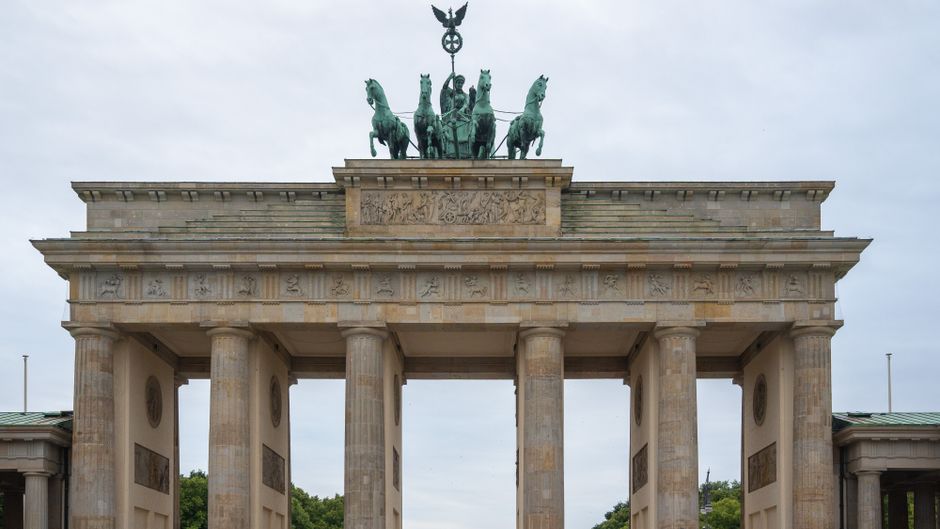
Germany packs an astonishing range into one easy-to-travel country: Berlin’s history, museums and nightlife; Munich’s beer gardens and the fairy-tale castles and lakes of the Bavarian Alps; Hamburg’s harbour and the Elbphilharmonie; Cologne’s soaring cathedral and the castle-lined Rhine; half-timbered towns such as Rothenburg ob der Tauber; and the forests, vineyards and lakes of the south-west. Fast ICE trains and the €63-a-month Deutschlandticket for local and regional transport make it simple to get around without a car, and from late November the whole country glows with Christmas markets. May, June and September are the sweet spots. Give it 10 days for a first trip, two weeks or more to add the Alps, the Rhine and the smaller towns.
Right now in Germany
- Wed 7–21°C 44–70°F Mostly clear
- Thu 9–14°C 49–57°F 6 mm Showers
- Fri 5–11°C 41–52°F 1 mm Light rain
Weather: MET Norway (CC BY 4.0) · Air quality: OpenAQ · Rates: ECB
Key facts
| Currency | Euro (EUR, €); cards are spreading, but carry some cash: about half of purchases are still paid in cashSource: bundesbank.de · Last reviewed 4 Oct 2026 |
|---|---|
| Languages | German; Danish, Upper and Lower Sorbian, North and Saterland Frisian, Romani and Low German are protected regional and minority languagesSource: bundestag.de · Last reviewed 4 Oct 2026 |
| Plugs and voltage | Type C and F · 230 V, 50 HzSource: wikidata.org · Last reviewed 4 Oct 2026 |
| Emergency number | 112 (fire, ambulance, mountain rescue); 110 police; 116117 doctor on call (not emergencies)Source: im.baden-wuerttemberg.de · Last reviewed 4 Oct 2026 |
| Driving side | On the right; 50 km/h in towns, 100 outside; Autobahn advisory 130 km/h (no general limit on many stretches); alcohol limit 0.5‰, zero for new drivers and under-21sSource: gesetze-im-internet.de · Last reviewed 4 Oct 2026 |
| Tap water | Safe to drink (over 99% of tests met the limits in 2020-2022)Source: umweltbundesamt.de · Last reviewed 4 Oct 2026 |
| Tipping | Not required (service is included); round up or add 5-10% for good service, telling the server the total when you paySource: germany.travel · Last reviewed 4 Oct 2026 |
| Calling code | +49 (dial 00 for international calls)Source: wikidata.org · Last reviewed 4 Oct 2026 |
| Time zones | Central European Time (UTC+1); summer time (UTC+2) from the last Sunday in March to the last Sunday in October (clocks go back 25 October 2026)Source: muenchen.de · Last reviewed 4 Oct 2026 |
| Entry summary | Schengen and EU. Visa-free visitors (USA, UK, Canada, Australia…) may stay 90 days in 180; fingerprints and a photo are taken at the first Schengen entry (EES). ETIAS has not started. Germany checks all its land borders until 15 March 2027: carry your passport.Source: home-affairs.ec.europa.eu · Last reviewed 4 Oct 2026 |
Multi-day tours of Germany
Multi-day tours from local operators. You check dates and book on Viator, our partner; we may earn a commission at no extra cost to you. How we earn money
Germany at a glance: 16 states, one country
Germany is a federal republic of 16 states (Länder), three of them city-states: Berlin, Hamburg and Bremen. It stretches about 850 km from the North Sea and Baltic coasts to the Alps, and borders nine countries: Denmark, Poland, the Czech Republic, Austria, Switzerland, France, Luxembourg, Belgium and the Netherlands. According to the Federal Statistical Office (Destatis), about 83.5 million people lived in Germany at the end of 2025, making it the most populous country in the European Union.
Because the states run their own schools, police, culture and many holidays, the country feels more like a collection of regions than one centralised nation. Bavarians, Rhinelanders, Saxons and Hamburgers each have their own dialect, food and traditions, and plenty of regional pride. Berlin is the capital, but Munich, Hamburg, Frankfurt and Cologne are big, wealthy cities in their own right, and many of the most memorable places are small towns.
Time zone: Germany runs on Central European Time (UTC+1) in winter and Central European Summer Time (UTC+2) from the last Sunday in March to the last Sunday in October, the same as France, Italy and Spain and one hour ahead of the UK.
Germany’s regions
- Berlin and the east: the capital, with its museums, memorials and nightlife, and Potsdam’s palaces next door; Baroque Dresden on the Elbe and the sandstone cliffs of Saxon Switzerland; Leipzig, Weimar and the Wartburg castle in Thuringia; and the lakes of Mecklenburg.
- Hamburg and the north: the port city of Hamburg, Hanseatic Lübeck and Bremen, the islands and mudflats of the North Sea (the Wadden Sea is a UNESCO World Heritage Site), the islands of Sylt, Rügen and Usedom, and long Baltic beaches backed by pine forest.
- The Rhineland and the west: Cologne and its cathedral, Düsseldorf, Bonn and Aachen; the Middle Rhine Valley’s castles and vineyards between Koblenz and Bingen; the Moselle wine villages; and Frankfurt, Germany’s financial capital and main airport hub.
- Bavaria: Munich and Oktoberfest, Nuremberg’s castle and Christmas market, the Romantic Road through Rothenburg ob der Tauber, the castles of Neuschwanstein and Linderhof, Lake Königssee near Berchtesgaden, and the Bavarian Alps around Garmisch-Partenkirchen and the Zugspitze, Germany’s highest mountain.
- Baden-Württemberg and the south-west: the university town of Heidelberg with its castle ruins, the dark hills and cuckoo-clock villages of the Black Forest, sunny Freiburg, Stuttgart’s car museums, and Lake Constance, shared with Austria and Switzerland.
Regions
- Baden-Württemberg
- Bavaria
- Bavarian Alps
- Black Forest
- Brandenburg
- Bremen
- Hesse
- Lake Constance
- Lower Saxony
- Mecklenburg-Vorpommern
- Middle Rhine Valley
- North Rhine-Westphalia
- Rhineland-Palatinate
- Saarland
- Saxony
- Saxony-Anhalt
- Schleswig-Holstein
- Thuringia
Where to go: cities, castles and countryside
Most first trips combine Berlin and Munich, often with Hamburg or Cologne and the Rhine, linked by ICE trains of three to five hours. With more time, add the Bavarian Alps and Neuschwanstein, the Romantic Road, Heidelberg and the Black Forest, or Dresden in the east.
Berlin
Germany’s capital wears its history on every corner: the Brandenburg Gate, the Reichstag and its glass dome, the remains of the Berlin Wall, the Holocaust Memorial and Checkpoint Charlie, plus the five museums of Museum Island, a UNESCO World Heritage Site. It is also green, creative and famously open-minded, with leafy neighbourhoods, street food, lakes for swimming and a club scene that runs all weekend. Read our Berlin guide for free Reichstag dome bookings, museum tickets, the WelcomeCard and trains from BER airport.
Munich and the Bavarian Alps
Munich is Bavaria’s handsome, prosperous capital: the Marienplatz and its Glockenspiel, the vast Residenz palace, world-class art galleries, the English Garden with its river surfers, and beer gardens under chestnut trees. Oktoberfest takes over the city for two weeks each autumn. The Alps begin an hour south: the Bavarian Alps offer the Zugspitze, Lake Königssee, Berchtesgaden and Garmisch-Partenkirchen, and Ludwig II’s Neuschwanstein Castle is a popular day trip.
Hamburg and the north
Hamburg, Germany’s second-largest city, is built around water: the Elbe harbour with its container ships, the Alster lakes, and more canals and bridges than Venice. Highlights include the Elbphilharmonie concert hall and its public Plaza, the red-brick warehouses of the Speicherstadt, the Miniatur Wunderland model railway, the Sunday fish market and the Reeperbahn’s nightlife. Lübeck’s Gothic old town and the beaches of the Baltic and North Sea are easy trips from here.
Cologne and the Rhine
Cologne is dominated by its twin-spired Gothic cathedral, which took more than 600 years to finish. It is a cheerful, easy-going city of Kölsch beer, Romanesque churches, good museums and one of Europe’s biggest carnivals. Upriver, the Middle Rhine Valley is the Rhine of postcards: a UNESCO-listed gorge of castles, vineyards and riverside villages such as Bacharach and St Goar, best seen by boat or from the trains that run along both banks.
The Romantic Road and Franconia
The Romantic Road runs from Würzburg south to Füssen and Neuschwanstein, past walled medieval towns. Its star is Rothenburg ob der Tauber, with complete town walls you can walk, half-timbered houses and a famous Christmas shop; it gets crowded by day, so stay the night. Nuremberg, rebuilt after the war, has an imperial castle, the Albrecht Dürer House, the sobering Nazi Party Rally Grounds and the Christkindlesmarkt, Germany’s most famous Christmas market.
Heidelberg, the Black Forest and Lake Constance
Heidelberg is the archetypal German university town, with a red sandstone castle ruin above the Neckar river and the Philosophers’ Walk on the opposite slope. To the south-west, the Black Forest is a land of dense pine forest, hiking trails, spa towns such as Baden-Baden, cuckoo clocks and Black Forest gateau, close to Strasbourg across the French border. Lake Constance (the Bodensee) has the flower island of Mainau, the lakeside towns of Lindau and Meersburg and ferries to Austria and Switzerland.
Dresden and Saxony
Dresden, the “Florence on the Elbe”, rose from its wartime ashes: the rebuilt Frauenkirche, the Zwinger palace, the Semperoper opera house and the treasures of the Green Vault are all within a few minutes’ walk. The Striezelmarkt, held since 1434, is one of Germany’s oldest Christmas markets, and the cliffs and rock bridges of Saxon Switzerland National Park are under an hour away by S-Bahn.
Bavarian Alps Travel Guide
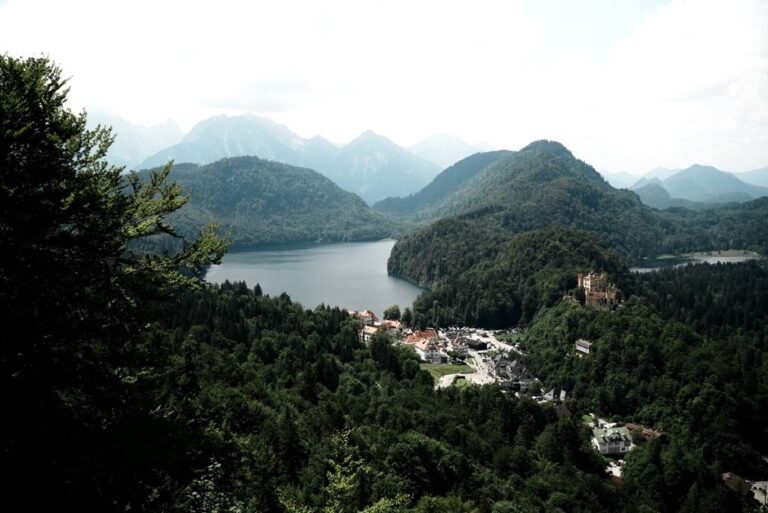
Plan a trip to the Bavarian Alps: Neuschwanstein and Hohenschwangau timed tickets and the Ticket Center with 2026 prices, the Marienbrücke in winter, Linderhof,…
Berlin Travel Guide
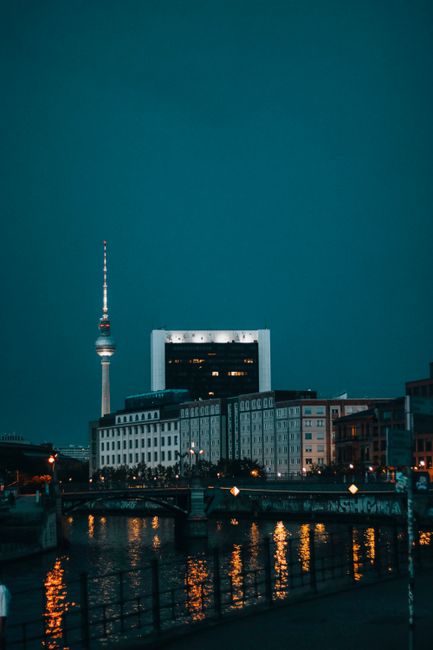
Plan a trip to Berlin: the best neighbourhoods, free Reichstag dome bookings (closed 19–30 October 2026), Museum Island's €24 ticket and the Pergamon closure…
Black Forest Travel Guide
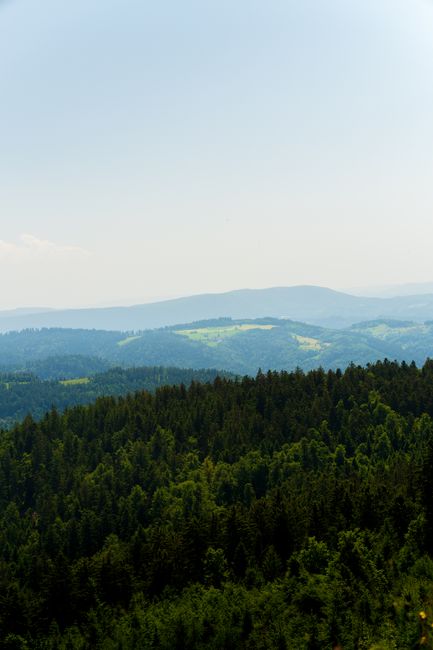
Plan a trip to the Black Forest: Freiburg, the Triberg waterfalls with 2026 prices and winter opening, cuckoo clocks, Titisee and the Feldberg, Baden-Baden's…
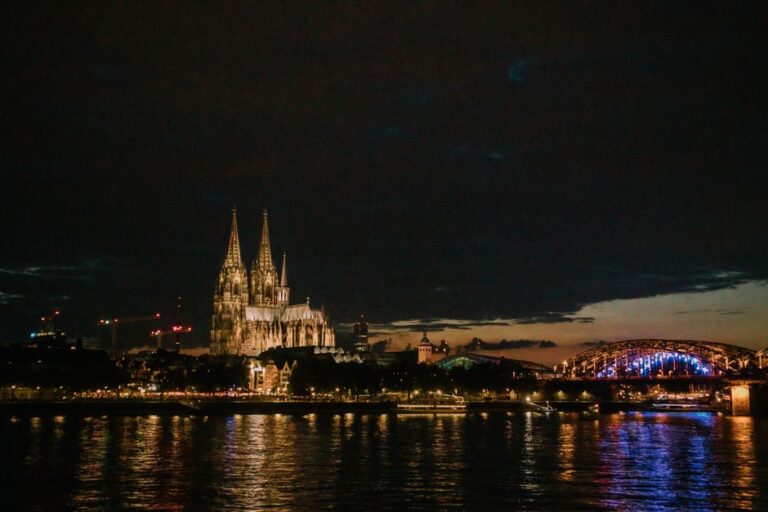
Cologne Travel Guide
Plan a trip to Cologne: the best neighbourhoods, the cathedral's new €12 ticket (since 1 July 2026), tower climb and treasury prices, Roman Cologne…
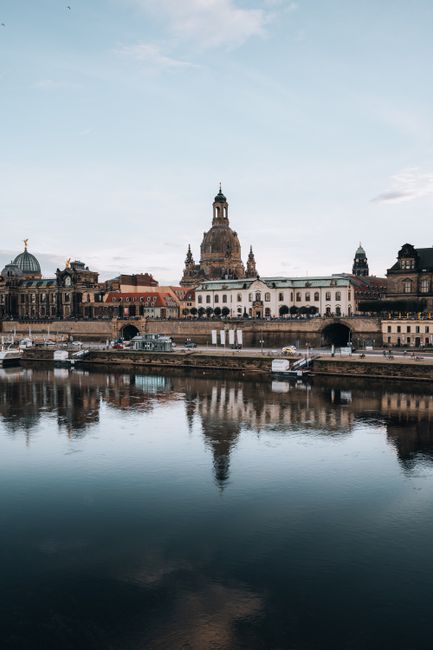
Dresden Travel Guide
Plan a trip to Dresden: the free Frauenkirche and its dome climb, the Zwinger and the Old Masters, Historic Green Vault timed tickets with…
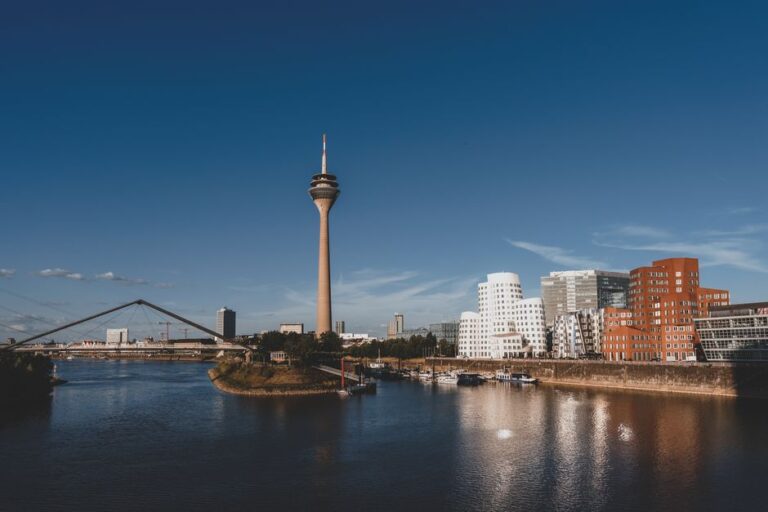
Düsseldorf Travel Guide
Plan a trip to Düsseldorf: Altbier in the Altstadt's brewery pubs, the Rhine promenade, the Königsallee, Gehry's MedienHafen, Rheinturm and K20/K21 prices for 2026,…
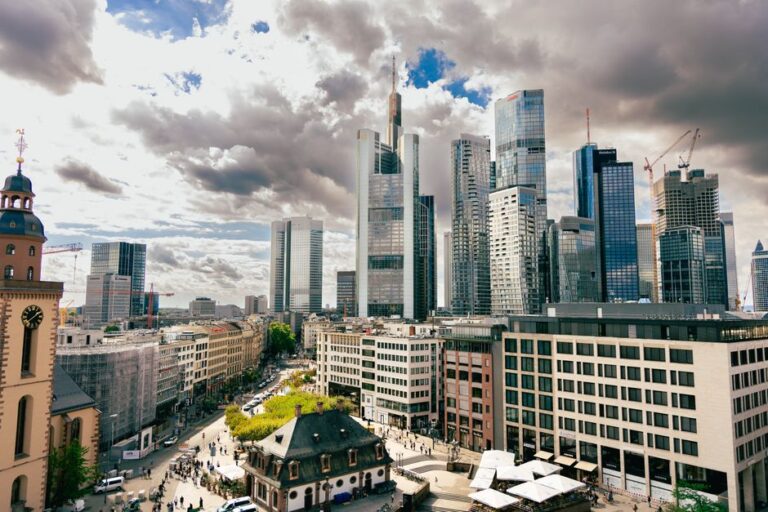
Frankfurt Travel Guide
Plan a trip to Frankfurt: the Römerberg and the New Old Town, the Kaiserdom tower climb, the Städel and the Museum Embankment with 2026…
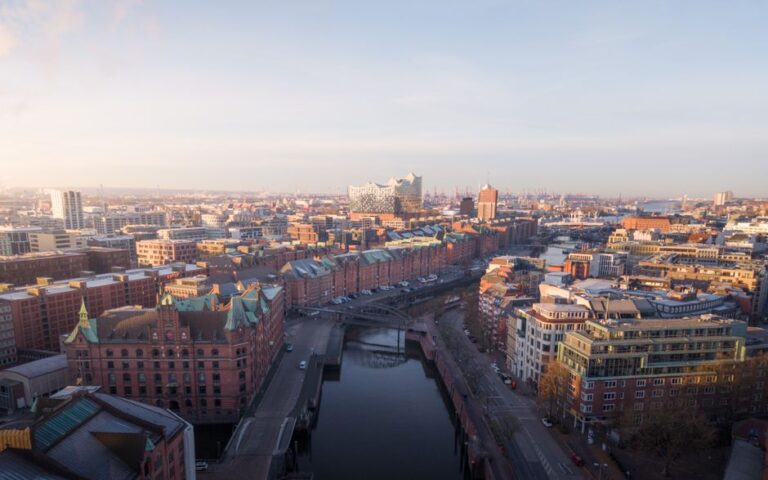
Hamburg Travel Guide
Plan a trip to Hamburg: the best neighbourhoods, the Elbphilharmonie Plaza (€5 from 5 October 2026), Miniatur Wunderland tickets and time slots, harbour ferry…
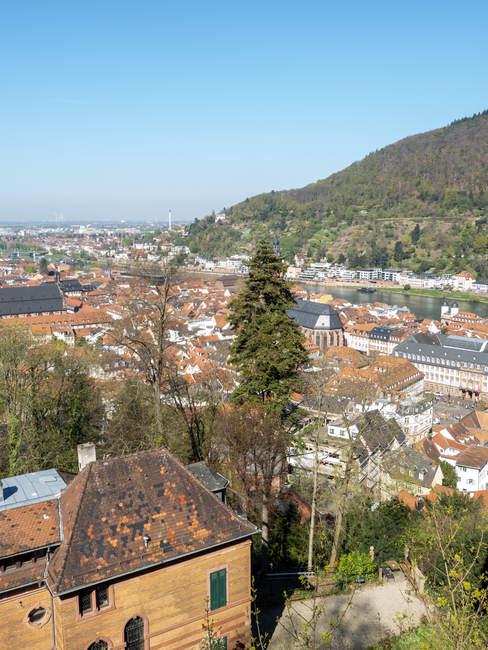
Heidelberg Travel Guide
Plan a trip to Heidelberg: the castle and the funicular on one ticket with 2026 prices and hours, the Great Barrel, the Old Bridge,…
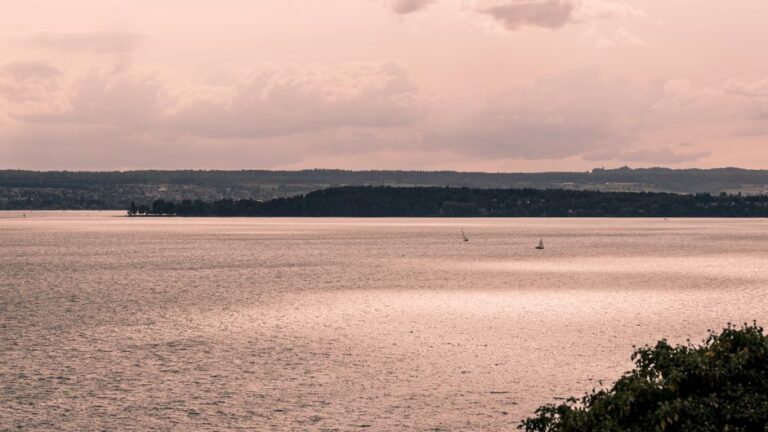
Lake Constance Travel Guide
Plan a trip to Lake Constance (Bodensee): Lindau, Meersburg, Konstanz and Friedrichshafen compared, Mainau flower island tickets and hours for 2026, the Zeppelin Museum,…
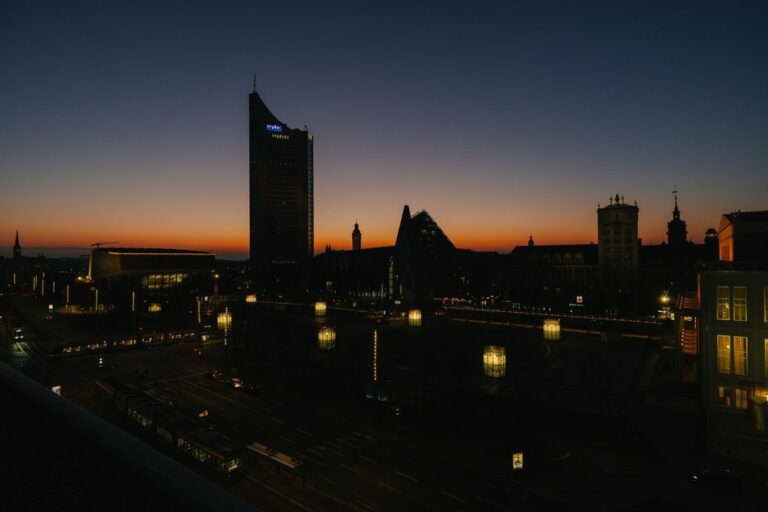
Leipzig Travel Guide
Plan a trip to Leipzig: the free Thomaskirche and the Thomanerchor motets, Bach Museum 2026 prices, the Nikolaikirche and the Peaceful Revolution of 1989,…
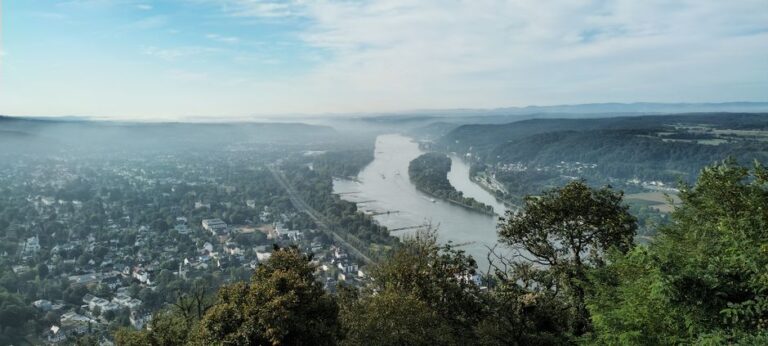
Middle Rhine Valley Travel Guide
Plan a trip to the UNESCO Middle Rhine Valley: KD Rhine cruise seasons, 2026 timetables and fares, the Loreley, the Marksburg, Rheinfels and Pfalzgrafenstein…
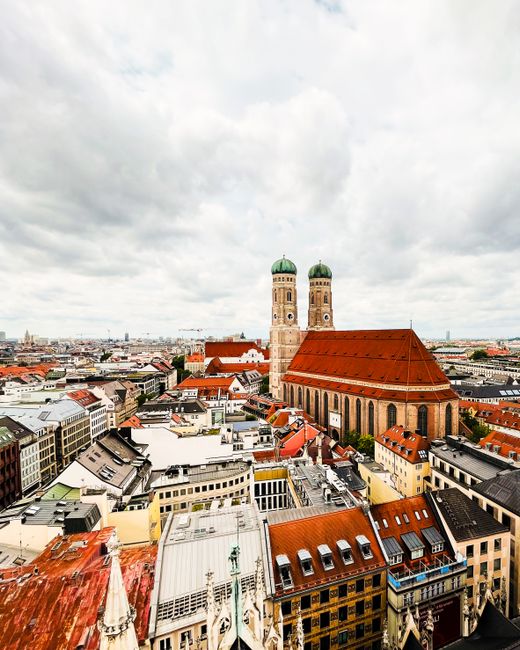
Munich Travel Guide
Plan a trip to Munich: the best neighbourhoods, Marienplatz, the Residenz and the Pinakotheks with 2026 prices, beer halls and beer gardens, Oktoberfest 2027…
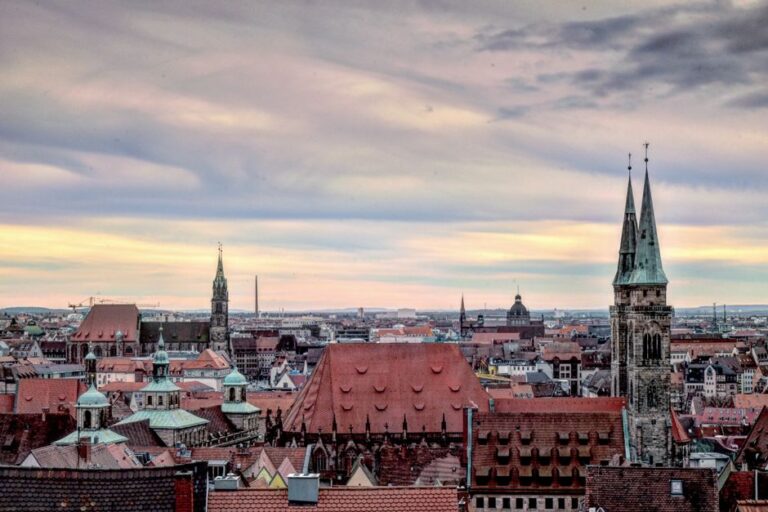
Nuremberg Travel Guide
Plan a trip to Nuremberg: the Imperial Castle with 2026 prices, Albrecht Dürer's House, the reopened Documentation Center at the Nazi Party Rally Grounds,…
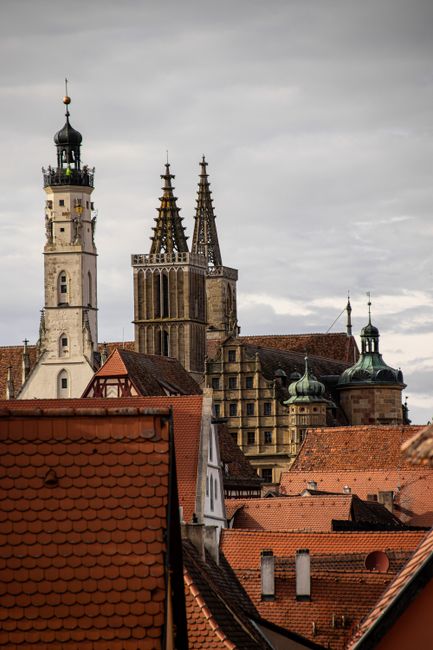
Rothenburg ob der Tauber Travel Guide
Plan a trip to Rothenburg ob der Tauber: the free town walls walk and the Tower Trail, the town hall tower, the Night Watchman…
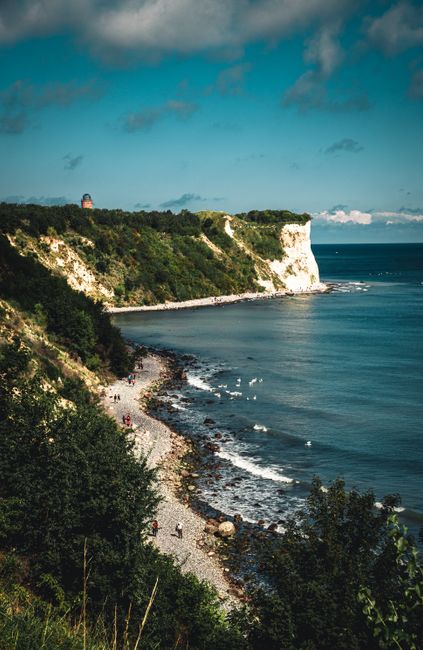
Rügen Travel Guide
Plan a trip to Rügen, Germany's largest island: the chalk cliffs, the Königsstuhl and its Skywalk, Jasmund National Park, Binz and Sellin pier, Prora,…
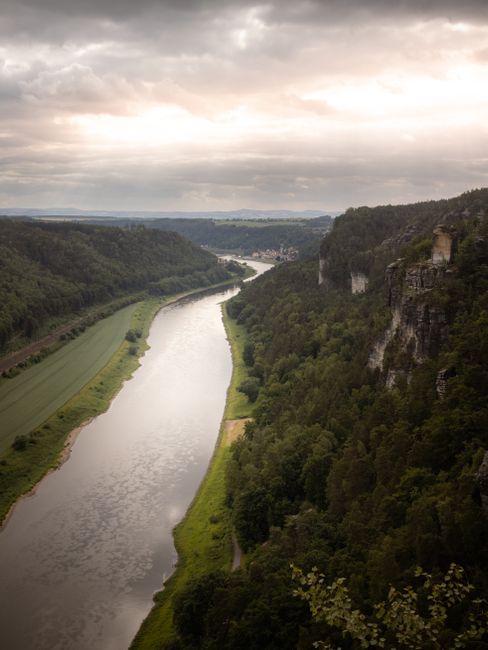
Saxon Switzerland Travel Guide
Plan a visit to Saxon Switzerland National Park: what is open after the July 2026 storm around Rathen, the free Bastei Bridge and the…
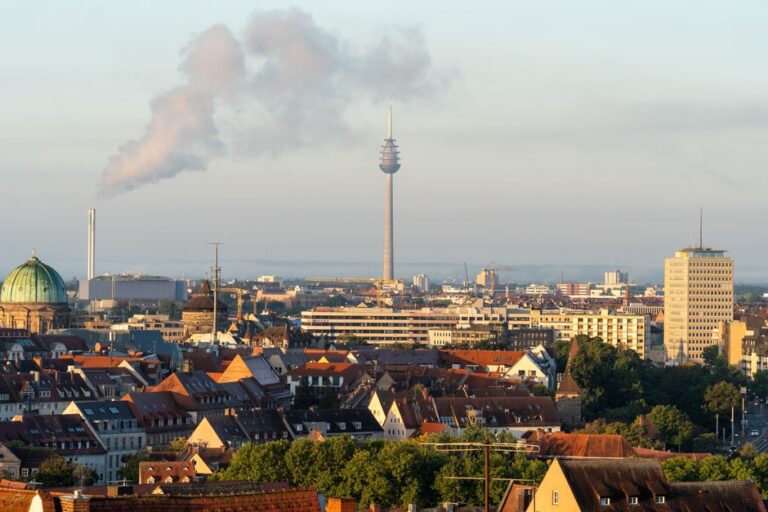
Stuttgart Travel Guide
Plan a trip to Stuttgart: Mercedes-Benz and Porsche Museum prices and hours for 2026, the Schlossplatz, the Staatsgalerie, the Wilhelma, the TV Tower, the…
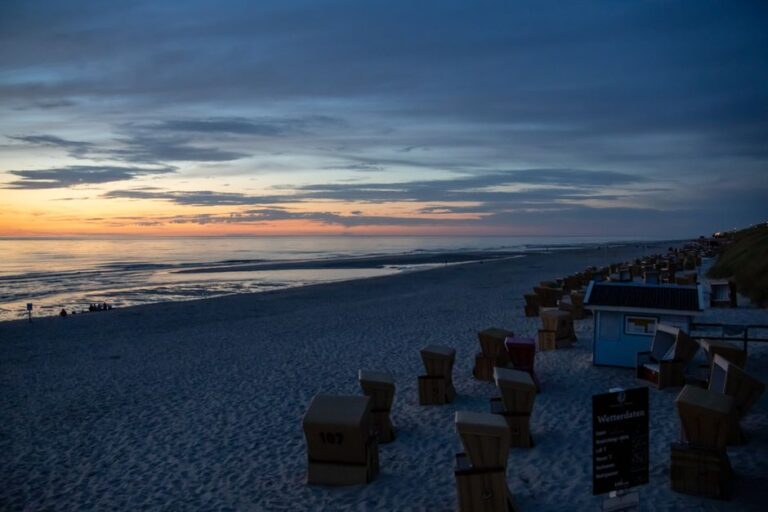
Sylt Travel Guide
Plan a trip to Sylt, Germany's northernmost island: Westerland, Kampen, the Red Cliff and Uwe dune, Keitum, List harbour and the Ellenbogen, Wadden Sea…
Best time to visit Germany, region by region
Germany has a temperate climate, with warm summers and cold, grey winters. The north is milder and windier, shaped by the sea; the east and south are more continental, with hotter summers and colder winters; the Rhine valley and the south-west (Freiburg, Heidelberg) are the warmest parts of the country; and the Alps get the most rain and snow. The table shows rounded average daily highs at one weather station per region, calculated from the German Weather Service’s (DWD) official monthly records for 1991–2020, plus the average rainfall a year. These are long-term averages; recent summers have brought more heatwaves above 30 °C.
| Region (DWD station) | Spring highs (Mar–May) | Summer highs (Jun–Aug) | Autumn highs (Sep–Nov) | Winter highs (Dec–Feb) | Rain a year |
|---|---|---|---|---|---|
| Hamburg and the north (Hamburg-Fuhlsbüttel) | 9–18 °C | 21–23 °C | 19 °C falling to 8 °C | 4–5 °C | about 770 mm |
| Berlin and the east (Berlin-Tempelhof) | 9–20 °C | 23–25 °C | 20 °C falling to 8 °C | 4–5 °C | about 570 mm |
| Dresden and Saxony (Dresden-Klotzsche) | 9–19 °C | 22–25 °C | 19 °C falling to 8 °C | 3–5 °C | about 640 mm |
| Cologne and the Rhine (Köln/Bonn) | 11–20 °C | 23–25 °C | 20 °C falling to 10 °C | 6–7 °C | about 800 mm |
| The south-west (Freiburg) | 12–21 °C | 24–27 °C | 21 °C falling to 10 °C | 6–8 °C | about 870 mm |
| Munich and Bavaria (München-Stadt) | 10–19 °C | 23–25 °C | 20 °C falling to 8 °C | 4–6 °C | about 940 mm |
| Bavarian Alps (Garmisch-Partenkirchen) | 10–18 °C | 22–23 °C | 19 °C falling to 8 °C | 3–6 °C | about 1,370 mm |
Unlike southern Europe, Germany gets most of its rain in summer, often as short, heavy afternoon thunderstorms, especially in Munich and the Alps; spring and early autumn are usually drier. Winter nights are frosty in Berlin, Munich and the east, with average lows just below freezing, and snow is likely in the mountains from December to March. Summer days are long: in June it stays light until about 22:00 in Hamburg and Berlin, while in December it is dark by about 16:30.
Crowds and prices through the year
- May, June and September: the best all-round months: mild to warm weather, beer gardens open, long days and fewer crowds than in high summer. Watch for trade fairs (Messen), which can double hotel prices in Frankfurt, Cologne, Munich, Hamburg and Berlin on fair dates.
- July and August: the warmest and busiest months for the Alps, lakes, Rhine and coast. School summer holidays are staggered by state between late June and mid-September, so beaches and mountain resorts stay busy for a long time. Big cities can be quieter and cheaper as locals leave.
- Late September and October: Oktoberfest in Munich (hotels there are at their most expensive), grape harvests and wine festivals along the Rhine and Moselle, and golden forests. Some mountain lifts and river boats wind down from late October.
- Late November to 23 December: Christmas market season (see below), a magical time for city breaks, with short, cold days. Weekends at the famous markets are crowded; go on weekday afternoons.
- January to March: grey and cold in the lowlands and the cheapest time for city hotels, except during trade fairs. It is ski season in the Alps, and carnival takes over Cologne, Düsseldorf and Mainz in February.
Christmas markets season 2026
Germany invented the Christmas market, and nearly every town has one, with wooden huts selling mulled wine (Glühwein, served in a mug you pay a deposit on), roasted almonds, gingerbread, sausages and handmade decorations. Most open in the last week of November and close on 23 or 24 December, though a few run to New Year. Many wait until after Totensonntag, the Protestant day of remembrance, which falls on 22 November in 2026. Dates for some of the most famous markets in 2026, as published by the cities and organisers:
| Market | 2026 dates | Good to know |
|---|---|---|
| Cologne: Christmas market at the cathedral | 16 November – 23 December (closed 22 November) | One of seven or more markets around the city; the harbour market runs to 3 January 2027 |
| Munich: Christkindlmarkt on Marienplatz | 20 November – 24 December | Closes at 14:00 on 24 December |
| Hamburg: Rathausmarkt | 23 November – 23 December | Watch for the flying Father Christmas over the town hall square |
| Dresden: Striezelmarkt | 25 November – 24 December | Held since 1434; home of the Dresden Christstollen |
| Nuremberg: Christkindlesmarkt | 27 November – 24 December | Opened by the Christkind on the evening of 27 November |
| Berlin: WeihnachtsZauber Gendarmenmarkt | late November – 31 December | Small entry fee at most times; dozens of other markets across the city are free |
Prices for a mug of Glühwein are typically a few euros plus a mug deposit (Pfand) of a few euros, which you get back when you return it, or you can keep the mug as a souvenir. Pay with cash at smaller stalls, though more and more take cards.
Festivals and events through the year
- January to March: the Berlin International Film Festival (Berlinale) in February; carnival (Karneval or Fasching) peaks in the week before Ash Wednesday, with Rose Monday parades in Cologne, Düsseldorf and Mainz (8 February 2027).
- April to June: Easter markets and egg trees; asparagus season (Spargelzeit) from April to 24 June; May Day maypoles in Bavaria; Hamburg’s harbour birthday in May; Kiel Week sailing festival in June; Rhine in Flames fireworks along the river on summer weekends.
- July and August: open-air concerts, lake swimming and beer gardens; the Bayreuth Wagner Festival; wine festivals on the Rhine and Moselle.
- September and October: Oktoberfest in Munich (19 September – 4 October 2026; 18 September – 3 October 2027), Stuttgart’s Cannstatter Wasen beer festival, the Berlin Marathon, the grape harvest and new-wine festivals, and the Day of German Unity on 3 October.
- November and December: St Martin’s lantern parades on 11 November (the same day Cologne’s carnival season officially begins at 11:11), Christmas markets, and New Year’s Eve fireworks at the Brandenburg Gate.
Public holidays differ by state
Germany has nine national public holidays, and each state adds its own, mostly religious ones. On public holidays, almost all shops close, as on Sundays (see below), and buses and trains run a Sunday timetable. Holidays that fall at the weekend are not moved to a Monday. The next ones, from October 2026:
| Holiday | Date | Where |
|---|---|---|
| Reformation Day | Saturday 31 October 2026 | Brandenburg, Bremen, Hamburg, Lower Saxony, Mecklenburg-Western Pomerania, Saxony, Saxony-Anhalt, Schleswig-Holstein, Thuringia |
| All Saints’ Day | Sunday 1 November 2026 | Baden-Württemberg, Bavaria, North Rhine-Westphalia, Rhineland-Palatinate, Saarland |
| Day of Repentance and Prayer | Wednesday 18 November 2026 | Saxony only |
| Christmas Day and St Stephen’s Day | 25 and 26 December 2026 | Nationwide (24 and 31 December are half days, with shops closing around 14:00) |
| New Year’s Day | 1 January 2027 | Nationwide |
| Epiphany | 6 January 2027 | Baden-Württemberg, Bavaria, Saxony-Anhalt |
| Good Friday and Easter Monday | 26 and 29 March 2027 | Nationwide |
| Labour Day | 1 May 2027 | Nationwide |
| Ascension Day and Whit Monday | 6 and 17 May 2027 | Nationwide |
| Corpus Christi | 27 May 2027 | Baden-Württemberg, Bavaria, Hesse, North Rhine-Westphalia, Rhineland-Palatinate, Saarland and parts of Saxony and Thuringia |
| Day of German Unity | 3 October 2027 | Nationwide |
Weather month by month
Averages from DWD normals 1991–2020, Berlin-Tempelhof · Last reviewed 4 Oct 2026
How long to stay: sample itineraries
Germany is large but well connected: ICE trains link the big cities in two to five hours, and regional trains reach almost every town. Plan around rail lines and rent a car only for the Alps, the Romantic Road villages, the Black Forest or the Moselle.
5 days: Berlin plus Potsdam or Dresden
Three or four days in Berlin for the Reichstag dome, Museum Island, the Wall and the neighbourhoods, plus a day trip to Potsdam’s palaces (under 40 minutes by regional train) or Dresden (about two hours by train). Ideal for a first taste or a long weekend.
7 days: Berlin and Munich
Three days in Berlin, then the ICE south to Munich (about four hours) for three or four days, with a day trip to Neuschwanstein Castle or the Bavarian Alps. Add a stop in Nuremberg on the way if you can.
10 days: Berlin, Hamburg, Cologne and the Rhine
Berlin (three days), Hamburg (two days), then Cologne (two days) with a day on the Middle Rhine by boat and train, and finish in Heidelberg or fly home from Frankfurt. Or swap the north for Munich, the Romantic Road and the Alps.
14 days: the grand tour
Berlin, Dresden, Nuremberg, Rothenburg and Munich, then the Bavarian Alps and Lake Constance, before heading north through the Black Forest and Heidelberg to Cologne and the Rhine. Germany combines easily with its neighbours: fast trains run from Cologne to Brussels and Amsterdam, from Frankfurt and Stuttgart to Paris, and from Munich over the Alps to Austria and Italy, while Freiburg is close to Strasbourg and Alsace.
Entry, money and costs
Entry: Schengen, EES and ETIAS (last reviewed October 2026)
Germany is part of the European Union and the Schengen area. Citizens of the EU, the European Economic Area and Switzerland can enter with a valid passport or national ID card and stay without limit. Visitors from many other countries, including the United States, Canada, the UK, Australia and New Zealand, can visit without a visa for up to 90 days in any 180-day period across the whole Schengen area; others need a Schengen visa before travelling.
- Entry/Exit System (EES): the EU’s digital border system has been fully running at all Schengen borders since 10 April 2026. The first time you enter, non-EU visitors give fingerprints and a facial photo at a kiosk or border desk instead of getting a passport stamp; children under 12 are not fingerprinted. Registration is free. At Frankfurt and Munich airports, waits at passport control have been much longer than before at busy times in summer 2026, so allow extra time, especially when leaving.
- ETIAS: the EU’s planned online travel authorisation (fee €20) is not in operation as of October 2026, and no start date has been officially announced. You don’t need one yet. Ignore websites selling “ETIAS applications” before then.
- Passport validity: non-EU passports must have been issued within the last 10 years and be valid for at least three months after the day you plan to leave the Schengen area.
- Temporary border checks: Germany has run police checks at all nine of its land borders since September 2024 and has extended them until at least 15 March 2027. Trains, buses and cars arriving from Austria, the Netherlands, France, Poland and other neighbours can be stopped, so always carry your passport or ID card, even on a day trip to Salzburg or Strasbourg.
Rules change, so check the official pages before you travel: the European Commission’s EES and ETIAS pages, the German Federal Foreign Office (auswaertiges-amt.de) and your own government’s travel information.
Language
German is the official language. English is widely spoken in cities, hotels and by younger people, and most train and museum information is bilingual, but a few words go a long way, especially in the countryside and in the east: Hallo or Guten Tag (hello), Grüß Gott (hello, in Bavaria), Moin (hello, in the north), Danke (thank you), Bitte (please, and you’re welcome), Entschuldigung (excuse me), Die Rechnung, bitte (the bill, please) and Prost! (cheers). Germans tend to be direct and polite rather than chatty with strangers; use Sie (the formal “you”) with adults you don’t know.
Cash or card?
The currency is the euro (€). Germany is famously fond of cash: it is still used for about half of everyday shop payments, and some bakeries, beer gardens, kiosks, market stalls and small restaurants accept only cash, or only the German girocard debit card. Card acceptance has improved fast, and contactless cards and phone wallets now work in supermarkets, chains, transport ticket machines, most hotels and many restaurants, but always ask before you order in a small, traditional place (“Kann ich mit Karte zahlen?“). Carry €50–100 in cash. Use cash machines (Geldautomat) belonging to banks or savings banks (Sparkasse, Volksbank), and when a machine or card terminal offers to charge you in your home currency, choose euros; it is usually the better rate.
Tipping
Service is included in prices, but tipping about 5–10% in restaurants and cafés is normal for good service. Germans don’t leave the tip on the table: when the server tells you the total, say the amount you want to pay including the tip (for a €27.50 bill, “30, bitte“), or say “Stimmt so” (“keep the change”) when handing over cash. Round up for taxis and drinks at a bar, and leave a euro or two for hotel cleaners and porters. Card terminals increasingly suggest a tip; you can choose the amount or none.
Tax-free shopping and city taxes
Prices include VAT (Mehrwertsteuer, 19% on most goods). Visitors who live outside the EU can claim it back on goods taken home in their luggage, through shops in a tax-free scheme: ask for the form when you pay, have it stamped by customs when you leave the EU (before checking in your bag), then claim the refund, less a fee. Many cities add an accommodation tax to hotel bills: in 2026 Berlin charges 7.5% of the room price, Cologne 5% and Hamburg a small per-night amount graded by price, while Bavarian cities, including Munich, are not allowed to charge one.
Typical travel costs
Germany is mid-priced for Western Europe: cheaper than the UK, Switzerland or Scandinavia, and good value for food, beer and public transport, though Munich and Hamburg hotels are expensive. These estimates, per person per day, are a planning guide as of October 2026:
| Style | Estimated cost per day | What that looks like |
|---|---|---|
| Budget | about €60–90 | Hostel bed or budget hotel outside the centre, bakery breakfasts, street food and supermarket picnics, Deutschlandticket for local and regional transport |
| Mid-range | about €130–220 | 3- or 4-star hotel room shared by two, beer-hall lunches and restaurant dinners, a couple of paid sights a day, saver-fare ICE trains |
| High-end | about €350+ | Boutique or luxury hotel, fine dining, flexible first-class rail tickets, guided tours, car hire |
Add more for hotels during Oktoberfest, the Christmas markets and big trade fairs. The figures are our estimates, not official statistics.
Getting there and getting around
Arrival airports and trains from abroad
- Frankfurt (FRA): Germany’s biggest airport and a global hub, with its own long-distance train station; ICE trains reach Cologne in about an hour and Munich, Berlin or Hamburg in about four hours.
- Munich (MUC): the second hub, linked to the city by S-Bahn lines S1 and S8 (about 40 minutes). See our Munich guide for tickets.
- Berlin Brandenburg (BER): Berlin’s only airport, south-east of the city, with the FEX Airport Express and S-Bahn trains into the centre. Details are in our Berlin guide.
- Hamburg, Düsseldorf, Cologne/Bonn and Stuttgart: all have rail links to their city centres and many direct flights from around Europe.
- By train: high-speed trains connect Germany with Paris, Brussels, Amsterdam, Zurich, Vienna, Prague and Copenhagen, and night trains run to Vienna, Brussels, Amsterdam, Zurich and beyond.
The Deutschlandticket: €63 a month for local and regional transport
The Deutschlandticket (Germany ticket) is the best travel deal in the country. As of October 2026 it costs €63 a month (it was €58 in 2025) and gives unlimited travel on all local and regional public transport in Germany: S-Bahn, U-Bahn, trams, city buses and regional trains (RE, RB, IRE), including scenic routes such as Munich to Füssen for Neuschwanstein or Koblenz to Mainz along the Rhine. On 30 September 2026 the federal and state transport ministries agreed that the price will rise to €66.80 a month from 1 January 2027.
- Who can buy it: anyone, including foreign visitors. It is sold online by Deutsche Bahn (bahn.de and the DB Navigator app) and by city transport companies, paid by credit card, PayPal, Apple Pay or a European bank account.
- It is a monthly subscription: the ticket is only sold as a subscription that renews automatically every month. It is valid for a calendar month, so it is best value when your trip starts early in the month. To stop it, cancel by the 10th of the month and it ends on the last day of that month; miss the date and you pay for another month. Set a reminder as soon as you buy.
- Digital only: the ticket lives in an app (or on a chip card for local subscribers); have your phone charged and your ID with you for checks. It is personal and can’t be shared.
- What it doesn’t cover: long-distance ICE, IC and EC trains, FlixTrain, long-distance coaches and most tourist boats and cable cars. Bikes are not included. Some routes into neighbouring countries, such as Kufstein and Salzburg in Austria, are covered.
- Is it worth it? For a few days in one city, a local day ticket is often cheaper (for example about €10 for Munich’s inner zone). For a week or more with airport transfers and day trips by regional train, €63 usually pays for itself quickly.
Long-distance trains: ICE, saver fares and the BahnCard
Deutsche Bahn (DB) runs the national network, with white high-speed ICE trains at up to 300 km/h and slower Intercity (IC) trains. Typical fastest times: Berlin to Hamburg about 1 hour 45 minutes to 2 hours, Berlin to Munich about 4 hours, Frankfurt to Cologne about 1 hour, Munich to Nuremberg about 1 hour, and Hamburg to Cologne about 4 hours. Plan and buy on bahn.de (in English) or the DB Navigator app; tickets bought online are digital.
- Ticket types: the Flexpreis is fully flexible but expensive. Sparpreis (saver) fares start from €21.99 in second class and Super Sparpreis fares from €17.99 (as low as €6.99 on some routes), as of October 2026; both are tied to your chosen train and get more expensive as seats sell, so book early. A seat reservation costs extra (€5.50 in second class) and is worth it on Fridays, Sundays and holidays.
- BahnCard: Germany’s railcard takes 25% off flexible and saver fares. As of October 2026 the BahnCard 25 costs €62.90 a year in second class (DB runs regular half-price promotions, most recently in September 2026), and anyone can buy one. Beware: it renews automatically for another year unless you cancel in writing at least four weeks before it expires. For one long trip, a saver fare alone is usually enough.
- Rail passes: visitors who live outside Europe can buy the German Rail Pass (Eurail), and Europeans an Interrail pass; both cover ICE trains. They suit travellers who want flexibility on many long journeys; for two or three planned trips, early saver fares are usually cheaper.
How reliable are German trains?
Less reliable than their reputation, for now. Deutsche Bahn’s own figures show that in September 2026 only 52.4% of long-distance trains arrived less than six minutes late, while regional trains were on time 88.2% of the time; DB blames a heavy programme of construction work and ageing infrastructure. Several main lines are being closed for months at a time for complete renewal (the Hamburg–Berlin line reopened in June 2026 after nearly a year), with replacement buses or long diversions. In practice: allow at least 30–60 minutes between a train and a flight or a timed museum entry, avoid tight connections, check the DB Navigator app on the day for changes, and know your rights. Under EU rules you can claim 25% of the fare back for a delay of 60 minutes or more at your destination and 50% for 120 minutes or more, and if your saver-fare train is delayed by at least 20 minutes you may take another train.
Regional day tickets and city transport
If you don’t have a Deutschlandticket, the states sell regional day tickets for unlimited travel on regional trains and local transport, often for groups. The Bayern-Ticket, for example, costs €34 for one person plus €10 for each extra person (up to five) in 2026, valid all day across Bavaria from 09:00 on weekdays. City transport uses zones; buy and validate tickets before you board trains and trams (machines on the platform or the local app), as there are no ticket barriers but frequent inspections, and fares without a valid ticket cost €60.
Driving: the Autobahn, environmental zones and tolls
A car is the best way to explore the Alps, the Romantic Road, the Black Forest and the Moselle, but unnecessary in the cities. Germany drives on the right, and most visitors can drive on their national licence (some hire companies also want an International Driving Permit). Speed limits are 50 km/h in towns, 100 km/h on country roads and, famously, no general limit on many stretches of the Autobahn, though there is an advisory 130 km/h and many sections have signed limits. Keep right except to overtake, never overtake on the right, and check your mirror for cars approaching very fast. The drink-drive limit is 0.5 g/l, and zero for drivers under 21 or in their first two years.
- Environmental zones (Umweltzonen): Berlin, Munich, Cologne, Stuttgart, Frankfurt and dozens of other cities have low-emission zones, marked by a white “Umwelt” sign. To drive in, a car needs a green emissions sticker (Umweltplakette) on the windscreen; driving without one costs €100. German hire cars have one; if you bring your own car, order the sticker online from an official testing body or buy it at a German testing station before you go. Rules for electric cars with German “E” plates are being relaxed.
- Tolls: there are no motorway tolls or vignettes for cars in Germany, but you need a vignette to drive on motorways in neighbouring Austria and Switzerland, so buy one before you cross.
- Winter: winter tyres are compulsory in wintry conditions (snow, ice or slush), and hire cars in the south usually have them from about October to April.
- Parking: city-centre parking is expensive; use park-and-ride car parks at the edge of town, and in some places you need a parking disc (Parkscheibe) on the dashboard.
Buses, bikes and boats
FlixBus is the cheapest way between cities and to neighbouring countries, slower than the train but often a fraction of the price. Germany is great cycling country, with bike paths in every city and long riverside routes along the Elbe, Danube, Rhine and Moselle; bikes can travel on most regional trains for a small extra fare. Boats run on the Rhine, Moselle, Elbe, the Bavarian lakes and Lake Constance from about April to October.
Culture, food and everyday etiquette
German food is hearty and very regional. In Bavaria, try roast pork with dumplings, white sausages with sweet mustard for breakfast, giant soft pretzels and a Mass (litre) of beer in a beer garden; in the Rhineland, Himmel un Ääd (black pudding with mashed potato and apple) with glasses of Kölsch; in Berlin, currywurst and the döner kebab, which the city claims as its own; in the north, fish sandwiches and Labskaus; in the south-west, Maultaschen, Spätzle and Black Forest gateau. Germany brews superb beer and excellent Riesling, and afternoon coffee and cake (Kaffee und Kuchen) is a national ritual.
Meal times and beer gardens: lunch is from about 12:00 to 14:00 and dinner from about 18:00 to 21:00; in small towns, kitchens may close at 21:00. In a traditional Bavarian beer garden you may bring your own food to the tables without tablecloths, but buy drinks there. Sharing long tables with strangers is normal; ask “Ist hier noch frei?” (“is this seat free?”). Tap water is safe to drink, but restaurants serve bottled water unless you ask.
Sunday closing
On Sundays and public holidays, nearly all shops close, including supermarkets, by law. Exceptions are shops in main railway stations and airports, petrol stations, kiosks (Späti in Berlin), and bakeries for a few hours in the morning; some towns allow a few “shopping Sundays” a year. Museums, restaurants, cafés and sights stay open, so plan your shopping for Saturday and enjoy Sunday the German way: a long brunch, a walk or a museum. On weekdays, city shops usually open until 20:00.
Recycling and bottle deposits (Pfand)
Most drinks in Germany carry a deposit, shown as “Pfand” on the price label. Single-use plastic bottles and cans cost 25 cents extra, and since 2024 that includes milk drinks in plastic bottles; reusable glass bottles carry 8 cents (beer) or 15 cents (water and soft drinks). Return them to the machines in any supermarket that sells that type of bottle and you get a voucher to spend at the till. Don’t throw them away: if you don’t want to return them, leave them next to (not inside) a public bin, where collectors pick them up. At home, Germans sort waste into paper, packaging (yellow bin), glass by colour, organic and general waste; follow the labels in your apartment.
Quiet hours and other etiquette
Germans take quiet seriously. Quiet hours (Ruhezeiten) usually run from 22:00 to 06:00 every night and all day on Sundays and holidays, set by local rules and house rules: keep noise down in apartments and on balconies, and don’t mow, drill or put bottles in the glass bank at those times. Wait for the green man at pedestrian crossings even when the road is empty (and especially in front of children), never walk in the red-paved cycle lanes, be on time, and keep your voice down on trains, where some carriages are marked quiet zones. Saunas are usually mixed and nude. Smoking is banned inside restaurants and on public transport, though rules for bars vary by state.
Safety, health, accessibility and connectivity
Safety
Germany is a safe country to visit. The main risks are pickpockets in crowds (on busy trains and stations, at Christmas markets, at Oktoberfest and around big sights in Berlin, Munich, Hamburg and Cologne) and bike theft. At Christmas markets and big events, expect bag checks and concrete barriers. In the mountains, weather changes fast: check the forecast, start early and carry layers and water. Swim only where it is allowed; the Rhine and the Elbe have strong currents and shipping, and swimming in them is dangerous.
Emergency numbers: 112 for ambulance and fire (also the Europe-wide emergency number), 110 for police. For an out-of-hours doctor, call 116 117.
Health
Healthcare is excellent. EU visitors should bring their European Health Insurance Card (EHIC); everyone else needs travel insurance, as treatment is expensive. Pharmacies (Apotheke, marked with a red “A”) sell even basic medicines, and one in each area is always open at night and on Sundays on a rota posted in the window. In forests and long grass from spring to autumn, check for ticks, which can carry Lyme disease and, in southern Germany, tick-borne encephalitis; ask your doctor about a vaccine if you will hike a lot in Bavaria or Baden-Württemberg.
Accessibility
Modern museums, airports and most city transport are accessible, and many trams and buses have low floors, but not every U-Bahn or S-Bahn station has a lift, and older trains have steps. Deutsche Bahn’s Mobility Service Centre arranges free help boarding long-distance trains; book it at least a day ahead. Castles and cobbled old towns can be harder.
Connectivity and power
EU mobile plans work in Germany at home prices. Visitors from elsewhere can buy an eSIM or a prepaid SIM from Telekom, Vodafone or O2 (you need ID to register a German SIM). Coverage is patchy on some trains and in rural valleys. Germany uses 230 V and type F (Schuko) and type C sockets, with two round pins; you need an adapter for UK, US and Australian plugs.
Things to do: city sightseeing, hiking, cycling, boat trips and wine
- City sightseeing: Berlin, Munich, Hamburg, Cologne, Dresden, Nuremberg, Heidelberg and Rothenburg, with world-class museums, cathedrals, castles and memorials, and Christmas markets in winter.
- Hiking: the Bavarian Alps around Garmisch and Berchtesgaden, the Malerweg in Saxon Switzerland, the Rheinsteig above the Rhine, the Westweg through the Black Forest and gentle valley walks almost everywhere. Huts serve food and drink on most mountain routes from June to October.
- Cycling: the Elbe, Danube and Moselle cycle paths, the circuit of Lake Constance, the Berlin Wall Trail and flat, bike-friendly cities such as Berlin, Hamburg and Münster.
- Boat trips: Rhine cruises past the Lorelei, harbour ferries in Hamburg, the electric boats on Lake Königssee, steamers on the Bavarian lakes and Lake Constance, and Spree river tours in Berlin.
- Wine tasting: Riesling on the Middle Rhine, the Moselle and in the Rheingau, and Pinot Noir (Spätburgunder) in Baden, with village wine festivals from late summer and seasonal wine taverns.
- Beaches: long sandy beaches on the Baltic (Rügen, Usedom) and North Sea islands (Sylt), with wicker beach chairs to rent, plus hundreds of swimming lakes inland. The water is cool, about 17–20 °C in late summer.
What to pack
Comfortable walking shoes come first: cobbled old towns, castle hills and big museums add up to many kilometres a day. In spring and autumn, pack layers and a light waterproof; in summer, light clothes, sunglasses, a hat and a compact umbrella for thunderstorms; from November to March, a warm coat, hat, scarf, gloves and waterproof boots, especially for standing at Christmas markets in the cold. For the Alps, bring proper hiking boots and a warm layer even in August. Don’t forget a type F/C plug adapter, some cash in euros, a refillable water bottle and a phone with your train and transport apps loaded.
Germany travel FAQ
When is the best time to visit Germany?
May, June and September are the best all-round months: warm enough for beer gardens and hiking, with fewer crowds than in July and August. Late November to Christmas is the time for Christmas markets, and late September to early October for Oktoberfest in Munich.
How many days do you need in Germany?
A week covers Berlin and Munich, with a day trip to Neuschwanstein. Ten days lets you add Hamburg or Cologne and the Rhine, and two weeks gives time for Dresden, the Romantic Road, the Alps, Heidelberg and the Black Forest.
Can tourists buy the Deutschlandticket?
Yes. Anyone can buy it online from Deutsche Bahn or a city transport company. As of October 2026 it costs €63 a month (€66.80 from 1 January 2027) for unlimited local and regional transport, but not ICE or IC trains. It is a monthly subscription: cancel by the 10th of the month or it renews for the next month.
How do I get cheap train tickets in Germany?
Book Sparpreis or Super Sparpreis fares early on bahn.de or the DB Navigator app (from €17.99, sometimes less, as of October 2026), travel midweek, and use the Deutschlandticket or a regional day ticket for regional trains. A BahnCard 25 only pays off for several long trips, and it renews automatically unless you cancel.
Are German trains on time?
Not reliably. In September 2026 only 52.4% of long-distance trains arrived less than six minutes late, according to Deutsche Bahn, mainly because of construction work. Regional trains do much better. Leave buffers before flights and timed tickets, and check the app on the day.
Do I need ETIAS or EES to visit Germany?
As of October 2026, ETIAS is not running yet, so you don’t need one, but non-EU visitors are registered in the EU’s Entry/Exit System (fingerprints and photo) at the border. Visa-free visitors can stay up to 90 days in any 180 across the Schengen area.
Are there border checks when entering Germany by train or car?
Yes, possibly. Germany has temporary police checks at all its land borders until at least 15 March 2027, so you may be checked arriving from Austria, the Netherlands, France or any other neighbour. Always carry your passport or ID card.
Is Germany a cash-only country?
Not any more, but cash is still common. Cards and phone payments work in most shops, hotels and transport machines, but some bakeries, beer gardens, kiosks and small restaurants take only cash. Carry €50–100 and ask before ordering.
How much should I tip in Germany?
About 5–10% in restaurants for good service. Tell the server the total you want to pay including the tip when they bring the bill, rather than leaving money on the table. Round up for taxis and bar drinks.
Are shops open on Sundays in Germany?
Almost none. Supermarkets and most shops close on Sundays and public holidays by law. Shops in main railway stations and airports, petrol stations, kiosks and bakeries (in the morning) are the exceptions; museums and restaurants stay open.
Is there a speed limit on the Autobahn?
Many stretches have no general speed limit, but 130 km/h is the advisory speed, and large sections have signed limits, especially near cities and junctions. Keep right except to overtake. There are no motorway tolls for cars.
Do I need an environmental sticker to drive in German cities?
Yes, to enter a low-emission zone (Umweltzone), found in Berlin, Munich, Cologne, Stuttgart and many other cities, a car needs a green Umweltplakette on the windscreen, or you risk a €100 fine. German hire cars have one; foreign-registered cars must get one before arrival.
How does the bottle deposit (Pfand) work?
You pay 25 cents extra for single-use plastic bottles and cans, and 8 or 15 cents for reusable glass bottles. Return them to a machine in any supermarket that sells them and you get a voucher for the till.
When are the Christmas markets in Germany in 2026?
Most open in the last week of November and close on 23 or 24 December. In 2026, Cologne’s cathedral market opens on 16 November, Munich’s Marienplatz market on 20 November, Dresden’s Striezelmarkt on 25 November and Nuremberg’s Christkindlesmarkt on 27 November.
Can I combine Germany with France or Italy?
Easily. High-speed trains run from Frankfurt and Stuttgart to Paris, Freiburg is close to Strasbourg, and trains cross the Alps from Munich to Verona and Venice. See our France guide and our Italy guide to plan the next leg.
Sources
- Natural Earth · Public domain · fetched 4 Oct 2026
- © OpenStreetMap contributors · ODbL · fetched 4 Oct 2026
- Wikidata · CC0 · fetched 4 Oct 2026
Sources and last review
Researched and last reviewed on 4 October 2026. Population from the Federal Statistical Office (Destatis); climate calculated from the German Weather Service’s (DWD) monthly station records for 1991–2020; the Deutschlandticket from Deutsche Bahn and deutschlandticket.de; saver fares, BahnCard prices and punctuality from Deutsche Bahn; the Bayern-Ticket from bahn.de; Oktoberfest dates from oktoberfest.de; Christmas market dates from the cities’ and organisers’ websites; EES and ETIAS from the European Commission. The 2027 Deutschlandticket price, the extension of border checks, environmental-zone changes, city accommodation taxes, the share of cash payments and train journey times come partly from press reports or general knowledge and are flagged for checking. Daily costs are estimates. Prices, timetables and entry rules change, so check the official links before you travel.
Plugs and power in Germany
Germany uses 230 V, 50 Hz and these plugs (left) and wall sockets (right):
All plug types and voltages by country → · Check what you need to pack →
Plan your trip
Partner links: TravelerCenter may earn a commission if you book, at no extra cost to you.
🇩🇪 Useful German phrases for Germany
All 38 German phrases: restaurant, hotel, emergencies, romance (printable) →