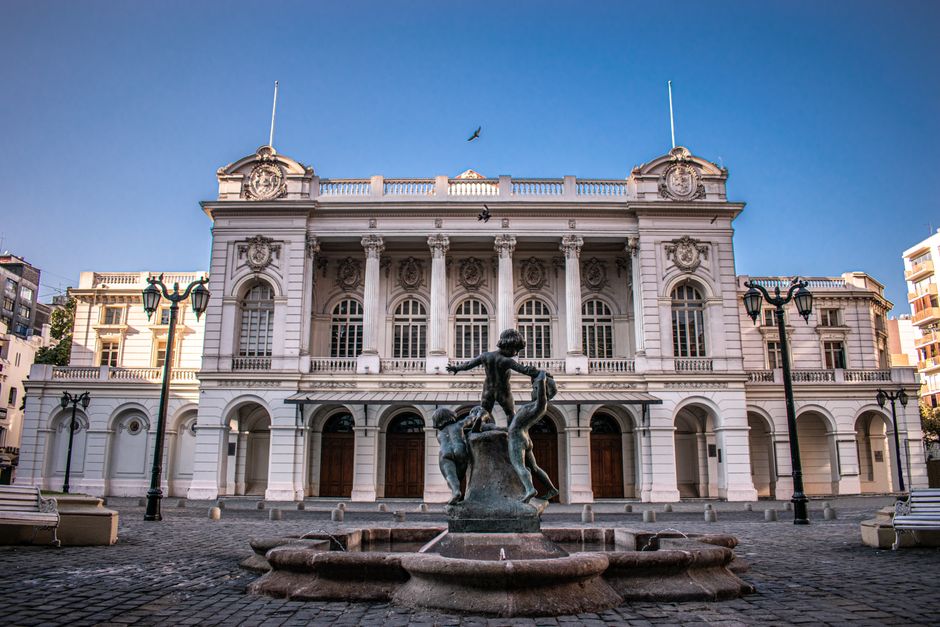
Chile is a ribbon of a country, about 4,300 km (2,670 miles) long and rarely more than 200 km (125 miles) wide, squeezed between the Andes and the Pacific. In one trip you can cross the driest non-polar desert on Earth at San Pedro de Atacama, taste Carménère in the wine valleys around Santiago, ride the old funiculars of Valparaíso, paddle a lake beneath the perfect cone of Osorno volcano near Puerto Varas, hike to the granite towers of Torres del Paine in Patagonia, and fly five hours into the Pacific to stand beside the moai of Easter Island. Most visitors from the Americas, Europe and Australia need no visa. The seasons are the reverse of the Northern Hemisphere’s: December to February is summer and the prime time for Patagonia, the central valleys are loveliest in spring and fall, the desert works all year, and the Andes ski season runs through the southern winter. Give a first trip two to three weeks.
Right now in Chile
- Tue 12–16°C 53–60°F 28 mm Heavy rain
- Wed 11–19°C 51–66°F 9 mm Showers
- Thu 9–18°C 48–64°F 7 mm Light showers
- Mon 12 Oct Columbus Day (Día del Descubrimiento de Dos Mundos)
Weather: MET Norway (CC BY 4.0) · Holidays: Nager.Date
Multi-day tours of Chile
Multi-day tours from local operators. You check dates and book on Viator, our partner; we may earn a commission at no extra cost to you. How we earn money
Chile at a glance: 16 regions from the desert to the ice
Chile is a republic of 16 regions, with its capital in Santiago, where about a third of the country’s people live. It borders Peru to the north, Bolivia and Argentina to the east, and claims a slice of Antarctica; Easter Island (Rapa Nui) and the Juan Fernández Islands lie far out in the Pacific. Spanish is the national language, spoken fast and full of local slang (“¿cachai?” means “you know?”), and English is common in hotels and tour companies in Santiago, San Pedro de Atacama, Puerto Varas, Puerto Natales and on Easter Island, much less so elsewhere.
The shape of the country shapes every trip. Santiago to San Pedro de Atacama (via the airport at Calama) is about a two-hour flight; to Puerto Montt, for Puerto Varas, about an hour and three-quarters; to Punta Arenas, for Torres del Paine, about three and a half hours; and to Easter Island about five and a half hours.
Time: mainland Chile uses UTC−4 in the southern winter and UTC−3 in summer, with daylight saving time usually running from early September to early April. According to the Navy’s official time service (SHOA), the Aysén and Magallanes regions, which include Torres del Paine, stay on UTC−3 all year. Easter Island is two hours behind the mainland.
Chile’s regions
- The far north and the Atacama: Arica, Iquique and Antofagasta on the coast, and inland the oasis village of San Pedro de Atacama, the salt flats, geysers, lagoons and volcanoes of the altiplano, and some of the clearest night skies on the planet.
- Norte Chico: La Serena and the Elqui Valley, a land of pisco vineyards, observatories and semi-desert valleys, with beaches along the coast.
- Central Chile: Santiago, the port of Valparaíso and the beach city of Viña del Mar, the wine valleys of Casablanca, Maipo, Colchagua and Maule, and ski resorts an hour or two above the capital.
- The south and the Lake District: temperate rainforest, volcanoes and blue lakes around Pucón, Puerto Varas and Puerto Montt, and the island of Chiloé with its wooden churches.
- Northern Patagonia (Aysén): the Carretera Austral, a partly gravel road through fjords, glaciers and tiny villages, with the marble caves of Lake General Carrera.
- Southern Patagonia (Magallanes): Punta Arenas on the Strait of Magellan, Puerto Natales and Torres del Paine National Park, and Tierra del Fuego.
- The Pacific islands: Easter Island, about 3,700 km (2,300 miles) off the coast, and the Juan Fernández archipelago.
Where to go: desert, wine, lakes, Patagonia and the moai
Most first trips combine Santiago and Valparaíso with two of the “big three”: the Atacama, the Lake District and Patagonia. Easter Island is a trip of its own, best given four or five nights. Flights link everything through Santiago. See our separate guides below.
Santiago
Chile’s capital sits in a bowl beneath the snowy Andes, with good museums, lively neighborhoods and a modern Metro. Climb Cerro San Cristóbal or Cerro Santa Lucía for the view, see the pre-Columbian art museum and La Moneda palace, eat in the Mercado Central and the bars of Lastarria and Bellavista, visit Pablo Neruda’s house La Chascona, and take day trips to wineries in the Maipo Valley or up into the mountains. See our Santiago travel guide.
Valparaíso and the coast
Two hours west of Santiago, Valparaíso tumbles down more than 40 hills to its harbor, with brightly painted houses, street art, old funicular elevators (ascensores) and a historic quarter on the UNESCO World Heritage List. Neighboring Viña del Mar has the beaches, gardens and casino. See our Valparaíso travel guide.
San Pedro de Atacama
An adobe oasis town at about 2,400 m (7,900 ft), San Pedro is the base for the Valle de la Luna, the El Tatio geysers at dawn, flamingos on the Salar de Atacama, high-altitude lagoons, hot springs and stargazing. Many travelers continue across the border to Bolivia’s salt flats. See our San Pedro de Atacama travel guide.
Puerto Varas and the Lake District
On the shore of Lake Llanquihue, the lakeside town of Puerto Varas looks across the water to the Osorno and Calbuco volcanoes. From here, visit the Petrohué waterfalls, sail Lake Todos los Santos, hike in the rainforest, explore the German-founded towns of Frutillar and Llanquihue, or take the boat-and-bus crossing to Bariloche in Argentina. See our Puerto Varas travel guide.
Torres del Paine National Park
Chile’s most famous park, in the Magallanes region, rises from the Patagonian steppe in a cluster of granite towers, horns and glaciers above turquoise lakes. Hike the multi-day W trek or the longer O circuit, walk to the Base of the Towers, take a boat to the Grey Glacier, or stay in a lodge and explore by day. Overnight stays must be booked ahead. See our Torres del Paine National Park travel guide.
Easter Island (Rapa Nui)
One of the most remote inhabited islands in the world, Rapa Nui is famous for its moai, the huge stone figures on ceremonial platforms (ahu) around the coast. A park ticket and an accredited guide are required to visit the archaeological sites, and every visitor must fill in an entry form and keep within a 30-day stay limit. See our Easter Island travel guide.
Other places worth knowing
The Elqui Valley near La Serena is known for pisco and stargazing; Pucón, by Villarrica volcano, is the adventure capital of the south; Chiloé has 16 wooden churches on the UNESCO list and its own island culture; the Carretera Austral is a classic road trip for the well prepared; and Colchagua, south of Santiago, is the best-known red wine valley. We don’t yet have separate guides to these places.
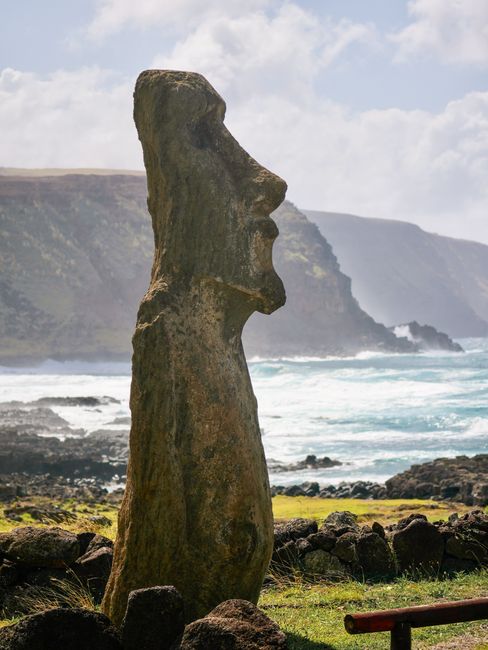
Easter Island Travel Guide
Plan a trip to Easter Island (Rapa Nui): the Single Entry Form (FUI) and 30-day stay limit, Rapa Nui National Park tickets, the compulsory…
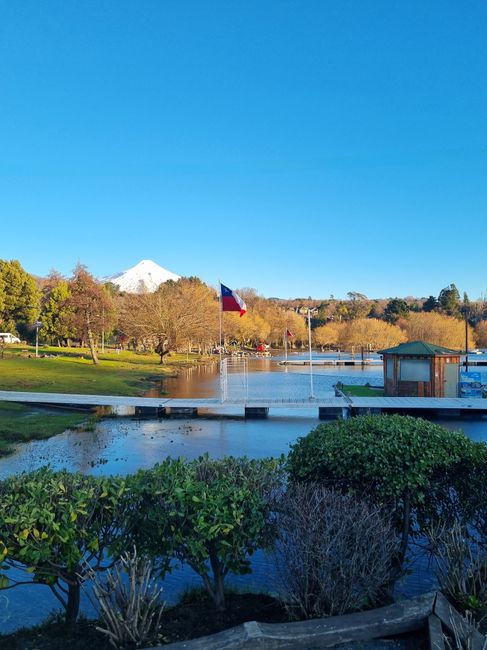
Puerto Varas Travel Guide
Plan a trip to Puerto Varas in Chile's Lake District: Lake Llanquihue and Osorno volcano, the Petrohué falls with 2026 park fees and hours,…
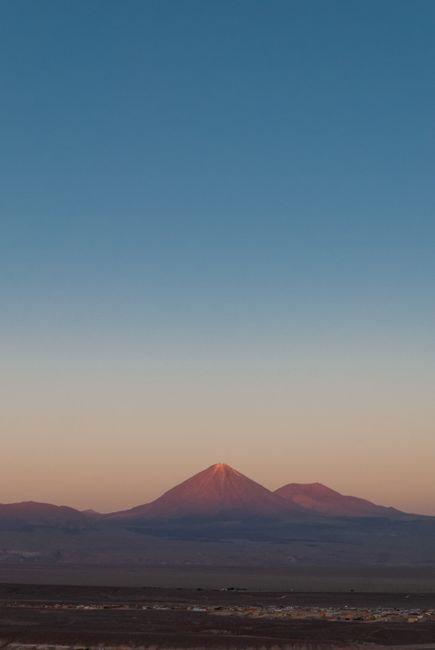
San Pedro de Atacama Travel Guide
Plan a trip to San Pedro de Atacama: the Valle de la Luna and its advance online tickets, Laguna Chaxa's flamingos, the Miscanti and…
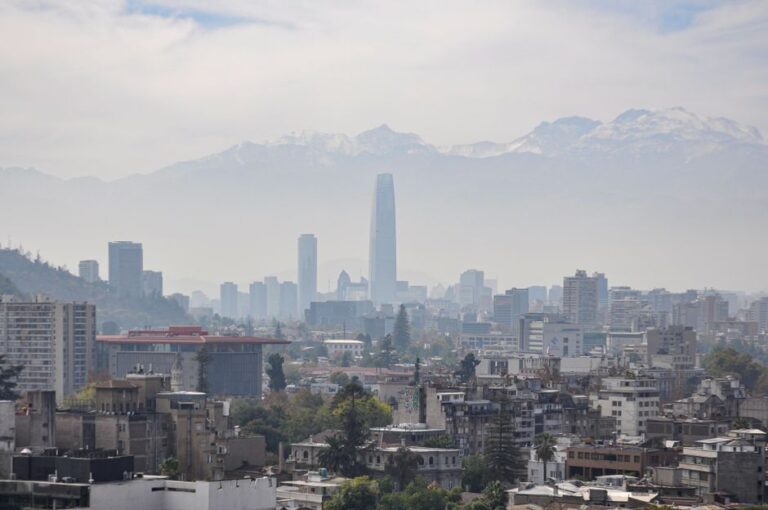
Santiago Travel Guide
Plan a trip to Santiago de Chile: the historic center and La Moneda, the Pre-Columbian Art Museum, Cerro San Cristóbal and Santa Lucía, Neruda's…
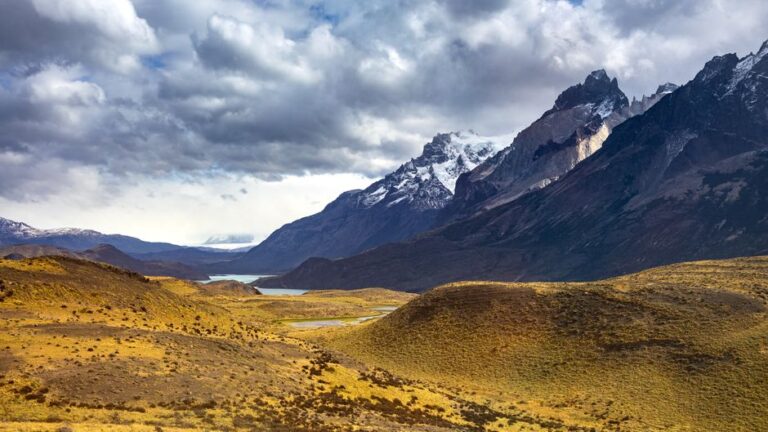
Torres del Paine National Park Travel Guide
Plan a visit to Torres del Paine National Park in Chilean Patagonia: CONAF's 2026 entry fees and opening hours, booking refuges and campsites ahead,…
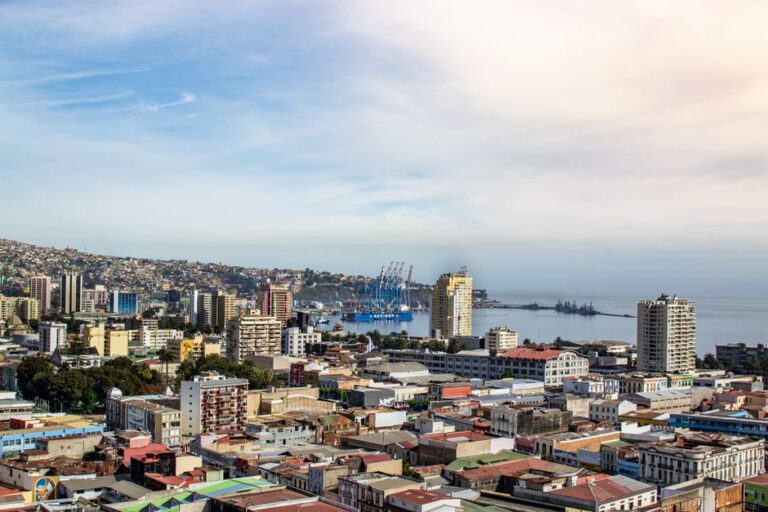
Valparaíso Travel Guide
Plan a trip to Valparaíso, Chile's UNESCO-listed port city: Cerros Alegre and Concepción, the funicular ascensores, street art and the open-air museum, Neruda's La…
Best time to visit Chile, region by region
Chile is so long that it is always a good season somewhere. Broadly: Patagonia is best from November to March, when days are long and boats, buses and refuges run; the Lake District is driest from December to March; Santiago and the wine country are at their best in spring (September to November) and fall (March to May); the Atacama can be visited all year, with cold nights in winter; and Easter Island is mild all year. The table shows average daily highs and yearly rainfall at one weather station per region, from the 1991–2020 climate normals that Chile’s Meteorological Directorate (DMC) submitted to the World Meteorological Organization.
| Region (weather station) | Summer highs (Dec–Feb) | Winter highs (Jun–Aug) | Winter nights | Rain a year |
|---|---|---|---|---|
| Atacama (Calama airport, near San Pedro) | 25 °C (77 °F) | 21–22 °C (70–72 °F) | about 0 °C (32 °F) | about 7 mm (0.3 in) |
| Norte Chico (La Serena airfield) | 20–22 °C (68–71 °F) | 15–16 °C (60–61 °F) | 7–8 °C (45–46 °F) | about 83 mm (3 in) |
| Santiago (Quinta Normal) | 29–30 °C (84–87 °F) | 16–18 °C (60–64 °F) | 4–5 °C (39–41 °F) | about 286 mm (11 in), almost all from May to August |
| Valparaíso and Viña del Mar (Rodelillo airfield) | 22–23 °C (72–74 °F) | 15–16 °C (59–60 °F) | 7–8 °C (45–46 °F) | about 524 mm (21 in), mostly May to August |
| Lake District (Puerto Montt airport) | 19–20 °C (65–68 °F) | 10–11 °C (50–52 °F) | 4 °C (39 °F) | about 1,566 mm (62 in), all year |
| Northern Patagonia (Coyhaique airfield) | 18–20 °C (64–68 °F) | 6–8 °C (42–47 °F) | about 0 °C (32 °F) | about 1,023 mm (40 in) |
| Southern Patagonia (Punta Arenas airport) | 14–15 °C (58–60 °F) | 4–6 °C (40–42 °F) | about −1 °C (31 °F) | about 389 mm (15 in) |
| Easter Island (Mataveri airport) | 26–28 °C (78–82 °F) | 21–22 °C (70–71 °F) | 16–17 °C (60–62 °F) | about 1,130 mm (44 in), all year |
The desert is about extremes between day and night: Calama averages 25 °C (77 °F) by day in summer but about 7 °C (45 °F) at night, and the high altiplano is far colder. In Patagonia, the wind matters as much as the temperature; strong westerlies blow for much of the year, especially in spring and summer, and the weather can turn several times a day.
Seasons for hiking, wine, snow and festivals
- Patagonia’s trekking season: refuges, campsites, boats and buses in Torres del Paine run fully from about October to April. According to CONAF, the park’s long Macizo Paine (“O”) circuit was closed for winter until October 31, 2026, and in winter parts of the W trek may be walked only with a guide.
- The altiplanic winter: summer storms over the Andes (roughly January to March) can bring snow or rain to the high Atacama and close roads to the geysers and lagoons for a day or two.
- Wine harvest: grapes are picked from about late February to April, and wine valleys such as Colchagua and Casablanca hold harvest festivals (vendimias), usually in March.
- Ski season: resorts above Santiago, such as Valle Nevado, La Parva, El Colorado and Portillo, usually open from about late June to September, depending on the snow.
- Fiestas Patrias: Chile’s independence celebrations on September 18 and 19 fill the country with fondas (festival grounds), empanadas, cueca dancing and long weekends.
- Tapati Rapa Nui: Easter Island’s cultural festival is held each year in early February, the busiest time to visit the island.
Crowds and prices through the year
- January and February: Chile’s summer holidays. Patagonia, the Lake District and the beaches are at their busiest and most expensive, and refuges in Torres del Paine sell out; book months ahead. Santiago empties out.
- March to May: fall colors in Patagonia and the south, the wine harvest, and pleasant weather in Santiago; prices drop after Easter.
- June to August: ski season and Chile’s two-week winter school holidays in July. Many Patagonian services close; the Atacama and Easter Island are quieter.
- September to December: spring in the central valleys, Fiestas Patrias in mid-September, and Patagonia reopening from October; a good-value time outside long weekends.
Public holidays
Chile has national holidays fixed by law, and some move to a Monday or Friday to make long weekends. Banks and many shops close, and buses, flights and hotels fill up. The next ones, from October 2026:
| Holiday | Date | Good to know |
|---|---|---|
| Meeting of Two Worlds (Día del Encuentro de Dos Mundos) | Monday, October 12, 2026 | A long weekend |
| Day of the Evangelical and Protestant Churches | Saturday, October 31, 2026 | |
| All Saints’ Day | Sunday, November 1, 2026 | |
| Immaculate Conception | Tuesday, December 8, 2026 | |
| Christmas Day | Friday, December 25, 2026 | Summer holidays begin around it |
| New Year’s Day | Friday, January 1, 2027 | Big fireworks show in Valparaíso on New Year’s Eve |
| Good Friday and Holy Saturday | March 26–27, 2027 | Easter week travel peak |
| Navy Day | Friday, May 21, 2027 | |
| Independence holidays (Fiestas Patrias) | September 18–19, 2027 | The biggest holiday of the year |
How long to stay: sample itineraries
Chile rewards a few regions done well. Every flight between regions costs most of a day once you add transfers, so plan at least three nights per stop, and more in Patagonia, where weather can cancel a hike or a boat.
7 days: Santiago, Valparaíso and the Atacama
Three days in Santiago, with a day trip to Valparaíso and Viña del Mar or a winery, then fly to Calama for four nights in San Pedro de Atacama: the Valle de la Luna at sunset, the El Tatio geysers at dawn, the altiplanic lagoons and a stargazing tour.
10–12 days: Santiago, the Lake District and Patagonia
Santiago for two or three days; fly to Puerto Montt for three nights in Puerto Varas (Petrohué falls, Osorno volcano, Frutillar); then fly to Punta Arenas or Puerto Natales for four or five days in Torres del Paine, hiking the W trek or staying in a lodge.
2 weeks: the classic north-to-south
San Pedro de Atacama (four nights), Santiago and Valparaíso (three nights), Puerto Varas (three nights) and Torres del Paine (four nights). It is a lot of flying, but you will see desert, wine country, volcanoes and glaciers.
3 weeks: adding Easter Island
Add four or five nights on Easter Island to the two-week plan, flying from and back to Santiago, or cross into Argentina from Torres del Paine to El Calafate and the Perito Moreno Glacier; see our Los Glaciares National Park travel guide.
Entry, money and costs
Entry: visas and documents (last reviewed October 2026)
According to Chile’s official tourism board (Sernatur’s chile.travel), citizens of South American countries, the European Union, the United States, Canada and Australia don’t need a visa to enter Chile as tourists; tourist stays are normally up to 90 days. Other nationalities may need a temporary stay visa, applied for online in advance. Bring a passport valid for your stay. Border officers can ask to see your accommodation booking and proof that you can support yourself; chile.travel gives a guide figure of at least US$46 a day.
Chile’s police (PDI) record your entry digitally. Keep the record of your entry, which hotels may ask for when they apply the VAT exemption described below.
Arriving: the SAG declaration
Chile is strict about food and plants. Every traveler must fill in the Agricultural and Livestock Service (SAG) sworn declaration on arrival and declare all animal and plant products, including fruit, honey, nuts, cheese, meat, seeds and wooden items. Undeclared products are confiscated and can bring very high fines, and bags are X-rayed and checked by sniffer dogs. When in doubt, declare it.
Easter Island: extra entry rules
Travel to Easter Island counts as domestic, but extra rules apply under Law 21.070: you must complete the Single Entry Form (FUI) online before you fly, have a return ticket for a stay of no more than 30 days including arrival and departure days, and book accommodation registered with Sernatur (or hold an invitation processed by the island’s provincial government). The FUI is free and is checked by the PDI at the airport before boarding. Details are in our Easter Island travel guide.
Money: the peso and paying by card
The currency is the Chilean peso (CLP), written with a “$” sign. On October 2, 2026, the Central Bank of Chile’s observed dollar rate was CLP 983.84 to the US dollar, so CLP 1,000 is roughly US$1. Notes come in CLP 1,000, 2,000, 5,000, 10,000 and 20,000, and coins in 10, 50, 100 and 500; prices are often rounded to the nearest 10 pesos when you pay cash.
- Cards: Visa and Mastercard, credit and debit, are accepted almost everywhere in cities and tourist towns, including small shops, taxis booked by app and many market stalls, and contactless payment is normal. American Express is accepted less widely.
- Pay in pesos: if a card machine or ATM offers to charge you in your home currency, choose pesos to avoid its conversion margin.
- Cash: useful for buses outside Santiago, small rural businesses, tips, and Easter Island’s smaller operators. Chilean ATMs usually charge foreign cards a fixed fee per withdrawal, and limits per transaction are fairly low.
- US dollars: hotels often quote prices in dollars for foreigners; on Easter Island and in Patagonia, some tour operators accept dollars, but you’ll usually get a better deal in pesos elsewhere.
Taxes: 19% VAT and the hotel exemption for foreign tourists
Chile’s value-added tax (IVA) is 19%, included in shop and menu prices. Under the VAT law (Decree-Law 825, article 12, letter E, number 17), hotels registered with the tax service don’t charge IVA on accommodation and related services paid in foreign currency by foreign tourists who don’t live in Chile. In practice, pay your hotel bill in US dollars or with a card issued abroad, show your passport and entry record, and ask for the rate without IVA; not every small guesthouse is registered for the scheme.
Tipping
- Restaurants: a 10% tip (“propina”) is customary, and the bill usually asks whether you want to add it; you can decline or change it.
- Tours and guides: about 10% for a good day tour; on multi-day treks, tip porters and refuge staff if you wish.
- Taxis: not expected; round up the fare.
Typical travel costs
Chile is one of the more expensive countries in South America, close to southern European prices in Santiago and higher in Patagonia and on Easter Island. These per-person daily estimates are a planning guide as of October 2026:
| Style | Estimated cost per day | What that looks like |
|---|---|---|
| Budget | about CLP 45,000–70,000 (US$45–70) | Hostel bed or simple guesthouse, set lunches (“menú del día”), buses and the Metro |
| Mid-range | about CLP 110,000–200,000 (US$110–200) | Comfortable hotel room shared by two, restaurant meals with wine, a tour or park entry most days, domestic flights booked early |
| High-end | about CLP 350,000+ (US$355+) | Boutique hotels and all-inclusive lodges in Patagonia or the Atacama, private guides and transfers |
The figures are our estimates, not official statistics. Domestic flights, the Easter Island trip, Patagonian lodges and the El Tatio and lagoon tours from San Pedro are the big extra costs.
Getting there and getting around
Arrival airports
- Santiago (SCL): Arturo Merino Benítez International Airport, in Pudahuel, about 17 km (11 miles) west of the center, handles almost all long-haul flights, with international flights in Terminal 2. According to chile.travel, official transport counters are at the exit of Terminal 2 after baggage claim; use them or a ride-hailing app rather than drivers who approach you. Shared shuttles and airport buses also run into the city.
- From North America and Europe: nonstop flights reach Santiago from the United States (including Miami, Atlanta, Dallas and Houston), Toronto, Madrid, Paris, London and other hubs, and from every South American capital. See our Miami, Atlanta, Dallas and Houston guides.
- Other airports: a few regional airports, such as Punta Arenas, Puerto Montt, Calama and Iquique, have flights to neighboring countries, but most international travelers connect through Santiago.
Domestic flights
Flying is the practical way to cover Chile. LATAM, Sky Airline and the low-cost JetSMART connect Santiago with Calama, Puerto Montt, Punta Arenas and about 15 other cities, and LATAM is the only airline flying to Easter Island. Book Patagonia and Easter Island flights early for December to February.
Long-distance buses and trains
Chile’s long-distance buses are comfortable and frequent, with “semi-cama” and “cama” (near-flat) seats on overnight routes along Route 5, the Pan-American Highway. In Santiago, according to chile.travel, the Alameda terminal covers most of the country, Los Héroes and San Borja mainly the north, and the Santiago terminal the south and the central coast. Trains are limited: EFE’s Santiago–Chillán service takes about 4 hours 40 minutes via Rancagua and Talca, and the Limache–Puerto commuter line links Valparaíso and Viña del Mar.
Driving
Driving is the best way to see the Lake District, the Elqui Valley, the Carretera Austral and the Atacama’s outlying sights. Chileans drive on the right, and Route 5 is a toll highway for much of its length. Your home license plus an International Driving Permit is the safe combination for tourists. In the north, carry plenty of water and fuel and watch for altitude; in Patagonia, gravel roads, wind and long distances between gas stations need care, and there is no fuel inside Torres del Paine. To take a rental car into Argentina you need a permit arranged in advance with the rental company.
Crossing to Argentina, Bolivia and Peru
The government publishes an updated map of open border crossings, because some close in bad weather. Popular routes include Santiago to Mendoza over the Los Libertadores pass (see our Mendoza travel guide), Puerto Varas to Bariloche by the Cardenal Samoré pass or the lake crossing (see our San Carlos de Bariloche travel guide), San Pedro de Atacama to Salta over the Jama pass (see our Salta travel guide), Torres del Paine to El Calafate via Cerro Castillo, San Pedro de Atacama to Bolivia’s salt flats (see our Salar de Uyuni travel guide), and Arica to Tacna in Peru.
City transport
Santiago has a large, modern Metro and the RED bus network, paid with a rechargeable bip! card or a QR code from the RED app; one fare covers up to two transfers within two hours. Valparaíso and Viña del Mar have the Metro Valparaíso train and many local buses. Ride-hailing apps work in the main cities; elsewhere, use radio taxis.
National parks: tickets online
Chile’s national parks and reserves run by CONAF sell entry passes on the official site, Pases Parques (pasesparques.cl); buy in advance, especially in high season, as places are limited. As of October 2026, examples for foreign adults:
| Park | Foreign adult | Good to know |
|---|---|---|
| Torres del Paine | CLP 32,400 (about US$33) for one day; CLP 48,500 (about US$49) for more than one day | Under-13s free; campsites and refuges booked separately and in advance |
| Vicente Pérez Rosales (Petrohué falls, near Puerto Varas) | CLP 8,200 (about US$8) | Open daily, shorter hours from March to November |
| Rapa Nui National Park (Easter Island) | Sold by the Ma’u Henua community, not CONAF; see our Easter Island guide | Ticket valid 10 days from first entry; accredited guide compulsory |
Some reserves in the Atacama, such as the Valle de la Luna and the flamingo and altiplanic lagoons, are co-managed by Lickanantay (Atacameño) communities, which sell their own tickets.
Culture, food and everyday etiquette
Chilean food is hearty and built on seafood from the long coast and produce from the central valleys. Try empanadas de pino (beef, onion, egg and olive), pastel de choclo (a corn-topped meat pie), cazuela (a meat and vegetable soup), machas a la parmesana (razor clams baked with cheese), caldillo de congrio (conger eel stew, beloved by Neruda), and in the south curanto, a feast of shellfish, meat and potatoes cooked in a pit on Chiloé. The completo, a hot dog piled with avocado, tomato and mayonnaise, is the national snack. Drink pisco sour (Chile and Peru both claim it), Carménère and Cabernet from the central valleys, Sauvignon Blanc from Casablanca, and mote con huesillo (peach juice with wheat) in summer. Lunch is the main meal, from about 1 to 3 p.m.; dinner is late, from about 8 or 9 p.m., and “once,” afternoon tea with bread and toppings, is a family ritual.
Tap water is treated and generally safe to drink in Santiago and other cities, although its mineral taste is strong in the north; many travelers drink bottled water in the desert. The legal drinking age is 18.
Everyday etiquette
Chileans greet friends with a single kiss on the right cheek. Say “buenos días” or “buenas tardes” when you enter a shop. Chile’s 1973–1990 dictatorship and the 2019 protests are sensitive topics; listen more than you speak. On Easter Island, respect the Rapa Nui culture: never touch or climb on a moai or ahu, and follow the instructions of the park’s rangers.
Safety, health, accessibility and connectivity
Safety
Chile is one of the more stable countries in South America for visitors, and most trips are trouble-free. Crime is mostly opportunistic and concentrated in big cities. Practical precautions:
- In Santiago, watch for pickpockets and phone snatchers in the historic center, on the Metro, in Bellavista and Lastarria at night, and at bus terminals; keep your phone in your pocket at the curb and in outdoor cafés.
- In Valparaíso, stick to the busy tourist hills and the port area by day, and take a taxi at night.
- Rental cars are targets for break-ins at trailheads and viewpoints; leave nothing in sight.
- Demonstrations happen in central Santiago, especially around Plaza Baquedano (Plaza Italia) and the Alameda; they can turn rowdy, so stay clear.
Nature is the bigger risk. Chile is one of the world’s most seismically active countries: according to chile.travel, the national disaster agency SENAPRED publishes alerts and risk maps for earthquakes, tsunamis, volcanoes and wildfires, and you should follow sirens, cell phone alerts and local evacuation signs on the coast. Wildfires are a serious risk in summer, especially around Valparaíso and in Patagonia, where lighting any fire outside designated areas is a crime. In the north, take altitude seriously: San Pedro is at about 2,400 m (7,900 ft) and the geysers and lagoons above 4,000 m (13,100 ft). In Patagonia, the wind and sudden weather changes are the main hazards; in the south, rivers and the sea are cold and currents strong. The sun is fierce everywhere, especially in the desert and at altitude.
Emergency numbers: 133 for the police (Carabineros), 131 for an ambulance, 132 for the fire service, 137 for maritime emergencies and 134 for the PDI investigative police.
Health and insurance
No vaccines are required to enter Chile from most countries; check routine vaccinations with a travel clinic. Private clinics in Santiago are excellent, but medical care is expensive and limited in Patagonia, the desert and on Easter Island, where serious cases are flown to the mainland. Buy travel insurance with medical cover and evacuation. Hantavirus, carried by wild rodents, occurs in rural parts of the south; camp only in official sites and keep food sealed. Dengue has appeared on Easter Island in some years, so use repellent there.
Accessibility
Santiago’s newer Metro lines have elevators and many stations are accessible, and modern hotels have adapted rooms. Older buildings, steep hills in Valparaíso, gravel paths in national parks and the uneven ground at archaeological sites make some places hard for wheelchair users; ask in advance.
Connectivity and power
Wi-Fi is free in most hotels, cafés and restaurants. Entel, Movistar, Claro and WOM sell prepaid SIMs and eSIMs; mobile coverage is good in cities and along Route 5 but patchy or absent in national parks: in Torres del Paine, according to CONAF, there is cell signal only at the park administration area. Chile uses 220 V and type C and L sockets (two or three round pins in a row), so most visitors need an adapter, and US devices must handle 220 V; see our guide to travel adapters.
Things to do: hiking, wine tasting, stargazing, beaches and more
- Hiking: the W trek and Base of the Towers in Torres del Paine, rainforest trails around Puerto Varas, volcanoes near Pucón, and desert walks around San Pedro.
- Wine tasting: Cabernet and Carménère in the Maipo and Colchagua valleys, cool-climate whites in Casablanca on the road to Valparaíso, and pisco in the Elqui Valley.
- City sightseeing: Santiago’s museums, markets and hills, and Valparaíso’s funiculars and street art.
- Boat trips: Lake Todos los Santos near Puerto Varas, the Grey Glacier and Lake Pehoé in Torres del Paine, and whale and penguin trips from Punta Arenas.
- Diving and snorkeling: famously clear water off Easter Island.
- Surfing: Pichilemu and Arica have some of the best waves in South America, in cold water.
- Beaches: Viña del Mar and the central coast in summer, warm Anakena on Easter Island, and the northern beaches near La Serena and Arica.
- Cycling: wine country by bike, the shore of Lake Llanquihue and the Carretera Austral.
- Stargazing: telescope tours under the very dark skies of the Atacama and the Elqui Valley.
What to pack
Pack layers: a windproof and waterproof jacket and warm fleece for Patagonia and the south even in summer (see our guide to rain jackets), a warm hat, gloves and down jacket for desert nights and the geysers at dawn, broken-in boots for trekking (see hiking shoes), sunglasses, high-factor sunscreen, lip balm and a sun hat for the desert and Easter Island, swimwear, and smart-casual clothes for Santiago restaurants. Bring a type C/L plug adapter, and leave fresh food at home because of the SAG rules.
Chile travel FAQ
When is the best time to visit Chile?
It depends on the region: November to March for Patagonia and the Lake District, spring (September to November) and fall (March to May) for Santiago and the wine valleys, any time for the Atacama, and late June to September for skiing.
Do I need a visa to visit Chile?
According to Chile’s official tourism board, citizens of South America, the EU, the United States, Canada and Australia don’t need a visa as tourists; stays are normally up to 90 days. Other nationalities should check with a Chilean consulate.
What do I need to visit Easter Island?
Complete the free Single Entry Form (FUI) online before you fly, hold a return ticket for a stay of no more than 30 days, and book accommodation registered with Sernatur. To visit the archaeological sites you need a park ticket and an accredited guide.
How much is the entrance fee to Torres del Paine?
As of October 2026, foreign adults pay CLP 32,400 (about US$33) for one day or CLP 48,500 (about US$49) for more than one day, bought online at Pases Parques. Under-13s go free.
Do I need to book campsites in Torres del Paine?
Yes. Overnight stays in the park’s refuges and campsites must be booked in advance with the operators, and CONAF requires hikers to meet its registration and booking rules. Camping is allowed only at authorized sites.
What is the exchange rate in Chile?
On October 2, 2026, the Central Bank of Chile’s observed dollar rate was CLP 983.84 per US dollar, so CLP 1,000 is about US$1.
Can I pay by card in Chile?
Yes. Visa and Mastercard are accepted almost everywhere in cities and tourist towns, and contactless payment is common. Choose to pay in pesos when asked, and carry some cash for rural buses and tips.
Do tourists pay VAT on hotels in Chile?
Not at hotels registered for the scheme, if you are a foreign tourist paying in foreign currency, such as US dollars or a card issued abroad. Show your passport and entry record and ask for the rate without the 19% IVA.
What can’t I bring into Chile?
You must declare all food, plant and animal products on the SAG form; fresh fruit, meat, cheese, honey and seeds are often confiscated, and undeclared items can bring heavy fines.
Is Chile safe for tourists?
Most visits are trouble-free. Watch for pickpockets and phone snatching in Santiago and Valparaíso, avoid demonstrations, and prepare for natural risks: earthquakes, wildfires, altitude in the north and fast-changing weather in Patagonia.
What time zone is Chile in?
Mainland Chile is on UTC−4 in winter and UTC−3 in summer (roughly September to April). The Aysén and Magallanes regions, including Torres del Paine, stay on UTC−3 all year, and Easter Island is two hours behind the mainland.
How do I get from Chile to Argentina?
By plane, by bus over the Andes passes (Santiago to Mendoza, Puerto Varas to Bariloche, San Pedro to Salta), by the lake-and-bus crossing from Puerto Varas, or by road from Torres del Paine to El Calafate. Some passes close in winter storms.
What plug adapter do I need for Chile?
Chile uses 220 V with type C and L sockets (round pins). Most visitors need an adapter, and US devices must be rated for 220 V.
Sources and last review
Researched and last reviewed on 4 October 2026. Entry, SAG declaration, Easter Island entry rules, currency notes, emergency numbers, airport transport, bus terminals and trains: Chile’s official tourism site, chile.travel (Sernatur); the Easter Island FUI: ChileAtiende and the PDI; exchange rate: the Central Bank of Chile’s observed dollar series; hotel VAT exemption and VAT rate: Decree-Law 825 as published by the National Congress Library (BCN); park fees and hours: CONAF’s Pases Parques site; Torres del Paine rules and services: CONAF; Rapa Nui National Park rules: the Ma’u Henua community; Santiago fares: RED Movilidad; time zones: the Navy’s official time service (SHOA); climate: the Meteorological Directorate’s 1991–2020 normals as published by the World Meteorological Organization. Flight times, holidays, festivals, ski and harvest seasons, card acceptance, ATM fees, tipping, safety tips, health notes, plugs and typical costs come from general references and are flagged for checking; daily costs are our estimates. Prices and rules change, so check the official sites before you go. For neighboring countries, see our Argentina, Bolivia and Peru travel guides.
Plan your trip
Partner links: TravelerCenter may earn a commission if you book, at no extra cost to you.
🇪🇸 Useful Spanish phrases for Chile
All 38 Spanish phrases: restaurant, hotel, emergencies, romance (printable) →